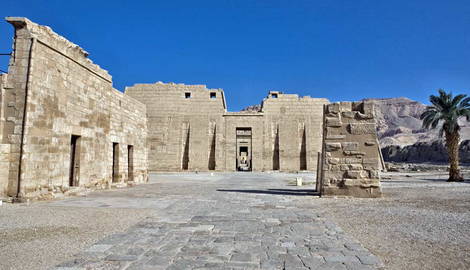
1177 BC is a symbolic marker for a time when the ancient world effectively came to an end for many societies in the Mediterranean world. Many respected historians argue that a perfect storm of disasters likely struck the Mediterranean and the Near East regions during the era. Before the sudden end, the Bronze Age had been a period of great prosperity and regional interconnectedness for centuries.
Great empires such as the Egyptians and the Mycenaeans built massive palaces and traded luxury goods across the sea. The situation, however, turned dark when almost every major city suddenly burned to the ground. Scholars refer to the event as the Late Bronze Age Collapse. It remains as one of the biggest mysteries in human history.
The Sea Peoples and War
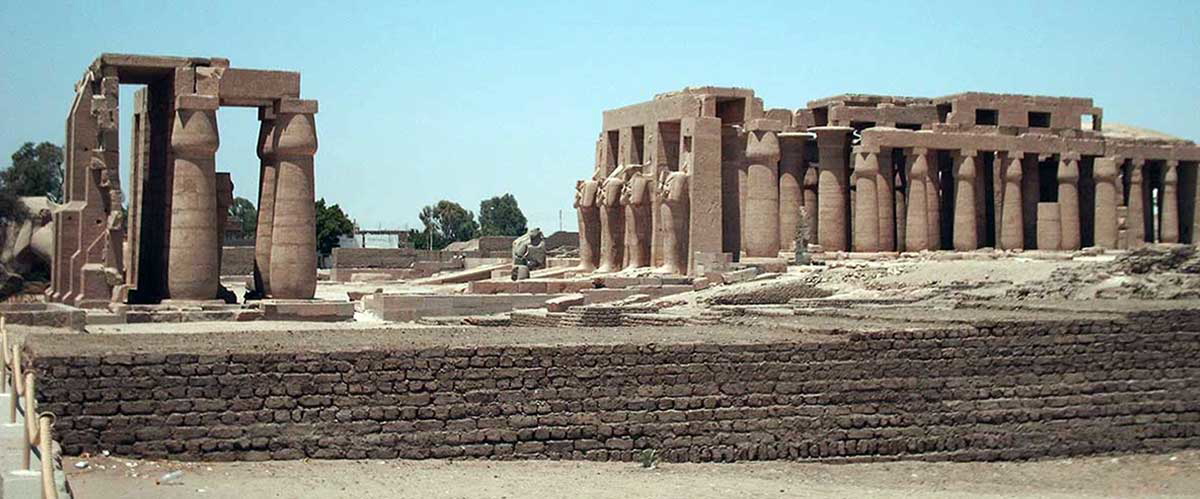
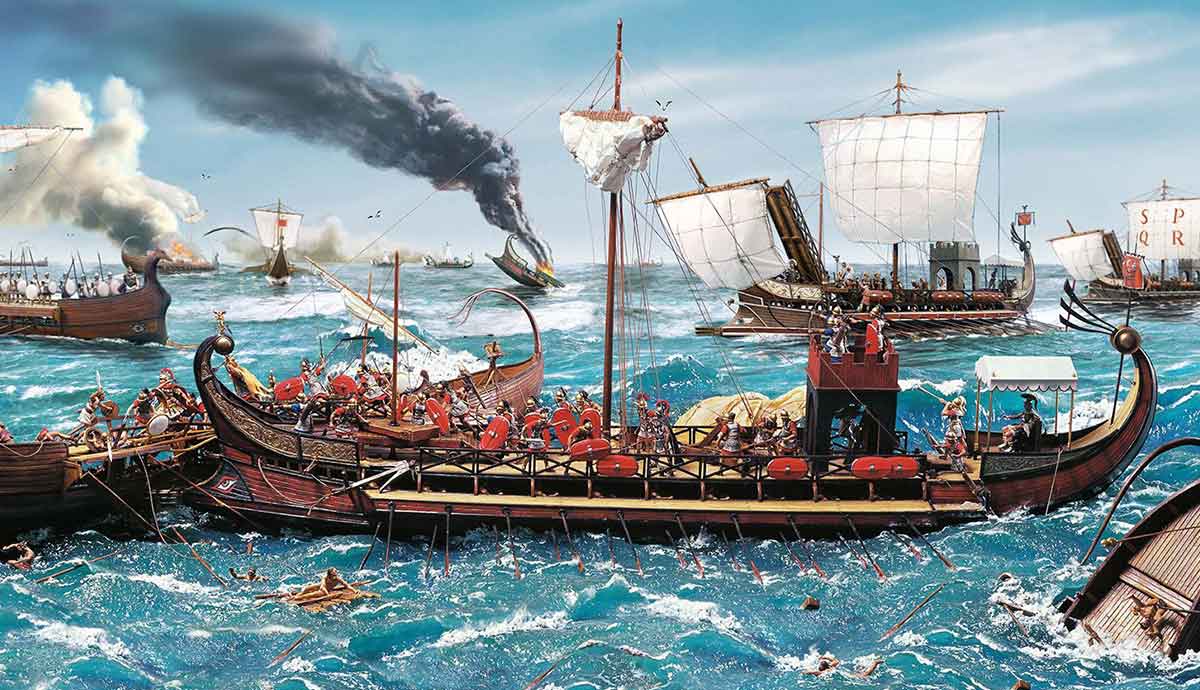
Ancient inscriptions found at Medinet Habu in Egypt describe a confederation of naval raiders known as the Sea Peoples who invaded the land. Ramses III who reigned as the Pharaoh of Egypt from 1186 BC to 1155 BC recorded that he fought a great battle against the Sea Peoples in the eighth year of his reign. The inscriptions stated that the invaders were formidable.
The Sea Peoples are said to have consisted of groups such as the Peleset, Tjeker, Shekelesh, Denyen, and the Weshesh who came from the Mediterranean Sea region. While the Sea Peoples are often blamed for the collapse of those societies, their decline may have been the result of a larger problem rather than the sole cause and the people themselves were likely refugees who were forced to migrate to find new lands to inhabit.
Drought and Famine Factors
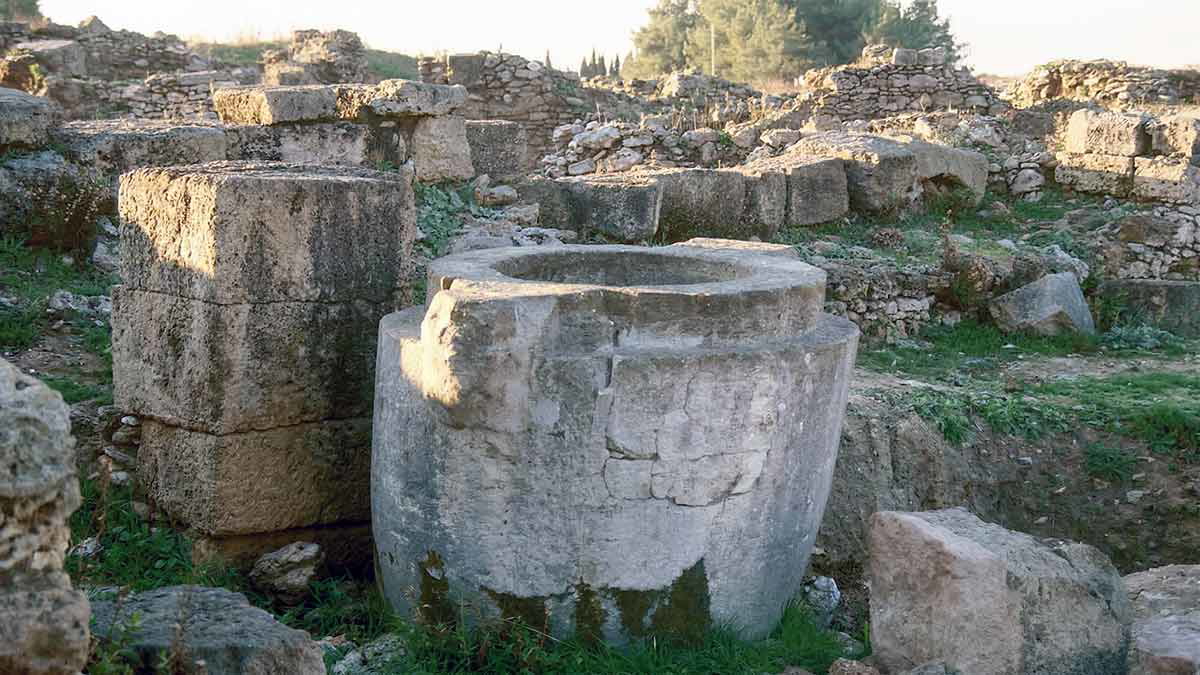
Some historical hypotheses indicate that climate change may have played a significant role in the events of the late second millennium BC. Archaeological findings indicate that a sharp decrease in rainfall likely occurred around 1200 BC. The data suggests that the region experienced a dry period that lasted three centuries. A letter found in the archives of the city of Ugarit which was located in modern Syria, highlights the severity of the situation.
In the text, the King of Ugarit, Ammurapi, wrote to the King of Alashiya to say that enemy ships had arrived, his cities were being burned, and his own troops were stationed elsewhere. Other letters found in the city archives describe how the kingdom was facing famine and that the people were close to death.
Earthquakes and Natural Disasters
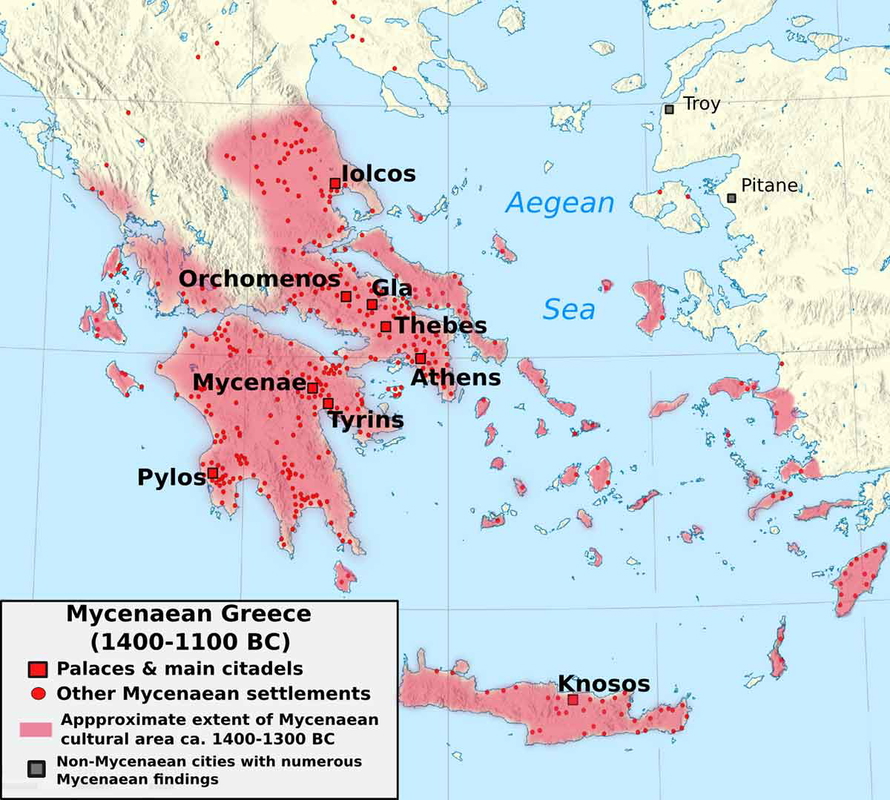
Geologists and archaeologists have found evidence to suggest that a series of earthquakes struck the Eastern Mediterranean between 1225 BC and 1175 BC. The pattern of destruction at sites such as Mycenae, Tiryns, Midea, and Troy suggests that an earthquake storm may have occurred. An earthquake storm happens when a fault line experiences a build-up of pressure over time and triggers a series of earthquakes.
The physical damage to the cities would have weakened the defenses and made it difficult for the leaders to maintain control over the population. The collapsed walls and ruined buildings found at the sites support the theory that seismic activity may have contributed to the breakdown of society.
A Disruption of Trade Networks
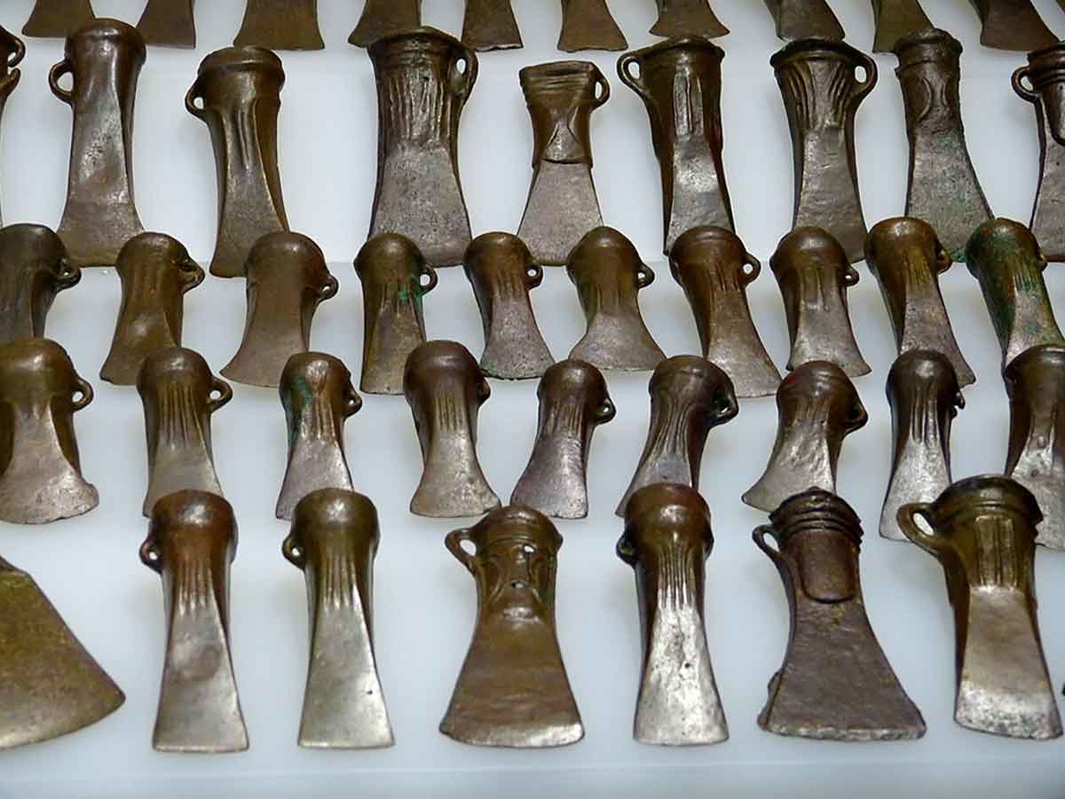
The collapse was also likely a result of the complex nature of the international system itself. At the time, the civilizations of the Late Bronze Age were dependent on each other for vital resources and the production of bronze, for example, required both copper and tin. Copper was readily available on the island of Cyprus, but tin had to be imported from distant locations such as Afghanistan. At a time when the trade routes were disrupted by pirates or invaders, the flow of goods would stop. A disruption in the supply of tin, for example, meant that the armies could not make new weapons and the farmers could not make new tools.
The failure of one part of the system would have had a ripple effect that caused the other parts to fail as well thereby causing a systems collapse.
The Aftermath of the Collapse
The period that followed the collapse is often referred to as a Dark Age as cultural aspects such as the art of writing disappeared in many places such as Greece, where the Linear B script fell out of use. It would take several centuries for the region to recover and for new societies to emerge. The collapse of the old empires also created a power vacuum that allowed new groups to rise to prominence. The Israelites and the Phoenicians, for example, were able to establish themselves in the Levant in the aftermath of the chaos.