After his success at the Battle of Hastings in 1066, William the Conqueror became the first Norman king of England and imported a Norman elite to help him rule over his new territory. This had a profound impact on life in England, importing Norman-French culture into what was a thoroughly Germanic-Anglo-Saxon nation. The presence of the ruling Normans changed the language, the laws, and daily life for the people of England. Discover four important ways that William the Conqueror transformed England.
William the Conqueror Establishes Norman Rule
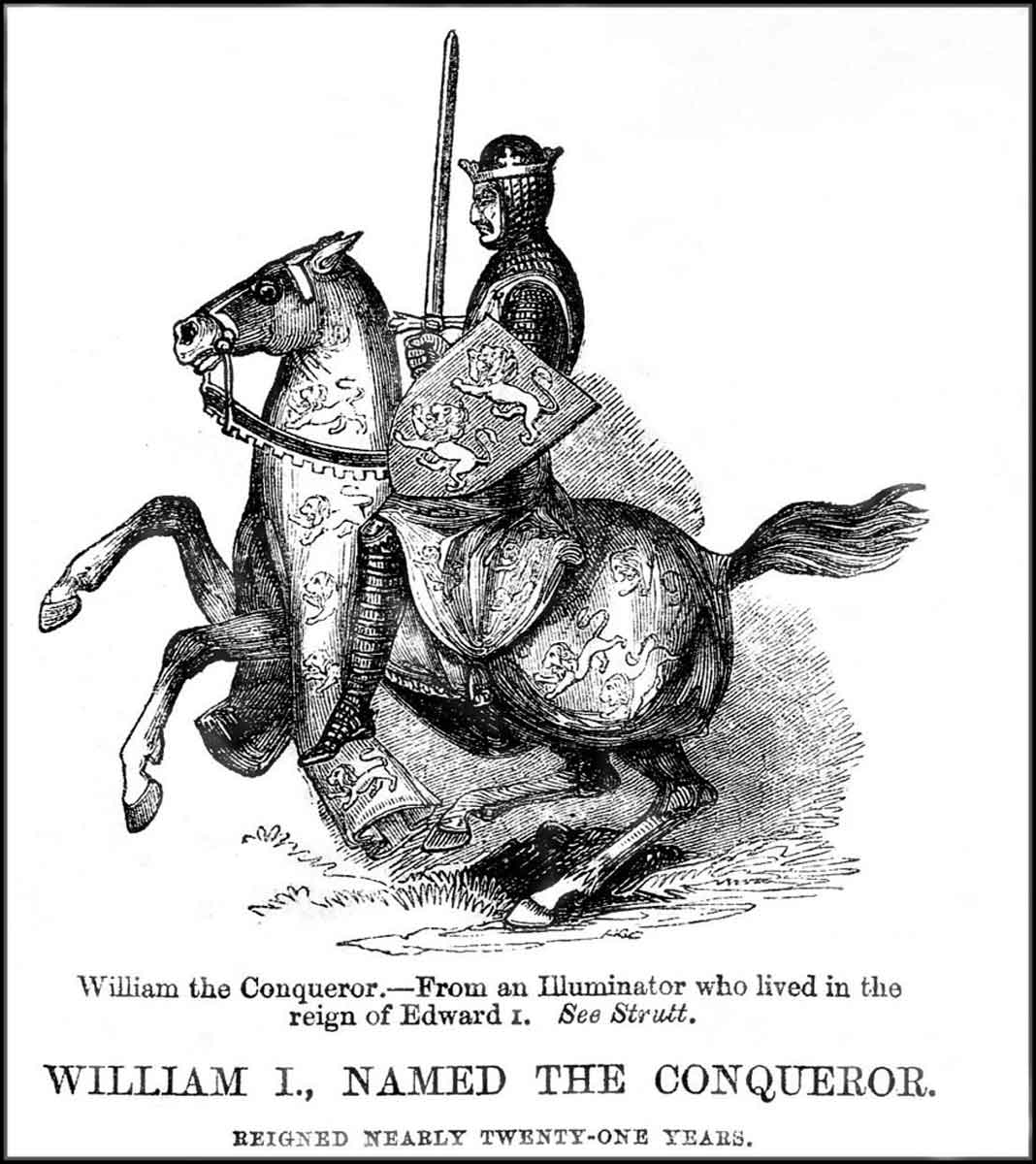
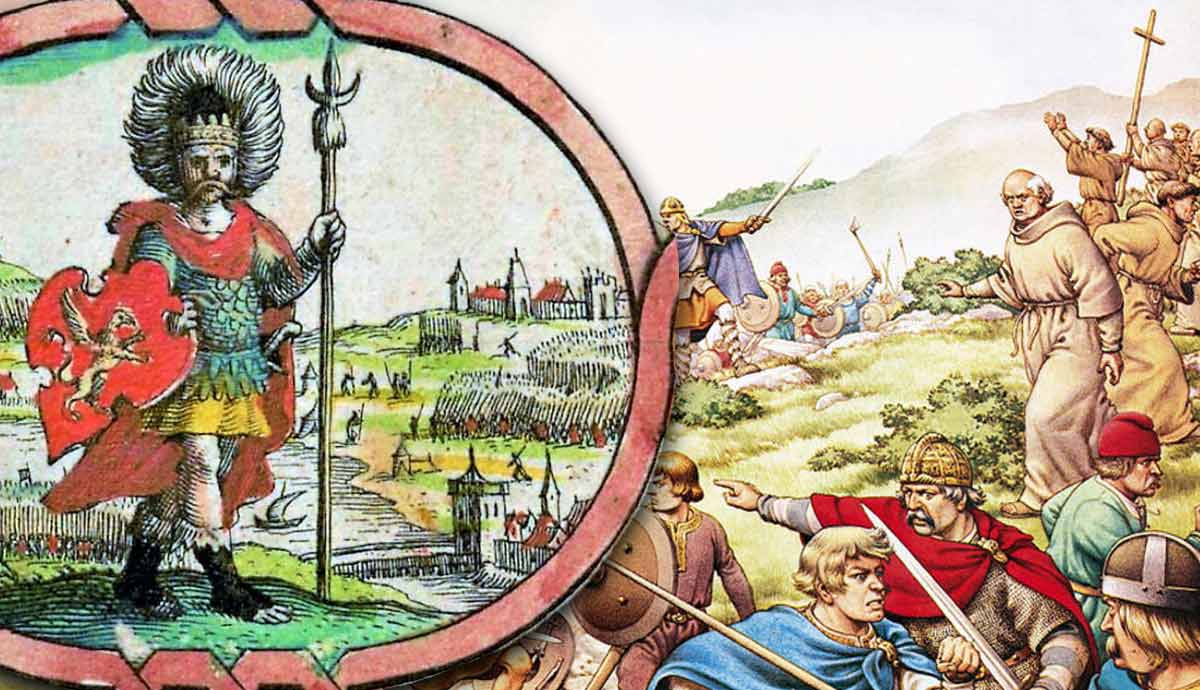
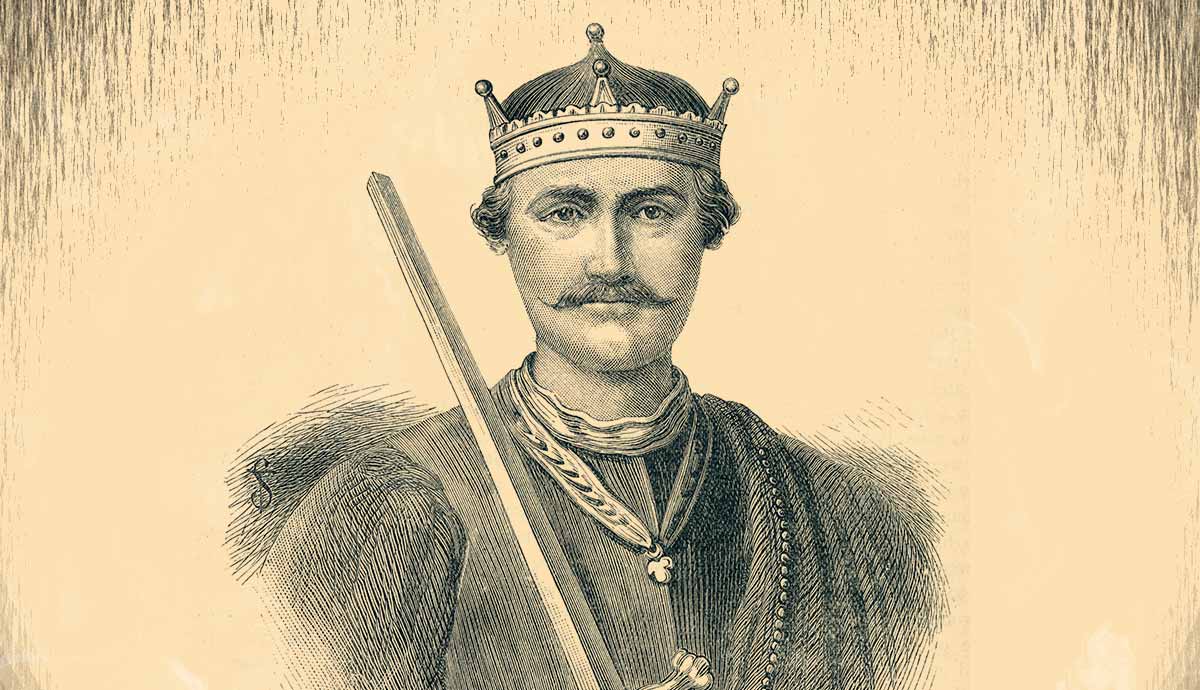
When William the Conqueror took over England, he displaced the Anglo-Saxons, who had ruled the country for around 500 years, and gave England its first Norman king. He brought with him a select group of around 8,000 Norman nobles and church officials who displaced Anglo-Saxon landowners and clerics, giving England an elite class of Normans. The Doomsday Book was produced as part of this redistribution of wealth and power. It records two moments in time: a catalog of England’s landed wealth as it existed under Edward the Confessor in January 1066, and a catalog of how it was redistributed by William the Conqueror in 1085/6.
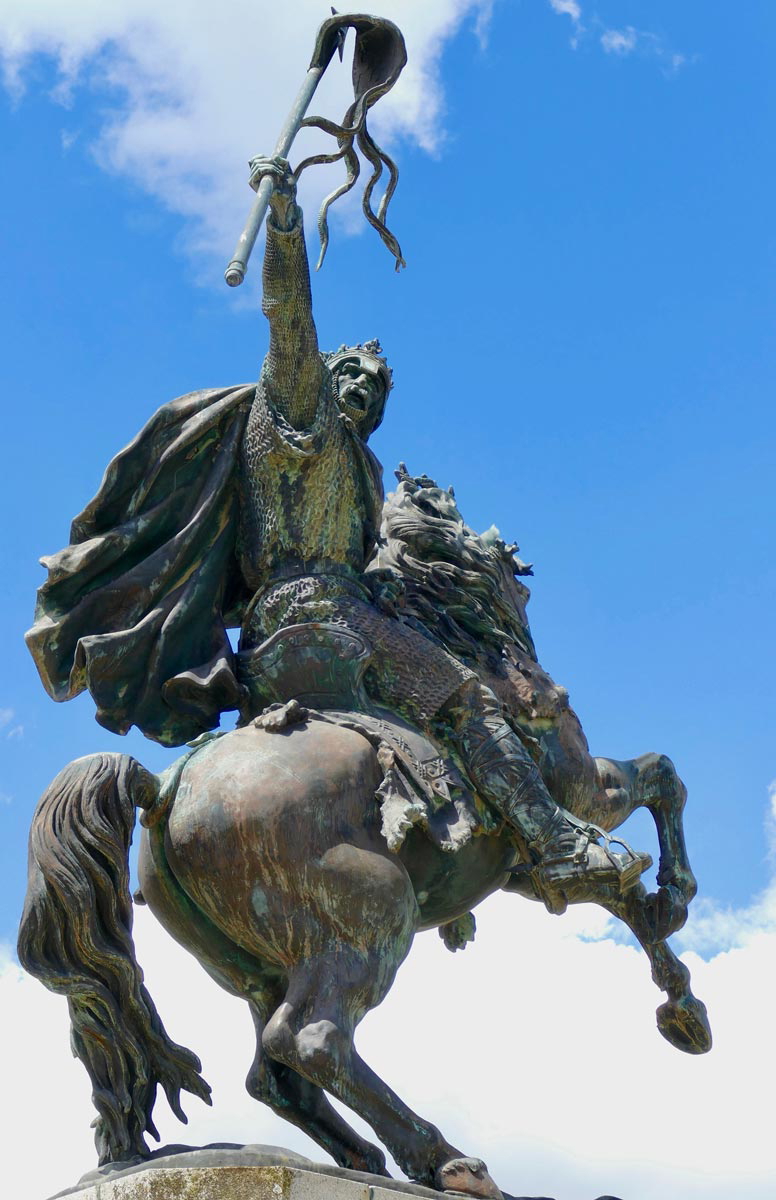
The Anglo-Saxons were a Germanic people who originally came from Germany and Denmark. The Danes, who took over portions of England during the late 10th and early 11th centuries, also came from Denmark. Interestingly, the Normans also came from largely the same area originally, or somewhat further north. However, by 1066, they had spent the past century and a half in northwest France. Consequently, their culture had changed significantly, and they spoke a form of French known as Norman French.
1. The English Language
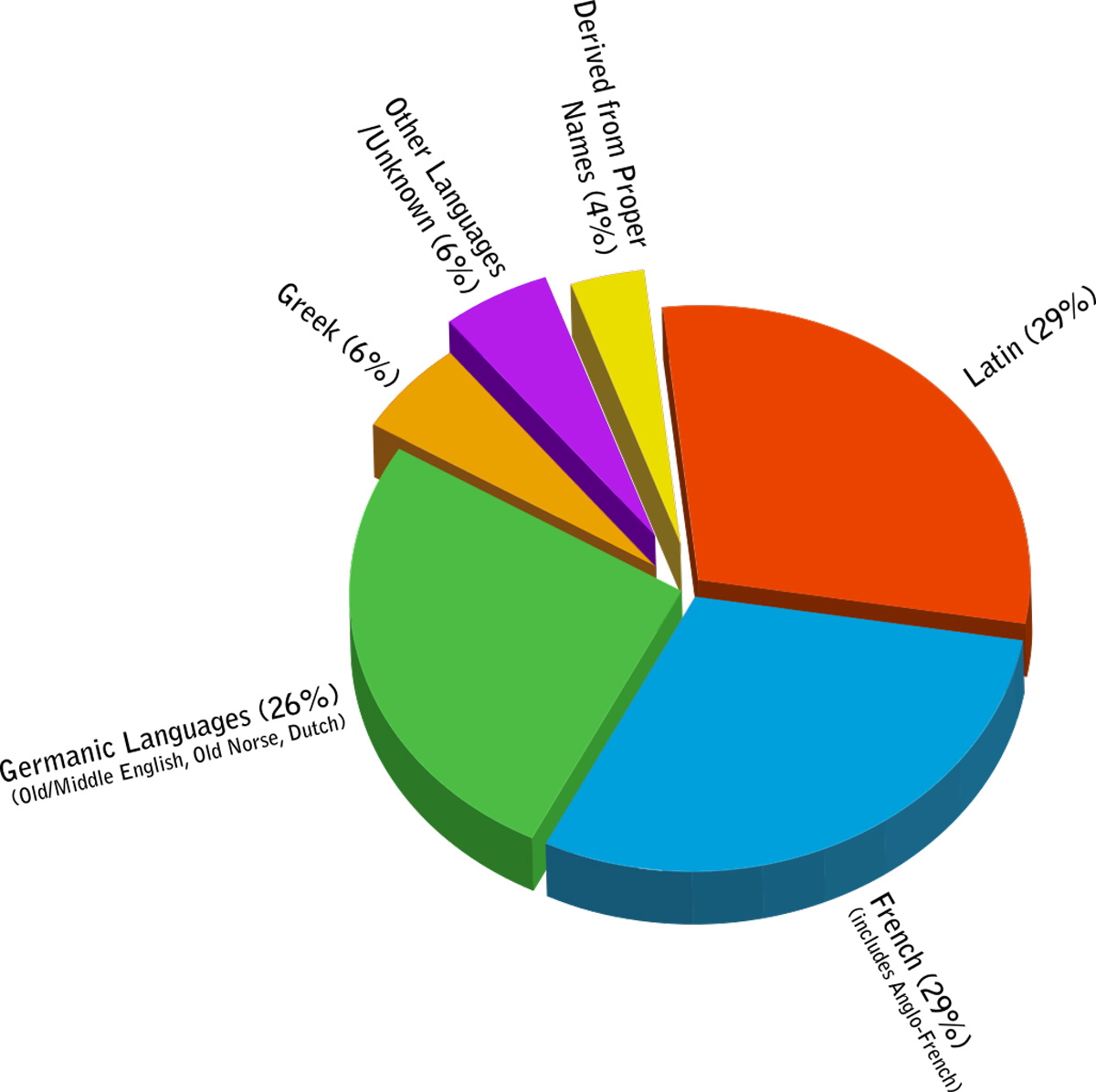
While the general population continued to speak Old English rather than adopt Norman French, the new language of the elite influenced the development of the English language. Numerous words in the English language today have French origins. Thus, even though English is fundamentally a Germanic language rather than a Romance (that is, Latin-derived) language, English speakers can still recognise plenty of words in French and other related languages.
The difference between the language of the general populace, many of whom were poor, and the language of the elite class is also reflected in modern English. For example, while “pig” is the name of the animal, “pork” is the name for its meat. The former term comes from Old English, while the latter term comes from the French “porc.” This is because while commoners cared for the animals, the nobility principally ate it! Many similar examples exist in the English vocabulary such as cow versus beef, sheep versus mutton, and calf versus veal.
2. Military Tactics
The Normans imported many elements of their culture to England with them, but one of the most notable were their military tactics, both offensive and defensive. On the offensive, the Normans tended to use cavalry, soldiers mounted on horses riding across the battlefield. In contrast, the Anglo-Saxons relied more on foot soldiers, even though they would often ride on horses to arrive at the battlefield. This resulted in England developing the tradition of nobles training from childhood to fight as heavily armed knights on horseback, leading to the rise of chivalric culture and infamous pastimes such as jousting.
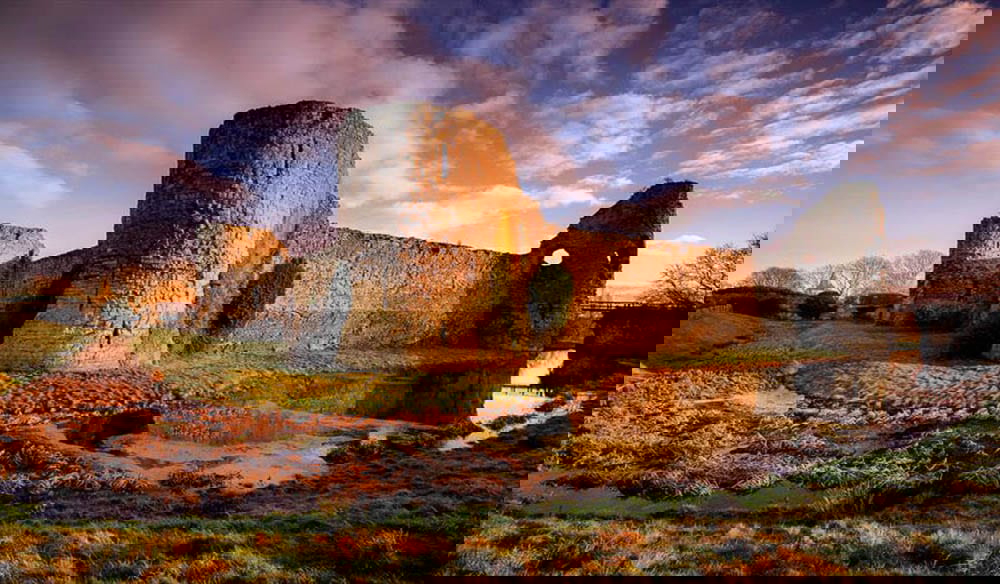
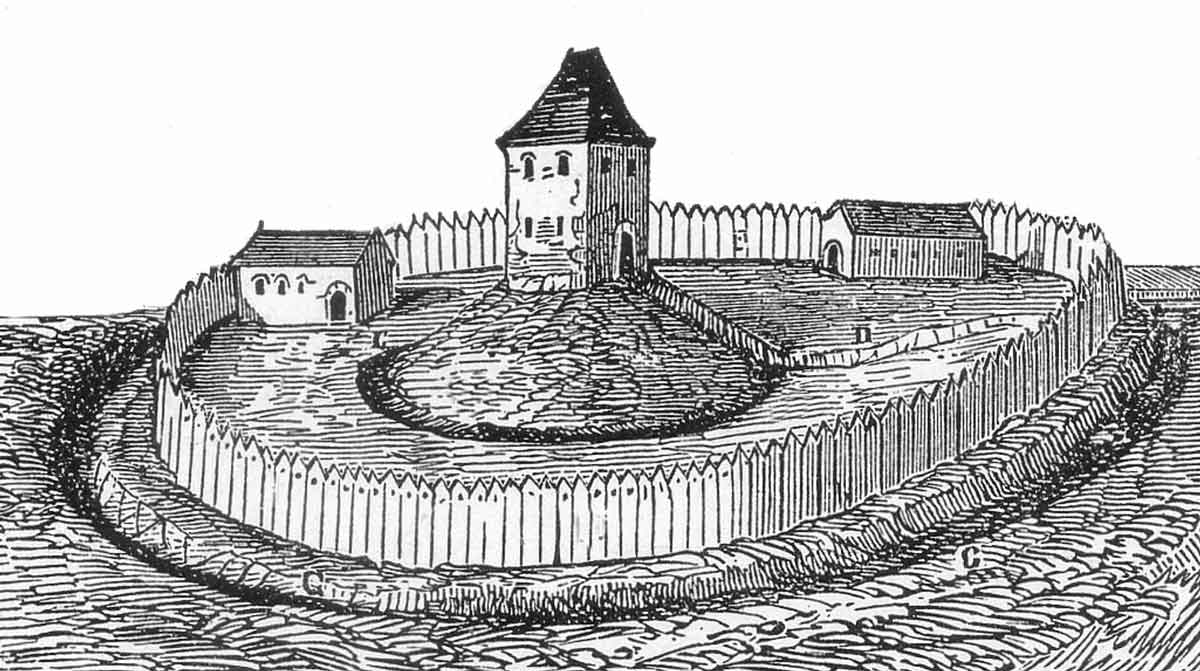
Furthermore, the Normans made extensive use of the motte-and-bailey castle. This was a simple design for a defensive structure which enabled the Normans to conquer and control huge areas very quickly. A tower (often wooden) was constructed on top of a motte, or mound of earth, with a level area at the base (the bailey). This was surrounded by a moat and palisade fencing. This was fundamentally different from Anglo-Saxons defensive structures, known as burghs, which were wooden defensive walls built around towns designed principally to repel the Vikings.
The Normans built an estimated 1,000 castles across England to control and intimidate the large Anglo-Saxon population. They were the backbone of Norman rule acting as administrative and military hubs, usually maintaining a garrison to deal with uprisings.
3. Feudalism
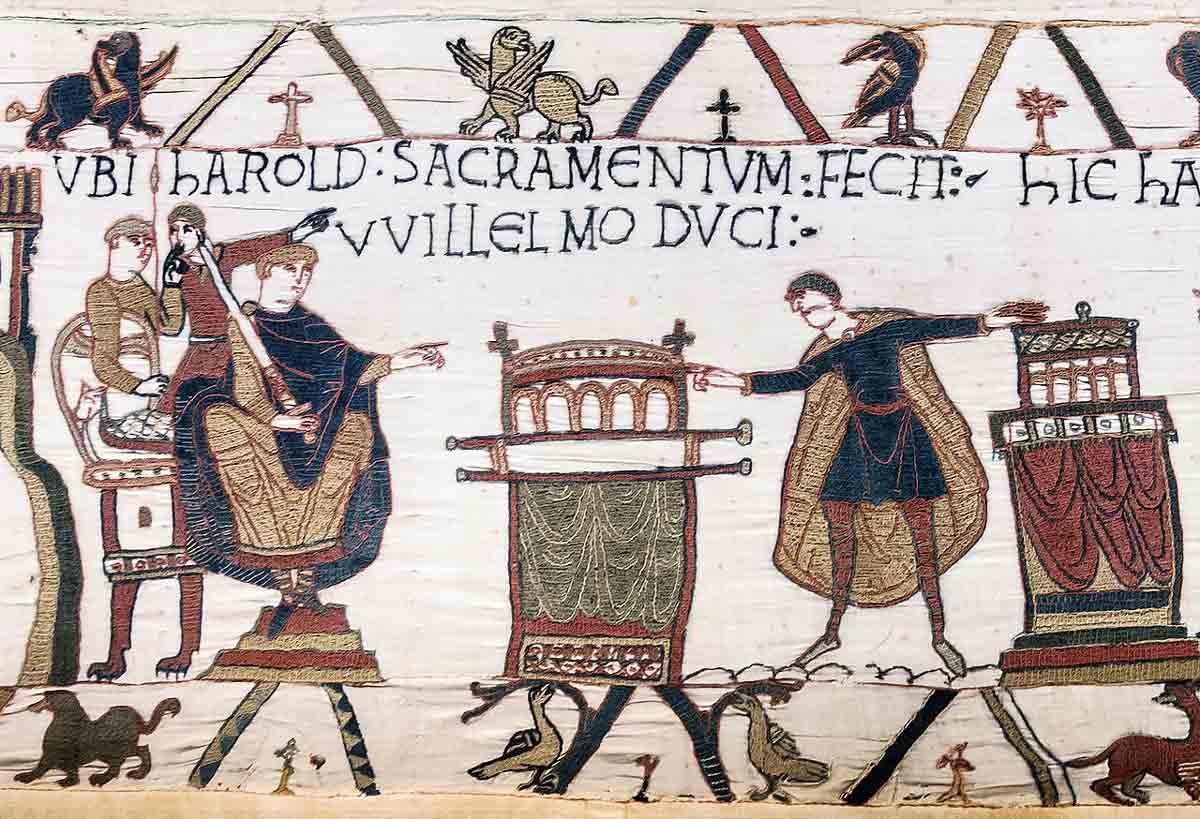
One of the most significant changes in England with the arrival of the Normans was the introduction of feudalism. This fundamentally changed the way that England functioned throughout the rest of the medieval period.
Feudalism was based on the concept that the king owned all the land in the country. In England, this started with William the Conqueror. He gave parcels of land (called fiefs) to nobles called lords. Naturally, they were expected to be totally loyal to the king, since they were living on land that had been given to them by him. These lords, in turn, entered into agreements with vassals who were expected to be loyal to them and provide them with military service whenever called on. Peasants called serfs lived on the land of the lords and were obligated to serve them.
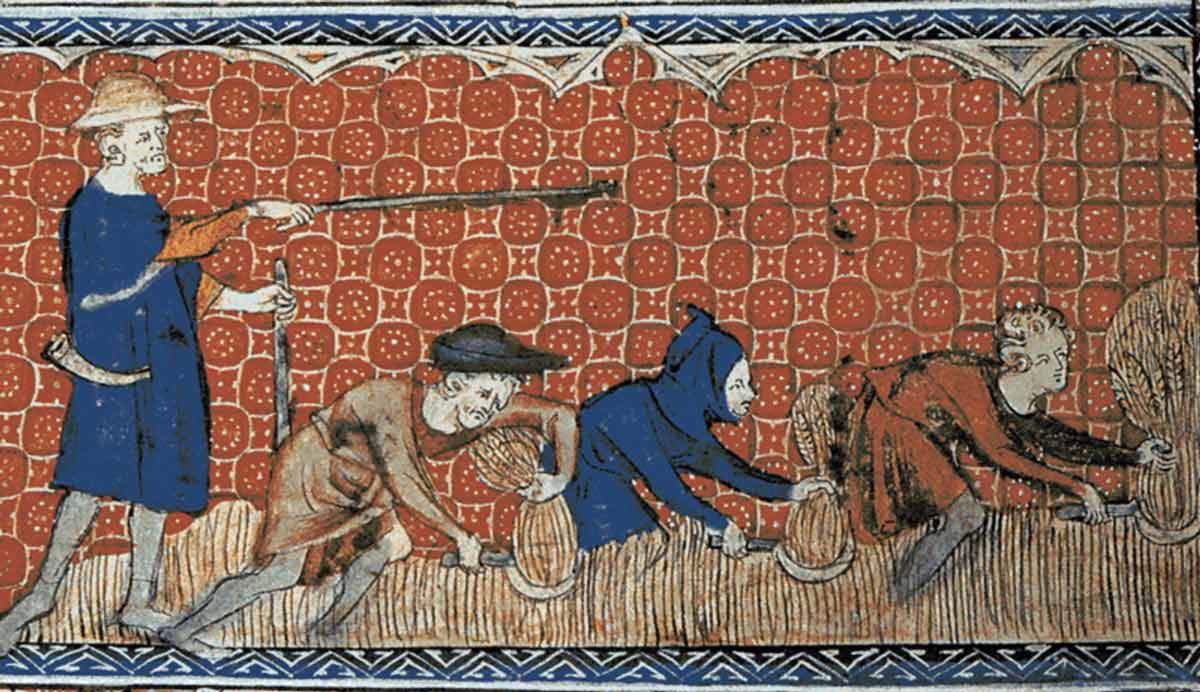
Feudalism transformed the political and social structure of England into a hierarchical system. At the top was the king, with the serfs or peasants at the bottom. Each class owed their loyalty to the vassal, lord, or king above them. They expressed this loyalty primarily through services and goods, such as crops from their land or military service rather than money. Serfs had very few rights, and were essentially viewed as property. They were subject to the will of their lord in many important aspects of life. For instance, they could not even move away or marry without permission from their lord. However, if a serf was able to acquire enough wealth, they could potentially buy their freedom.
In a war, the king would call on his lords to come to his aid. The lords, in turn, would call on their vassals and the serfs living on their land to fight for them.
4. Norman Laws
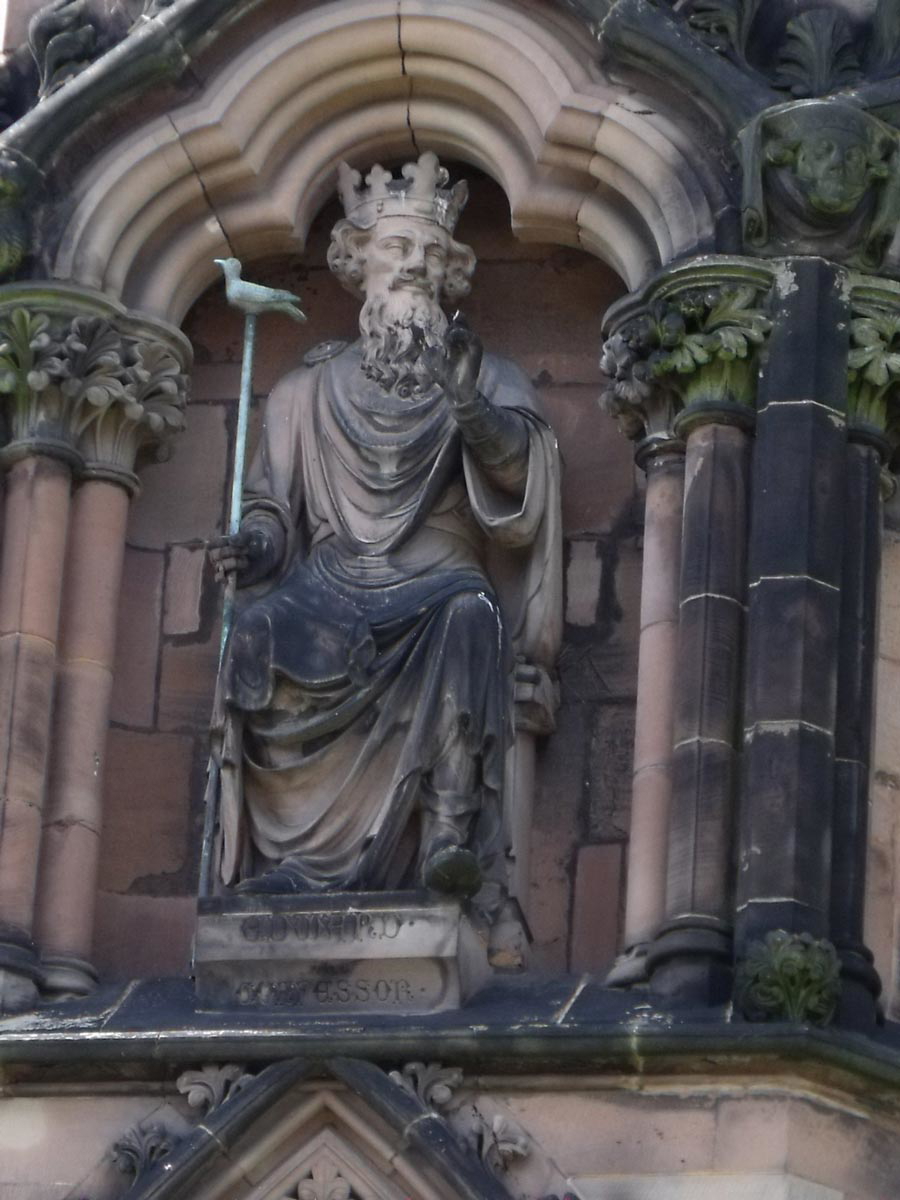
William introduced various new laws when he arrived in England, though he did not completely change the English legal system. This would have been against his interests. He wished to establish himself as the legitimate successor to Edward the Confessor, not a foreign invader. Nevertheless, he did introduce some new laws and also centralized the legal system. Previously, there had been many local variations in the law.
Furthermore, William introduced a law known as the “murdrum fine.” This law meant that if a Norman was killed, then the local populace would have to hand over the killer within a set period, usually five days. If they refused or were unable to do so, then they would face a heavy fine. This served as a protection for the new Norman elite class that had arrived in the country with William.

Another notable law was related to the forests and the wildlife living in them. This is known as the “Forest Law.” Under the new legal system, large areas of the country were designated as royal forests, where only the king and those with his express permission were allowed to hunt. Sherwood Forest, famous for its association with Robin Hood, was one such forest.
Another important new law was the practice of primogeniture. This was the practice in which the eldest son would inherit all the land of his father, assuming that his father was a land-owning noble. This was distinctly different from the Anglo-Saxon system, in which a father’s land would be divided among his children after his death. By introducing primogeniture, this prevented England from being divided into excessively small parcels of land. This contributed to the stability of the feudal system, which was a very important part of Norman England.