Whether spoken or written, languages serve an essential purpose. Language enabled the formation of laws, religion, science, and even identity. The jump from spoken to written form only cemented civilization in many spots. From several civilizations came languages like Greek or Sanskrit, whose influence is still felt today.
Sanskrit: Perfection From India
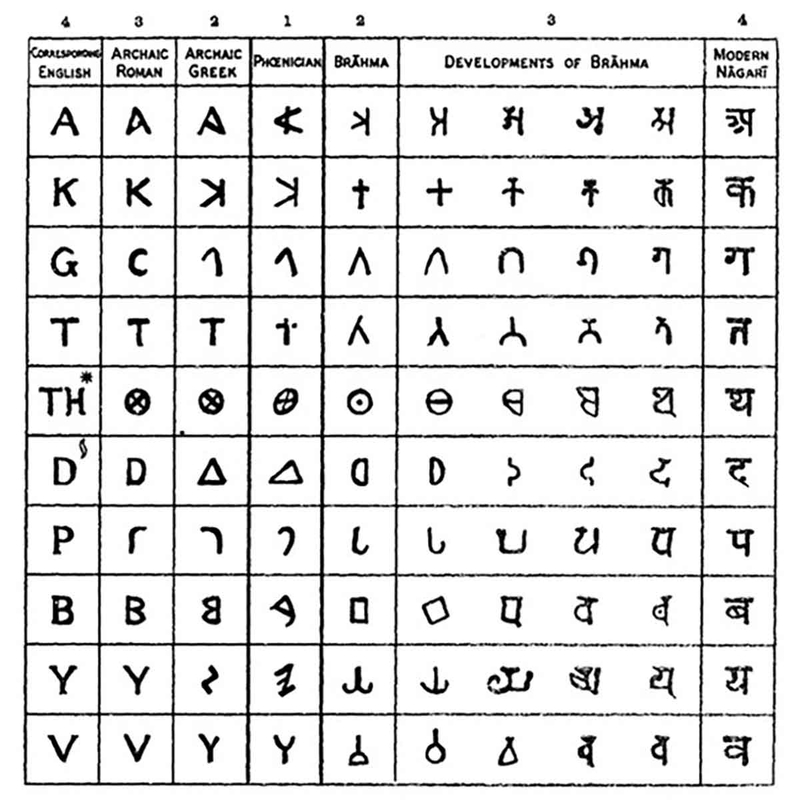
Sanskrit, when translated, means “perfection” in ancient Indic languages. Sanskrit, one of the globe’s oldest languages, emerged in northern India probably around 1500 BCE. Classical Sanskrit was standardized in the 4th century BCE, leading to daily use. Sanskrit’s path to the rest of South Asia came via trade, scholars, or military campaigns.
Sanskrit’s influence became enormous, changing the languages of Nepal, Sri Lanka, Tibet, and more. It would become the sacred language for Hindu and Buddhist scripts.
Besides Sanskrit’s intellectual and philosophical depth, its Devanagari script served as the basis for 120 additional languages.
Egyptian: The Language of the Pharaohs
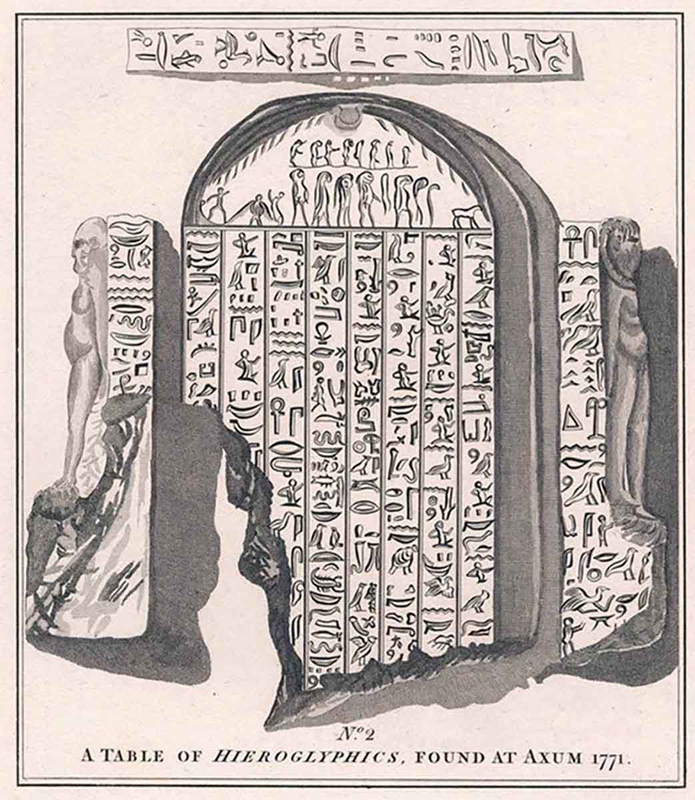
Among the languages listed in this article, Egyptian ranks among the world’s oldest. Though Egypt is best known for its hieroglyphics. Used for 3,000 years, hieroglyphics recorded aspects of ancient life in decrees, daily activities, religious texts, government forms, and even political records. Unfortunately, only elite scribes learned the complex writing. This select class helped preserve Egypt’s cultural heritage.
Egyptian came from the Afro-Asiatic language family, a cousin to languages like Berber. Its rich consonants and vowels influenced later languages such as Hebrew and Arabic. Hieroglyphics played a part too, its ideograms and phonetic icons inspiring other pre-alphabet scripts. Hieroglyphic placement in tombs or temples influenced architecture. Their placement led people, like arrows or signs in a modern building, guiding visitors.
Sumerian: The First of Them All

Besides being considered the oldest recorded language, Sumerian is also a “language isolate.” Or simply, not related to any language family. Created around 3100 BCE in Mesopotamia (present-day Iraq), the written form is cuneiform. A series of wedge-shaped marks carved into clay, the Sumerians used this writing system for tracking, farming, or commerce. Like the Egyptians, the Sumerians expanded their language to include everything, like religious texts or taxes. Sumerians also wrote the Epic of Gilgamesh, one of the world’s oldest stories.
Like Latin or Greek, Sumerian greatly influenced future languages. Besides representing the earliest use of writing, languages such as Akkadian and Babylonian drew from it. These civilizations tweaked Sumerian for their own ends. Now, writing meant that a culture’s history could be accurately recorded (and later studied!). Sumerian, like Latin, had a similar fate.
By 2000 BCE, the Sumerians’ use of the language as an everyday language ended. Yet like Latin, Sumerian remained important for religious, legal, and scholarly texts for centuries. Later, many of the tablets found were written in Hittite and Sumerian, making translation easier.
Greek: Shaping Western Thought

Homer, the Iliad, and Sparta. All words that evoke ancient Greece in the reader’s mind’s eye. Yet not so many know that Ancient Greek shaped language history, especially in the West. Greek touched on many subjects, including philosophy, science, politics, and writing systems. Plus, trade and conquest spread Greek across the Mediterranean region, especially in Egypt, Syria, and Anatolia, during the Hellenistic Era (circa 323 BCE).
Famous thinkers like Plato or Aristotle debated math and science. Later, scientific or medical terms used included biology, psychology, and chronology. Greek became the language of the New Testament and Christian theology. Literature like Greek tragedies became the Western standard for storytelling, drama, and history.
The Greek alphabet served as the basis for the Latin alphabet and Cyrillic script. Greek served as a strong inspiration due to its nuanced vocabulary and inflected verb endings.
Latin: The Language That Built the West

Latin, a significant remnant of Imperial Rome, created a legacy that helped shape the West. As Rome grew, Latin followed the legions and settlers across Europe. Besides a military role, Latin’s use included administration, engineering, governance, law, and more.
With Rome’s fall, Latin became the base for Europe’s Romance languages (French, Spanish, Italian, Portuguese, and Romanian). All inherited Roman grammar and vocabulary. Latin texts saved classical knowledge during the Middle Ages, copied or preserved in monasteries or universities. Europe’s great Renaissance would be powered by preserved Latin texts, sparking intense creativity.
Today, Latin still shines, being the standard for law, medicine, and science. Being a dead language means there’s no change. Plus, Latin’s use of prefixes, suffixes, and roots yields precise definitions, making it perfect for these subjects.