Angelica Schuyler Church, the charming Revolutionary era socialite, had her fair share of admirers, but none may be more intriguing than walking, talking, and writing contradiction in a greatcoat, Thomas Jefferson. While the third President of the United States had a reputation for solemnity after the early death of his wife, Angelica, a married woman herself, became the subject of Jefferson’s letters and attention. Did the flirtatious exchanges between the two hint at something more, or was it simply the 18th-century equivalent of breadcrumbing?
Angelica’s Many Loves
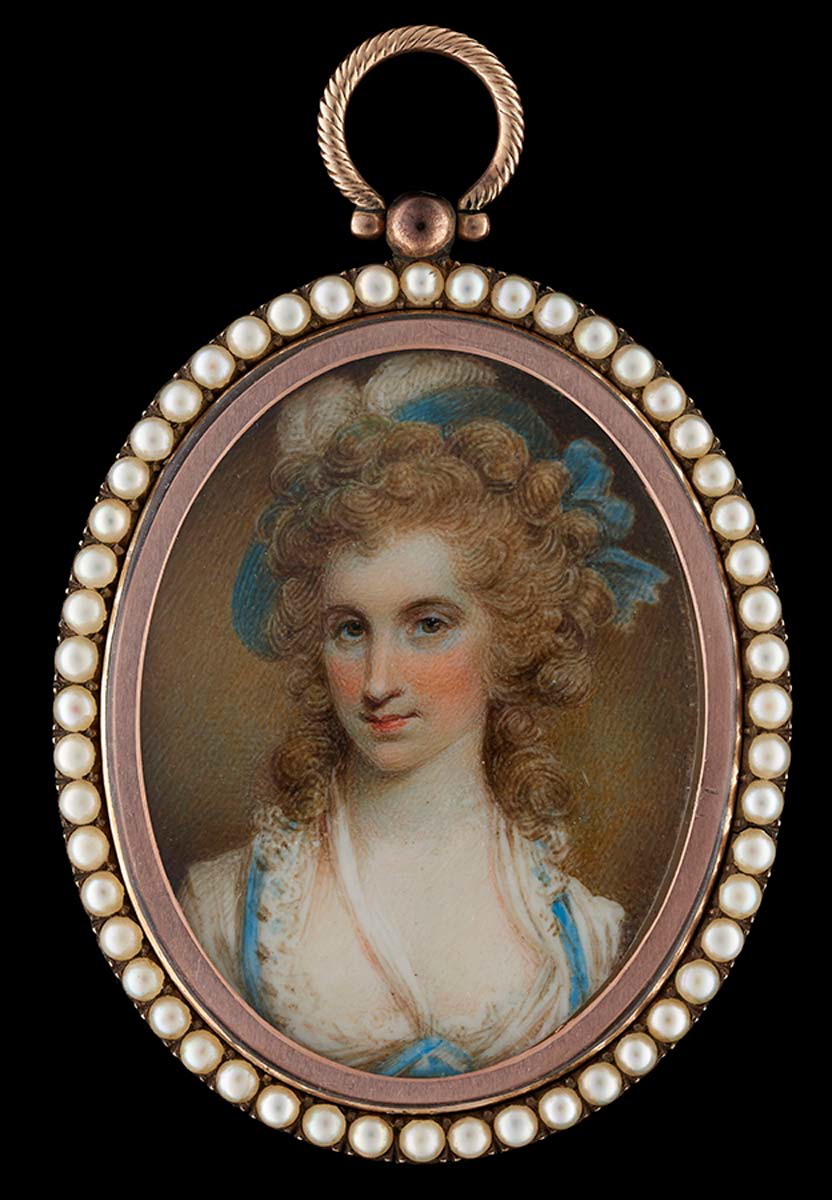
As depicted in the Broadway smash Hamilton, Angelica Schuyler was no stranger to male attention. Known for her cutting wit, beauty, and intellect, she corresponded with many of the Founding Fathers, from George Washington to the world’s “favorite fighting Frenchman” Marquis de Lafayette. However, her most famous admirer might be Alexander Hamilton—her brother-in-law—though historians heatedly debate whether this relationship was playful but platonic or something significantly more. Her letters, to both Hamilton and Jefferson, reveal a woman who could charm with ease.
Angelica was romantically inclined, so much so that her marriage started off with a bang that shocked her wealthy and well-connected family. Angelica eloped with John Barker Church, a British businessman and man on the run. He’d fled England after a duel (he literally shot a man and ran—he would also go on to make duels a throughline in Angelica’s life). Despite his scandals, Angelica became famous for something far more gossipworthy: flirting. In this, as in many other areas, Angelica had a desire for the finer things. She only bestowed her interest on the most powerful men of the time.
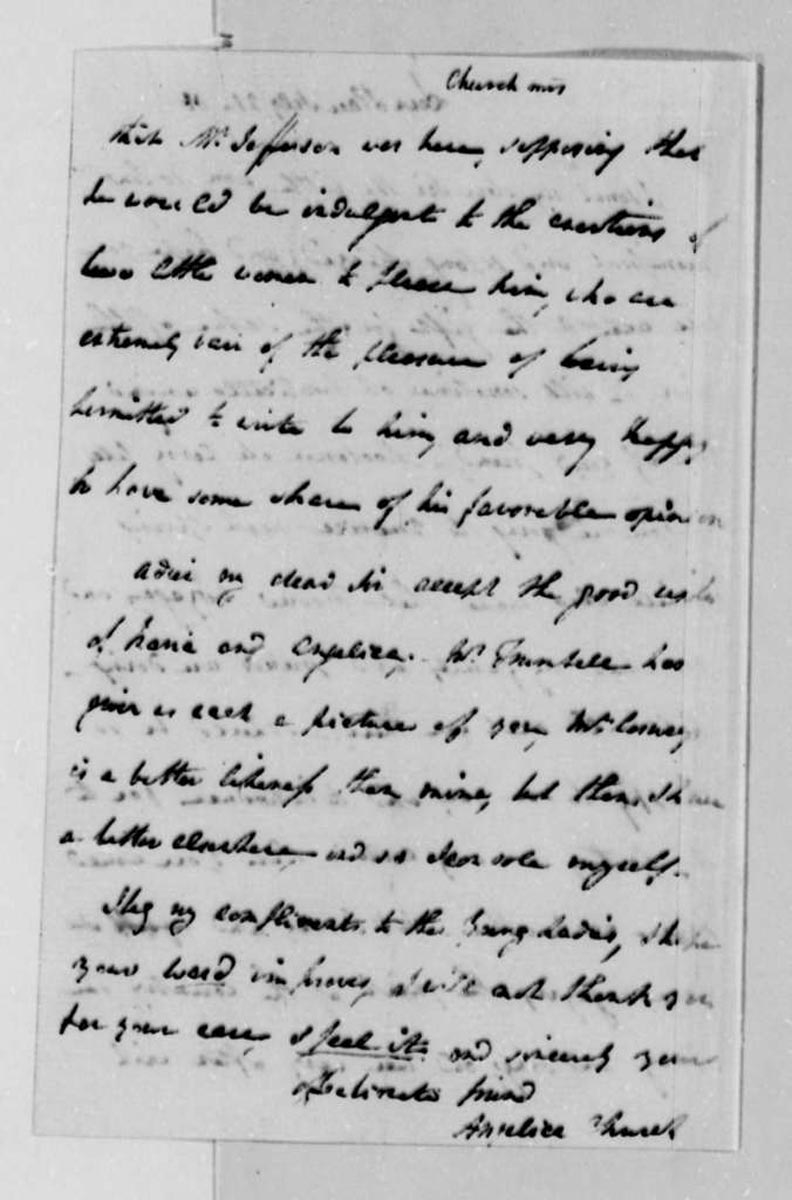
Mrs. Schuyler Church’s platform was Europe’s elite salons and America’s glittering New York ballrooms. As biographer Ron Chernow once pointed out, Angelica’s connection with Hamilton was so intense that some of their contemporaries assumed they were lovers. Yet, Hamilton was not the only statesman caught in Angelica’s web of charm. She also exchanged playful correspondence with Thomas Jefferson, who at one point all but begged her to join him on a leisurely trip to America. Six months after they met, Jefferson proposed (in true Jefferson fashion) that they negotiate her visit as if he were trying to clinch an international trade deal. Angelica didn’t take him up on his offer.
In a time when women were expected to remain behind the scenes, Angelica Schuyler Church refused to stand quietly by the men in her life. Whether she truly had affairs or just knew how to write a saucy love letter, one thing’s for sure—Angelica’s pen was a force to be reckoned with.
Both Knew Alexander Hamilton
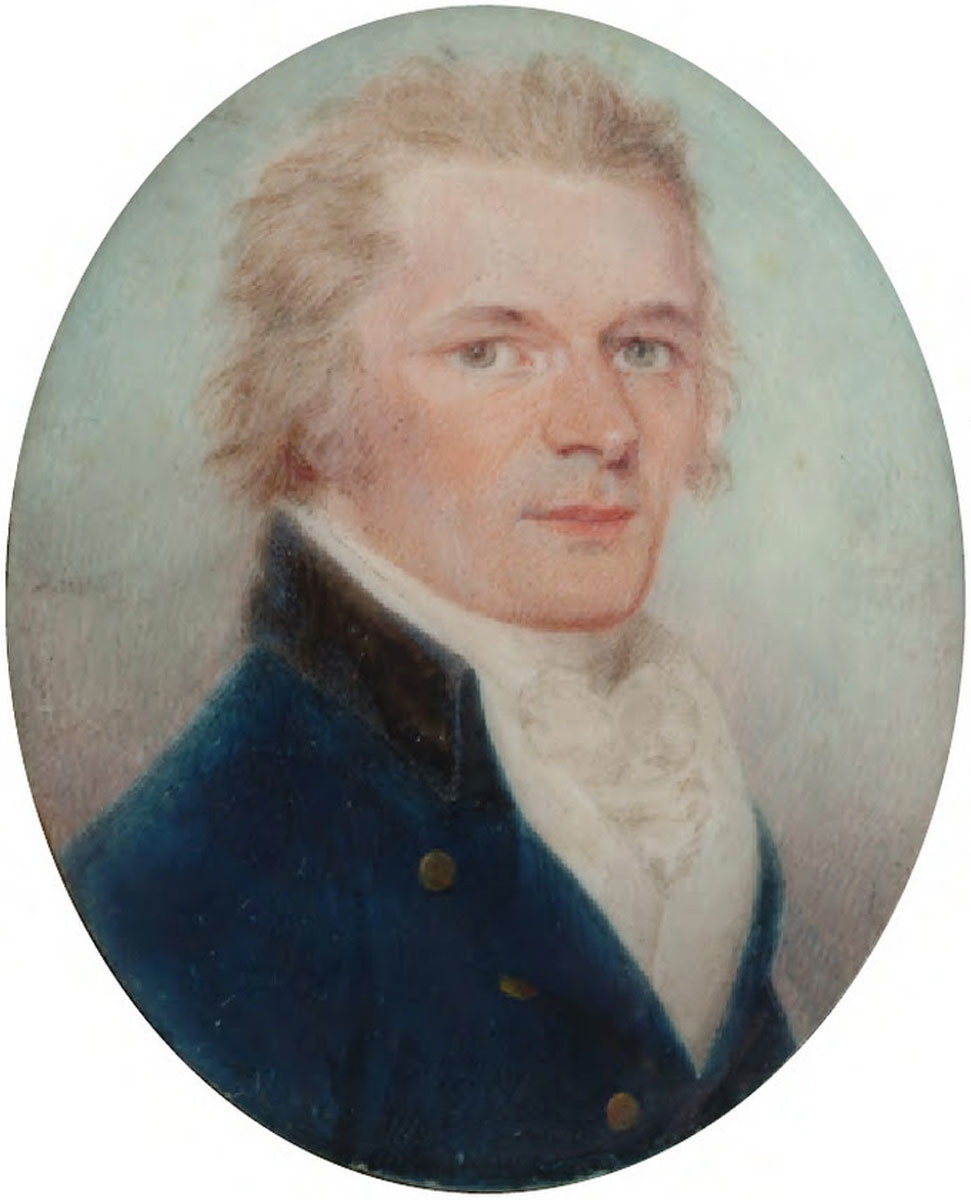
It is impossible to talk about Angelica and Jefferson without acknowledging the elephant in the room—overachiever Alexander Hamilton. Not only was he married to Angelica’s beloved sister, Eliza, but he was also one of Jefferson’s most bitter political enemies.
Angelica Schuyler and Thomas Jefferson both had front-row seats to the Alexander Hamilton Show—and let’s just say, the reviews were vastly different. On the one hand, Angelica was, like many women of the time, captivated by the handsome, well-spoken man. Hamilton was the 18th-century version of a modern-day heartthrob. His aura was less powdered wig and more “troubled genius with a great jawline.” Even his contemporaries described him as “the youngest, best-looking, most controversial, and arguably the most brilliant of the major founders.”
Whether or not Angelica and Hamilton were ever more than dedicated friends has been the subject of many loud scholarly debates. Some argue that their relationship was purely platonic, driven by mutual respect and affection. If you write to someone saying you, “seldom write to a lady without fancying the relation of lover and mistress,” as Hamilton did in a missive to Angelica, you’re either angling for a scandal or you’ve got the flirt game on lockdown. Meanwhile, Angelica’s response to Hamilton’s charm was equally flirtatious. In a letter to Hamilton’s wife (yes, that Eliza), she joked that if her sister was as generous as the old Romans, she’d lend her husband out for a bit. How Eliza felt about this muddle of a relationship has never been proven by documentation or a primary source.
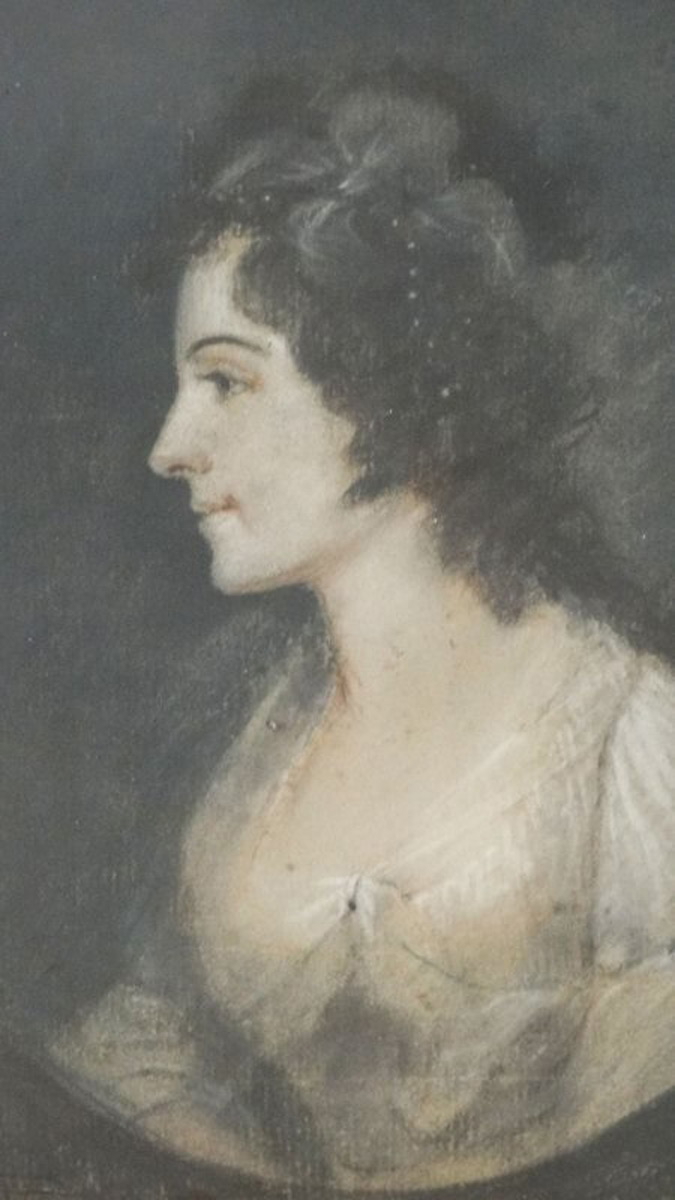
On the other side of this Hamilton-loving coin, there’s Thomas Jefferson. The two men’s dynamic was more clenched teeth and thinly veiled rage. They started out on vaguely cordial terms when they were both appointed to Washington’s cabinet—Hamilton as the Treasury Secretary and Jefferson as Secretary of State—but things quickly turned sour. While Hamilton was all about building a strong, centralized government, Jefferson had a very different vision of America. He envisioned an agrarian utopia where noble farmers toiled in the sun, free from the clutches of big government, corporate greed, or monarchists.
Quickly Jefferson became Hamilton’s arch-nemesis. He organized an entire political party—the Republican Party—to make Hamilton’s every move a bureaucratic nightmare. Jefferson suspected that Hamilton harbored secret plans to reinstate the monarchy and make himself king, something he didn’t mind sharing with their fellow movers and shakers. While Hamilton was busy winning over the hearts of the Schuyler sisters, Jefferson was crafting bitter manifestos about corrupt, money-loving Federalists plotting behind closed doors.
In the end, Angelica and Jefferson both experienced the Hamilton effect—but in very different ways. For Angelica, he was the dashing intellectual she could banter with, someone who would make her pulse race just a little faster. For Jefferson, Hamilton was more like a personal nemesis in a political cartoon: a larger-than-life character who seemed determined to ruin his idyllic pastoral vision for America. These men had one thing in common—they found themselves waiting on Mrs. Schuyler-Church’s next letter.
What Their Letters Say
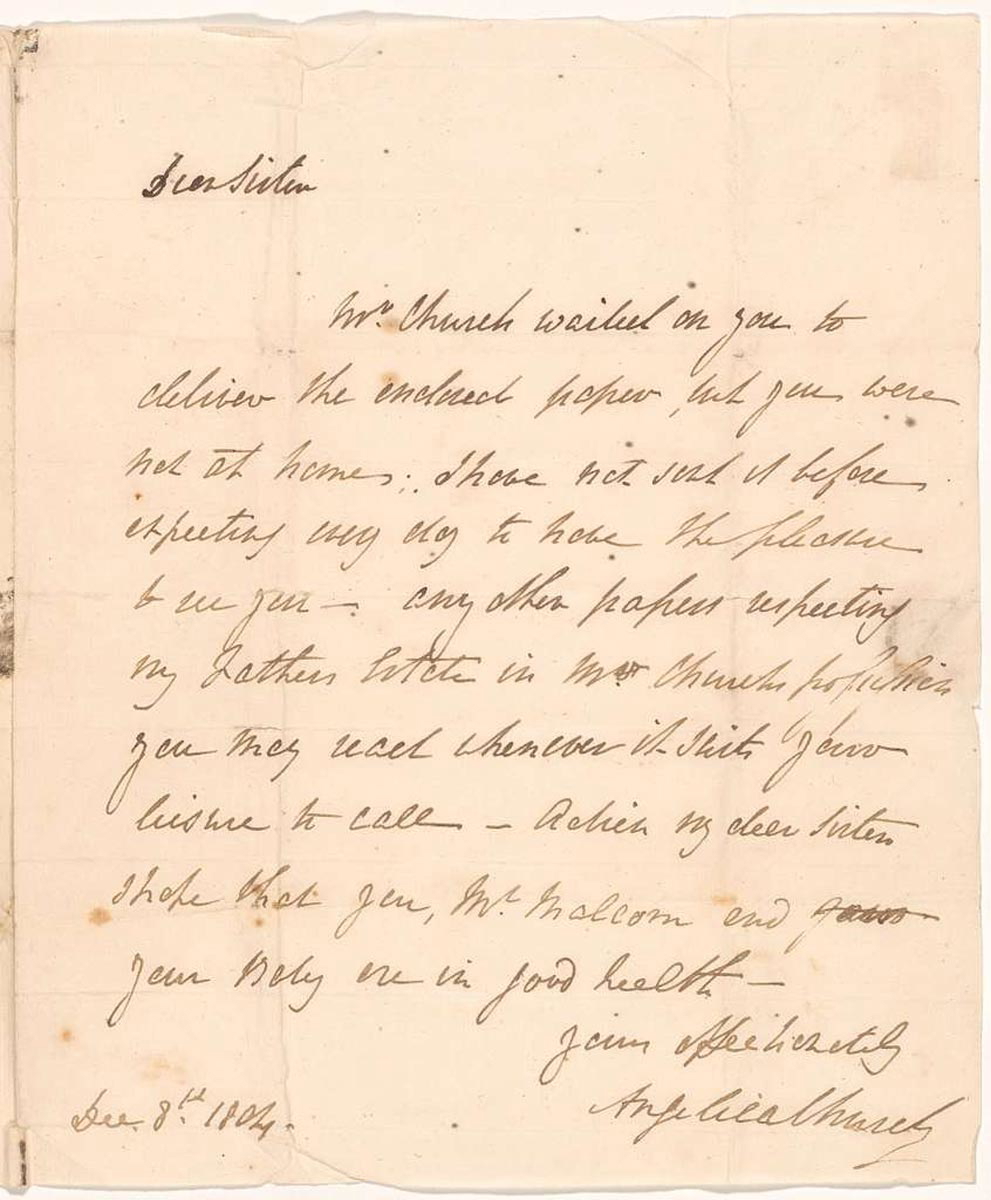
Jefferson’s letters to Angelica are filled with affectionate musings, frequently bordering on flirtation. In one, he writes about the sadness he felt after she left Paris, comparing the sunlight to an unwelcome guest during his loneliness. While Jefferson often wrote intimately to women, the tone of his letters to Angelica shows a man deeply attached to her, yet with an awareness of her marriage. It is unknowable if they ever acted on the sentiments in their letters, but the letters themselves tell modern minds about their deep and decades-long affection.
One gem from Jefferson to Angelica says: “The morning you left us, all was wrong, even the sunshine was provoking, with which I never quarreled before.” Jefferson writes that mourning her departure, he quite literally hopped upon his horse and rode off in the direction she’d gone, presumably casting longing glances at the horizon.
Angelica and Jefferson’s friendship was deepened by the fact that their families were quite intertwined. Jefferson’s daughter, Martha, and Angelica’s son, Philip, became fast friends while they were all in France. Angelica’s daughter even stayed with the Jeffersons for a time. What an interesting household this must have made; Martha and Thomas’ daughters, Angelica’s own child with John Barker Church, and a young Sally Hemmings, who would go on to give birth to at least three of Thomas’s future children.
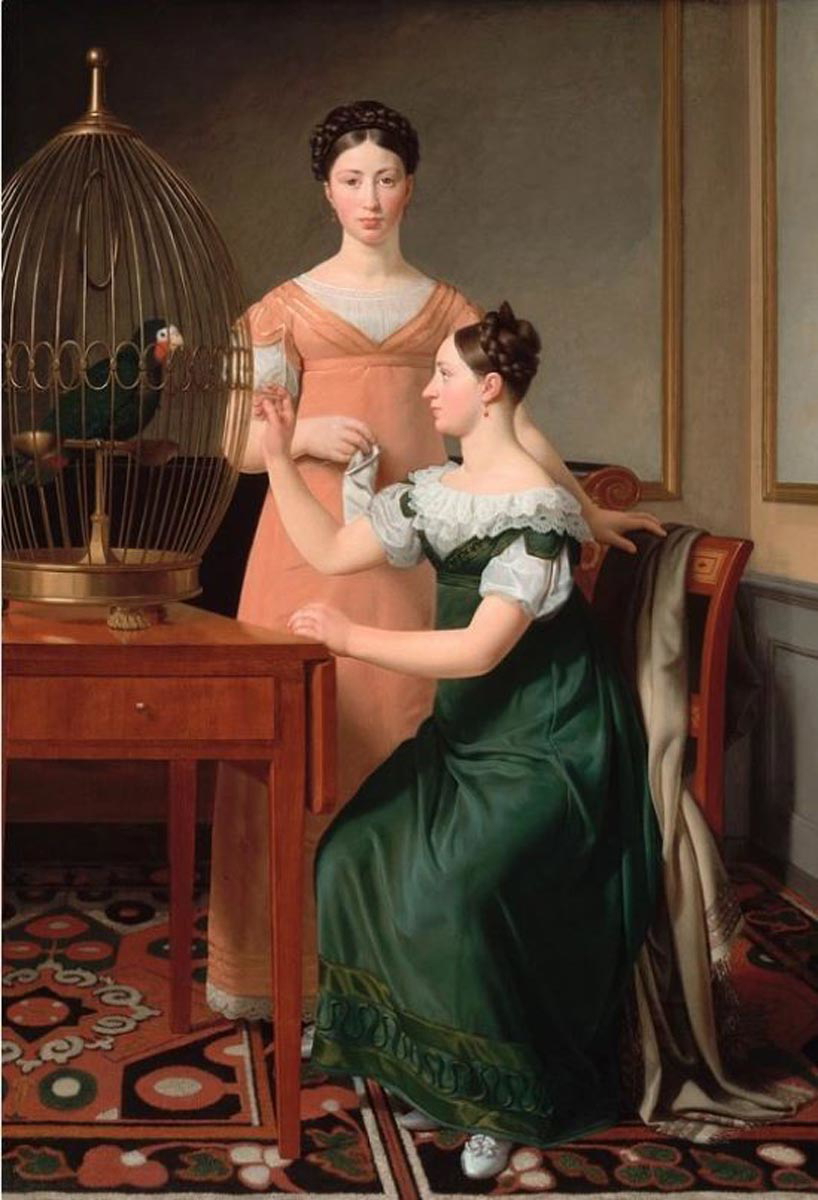
In August 1788, he boldly invited Angelica to join him in America, proposing a kind of rendezvous that sounds more suited to a lover’s getaway than a diplomatic mission. The letter lays out the flirtation, saying, “Think of it, my friend, and let us begin a negotiation on the subject. You shall find in me all the spirit of accommodation…”
Yet for all the innuendo, there was something else happening in these letters—a mutual admiration for the revolutionary ideals of the time. Angelica wasn’t just some charming figure in a pretty gown—she was actively involved in the political landscape, dabbling in espionage and intrigue. When she pitched in to organize a plot to free the Marquis de Lafayette from an Austrian prison, Jefferson must have been impressed.
By the 1790s, Jefferson’s letters still carried that warm undercurrent of affection, even while he was locking horns with Angelica’s brother-in-law, Alexander Hamilton. It is a testament to their friendship that despite all the political drama, Angelica kept corresponding with Jefferson—dodging his invitations to America but holding onto their connection all the same. Jefferson might have been a vice president by then, but to Angelica, he was still that sentimental man who couldn’t stand the sunshine when she was gone.
How History Remembers Them
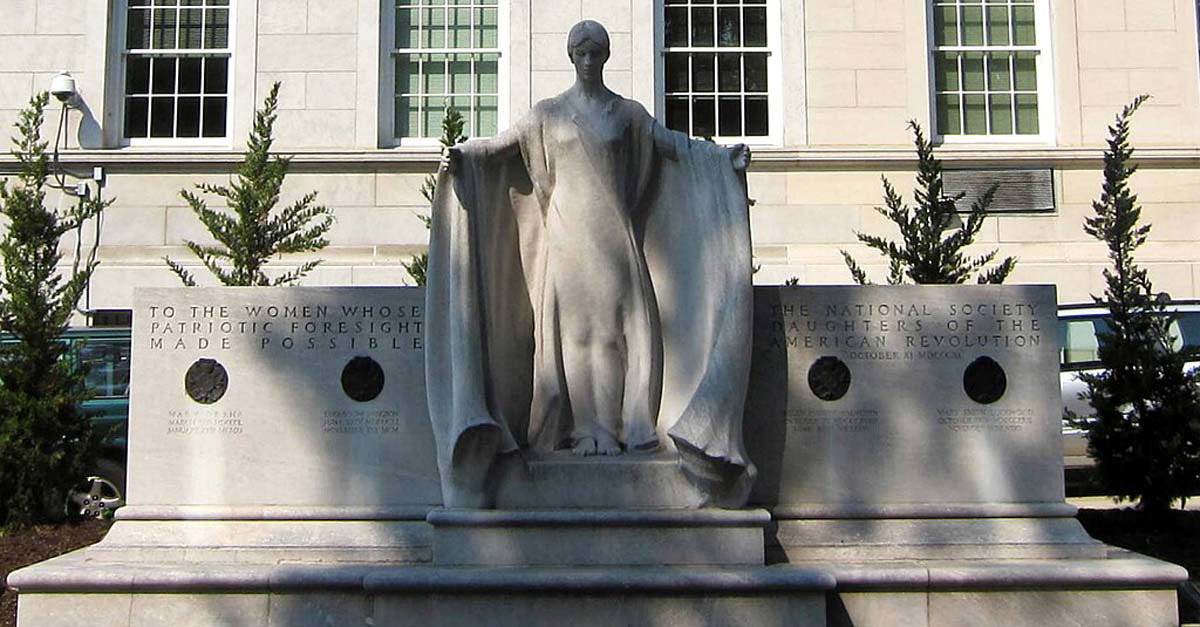
Angelica Schuyler remains celebrated for her intelligence and grace, while Jefferson’s complex relationships with women continue to be a source of speculation. Whether or not their relationship was romantic, Angelica Schuyler and Thomas Jefferson certainly left an impression on each other, and on history.
Angelica Schuyler Church may not have achieved household name recognition until Hamilton gave her a few unforgettable solos, but she was making waves long before Lin-Manuel Miranda brought her sass and brilliance into the spotlight. It is a shame her fame today tends to focus on the men she was tied to. Angelica was a renegade, navigating a world that did not quite know what to do with a woman who was both sharp as a tack and unafraid to get her hands dirty. It was because of her patronage that many male painters were able to fund their art.
In a letter from Thomas Jefferson, he waxes poetic about Angelica’s wit and charm: “The urn is well worth acceptance, my dear Madam, on its own account … but it is more flattering to me to accept it on account of the giver.” He goes on to say, “I am with you always in spirit: be you with me sometimes.” That is 18th-century code for, “I really wish I could hang out with you more.”
Angelica’s death in 1814 didn’t end her influence. Though her exact grave remains a bit of a mystery, her marker stands at the Livingston Family vault in the Trinity Churchyard, right where tourists flock to visit her more famous in-laws, Alexander and Eliza Hamilton.
It appears that brilliance and a streak of independence runs in the Schuyler blood. Take Angelica’s descendant Marian Cruger Coffin, for example. Born in 1876, Marian became one of America’s pioneering landscape architects, designing gardens for an East Coast elite clientele. At a time when women were expected to pick flowers rather than design where they bloomed, Marian broke the mold. She studied at MIT, one of just four women in her field at the time, and went on to craft some of the most famous gardens in the country. Angelica would have been proud.
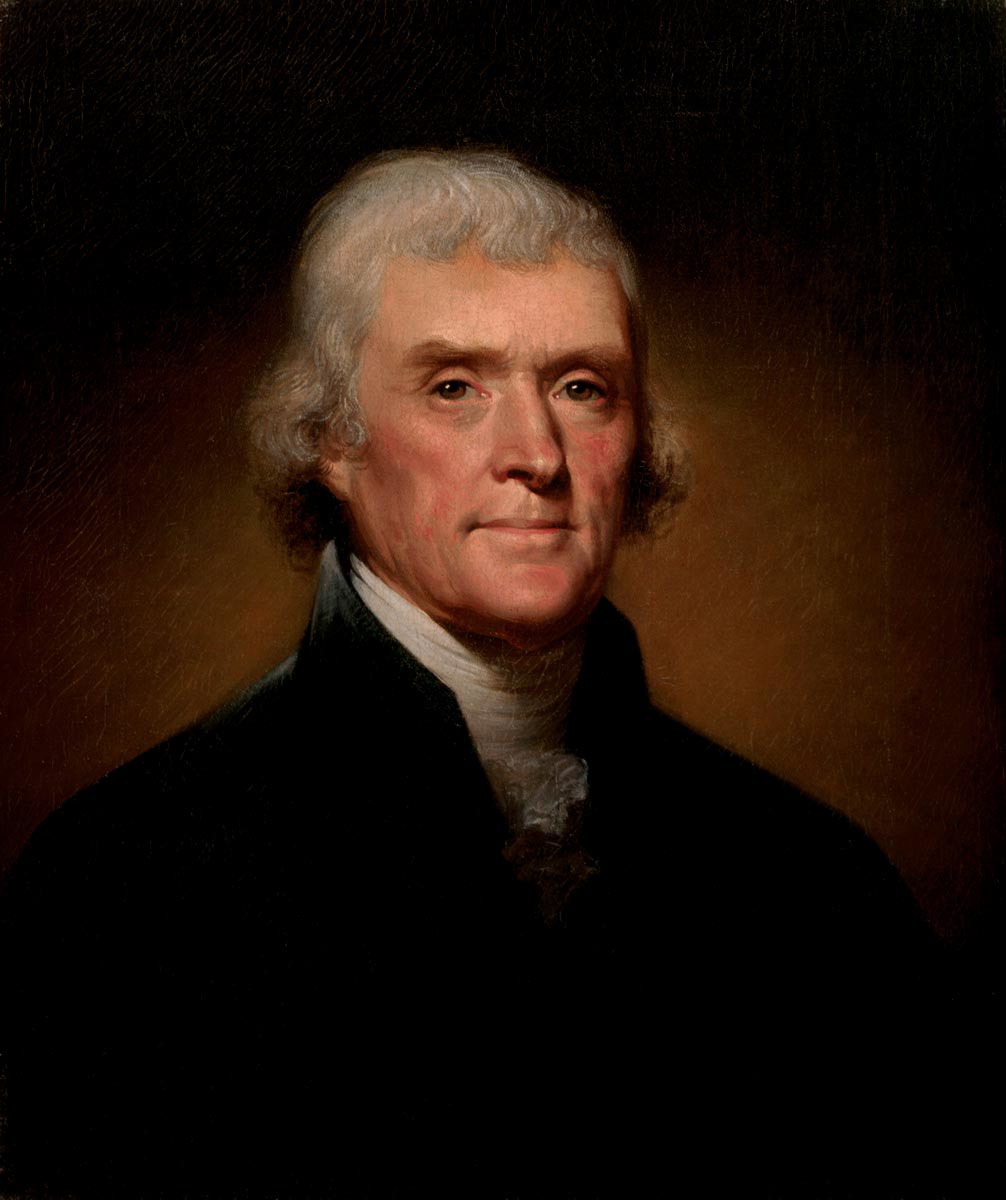
Thomas Jefferson, a man who was just as obsessed with his legacy as he was with writing flowery letters, was no stranger to self-promotion. In his final years, he meticulously shaped how future generations would remember him, going so far as to draft his own epitaph. In classic Jefferson fashion, he highlighted his authorship of the Declaration of Independence and his founding of the University of Virginia, purposefully omitting his role as president. Perhaps he preferred to be remembered for writing the Declaration of Independence rather than for governing a nascent nation with messy politics. To Jefferson, education, and liberty were the cornerstones of his legacy. Despite his heavy-handed propaganda, the critics came for him, questioning his commitment to individual freedom while conveniently ignoring his role as a slaveholder.
Jefferson’s descendants have been making their own waves in the modern era. Shannon LaNier, his DNA-proven sixth great-grandson through Sally Hemings, has taken the complicated legacy of Jefferson head-on. LaNier, now an author and TV host, has been vocal about how he hopes his family’s history can play a role in healing the divisions in the United States. He continues to engage in conversations about race, identity, and the complexities of America’s past, navigating the mixed legacy Jefferson left behind.
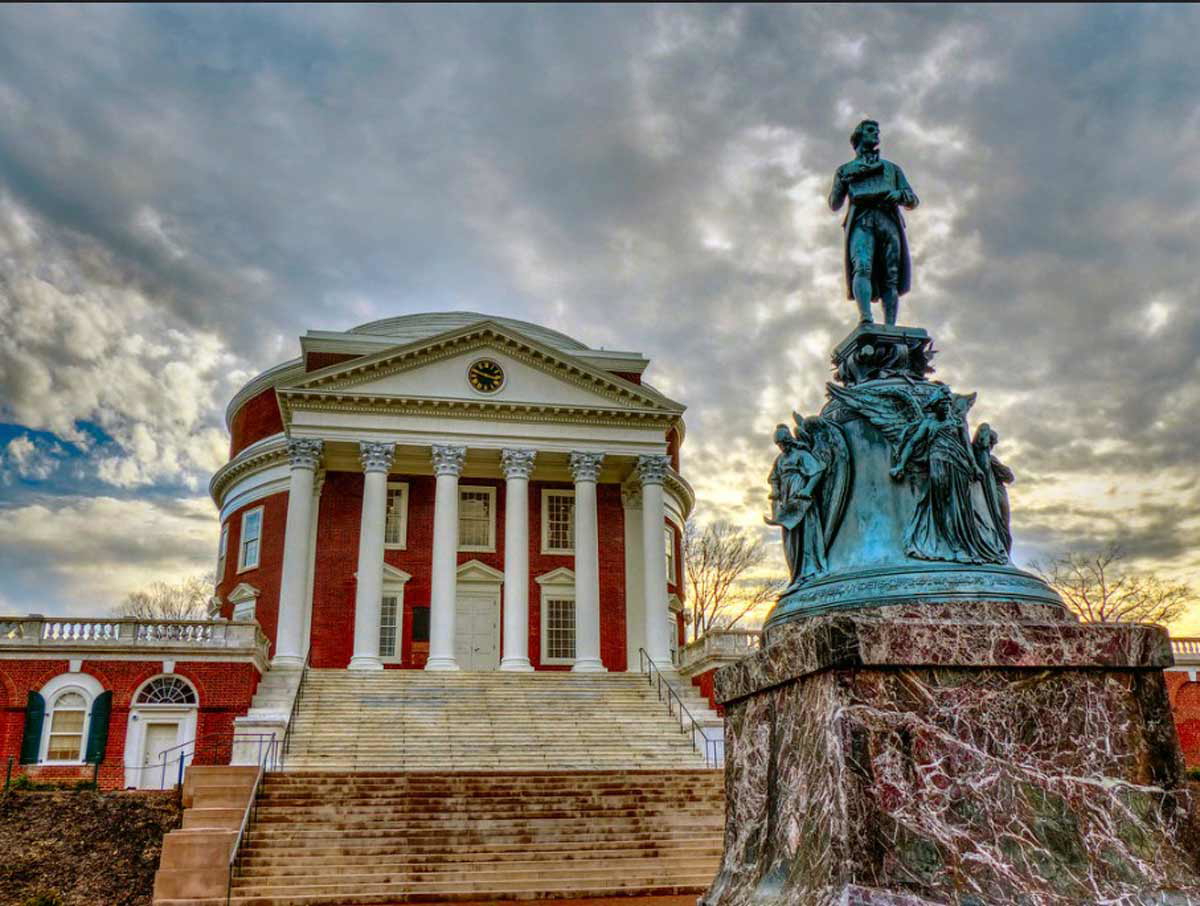
Angelica Schuyler and Thomas Jefferson were not simply characters in the background of revolutionary history. While Jefferson has been etched into marble and textbooks, Angelica, for all her social connections, intelligence, and audacity, has only recently started getting the credit she deserves. The small town of Angelica, New York, named in her honor by her son, might be far from the glamorous places she once called home, but it stands as a testament to the kind of woman she was—one who left her mark, whether or not history was paying attention. It might be time to give Angelica a bit more of the spotlight and recognize her as the feminine influencer she was. After all, a woman who could charm Jefferson and offer casual political advice to Hamilton is not someone who should be reduced to a footnote in someone else’s story.