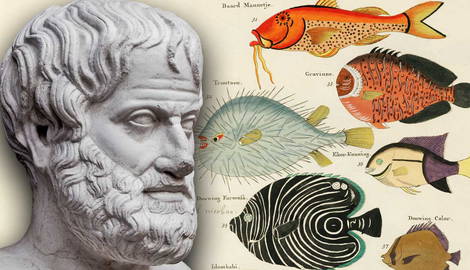
Aristotle, a 4th-century BC Greek philosopher, is one of the most famous thinkers from the ancient world. He is best known as a student of Plato and teacher of Alexander the Great, and for his contributions to ethics, metaphysics, and politics. However, while Aristotle made significant contributions to philosophy, he also had a profound impact on science, particularly in the field of biology. From early attempts at species classification to observing life under the sea, here are five ways Aristotle’s work paved the way for modern-day biology.
1. Aristotle Established a Paradigm for Understanding Biological Processes
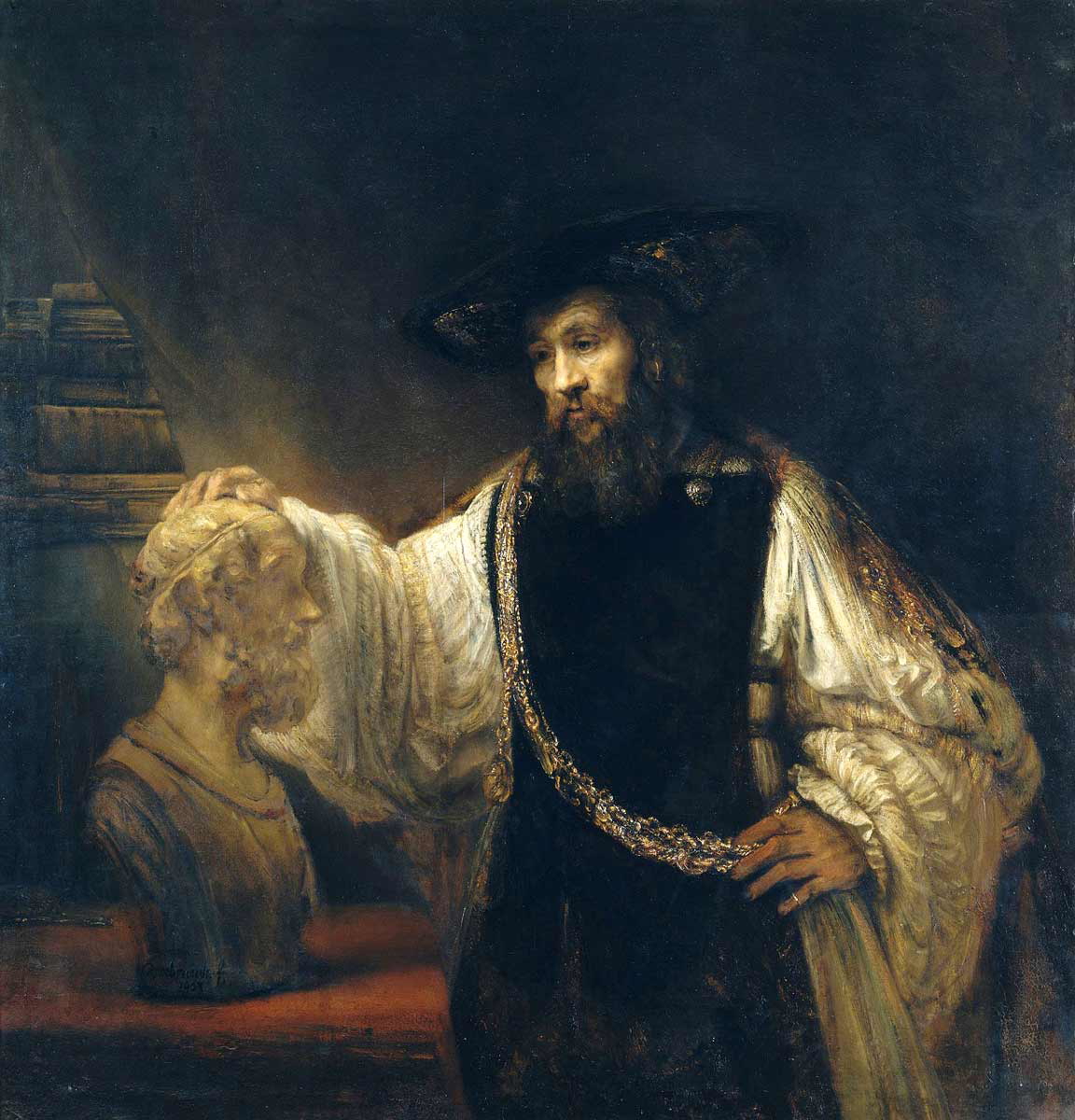
As a philosopher, Aristotle was preoccupied with life: what it meant to be alive and how to live the best possible life. It is no surprise that this sparked a more general interest in life, i.e., biology. He posited that every living organism has a purpose that is interconnected with its form, and that it functions according to an inherent set of natural rules. Aristotle’s views eventually became known as teleology, the study of evidence of design in nature, and his beliefs on the subject are still discussed by biologists today.
2. He Pioneered the Classification of Animals
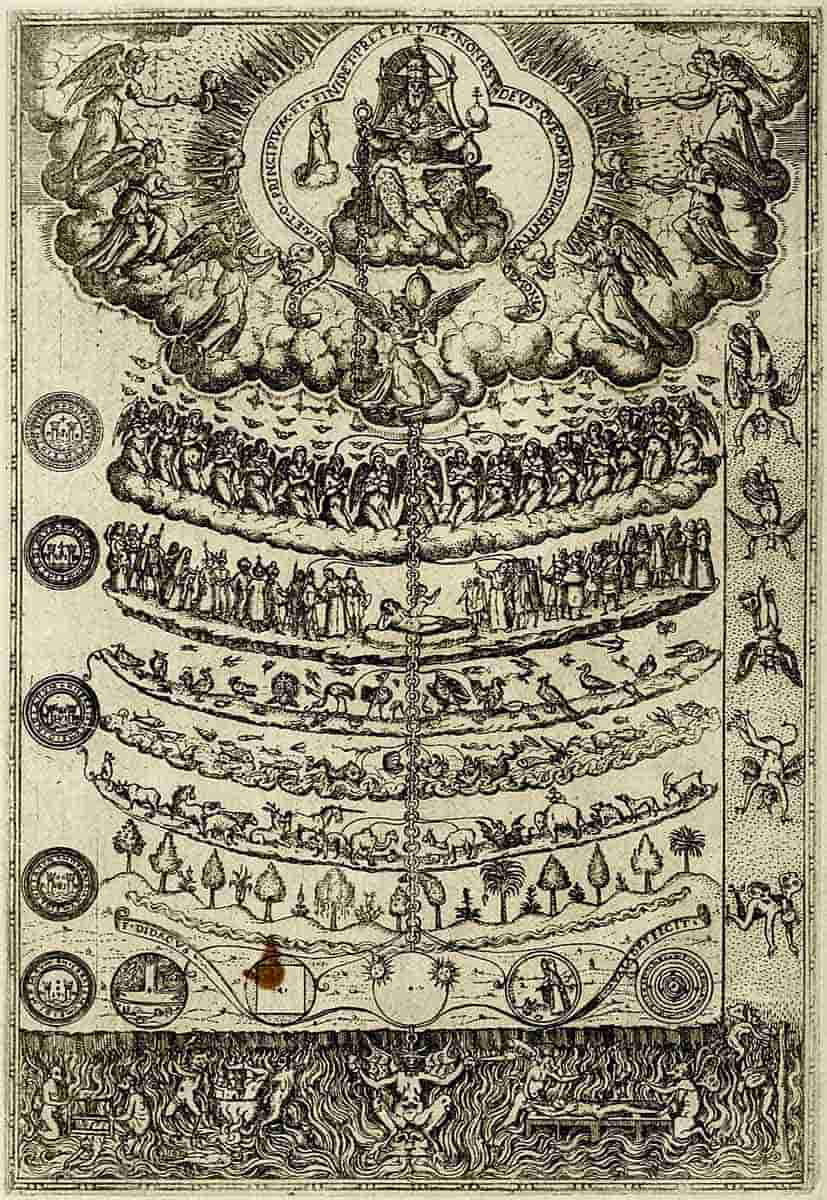
Scala Naturae — or the great chain of being — was first conceptualized by Aristotle in his work History of Animals. He took his observations of living things and began to rank them based on complexity. Aristotle started by putting animals above plants, since animals can move and have an awareness of their surroundings, and continued by creating a hierarchy for animals themselves. He separated them based on reproduction processes (live births ranked above eggs) and blood (warm blood was higher than cold, which was higher than seemingly bloodless invertebrates). Although the scientific concept of Scala Naturae eventually took on a religious connotation, Aristotle’s work was an early attempt to classify animals that influenced biology for centuries.
3. Aristotle Theorized About the Beginning of Life
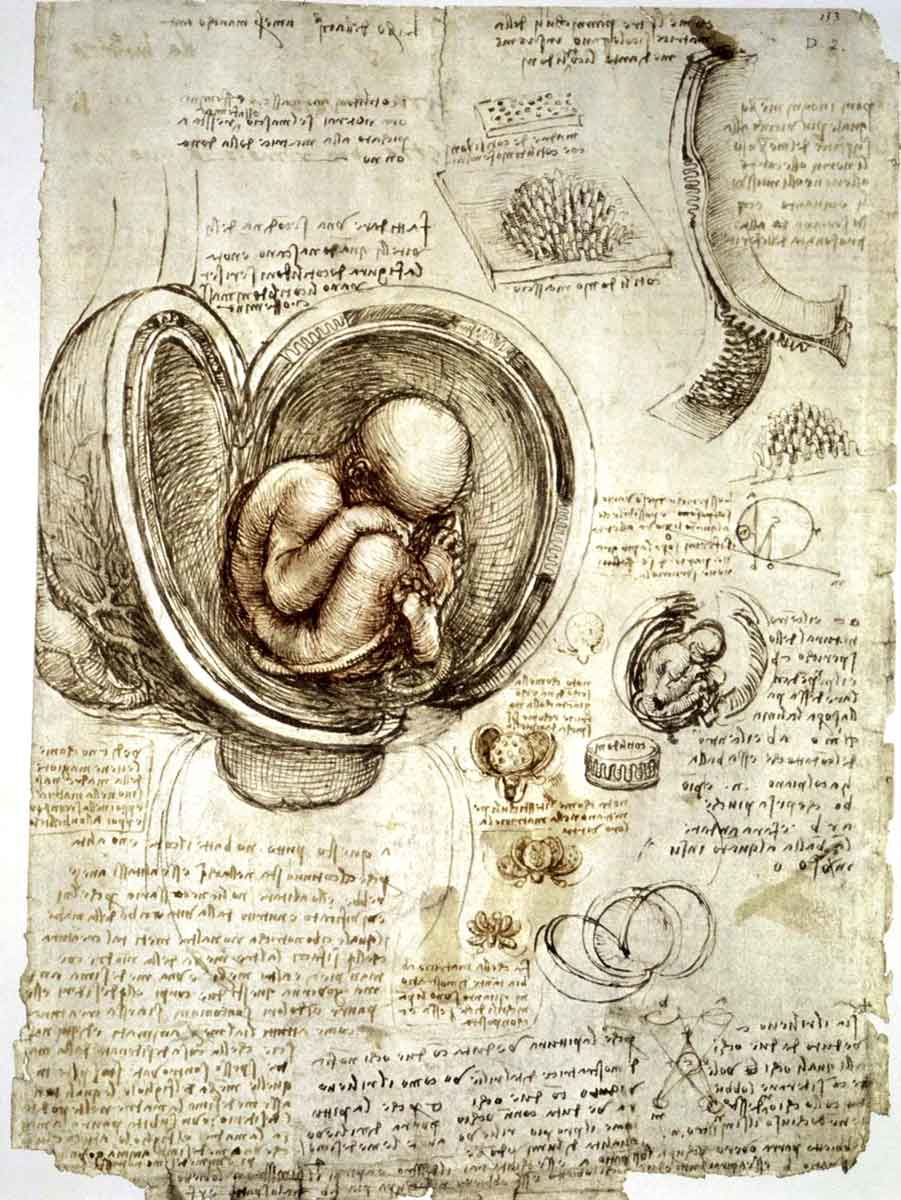
For as long as humans have been contemplating life, they have also been contemplating the origins of life. This has led to grand theories of divine intervention and quaint tales of storks dropping off a precious package. In the time of Aristotle, a popular belief was spontaneous generation, the idea that life could be created from non-living matter. Although Aristotle was a proponent of this, he also proposed ideas that are foundational to embryology, which is the gradual development of life from an unformed state into a complex organism. He also suggested that offspring inherit parental forms. These theories paved the way for further study in developmental biology.
4. He Documented Life Under the Sea
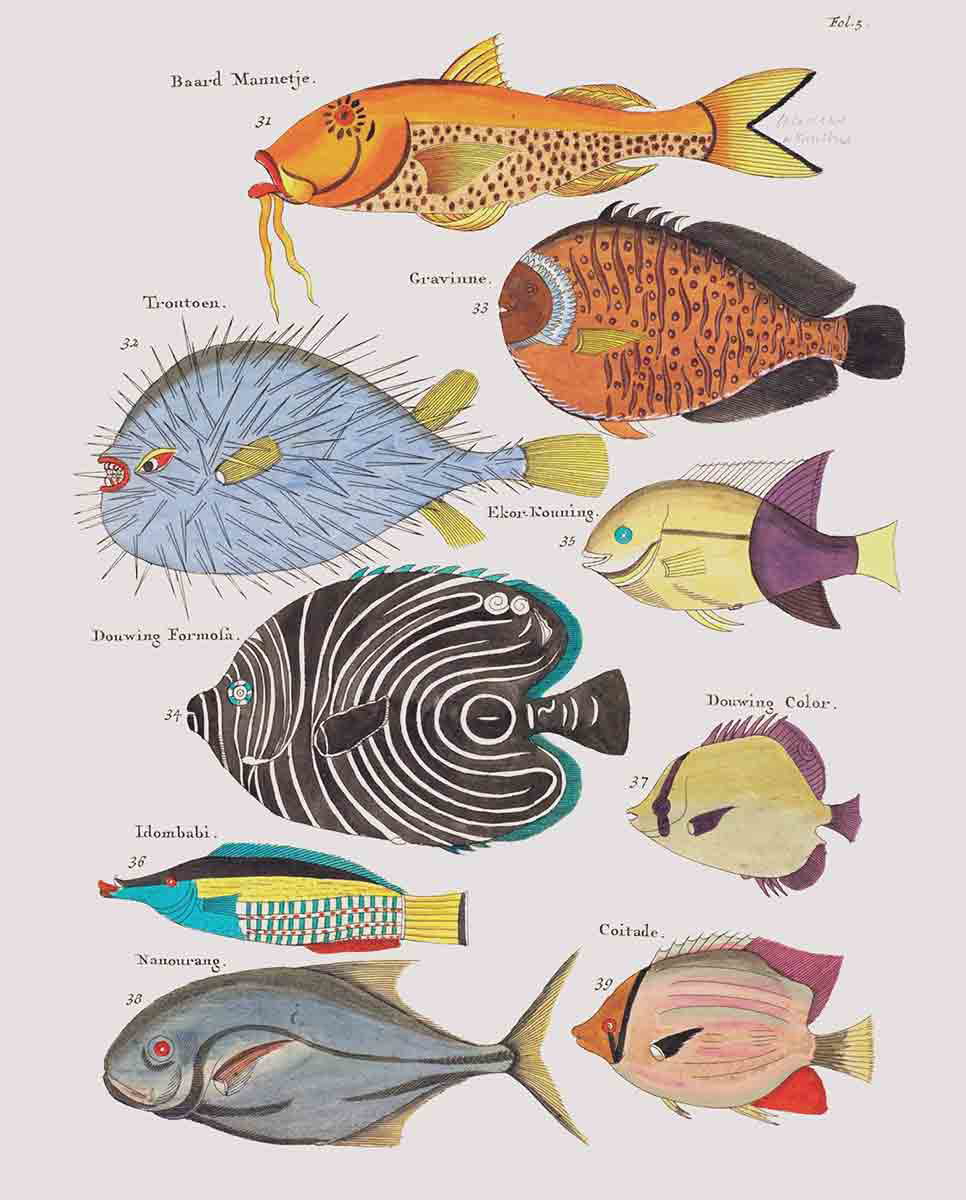
Aristotle was also extremely interested in sea life and laid the groundwork for marine biology. He was particularly interested in the anatomical features of marine organisms. He documented his observations of octopus, cuttlefish, crustaceans, and many other sea creatures. Most of his descriptions were remarkably accurate and helped form the basis for early anatomical knowledge of marine biology.
5. Aristotle’s Observations Were a Precursor to the Scientific Method
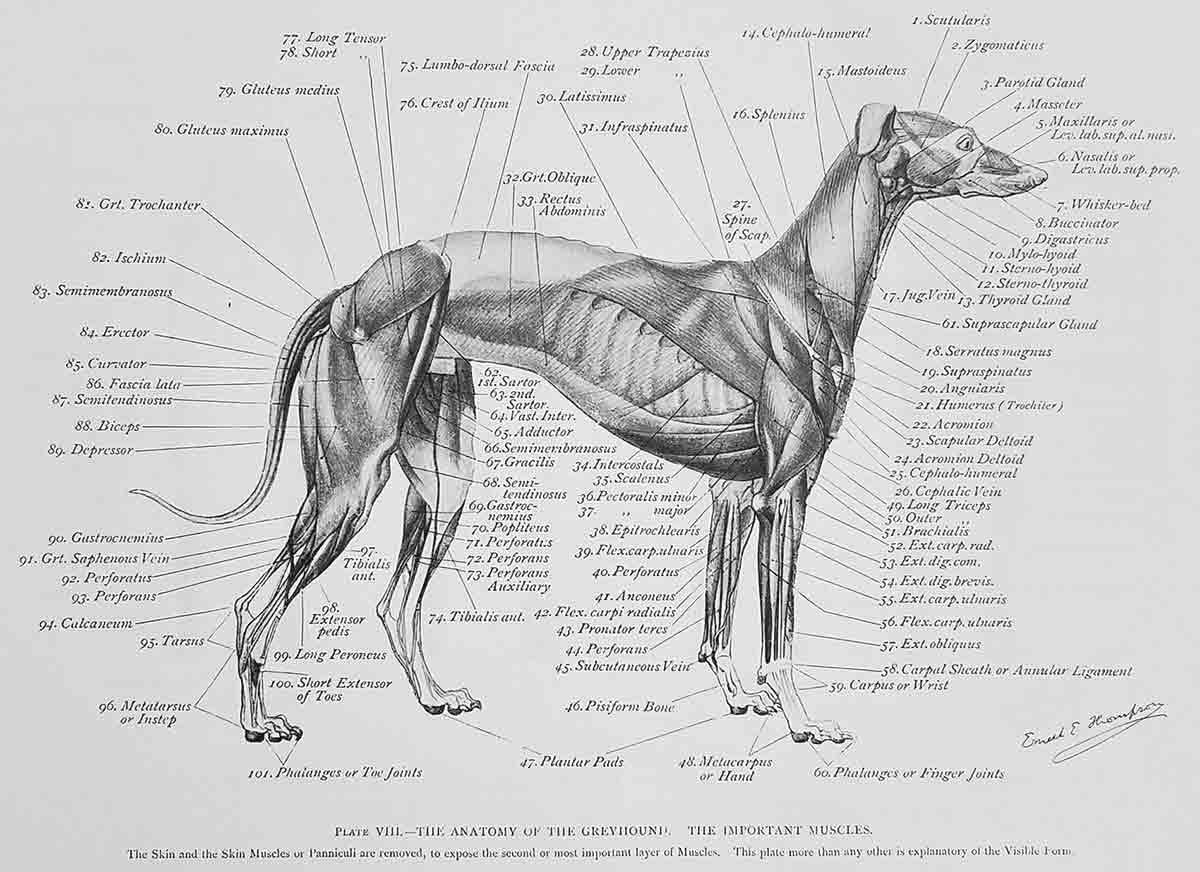
It wasn’t just Aristotle’s written works that helped develop the field of biology. Aristotle was a student of Plato, a philosopher well-known for his systematic approach to learning and meticulous writings. Thus, Aristotle was taught the importance of hands-on learning. The empirical methodology he developed became revolutionary for the scientific community of the time. He advocated for naturalists to closely observe and even dissect organisms to fully understand their inner workings, setting a precedent for scientific study. His practices became a core framework of the scientific method.