Summary
- Father of Western Philosophy: Despite following in the footsteps of Socrates and Plato, it is the 4th-century BCE Greek philosopher Aristotle who holds this title.
- Material World: Aristotle moved from a focus on abstract forms to a method that prioritized direct observation of the material world as a source of knowledge.
- Four Causes: This led Aristotle to develop the Four Causes to explain change, which was not accommodated in earlier approaches.
- Prolific Philosopher: Aristotle was prolific and wrote about everything from biology to ethics but always starting from the principle of observation.
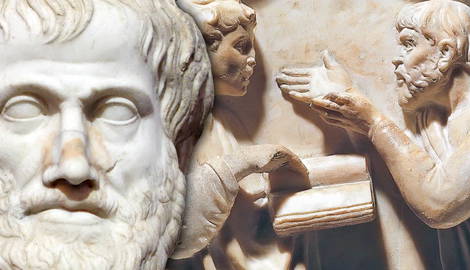
The 4th-century BCE Greek philosopher Aristotle is often called the “Father of Western Philosophy” or even just “The Philosopher.” This is even though he was the student of Plato, who was in turn a student of Socrates, two of the biggest names in Greek philosophy. What did Aristotle contribute to the philosophical method to earn him these titles?
Who Was Aristotle? A Brief Biography

Aristotle was born in 384 BCE in Macedonia and came from an aristocratic background, which allowed him to make two of the most important connections in his life. At a young age, he was able to travel to Athens and study directly under Plato until his death in 348. Later, Aristotle tutored Alexander the Great, the son of the Macedonian king Philip II and heir to the throne. When Philip conquered Athens in 338, Aristotle returned to the city and established his own school called the Lyceum.
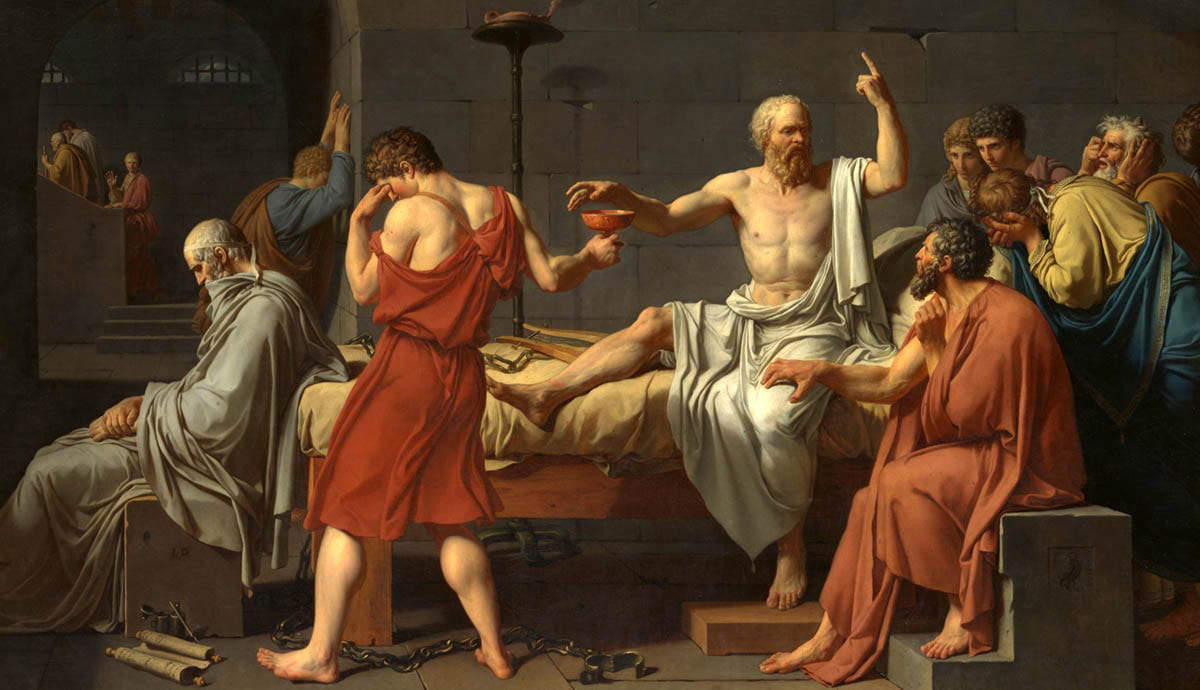
Alexander ascended to the throne shortly after but died in 323 during his military campaigns in the east. This led Athens to a failed revolt against Macedonian control, during which Aristotle’s Macedonian connections made him unpopular. This led to an accusation of impiety and a death sentence in 322 BCE. But rather than “allow the Athenians to sin twice against philosophy,” referring to their execution of Socrates in 399 BCE, Aristotle fled to his mother’s homeland of Chalcis. He died there of natural causes the same year.
Building Blocks: Socratic & Platonic Philosophy
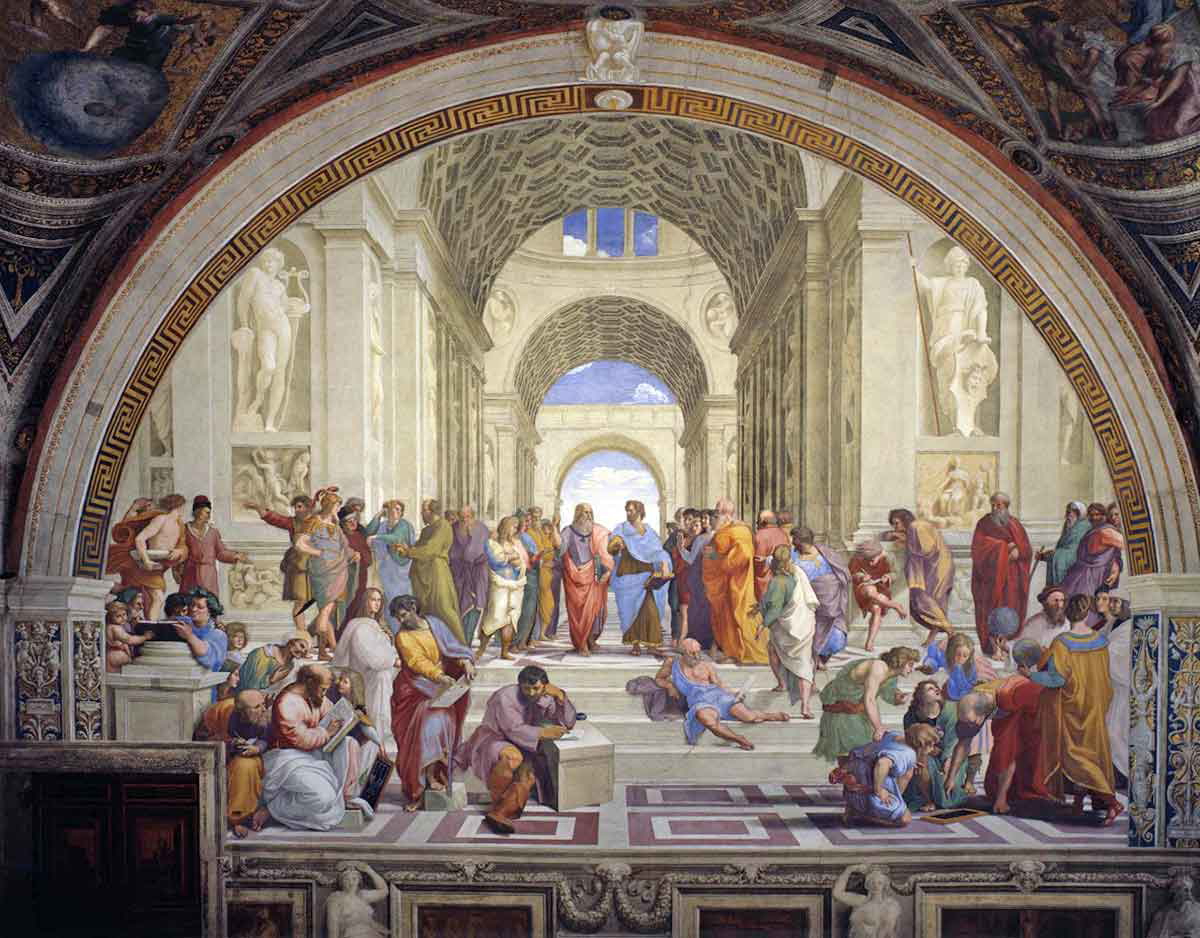
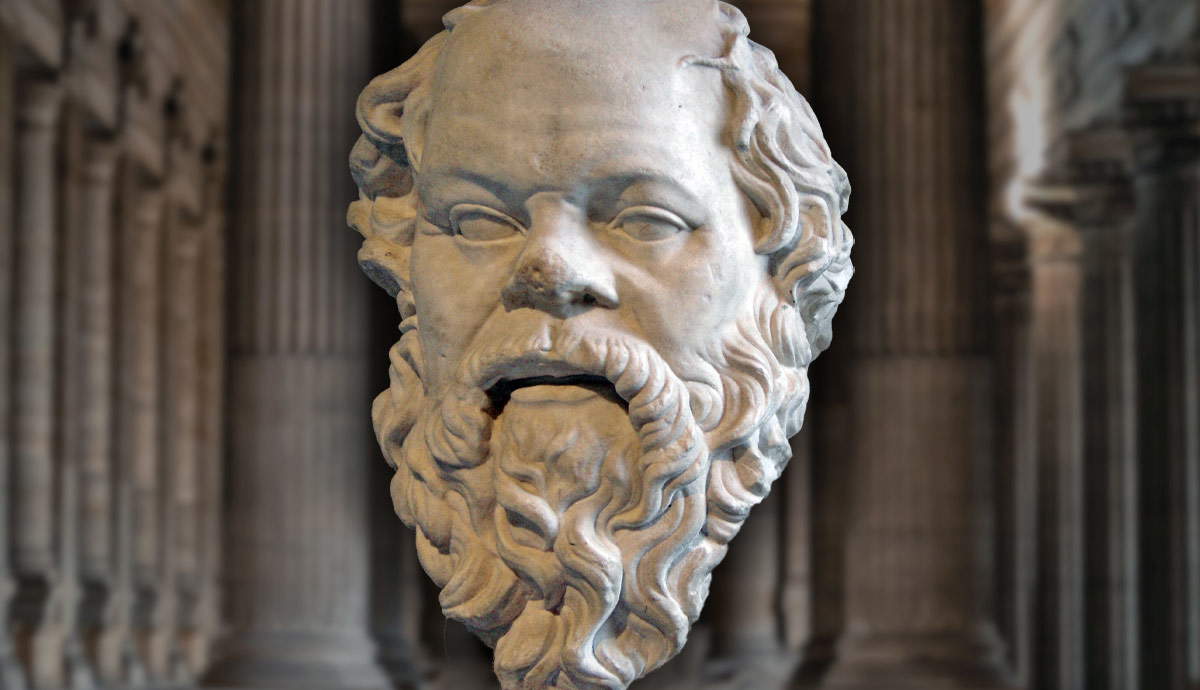
Aristotle studied under Plato, the most famous student of Socrates. In fact, almost everything we know about Socratic philosophy comes from Plato, as the former left no written texts. He did pioneer the “Socratic method,” which is a form of conversation that aims to get people to question their fundamental assumptions. In many of his written “dialogues,” Plato cast Socrates and explored philosophical ideas through these types of dialogues. The core of Socratic philosophy was the virtue of critical thinking and self-knowledge, which he believed were essential to living a good life.
These Socratic ideas influenced Plato’s fundamental Theory of Forms. This theory proposes that there are two distinct realms of reality: the imperfect, physical world we perceive with our senses, and a higher, perfect, and unchanging realm of Forms such as beauty and justice. He suggested that only by understanding the latter can we comprehend the former.
Aristotle and the Material World
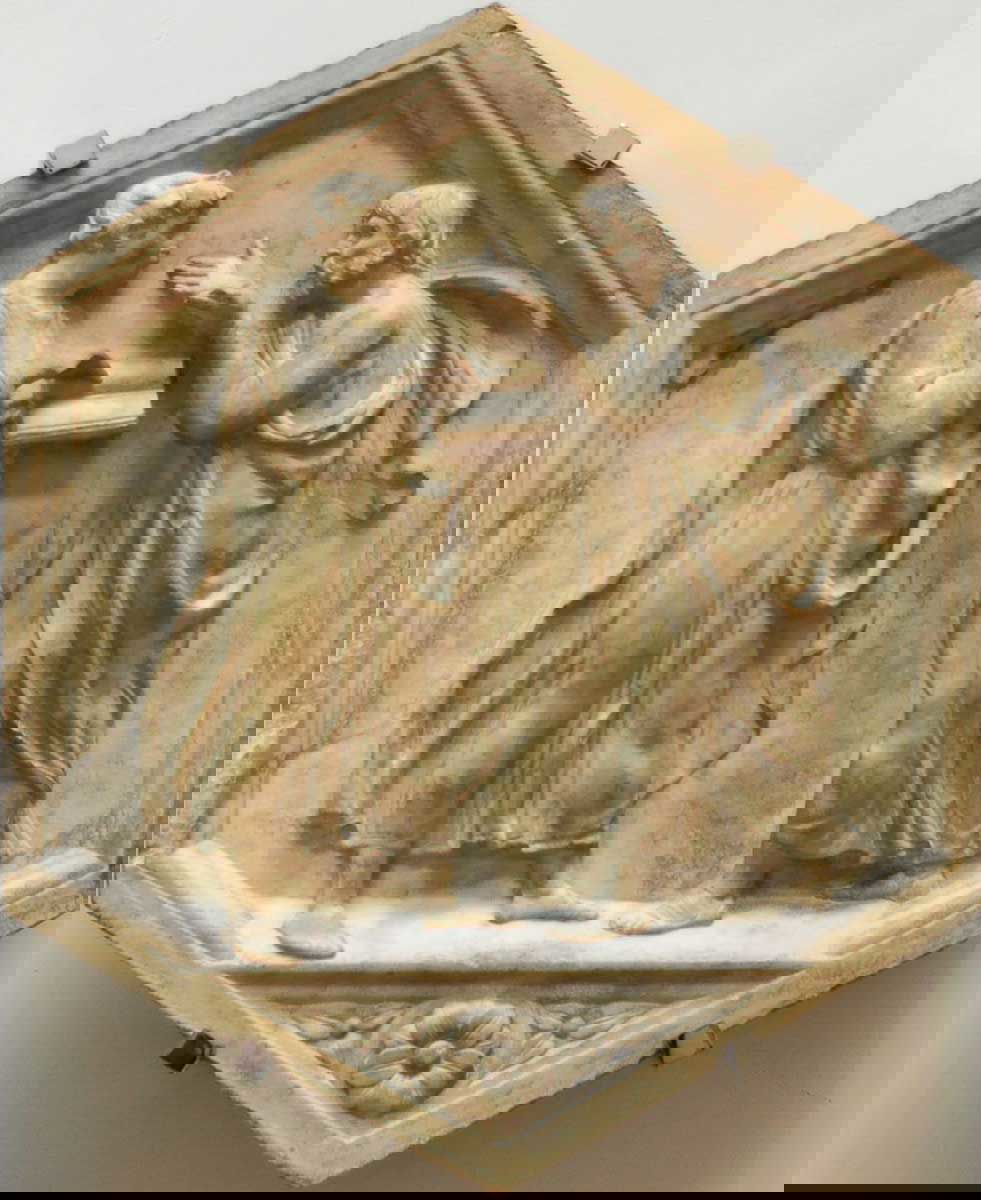
While Aristotle was clearly influenced by these earlier philosophies, his approach was fundamentally different. He prioritized the material world and direct observation over abstract forms. He suggests that knowledge is obtained through observing the material world and that ideas change with new evidence, and it was this that informed knowledge of the abstract.
Aristotle was a prolific writer, and it is estimated that only around 20% of his published work survives today. But even this surviving portion covers a wide range of topics, including ontology, ethics, art, natural science, and political philosophy. Despite his wide net, Aristotle’s method and approach remained consistent.
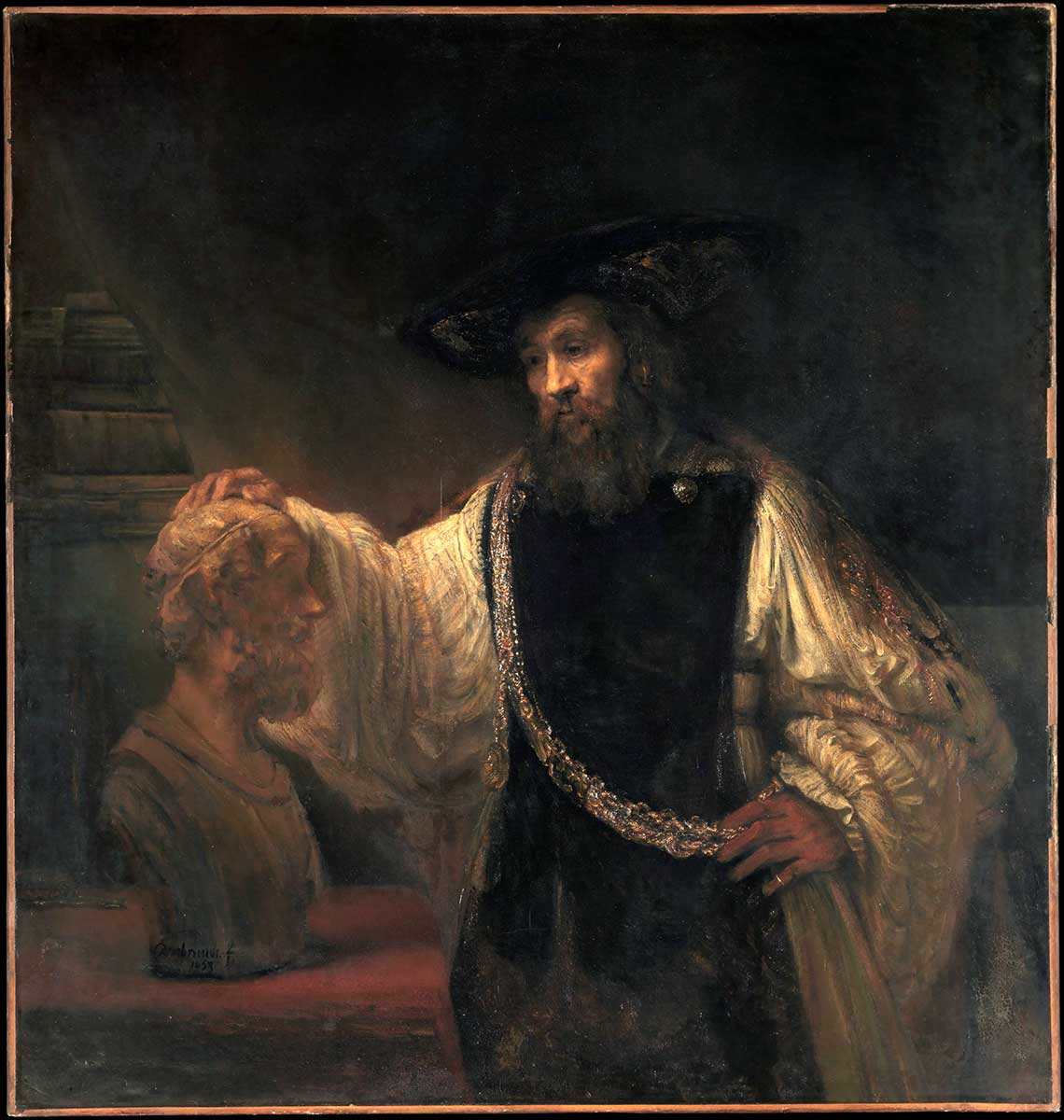
Aristotle’s first question was always “what is this thing?” He would then examine it to understand it better. So, in addition to philosophical texts, Aristotle has also left behind things such as biological drawings.
This led Aristotle to recognize a major flaw in Plato’s theory of forms, in that it could not explain change itself as a form. There is a gap between beings which assume different forms – child and adult, clay and vase – which cannot be bridged when thinking of these things as only real insofar as they participate in two separate ideas of themselves.