






About Giorgi Vachnadze
Giorgi Vachnadze is a Foucault and Wittgenstein scholar. He completed his Bachelor studies at New Mexico State University and received a Master’s qualification in philosophy at the University of Louvain. Former editor and peer-reviewer for the Graduate Student Journal of philosophy “The Apricot," he has been published in multiple popular and academic journals worldwide. Vachnadze’s research focuses on philosophy of language and discourse analysis. Some of the questions and themes addressed in his work include: History of Combat Sports, Ancient Stoicism, Genealogies of Truth, Histories of Formal Systems, Genealogy of Science, Ethics in AI and Psychoanalysis, Media Archaeology, Game Studies, and more. Vachnadze's latest work "Christian Eschatology of Artificial Intelligence" is a book-length comparative analysis of Christian and Neo-Liberal forms of governance seen through the lens of Biopolitics and Artificial Intelligence.
Education
MA Philosophy
University of Louvain (KU Leuven)
BA Philosophy
New Mexico State University
Areas of Expertise
Awards
The Richard L. Hedden Scholarship (New Mexico State University)
About Giorgi Vachnadze
Giorgi Vachnadze is a Foucault and Wittgenstein scholar. He completed his Bachelor studies at New Mexico State University and received a Master’s qualification in philosophy at the University of Louvain. Former editor and peer-reviewer for the Graduate Student Journal of philosophy “The Apricot," he has been published in multiple popular and academic journals worldwide. Vachnadze’s research focuses on philosophy of language and discourse analysis. Some of the questions and themes addressed in his work include: History of Combat Sports, Ancient Stoicism, Genealogies of Truth, Histories of Formal Systems, Genealogy of Science, Ethics in AI and Psychoanalysis, Media Archaeology, Game Studies, and more. Vachnadze's latest work "Christian Eschatology of Artificial Intelligence" is a book-length comparative analysis of Christian and Neo-Liberal forms of governance seen through the lens of Biopolitics and Artificial Intelligence.
Education
MA Philosophy
University of Louvain (KU Leuven)
BA Philosophy
New Mexico State University
Awards
The Richard L. Hedden Scholarship (New Mexico State University)
Areas of Expertise

Post-Modern Stoics? The Revival of Stoicism in the Late 20th Century
The unexpected revival of Stoicism, from Foucault to Deleuze, as a modern tool for self-care, political resistance, and an authentic life.
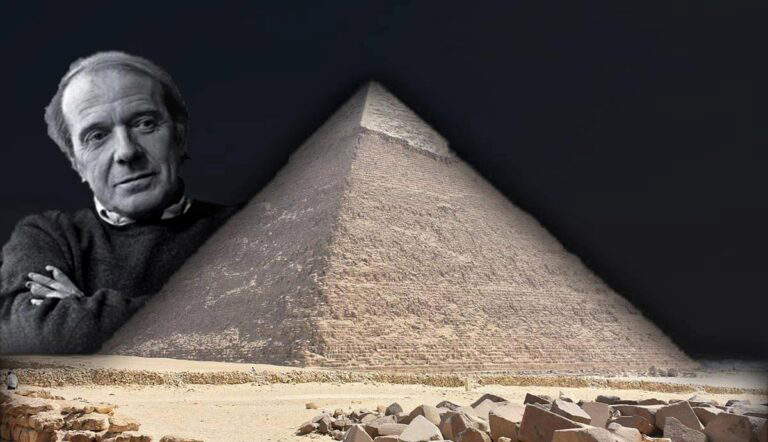
Gilles Deleuze Really Admired Egyptian Art and Its Resilience
Gilles Deleuze offers an original examination of Egyptian art in terms of its creative effort to withstand the destructive effect of time.

Deleuze Turned Leibniz’s Windowless Monad Into a Folded Space
Deleuze's book The Fold recasts Leibniz's windowless, hierarchical monad as a dynamic space where interiority is produced by folding the outside world inward into a subject.

Why Gilles Deleuze Preferred Spinozian Ethics Over Traditional Morality
Spinoza offers us, no more and no less, a philosophy of power, freedom, and joy. Deleuze was one of the first contemporary thinkers to exploit its political implications.

Piet Mondrian’s Theory of Rhythm in Painting Explained
Piet Mondrian’s theory of rhythm in painting is original and alien to classical conceptions of rhythm, as is evident from his complicated writings on art.
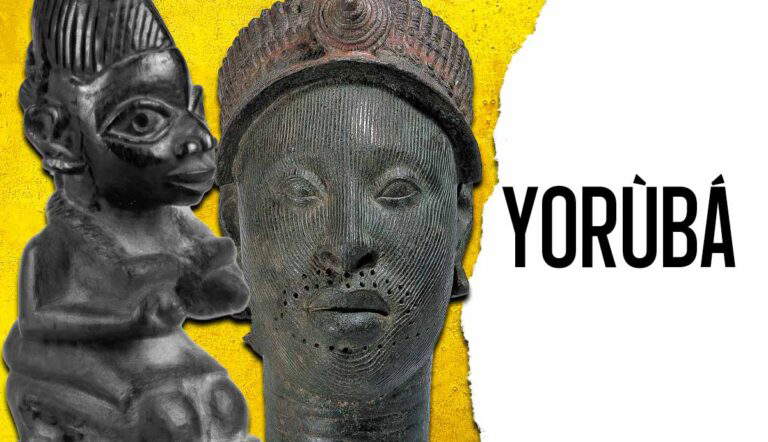
Why Yorùbá Philosophy Is the Key to Postcolonial Justice in Africa
Yorùbá philosophy is an intellectual tradition whose notions of justice and social responsibility continue to shed light on the contemporary Nigerian socio-political concerns.

Native American Philosophy Challenges Everything We Know About Community
Native American philosophy presents a radical alternative to Western thought. How does its focus on relational identity reshape our concept of community?

What Is Structuralism? (Definition & Facts)
Structure is defined as a universal model of ordered elements, a finite set of rules for generating new elements from the previous ones.
Post-Modern Stoics? The Revival of Stoicism in the Late 20th Century
How can ancient practices and the revival of Stoicism inform contemporary struggles and lifestyles?