





• Vetted Authorship
All authors must hold a relevant degree (BA, MA, MPhil, or PhD) or be an active researcher or academic at a recognized institution.
At TheCollector, our mission is to broaden the global understanding of the humanities, from ancient civilizations to modern history. To ensure our content serves as a trusted resource for scholars, classrooms, and enthusiasts, we strictly adhere to the following editorial standards.
We do not publish fan content or guest posts. Every article on TheCollector is authored by a qualified subject-matter expert.
All authors must hold a relevant degree (BA, MA, MPhil, or PhD) or be an active researcher or academic at a recognized institution.
We provide dedicated author profile pages for all authors, detailing their educational background, institutional affiliations, and areas of specialization to ensure transparency and accountability.
Trust is built through a rigorous human review system. Every piece of content undergoes a multi-stage review before publication.
Articles are vetted and revised by our editorial team, which consists of scholars and professionals with advanced degrees in History, Philosophy, Art History, and Archaeology.
We require authors to back up claims with evidence. Our editors verify dates, historical events, and philosophical interpretations against primary and credible secondary sources.
While we strive for accuracy, we acknowledge that mistakes do happen. If a significant factual error is identified, we update the article promptly and include a correction notice at the end of the article.

BA Communication Studies

PhD Candidate in Classical Archaeology, MSc Museum Studies

MA Contemporary Art Theory, BA Fine Art

BA Classics & Ancient Mediterranean Studies

MSt Late Antique & Byzantine Studies, BA Ancient History

MA & BA Art History

Published Travel Writer & Editor

BA History & Linguistics

MPhil Ancient History, BA Hons History/Archaeology

MPhil Modern European History, BSc Government and History

MA Latin American & Hemispheric Studies, BA Spanish

MA History & Jewish Studies, BA History

PhD Philosophy
In an era of automated content, TheCollector stands by the value of human critical thinking. Any breach of this standard will result in immediate termination of the author’s contract.
We have a zero-tolerance policy for AI-generated articles.
While we allow the use of AI tools for preliminary research, data organization, or grammar and syntax refinements, the core arguments, narrative structure, and final prose must be the original work of the credited author.
We utilize industry-standard tools and manual checks to ensure all work is 100% original.
To maintain the highest standards of academic integrity, we encourage and often require academic-style citations.
Writing about history and culture requires a high degree of ethical responsibility.
When covering topics such as true crime, religion, or marginalized histories, our editors ensure the tone is respectful and the perspective is balanced.
We reserve the right to refuse any content that deliberately attempts to misinform or distort historical facts for sensationalism.
Our visual standards are guided by historical accuracy and artistic merit. We prioritize images that provide educational value and contextual integrity.
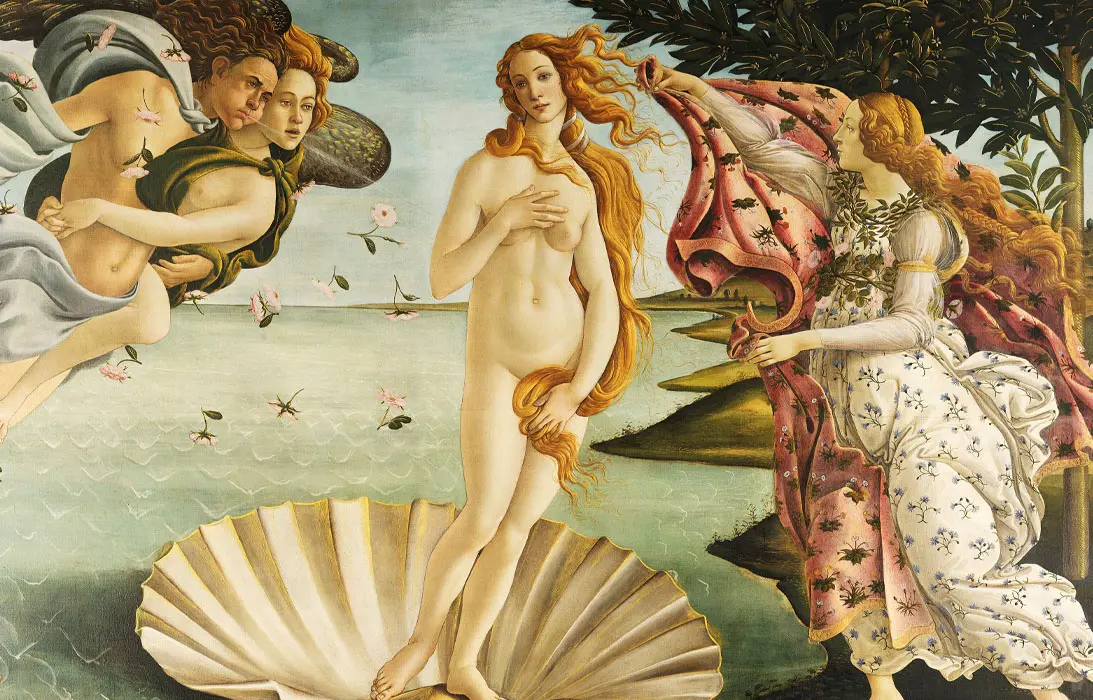
As an art resource, we often feature works that depict the human form, such as Classical sculptures or Renaissance masterpieces, strictly for art and historical purposes. We do not publish adult or gratuitous content.

When discussing conflict, such as WWII or ancient warfare, we often use archival photos and period art to provide a factual record. These images are used to document history, never to promote violence.
Every image is selected to support the scholarly narrative of the article, ensuring that sensitive imagery is always paired with analysis regarding its significance and provenance.