





About Giulia Villa
Giulia Villa studies linguistics and philosophy at Trinity College Dublin. She is originally from Italy and speaks English, Italian, and French. She has an academic background in classical studies and knowledge of Greek and Latin, including their literature and philosophy. She is greatly interested in the interaction between ancient philosophical thought and the modern world, along with expertise in philosophy of mind, language, and cognition. She is involved in academic research in collaboration with the University of Zurich and Trinity College Dublin.
Education
BA Linguistics and Philosophy
Trinity College Dublin
Areas of Expertise
About Giulia Villa
Giulia Villa studies linguistics and philosophy at Trinity College Dublin. She is originally from Italy and speaks English, Italian, and French. She has an academic background in classical studies and knowledge of Greek and Latin, including their literature and philosophy. She is greatly interested in the interaction between ancient philosophical thought and the modern world, along with expertise in philosophy of mind, language, and cognition. She is involved in academic research in collaboration with the University of Zurich and Trinity College Dublin.
Education
BA Linguistics and Philosophy
Trinity College Dublin
Areas of Expertise

Ordinary Language vs. The Language of Logic: What’s the Difference?
Could our ordinary language be reduced to a language of logic? These 20th-century philosophers tried to do just that.
Does Language Determine Thought? An Overview of the Sapir-Whorf Hypothesis
Does our native language have the power to shape our thoughts? According to the Sapir-Whorf hypothesis, the answer is firmly yes.
Chomsky’s Take on Linguistics Reveals Why Even Native Speakers Make Mistakes
Chomsky's distinction between linguistic competence and performance reveals why even fluent speakers make mistakes, and what that tells us about language itself.

How Do We Understand One Another? An Overview of Grice’s Pragmatic Theory
Grice showed that understanding one another requires more than shared language; it requires shared context, social conventions, and cooperative intent.
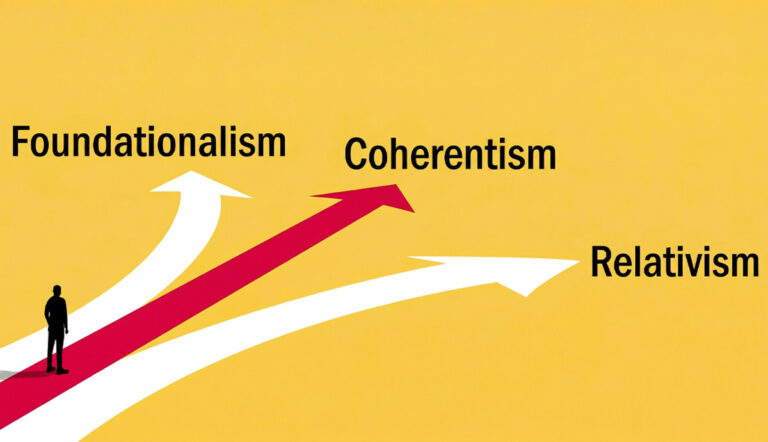
The Three Main Approaches to Epistemology Explained
Are we certain that what we know as true is actually true? Epistemologists take different routes when approaching this question.
Inductive vs. Deductive Reasoning: The Two Paths to Knowledge
What’s the best way to obtain knowledge? Inductive and deductive reasoning both have their strengths and weaknesses.

Which Moral Theory Should You Live By: Utilitarianism, Duty, or Virtue?
What’s the best way to decide whether an action is morally acceptable? An exploration of moral theories and their solution for finding morality.
Gottlob Frege’s Linguistic Concepts Explained
Does common language reveal fundamental truths about reality? Gottlob Frege believed that language offers a deeper understanding of the world than previously thought.
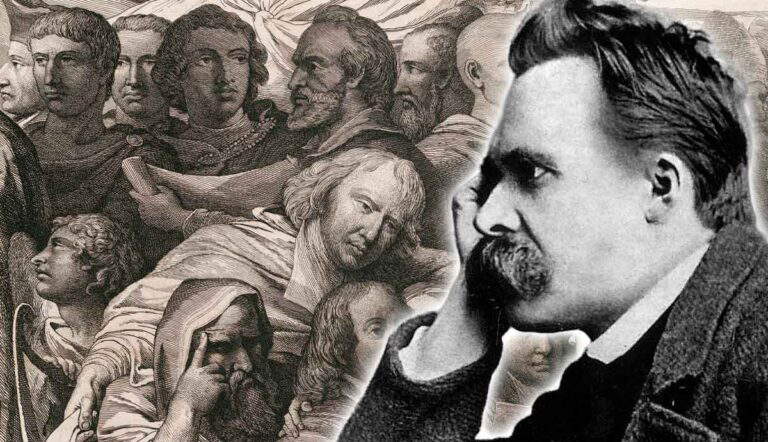
Why Nietzsche Thought That We Must Give Up on the Platonic Good
Is there any point in the search for pure Good? An account of the complexity of morality through Nietzsche.
3 Types of Ethics You Should Know (Metaethics, Normative Ethics, & Applied Ethics)
Is deciding if actions are right or wrong as simple as it appears? An overview of types of Moral Philosophy.

Are We Justified in Using Inductive Reasoning?
Are we justified in believing in the relationship between causes and effects on the grounds that they have always held?

Emotivism: Are Moral Statements Mere Emotions?
Are moral statements meaningless expressions of personal attitudes towards an action? According to A.J. Ayers' emotivist account, they are!