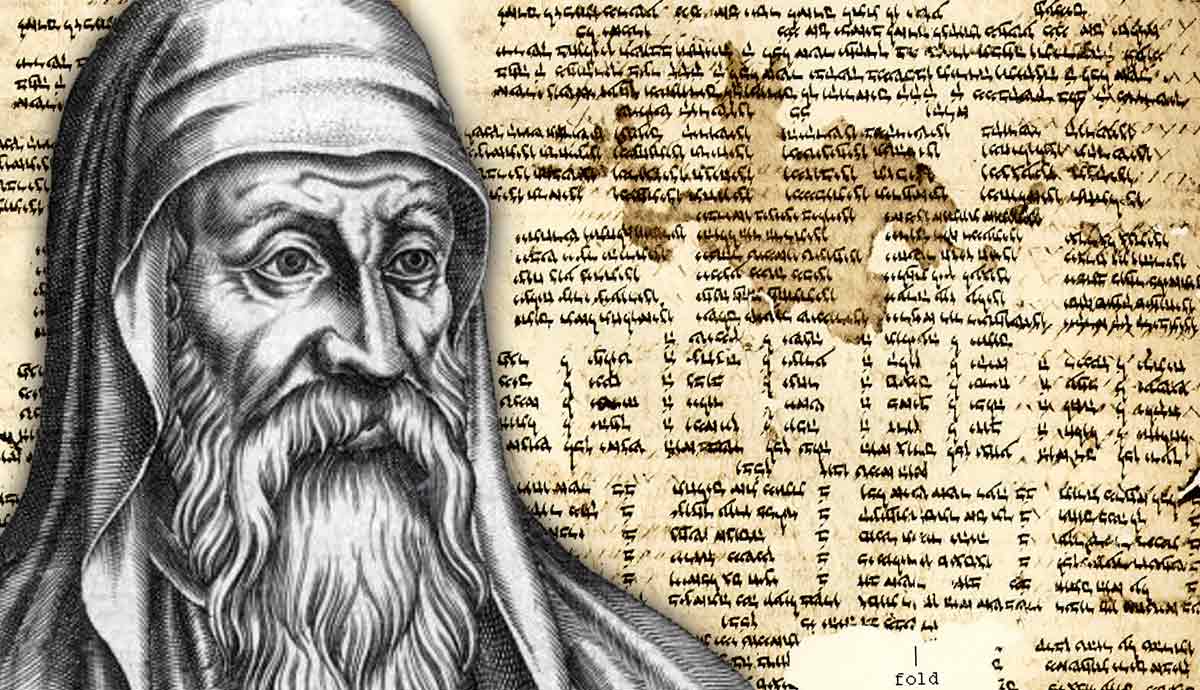
Averroes (1126-1198 CE) was an Andalusian polymath whose legacy of works has deeply influenced Western thought. He is best known for his Aristotelian commentaries, which revived interest in Aristotle and Greek thinkers in the West, largely forgotten since the 5th century. For this reason, he was referred to as “The Commentator” and as the “Father of Rationalism.” He also wrote more than 100 books and treatises of his own, on subjects such as philosophy, astronomy, law, and linguistics. This earned him the title of the “prince of science.” His teachings gave rise to a movement called Averroism in the 13th century, which was persecuted by the Catholic Church and was heavily criticized by Thomas Aquinas. This is why he is not as well-known as his intellect deserves.
Influence on Western Philosophy
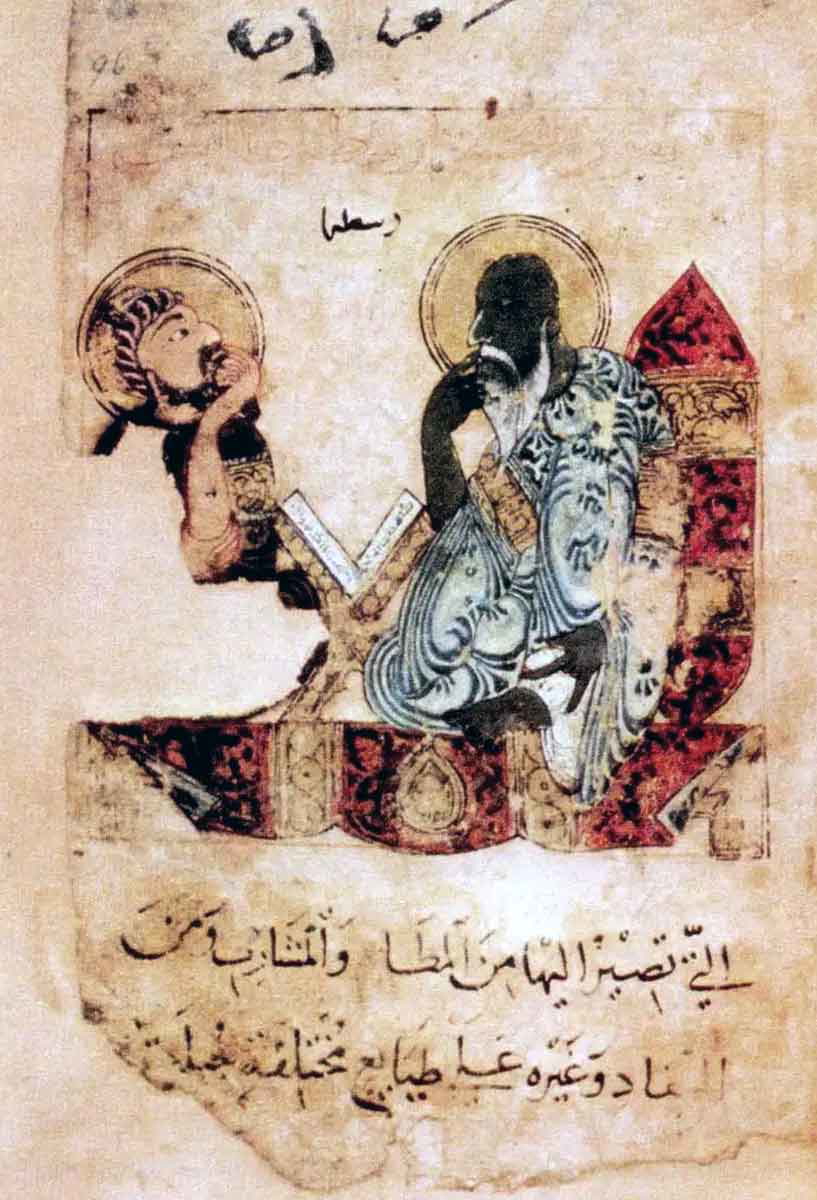
Aristotle, the giant of Greek philosophy, would not be as relevant as he is today if not for Averroes; this is the Latinized version of his name, Ibn Rushd. At the request of Almohad Caliph Abu Ya’qub Yusuf, Averroes wrote voluminous commentaries between 1169 and 1195 CE on Aristotle’s works, including De Anima, Physica, Metaphysica, Organon, De Partibus Animalium, Parva Naturalia, Meteorlogica, Poetica, and Rhetorica. He also wrote commentaries on the works of other key figures of Greek philosophy, such as Plato.
For each book, he wrote several types of commentaries, each intended to meet the different intellectual capacities of his readers. He was interested in uncovering the original teachings of Aristotle and stripping them away from the Neoplatonic tendencies of his earlier interpreters, who, according to him, distorted the Greek philosopher’s original message.
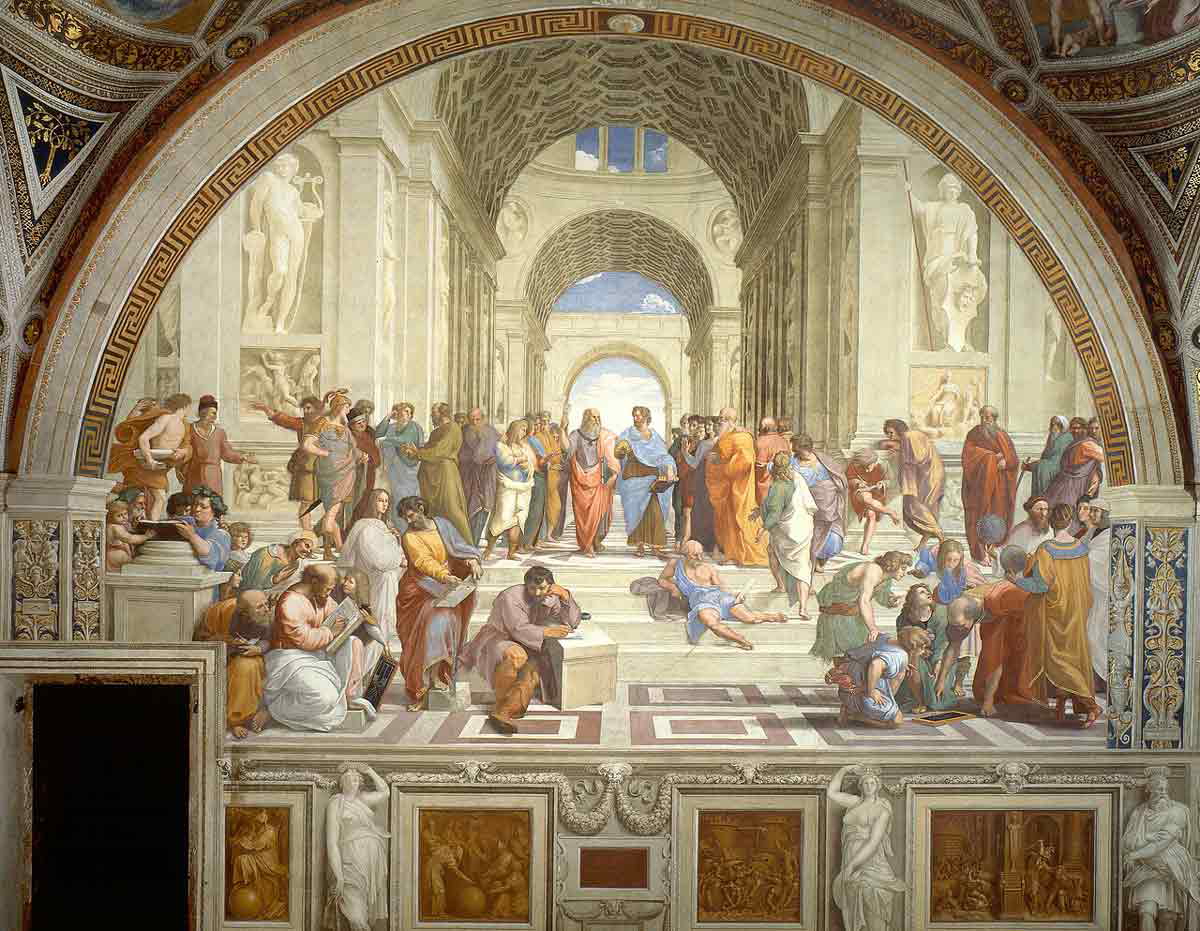
Since the fall of the Western Roman Empire in the 5th century CE, most of Aristotle’s works were lost or neglected. Interest in the Greek thinkers was only rekindled after Averroes’ commentaries were translated into Latin and Hebrew. As a result, as early as the 13th century, Averroes was recognized as “the father of rationalism,” and continued to be recognized until the Renaissance, when Raphael depicted him in The School of Athens as one of the greatest philosophers in history.
Averroes’ commentaries were incorporated into all Latin versions of Aristotle’s works. Consequently, his commentaries not only gave rise to Latin Scholasticism but also helped plant the seed for the Renaissance.
Influence on Religious Philosophy
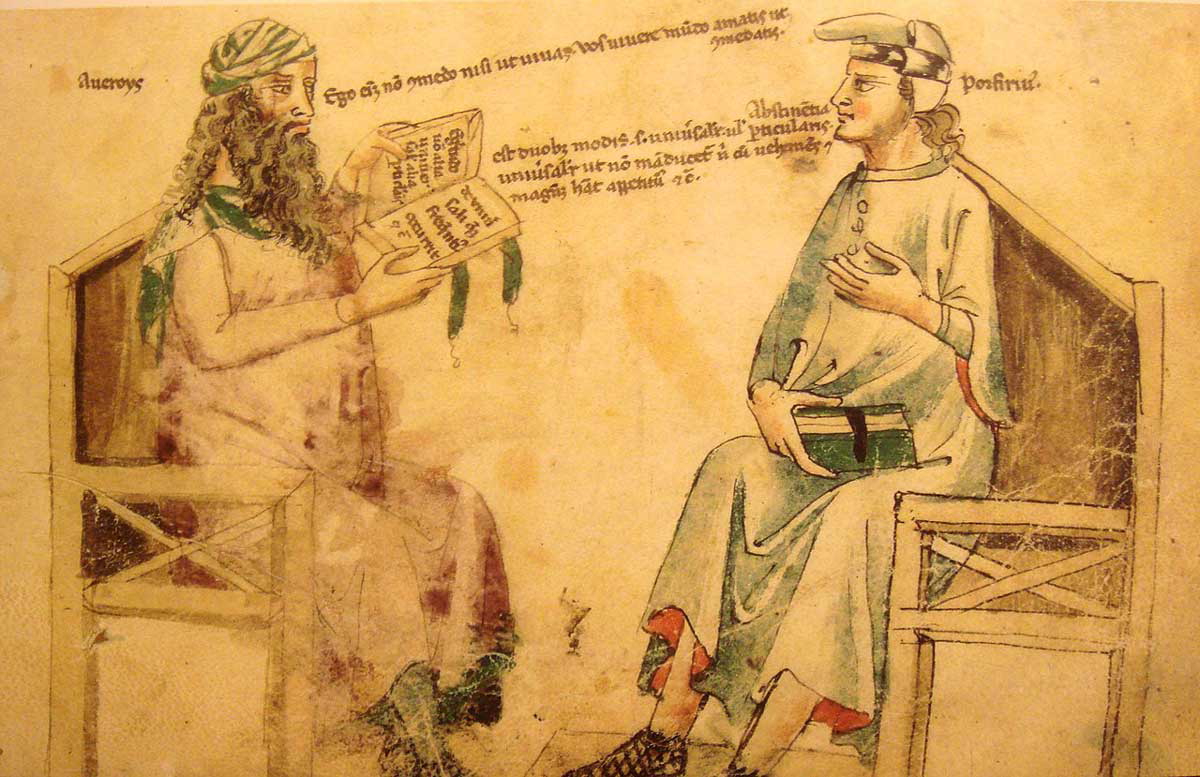
Averroes fiercely defended the study of philosophy against conservative religious bodies. He suggested that philosophy was as important as revelation, and he criticized theologians for using their interpretations of scripture to answer questions that should have been left to philosophers. Averroes had many views that angered the conservative Muslims of his time, as well as the conservative Christians of the next century.
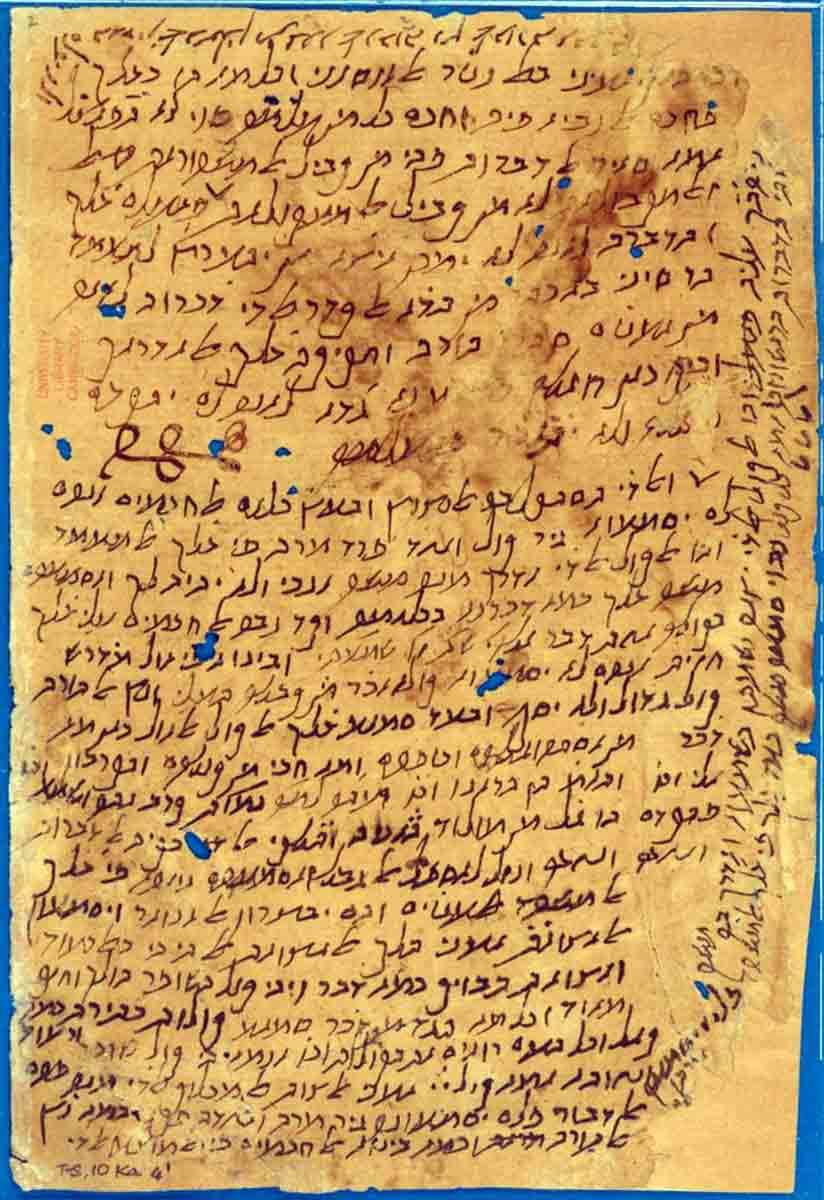
A scholarly movement started at the University of Paris when a group of philosophers who called themselves “Averroists” challenged the Roman Catholic Church’s stances on philosophy. Averroes’ works were condemned and banned by the Church in 1270 and 1277, and were heavily criticized by Thomas Aquinas, who wrote On the Unity of the Intellect against the Averroists in 1229. Nevertheless, Averroism continued to attract followers until the 16th century. The Hebrew translations of his works caused less controversy and influenced Jewish philosophers such as Moses Narboni, Maimonides, and Abraham Ibn Ezra, who all integrated his thoughts into their philosophical systems, particularly his views on revelation.
Influence on Medicine
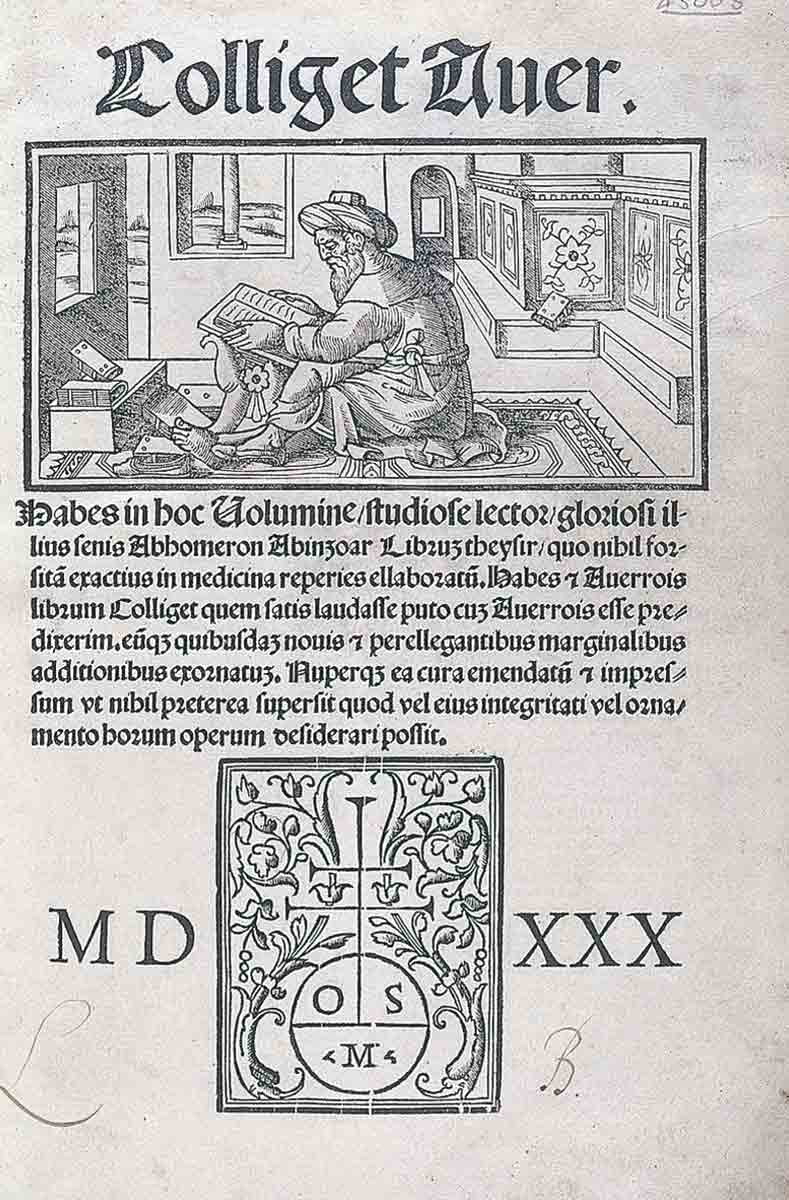
Averroes’ impact as a philosopher has often eclipsed his significance as a physician and scientist, but he wrote over 20 books on medicine that have influenced Western medical science. His magnum opus was Alkulliyat Fy-Altibb, commonly known as the Colliget, which was a complete medical encyclopedia in seven books. After its translation to Latin and Hebrew, the Colliget became an essential textbook of medicinal science in Europe until the 18th century. Averroes has also made unprecedented discoveries.
He was the first to identify symptoms of Parkinson’s disease, attribute photoreceptor properties to the retina, and diagnose and pharmacologically treat erectile dysfunction and other sexual issues. He also built on Al-Razi and Avicenna’s works on strokes and influenced the evolution of various pharmacological and nutrition-based treatments.