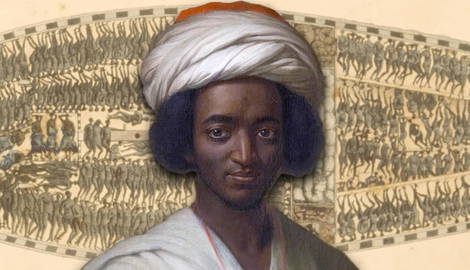
Ayuba Suleiman Diallo, widely known as Job Ben Solomon in Europe, is one of the few survivors to escape captivity in North America and return to Africa. Involved in the slave trade himself, his fate took a dramatic turn in 1731 when he was captured and sent to Maryland, United States. Diallo’s noble background, education, and literacy in Arabic caught the attention of English elites. He was brought to England in 1733 and later returned to his homeland in Africa, where he became known as a symbol of African dignity and resilience.
Early Life of Ayuba Seleiman Diallo & Enslavement
Ayuba Suleiman Ibrahima Diallo was born around 1701 in Bundu, in the West African state of Futa Toro, located in modern-day Senegal. His father, Suleiman Diallo, was a prominent religious and political leader from a noble Muslim Fulbe ethnic group.
During his early childhood, Diallo was acquainted with Sambo, the prince of the Islamic region of Futa Toro. They both excelled in studying Arabic and the Quran.
By the 1720s, Diallo had married two formerly enslaved people and had four children. At this time, he was renowned not only for his intelligence but also for his success as a merchant in the transatlantic slave trade.
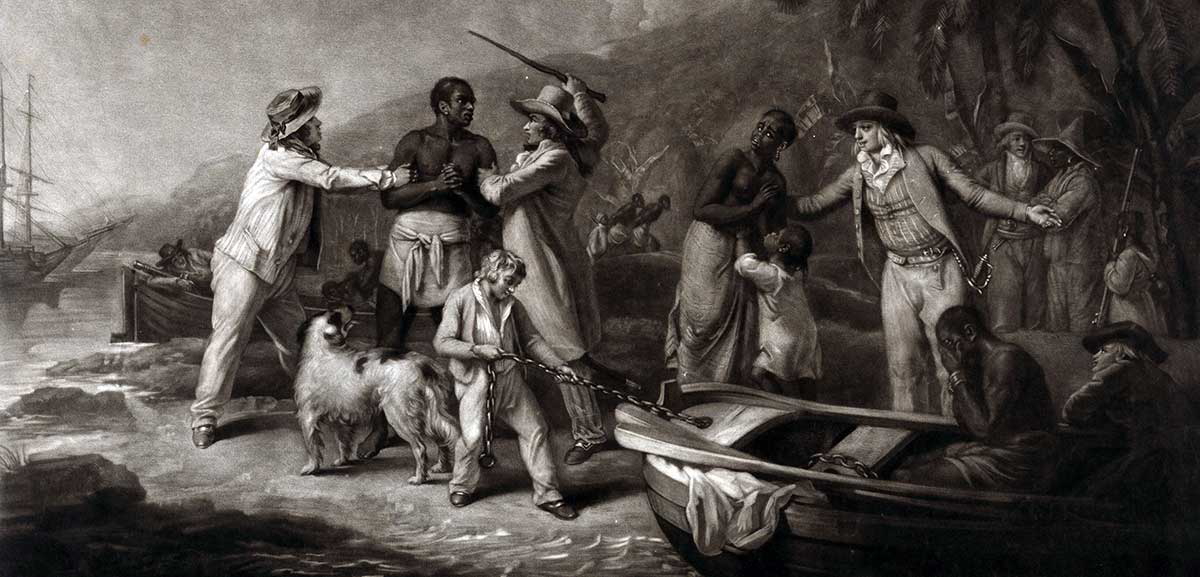
In 1730, Diallo travelled to the coastal port for supplies as well as to sell two of his family’s Mandinka (a West African ethnic group) enslaved persons. Accompanied by Loumein Ndiaye, his assistant and interpreter, Diallo was captured by the Mandinka as retaliation and sold alongside his interpreter as war captives initially to local slave traders, then to English merchants.
Ayuba tried to escape to avoid being sent away into slavery. He managed to convince Pike, captain of a slave ship, that they had known each other through slave trading and that if a messenger were sent to his father, he would pay the ransom. Pike agreed, but the messenger did not return on time. Ayuba Diallo was then transferred to the British colony of Maryland in North America.
Life in Maryland
In Maryland, Ayuba was sold to Alexander Tolsey, a tobacco planter.
Ayuba struggled to work on plantations due to his weak stamina, and he was put in charge of the cattle. However, Ayuba found the living conditions unbearable; he often would escape into the woods to pray and isolate, facing humiliation from other laborers and nearby settlers.
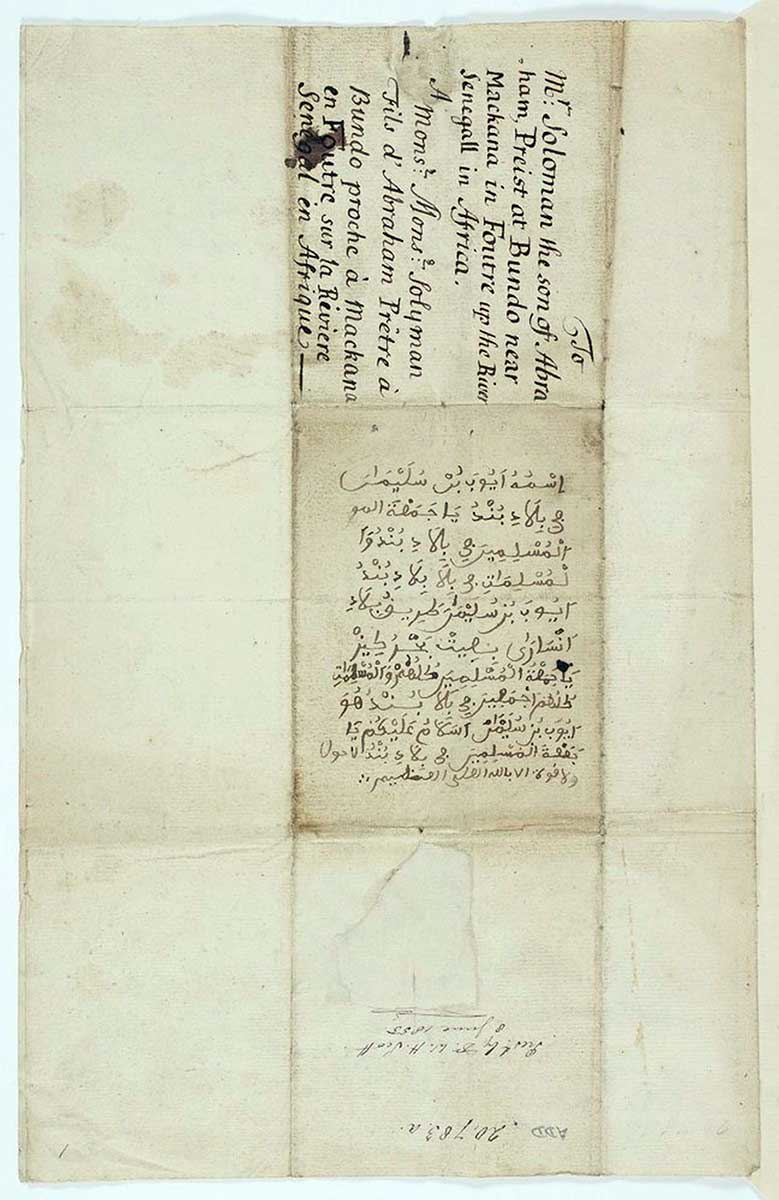
In 1731, Ayuba attempted to flee but was quickly recaptured. Being imprisoned at the Kent County Courthouse, he was provided with an African interpreter. With his help, Ayuba explained that the reason for his escape was not an act of rebellion, but an attempt to acquire peace to pray.
It was at the courthouse that Thomas Bluett, an attorney and Anglican priest, first noticed Ayuba. Stunned by the story and personality of Diallo, Bluett would document Diallo’s life in his book Some Memoirs of the Life of Job, the Son of Solomon, the High Priest of Boonda in Africa, published in 1734.
In this book, Bluett recalled:
“Upon our Talking and making Signs to him, he wrote a Line or two before us, and when he read it, pronounced the Words Allah and Mahommed; by which, and his refusing a Glass of Wine we offered him, we perceived he was a Mahometan, but could not imagine of what Country he was, or how he got thither; for by his affable Carriage, and the easy Composure of his Countenance, we could perceive he was no common Slave.”
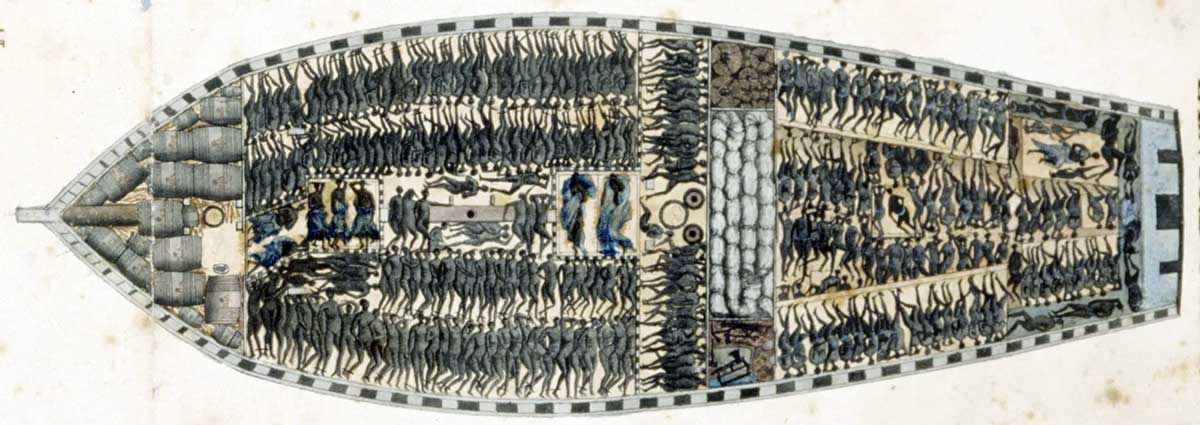
Considering his exceptional situation, Ayuba was returned to the plantation and given an undisturbed place to pray. Alexander Tolsey, being informed of Ayuba’s noble family, allowed him to send a letter to his father, asking for the sum for freedom.
Ayuba’s letter was seen by James Oglethorpe, a lawyer and deputy governor of the British Royal African Company. Oglethorpe morally opposed slavery and was one of the founders of Georgia, which was initially intended as a slave-free colony. Stunned by Ayuba’s story, he decided to arrange Ayuba’s freedom himself and paid 45 pounds in compensation.
Ayuba arrived in England in 1733 to arrange the final steps for his freedom.
Life In England
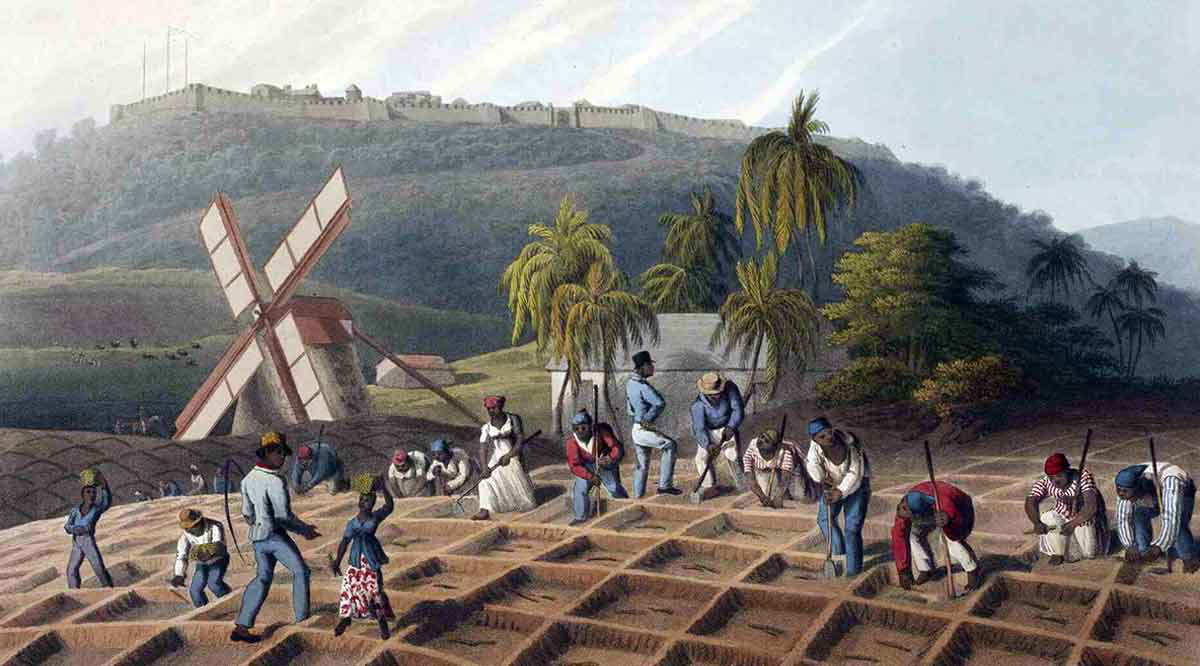
During his two-month journey on a ship to England, Diallo started learning English. Upon arrival, he was named Job ben Solomon, a biblical anglicization of his name. In London, the Duke of Montagu hosted Ayuba.
At Montagu’s country estate, Diallo continued to study English. English nobles often visited him to listen to his stories and adventures, as well as life in Africa. They frequently showered Ayuba with gifts as a symbol of their admiration.
Later, Ayuba began to translate Arabic manuscripts and inscriptions for the Royal Society, an elite scientific institution. One of the most well-known instances includes Ayuba working for a prominent physician and naturalist, Sir Hans Sloane, whose library later became the foundation of the British Museum. Ayuba also copied Arabic texts, assisting British and Arabic scholars in research related to Islam.
Perhaps one of Ayuba’s most remarkable achievements was his three handwritten copies of the Quran, written entirely from memory. This fact demonstrates his remarkable scholarly skills and extraordinary literacy capabilities.
For these accomplishments, Diallo was accepted as a member of the Gentleman’s Society of Spalding. He became a social success, impressing the British elite and intellectual circles with his intelligence and manners. Even the royal family, including Queen Caroline of Ansbach, the wife of King George II of Great Britain, received him, most probably due to her keen interest in education, science, and the arts.
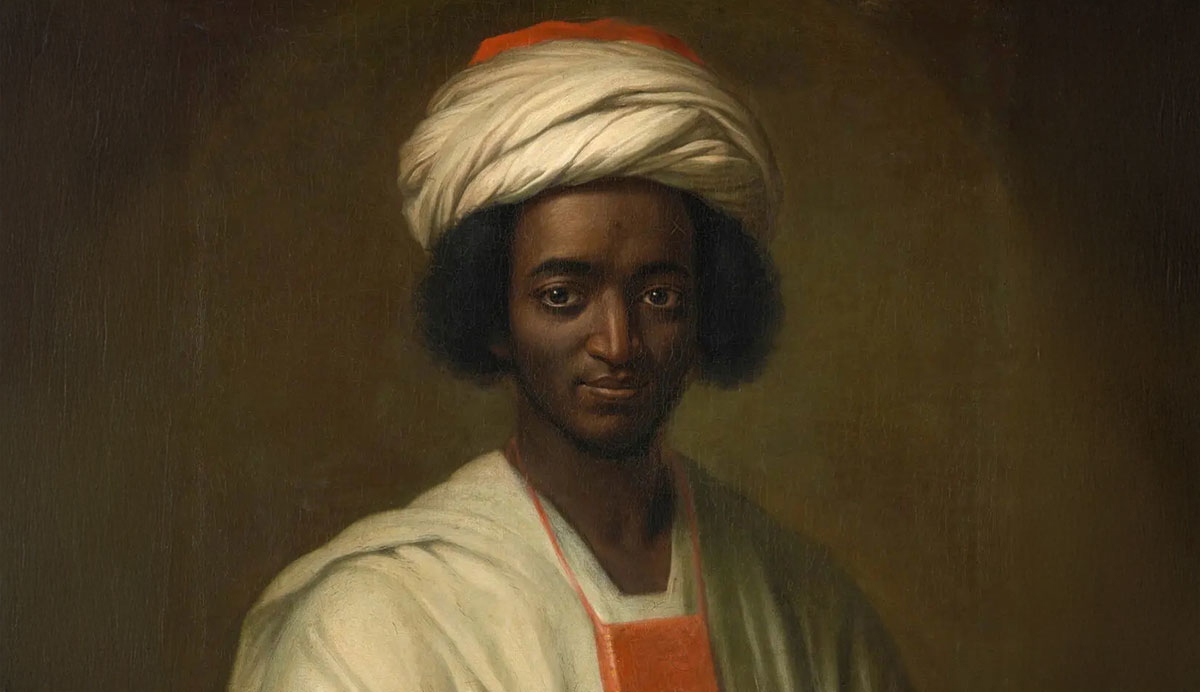
In his 1738 book Travels Into the Inland Parts of Africa, Francis Moore, a traveler and Royal African Company agent, described Diallo as “a person of extraordinary abilities, and distinguished merit…a happy mixture of the Grave and the Cheerful.”
During Ayuba’s stay in London, prominent artist William Hoare painted his portrait. This had both political and historical significance as it represents one of the earliest known British portraits of an African from life. William Hoare most likely received the commission for the painting by supporters or members of the Royal Society, possibly James Oglethorpe or Sir Hans Sloane, who were involved in Ayuba’s emancipation and introduction to British society. Ayuba initially refused to sit for a portrait, fearing it might be used as an object of worship.
As an illustration of Diallo’s piety, Thomas Bluett, in his Memoirs, points out:
“Job’s Aversion to Pictures of all Sorts was exceeding great; insomuch that it was with great Difficulty that he could be brought to sit for his own. We assured him that we never worshipped any Picture, and that we wanted his for no other End but to keep us in mind of him. He at last consented to have it drawn, which was done by Mr Hoare.”
By 1734, Ayuba, with the assistance of his newly acquired English friends of high society, managed to obtain the long-awaited freedom. A subscription sum was raised to cover all the costs related to Ayuba’s stay in London, his travel, and his freedom.
In July 1734, Ayuba boarded the ship to return to the coast of the Gambia, Africa.
Gaining Freedom & Returning Home
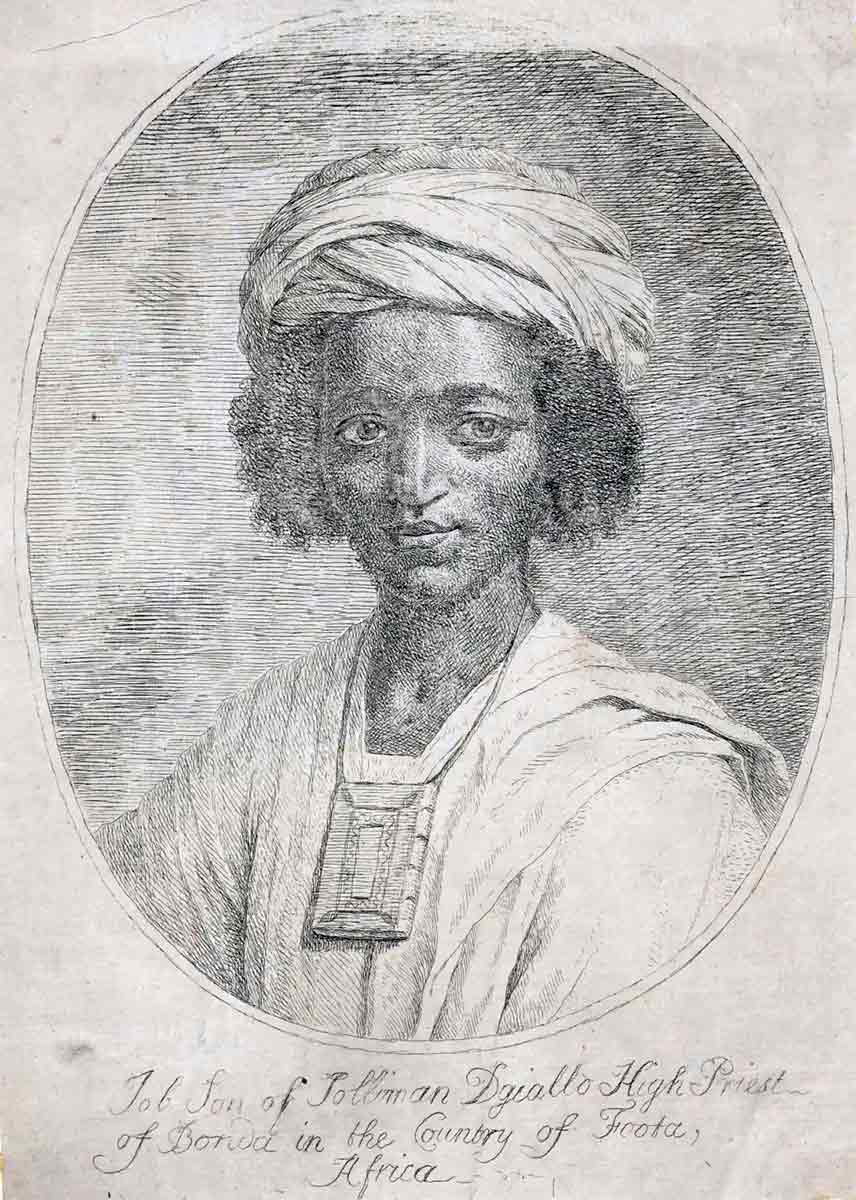
When Ayuba Diallo reached the coast of Gambia, he sent a message to his family, informing them about his arrival. Despite Diallo’s father’s deteriorated health, he survived to hear about Diallo’s freedom and safe return home. However, Diallo never met his father alive.
Upon being reunited with his family, Diallo introduced new equipment and skills he had learned in Europe to improve the living conditions of the Bundu people. He also continued his activity as a religious leader and scholar, living with his four children and one of his wives, whom he was forced to leave behind when he was captured in 1731.
Ayuba Diallo died aged 77. His death was recorded in the minutes of the Spalding Gentlemen’s Society.
Legacy of Ayuba Suleiman Diallo
Ayuba Suleiman Diallo is celebrated as an educated man, deeply knowledgeable in Islamic scholarship and Arabic literature, and a resilient, dignified former enslaved person who successfully navigated both West African and British elite societies. However, modern literature exposes the complexities and duality of his persona.
Though he endured slavery, humiliation, harsh labor, and displacement, he profited from the slave trade himself. Even after his return to Africa, Diallo continued to lead a privileged life and was involved with the slave trade for personal profit.
Ayuba Diallo’s story of enslavement and freedom was exceptional. Most West Africans sold into slavery were not of noble origin and lacked access to education or the British elite support system that might have aided in securing their freedom.
The narrative of Ayuba Suleiman Diallo was primarily shaped by Thomas Bluett’s accounts of his life and Ayuba’s memoirs, dictated to Bluett and published in French and English in 1734. The works were mostly intended to appeal to Western, particularly British, socio-cultural and political sensibilities. The story was the answer to the ideals of enlightenment, education, virtue, and reasoning. These qualities were particularly praised within the Royal Society and by those who eventually worked for his freedom.
While the moral aspect of his story is ambiguous, Ayuba Suleiman Diallo remains a symbol of resilience in historical injustices, such as the transatlantic slave trade, representing a key figure at the complex intersections of African resilience, European imperialism, and the Enlightenment.