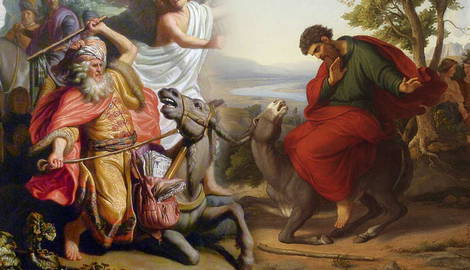
Reactions to the account of Balaam and his talking donkey in Numbers 22 range widely. Some consider it a fantasy story, while others see it as evidence of divine intervention. Those who appreciate cultural symbolism see much deeper significance to the story than a cursory reading reveals. The idea of animals conversing runs deep in Jewish culture, as apocryphal literature reveals. Within ancient Judaean society, however, there was a specific belief regarding the language animals spoke, which connected them to the Divine and elevated the Israelite people.
Balaam and the Talking Donkey
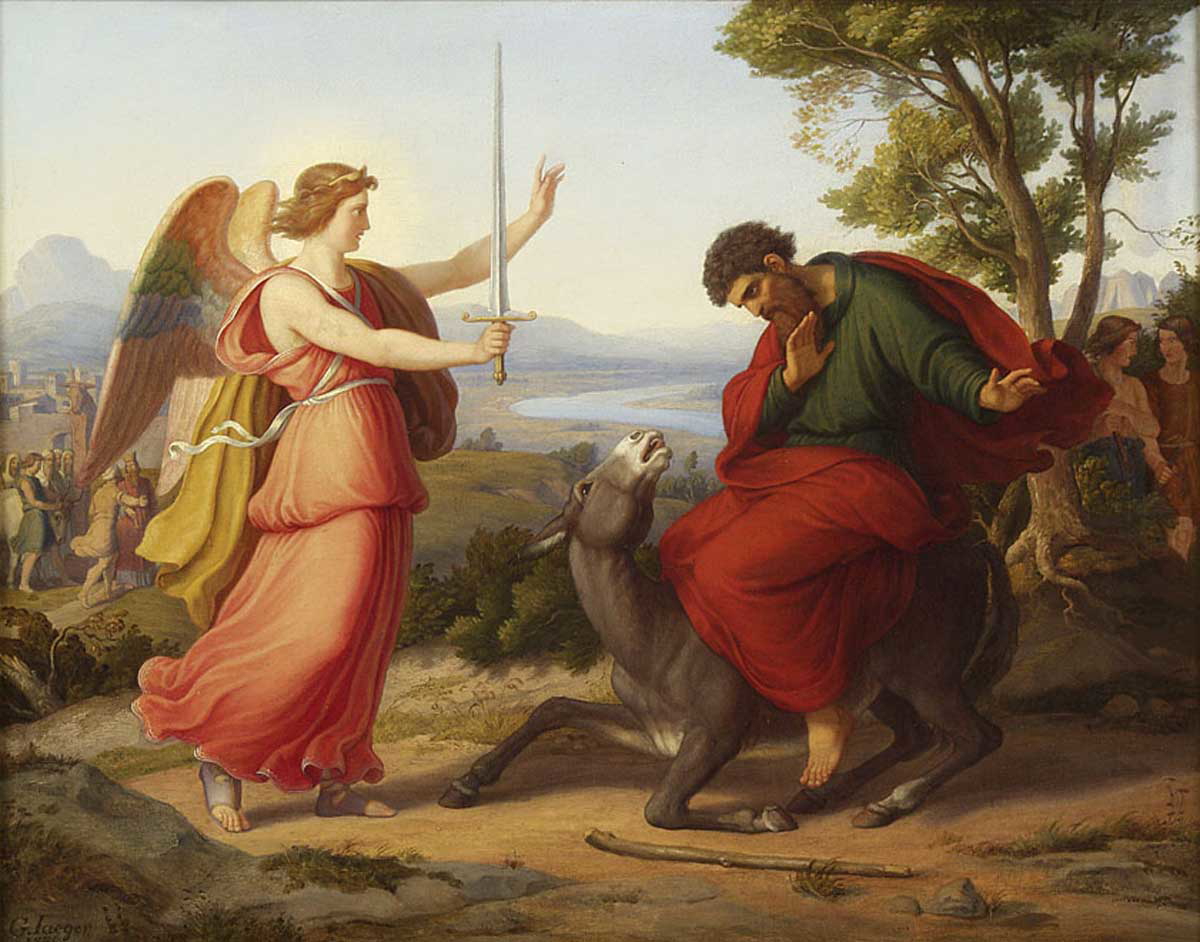
Balak, a king of Moab, needed the services of Balaam, a non-Israelite diviner. The king wanted Balaam to curse the Israelites, who had just conquered the Amorites and were setting off to traverse Moabite territory. He feared the power and numbers of the Israelites and asked Balaam to use his art to weaken the Israelites so he could defeat them and drive them from his land. God told Balaam not to go with Balak, so he declined initially. The promise of great reward was too much for Balaam to resist, and he saddled his donkey and went on his way to meet with Balak. Balaam rode on his donkey, and two servants joined them.
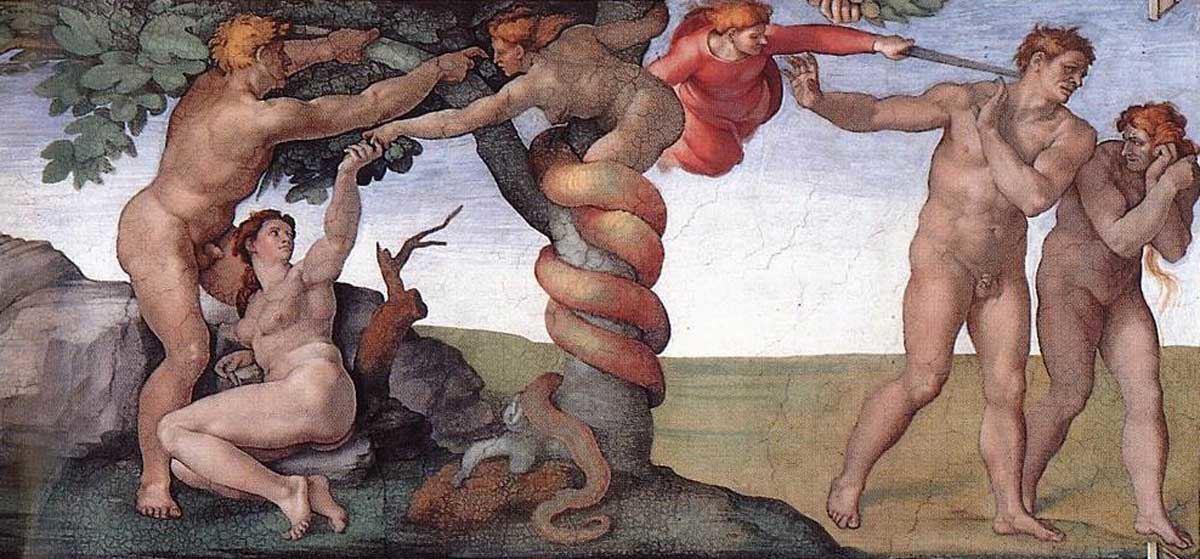
On the journey, the donkey saw the angel of the Lord on the road with his sword drawn, blocking their path. The donkey turned from the road and went into the field. Balaam, evidently not able to see the angel and the deadly threat he posed, struck the donkey to make the animal follow the road again.
Further down the road, the path narrowed as walls on either side protected vineyards. The angel of the Lord chose this spot to confront the disobedient diviner again. When the donkey saw the angel, she pushed to one side, pressing Balaam’s foot against the wall as she attempted to avoid tragedy. The prophet struck the donkey a second time.
A third time, the angel stood in their way, this time in a narrow place where the donkey would not be able to turn to either side like before. With no way to avoid the angel, the donkey promptly lay down underneath Balaam, who set about beating the donkey with his staff. The Lord opened the donkey’s mouth, and it objected, saying: “What have I done to you, that you have struck me these three times?”
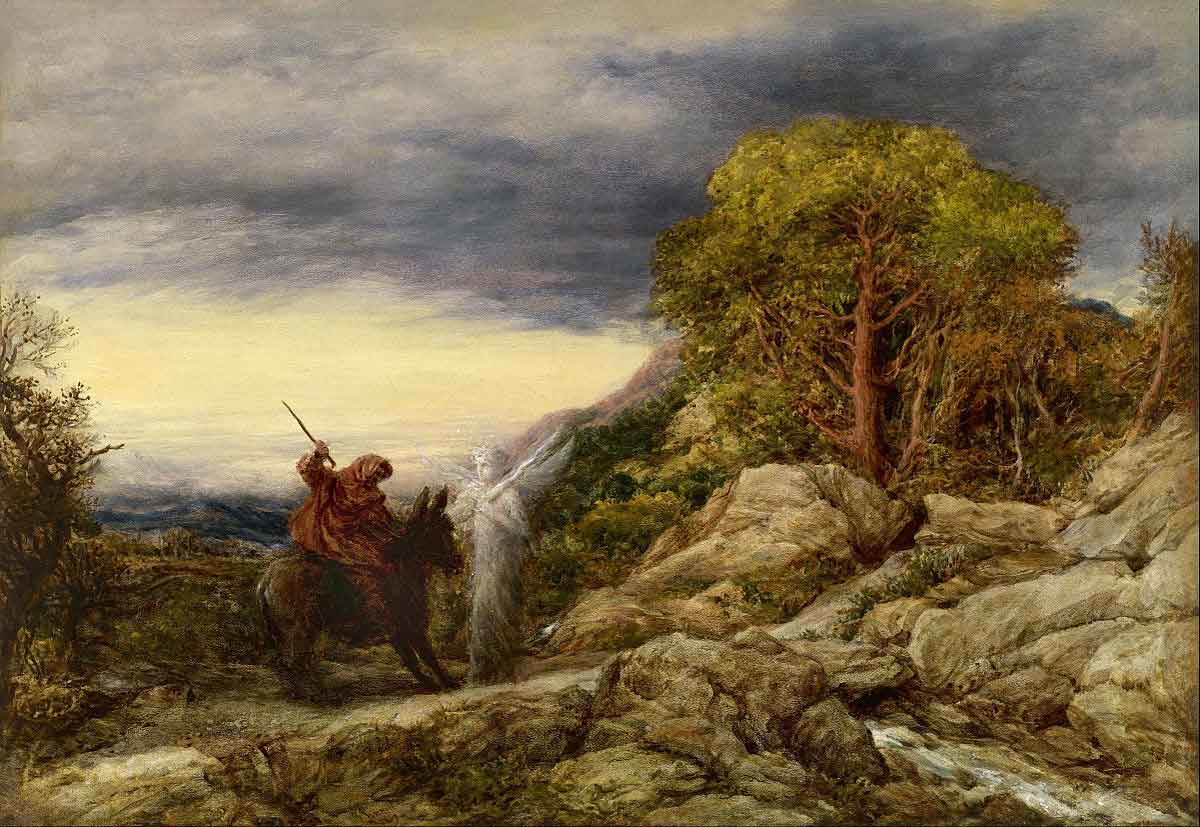
Balaam was unfazed by the strange phenomenon, responding, “‘Because you have made a fool of me. I wish I had a sword in my hand, for then I would kill you.’ The donkey answered, ‘Am I not your donkey, on which you have ridden all your life long to this day? Is it my habit to treat you this way?’ to which Balaam replied: ‘No.’”
The Lord then opened Balaam’s eyes so he could see the angel with its sword drawn. He fell to his knees, and the angel explained that the donkey, whom Balaam struck three times, was protecting him from imminent death.
To most people, this narrative may sound like something from an animated movie, like Shrek, or a children’s fantasy storybook. However, in ancient Judean society, they held very different views.
Animal Talk
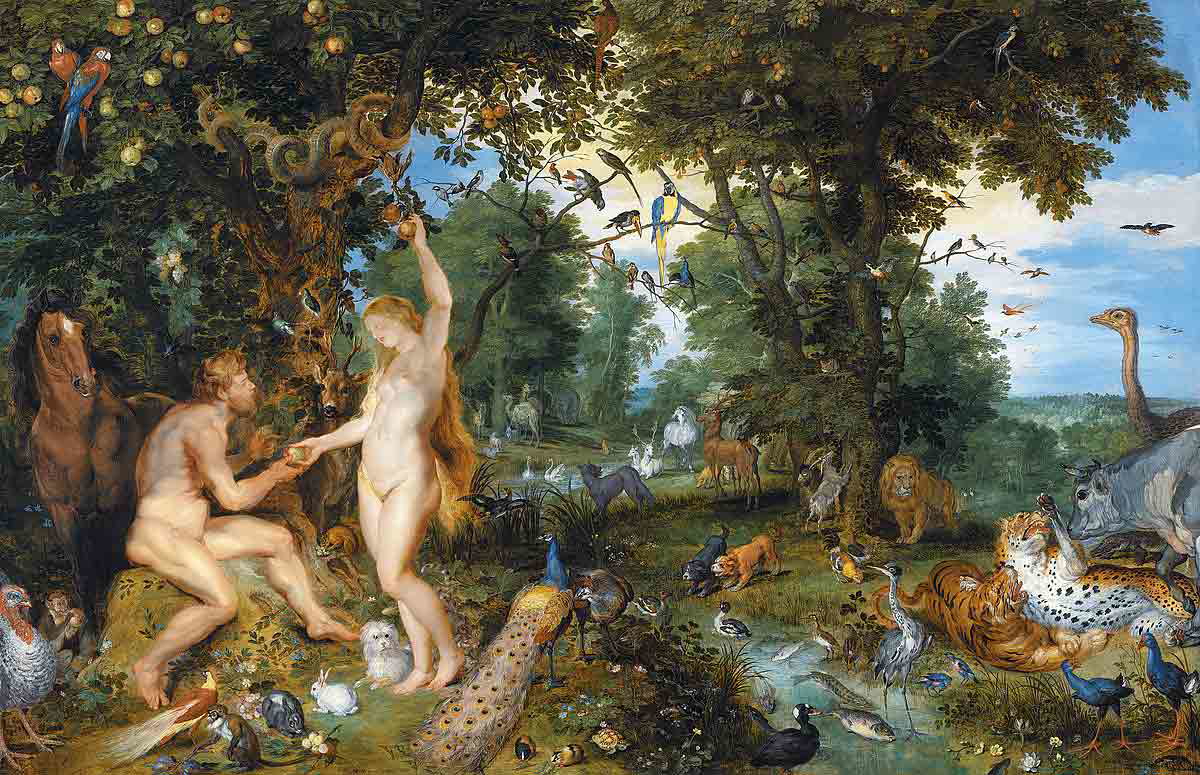
The notion that all animals could talk seems foreign to the contemporary mind, but it was not such a strange idea in ancient times. In Israelite culture, people believed all animals could speak at some stage in the past. According to the apocryphal Book of Jubilees, which the Israelites had high regard for, all animals could talk when God created them. When Adam and Eve fell into sin, one of the consequences that reverberated throughout the animal kingdom was the loss of speech.
Jubilees 3:28 says: “And on that day was closed the mouth of all beasts, and of cattle, and of birds, and of whatever walks, and of whatever moves, so that they could no longer speak: for they had all spoken one with another with one lip and with one tongue.” The reference to “one lip and with one tongue” echoes Genesis 11:1, “Now the whole earth had one language and the same words.” This verse introduces the narrative of the Tower of Babel.
The Book of Jubilees (12:25-27) also claims Hebrew was the language of creation. When God spoke all of creation into being, he spoke Hebrew, which remained the only language on Earth from Creation to the confusion of languages at the Tower of Babel, at which time humanity lost the language. The “day of the overthrow” in the referenced passage does not refer to the fall of man into sin but to the confusion of languages to scatter the nations from one another. Abraham miraculously received the ability to speak Hebrew again just before God instructed him to leave Haran and journey to Canaan.
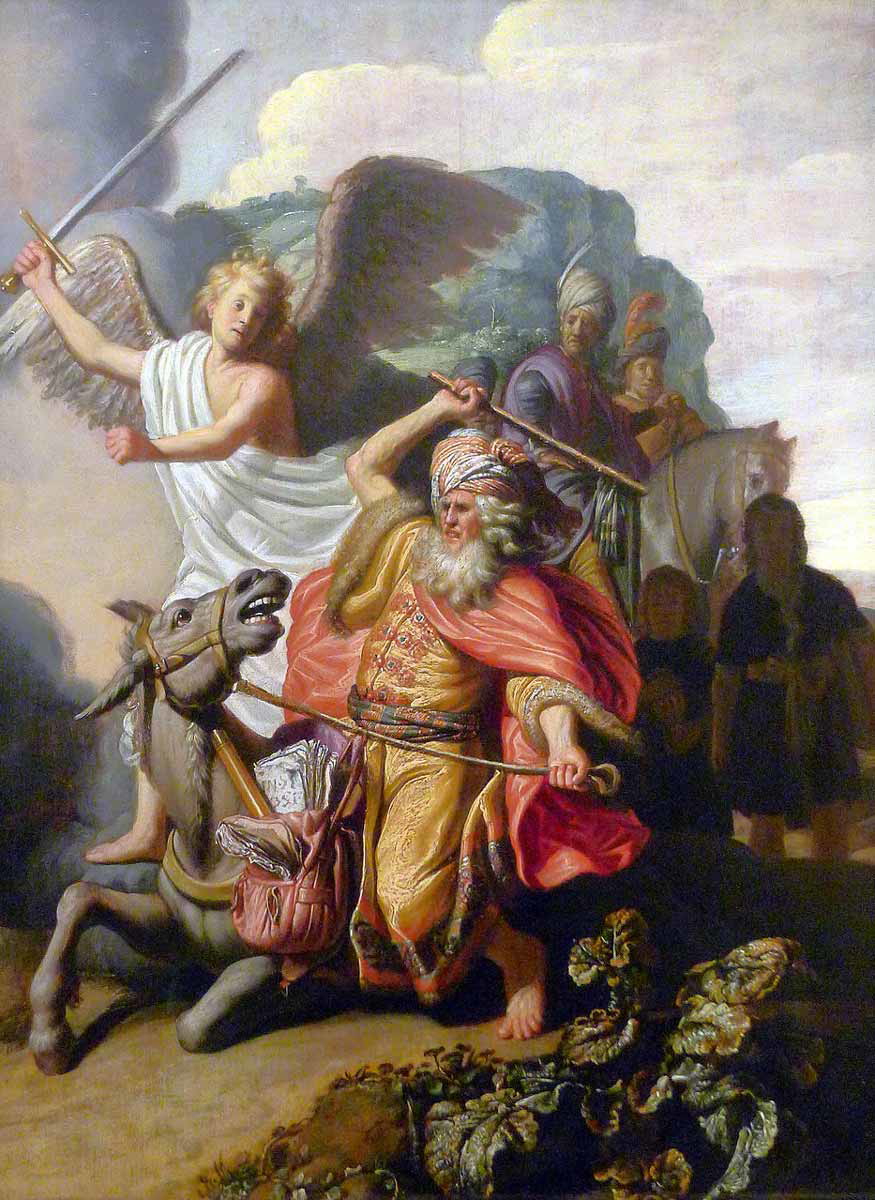
If Hebrew were the only language in existence, it implies that animal-human communication took place in Hebrew. There is only one biblical reference to such an event, and Genesis 3:1-4 provides the details. These verses suggest that the serpent in the garden not only could speak but was also very intelligent, able to deceive Eve into disobeying God. Some scholars have suggested that Satan possessed the serpent. Augustine, for instance, rejected the idea that God granted natural speech to animals and ascribed the serpent’s speaking to demonic activity, rendering the serpent a vessel, not an intelligent creature. Others point out that Revelation 12:9, 14-15, and 20:2 suggest that the serpent was one of several manifestations of Satan rather than the devil possessing a serpent.
Animals feature prominently in prophetic texts in the Bible. Daniel 7 uses animals to represent nations, and Revelation picks up on these images in Revelation 12 and 13. In Revelation 13, the reader encounters a lamb-like beast that later speaks like a dragon, a creature Revelation equates to the serpent and the devil. In prophetic texts, these animals serve as symbols.
Comparative analysis reveals that animals often behave in unnatural ways in biblical texts when they serve as agents of God. In 1 Kings 13, for instance, a lion kills the man of God but does not consume him, waiting next to the body alongside the donkey, which does not flee from the lion. Contextually, the man of God was killed because of disobedience, while the animals behave in unnatural ways to show God’s sovereignty, human limitations, and possibly the obedience of other creatures to God’s prompting.
Back to Balaam
Fundamentalist Christians accept the supernatural as part of their faith perspective, while others prefer to interpret such events as indications that the text must be symbolic. Balaam’s lack of surprise at the donkey’s verbal engagement suggests that the narrative has at least some symbolic elements. Some readers believe that God gave the donkey the ability to speak without questioning the narrative, while others see a deeper meaning in the text. They note aspects that less inquiring minds do not necessarily notice, such as the insight that the donkey had, and the donkey’s gender.
Balaam was a diviner, yet in this narrative, the draft animal shows more spiritual insight than its master. She continually sought to protect Balaam, who punished her for his own lack of understanding of the weight of the situation he was in. Balaam was on a mission to enrich himself, and in the process, punished the only companion he had who was looking out for him.
When a diviner, whom kings searched out to influence nations, was disobedient, it did not derail God’s plan. God used a dumb animal and gave it the ability to speak wisdom to its “superior.” In addition, the female donkey enhances the narrative’s satirical tone, given the cultural assumption of female inferiority in ancient contexts. The donkey’s intimate dialogue with Balaam, referencing their long relationship, further humiliates the prophet by portraying the animal as more perceptive and loyal. It flips the script on the hierarchy of moral and spiritual superiority, highlighting the folly of Balaam in disobeying God.
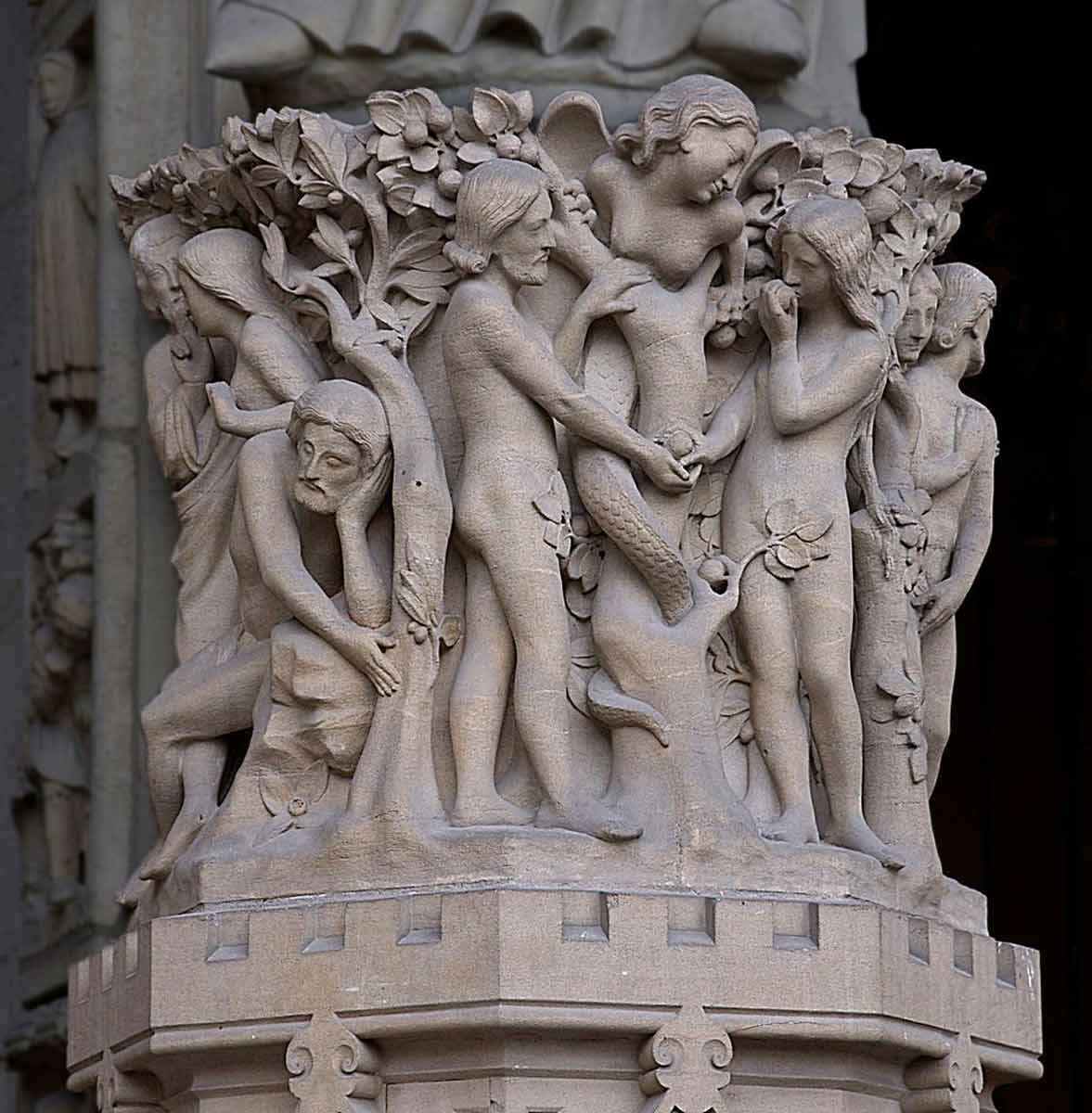
Read from this perspective, the story of Balaam and the donkey becomes a rich tapestry of wisdom revealed in satire and irony. It illustrates a principle that the New Testament recorded in 1 Corinthians 1:27, “But God hath chosen the foolish things of the world to confound the wise; and God hath chosen the weak things of the world to confound the things which are mighty.”
Irrespective of the reader’s literal or symbolic interpretation of Numbers 22, the text has much to offer. It challenges the notion of human exceptionalism and warns that things we might regard as insignificant may be of great importance. It calls for humility, obedience, and an awareness that God sometimes uses unexpected sources of wisdom to speak to humankind. It also calls for ethical treatment of all living things and reevaluating our relationship with the natural world.