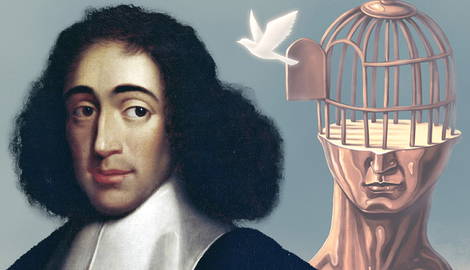
The philosopher Baruch Spinoza presents a thought-provoking concept of freedom that challenges our intuitions. According to him, while God alone possesses absolute freedom in metaphysical terms, human beings are only relatively free.
Spinoza suggests that true freedom is attained by acknowledging the inevitability of events and our position within the larger causal narrative of Nature. By embracing this perspective, he contends that we can gain control over our own emotions.
Spinoza’s Life and Intellectual Context
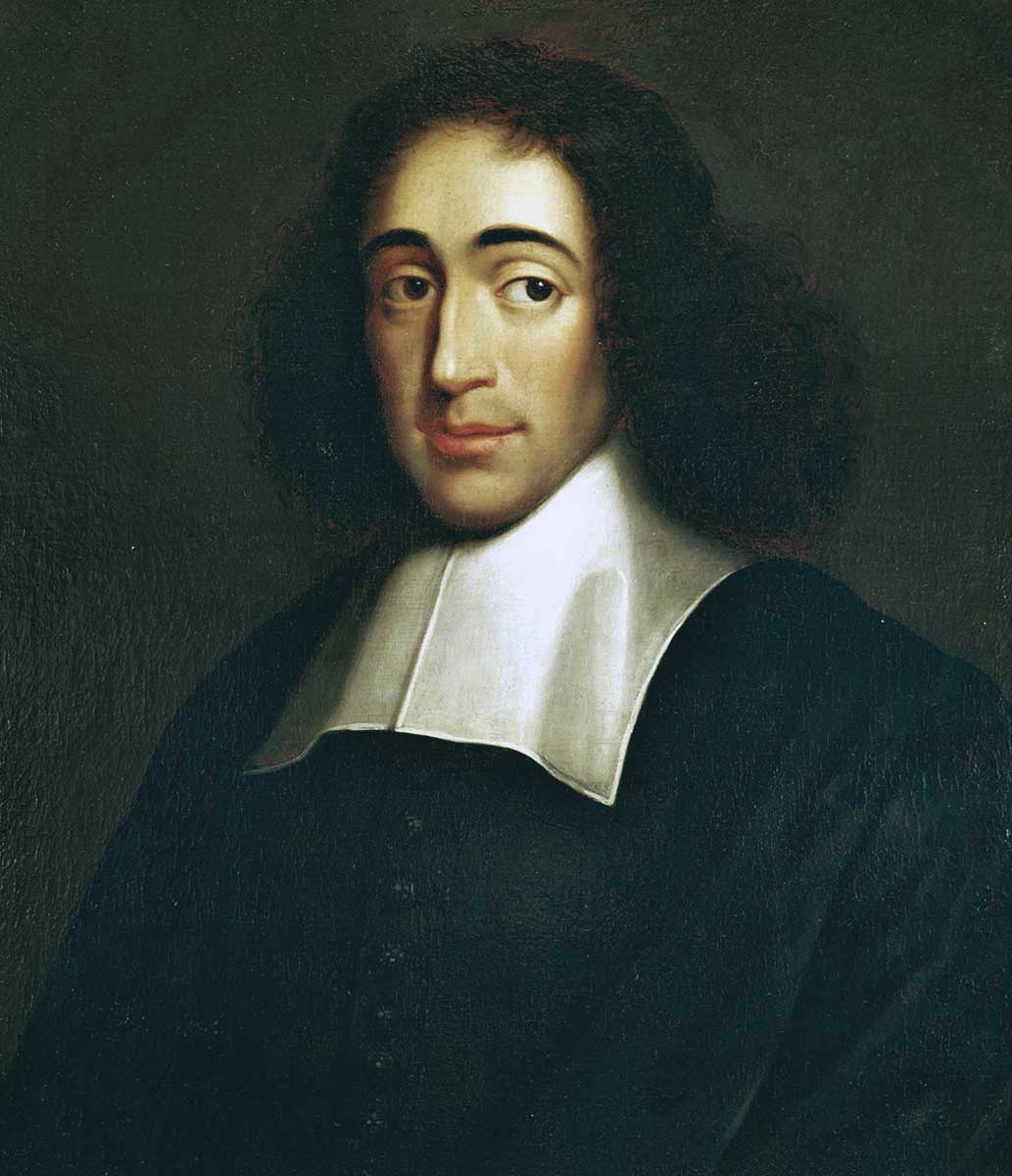
Baruch Spinoza was born in Amsterdam on November 24, 1632. He was raised in a Jewish community but was influenced at a young age by a wide range of philosophical traditions, including the work of Descartes. Eventually, the development of his own ideas would be a source of controversy within the community and would lead to his excommunication by the Amsterdam Synagogue in 1656. An assassination attempt was made against him—rare for a philosopher at the very start of his career.
To support himself, Spinoza learned to grind lenses for optical instruments, which became his primary source of income. He lived modestly, his only luxury being books, and he even rejected donations from wealthy friends.
Grinding lenses became both his livelihood and his metaphor: just as he polished glass to see more clearly, he sought to sharpen his understanding of reality. Spinoza wanted to think freely, and when offered a position at Heidelberg University, he refused, fearing it could limit his intellectual independence. His concept of freedom, too, is about seeing clearly.
Substance, God, and Nature: The Metaphysical Basis of Freedom
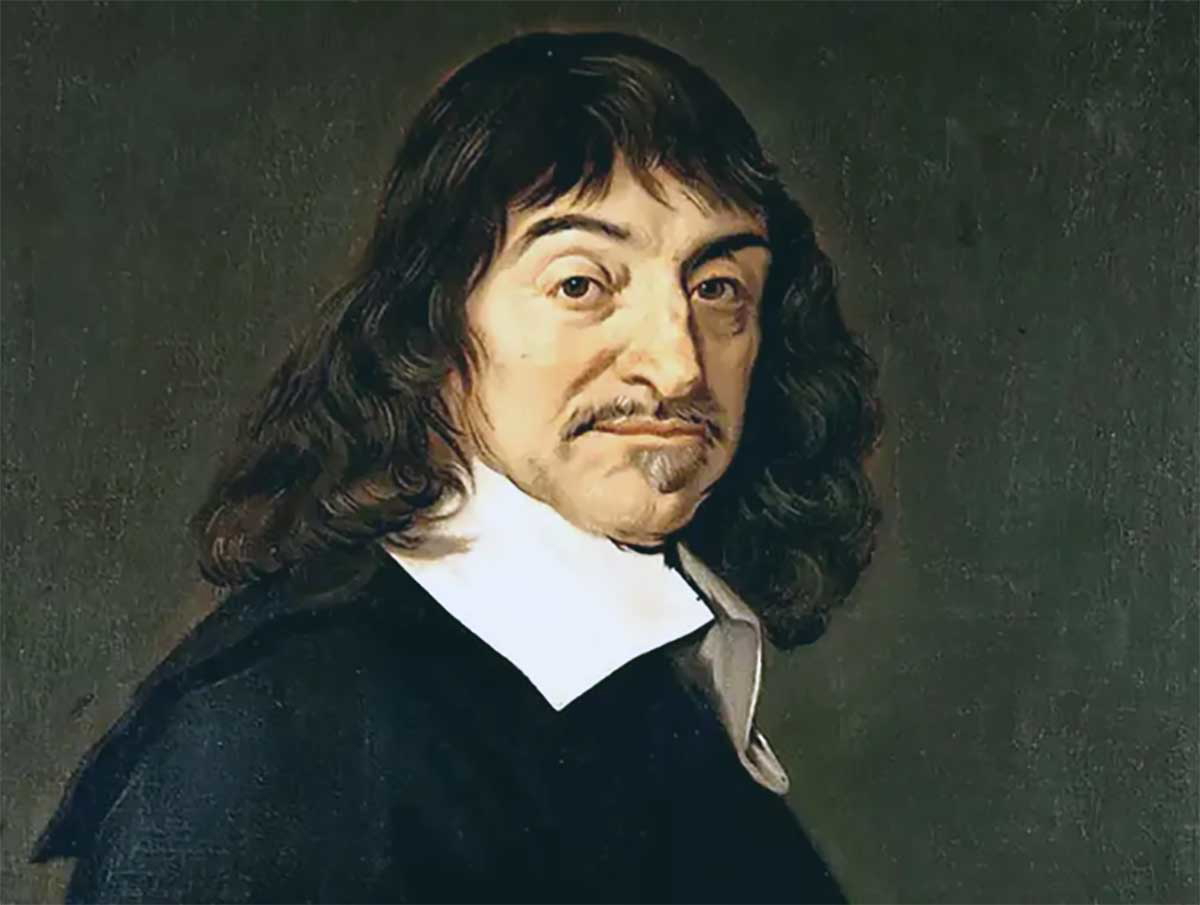
Before exploring the concept of freedom, it is necessary to outline Spinoza’s metaphysical interpretation of the universe, as expressed in his Ethics. The three central concepts are substance, attributes, and modes:
- Substance: A self-existent and independent entity that does not depend on anything else for its existence. For Spinoza, substance is infinite, eternal, and self-caused. He identified it with God or Nature.
- Attributes: The qualities of substance. Attributes are infinite expressions of substance, but humans only know two: thought and extension. Unlike Descartes, Spinoza saw these attributes as expressions of the same reality rather than separate realms.
- Modes: The finite expressions of substance, like waves on the surface of an ocean. Trees, human beings, and objects are all modes of existence. These modes always exist in relation to others and are shaped by external causes.
From this view, free will is an illusion. When we think we act from choice—for example, eating a chocolate cake—we are often unaware of the causal chains, such as biology or advertising, that led to our desire. In his words, “An infant believes that of its own free will it desires milk.”
Some have interpreted Spinoza’s view as pantheism—God is not beyond reality but identical with it.
God’s Absolute Freedom
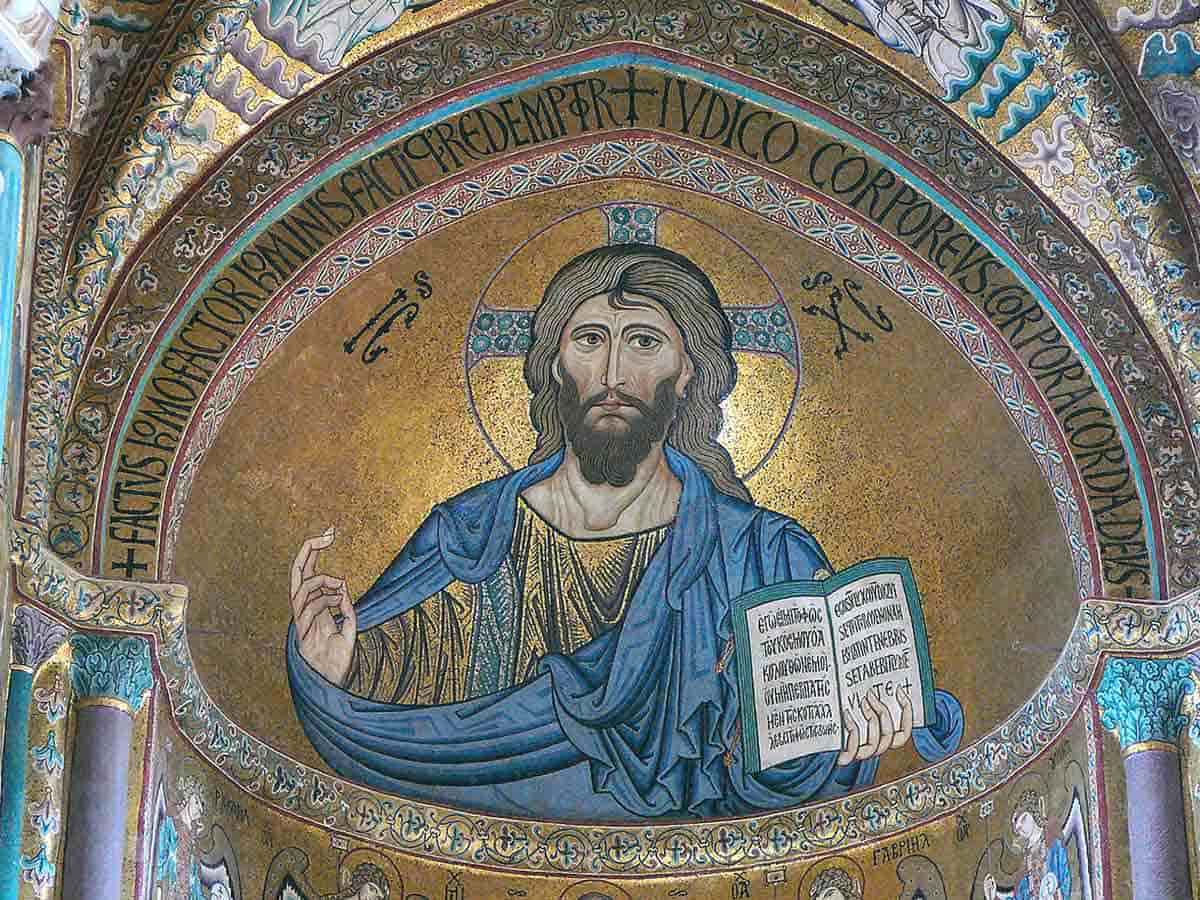
In Part I of the Ethics, Spinoza defines freedom: “That thing is called free, which exists solely by the necessity of its own nature, and of which the action is determined by itself alone.”
This definition equates freedom with self-determination rather than the absence of external restrictions. By this standard, only God—who is self-caused and self-determined—can be absolutely free.
Philosopher Matthew Kisner refers to this as “absolute freedom.” Human beings, as finite modes, can never achieve this, but they can aim for relative freedom or degrees of freedom.
Human Relative Freedom and Self-Determination

Reasoning helps increase relative freedom. By recognizing causal chains—how external forces shape us—we can understand the factors that influence our behavior.
When we form “adequate ideas” about reality, we become less passive and more active. In Spinoza’s terms, this strengthens our conatus, the striving to persist and flourish. The more we understand God, or Nature, the more we understand ourselves as part of it.
This perspective is similar to Stoic philosophy: accepting necessity is itself a path to freedom and virtue.
Freedom as Mastery of Emotions
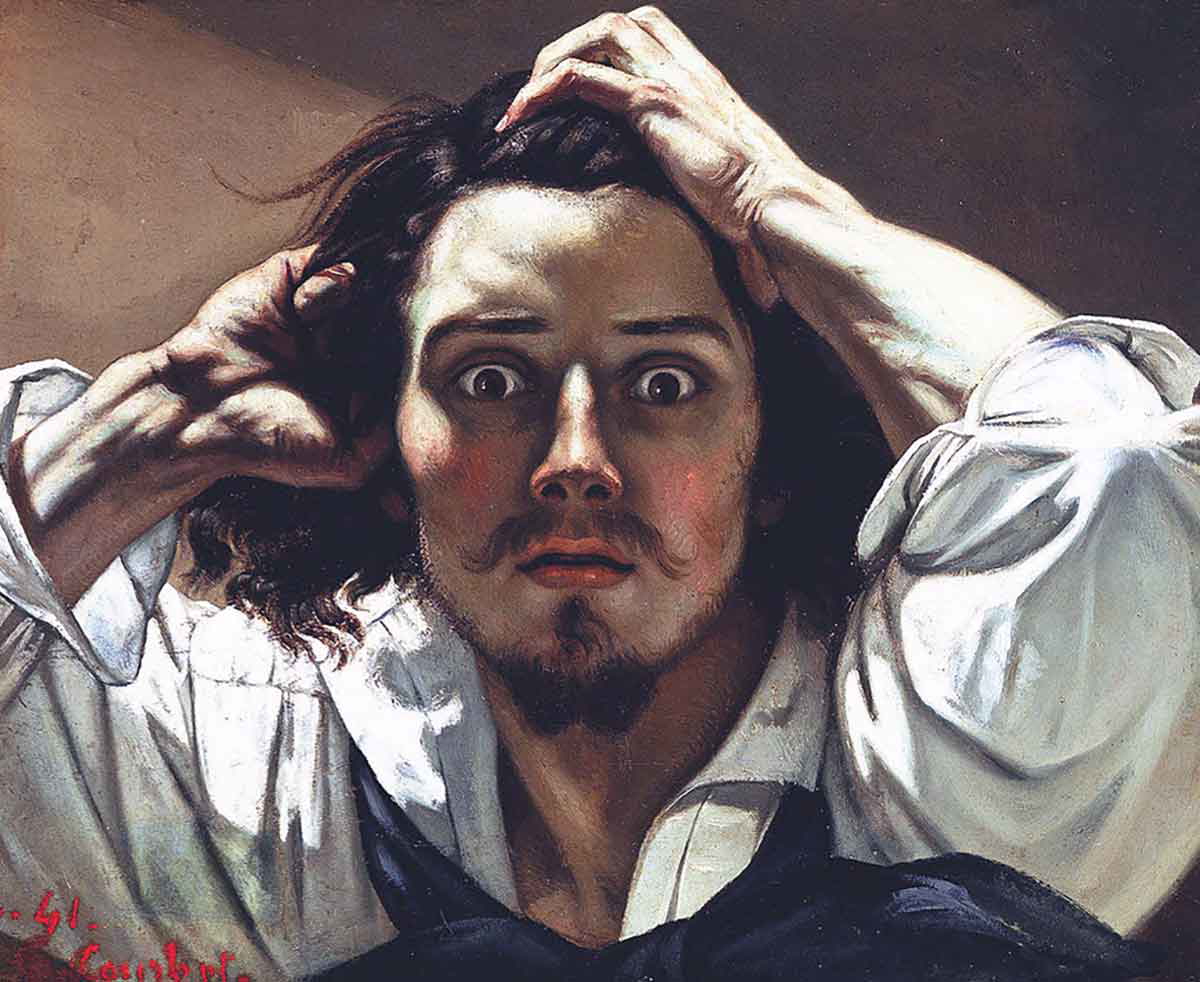
There is another definition of freedom in Spinoza: mastery of emotions.
Through knowledge and reason, we can understand our passions. When we understand our passions, we stop being enslaved by them (Reale & Antiseri, 2008, p. 44). People with an addiction, for instance, are not free “because their addiction generates emotions and actions that oppose reason” (Kisner, 2013, p. 55).
Spinoza also described freedom as mastery of emotions. People dominated by passions, such as addictions, are not free because their actions conflict with reason.
Through knowledge and rational insight, we can understand the causes of our emotions and guide them, rather than being ruled by them. This does not mean suppressing emotions but learning to direct them.
In this sense, Spinoza’s view of freedom is therapeutic. Recognizing the sources of destructive emotions, such as loneliness or habit, can help us overcome them. He wrote: “When a man is a prey to his emotions, he is not his own master, but lies at the mercy of fortune.”
Freedom, then, is not doing whatever one wants, but living in rational harmony with one’s emotions and causes.
Why Spinoza’s Concept of Freedom Still Matters
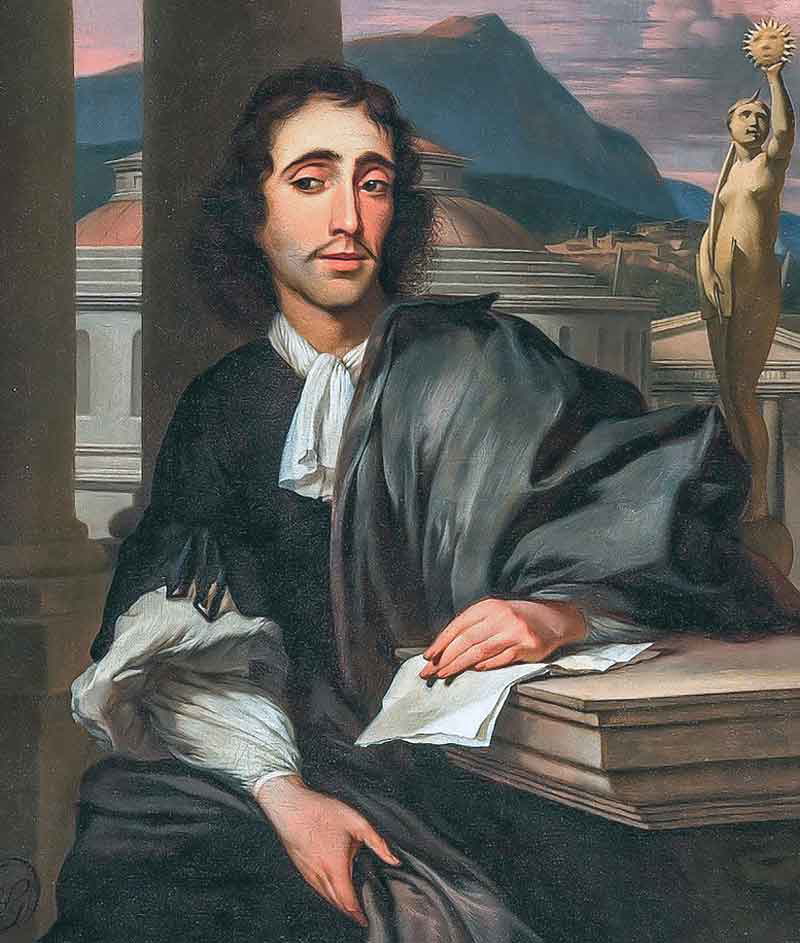
Spinoza’s concept of freedom remains relevant because it challenges the assumption that freedom means simply doing as we wish. Instead, it reframes freedom as clarity, rational self-determination, and emotional mastery. This idea has influenced philosophy, political thought, and psychology, offering a deeper view of autonomy and flourishing that continues to resonate today.
Spinoza’s modest life as a lens grinder mirrors his philosophy: freedom comes from refining our understanding until reality becomes clear. For him, true freedom was not the illusion of free will but the ability to live with reason, understand necessity, and guide our emotions toward joy rather than bondage.
As Hegel later remarked, “You are either a Spinozist or not a philosopher at all.”
Literature
- Deleuze, G. (1988). Spinoza, practical philosophy. City Lights Books.
- Gatens, M. (2021). Spinoza’s Notion of Freedom. In Y. Y. Melamed (Ed.), A Companion to Spinoza (1st ed., pp. 394–401). Wiley. https://doi.org/10.1002/9781119538349.ch36
- Kisner, M. J. (2013). Spinoza on human freedom: Reason, autonomy and the good life. Cambridge University Press.
- Lloyd, G. (1996). Routledge philosophy guidebook to Spinoza and The ethics. Routledge.
- Reale, G., & Antiseri, Darío. (2008). Historia de la filosofía. 4, De Spinoza a Kant (1a ed). Universidad Pedagógica Nacional : San Pablo.
- Spinoza, B. de. (1996). Ethics (E. M. Curley, Trans.; New edition). Penguin Books.