There are significant differences in the creation accounts recorded in Genesis 1:1-2:3 and 2:4-25. At first glance, these differences are glaring contradictions that could undermine the veracity of the rest of the Bible narrative and belief in key concepts like God being the creator. However, understanding the differences in style, purpose, and tradition behind these accounts helps the reader gain insight into the motivation behind the inclusion of both accounts. It was not an oversight, but rather by design that both were included in a single volume, one directly following the other.
The Creation Accounts
The two creation accounts in Genesis differ significantly, and a brief examination of key aspects of each will provide greater insight into attempts at harmonization and understanding their respective purposes.
Genesis 1:1-2:3
The first creation account in the Bible starts with the iconic words: “In the beginning, God created the heavens and the earth” (Genesis 1:1). This account follows a repetitive pattern that emphasizes sequence, where every creation day for the first six days ends with listing its number in the sequence, “And there was evening and there was morning, the [nth] day.” God declared the result of the creation activity of each day of these six days as “good.” This repetitive action culminated in a reflection on “everything that he had made” by day six: it was “very good.”
The narrative emphasizes the final day by contrast, replacing physical creation with sanctifying time, omitting the daily sequence, by resting rather than creating, and not commenting on the goodness of the day, but exceeding the goodness of the previous days by blessing it and declaring it holy.
This account focuses on order and sequence in a formal tone and repetitive style that suggests liturgical intent. It emphasizes God’s sovereignty, transcendence, and the intentional structure of the cosmic order.
Genesis 2:4-25
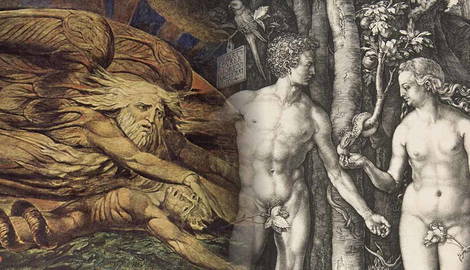
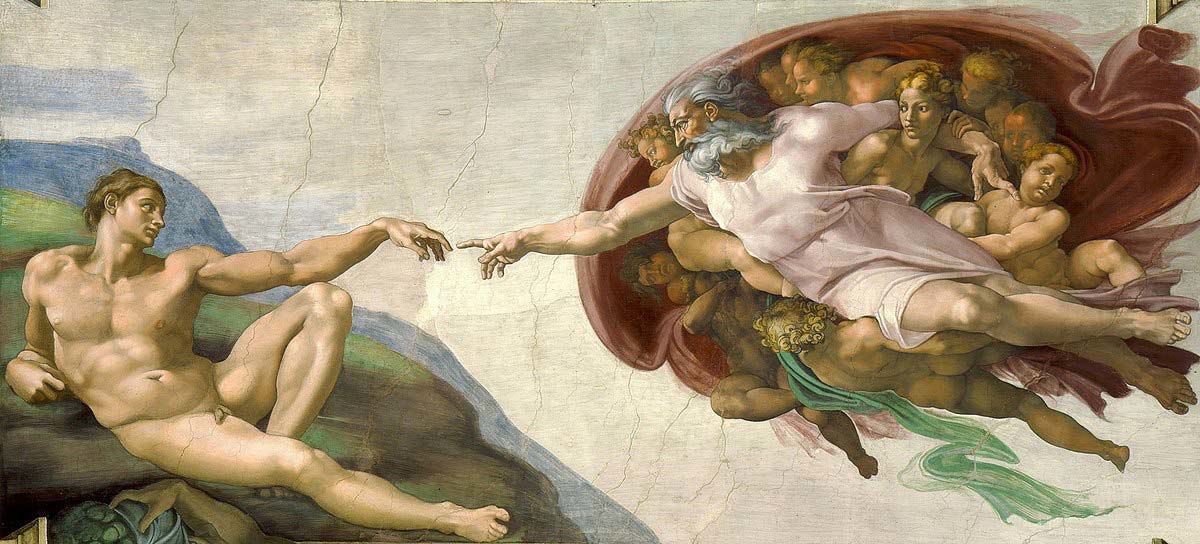
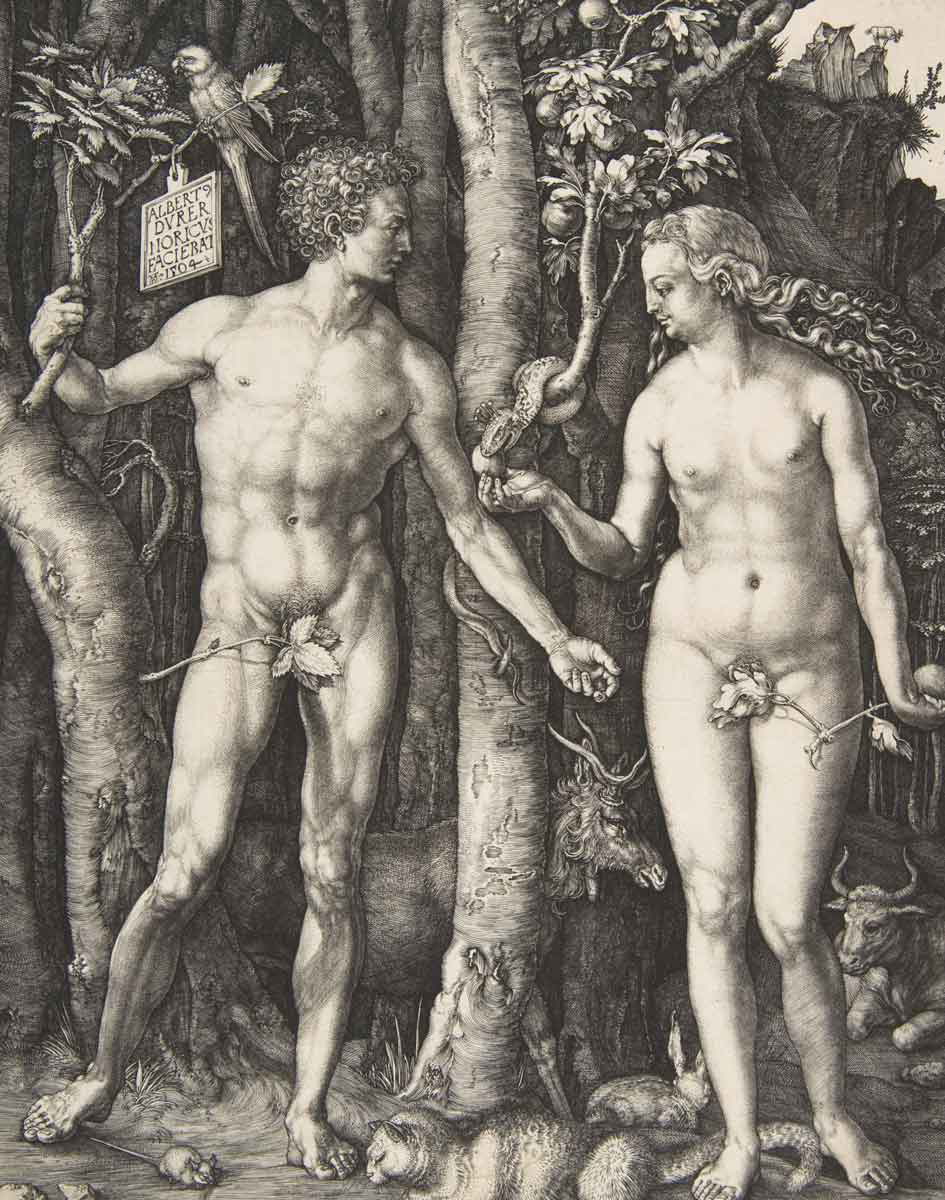
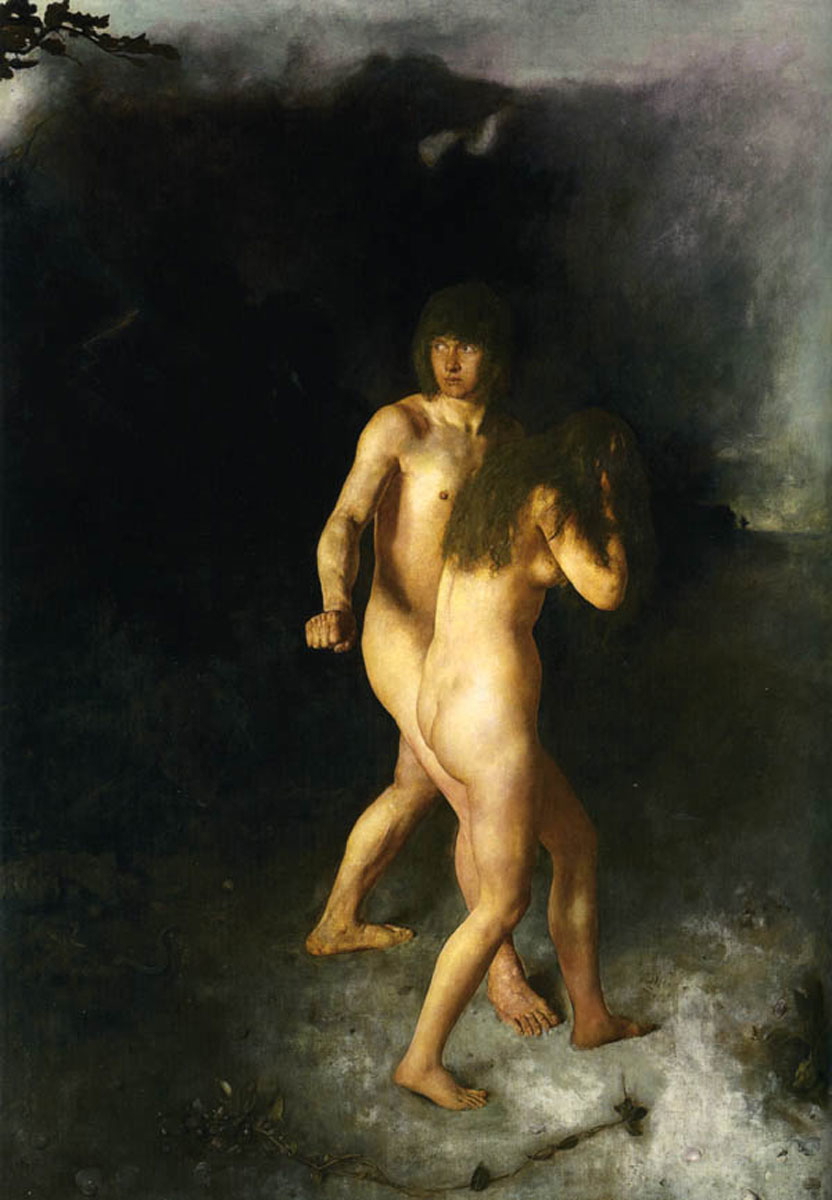
In stark contrast to the first creation account, the second focuses on humanity and their relationship to each other, the rest of creation, and God. The narrative style of this account vividly describes God’s direct hands-on involvement in creating man, shaping him, and breathing into him, rather than speaking as in the first account. God also planted the garden habitat where humankind would reside and took from his body the source material to create Eve. The earth (dust) and Adam, Adam and the creatures, Adam and Eve, and Adam’s responsibility as a tiller of the soil established an interconnected web of relations that show interdependence as a core principle of creation designed by God.
At first glance, these accounts contradict each other in sequence, the name of the creator (Elohim in Genesis 1, Yahweh Elohim in Genesis 2), the timing of the creation of man and woman, the tone and style of the records, and the apparent purpose of the accounts.
Harmonization of the Creation Accounts
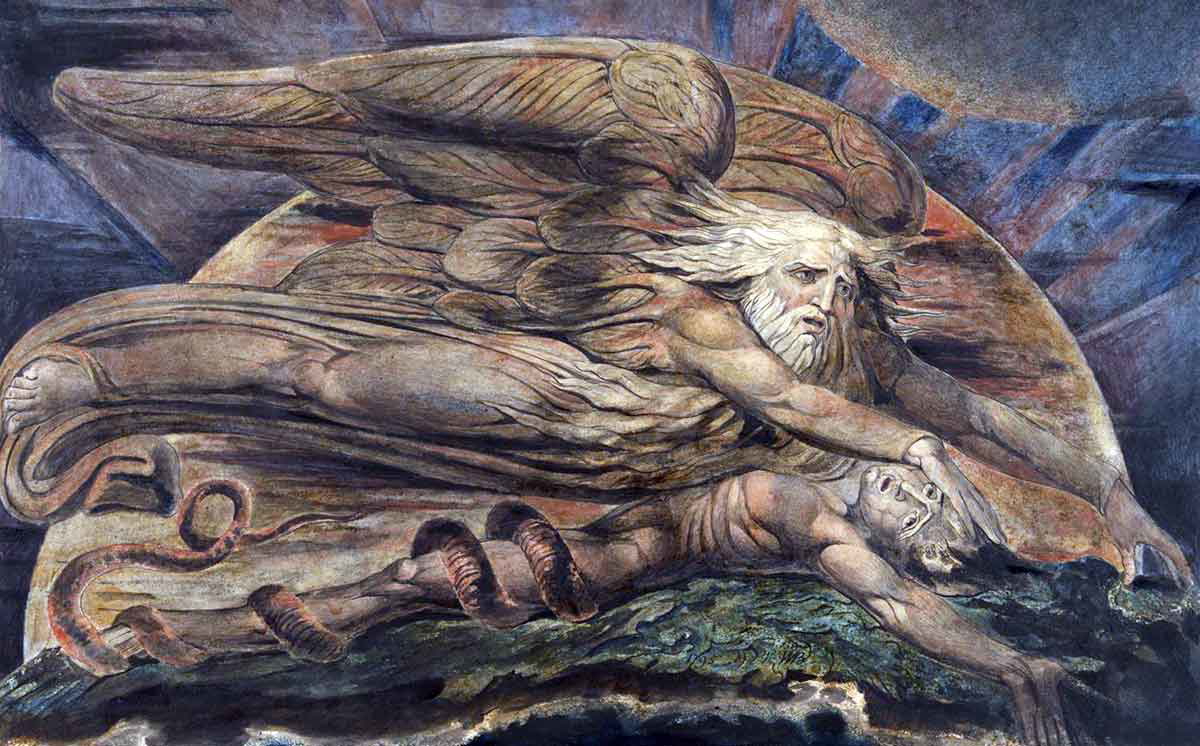
Scholars have developed several approaches to understanding the differences and possibly harmonizing these two creation accounts. There are four ways in which theologians have attempted to explain the apparent contradictions.
The first is to consider the two accounts as complementary rather than contradictory. The first account provided a broad, cosmic perspective and the ordered structure of creation. The second focused on the creation of humans and their relationship with God, other created beings, and their environment.
The human focus is reflected in the general reference to the creation of a male and a female on the sixth day in the first account. The second account emphasizes the interdependence of the two. One related that they were created on the same day, while the other revealed when God created them on that day.
The second approach is the Documentary Hypothesis, which theorizes that the Pentateuch is a compilation of four sources: the Jahwist (J), Elohist (E), Priestly (P), and Deuteronomist (D) sources. Scholars refer to this approach as the JEPD theory, which recognizes differences in style, vocabulary, and theology that reflect distinct traditions. It interprets Genesis 1:1-2:3 as material from the Elohist and Genesis 2:4-25 as from the Yahwist source, which would explain the two ways of referring to God. This approach does not attempt to harmonize the narratives but rather to explain the two accounts and the differences they contain.
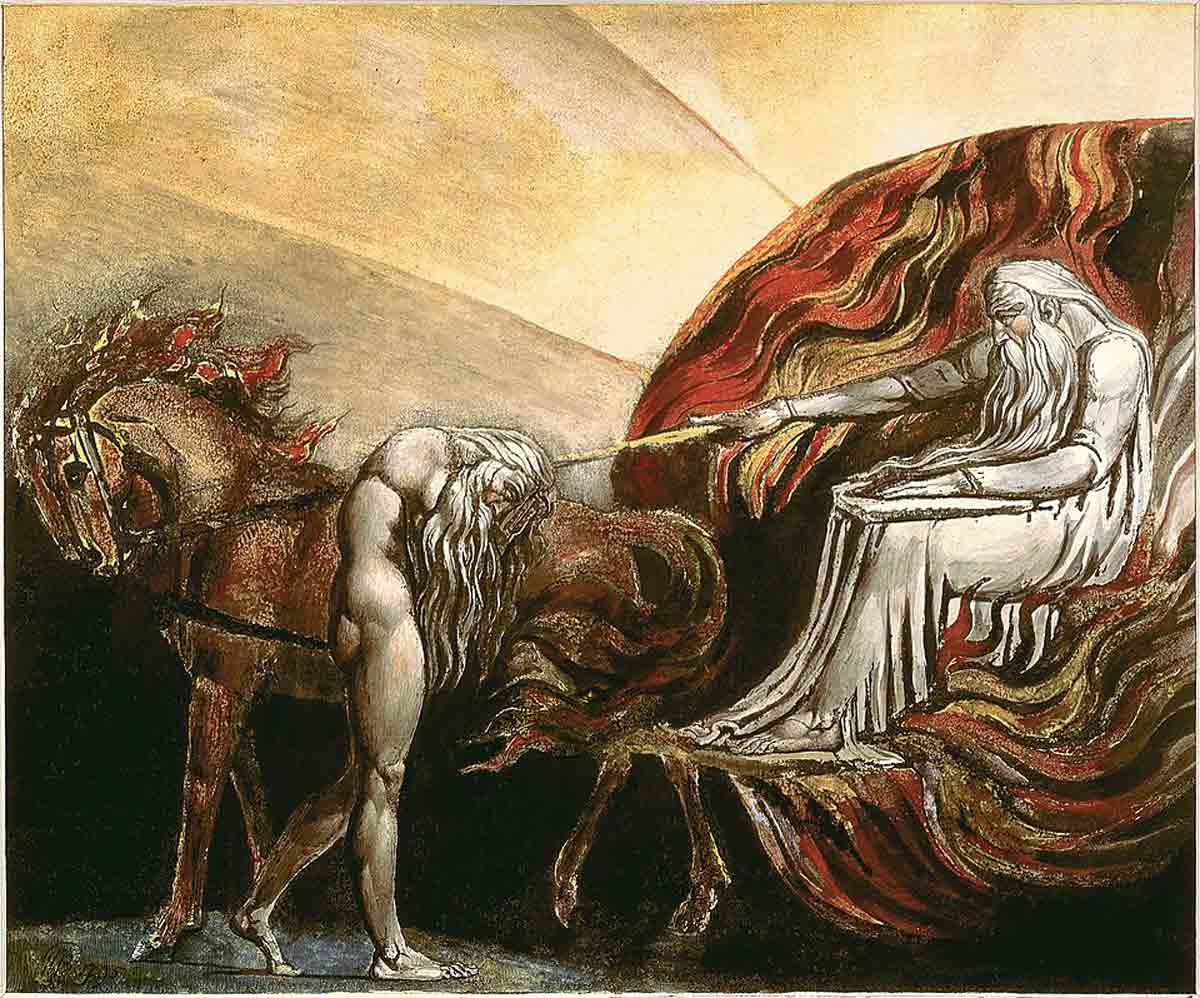
With the third approach, some conservative theologians see Genesis 2 as a chronological continuation or elaboration of Genesis 1. Where Genesis 1 refers to vegetation in general, Genesis 2 mentions specific types of vegetation (Genesis 2:5). Where the former mentions the creation of animals, the latter mentions how they were named and played a part in Adam’s realization that he needed a mate. Genesis 2 also elaborated on the creation of Eve, providing more detail than Genesis 1:27 mentioned.
The fourth attempt at explaining the anomalies between Genesis 1 and 2 considers the literary and theological intent of the narratives. Neither of these accounts set out to establish a scientific or historically accurate record of the events. Instead, they attempt to convey a specific message. The author(s) intentionally framed the narrative to emphasize distinct aspects of God’s character and humanity’s role. The literary structure and repetitive nature of Genesis 1 suggest its intent was to be used in worship and to support the Sabbath concept. Genesis 2 is foundational to understanding human identity, marriage, and responsibility. This approach allows for contradictions without undermining the authority of the text.
Purpose of the Creation Accounts
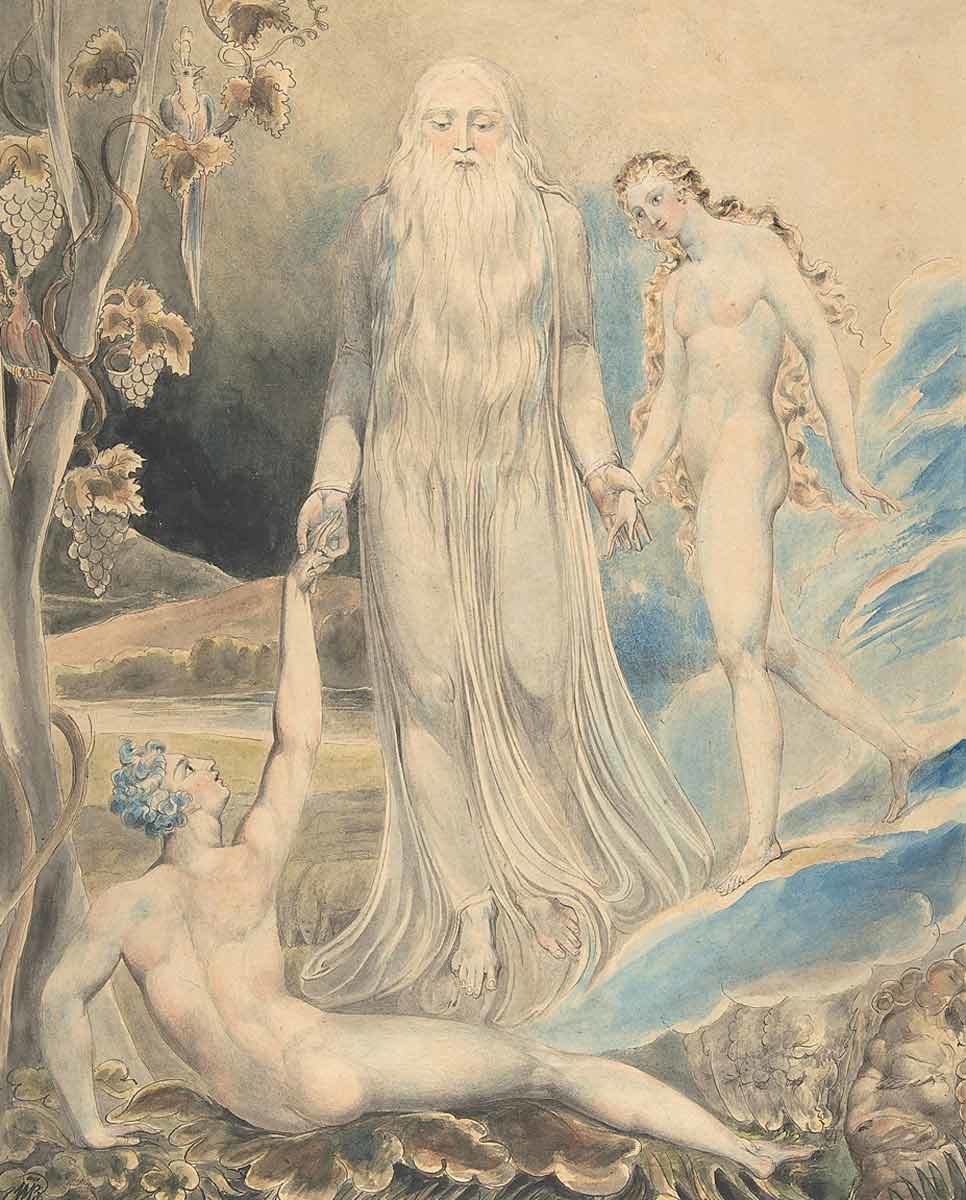
The inclusion of multiple creation accounts serves several purposes that the author(s) may not necessarily have intended. That does, however, not make them any less valid.
First, it displays the theological richness of God, with the first creation account showcasing his divine power and transcendence as he created order from chaos. The second shows his intimate involvement in the creation of man, setting up the interconnected relationships with the rest of creation. These accounts help to create a fuller picture of the nature, character, majesty, and relatability of God.
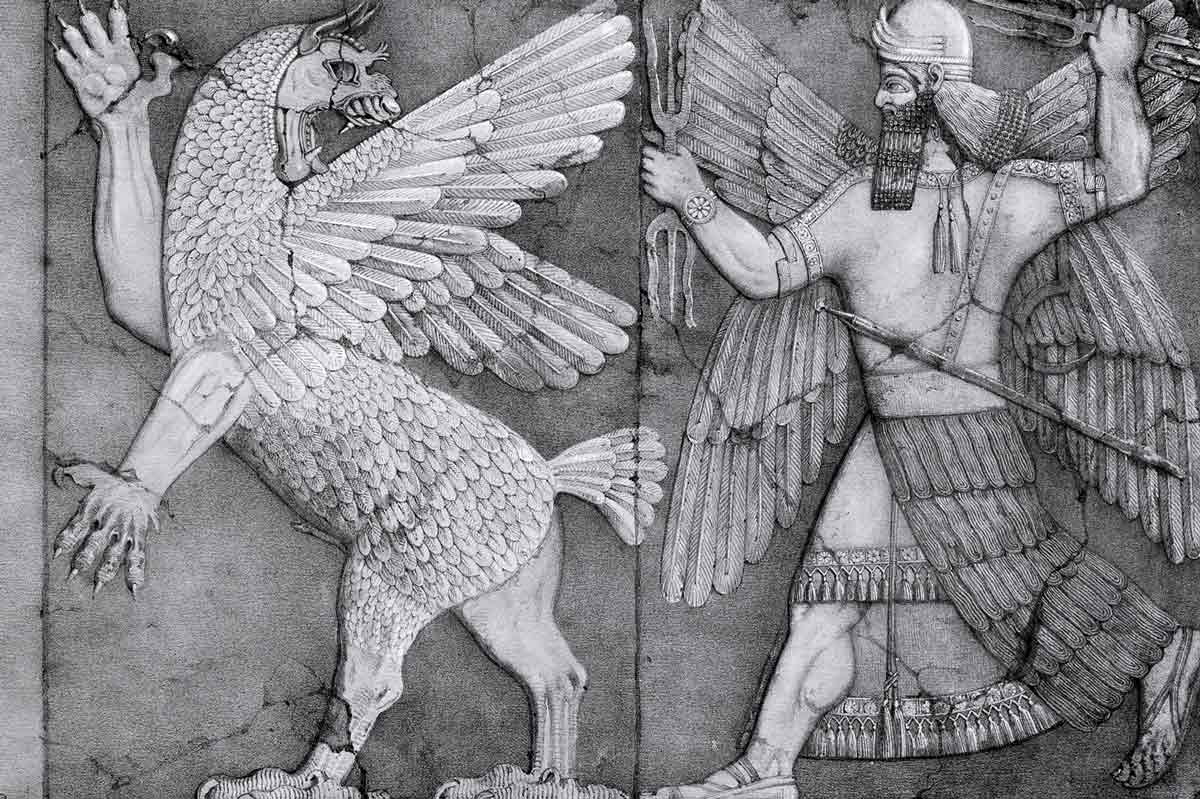
Secondly, the two accounts reflect the cultural context of the time, as echoes of creation myths such as the Enuma Elish can be identified in the narrative of Genesis 1. That said, the biblical narrative reflects order, peace, and harmony rather than chaos. The second account provided the relational and moral foundation for Israelite society. This account displays the uniqueness of a monotheistic religion among neighboring polytheistic societies.
Thirdly, the author(s) wrote the two creation narratives in a way that serves liturgical and narrative functions. Genesis 1, with its repetitive and structured style, is suitable for recitation during worship. Genesis 2 and the storytelling style are ideal for teaching relational values, identity, and responsibility of the human family.
Fourth, the two accounts preserve the differing traditions within Israelite culture. Instead of selecting one or blending the two, the author or compiler chose to provide different perspectives on the creation event.
Fifth, the two creation accounts set the backdrop for the narrative of the fall of man, highlighting the cosmic sphere in the first and focusing on the human relational aspects in the second before revealing the implications of the fall on all of creation in chapter 3.
None of these purposes is expressly stated in Genesis, though they seem evident from the narratives of the accounts. The contemporary reader must consider the time and context of authorship and understand that these accounts were never intended to be scientific sources written to satisfy the kind of inquiry typical of the modern era.
Creation in the Bible: In Conclusion
From a skeptic’s perspective, the contradictions between the creation narratives in Genesis 1:1-2:3 and Genesis 2:4-25 are glaring. The patterns and intricacies of these narratives reveal that they were authored and compiled by intelligent men who were well aware of these contradictions but were seemingly unconcerned with harmonizing them. It shows that the main purpose of these accounts was not to present a single, harmonious narrative but rather to preserve a diversity of narratives that remained true to the message each aimed to convey.
Rather than reflecting the conflict and chaos of creation by distant, manipulative creators of pagan myths, the Genesis accounts provide a counter-cultural narrative of a single God who created without violence. He shaped a well-structured and orderly environment for the human family to inhabit, with deep-rooted relations and responsibilities that would provide purpose and meaning to their lives.
The two creation accounts reveal different aspects of God’s character and nature. The apparent contradictions are the result of a purposeful attempt to showcase different perspectives of God. On the one hand, Genesis 1 reveals the cosmic scale and scope of God’s creative work. It zooms into the creation of one man and one woman as the last and noblest of the physically created beings, the image of God. The second reveals the personal and intimate, hands-on involvement of God in shaping humanity physically, psychologically, and emotionally. The account also highlights their relationships with the rest of creation. Of great importance was their relationship with each other, which was supposed to reflect “man in our image, after our likeness,” meaning the perfect harmony of the Godhead in three persons.