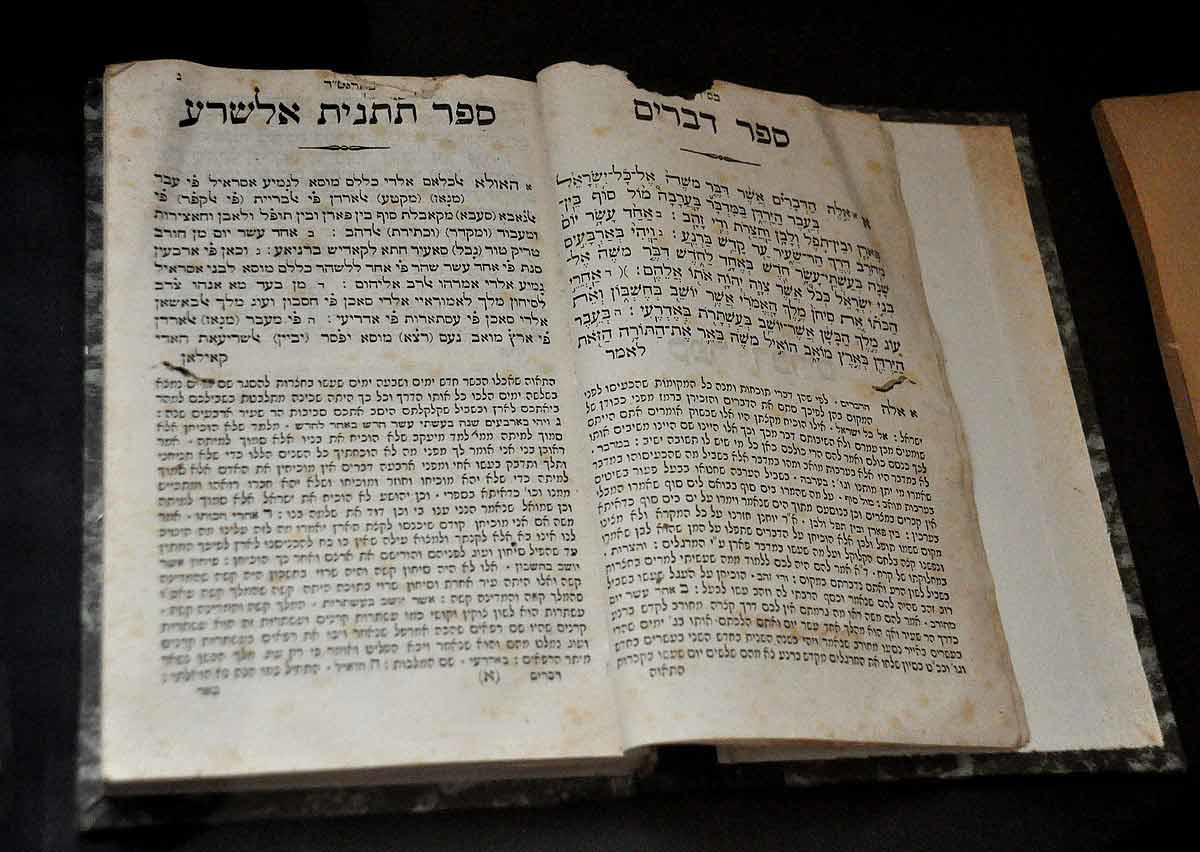
The name “Deuteronomy” derives from “Deutero-” (δευτερο-), meaning “second” and “-nomion” (νόμιον), which in turn comes from “nomos” (νόμος), meaning “law.” Deuteronomy, therefore, means “second law” or “repetition of the law.” It is a fitting name for the book, seeing as chapter five repeats the Ten Commandments, which Exodus 20 detailed. The first giving of the law occurred within days after the Israelites left Egypt. The second giving was not long before the Israelites entered the Promised Land, thus separating the two events by about 40 years. The two sets are not identical.
Authorship and Date
Most of the Book of Deuteronomy comes from the Deuteronomist (D) source, according to the Documentary Hypothesis. This theory postulates that editors compiled the Pentateuch from four sources: the Yahwist (J), the Elohist (E), the Priestly (P), and the Deuteronomist (D) source. The source dates to the 7th century BCE, likely during the reign of King Josiah, and focuses on covenantal theology and obedience to God.
The traditional view, however, is that Moses authored the first five books of the Bible. The traditional view was held for centuries until the Enlightenment when more critical examination of texts became prevalent, and scholars started questioning traditionally held views.
Historical Context
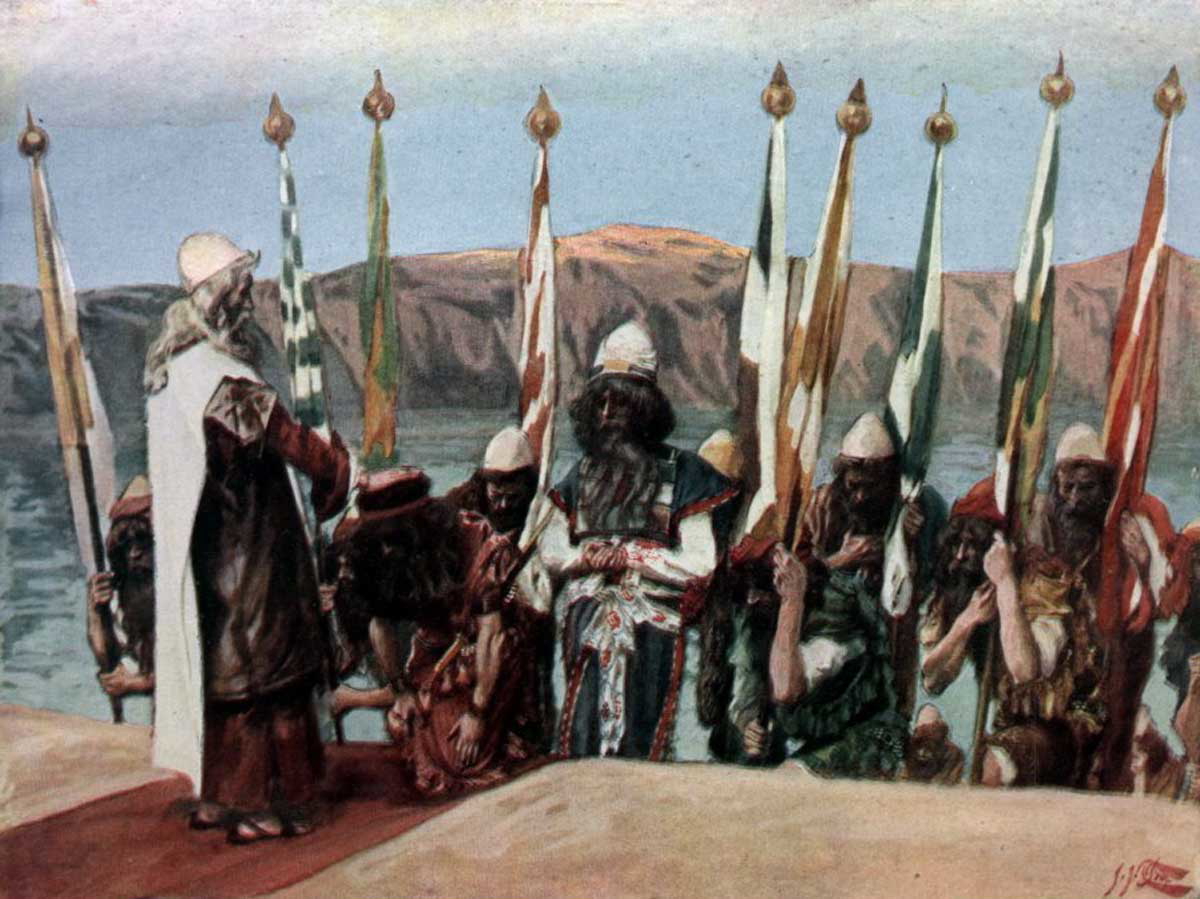
Based on an analysis of biblical years and dates, Moses led Israel out of Egypt around 1440 BCE. Instead of a short trip of about two weeks before entering Canaan, the Israelites spent 40 years in the desert. That was because ten of the twelve spies sent to gather information about the people who resided in Canaan returned convinced that they were too strong to conquer, with some of them being giants. Only Joshua and Caleb believed God would give the Israelites the ability to gain victory and take the land.
Because of the unbelief of the ten spies and the subsequent rebellion of the people against the leadership of Moses, God said no person over the age of 20 in the census taken at Sinai, except for Joshua and Caleb, would enter Canaan. A whole generation of people died in the desert during the 40-year sojourn.
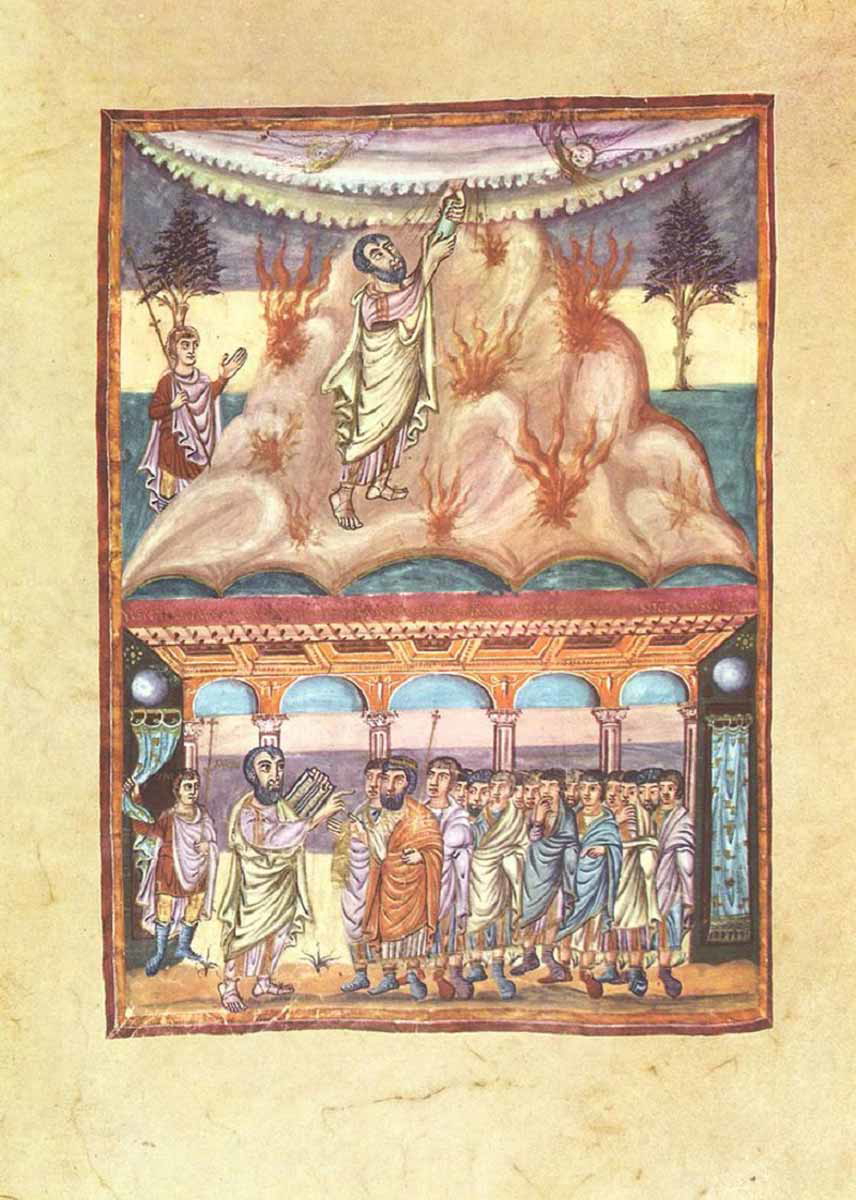
Now, the Israelites were on the eastern side of the Jordan, across from Jericho. They would soon invade the promised land. Since most of the people of Israel who were alive when God gave the Ten Commandments had died, God gave the Ten Commandments again. It was a way of reminding his people of their obligation toward him.
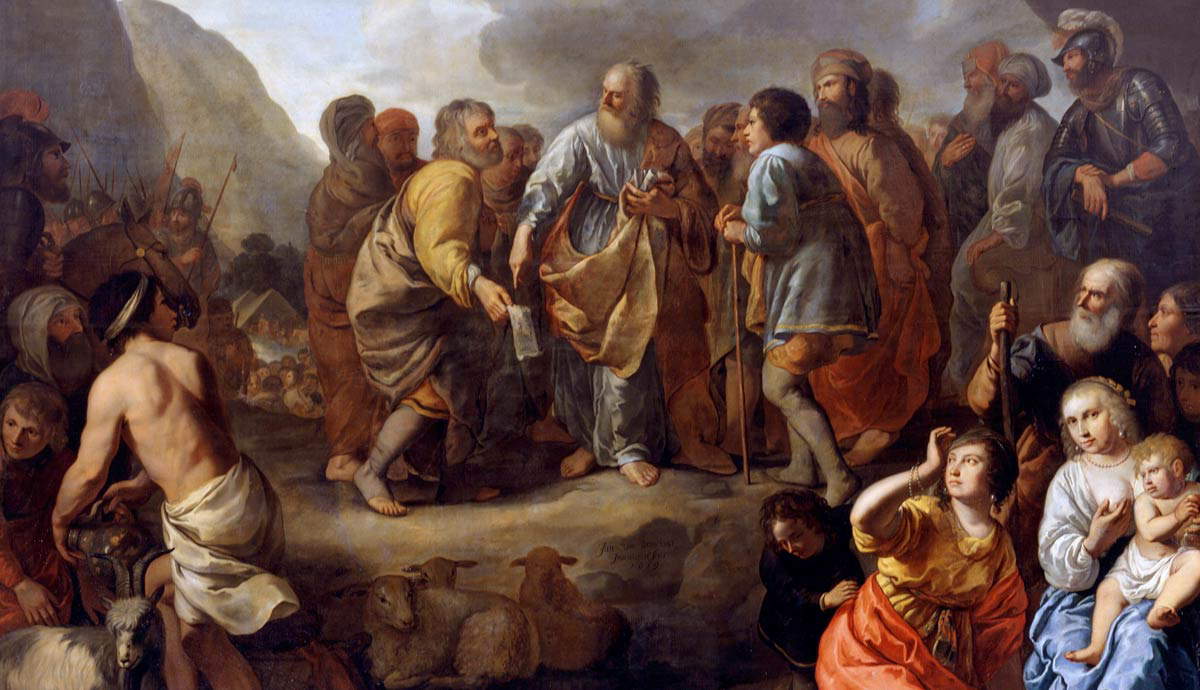
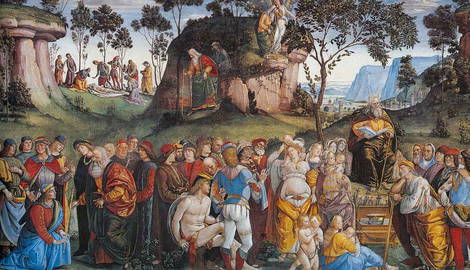
Moses, who God said would not enter Canaan because of disobedience, gave a farewell speech to the Israelites. He highlights the importance of obedience to God. Scholars who subscribe to the Deuteronomist (D) source influence on the text paint a picture of the political instability around Israel, where the Egyptians, Assyrians, and Babylonians were at war with each other, and the reforms of King Josiah in Israel, as the backdrop to the Deuteronomy narrative. Academics interpret the focus in Deuteronomy on the covenant and a centralized place of worship as a reflection on this much later date of authorship.
Structure
Deuteronomy has three central parts with an addition in the end.
- Moses’s first speech
In Moses’s first speech, he recounts the wilderness experience the Israelites had, detailing how they were continually disobedient. He then calls on the new generation who survived the sojourn to be more faithful than their forefathers. In this part, the reader will find the Shema, a central prayer in Judaism that declares the oneness of God and that he alone must be worshiped. This obedience and devotion would make the Israelites the peculiar people God wanted them to be.
Deuteronomy repeats the Ten Commandments detailed in Exodus 20, though the fourth commandment highlights a different motivation in the second version than in the first. This difference is not a contradiction but an alternative perspective due to the circumstances the Israelites would face in Canaan.
- The Law (Deuteronomy 26)
The second part of Deuteronomy deals with laws. Many of the laws God gave the Israelites in previous books of the Pentateuch are repeated, but some are new. Unlike other nations, the Israelites would have one temple where they would worship their one God. These laws included tithing and a system to support the needy, showing the obligation God put on his people to enact social justice.
The leaders of Israel would be subordinate to the laws of God, and God said he would send prophets to hold the leaders to account. They would not have kings like surrounding pagan nations had.
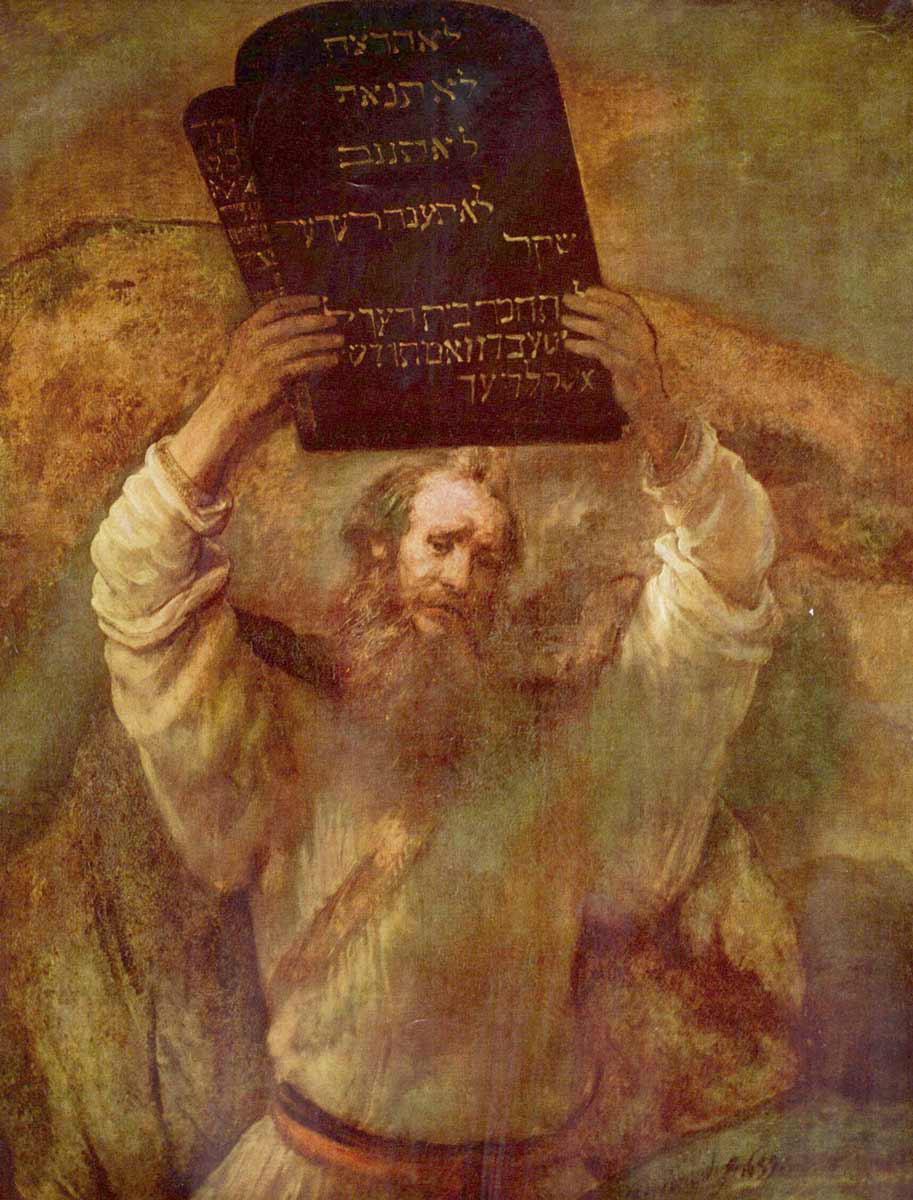
- Moses’s second speech (Deuteronomy 27-33)
In the last part of the three sections of Deuteronomy, Moses presented the blessings and curses of obedience and disobedience and explained that continued rebellion would result in destruction and exile. Moses revealed that Joshua would take over the leadership of Israel, and he blessed the nation before the last chapter of the book.
- Death of Moses (Deuteronomy 34)
The last chapter records Moses’s death. The reference to a debate between Satan and Michael makes this event even more intriguing (Jude 1:9). Deuteronomy 34 could not have been authored by Moses. Those who hold to the traditional view of the Pentateuch’s authorship, believe Joshua wrote the last chapter as an appropriate ending to the Torah, as Jews refer to the Pentateuch.
Main Themes
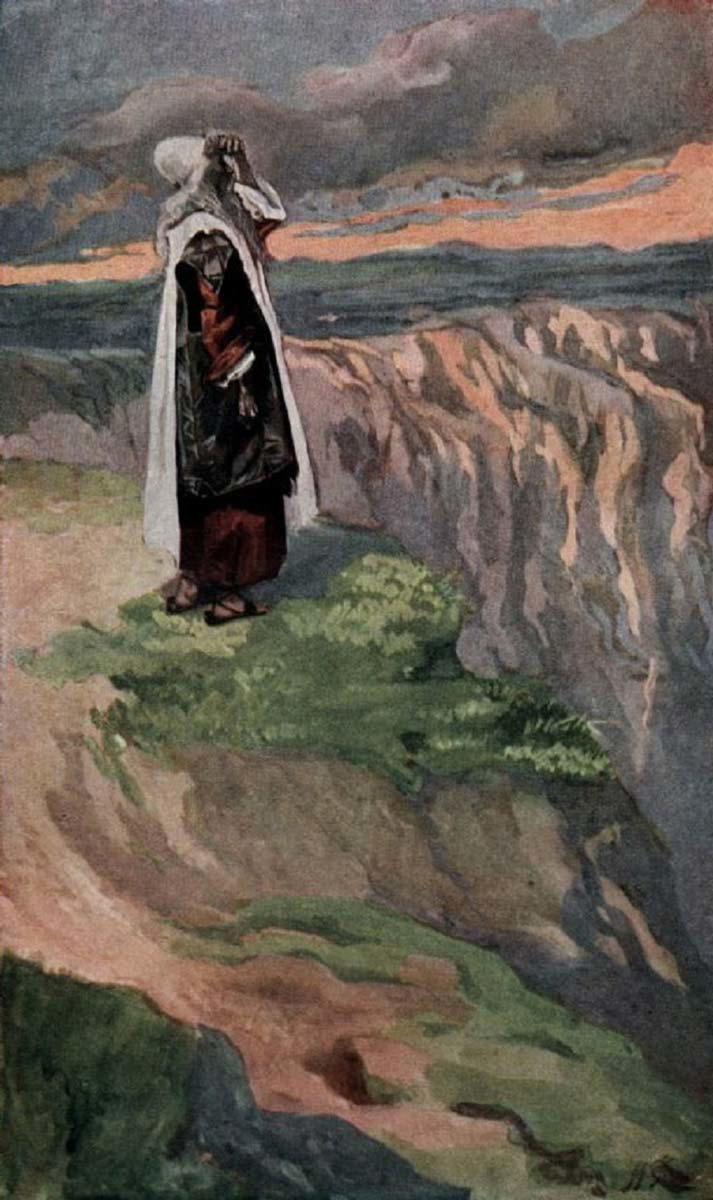
Blessings and curses
Deuteronomy details the blessings and curses that follow specific conduct. It shows that God’s people had free will to live righteous or wicked lives. With the privilege of freedom came the responsibility to also bear the consequences.
Centralized worship
Deuteronomy highlighted the importance of centralized worship. Later, when the monarchy of Israel split into the Kingdom of Israel and the Kingdom of Judah, Jeroboam set up places of worship in Dan and Bethel. It was the primary reason for their exile in 722 BCE. They disobeyed God’s instructions as set out in Deuteronomy.
Key Passages
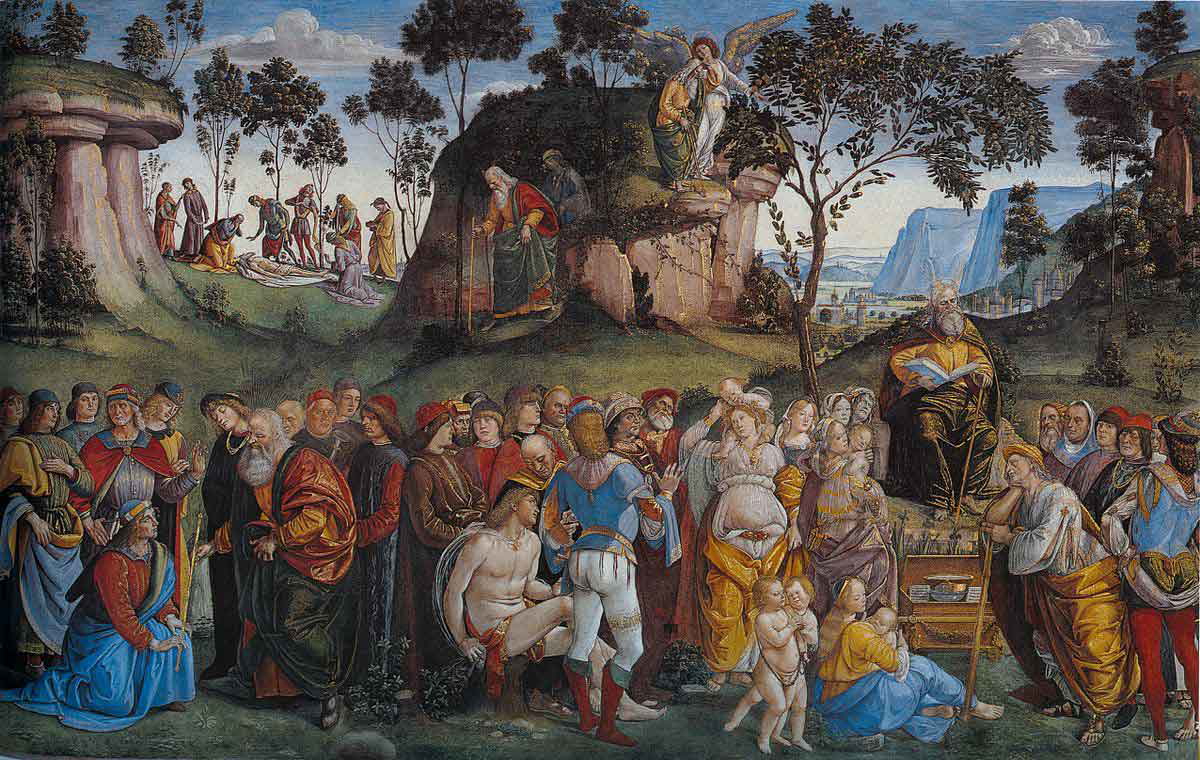
Deuteronomy 6:3-5
“Hear therefore, O Israel, and be careful to do them, that it may go well with you, and that you may multiply greatly, as the LORD, the God of your fathers, has promised you, in a land flowing with milk and honey. Hear, O Israel: The LORD our God, the LORD is one. You shall love the LORD your God with all your heart and with all your soul and with all your might.”
To “hear” in Hebrew implies responding to what was said and to “love” is more than an emotion. It refers to a decision that is set into action. It is a reaffirmation of the monotheistic God the Israelites had a covenant with.
Deuteronomy 10:12-13
“And now, Israel, what does the LORD your God require of you, but to fear the LORD your God, to walk in all his ways, to love him, to serve the LORD your God with all your heart and with all your soul, and to keep the commandments and statutes of the LORD, which I am commanding you today for your good?”
Contrary to how many people see the commandments of God, they were meant as safeguards for the people of God. Fear in this verse would be better translated as “reverence” since love and fear are mutually exclusive concepts.
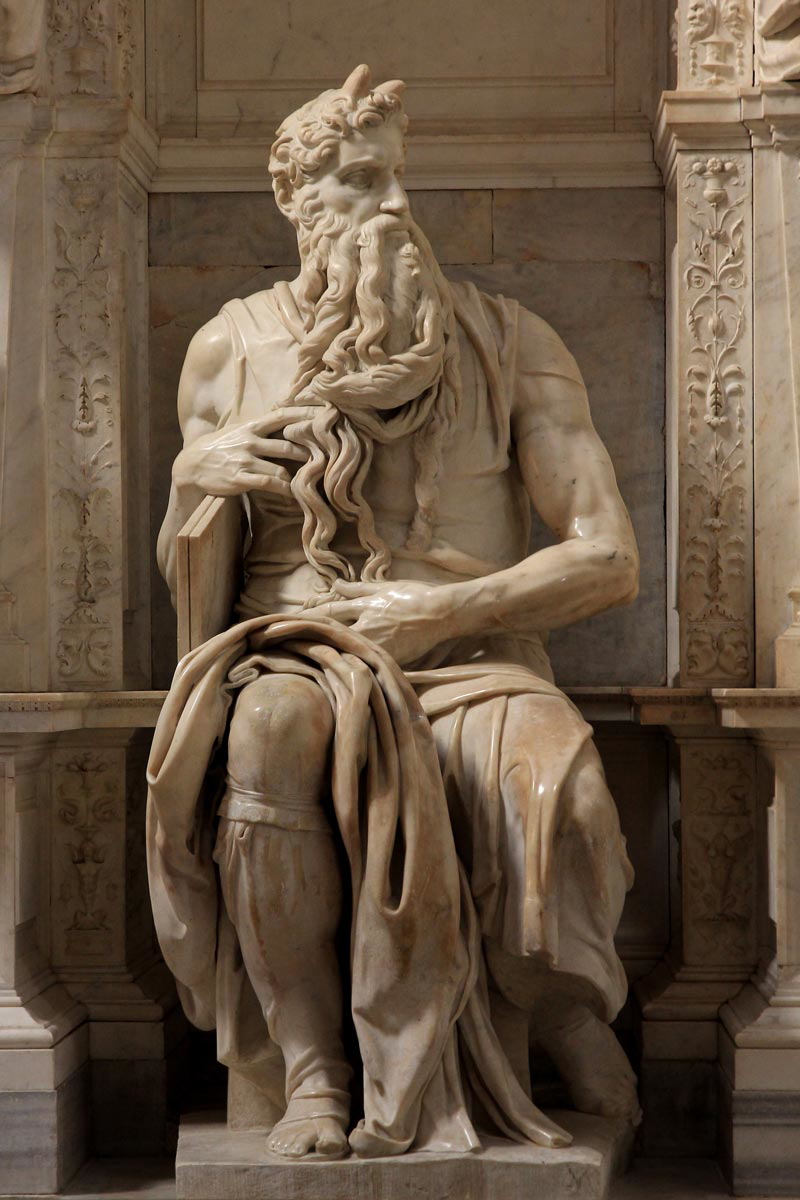
Deuteronomy 30:15-19
“See, I have set before you today life and good, death and evil. If you obey the commandments of the LORD your God that I command you today, by loving the LORD your God, by walking in his ways, and by keeping his commandments and his statutes and his rules, then you shall live and multiply, and the LORD your God will bless you in the land that you are entering to take possession of it. But if your heart turns away, and you will not hear but are drawn away to worship other gods and serve them, I declare to you today, that you shall surely perish. You shall not live long in the land that you are going over the Jordan to enter and possess. I call heaven and earth to witness against you today, that I have set before you life and death, blessing and curse. Therefore choose life, that you and your offspring may live.”
God created humanity with free will. In Deuteronomy, he set before the people the choices they had and their repercussions. They knew the consequences of their actions. Many years later, the people of God went so far astray that they lost the Book of the Law, and it was only discovered in the time of King Josiah (7th century BCE). Some scholars believe the book they rediscovered was most likely Deuteronomy (2 Kings 22:8, 2 Chronicles 34:14-19).
Contemporary Relevance
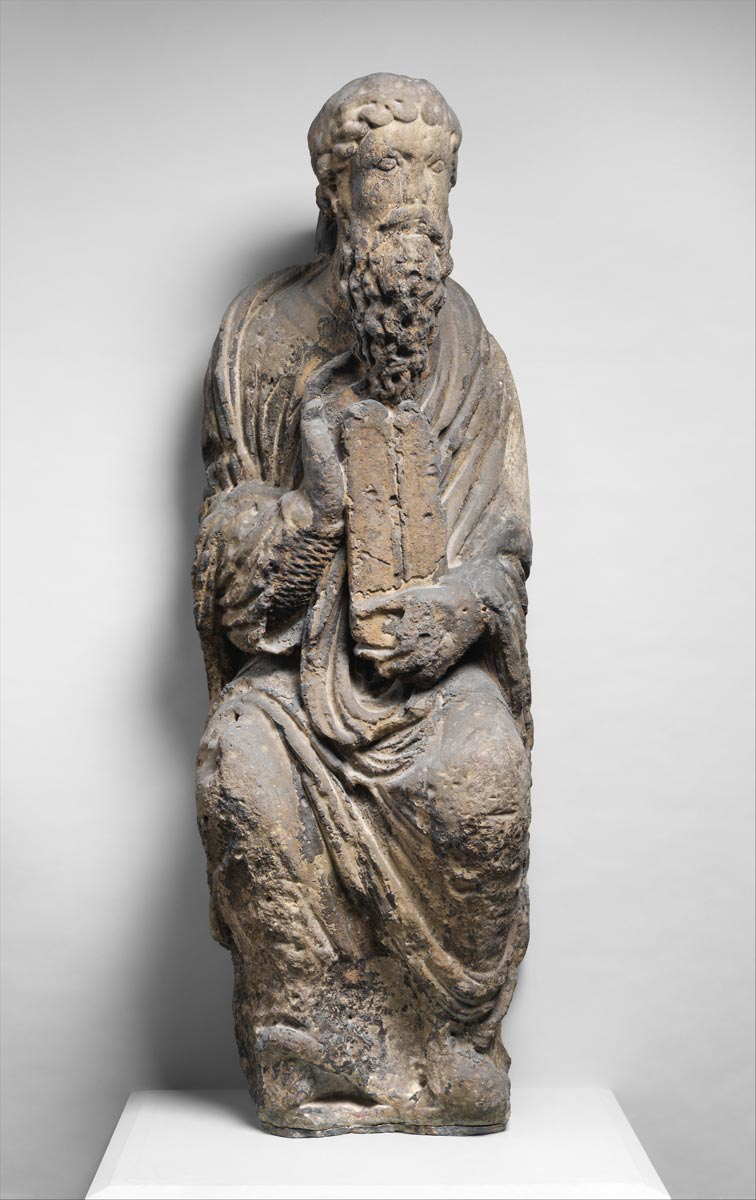
The Book of Deuteronomy offers the contemporary reader insight into the importance of faithfulness to God. Today, like back in ancient Israel, blessings and curses follow the conduct of believers. The choices made today still determine the outcome for each person. Personal responsibility remains an eternal biblical principle.
Personal responsibility includes participation in activities that impact social justice. Deuteronomy details many laws that regulate the treatment of marginalized people. Though the world is much different from Old Testament times, the need for social justice remains as relevant as ever.