A key objective for the German war machine, Moscow resisted its onslaught and guided the Soviet Union to ultimate victory.
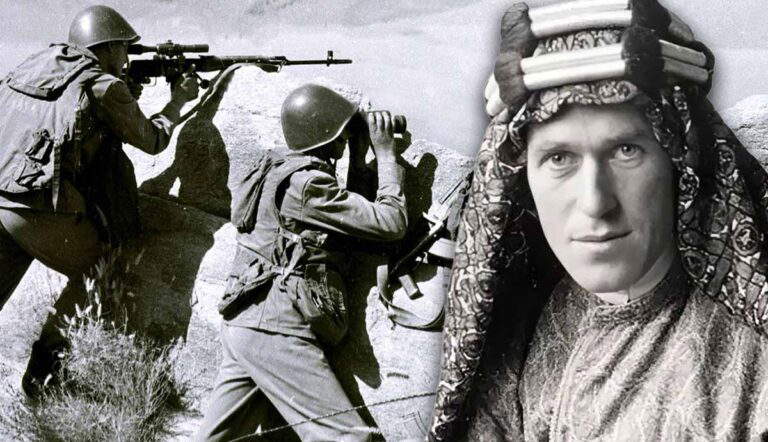
These six successful insurgencies from military history have captivated audiences as underdogs defeated much more powerful forces.
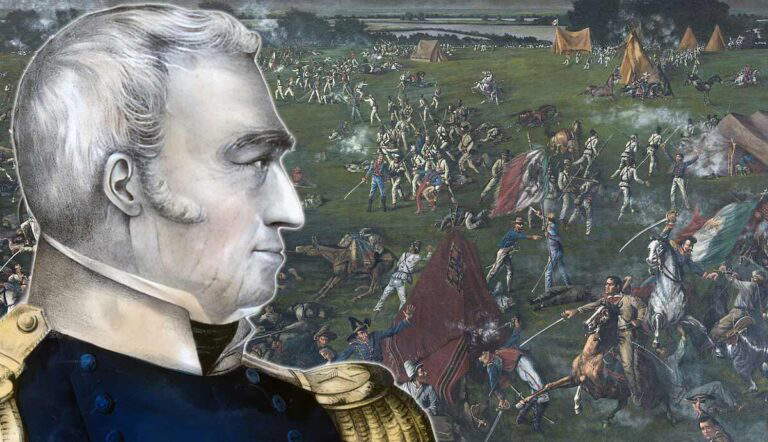
The Texas Revolution and the Mexican-American War were two major events in 19th-century American history, but what are the main differences between the two?
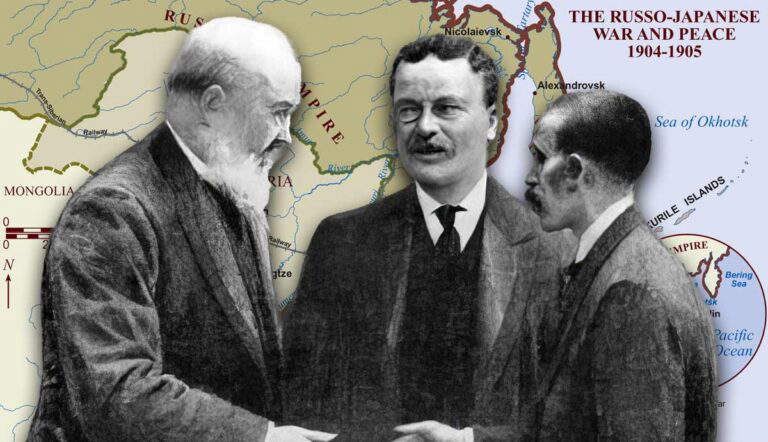
One of the most important conflicts before WWI ended with a US-mediated peace treaty, projecting American power in Asia.
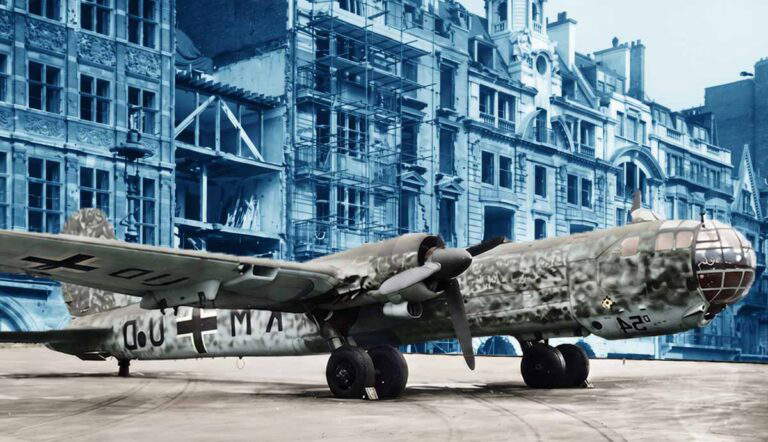
Operation Steinbock, sometimes known as “The Baby Blitz,” was the last air offensive launched by German bombers against the UK during World War II.
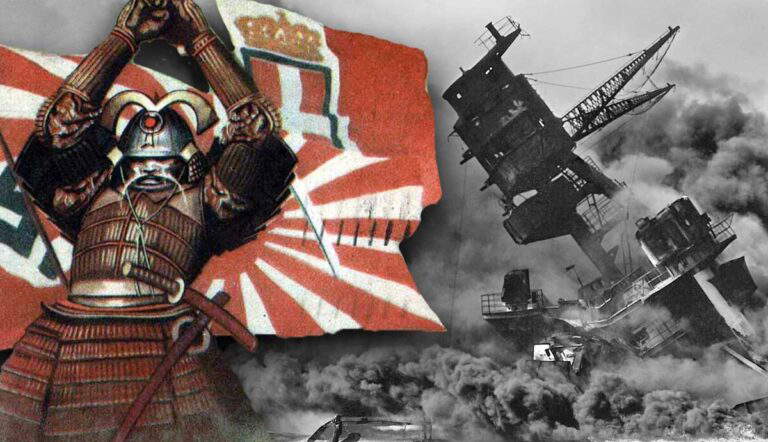
The attack on Pearl Harbor happened because of a combination of strategic, political, and economic factors.

These five elite special forces groups turned the tide of conflicts and defined a new approach to war in the greatest armed conflict in human history.
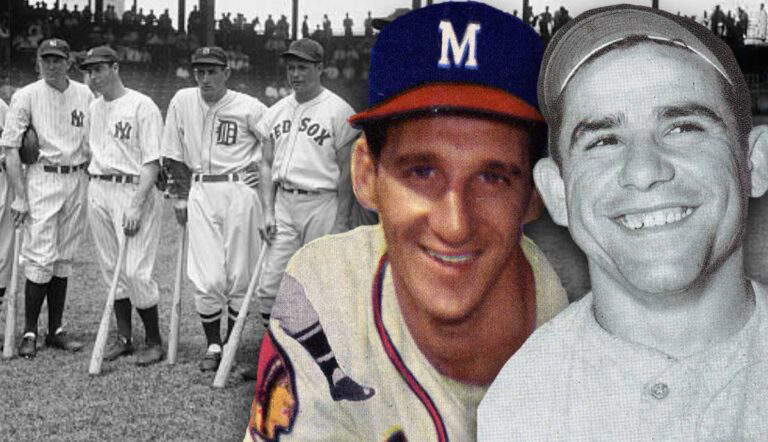
Millions of Americans answered the call to serve during World War II, but did you know these Hall-of-Fame baseball players were among them?