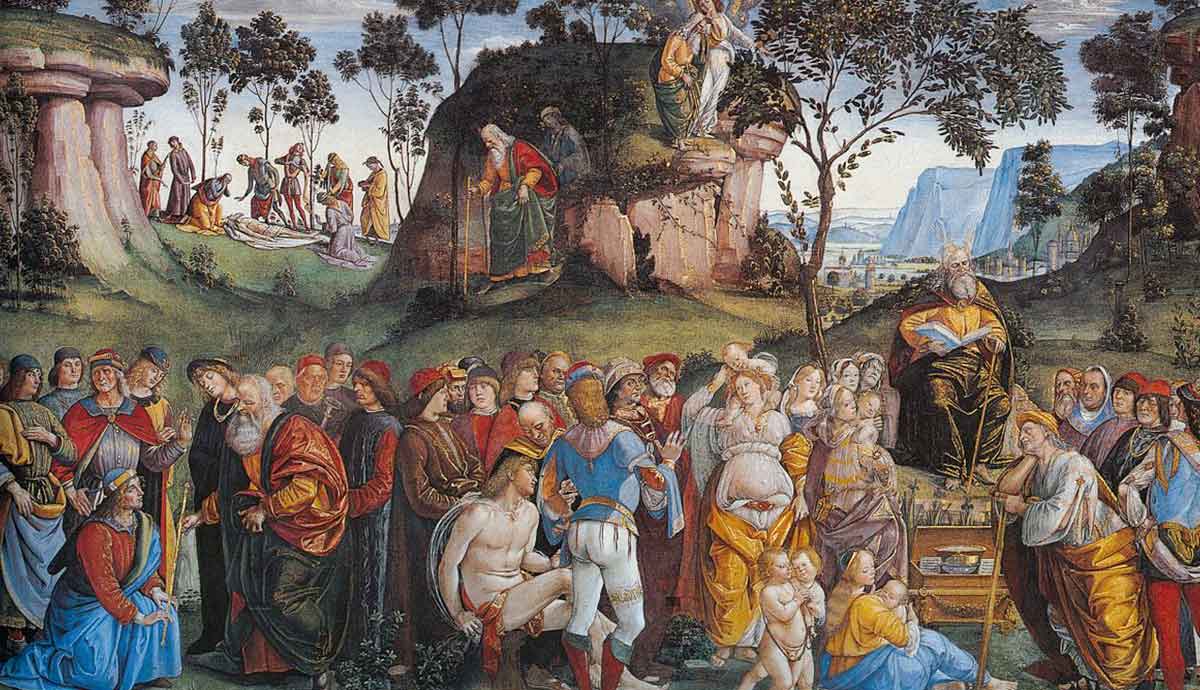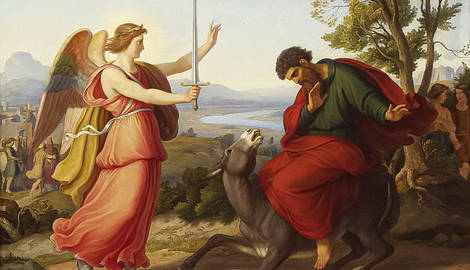
The Book of Numbers starts with the counting of the people of God: a census. The journey that should have taken about a fortnight eventually took 40 years because of Israel’s faithlessness and rebellion. During this time, they faced giants, a rebellion broke out, a staff budded, serpents attacked, a donkey spoke, and some of God’s people apostatized. Eventually, Moses had the people counted again, and the division of the land among the Israelites was determined, providing a portion for each except for the Levites, who received cities all over the land.
Authorship and Date
Numbers is the fourth of five books that constitute the Pentateuch. Tradition holds that Moses authored the book, and Numbers 33:2 supports that view. Many scholars, however, believe in the Documentary Hypothesis that suggests that the Pentateuch was compiled from four sources, namely the Yahwist (J), the Elohist (E), the Priestly (P), and the Deuteronomist (D) source. The earliest of these sources, the Yahwist, dates to the 10th century BCE and the latest to the 6th century BCE during the Babylonian exile. The contexts in which they were written influenced their language and perspective on events.
Historical Context
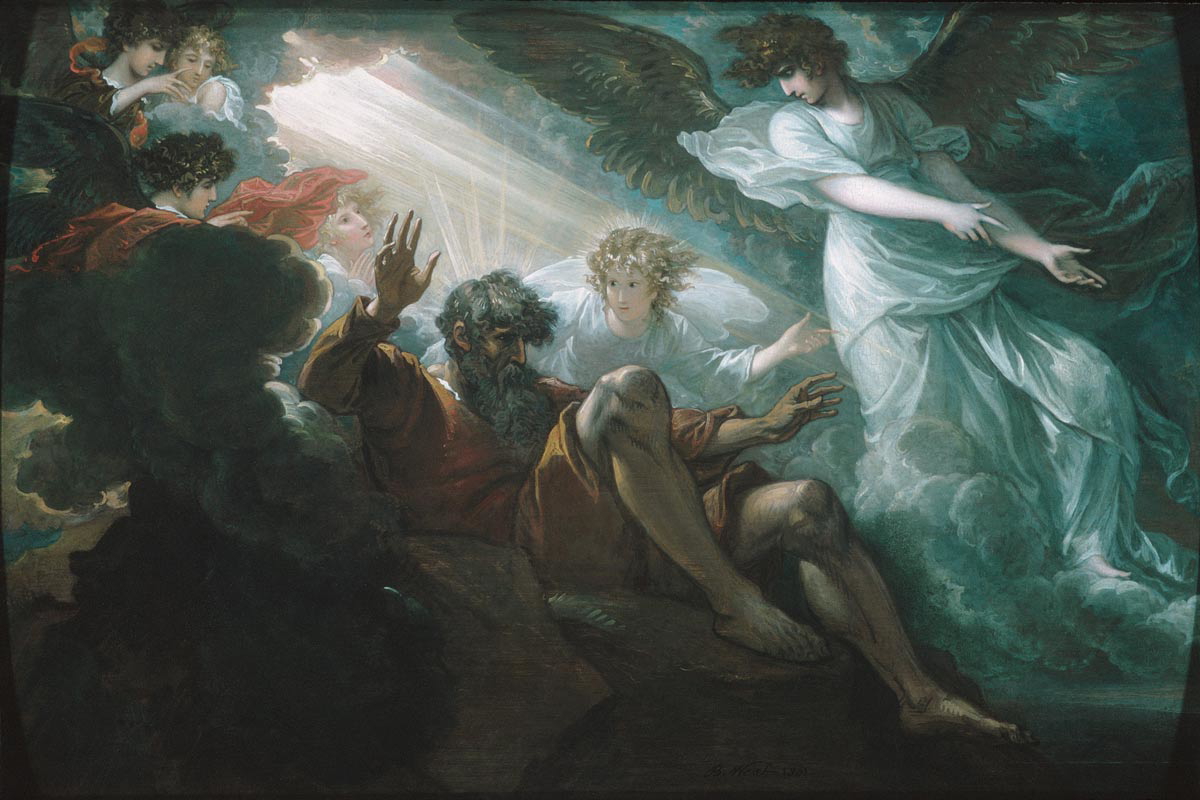
The Book of Numbers starts where Exodus left off and continues the narrative of the Israelites’ travels through the desert. Moses had recently led his people out of captivity in Egypt, where they saw the destruction of the Egyptian army when the waters of the Red Sea flooded over them. They then traveled to Mount Sinai, where God spoke to Moses and gave him the Ten Commandments and the instructions on building the Tabernacle.
Leviticus formed an interlude, providing details on the laws and ceremonies the Israelites had to implement. In Numbers 1:1, Moses and Israel are still at Sinai. Before them lay a relatively short journey to Canaan which was the Promised Land they were to take by force.
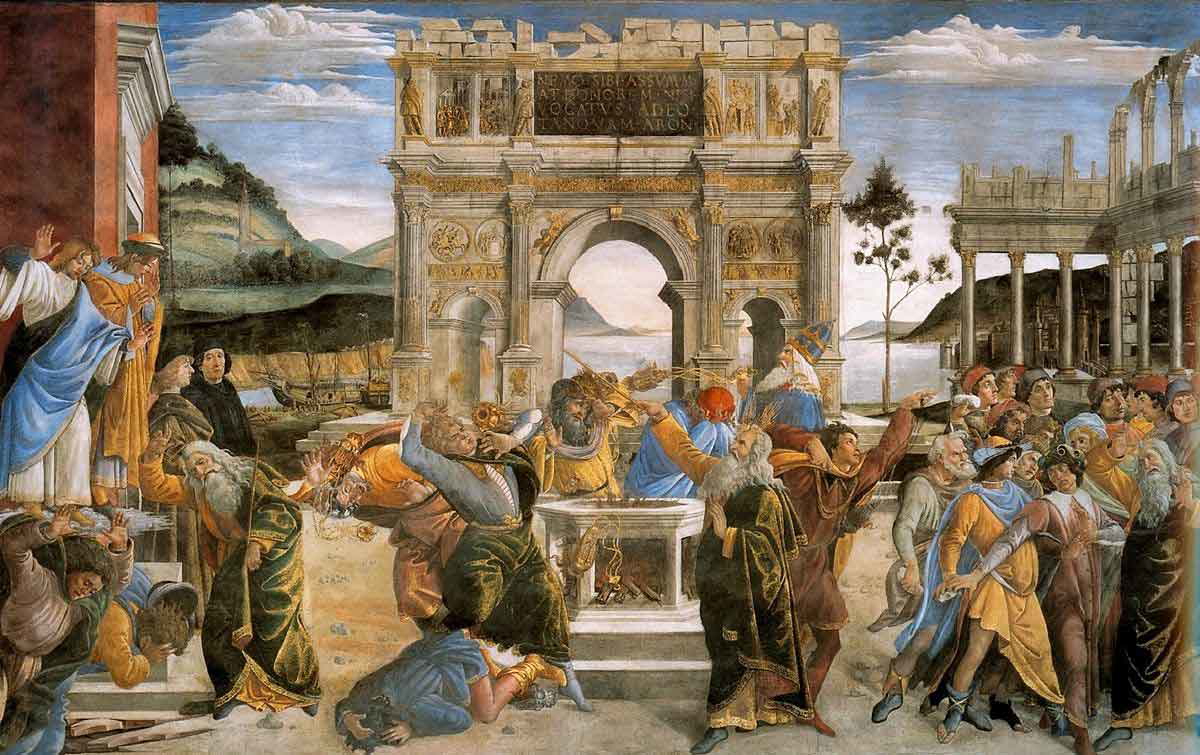
Working purely on biblical details, the events recorded in the Book of Numbers date to approximately 1440 to 1400 BCE. The frequent disobedience and rebellion of Israel is surprising, seeing as they had experienced the miraculous provision of food and protection from the desert heat and cold daily. In addition, many other miracles occurred, like the provision of water, protection against snakes, and healing. Even the punishment of rebels occurred miraculously, like the deaths of Korah and his fellow agitators.
Structure
| Preparation to leave Sinai (Numbers 1:1-10:10) | Israel spent about a year in the wilderness during which Moses organized them to camp with the Tabernacle in the center of the encampment. New laws helped regulate society in Israel. |
| Journey from Sinai to Paran (Numbers 10:11-12:16) | Moses, as leader of the Israelites, faced opposition as even his brother, Aaron, and sister, Miriam, spoke out against him. The repercussions included Miriam contracting leprosy for a time. |
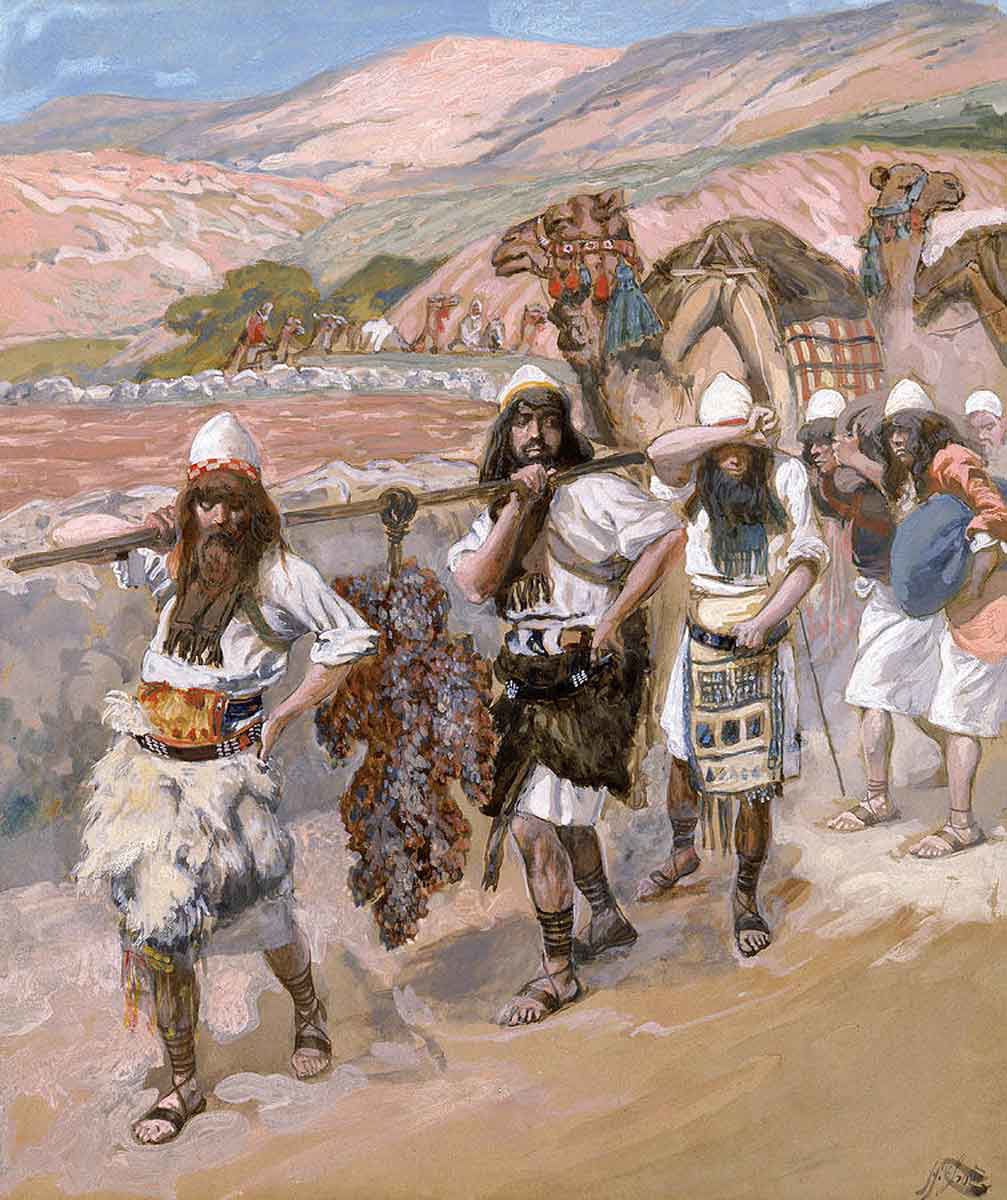
| Rejection to take the Promised Land and rebellion (Numbers 13-19) | After the spies returned from exploring Canaan, the nation rebelled against the instruction to take the Promised Land and against Moses’s leadership. Some even desired to return to Egypt. |
| Journey from Param to Moab (Numbers 20-21) | On the trip to Moab, Moses is disobedient to God and forfeits the privilege of entering Canaan. Aaron dies, and his son Eleazar takes his place. |
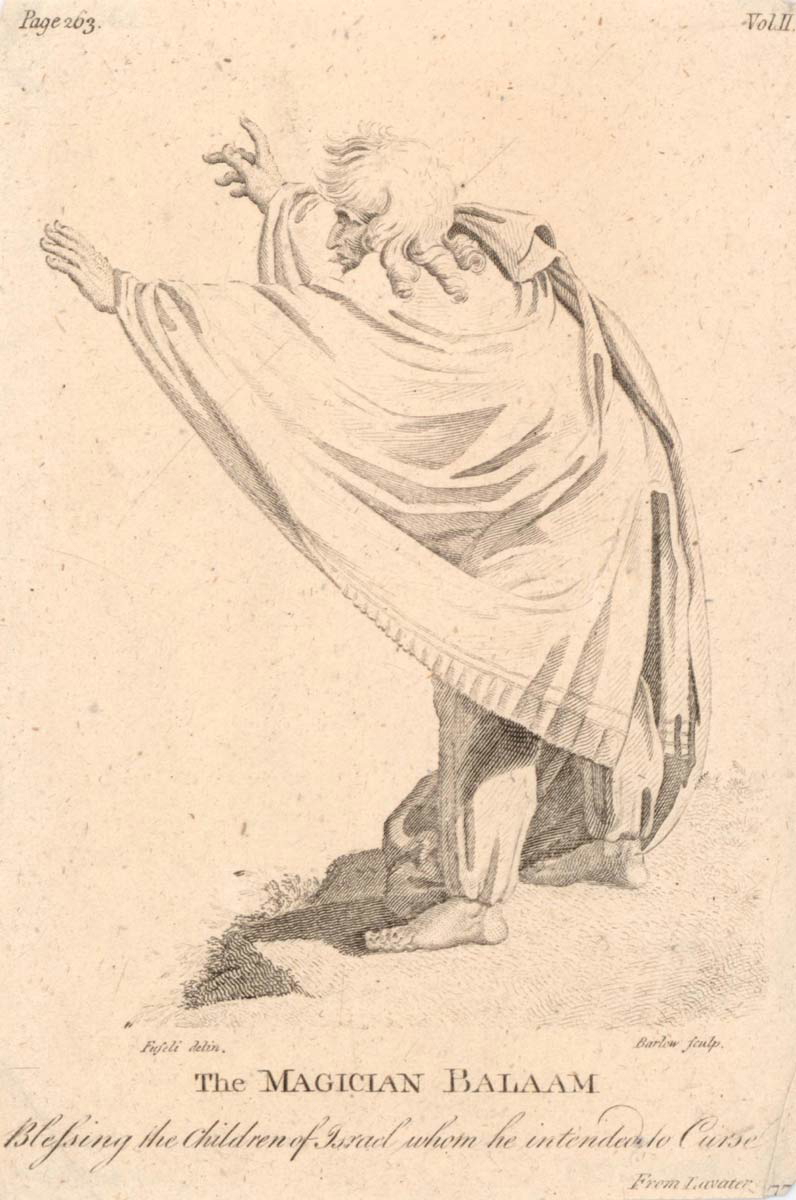
| Israel settles across the Jordan from Canaan (Numbers 22-32) | The Israelites took land east of the Jordan across from Jericho. Enemies of Israel employed Balaam, who unsuccessfully attempted to curse Israel. Eventually, he exposed a weakness of Israel to their enemies, and some Israelites were seduced into sexual immorality and idolatry. |
| Diverse matters (Numbers 33-36) | Numbers 33 recounts the stages of the journey Israel took from Egypt. The next two chapters deal with the division of the Promised Land among the tribes of Israel. The last chapter deals with the inheritance of women. |
Main Themes
| Rebellion | Rebellion is a recurring theme in the Book of Numbers. The nation rebels against God, not wanting to take the promised land by force. They rebelled against Moses and Aaron’s leadership, some, like Korah, even challenged Aaron’s position as High Priest. |
| Punishment | Punishment for disobedience occurs many times in the Book of Numbers. At times, the punishment falls on individuals like Balaam, on other occasions on groups such as Korah and his band of rebels, and once on the nation of Israel. |
| Leadership | Rebels among the Israelites protested and challenged the leadership of Moses and Aaron on several occasions, even after having seen miracles performed by them many times. |
Key Passages
“The LORD bless you and keep you; the LORD make his face to shine upon you and be gracious to you; the LORD lift up his countenance upon you and give you peace.” Numbers 6:24-26
This famous prayer, known as the Aaronic or Priestly Blessing, often appears in Christian and Jewish liturgy. God indicated that it was a means of putting his name on the people, meaning to speak his character and authority over them.
“Only do not rebel against the LORD. And do not fear the people of the land, for they are bread for us. Their protection is removed from them, and the LORD is with us; do not fear them.” Numbers 14:9
Joshua and Caleb, the only two spies to have shown strength in faith, implored the Israelites not to rebel against Moses by setting their course back to Egypt. These two heroes of faith would be the only ones of their generation to enter the promised land.
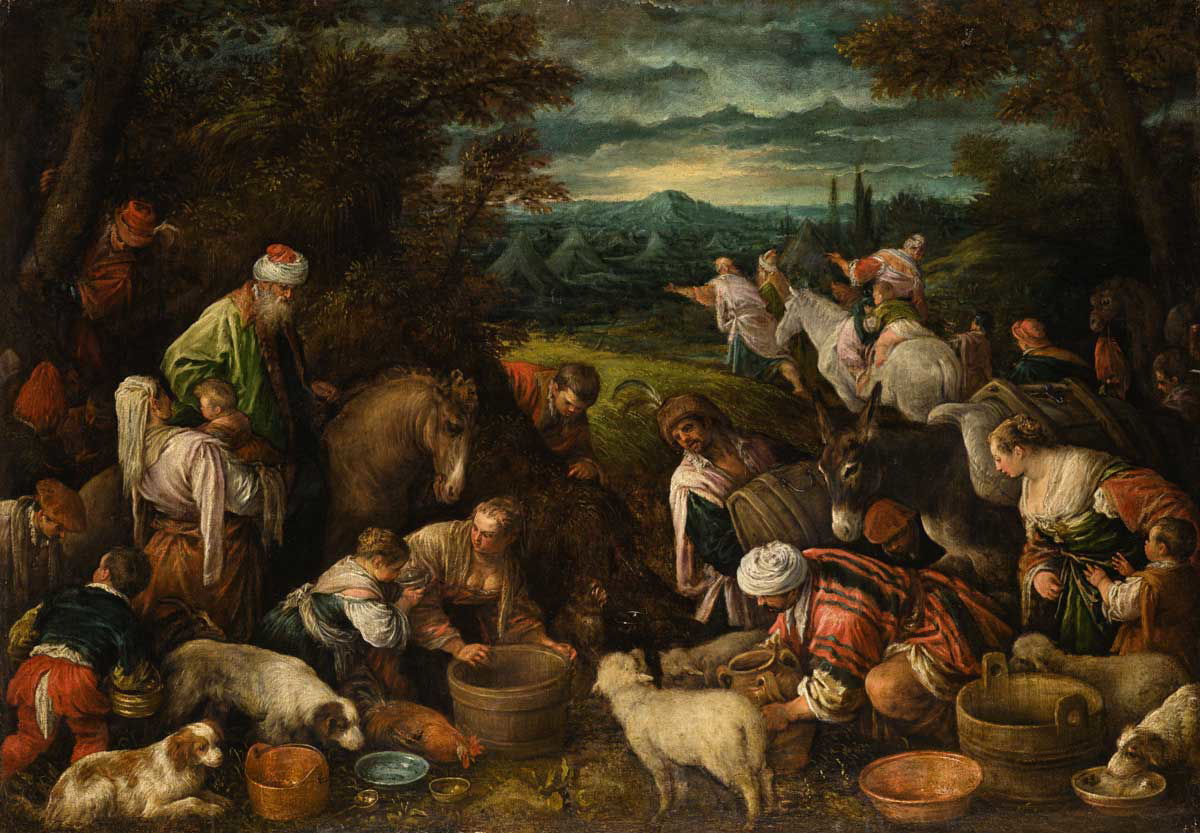
“Say to them, ‘As I live, declares the LORD, what you have said in my hearing I will do to you: your dead bodies shall fall in this wilderness, and of all your number, listed in the census from twenty years old and upward, who have grumbled against me, not one shall come into the land where I swore that I would make you dwell, except Caleb the son of Jephunneh and Joshua the son of Nun. But your little ones, who you said would become a prey, I will bring in, and they shall know the land that you have rejected. But as for you, your dead bodies shall fall in this wilderness. And your children shall be shepherds in the wilderness forty years and shall suffer for your faithlessness, until the last of your dead bodies lies in the wilderness. According to the number of the days in which you spied out the land, forty days, a year for each day, you shall bear your iniquity forty years, and you shall know my displeasure.’” Numbers 14:28-34
The consequence of the faithlessness of Israel was that, except for Joshua and Caleb, only those younger than 20 when the census was taken would enter the promised land. The rest would die in the wilderness.
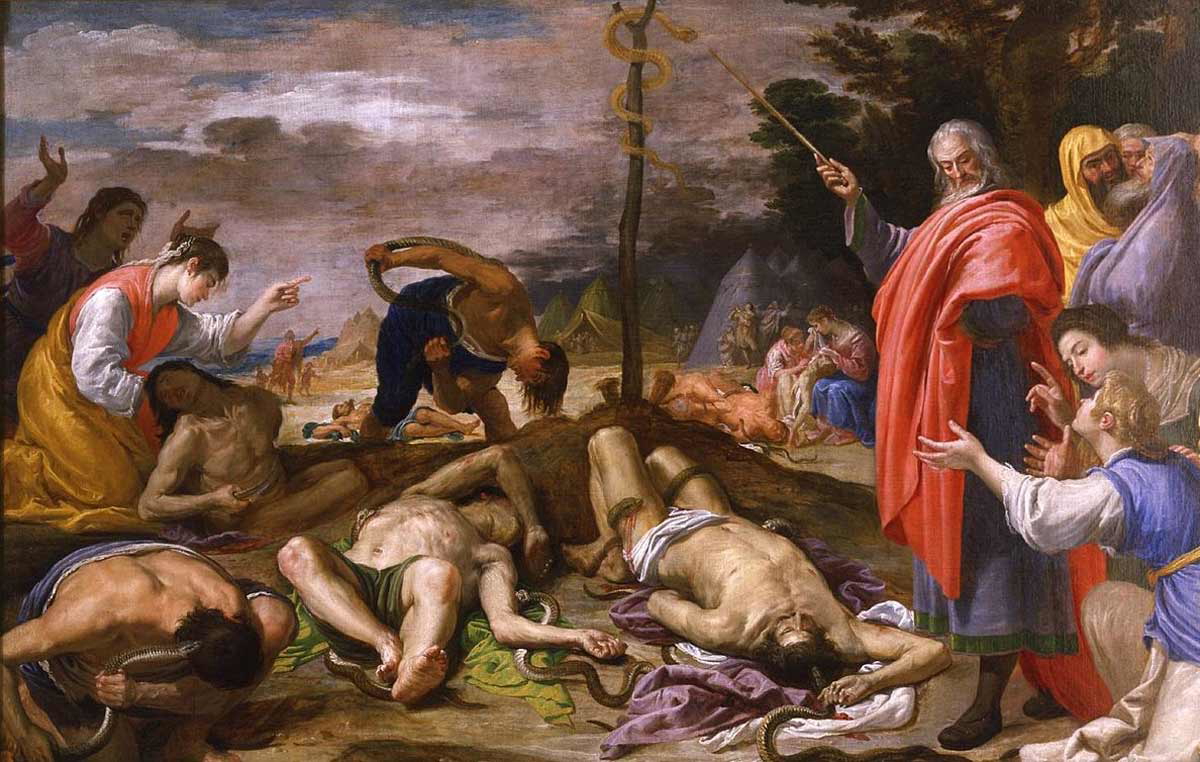
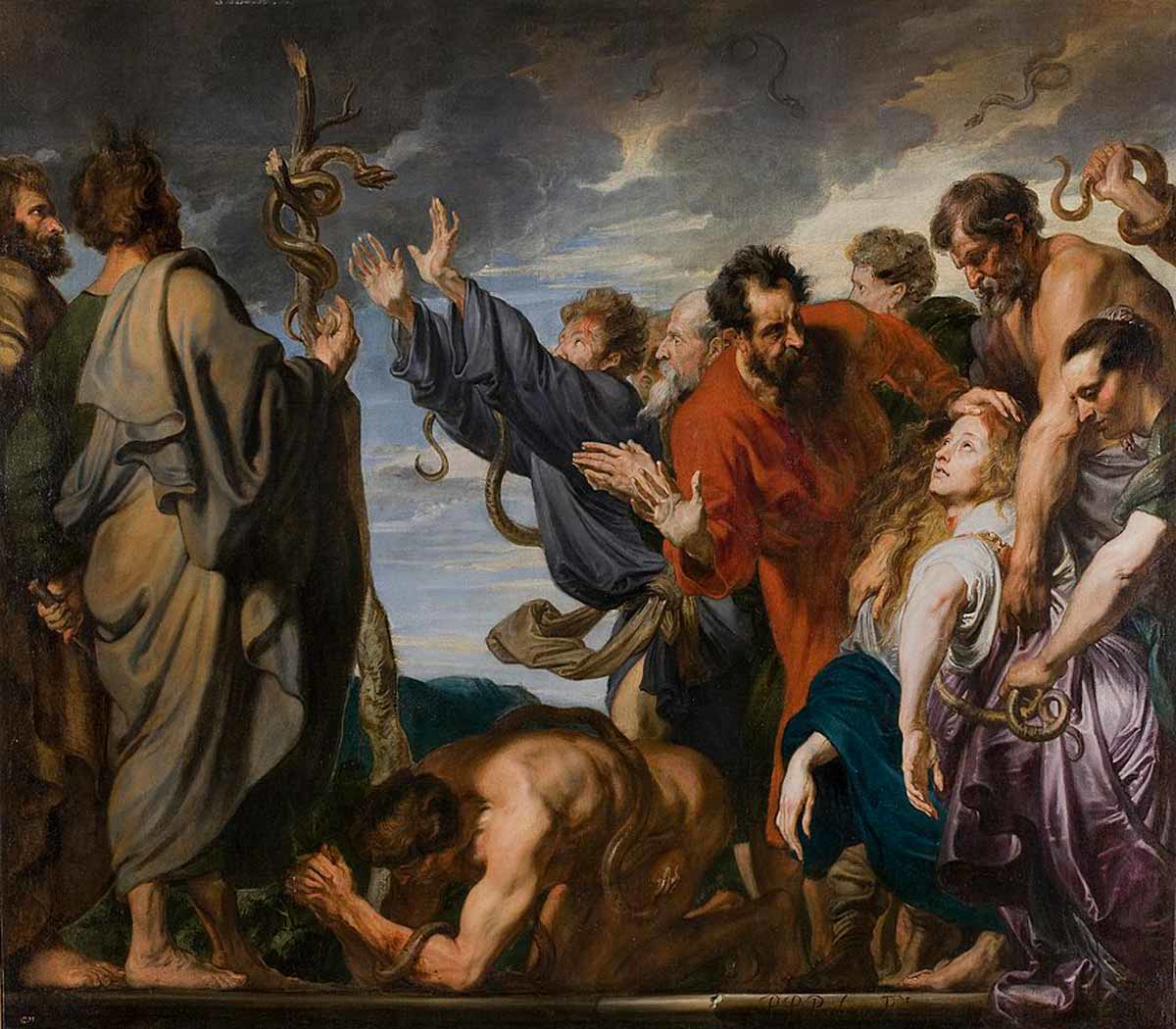
“And the LORD said to Moses, ‘Make a fiery serpent and set it on a pole, and everyone who is bitten, when he sees it, shall live.’ So Moses made a bronze serpent and set it on a pole. And if a serpent bit anyone, he would look at the bronze serpent and live.” Numbers 21:8-9
The brazen serpent Moses had to make later served as a symbol of salvation in Christ. John 3:14 says: “And as Moses lifted up the serpent in the wilderness, so must the Son of Man be lifted up.”
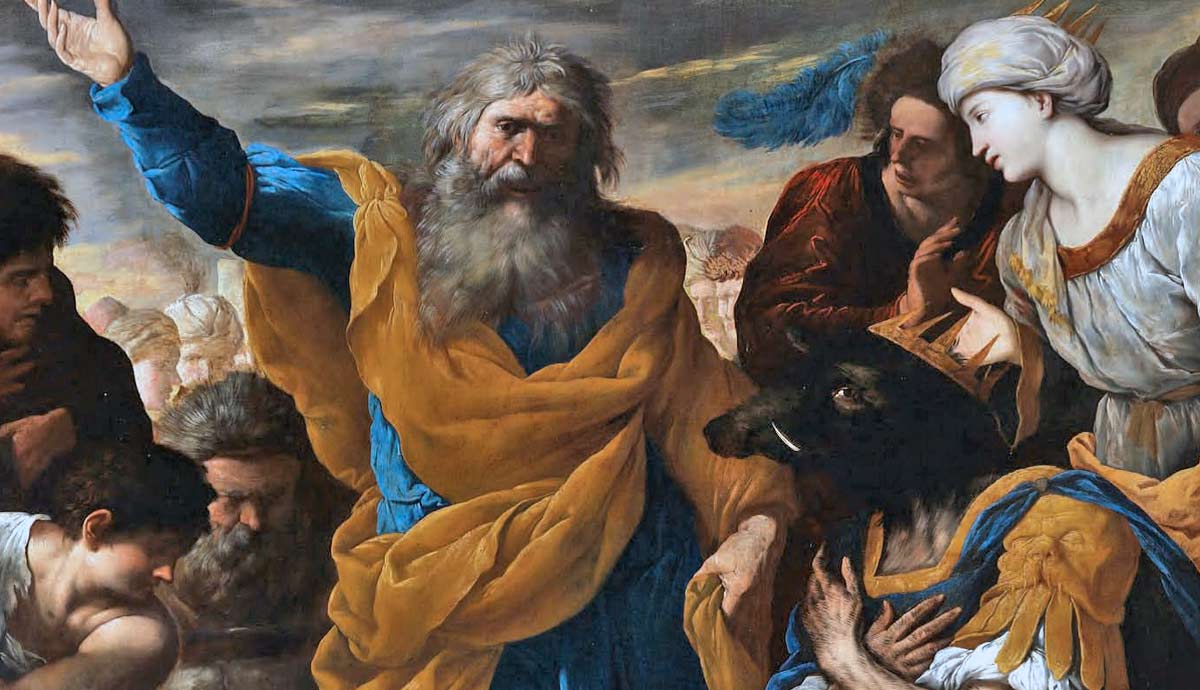
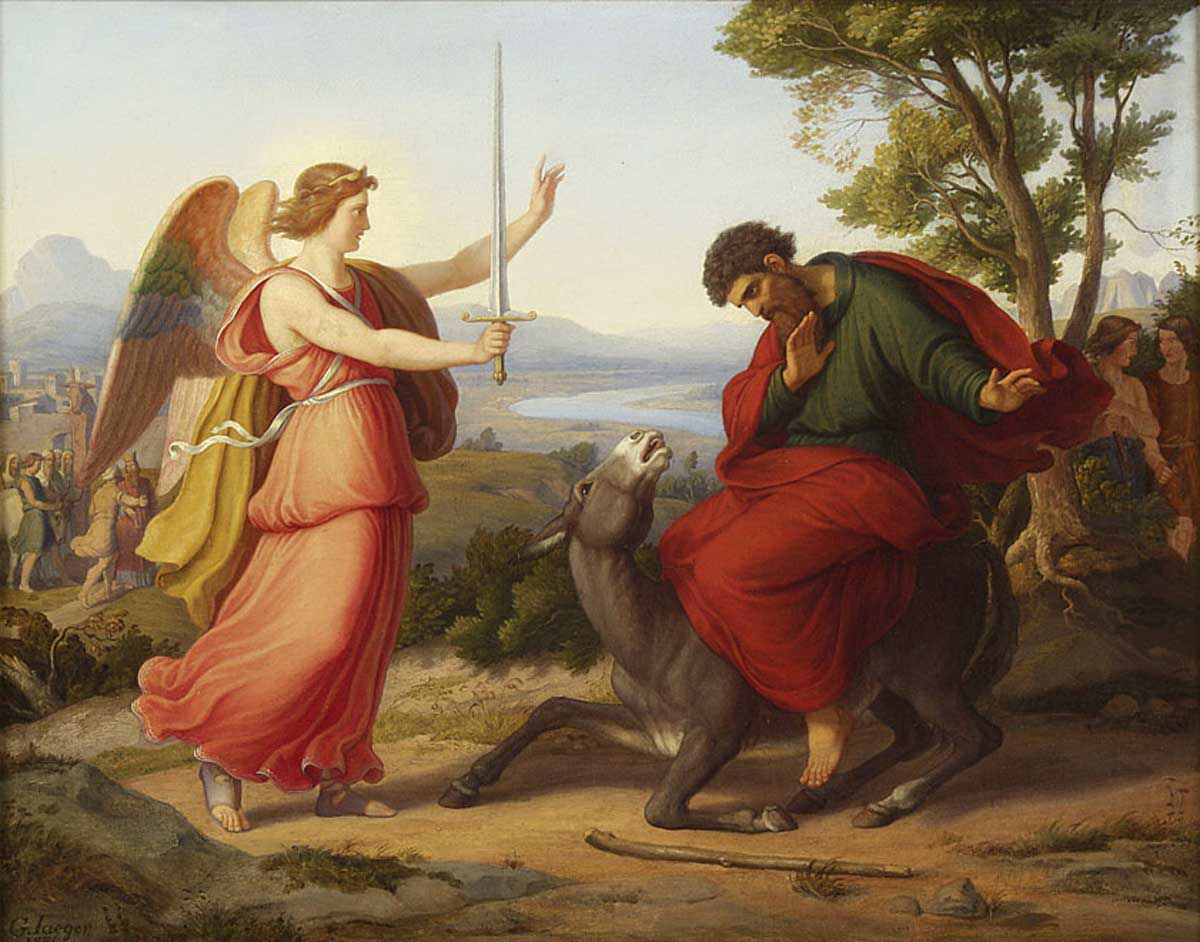
“When the donkey saw the angel of the LORD, she lay down under Balaam. And Balaam’s anger was kindled, and he struck the donkey with his staff. Then the LORD opened the mouth of the donkey, and she said to Balaam, ‘What have I done to you, that you have struck me these three times?’ And Balaam said to the donkey, ‘Because you have made a fool of me. I wish I had a sword in my hand, for then I would kill you.’” Numbers 22:27-29
A surprising aspect of the story of Balaam is his reaction to the donkey speaking. He seemed unfazed by the animal verbally communicating with him. According to the narrative, the donkey could see into the spiritual realm which Balaam, with human eyes, could not.
Contemporary Relevance
The Book of Numbers testifies to the consequences of faithlessness. The contemporary reader will be inspired by heroes of faith like Joshua and Caleb to stand firm on the promises of God. Paul referred to some of the events recorded in Numbers when he taught fellow Christians in 1 Corinthians 10, warning them against making similar mistakes.
Readers today can learn much about the dangers of challenging the authority of God-appointed leaders. The example of Korah serves as a stark reminder. They will also see many examples of how God provides for his people and remains faithful even when they oppose his will. Numbers is an example of the perseverance of the faithful. For 40 years the leadership in Israel fought external threats and internal divisions, yet remained true to their faith in the promises of God.
The Book of Numbers contributes to contemporary liturgy and personal empowerment by providing a beautiful blessing to pronounce on other believers. It testifies to the love and goodness of God, providing an opportunity to be kind to others.