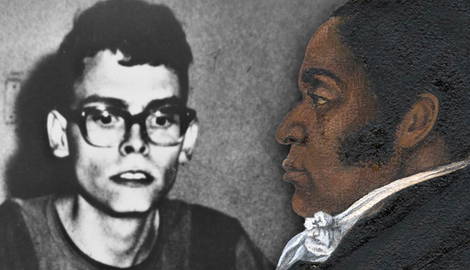
War has been a part of the human experience since the beginning, and along with the deaths and casualties, prisoners of war, or POWs, have suffered at the hands of their respective enemies. A special kind of stamina is required to persist in captivity, and it is in these unthinkable conditions that the bravery of certain soldiers has shone most brightly.
1. Douglas Hegdahl: Not So Stupid
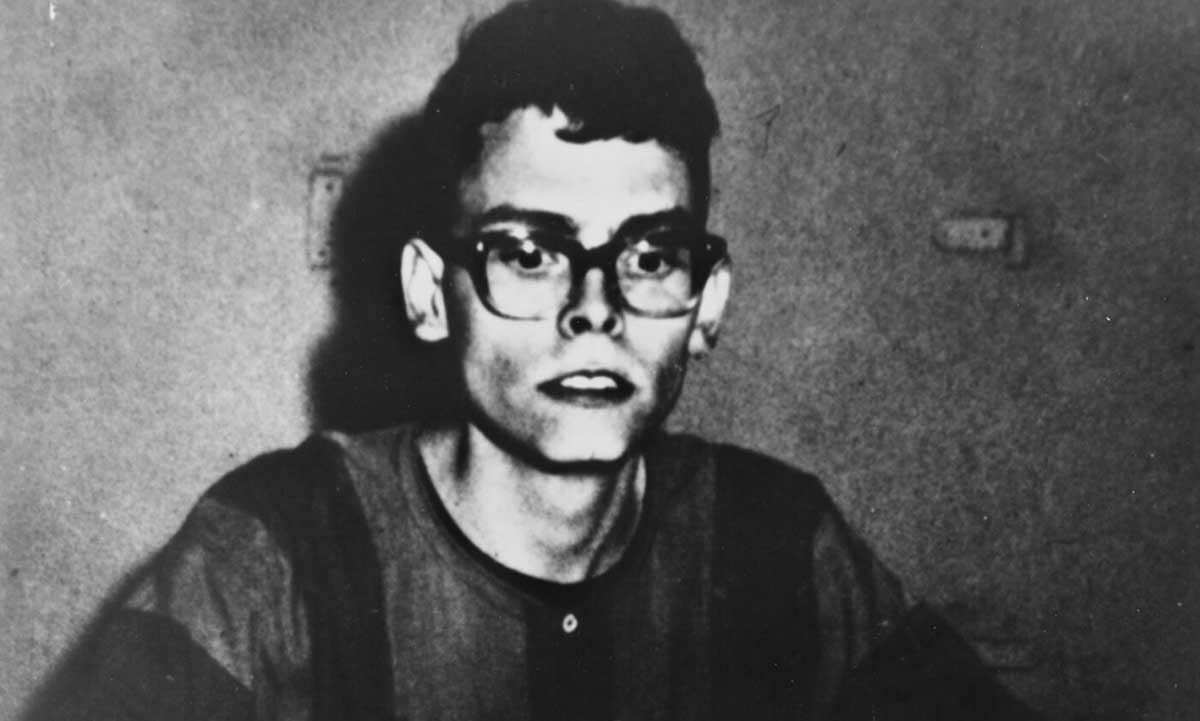
Douglas Hegdahl was a small-town boy from South Dakota who eagerly accepted the call of the US Navy when a recruiter came knocking in the 1960s. Hegdahl was excited to see the world, and after boot camp, he was assigned to the USS Canberra. The Canberra was positioned in the Gulf of Tonkin, three miles off the coast of Vietnam, at the height of the Vietnam War. On April 6, 1967, Hegdahl was pushed overboard by a blast from the ship’s guns. He was presumed dead, and a memorial service was held. However, Hegdahl, with no identification, had been picked up by Cambodian fishermen who turned him over to the North Vietnamese. He was taken to Hoa Lo Prison, also known as the “Hanoi Hilton,” and held as a prisoner of war.

Hegdahl quickly decided on a tactic to manipulate his captors, and it would prove to be successful. He pretended to be a simpleton, unable to read or write. He soon earned the designation “the incredibly stupid one” and was largely ignored by his captors. He was given a great deal of freedom, and was assigned the task of sweeping the grounds. When unobserved, he would stymie his captors by filling gas tanks with dirt and passing notes and communication amongst other prisoners. Contrary to what he portrayed, Hegdahl was gifted with an exceptional memory. He began memorizing information about his fellow prisoners, using the “Old MacDonald Had a Farm” nursery rhyme as a mnemonic device. He retained the names, capture dates, and other information about over 250 prisoners.
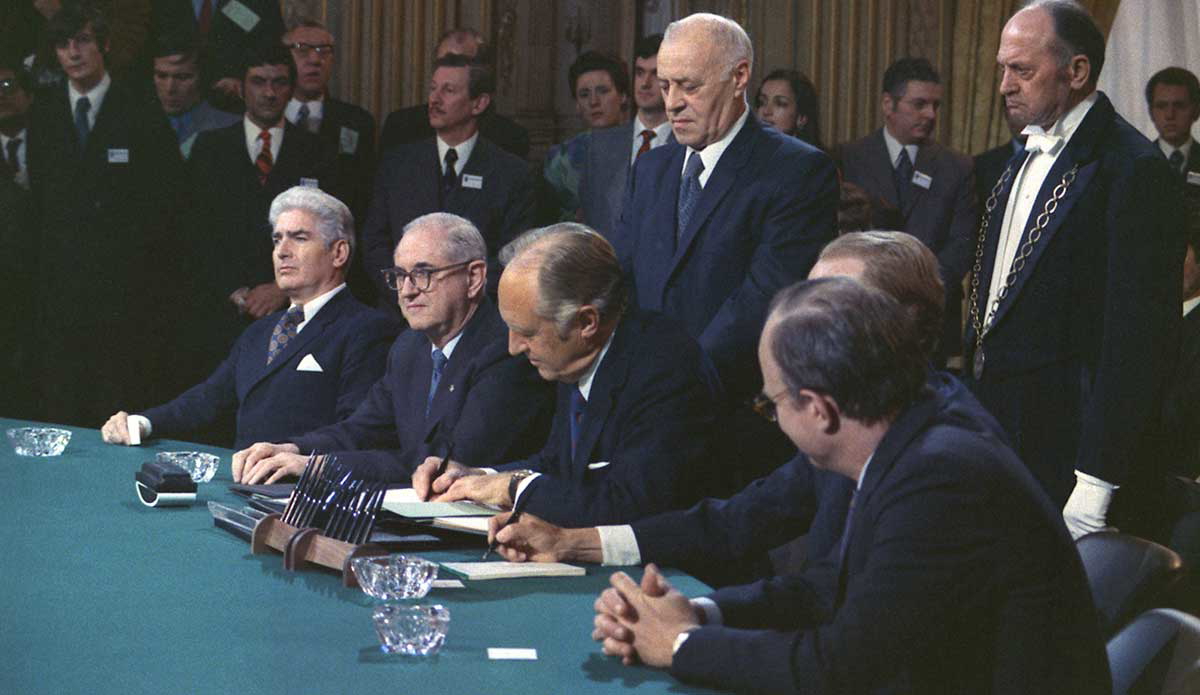
In August 1969, the Vietnamese captors decided to release three prisoners. Hegdahl initially refused to go, as the American prisoners had made a pact they referred to as “No Go Home Early”—they’d all go home together, or none would go. However, Hegdahl’s commanding officer at the camp instructed him to return home, as he had a vast bank of information that could prove useful to the US military. When he arrived home, Hegdahl was able to provide US forces with the valuable details he’d stored in his memory. He revealed the names of some that were thought to be dead. Further, Hegdahl attended the Paris Peace Talks in 1970, where he talked about the poor conditions of the camps and the torture methods used by the North Vietnamese. This exposition on the global stage encouraged Vietnam to make a larger effort to keep POWs alive until the conclusion of the war.
2. Johnnie Johnson’s List
Wayne Archer Johnson, better known as “Johnnie,” served in the United States Army and was taken prisoner in the Korean War, where he survived as a POW from 1950-1953. Johnson, along with more than 700 other prisoners, was transferred to the supervision of a North Korean officer they nicknamed “the Tiger” in October 1950, whose real identity remains unknown. He forced the prisoners to march over 120 miles in inadequate clothing to a series of deplorable prison camps, where hundreds died.
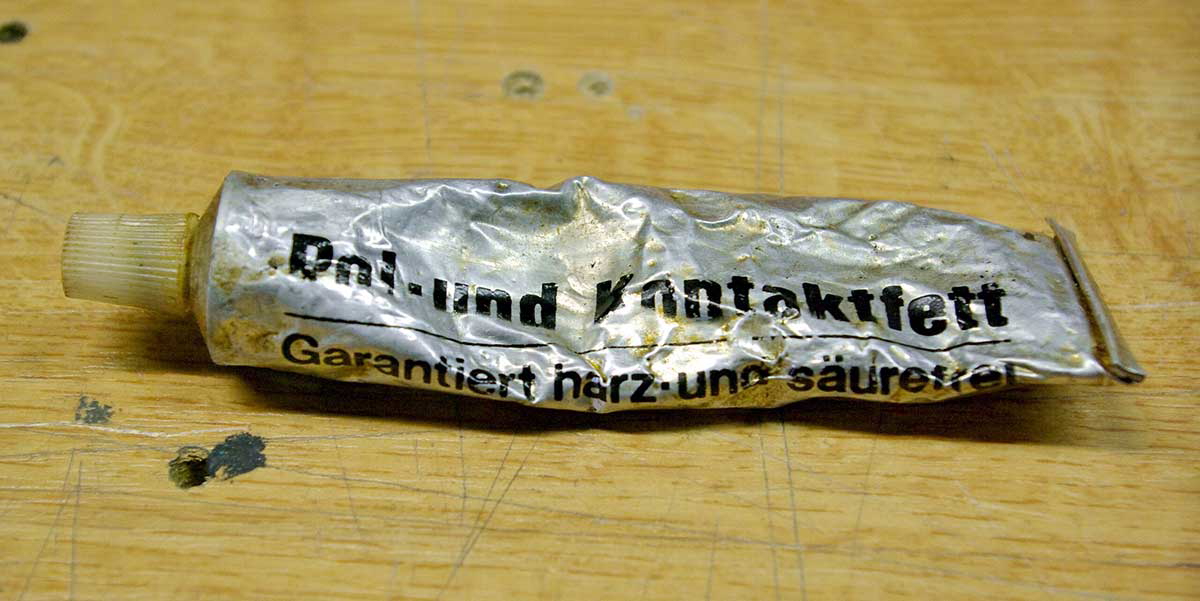
Johnson realized that no one would ever know what happened to the men who perished and began keeping a secret list. On his list, he recorded names and details about his fallen comrades in hopes that the information would bring comfort to family members one day. By the time Johnson returned home in 1953, he had amassed 496 names on the list and smuggled it home in a tube of toothpaste. Unfortunately, the knowledge of the list was lost in army records, and it wasn’t until a reunion forty years later that it became a topic of discussion again. The military took another look, and the list was used to determine the fates of many who were still considered missing in action. Johnson was awarded the Silver Star for his actions in 1996.
3. Geronimo Was Interred for Over Two Decades
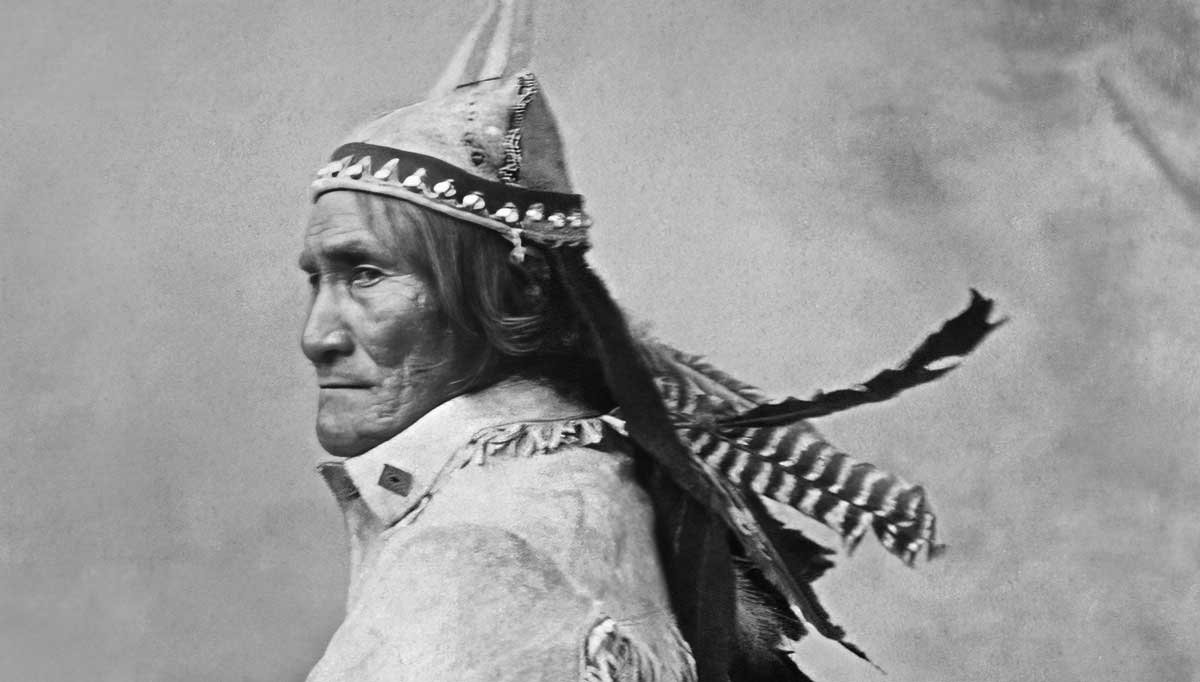
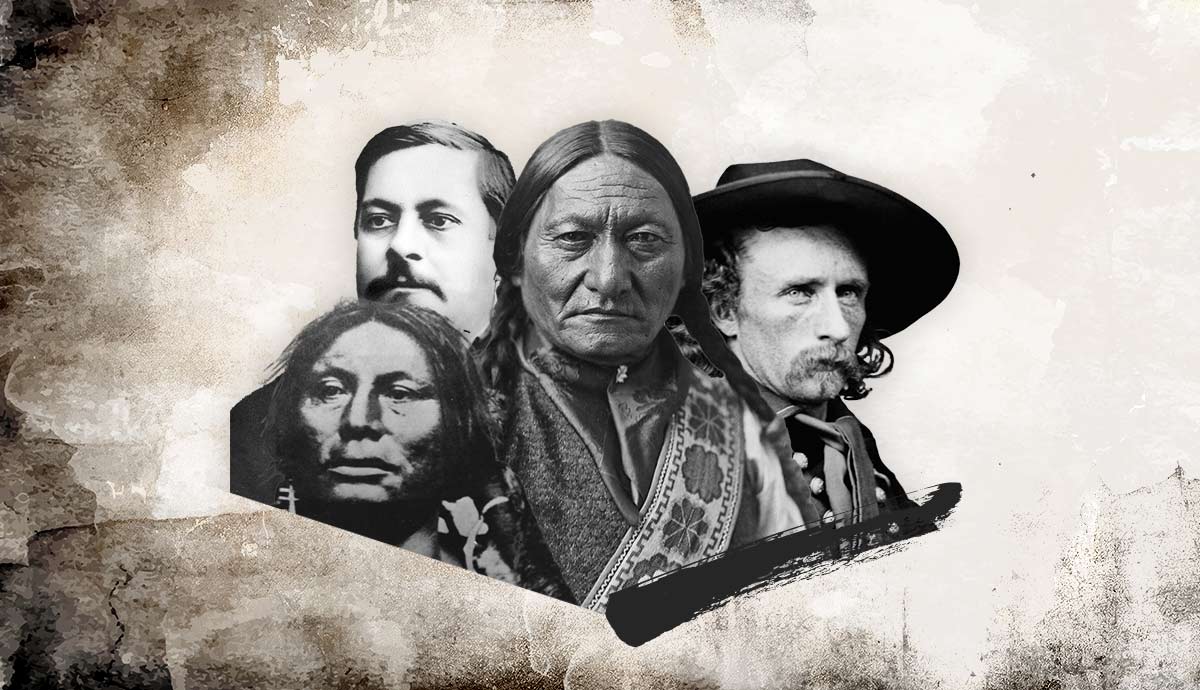
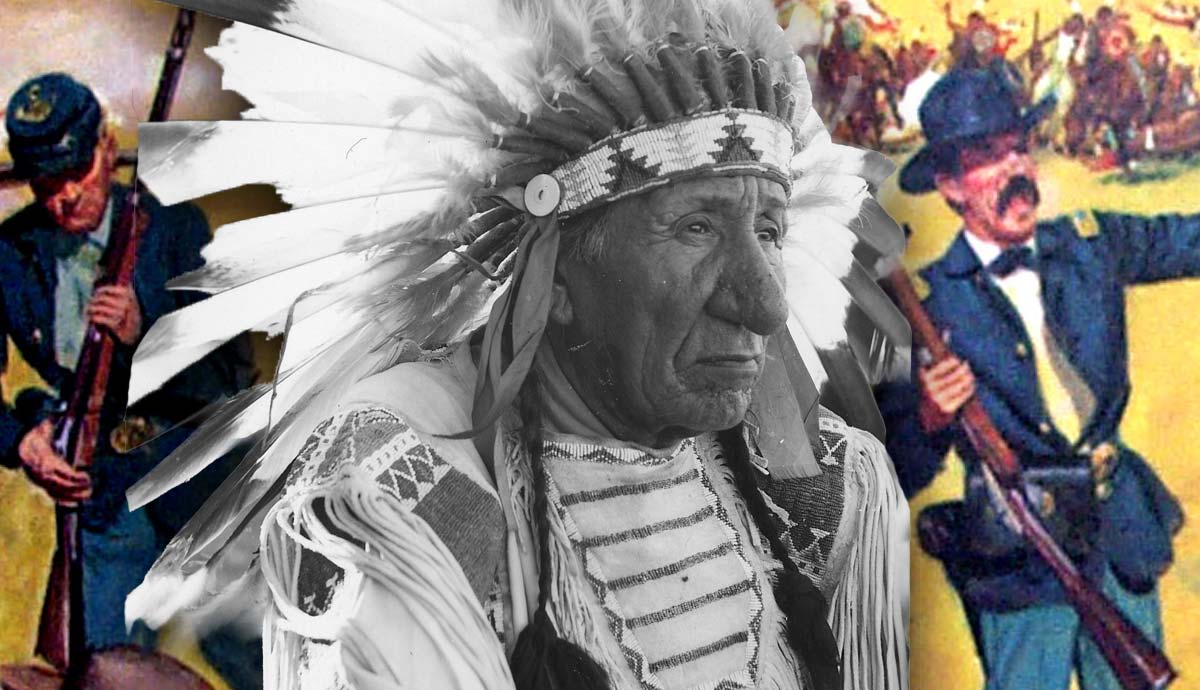
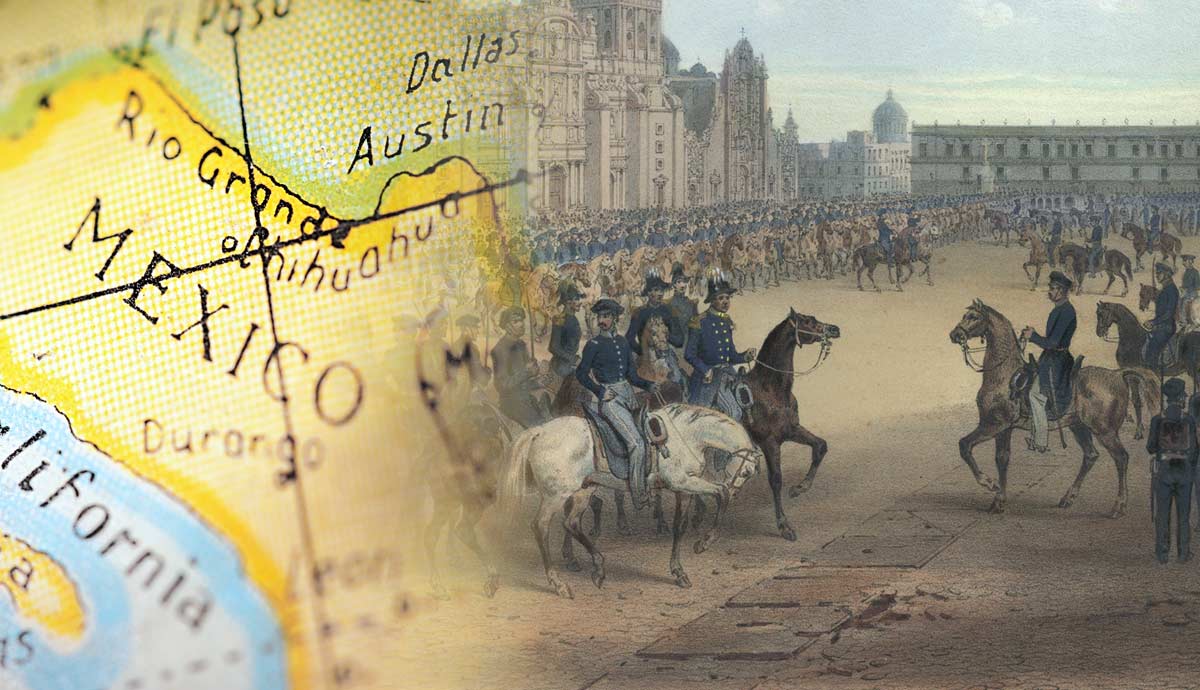
A member of the Chiricahua Apache tribe, Geronimo grew up in what is now the Southwestern United States in the 1830s. From a young age, he earned a reputation as a fierce warrior. His culture relied heavily on raiding to sustain themselves, and he proved himself a skilled member of tribal forces. In 1858, Geronimo was stunned when he returned home from a Mexican trading trip to find his wife, mother, and three children had been executed by Mexican soldiers. In his grief, Geronimo vowed revenge on the Mexicans and spent the next decade exacting his vengeance. Later, his tribe would enter conflict with the encroaching United States, which was determined to keep moving westward in pursuit of Manifest Destiny.
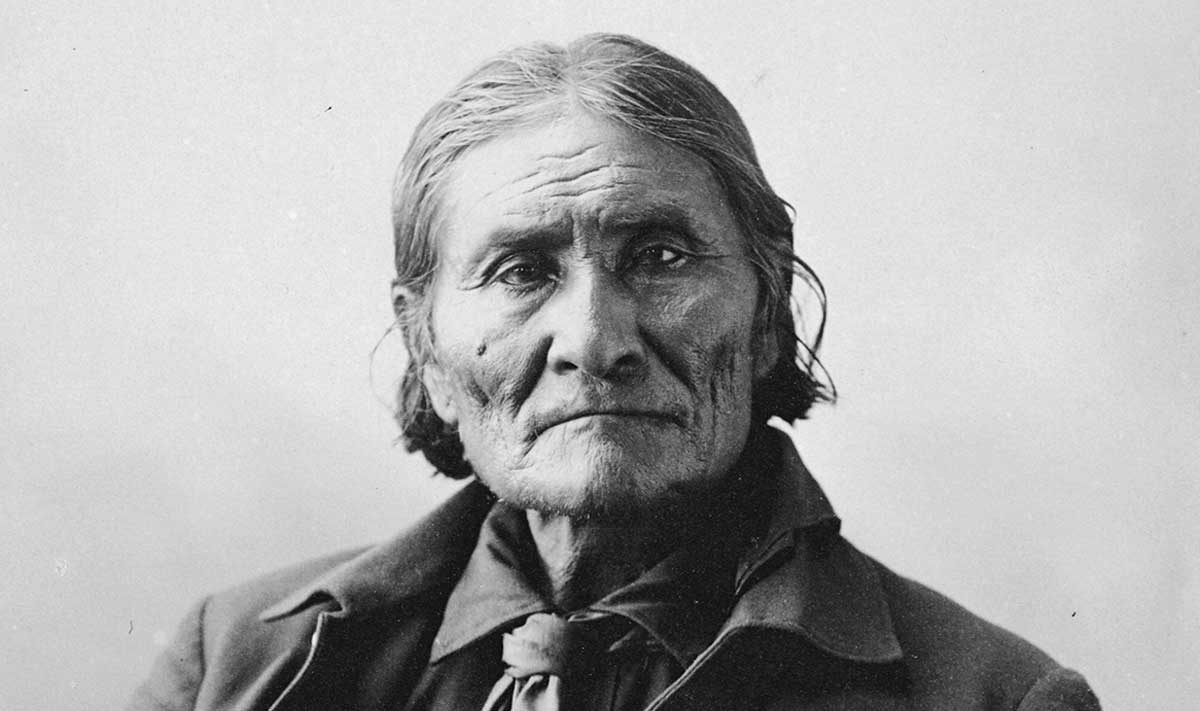
Geronimo became one of the last holdouts of American Indian resistance, escaping his assigned reservations numerous times before a final surrender and arrest in 1886. He was then transported to a prison in Florida, followed by one in Alabama, before spending his remaining fourteen years encamped at Fort Sill in Oklahoma. In total, Geronimo spent 27 years in captivity. He remained dedicated to his people and culture until the end, stating on his deathbed in 1909, “I never should have surrendered.”
4. James Forten Walked Home
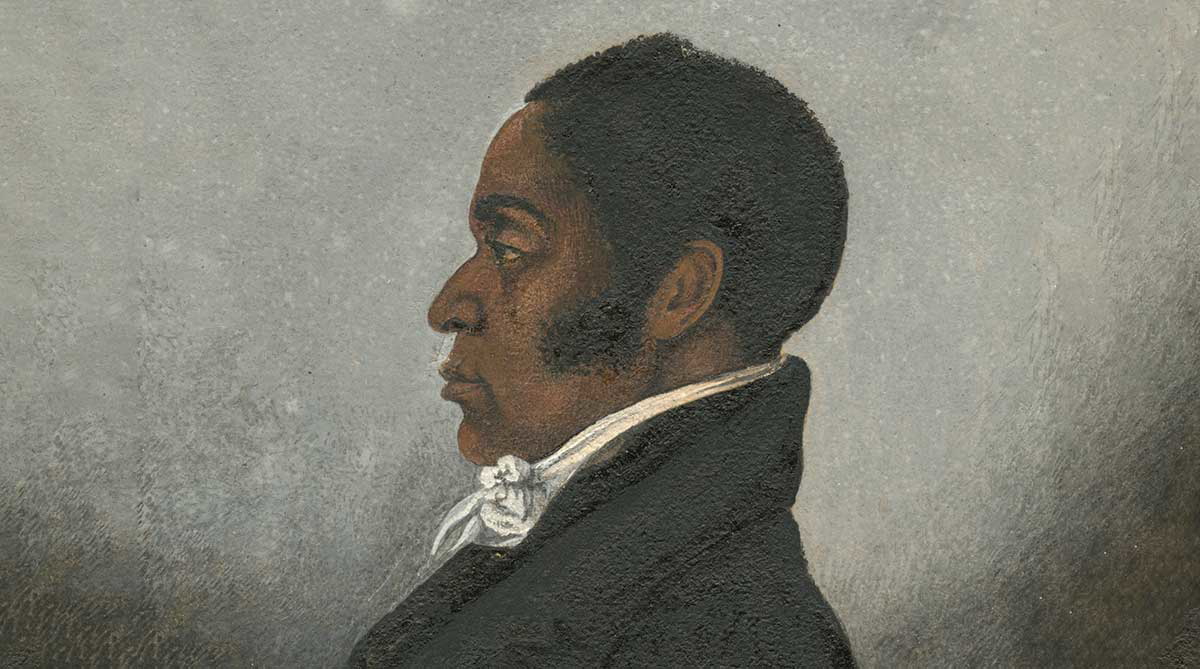
James Forten was born September 2, 1766, on the eve of the Revolutionary War. Born a free person of African descent in Philadelphia, of which there were approximately 100 at the time, Forten grew up with the shadow of American slavery hanging over his family. The Fortens lived the best they could, knowing that they could potentially be captured and sold south at any time. Forten’s father was a sailmaker, and James was involved in his father’s work from a young age, playing and helping out in the sail shop. Young Forten observed the events leading up to the Revolution and was present when the Declaration of Independence was read in the state house yard.
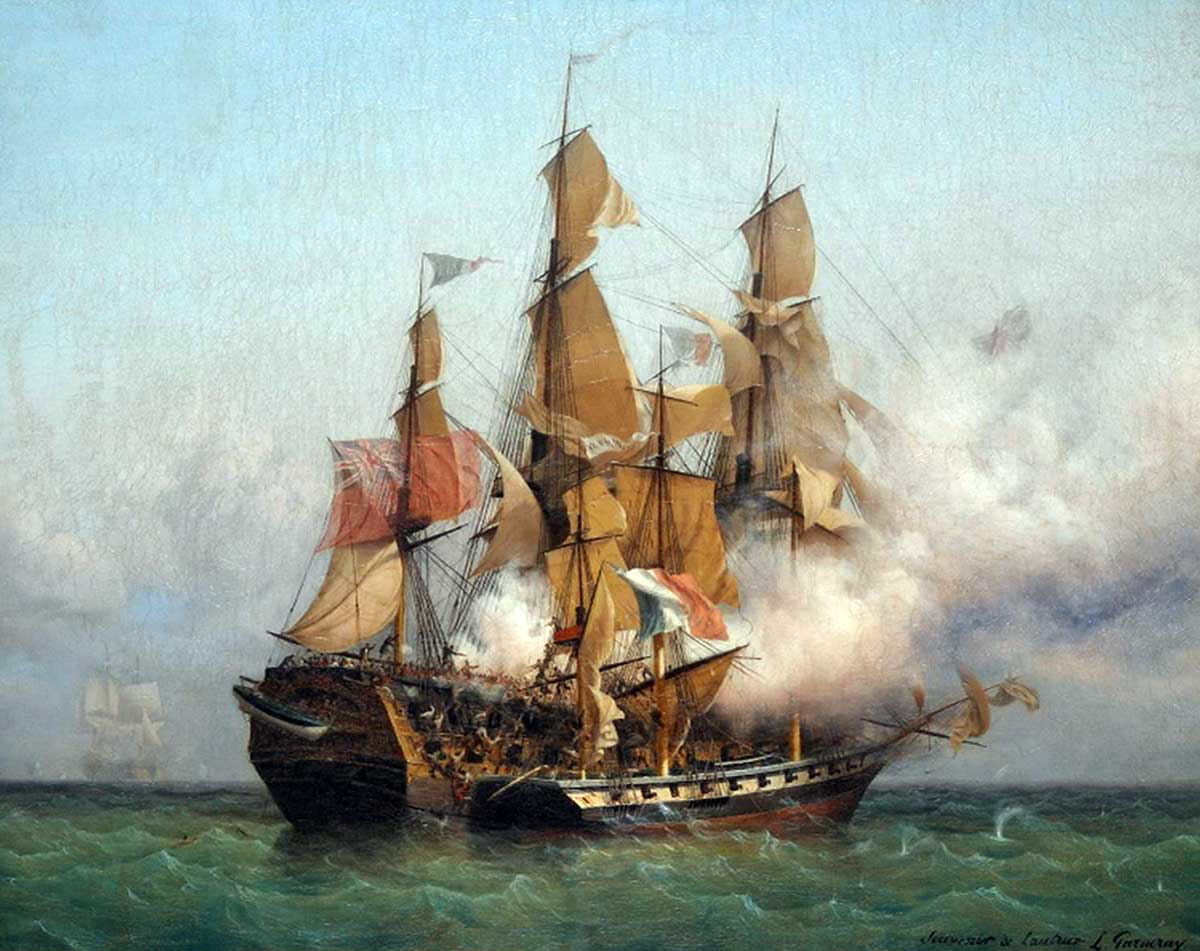
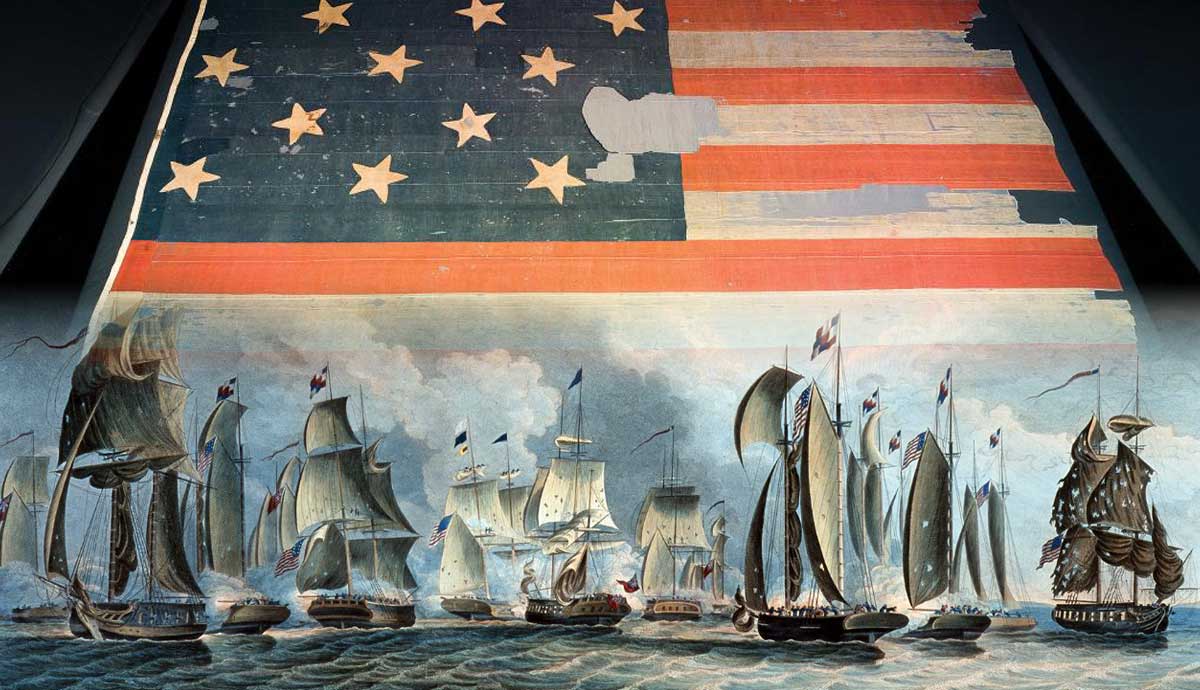
After his father’s death, Forten went to sea, serving as a powder boy on the Royal Louis, an American privateer. His job was a dangerous one, as it involved moving explosive gunpowder around the busy ship. The British navy eventually captured the ship, and 14-year-old James found himself in even more danger—the British military had a history of selling Black individuals supporting the patriot cause into slavery in the West Indies. However, Forten became friends with the British captain’s son and was offered an alternative: renounce allegiance to America and come to England. To the captain’s surprise, James refused, and he was sent to a British prison ship. The floating jail was overcrowded and rife with disease, but Forten managed to survive, and seven months later, he was released in Brooklyn, New York. Faced with no other alternative, he walked home to Philadelphia, much to the delight of his mother, who had assumed he was dead.
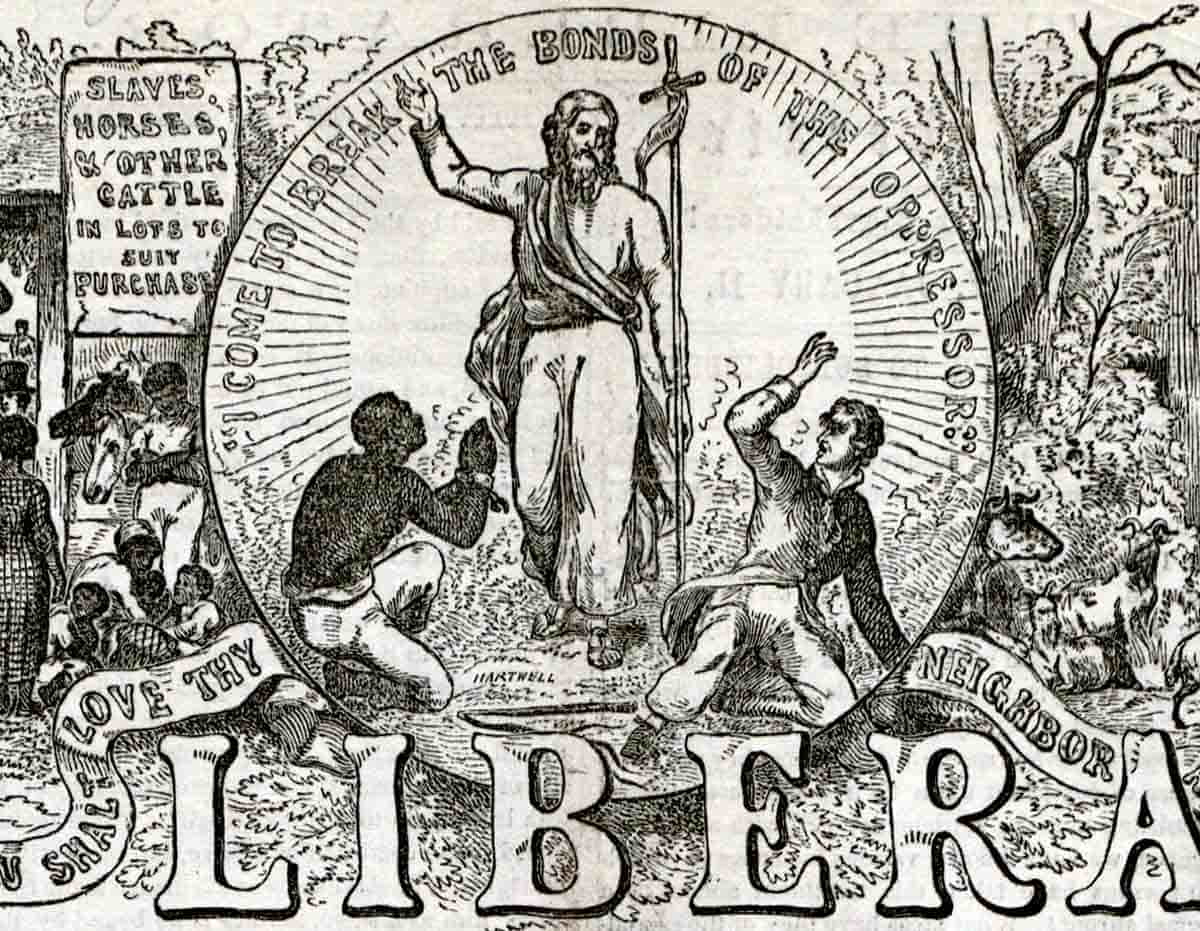
James’ remarkable exploits didn’t end with the Revolutionary War. He became a tireless advocate for civil rights for all people. He lobbied politicians to strike down anti-Black bills, such as one that would require all new Black Pennsylvania residents to register with the state. Forten returned to the sail-making business and earned a fortune that rivaled the wealthiest in Philadelphia, regardless of race.
He channeled his fortune into abolitionist and equal-rights causes, funding an abolitionist newspaper and writing a pamphlet titled Letters From a Man of Colour. He married and had eight children. Upon his death at age 75 in 1842, thousands, Black and white alike, attended his funeral.