
In 1960 Brazil moved its capital from Rio de Janeiro to Brasilia, which had been purpose built in just four years. Relocating the capital to the interior of Brazil was a long-standing goal of the Brazilian government, but in the mid-1950s a newly elected Brazilian government decided to act because Rio de Janeiro had become so overpopulated that it could not effectively serve as the capital. The construction of Brasilia deep in the interior of Brazil also allowed the Brazilian government to demonstrate Brazil’s progress and development.
Moving the Capital Was a Long-standing Goal
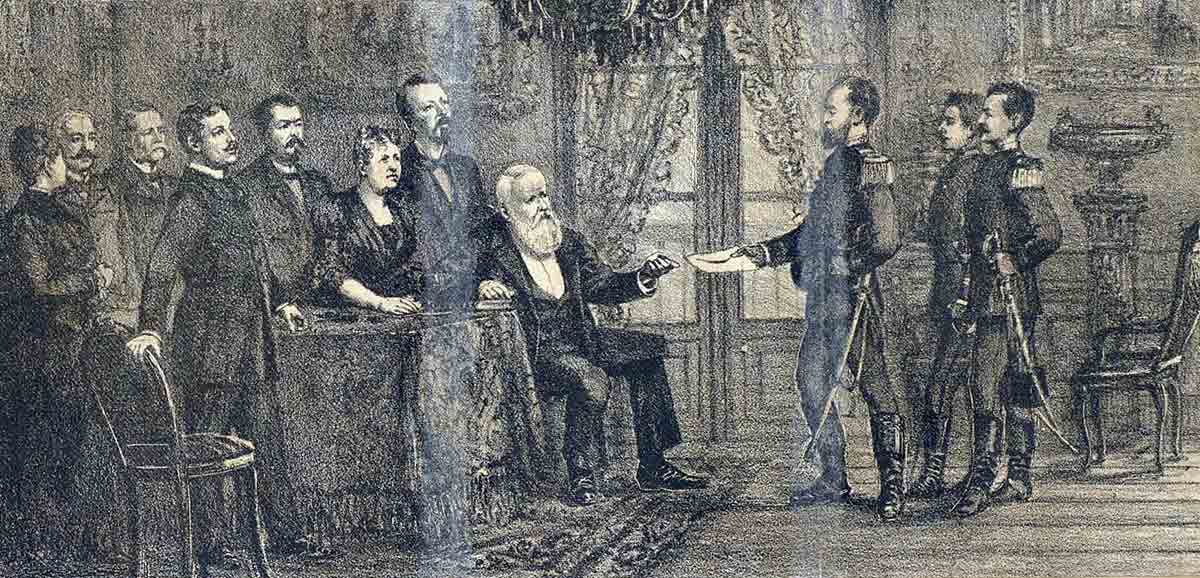
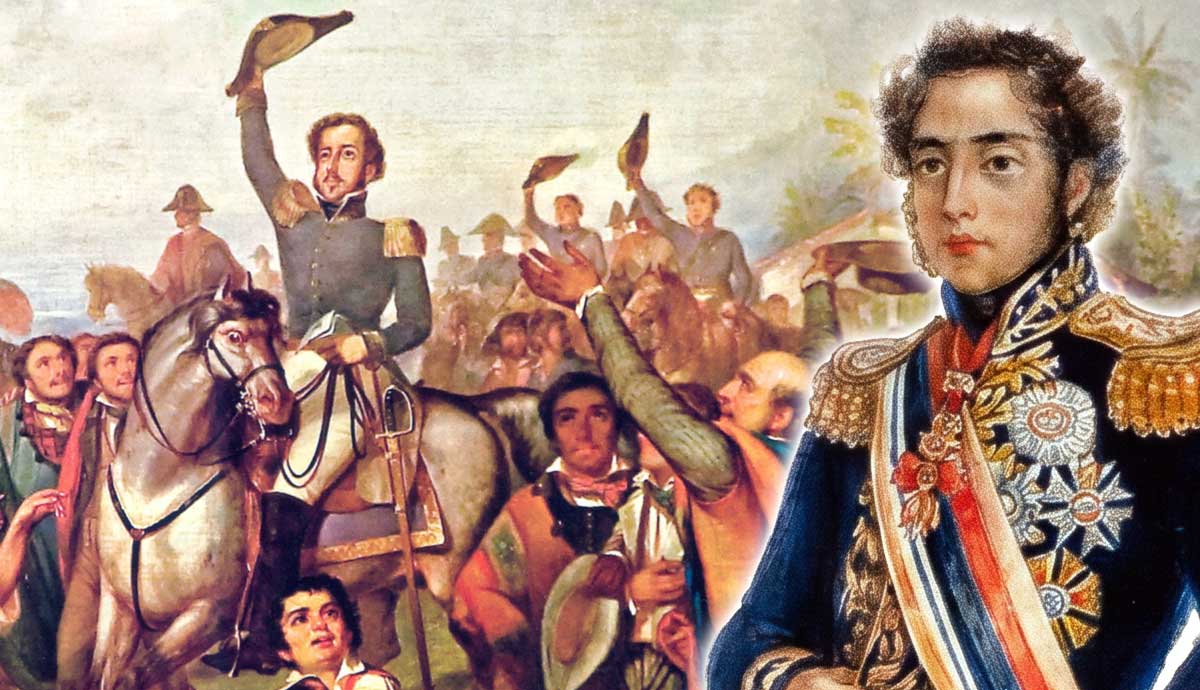
In 1889 Emperor Pedro II was overthrown and Brazil became a republic. One of the objectives of the new government was to relocate the capital from Rio de Janeiro. The republican government felt that Rio de Janeiro commanded a disproportionate amount of economic and political power and that moving the capital would improve equity between Brazil’s various regions. There was also a fear that Rio de Janeiro was vulnerable to naval attacks.
In the first constitution adopted after the overthrow of the monarchy the new government affirmed that the capital would be moved from Rio de Janeiro to a central location in Brazil’s interior. However, the constitution did not impose a deadline to complete the relocation.
Expeditions were sent to the interior to map out locations for the future capital in 1892 and 1894, but the project languished for decades as subsequent governments focused on more pressing issues.
By the Mid-1950s Rio de Janeiro Was no Longer a Suitable Capital
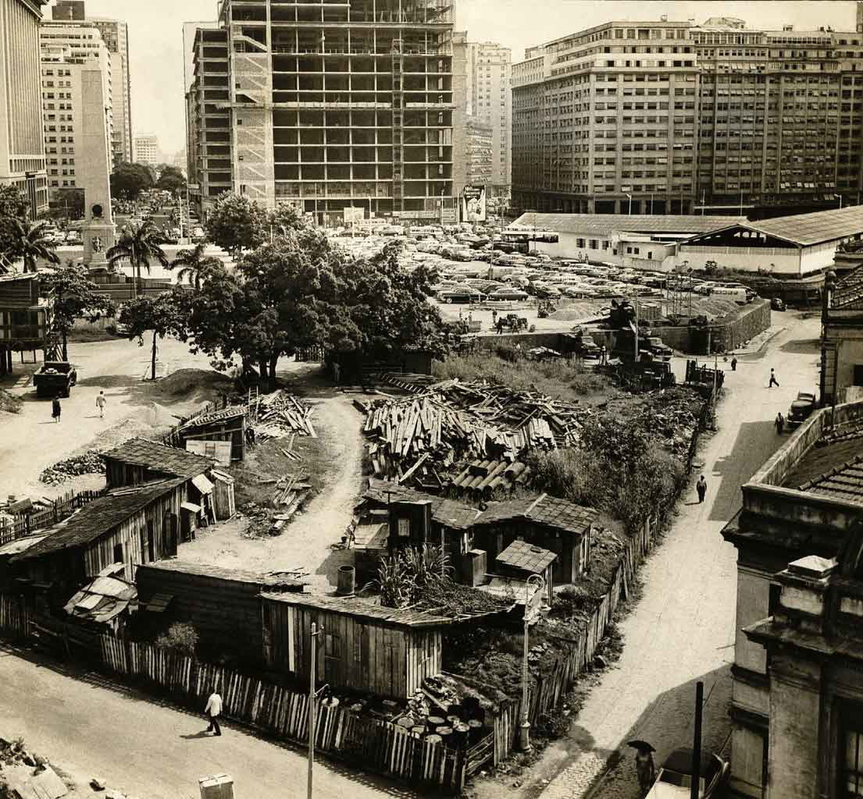
There was a new push to relocate the capital following the election of Juscelino Kubitschek as President of Brazil in 1955. Kubitschek had promised in his campaign that he would fulfill the longstanding goal of relocating the capital and by the mid-1950s it was increasingly necessary.
The Second World War had spurred significant economic development in Rio de Janeiro, but it also led to severe overcrowding and the development of slums. The inability of Rio de Janeiro’s infrastructure to keep pace with its population growth caused civil unrest and concerns that the government could be overwhelmed by protests and riots. The Brazilian military was particularly concerned during the Cold War of the threat posed by Communist agitators in Rio de Janeiro.
Kutbitschek also believed that removing federal government functions from Rio de Janeiro would free up space and resources for the local government to use for economic and social projects.
Brasilia Was Designed to Demonstrate Brazil’s Progress
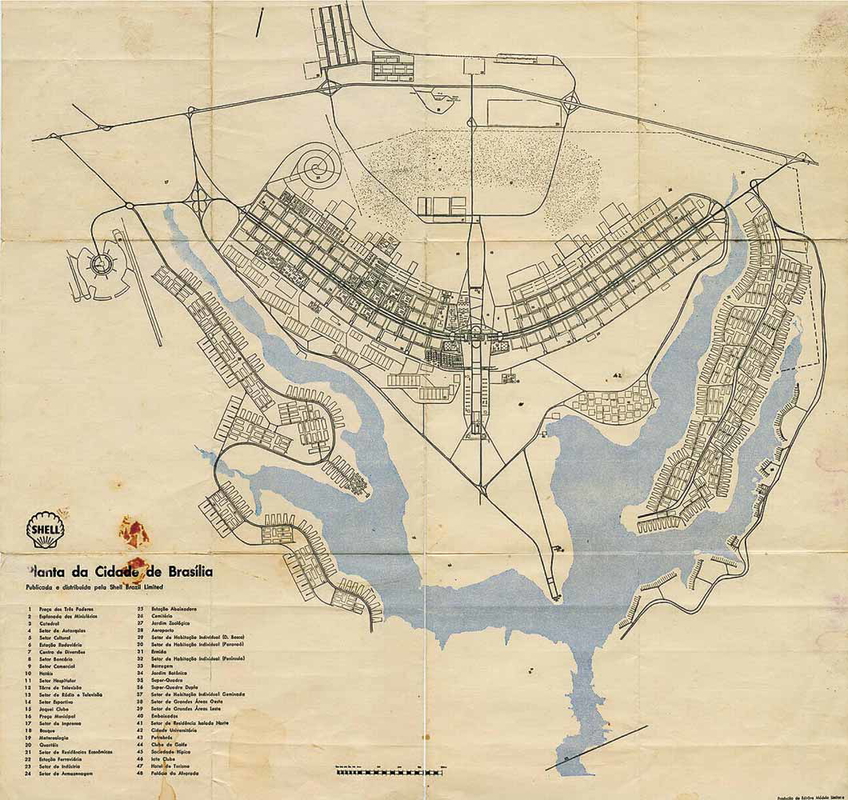
Kubitschek and his administration also believed that constructing a new capital, Brasilia, in the heart of Brazil was an opportunity to highlight Brazil’s progress and development. It was decided that Brasilia would be a planned city using the latest architectural styles and theories about urban planning.
The Brazilian architect Lúcio Costa was put in overall charge of the project and construction started in 1956. Costa retained fellow Brazilian architect Oscar Niemeyer to design many of the government buildings in Brasilia, and Costa and Niemeyer and others used stunning modernist designs for many of the buildings.
Subsequently, Costa developed a plan for the city that resembled a giant airplane with different neighborhoods assigned to different functions, such as government and residential areas. Costa attempted, with some success, to design housing that would promote the mixing of classes and discourage the development of the slums that plagued Rio de Janeiro.
A Modernist City in the Heart of Brazil
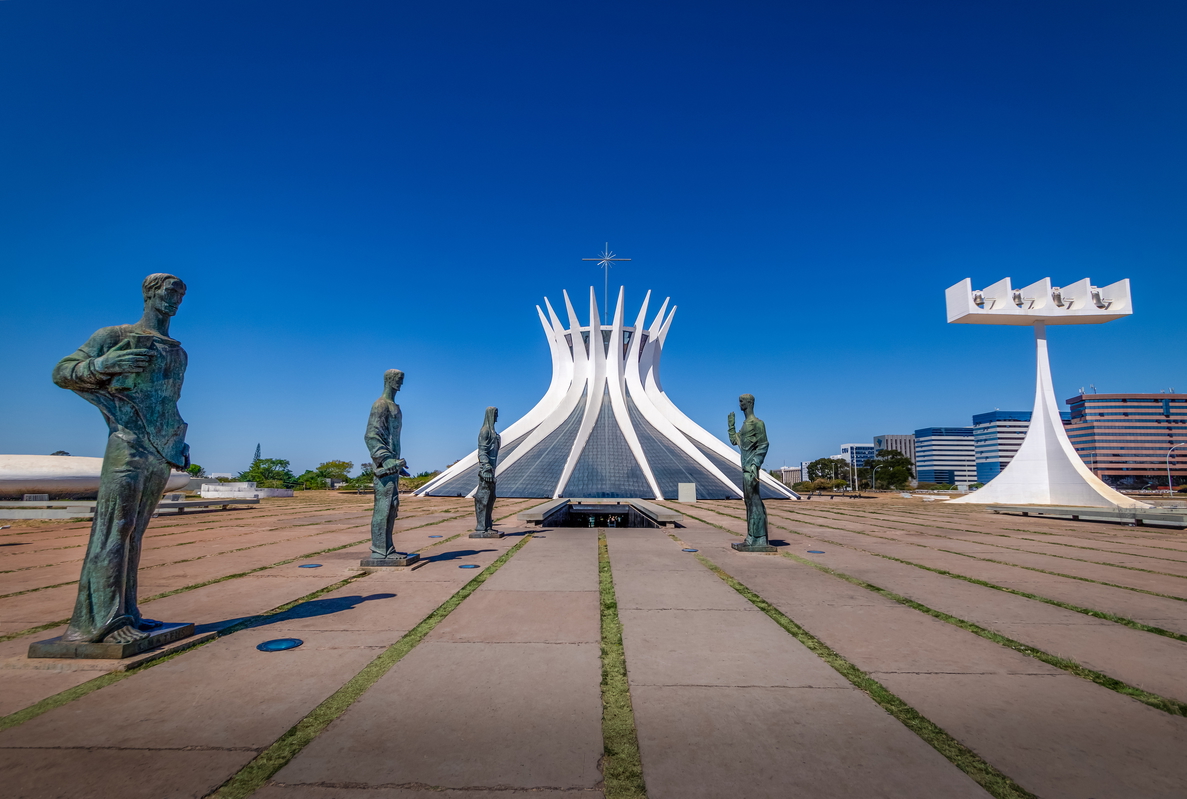
The construction of Brasilia was completed in just four years and in 1960 Brasilia officially became Brazil’s capital. There was some controversy over the cost of the project, but in 1960 the construction of Brasilia was widely hailed as a triumph for Kubitschek’s administration.
Subsequently, concerns were raised about whether Costa’s plans could accommodate a significantly increased population. In the decades following its inauguration, the population of Brasilia grew well beyond Costa’s projections thus leading to the development of urban sprawl and pressure on the housing supply. While Costa planned for a population of around 500,000, approximately 3 million Brazilians now live in Brasilia and its surrounding areas.
Nonetheless, the construction of Brasilia was an immense achievement and in 1987 Brasilia was recognized by UNESCO as a World Heritage Site. Today Brasilia endures as an iconic example of modernist architecture and urban planning in the heart of Brazil’s interior.