The Book of Genesis mentions the region of Canaan which plays a central role in Israelite history before the Israelites existed as a nation. According to the Bible, it was the land of the descendants of Canaan, the grandson of Noah (Genesis 10:19). Canaan’s legacy seems to have permeated the ethos of Canaanite culture. The area became synonymous with idolatry, and many different nations and tribes occupied parts of Canaan during Biblical history. The promised land fell within the borders of Canaan, and the people of God had to take it by force. In time, the name Canaan was replaced with other names as the territory was divided among nations.
The Backstory of Canaan
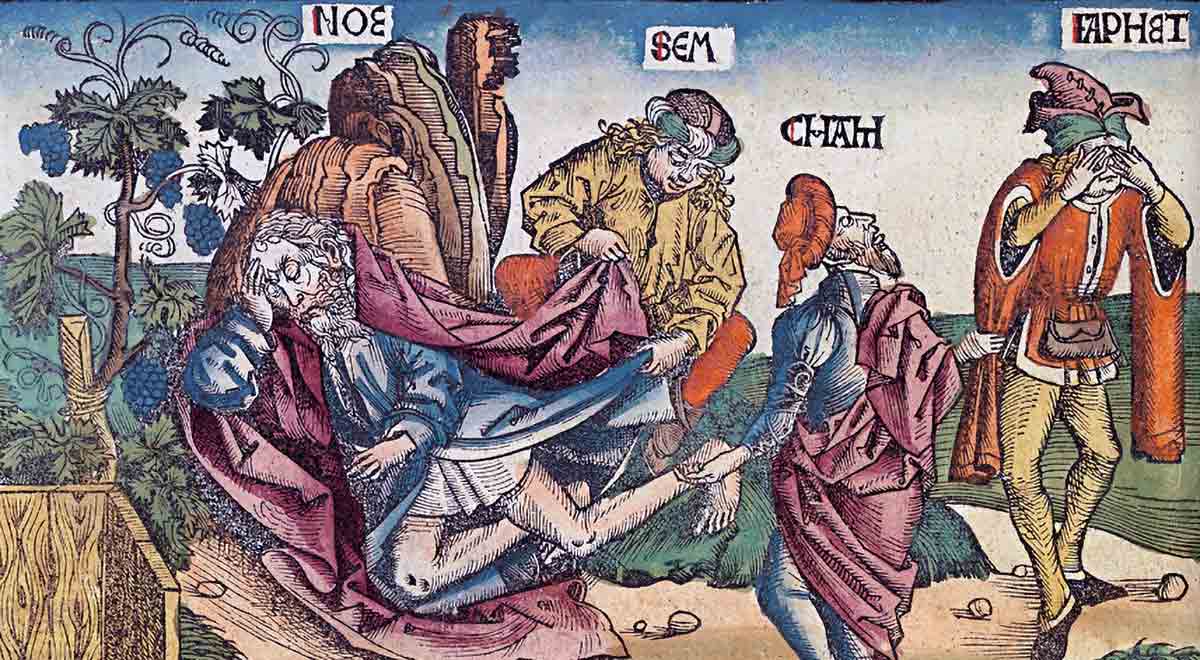
In the Bible, the land Canaan derives its name from Canaan, the son of Ham, and grandson of Noah. An enigmatic passage from Genesis 9 causes some scholars to speculate that Canaan was sexually immoral. Genesis 9:20-27 reads:
“Noah began to be a man of the soil, and he planted a vineyard. He drank of the wine and became drunk and lay uncovered in his tent. And Ham, the father of Canaan, saw the nakedness of his father and told his two brothers outside. Then Shem and Japheth took a garment, laid it on both their shoulders, and walked backward and covered the nakedness of their father. Their faces were turned backward, and they did not see their father’s nakedness. When Noah awoke from his wine and knew what his youngest son had done to him, he said, ‘Cursed be Canaan; a servant of servants shall he be to his brothers.’ He also said, ‘Blessed be the LORD, the God of Shem; and let Canaan be his servant. May God enlarge Japheth, and let him dwell in the tents of Shem, and let Canaan be his servant.’”
What exactly happened between Noah and Ham, and why Noah cursed Canaan, is unclear. Some scholars have speculated that sexual impropriety occurred that may have involved Canaan. The connection between the “youngest son,” which could also refer to a son’s son, and Noah cursing Canaan, may directly implicate the grandson.
Leviticus 18:7-8 shows how the phrase “the nakedness of” often appears in the context of sexual interaction. Though the text does not directly make such a claim, a minority of theologians believe Canaan may have had sexual contact with Noah during his drunkenness, possibly even sodomizing his grandfather. These scholars claim it would explain how Noah “knew” what had been done to him and cursed the culprit.
The descendants of Canaan dispersed and occupied territory that the Bible later called Canaan (Genesis 10:15-19).
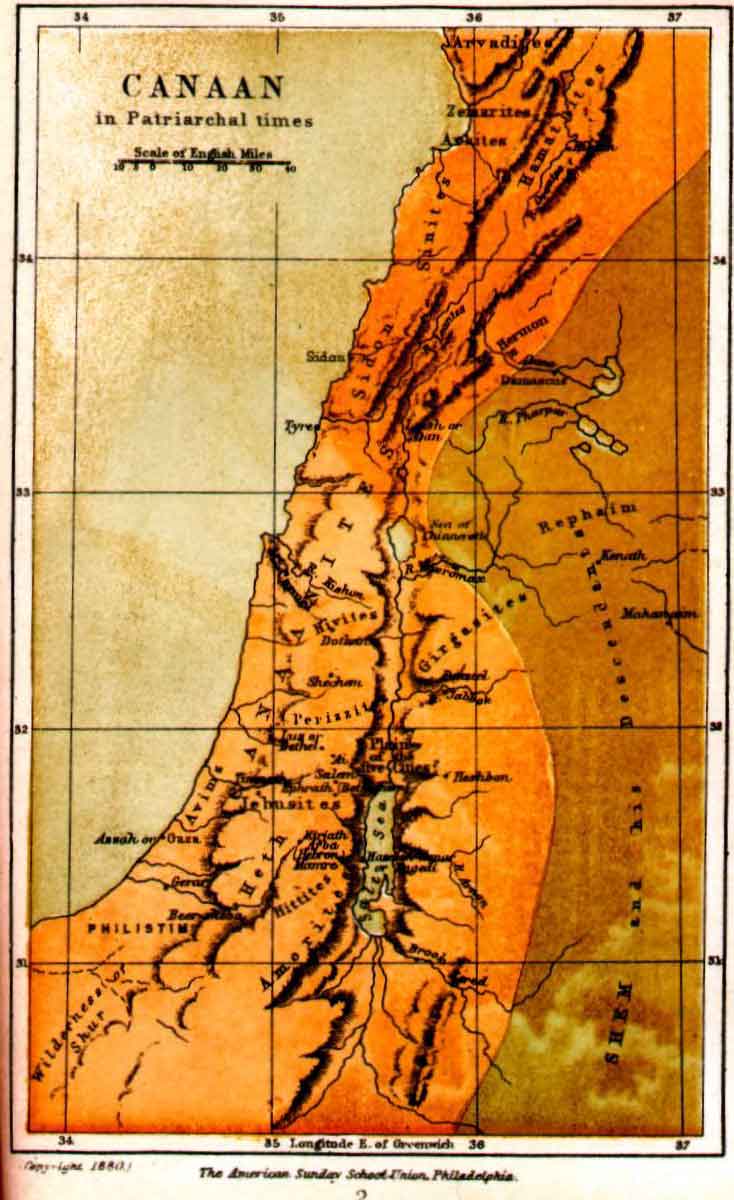
It is important to understand that the term “Canaanites” does not refer to a single nation or people. The Canaanites were different nations that occupied territory within Canaan. Among them were the Ammonites, Amorites, Hivites, Jebusites, Moabites, Philistines, and Phoenicians. The Canaanite nations shared cultural and linguistic traits due to their proximity to one another and their shared heritage.
Some see the later occupation of Canaan by the Israelites, who subdued its inhabitants, as the fulfillment of the curse of Noah put on Canaan. The Israelites were descendants of Shem.
The Land of Canaan
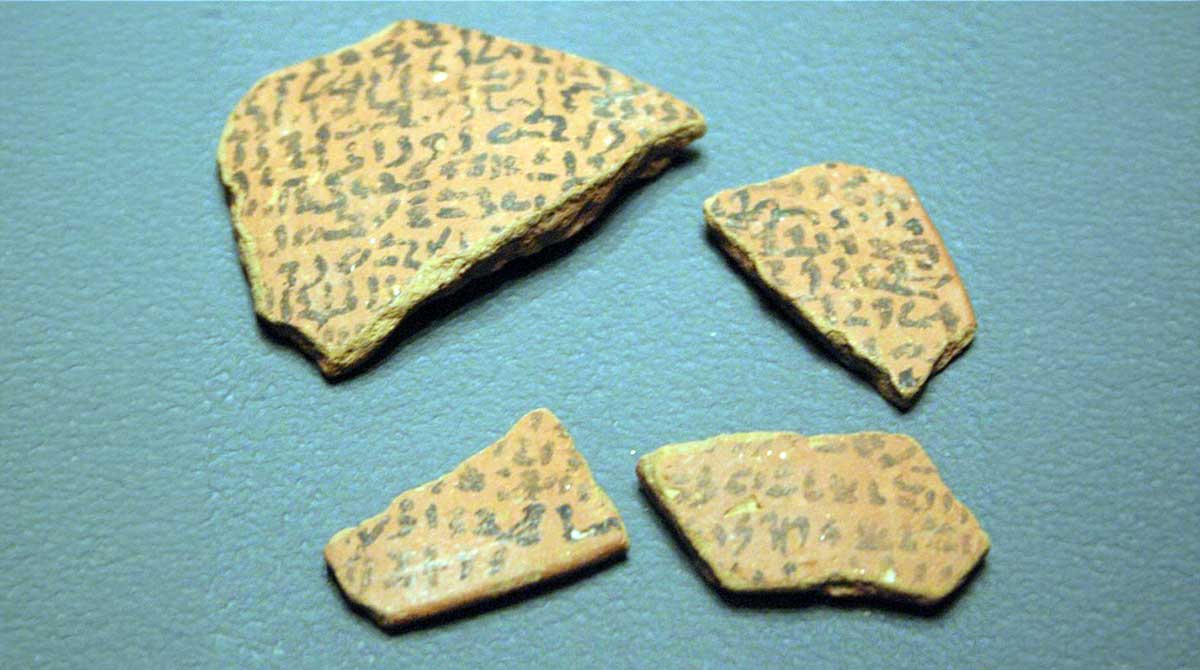
The Ebla Tablets, dated to around 2400–2250 BCE, mention several cities associated with the Canaanites, but they do not mention the Canaanites by name. Among the oldest records that mention the Canaanites are Egyptian sources like the Execration Texts dated to the 19th-18th century BCE, which mention Jerusalem (Urusalim), Ashkelon, and Shechem, and the Mari Tablets (18th century BCE), which mention the “Kinahhu,” who many scholars believe were the Canaanites.
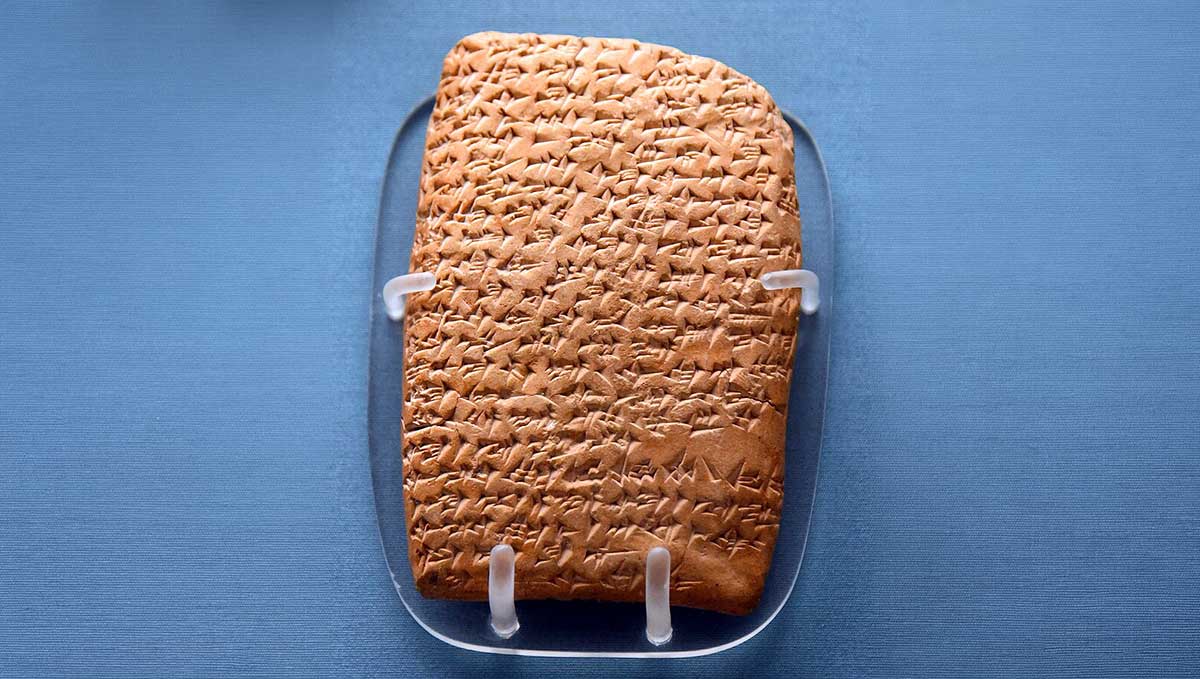
Later, the Amarna Letters, diplomatic letters from kings of Jerusalem (Urusalim), Gezer, and Megiddo asking for protection against invaders and dated to the 14th century BCE, reference the Canaanites. It shows that Canaan and the Canaanites were an established and widely known territory and people group.
Canaan was the land God sent Abram to (Genesis 12:5-7, 15:18-21). The territory roughly corresponds to modern-day Israel, Palestine, Lebanon, western Jordan, and parts of Syria. Different passages from the Bible have varying descriptions of its borders, so it is difficult to determine exactly how to define the extremities of Canaan (Genesis 10:19, Genesis 15:18-21, Numbers 34:1-12).
Canaan was a well-known geographical area in ancient times, and many Egyptian and Mesopotamian inscriptions mention it by name. The east and west boundaries were the Jordan River and the Mediterranean Sea, while the north and south borders were less well defined.
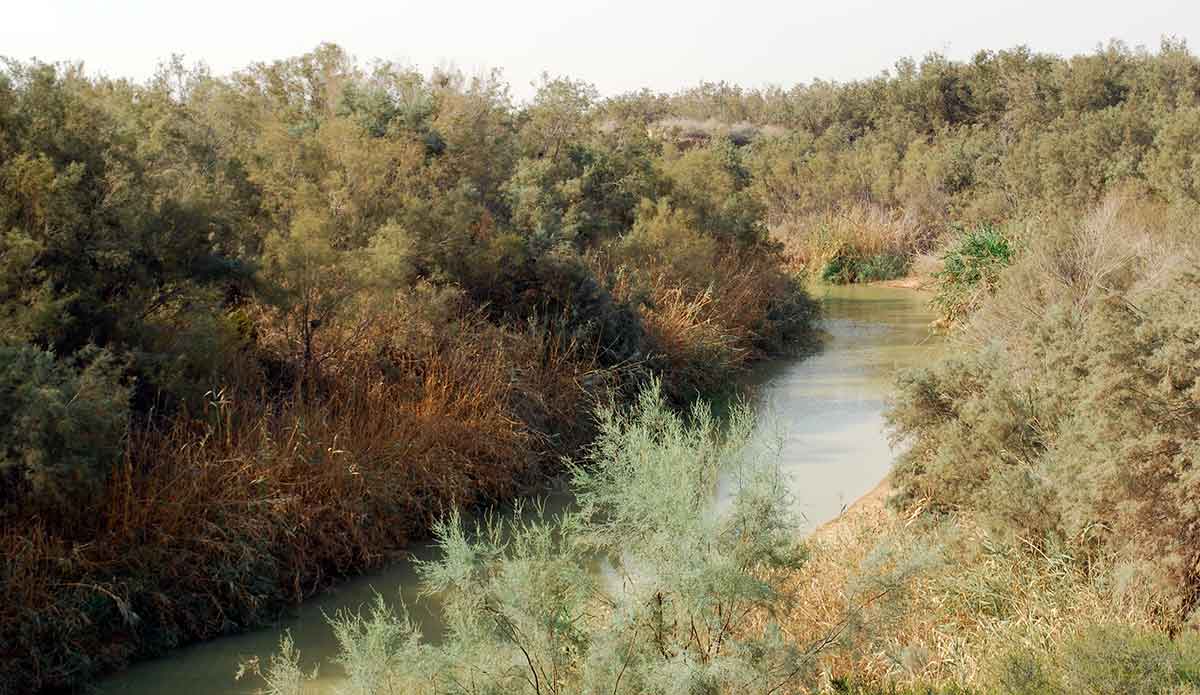
Exodus 3:8 describes this territory as “a land flowing with milk and honey.” Canaan was a significant gateway to other territories, with trade routes running through it due to its location between western Asia, Egypt, and the Mediterranean. As such, the territory had significant military and economic importance as well, making it a target for many empires, including Egypt, that sought to control it and have it as a buffer zone between them and kingdoms to their north and northeast.
Archaeologists have discovered pottery from Canaan in Egypt, Mesopotamia, and Anatolia. Pottery and artifacts from various parts of the wider Near East found in Canaan show how important this area was to regional trade.
The Bible depicts the inhabitants of Canaan as wicked and immoral, with polytheistic religions abounding among them. One of the deities many Canaanites worshiped was Moloch, whose worship included child sacrifice. Several Israelite kings, like Solomon and Ahab, also fell into idolatry, setting up places of worship to pagan gods.
Conflict in Canaan
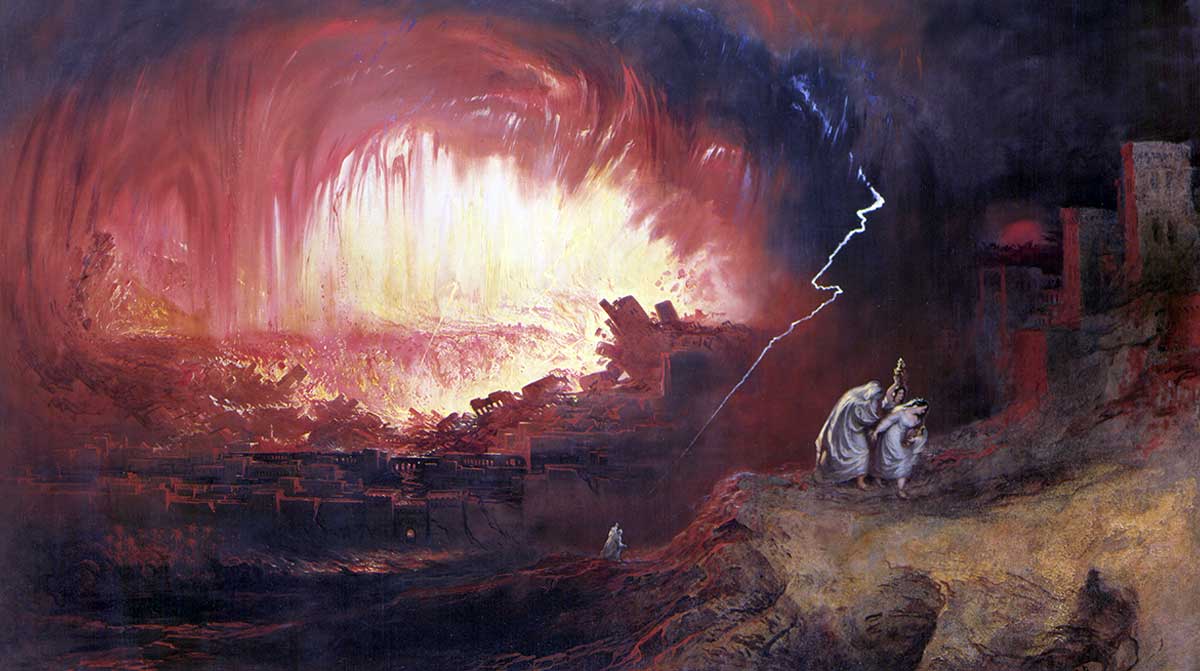
When God established a covenant with Abram, renaming him Abraham in the process, he promised the land to his servant as an inheritance (Genesis 17:8). Even before this covenant, Abram had already experienced the conflict this region has been known for. In Genesis 14, the kings of Shinar, Ellasar, Elam, and Goiim, made war in an alliance against cities like Sodom, Gomorrah, Admah, Zeboiim, and Bela (Zoar). When they conquered and raided Sodom, they took Lot and his possessions as part of their loot.
When news of his nephew’s situation reached Abram, he took 318 of his trained men and set off to free his kinsman, Lot’s possessions, and everyone associated with him. Abram also looted the looters and tithed to Melchizedek from his loot.
History confirms much of what we learn from the Bible. Several significant city-states that were politically independent from one another would form coalitions and fight one another for resources and land.
Thutmose I, the third pharaoh of Egypt’s 18th Dynasty, who reigned from 1506 to 1493 BCE, led military campaigns into the Levant and beyond. He waged war against many of the city-states in Canaan and subjugated them. They paid tribute to Egypt until his death, when most of the Canaanite cities freed themselves from oppression.
When the Israelites left Egypt, Canaan was occupied by the Canaanites, the Hittites, the Amorites, the Perizzites, the Hivites, and the Jebusites. Most of these were descendants of Canaan or part of the larger Semitic and Hamitic peoples, so they were distant relations.
Several nations associated with the giants in the Bible also lived there, resulting in some spies believing it impossible to conquer the land when they returned from their reconnaissance mission. The lack of faith among the Israelites resulted in a 40-year sojourn in the desert before a new generation would take Canaan by force.

God instructed the Israelites to drive the Canaanites from the Promised Land and destroy their idols (Exodus 23:31-33, Numbers 33:50-56, Deuteronomy 7:1-5, Deuteronomy 20:16-18). The Israelites did not heed this instruction, which caused many problems for them and the later monarchs of Israel. The Gibeonites were one of the first nations spared. In their case, they tricked the Israelites into sparing them.
The Annals of Thutmose III indicate that Egypt controlled much Canaanite territory during his reign. Canaan became a territory of Egypt and remained a vassal for centuries after the Battle of Megiddo. The situation changed in the middle of the 12th century BCE when the Sea People flooded the Levant. Archaeological evidence shows that during this time, many cities were abandoned. Egypt withdrew many of its resources from Canaan to protect against the invasion of Egypt. Later, Egyptians again invaded Canaan, and the Merneptah Stele (c. 1207 BCE) mentions the Israelites as one of the nations that occupied the territory.
The Bible depicts the inhabitants of Canaan as wicked and immoral, with polytheistic religions abounding among them. One of the deities many Canaanites worshiped was Moloch, whose worship included child sacrifice. Several Israelite kings, like Solomon and Ahab, fell into idolatry, setting up places of worship to these pagan gods.
With the rise of the Israelites, Philistines, and Phoenicians in the Levant, the use of the name Canaan gradually decreased. During the Neo-Assyrian & Babylonian periods, the name Canaan disappeared from the historical record. The coastal regions of Canaan are called Phoenicia, and the remainder are called Yehud Medinata (the Kingdom of Judah) and Samaria (the Kingdom of Israel). After the Bar Kochba Revolt, the Romans referred to the region as “Palestina.”
Many scholars believe the Phoenicians embodied Canaanite culture and traditions. They consider the Phoenicians nothing less than coastal Canaanites.