Carl Jung proposed that within each person exist timeless and potent underlying patterns known as archetypes. One of these is what he called the Child Archetype. It is not simply a memory of childhood but an innate part of us all, symbolizing innocent beginnings and unlimited potential (though also including unfulfilled wishes and a capacity for being wounded). This figure appears in dreams, myths, and popular culture—stories that offer healing shifts in perspective if we pay attention to their messages.
The Child Archetype in Jungian Psychology: An Overview
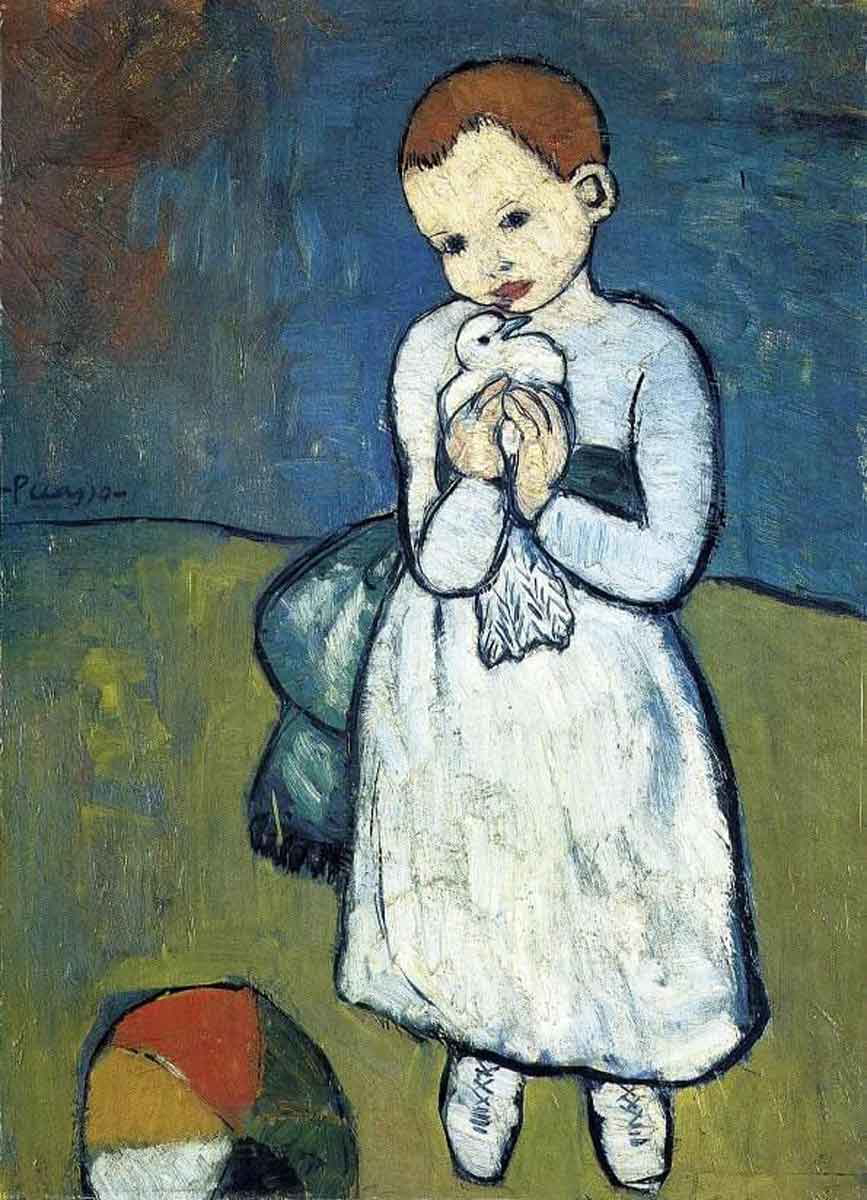
The Child Archetype in Jungian psychology symbolizes far beyond youth. It represents innocence, beginnings, and the potential of what we can be.
Carl Jung believed that this archetype resided deep within our unconscious minds and manifested in dreams, myths, and bedtime stories as a sign that new beginnings and unrealized potentials were nearby.
Two versions of the child regularly appear. One is full of wonder and capability (“divine child”), while the other has strength behind vulnerability alone (“orphan child”).
Both were represented in characters such as Cinderella from Grimm’s fairy tales or Harry Potter by J.K. Rowling. Little people who seem lost or overlooked but are part of something big.
Jung saw the child as a reflection of the Self—the complete, integrated individual who is always in the process of becoming. It reminds us of our potential to grow, heal, and transform. The child is the bridge between what we were and what we’re supposed to be. It embodies the spirit of becoming and the hope of transformation.
Philosophers such as Heraclitus also prized beginnings and wrote that we cannot step into the same river twice—life is constantly changing and flowing.
The child archetype is the source of our inner river: new, living, and with stories untold. It is not about childlike days. It’s about the ongoing adventure of rediscovering who we are.
Innocence, Vulnerability, and the Desire to Belong

Purity, hope, and emotional openness. That’s what a Child Archetype is all about. It involves believing in the goodness of people, trusting them completely, and wanting love without conditions—simply for being who we are.
This type of emotional authenticity is not only beautiful; it is also deeply moving. It also brings with it profound vulnerability. Because children experience feelings so intensely, they are vulnerable to being deeply hurt. And it is this “woundedness” that Carl Jung believed often lies behind many of our adult psychological problems.
Early pain, such as feeling unloved, rejected, or invisible, can give rise to what Jung referred to as the Shadow. All those parts of ourselves that we prefer not to acknowledge publicly (or even privately).
Far from weakening the child archetype, this pain gives it strength. By coming to terms with this aspect of ourselves, we can do more than simply address our suffering. We can open doors to recovery. The wish to be accepted and included unconditionally—to belong—is something everybody feels.
Jean-Jacques Rousseau referred to early mankind as “noble savages”—innocent and inherently good—who were then corrupted by society. Similarly, the child archetype draws our attention to an initial purity that we yearn to reconnect with throughout our lives.
Whether we seek this through friendships, passions, or personal quests, our inner child continues to reach out for connections with others. Acknowledging this sensitive side can mark the start of profound individual growth.
The Divine Child and the Hero’s Journey
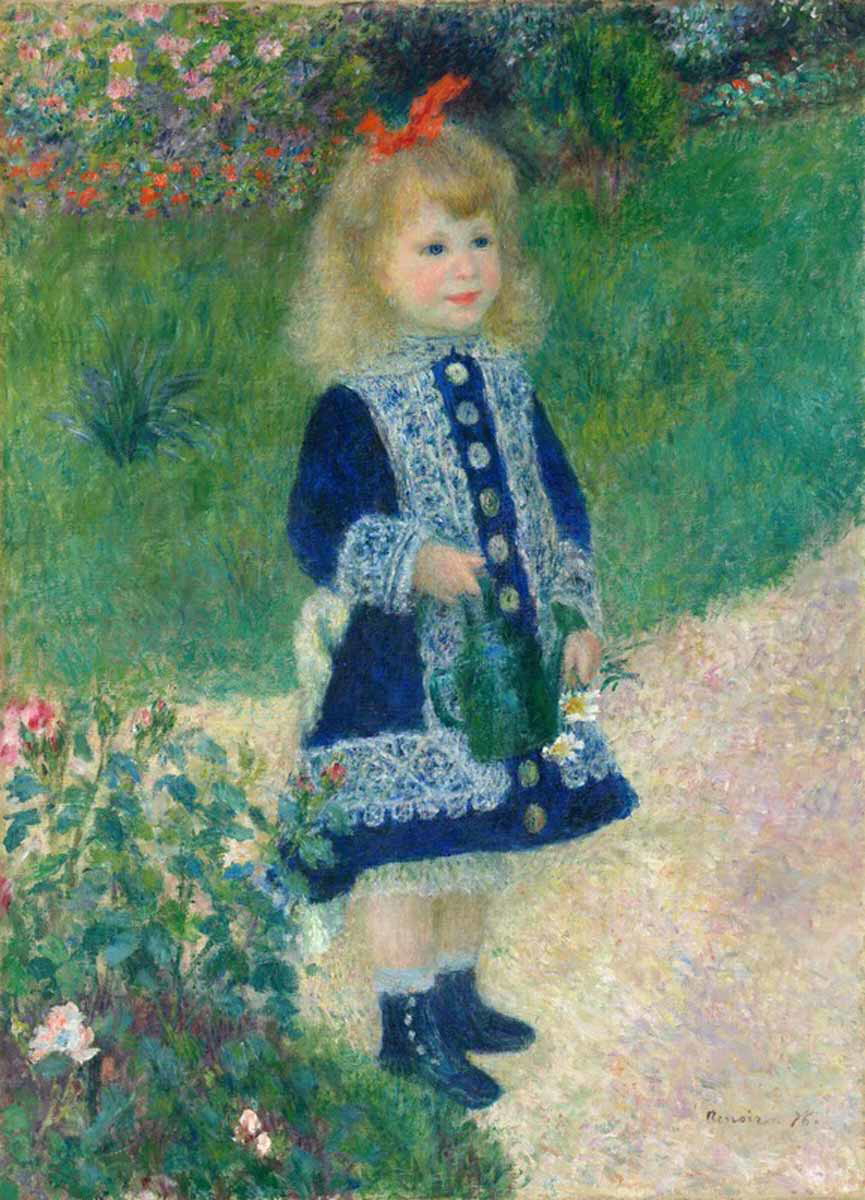
Various mythologies and religions feature a divine child. Do you remember Horus in Egyptian mythology? Krishna in Indian mythology? Jesus in Christianity?
These traditions all tell of an extraordinary boy born under impossible or puzzling circumstances. Not just sweet babies doing funny baby things, but boys whose lives seem to be bound for something great.
Jung thought that the Divine Child represents the future Self in its purest and whole form. It symbolizes the seed of what we are meant to become.
Many mythologies tell how the Divine Child grows up to be a hero or savior who brings healing and balance to the world. Psychologically speaking, this also reflects our inner experience.
We all start with potential, but then pain, loss, and confusion lead us to feel fragmented and divided against ourselves. Jung believed the Divine Child teaches us that even though we may feel broken, there is a way back to integration, to being whole again.
The notion is comparable to Plato’s concept of the soul: pulled between two realms but always striving for unity upon coming back. The divine youngster delivers a similar note.
The point isn’t that you have to be perfect—it’s really about change. When we venerate this kind of image, we recall to mind the fact that there lies within us all an eternal flame that, even in the bleakest darkness, cannot ever be extinguished.
The Child as Symbol of the Future Self
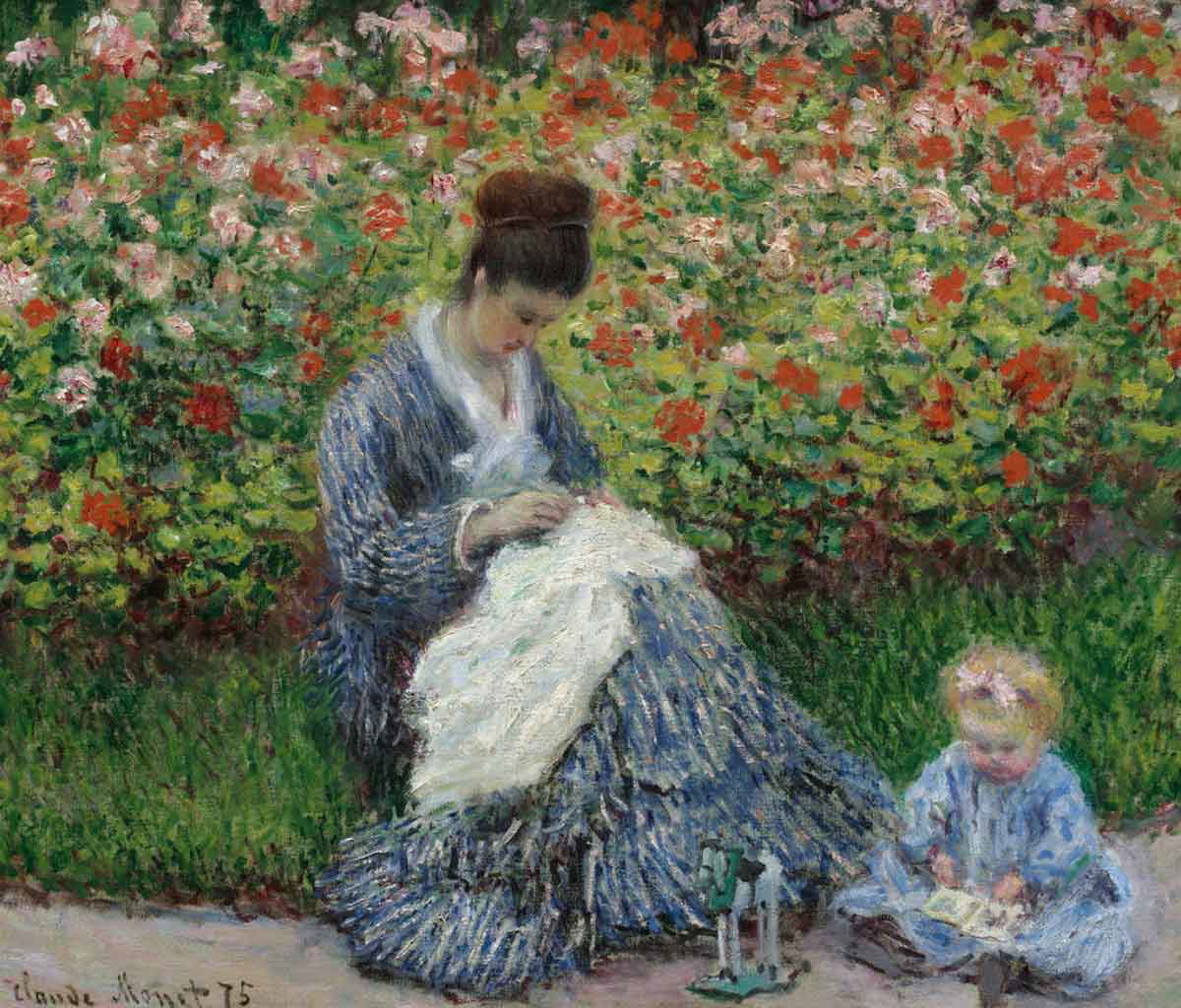
Moreover, the Child Archetype symbolizes more than just the past—it also represents potential future selves. Jung thought of the child as a sign of what could be, still carrying a sense of forward motion with us from birth. It says, ‘Don’t forget, there’s always more growing to do.’ There’s always another chance.
When a kid appears in dreams, Jungians say it’s not necessarily about something you remember from childhood. It could be a way of indicating that something new is waiting to emerge. Something “reborn” or realized for the first time.
In therapy, people may connect with their “inner child” as a means to rediscover lost skills (such as playing), bravery, or happiness. Doing so can be both healing and provide ideas for tomorrow: one way of looking at what Jung called “the process of individuation,” becoming your whole self.
Philosopher Søren Kierkegaard wrote about the self as something we are called to become, not something we automatically are. This demands reflection, honesty, and the courage to embrace uncertainty. The child archetype underpins this voyage. It mumbles, “There’s more to you. Don’t give up.”
When we listen to the child’s plea, we move closer to regeneration, growth, and living in a way that feels more authentic, not just to our past but perhaps to our future selves as well.
The Child Archetype in Modern Culture and Society
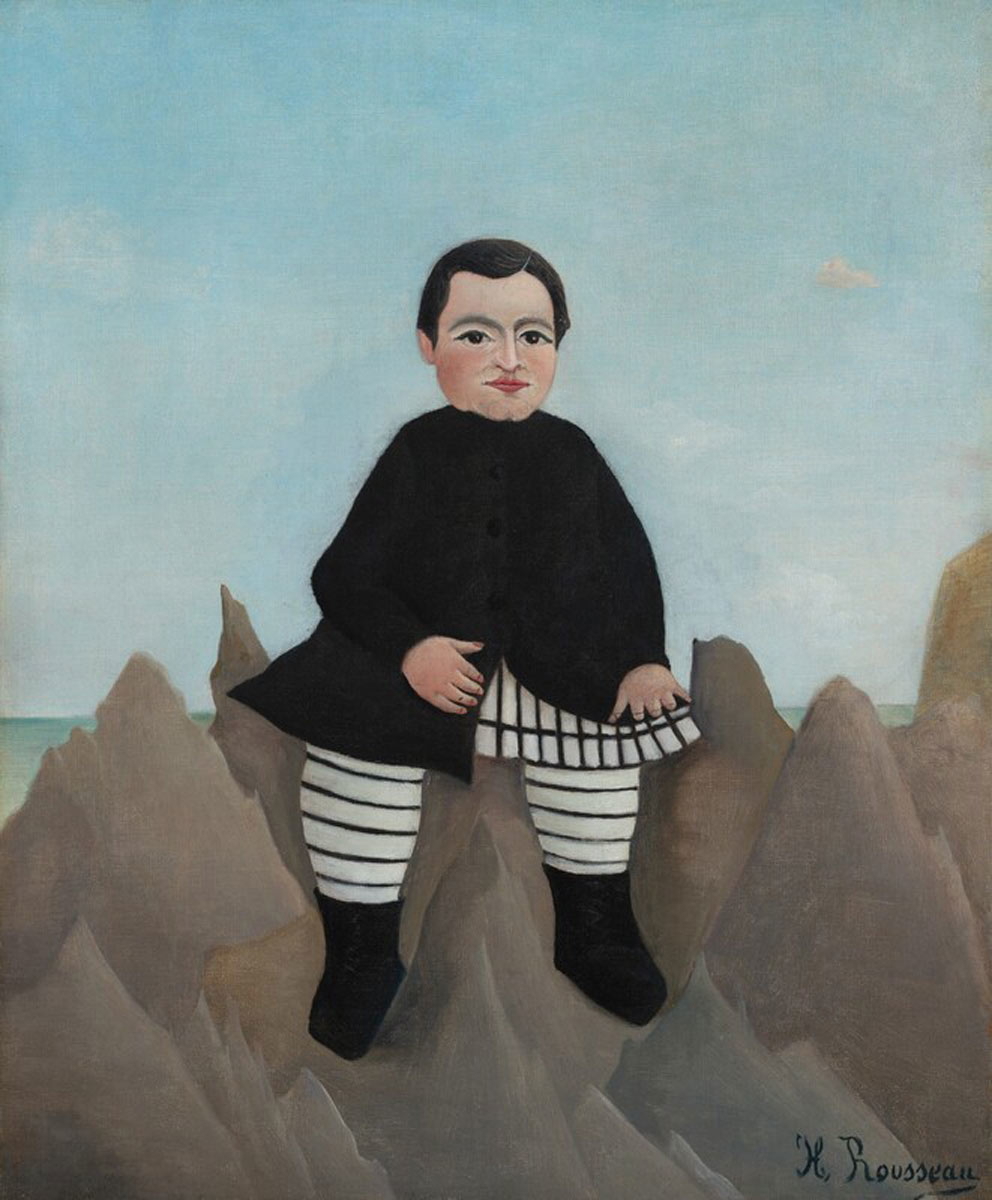
The Child Archetype appears extensively in contemporary culture, particularly in beloved narratives. Consider Harry Potter: an orphaned boy who develops into a heroic figure. Or Luke Skywalker, a farm boy who turns out to be a Jedi. Or Eleven from Stranger Things—this enigmatic child has suffered greatly but possesses amazing capabilities.
Although these characters initially appear fragile, hesitant, or young, there is more to them beneath the surface. What they have within them, like all individuals embodying this archetype, is the courage to change and latent (as-yet unrealized) abilities. In other words, the potential for transformation.
Even in our fast-paced, often cynical world, these stories have the power to move us. Why? Because the child reminds us of what we’ve lost—or forgotten. In a time of stress and burnout, the child archetype brings back wonder, imagination, and emotional honesty.
But society also struggles with children: We project innocence onto them, expecting them to be pure. At the same time, we fear their unpredictability or label them as threats when they deviate from the norm.
Honoring the child archetype leads to wholeness, Jung believed. It teaches us to be gentle with ourselves and with others. Philosophers such as Rousseau also viewed childhood as sacred, regarding it as a key to understanding human nature.
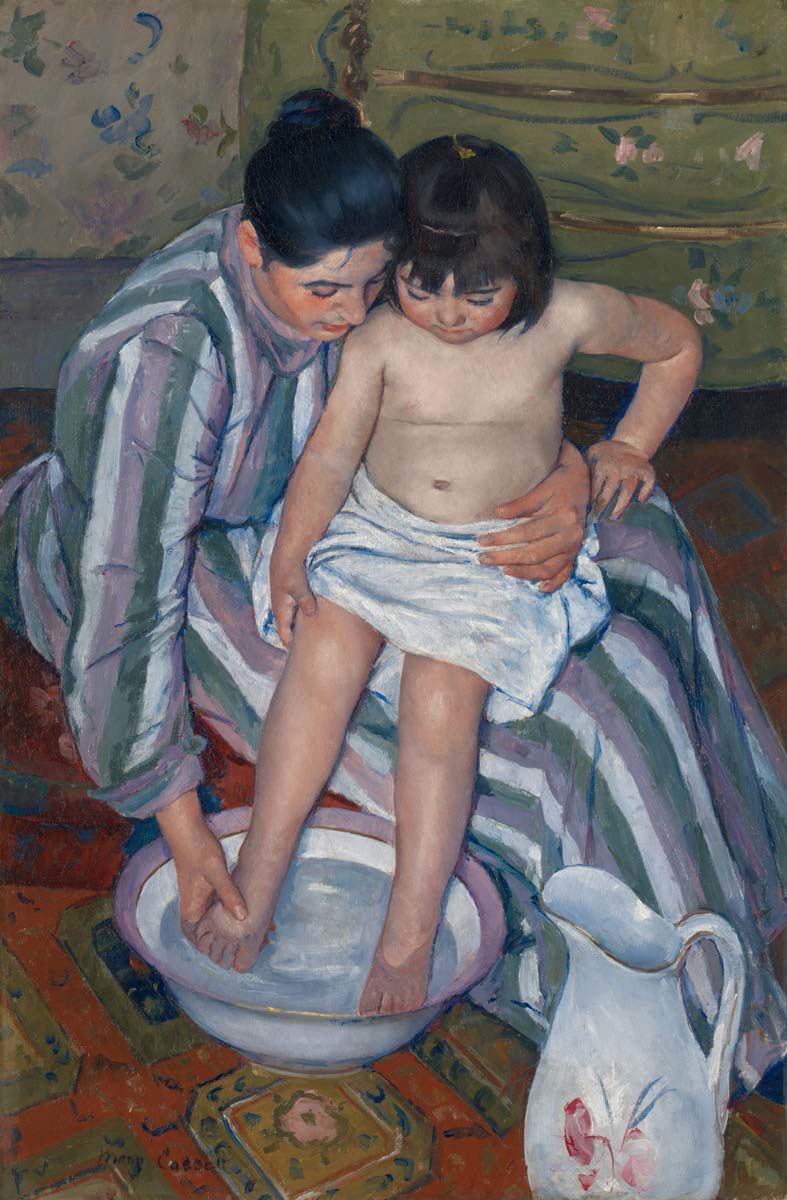
When we honor the child within and around us, we reconnect with compassion, creativity, and hope—things the adult world often forgets.
Jung thought that when people honor the child archetype, they become whole. It also teaches individuals how to treat themselves and others with gentleness.
Other thinkers—such as Rousseau—believed seeing children this way is sacred because it helps us understand what we are like underneath our grown-up personas.
If we take care of both our inner kids and those in the world around us, their qualities (compassion, creativity, and hope, for instance) can come back into our lives afresh: things adults often forget about.
So, What Makes Carl Jung’s Child Archetype Extraordinary?
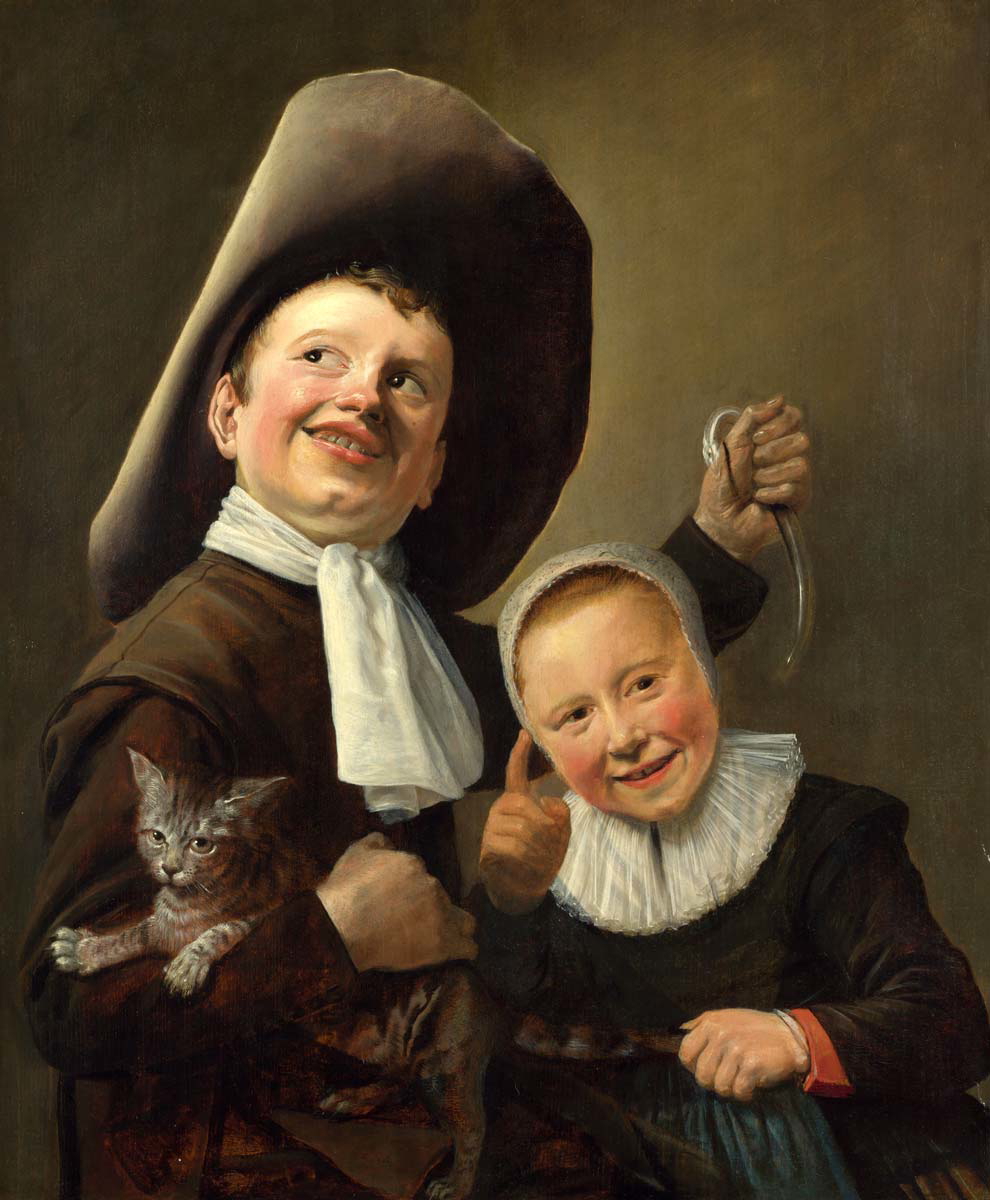
One of Carl Jung’s most significant symbols is the Child Archetype. According to him, it isn’t just about childhood innocence or memories—rather, it symbolizes a profound inner potential that stays with us our entire lives.
This inner child holds our creativity, as well as our hope (and even our pain). It stands for both the path we once set out on and also where our ongoing journey might still take us. Jung believed this figure has healing powers, guiding us from within toward growth and self-acceptance.
So, please ask yourself this question today: What would make my own inner child feel better right now? Safety? Freedom? Or maybe just knowing someone is really listening.
As we tune in to this inner voice, we tap into an older, kinder aspect of ourselves. This allows us to develop, not by toughening up, but by being gentler on ourselves.
Jung tells us that authentic change comes from taking care of things. We need to be kind to ourselves and to our inner child if we want to grow up fully.