Most people know that Saint Nicholas was one of the inspirations for Santa Claus, but he is only one of many Saints associated with the festive season. From Saint Lucy, who brought food to the poor, to Saint Francis of Assisi, who created the first nativity scene, these ten Saints are all celebrated during the Christmas season.
1. Saint Nicholas: The First Father Christmas
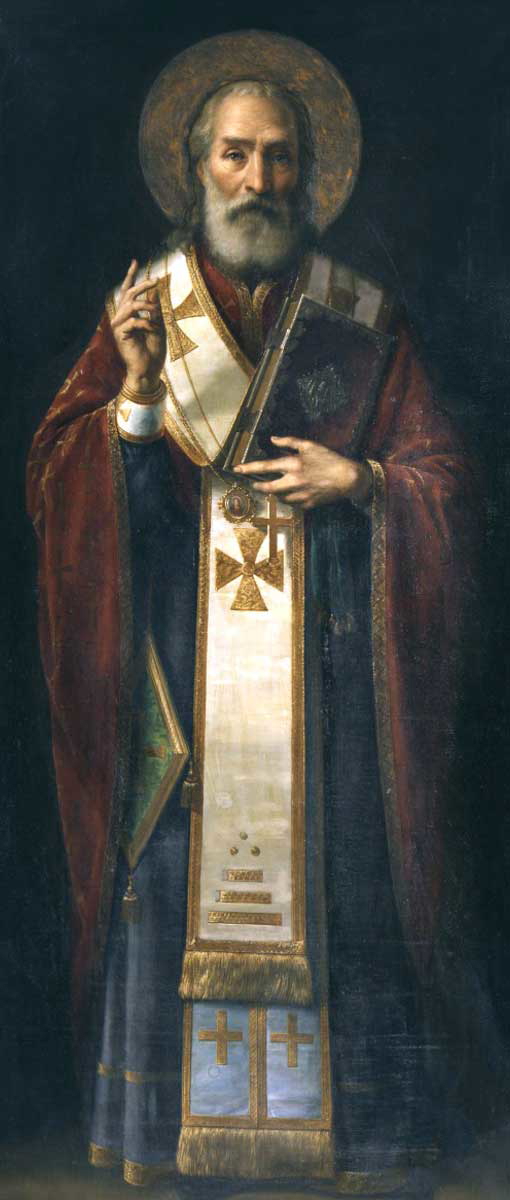
Saint Nicholas. Saint Nick. Father Christmas. Santa Claus. Klaus. Sinterklaas. Kris Kringle. Saint Nicholas goes by many different names and is the saint most closely associated with Christmas. What you call him may depend on your religion, your native language, your location, and your family traditions.
Since the 4th century CE, generous Saint Nicholas has become synonymous with the fat and jolly man who distributes presents to children around Christmas, but the saint and Santa are quite different. Saint Nicholas was born in Patar, Asia Minor; Santa Claus lives in the North Pole. Saint Nicholas died in 343 CE; Santa Claus is ageless. Saint Nicholas is depicted with the robes, miter, and crozier of a Bishop. Santa Claus wears black boots and a red velvet suit and carries a sack of presents over his shoulder. Saint Nicholas was an undoubted historical figure, while children wonder about the existence of Santa.

Saint Nicholas is the Patron Saint of children, coopers, travellers, sailors, repentant thieves, pawnbrokers, prostitutes, brewers, pharmacists, and archers. The Feast Day of Saint Nicholas falls annually on December 6th. In many European countries, children celebrate Saint Nicholas’ Day by leaving out their shoes, which in the morning would be filled with small, personal gifts from Saint Nicholas.
Dutch settlers brought Sinterklass with them to the New World in the 17th century. He quickly entered the broader public imagination with the American poem “A Visit from St Nicholas,” written in 1823 and describing aspects such as his sleigh pulled by flying reindeer. His iconic red suit was introduced in the 1930s with advertising campaigns for Coca-Cola, which is why he wears Coca-Cola red.
2. Saint Ambrose: The Honey-Tongued Doctor
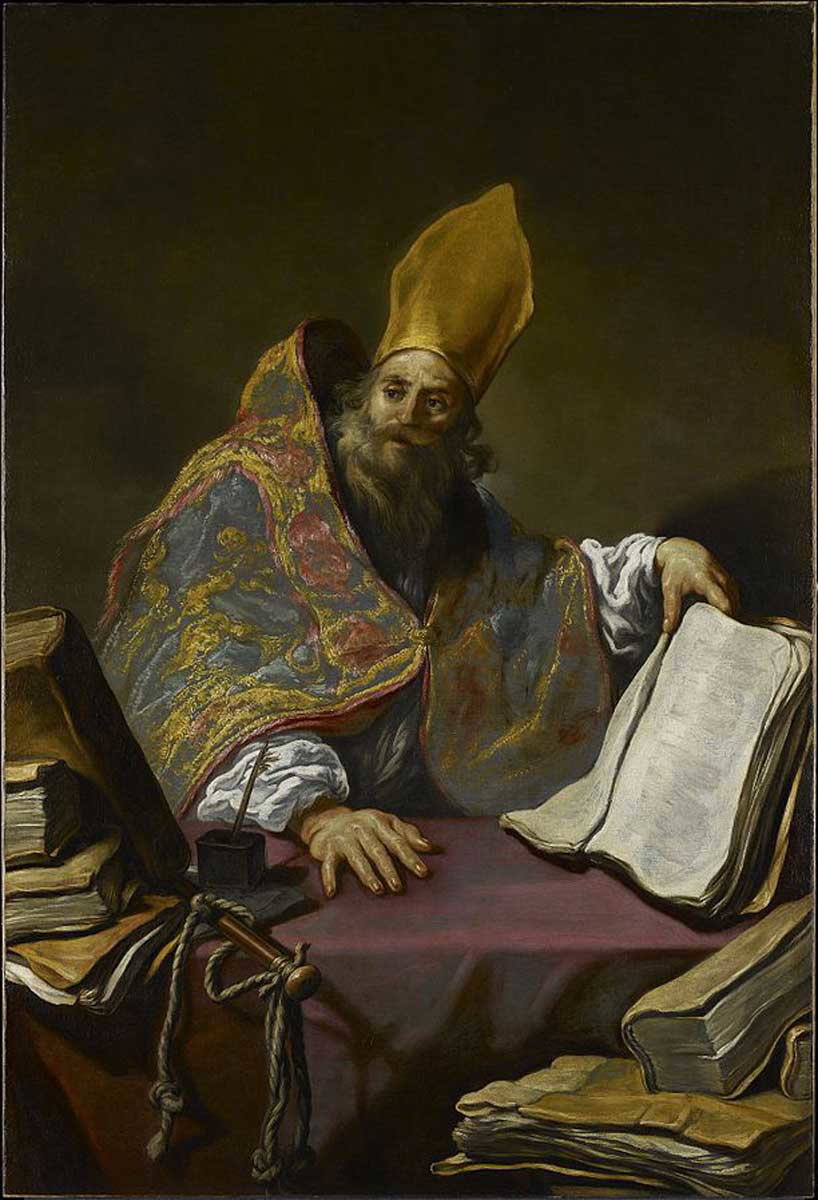
Saint Ambrose lived between 340 and 397 CE, being the Bishop of Milan and a Doctor of the Church. His preaching words, “as sweet as flowing honey,” earned him the epithet “the honey-tongued doctor.” He was considered the patron of bees. Reportedly, as a baby, a swarm of bees settled on his tongue as a sign that he would be a great preacher.
His Feast Day falls on December 7th, the day he was consecrated as a Bishop. In many regions of Italy, the Feast of Saint Ambrose is a public holiday, celebrated by attending Mass or by making and lighting candles of beeswax. Saint Ambrose is the Patron Saint not only of bees and beekeepers, but also of candlemakers, domestic animals, geese, livestock, police officers, and university students.
3. Saint Lucy: The Light of Christmas
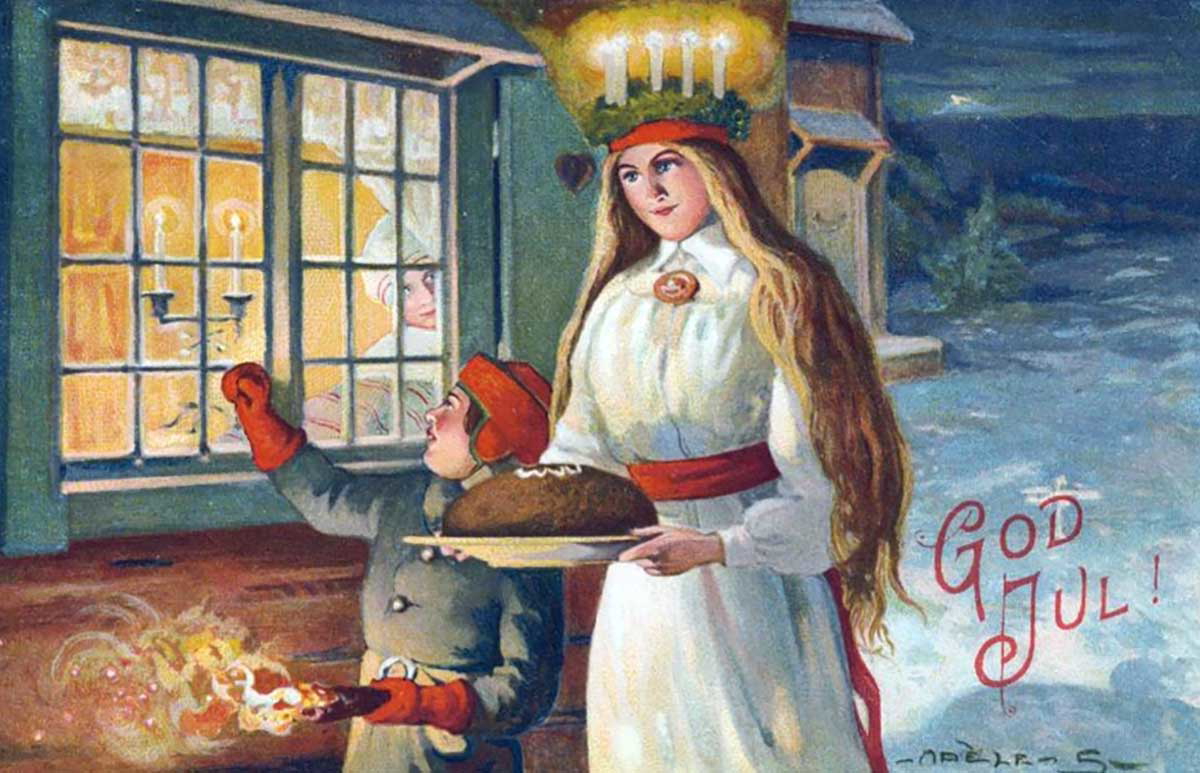
On the evening of December 13th, you are seated in your favorite Cathedral making Christmas preparations. Dimly lit by candles, at the back of the Cathedral, you see a young woman around 20 years old, draped in white velvet, with four candles balanced delicately on her head. You must be celebrating the Feast of Saint Lucy, the Patron Saint of authors, cutlers, glaziers, laborers, martyrs, peasants, saddlers, salesmen, glassworkers, opticians, blindness, and throat infections.
Saint Lucy was born in 283 CE and was martyred in 304 CE at the age of just 21. Her Feast Day has been celebrated on the 13th day of December since the 6th century. As this date falls in the middle of the Advent Season, her story has naturally become associated with the coming of Christmas.
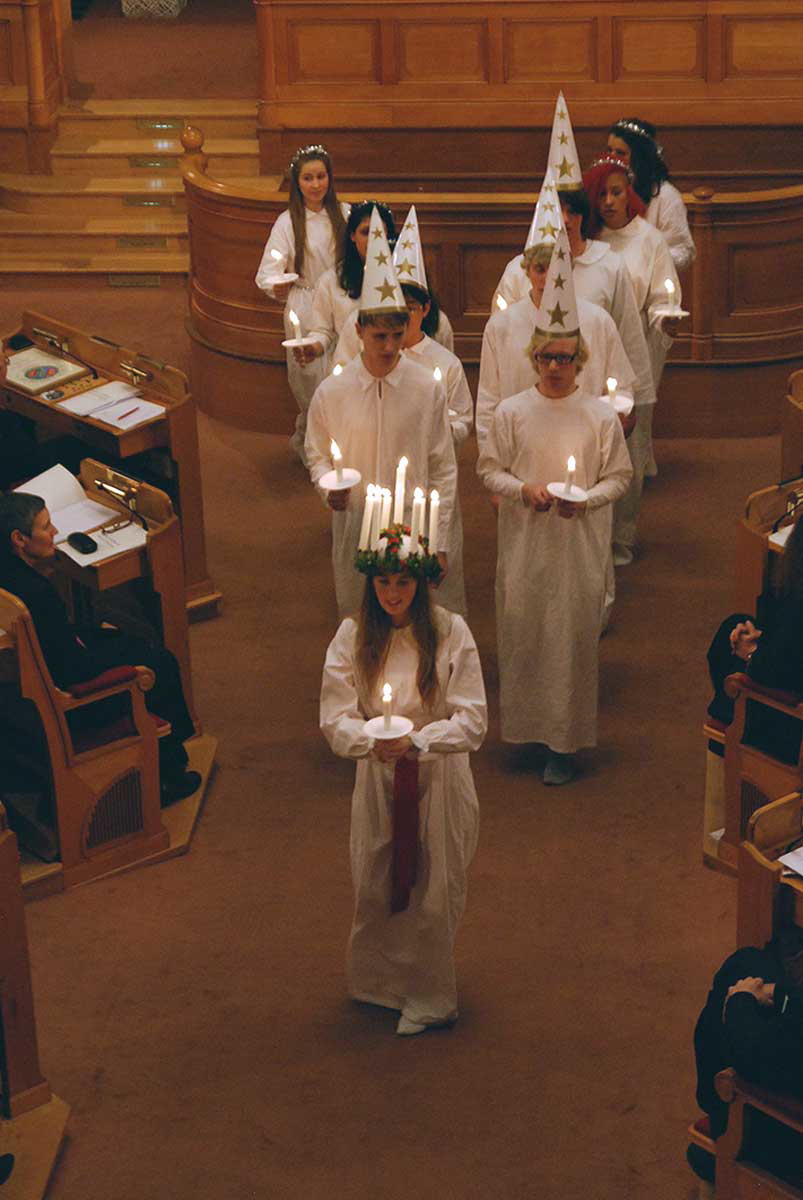
Saint Lucy distributed food and household goods to those in need. In imitation, a girl from the parish is chosen to represent the Saint. Dressed in white with her candle headdress to keep her hands free, she leads a procession down the church aisle, followed by other young ladies. Their process is accompanied by the choir singing the Santa Lucia hymn.
4. Saint Francis of Assisi: The Man Behind the Nativity
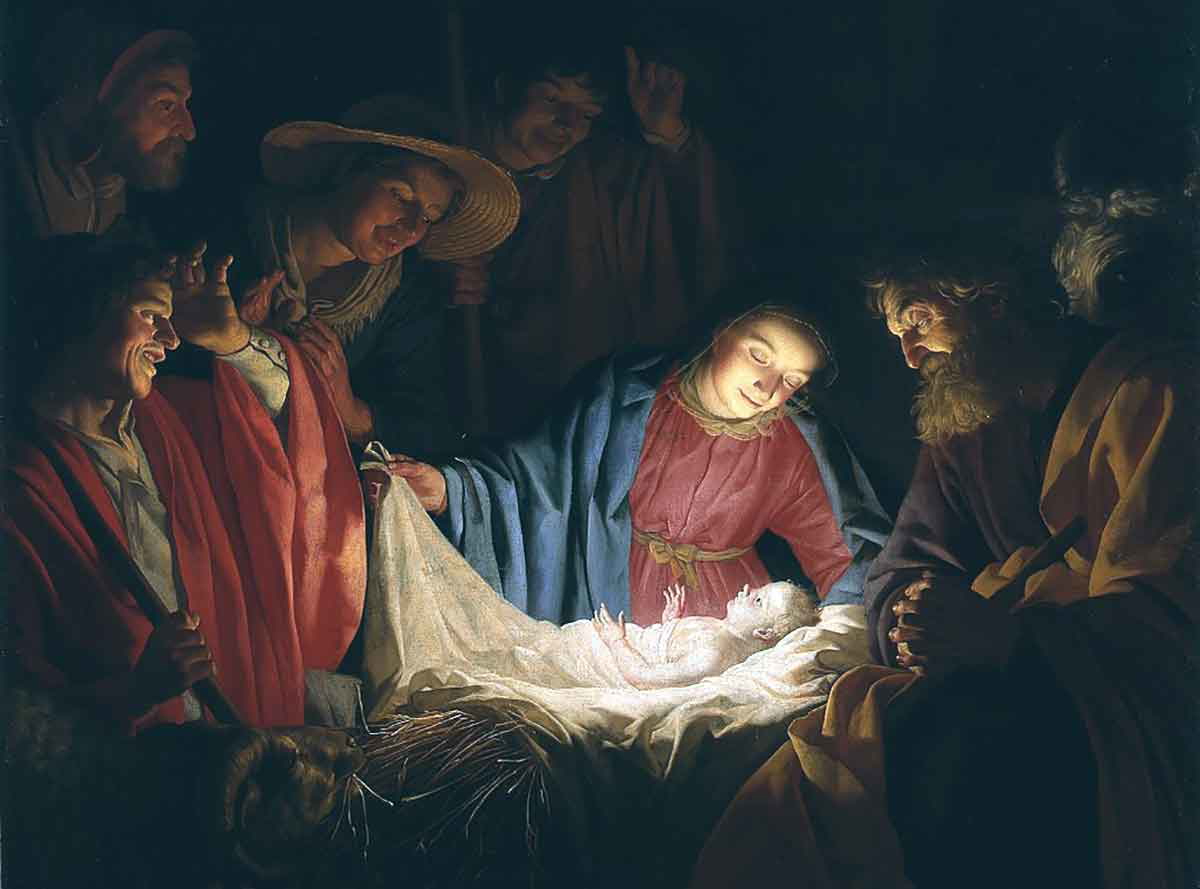
Saint Francis of Assisi was born on October 3rd in 1181/2, and His Feast Day falls annually on October 4th. He is best remembered for his patronage of animals. He composed one of the best-loved hymns of all time: All Creatures of Our God and King. He also took vows of poverty, chastity, and obedience to God.
He is associated with Christmas as the first person to set up a Nativity Scene. Saint Francis of Assisi intended to “make the memorial of that child who was born in Bethlehem, and in some sort behold with bodily eyes His infant hardships; how He lay in a manger on the hay with the ox and the ass standing by.” As most of the population was unable to comprehend the Latin used in the Bible and during mass, a Nativity Scene gave people the perfect opportunity to visualize the story and to bring the meaning of Christmas to life.
Saint Francis sought permission from Pope Honorious III to “make ready a manger, together with an ox and an ass,” in the small town of Greccio. Permission was granted, and Saint Francis established a new Christmas tradition.
5. Saint Joseph: The Earthly Father of Jesus
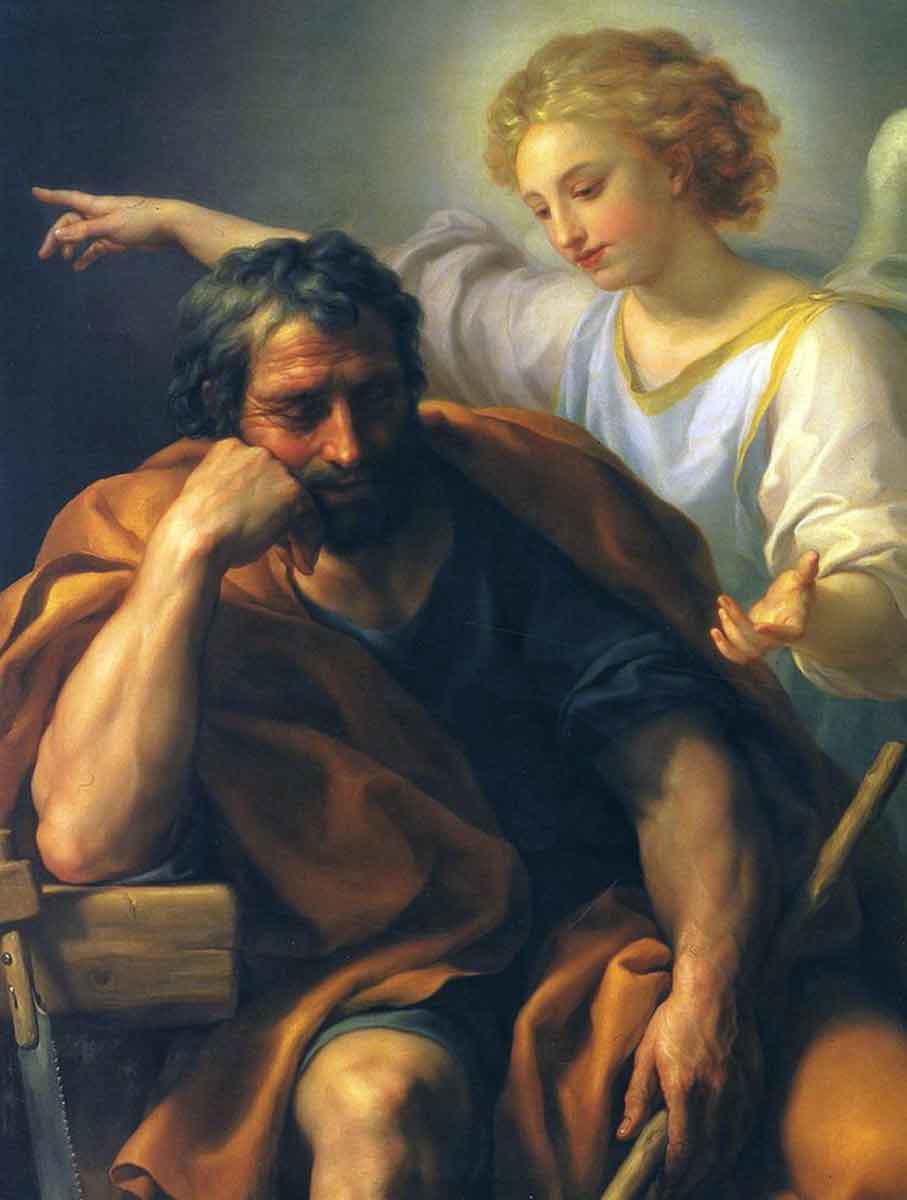
Saint Joseph plays a central role in the Nativity story. He was chosen by God to be the husband of the Virgin Mary and the earthly father of the baby Jesus. Without the love, trust, and dedication of Saint Joseph, the birth of Jesus could not have come about safely, and the role of Joseph is one of the most coveted in any Nativity play.
Saint Joseph appears in three of the four Gospels in the New Testament. He is not mentioned in the Book of Mark and only in passing in the Book of John, in the genealogy of Jesus. Matthew and Luke relate more about Joseph’s life, including his betrothal to Mary, their journey to Bethlehem, the Nativity of Jesus, the Flight into Egypt, and the Presentation of Jesus in the temple.
6. Saint Stephen: The First Christian Martyr
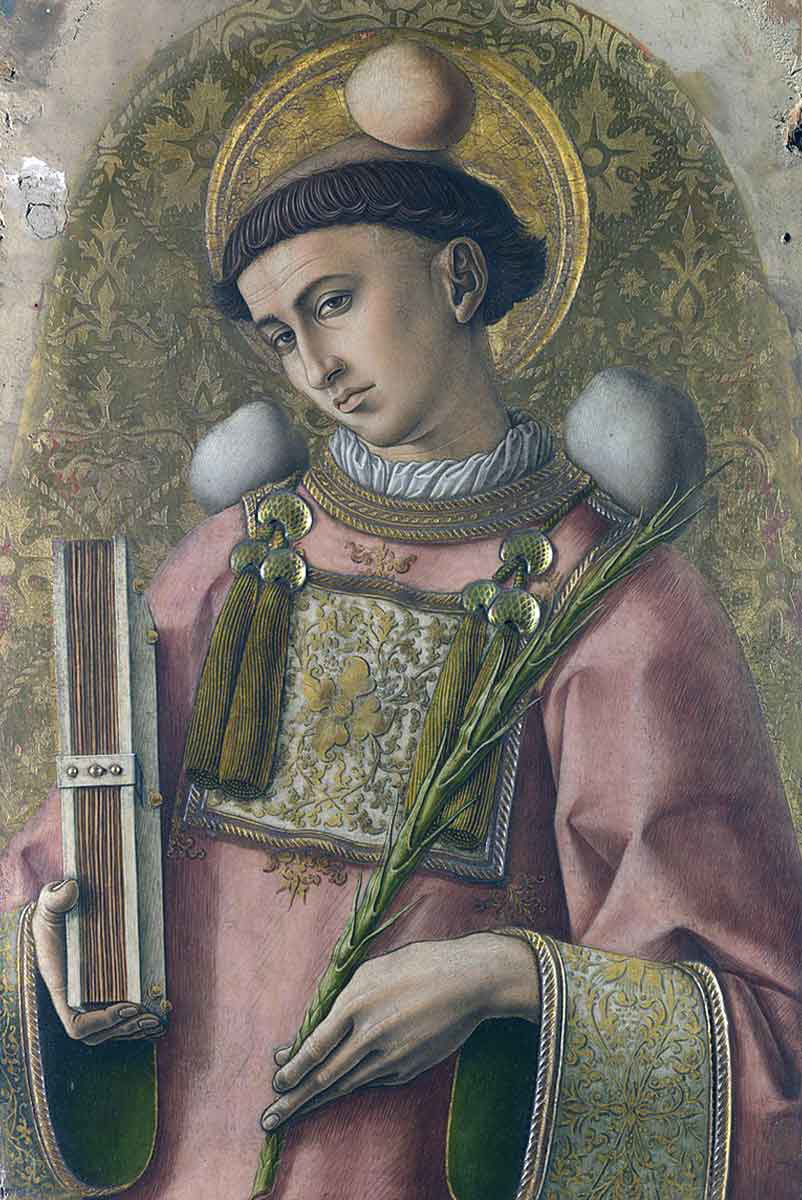
The Feast of Saint Stephen is held annually on the 26th of December. It is now more commonly referred to as Boxing Day in many parts of the world. According to the Roman Catholic Church, Saint Stephen’s Day commemorates the life of Saint Stephen, a man who is best remembered for being the first Christian Martyr. His story appears in The Acts of the Apostles:
“Saint Stephen prayed, ‘Lord Jesus, receive my spirit.’ Then he fell on his knees and cried out, ‘Lord, do not hold this sin against them.’ When he had said this, he fell asleep.”
Fittingly, the name Boxing Day derives from the popular act of distributing boxes of gifts to the poor on December 26th in Victorian England. It became a holiday because the domestic servants of grand households were required to work on Christmas Day, so Boxing Day became their holiday. They would also receive the annual gift of a personalized box, which would contain presents, food, festive drinks, and even purses of money.
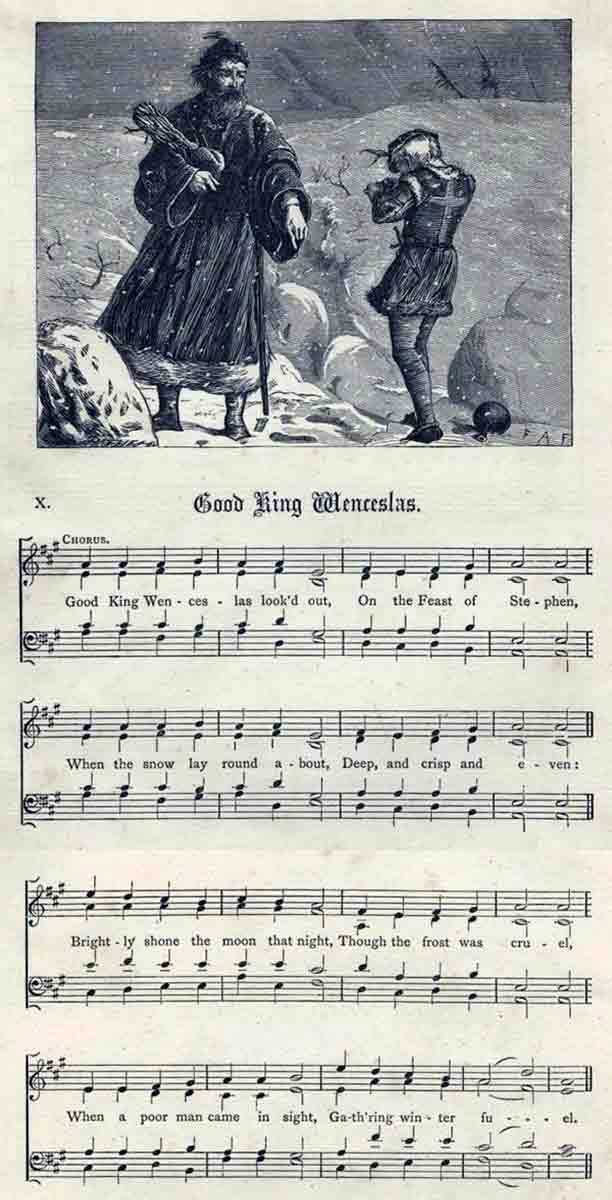
Saint Stephen’s Day is referenced in the carol Good King Wenceslas. The carol begins with the lyrics, “Good King Wenceslas looked out on the Feast of Stephen, when the snow lay round about; deep and crisp and even.” We then hear about how King Wenceslas walks through the “rude wind’s wild lament” and the bitter weather so that he might deliver “flesh, wine,” and “pine logs” to a poor man he had seen in the distance from his castle windows. A few verses on, the carol concludes with the lines “therefore Christian men be sure, wealth or rank possessing, ye who now will bless the poor, shall yourselves find blessing.”
7. Saint Thomas Becket: A Turbulent Priest
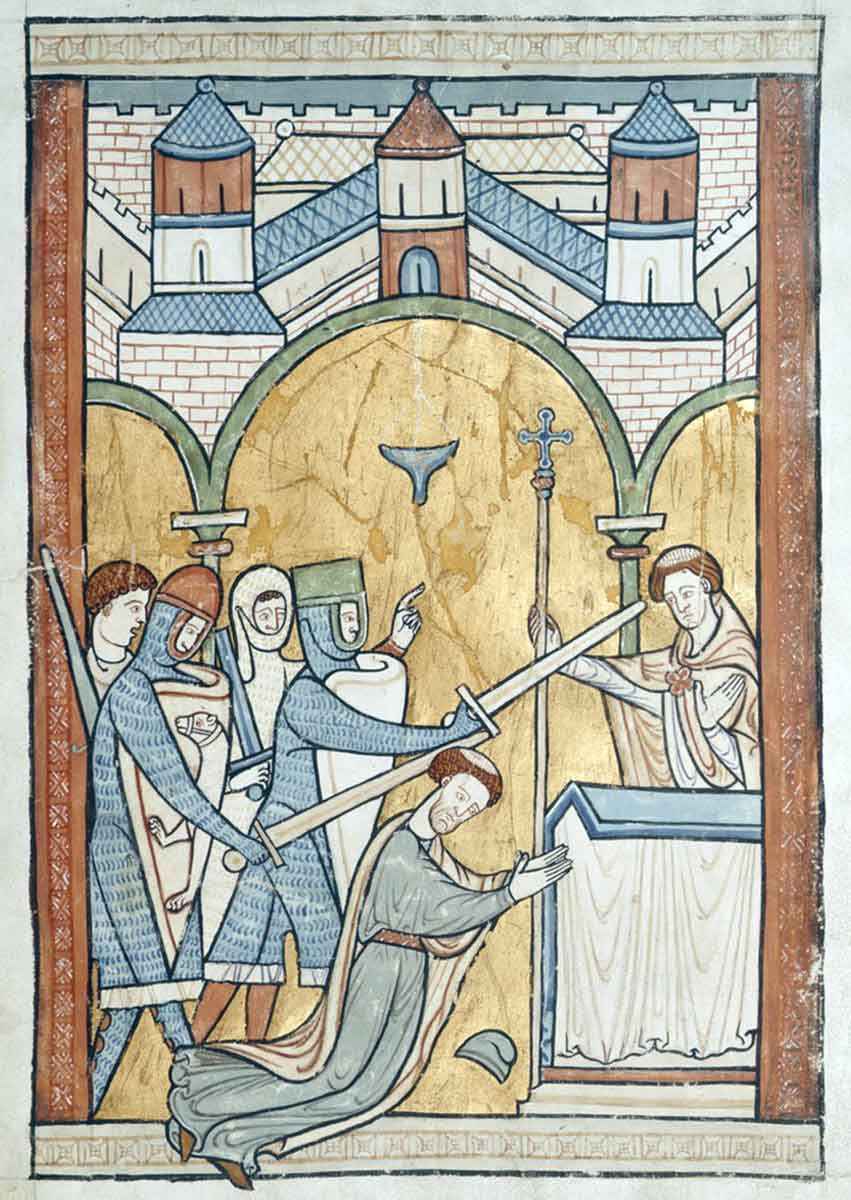
Thomas Becket was an English nobleman who served as Lord Chancellor between 1155 and 1162, and Archbishop of Canterbury from 1162 until his untimely death on December 29th, 1170. He is renowned for his ongoing conflict with King Henry II of England, who famously asked his devoted companions, “will no-one rid me of this turbulent Priest?!”
Thomas Becket was praying at Vespers in Canterbury Cathedral when he was murdered in cold blood by four of these knightly companions. These men were Reginald FitzUrse, Hugh de Morville, William de Tracy, and Richard le Breton. Assuming they were following the orders of their King, they beat the Holy Man to death. The blood that was shed that night was said to have “purpled the appearance of the Church.” He received an extreme beating, and it was this suffering that earned Thomas Becket Sainthood. He was officially canonized by Pope Alexander III just three years after his death.
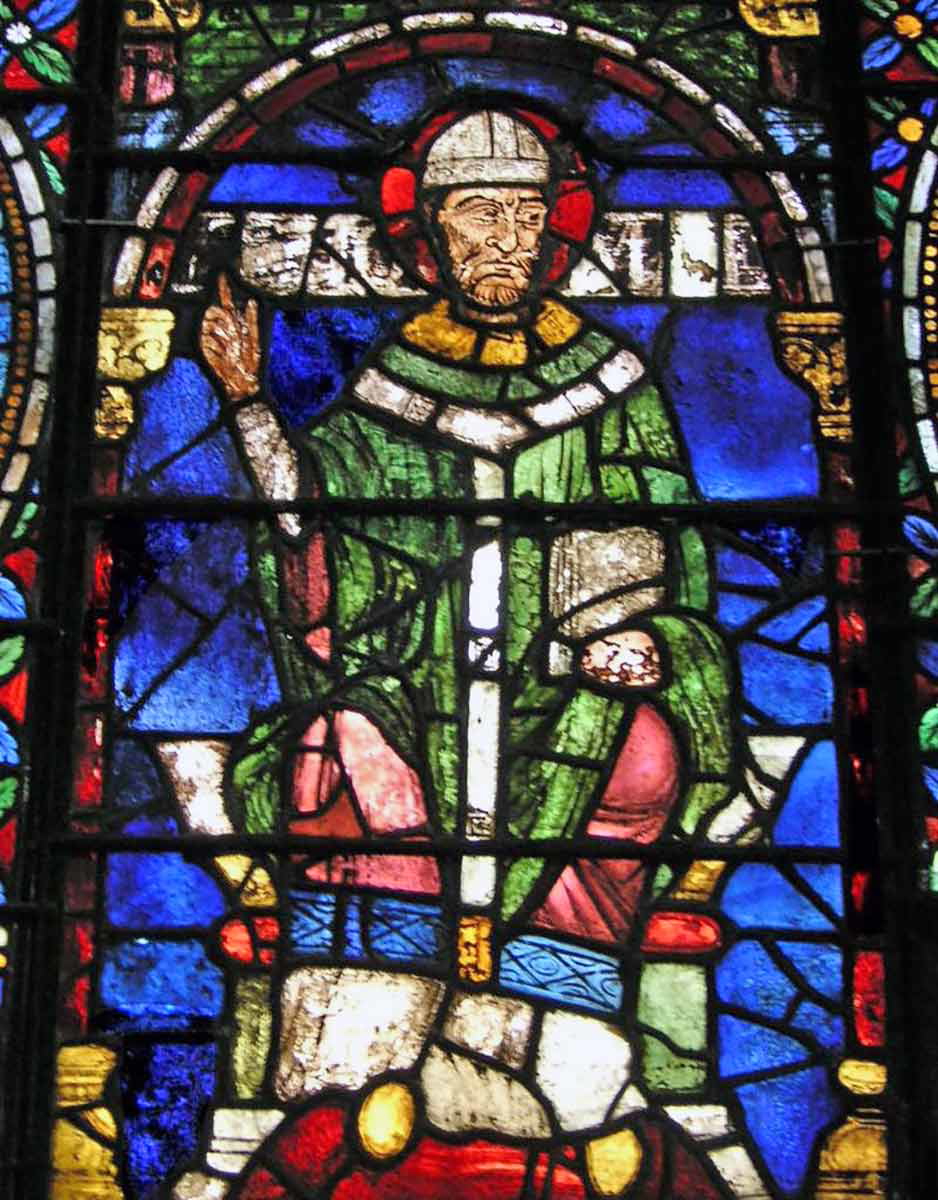
In the Tudor era, King Henry VIII declared that the life and death of Thomas Becket should no longer be commemorated in December. He also despoiled his shrine, burned the relics of his bones, and wiped his name from all prayer books and service books. To this day, Thomas Becket is traditionally thought of as a hero to Catholics and as an enemy to Protestants.
8. Saint Egwin of Evesham: The Shackled Saint
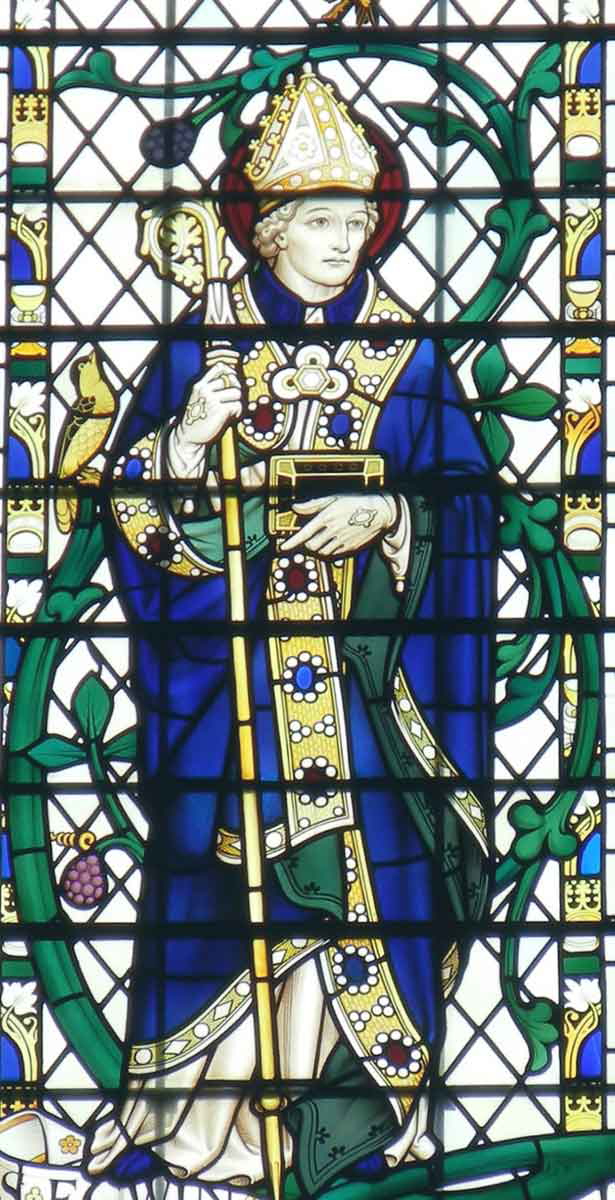
Saint Egwin of Evesham is best remembered for being a Benedictine Monk, a good friend of King Ethelred of Mercia, and the third Bishop of Worcester in England. He founded Evesham Abbey, England’s most famous Benedictine Abbey.
Egwin undertook a pilgrimage to Rome and, according to legend, prepared for his journey by locking shackles on his feet and throwing the keys into the nearby River Avon. As he and his companions travelled through the Alps, they began to thirst. Mockingly, the other men encouraged Egwin to act as Moses by striking a rock from which they could drink. Egwin prayed to God and, to their surprise, the group saw a stream of water suddenly gushing from the rocks.
Later, after he arrived in Rome, Egwin was praying beside a river. To his astonishment, a fish swam to the surface and presented him with the keys that he had thrown into the River Avon, back home in England. Seeing this as a sign from God, Egwin released himself from his self-imposed bonds.
On 30th December, 717, Egwin of Evesham died at his Abbey, and his remains were enshrined there, and it became his Feast Day. Depictions of him often show him as a Bishop holding a fish in one hand and a set of keys in the other.
9. Saint Caspar, Saint Balthazaar, and Saint Melchior: We Three Kings
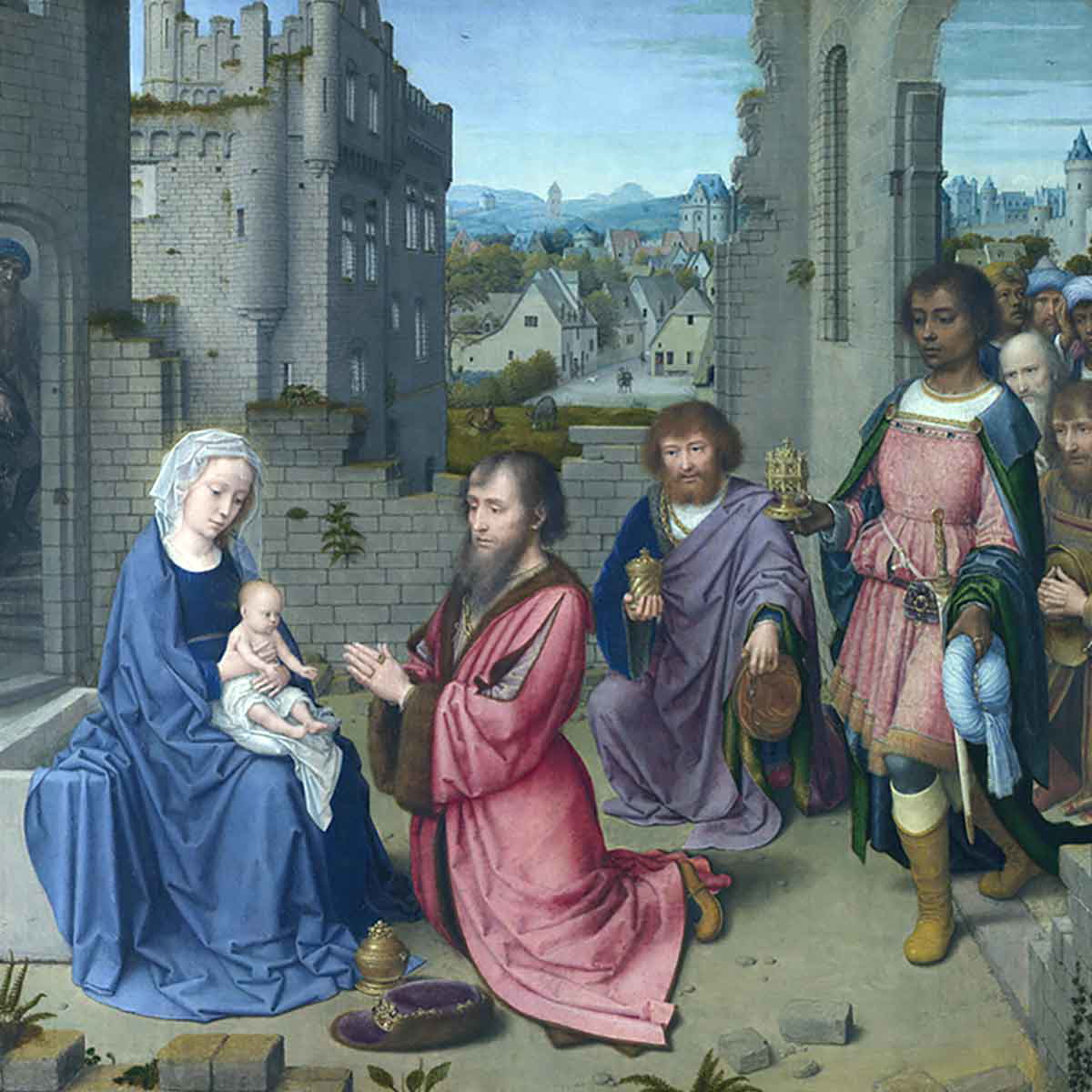
“We three Kings of Orient are, bearing gifts were traverse afar, field and fountain; moor and mountain, following yonder star.”
The Three Kings. The Three Wise Men. The Magi. The trio has many names, but individually they are Caspar, Balthazaar, and Melchior. It was during the 6th century that Emperor Justinian created their famous mosaics in the Church of Saint Apollonare in Italy. He ordered that each depiction should be inscribed with one of the names above, but it is unclear exactly who they were.
The Gospel of Matthew describes the Magi as wealthy and scholarly men who came from the East, following a bright star and seeking a King. “Behold, Wise Men from the East came to Jerusalem, saying, ‘Where is he who has been born King of the Jews? For we saw his star when it rose and have come to worship Him.’”
The Three Kings are celebrated on the 6th day of January, on a day known as the Feast of the Epiphany. Epiphany commemorates the day on which they discovered the Holy Family, knelt before the Baby Jesus, and presented them with their gifts of gold, frankincense, and myrrh.
10. Saint John The Evangelist: The Storyteller of Christmas
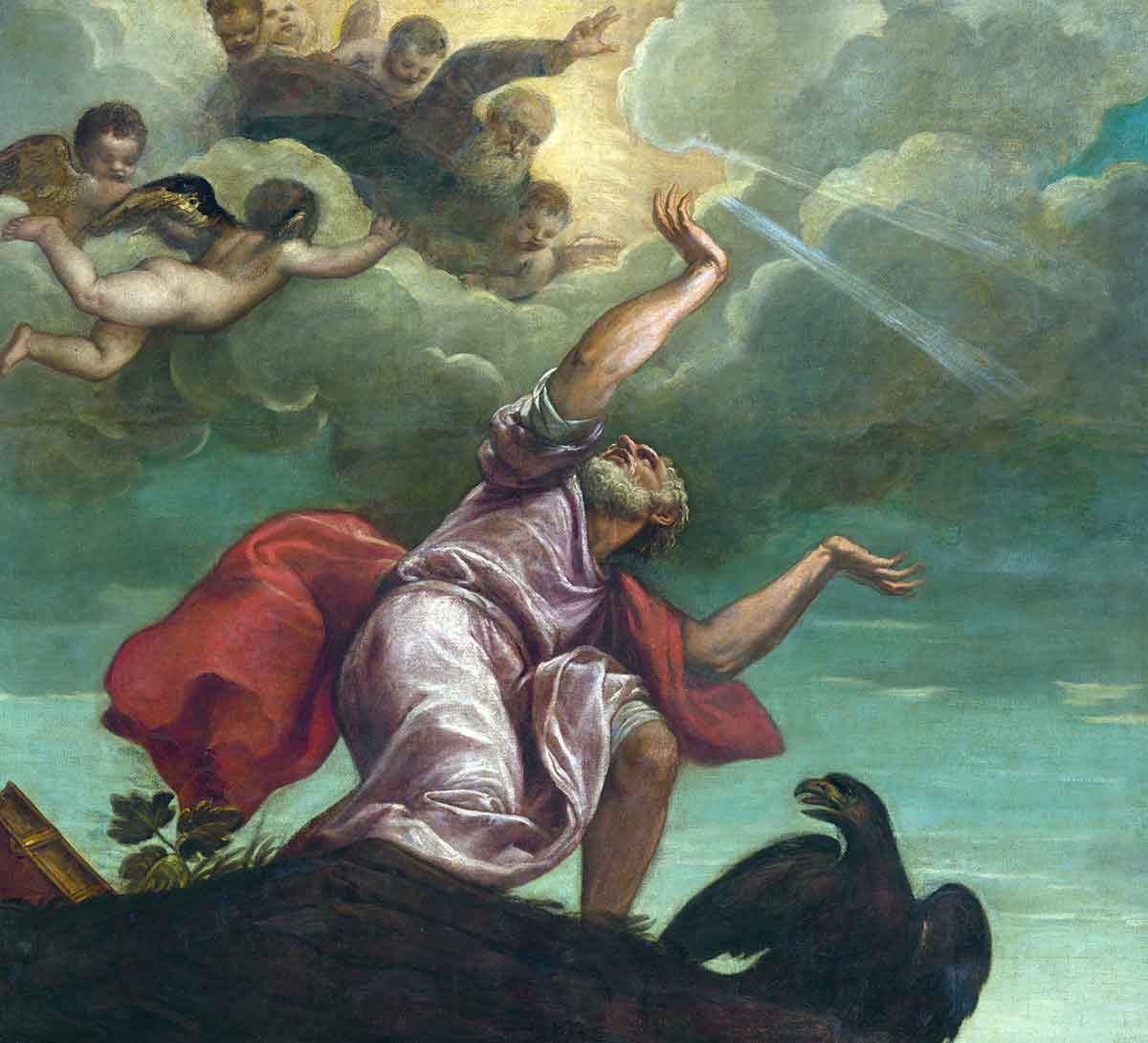
Saint John the Evangelist holds strong associations with Christmas because it is his Gospel that records the most complete version of the story of the birth of Christ. The Gospel of John is often read at Christmas services, such as Carols From Kings, Christmas Eve Mass, and Nine Lessons and Carols.
“In the beginning was the Word, and the Word was with God, and the Word was God. He was with God in the beginning. Through Him all things were made.”
Saint John’s Feast Day is celebrated on the 27th of December, just two days after Christmas Day.