Summary
- Three distinct strategies cracked Jim Crow: the NAACP’s court battles, the SCLC’s nonviolent protests, and SNCC’s grassroots activism.
- The NAACP’s legal work dismantled segregation in the courts, winning the landmark Brown v. Board of Education Supreme Court case.
- Led by Dr. King, the SCLC used nonviolent marches and moral pressure to force national attention on segregation’s brutality.
- SNCC empowered local communities through student-led activism like voter registration drives and the impactful Mississippi Freedom Summer.
- Their combined efforts led to the Civil Rights Act of 1964 and the Voting Rights Act of 1965, landmark federal laws.
The Civil Rights Movement was built through the work of three different rights organizations—the NAACP, SCLC, and SNCC. Each played a unique role in the fight for equality. Legal challenges, nonviolent protest, and student-led activism were the tactics used. Together, they changed the course of American history. From courtrooms to lunch counters, these organizations pushed for desegregation, voting rights, and dignity. They challenged Jim Crow and helped pave the road to the Civil Rights Act and Voting Rights Act. Their legacy lives on in the continued fight for justice.
Fighting Jim Crow Through the Courts: The NAACP
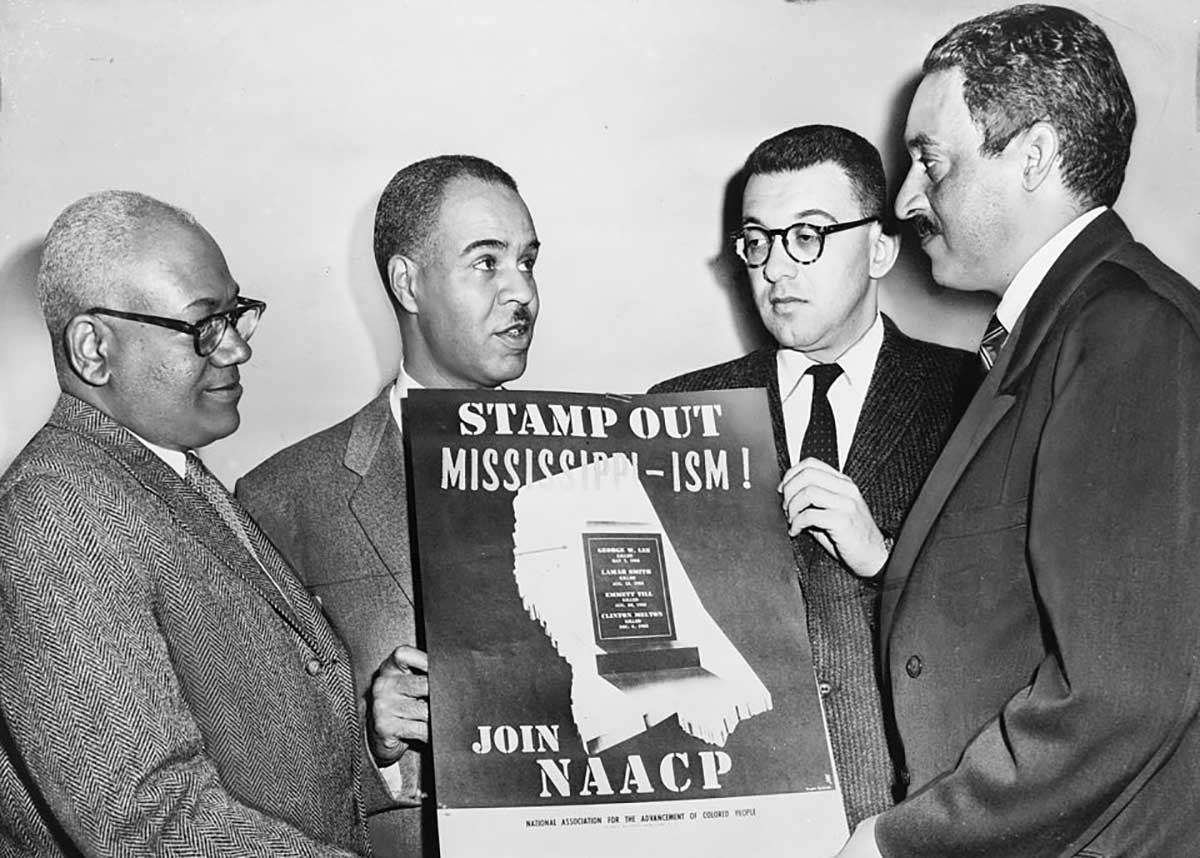
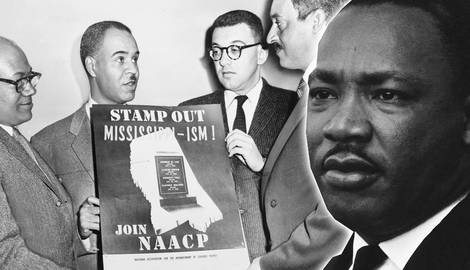
The National Association for the Advancement of Colored People (NAACP) was the earliest of the three Civil Rights organizations. Founded in 1909, the NAACP used the Judicial system of the United States against itself during the Civil Rights era. At a time when lynchings, segregation, and voter suppression were widespread, the NAACP took the fight out of the streets and into the courtroom. The strategy, while often slow-moving, was deliberate.
While changing the legality of segregation was a lengthy process, the results were often permanent. Due to the supremacy clause, which indicates the supremacy of federal law over state law, the efforts of the NAACP ensured the widespread implementation of legislation that could not be abridged by legislation passed by state congressional bodies. Under the legal leadership of Charles Hamilton Houston and later Thurgood Marshall, the NAACP challenged segregation in the public sector. Their most important success came in 1954 with Brown v. Board of Education, which overturned a previous 1896 Supreme Court case, Plessy v. Ferguson, and declared segregated schools unconstitutional.
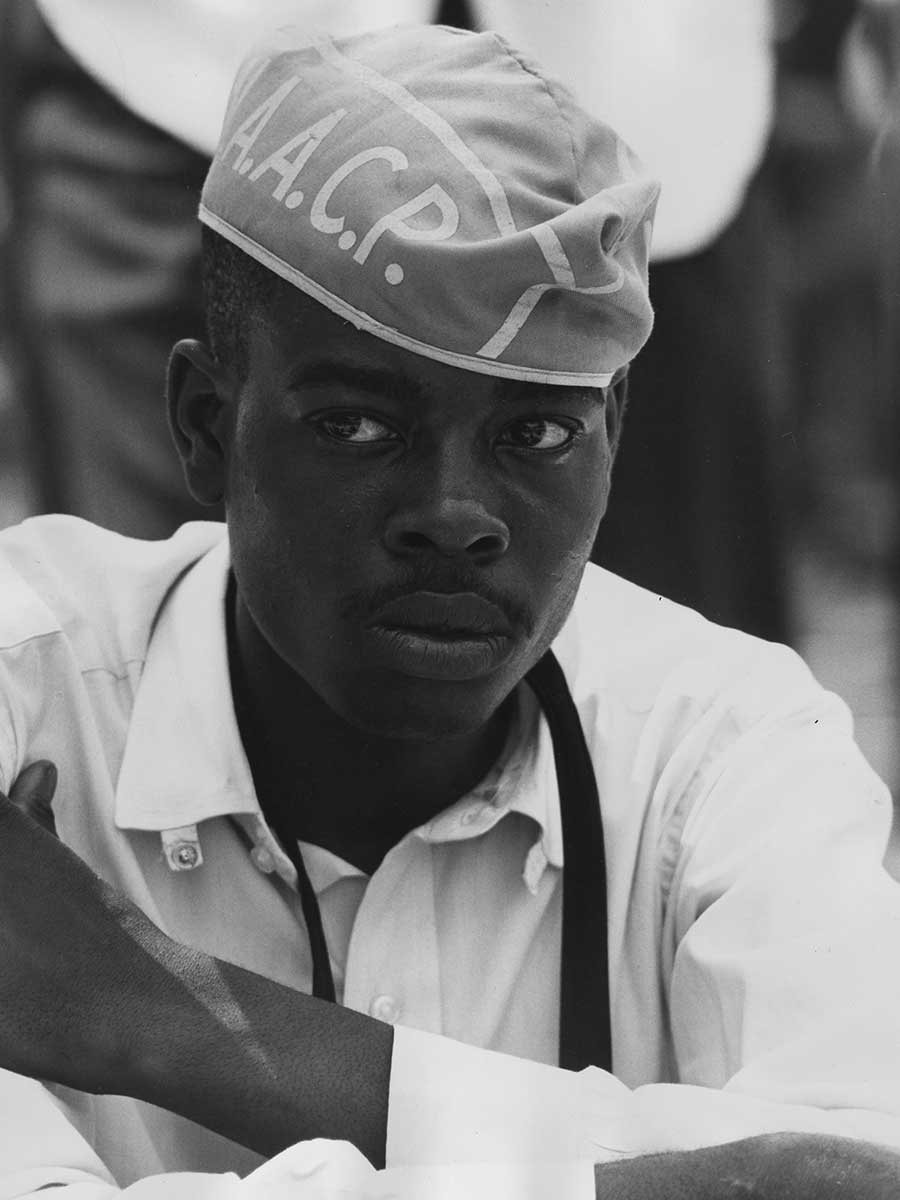
Marshall argued the “Separate but Equal” precedent set by Plessy v. Ferguson was inherently unconstitutional. Separating people by race instilled a sense of inferiority, no matter if the conditions were equal to one another. Marshall’s argument swayed the Supreme Court, which ruled in a 9-0 majority against the Board of Education in Topeka, Kansas. The ruling mandated that all school districts in the United States be desegregated, not just in Topeka, Kansas.
Their work, however, didn’t pertain to just legal battles. The NAACP also organized voter registration drives, challenged housing discrimination, and built a national network of branches to respond to civil rights violations, creating field secretaries in southern states who would oversee various civil rights violations in their districts. Though it didn’t organize sit-ins or marches the way SNCC and the SCLC did, which garnered the attention of media outlets, its role in dismantling legal segregation was paramount.
Nonviolence and Power Through Prayer: The Rise of the SCLC
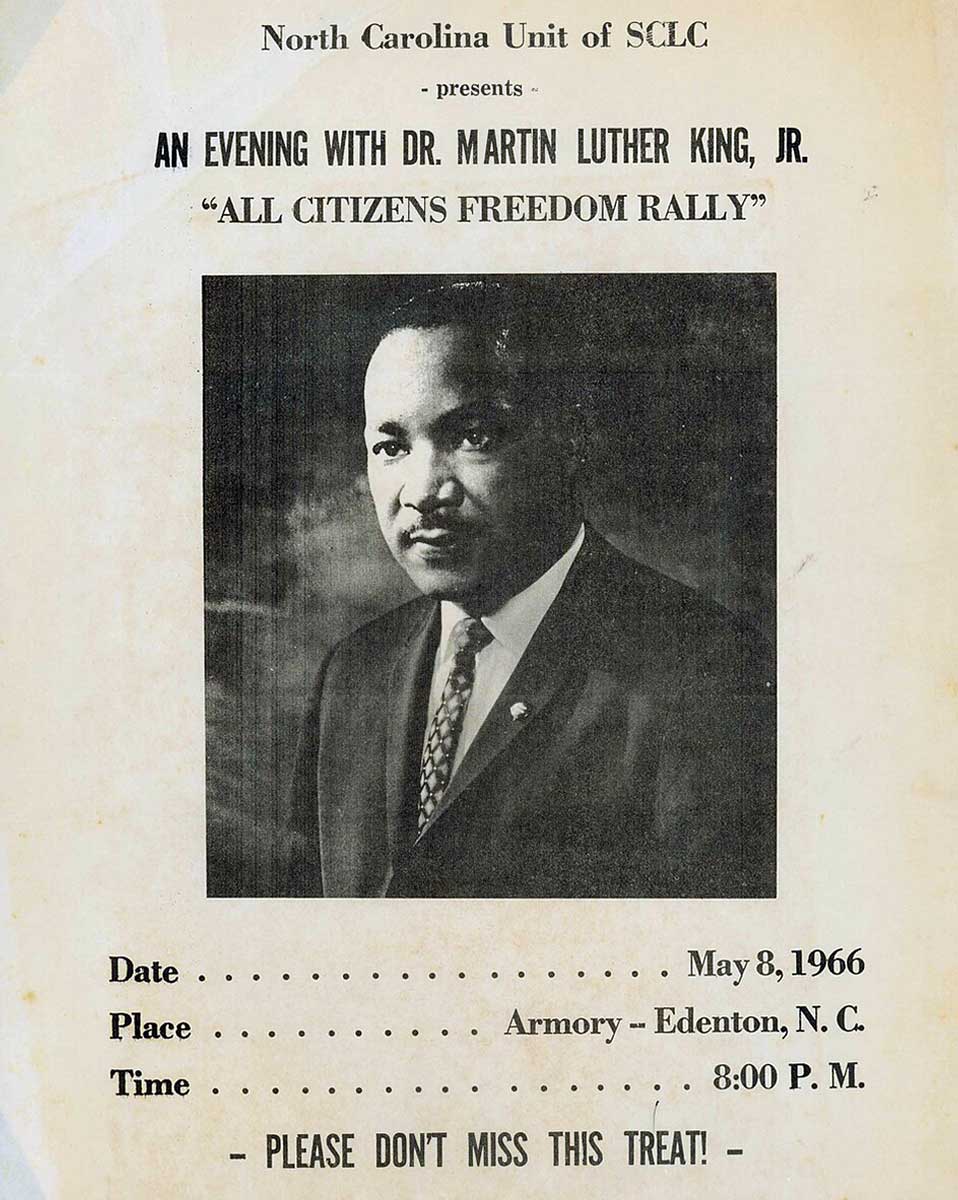
The Southern Christian Leadership Conference (SCLC) was created in 1957, just after the success of the Montgomery Bus Boycott in Alabama. At the center of it was Dr. Martin Luther King Jr., who became its first president. The SCLC gained its following from the Black church, showcasing the importance of religion in the African American community. Church leaders were some of the few people in the South who had both education and a literal pulpit from which to spread their message, and the SCLC used that to its advantage.
Dr. King ensured the mission was rooted in nonviolence and Christian values. Taking direction from the nonviolent efforts of Gandhi in India, the SCLC protested by marching and boycotting.
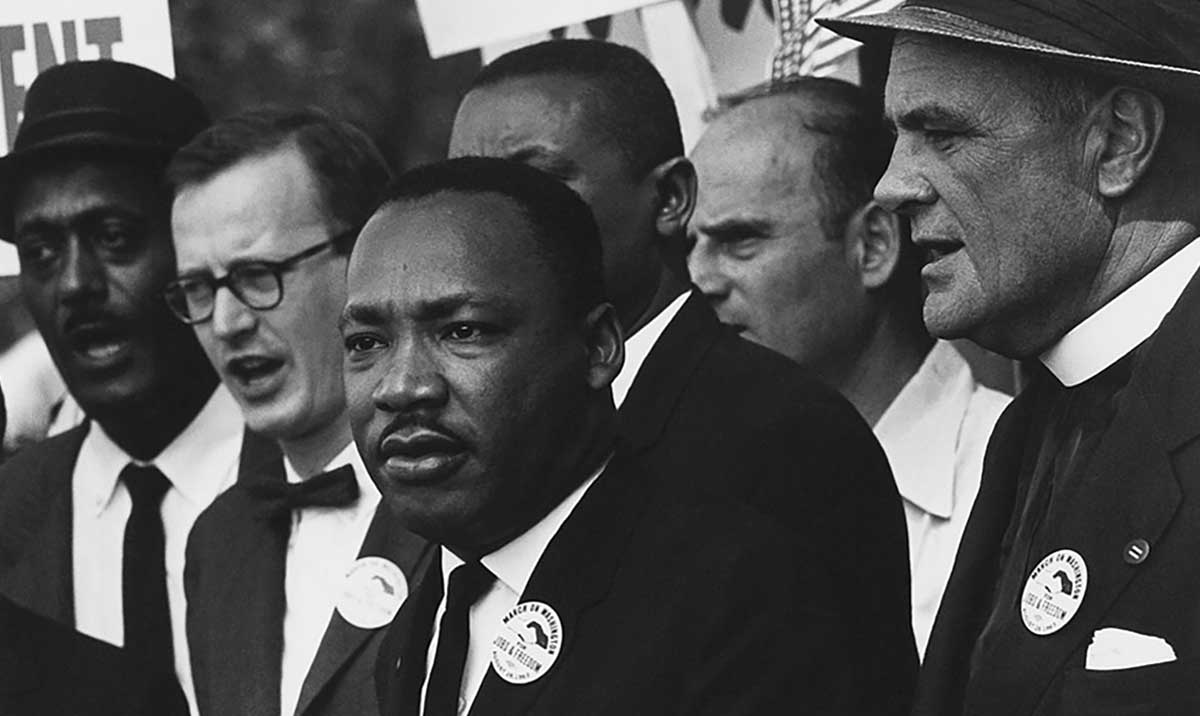
While not initially seen as effective, King knew that violent resistance would be used as an argument to prolong segregation. One of its most important campaigns came in Birmingham in 1963. With sit-ins at lunch counters, marches, and protestors facing down police dogs and fire hoses, the campaign forced national attention. Birmingham, as the summer of 1963 became known, showed the world the brutality of segregation and pushed the Kennedy administration to act.
Later that year, the SCLC helped organize the March on Washington to further demonstrate to the government that change needed to happen. The image of Dr. King delivering his “I Have a Dream” speech on the steps of the Lincoln Memorial to a crowd of over 250,000 men, women, and children of all races wasn’t accidental. The SCLC understood that the fight for civil rights needed to be brought to people’s attention.
The Power of the Youth: SNCC’s Grassroots Revolution
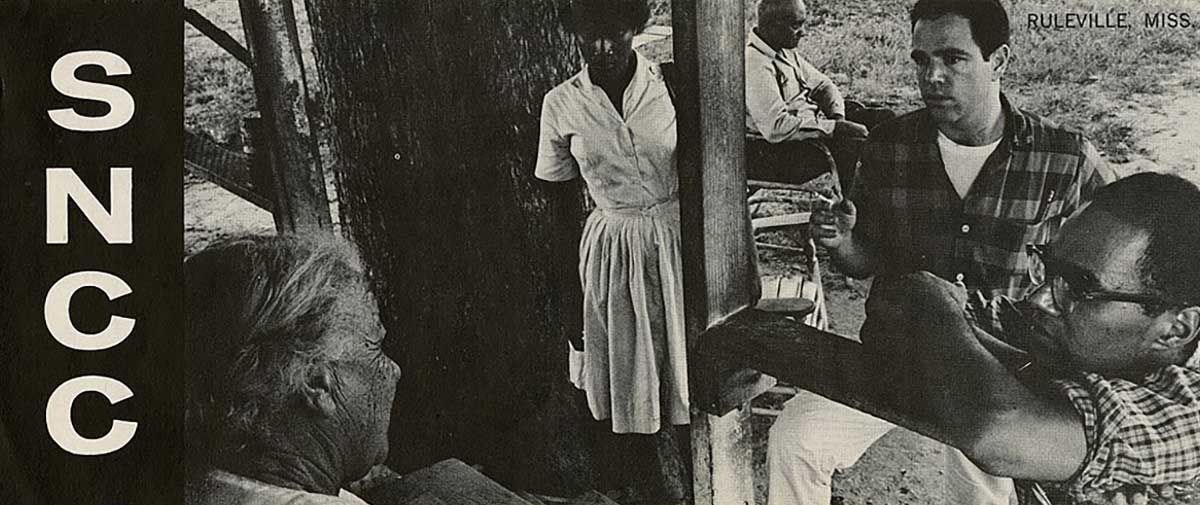
The Student Nonviolent Coordinating Committee, better known as SNCC (pronounced snick), started in 1960. Unlike the NAACP and SCLC, SNCC wasn’t built by lawyers or pastors—it was a grassroots organization started by students at southern segregated universities. Today known as HBCUs. They didn’t have money, offices, or national connections, but were driven by the desire to see change. They launched sit-ins, registered voters, and traveled into some of the most dangerous towns in the Deep South.
What made SNCC different was its approach. They trained locals to become organizers themselves. Their crowning achievement took place in Mississippi in the summer of 1964. Known as the Mississippi Freedom Summer. SNCC volunteers—primarily students from northern universities—knocked on doors and taught people how to pass voter literacy tests, paid their poll taxes, and offered rides to polling locations. They risked beatings, jail, and worse. Three SNCC organizers—James Chaney, Michael Schwerner, and Andrew Goodman—paid for their actions with their lives.
The deaths of Chaney, Shwerner, and Goodman did not dissolve SNCC. As the movement progressed, the grassroots organization helped with some of the era’s most influential moments. From the Freedom Rides to the March on Selma, the SNCC gave ordinary people an avenue to demand equality.
Tensions, Strategy Splits, and Growing Pains
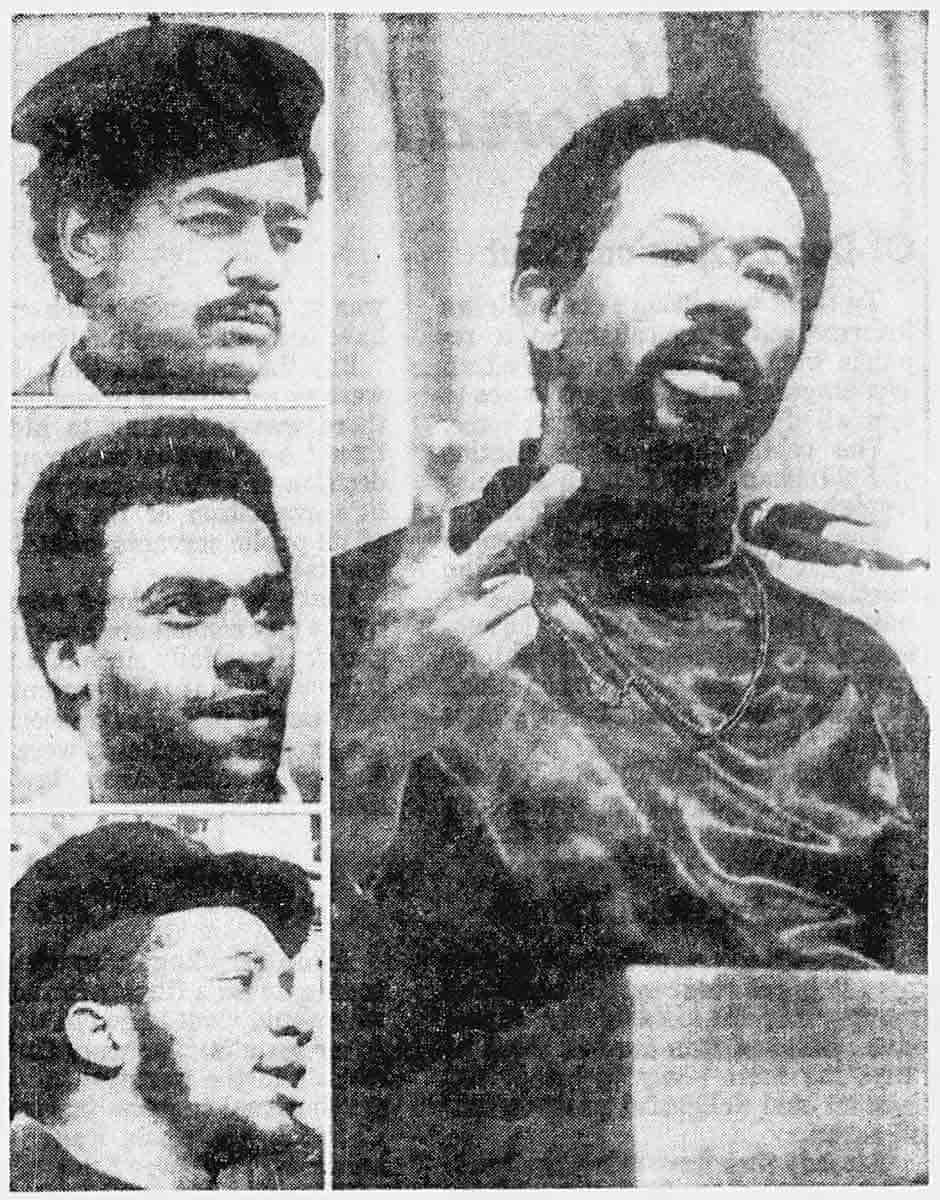
As the movement matured, differences between these organizations became more visible. The NAACP preferred cautious, courtroom battles. The SCLC emphasized a moral approach and large-scale demonstrations. SNCC wanted direct, community-based action. These strategies didn’t always align.
Tensions grew during major campaigns where these organizations joined their efforts, like the March on Washington, where SNCC leader John Lewis was asked to soften his language and tone to avoid offending allies in Congress. Lewis resisted claiming that if he was to get in trouble for his language, it would be “good trouble.” Some SNCC members felt the SCLC was too cautious or too eager to compromise.
In contrast, NAACP leaders occasionally criticized younger activists in SNCC for what they saw as reckless actions of prideful youth. These disagreements reflected real debates about the direction of the movement. Was it better to appeal to the federal government or build local power? Should the focus be on integration or on economic justice?
Should the movement remain strictly nonviolent as newer groups like the Black Panthers, who felt the Civil Rights movement up to this point had been too passive and needed to be more militant, began to rise? The answer was that there was never one way to advocate for Civil Rights. Each of these organizations fought hatred with a different approach. Together, they were able to accomplish their shared goal of legal equality for African Americans.
Landmark Victories and National Legislation
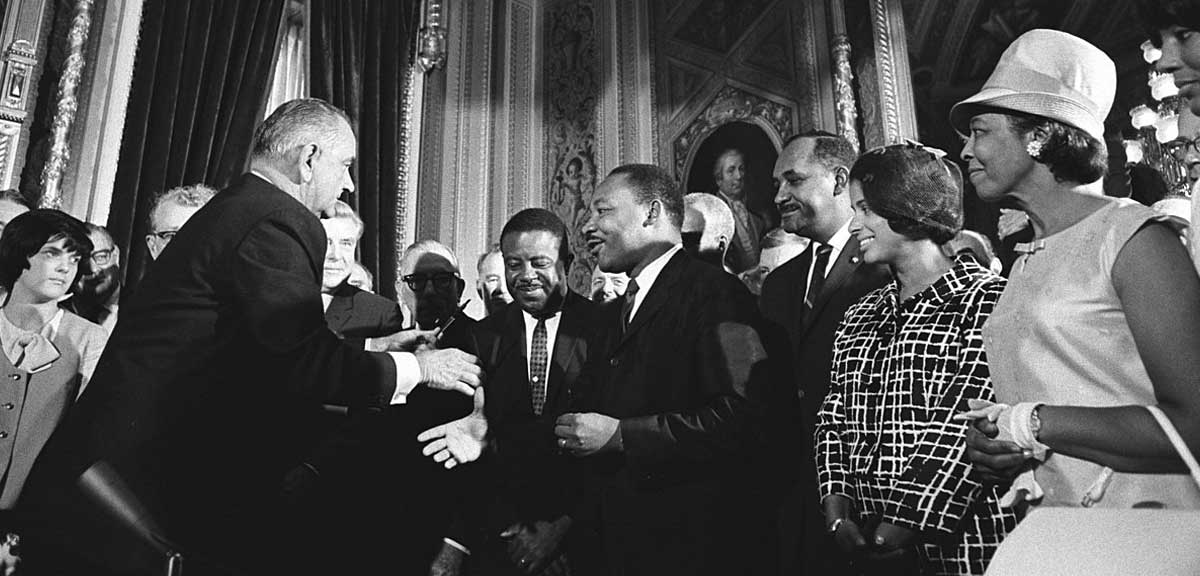
Despite their differences, the work of the NAACP, SCLC, and SNCC helped achieve some of the most significant legal victories for equality in American history. The Civil Rights Act of 1964 banned segregation in public places and outlawed employment and housing discrimination. The Voting Rights Act of 1965 struck down literacy tests, poll taxes, and the grandfather clause used to keep African Americans from voting.
The NAACP’s courtroom victories built the legal groundwork. The SCLC’s televised marches and moral appeals forced the federal government to act. SNCC’s work in Southern towns exposed the brutality of Jim Crow to the nation. Together, they created pressure that politicians had to act upon. While the laws they helped pass didn’t solve every problem, they represented a turning point in the nation’s history. For the first time, civil rights were guaranteed by the full force of federal law.
Impact and Legacy
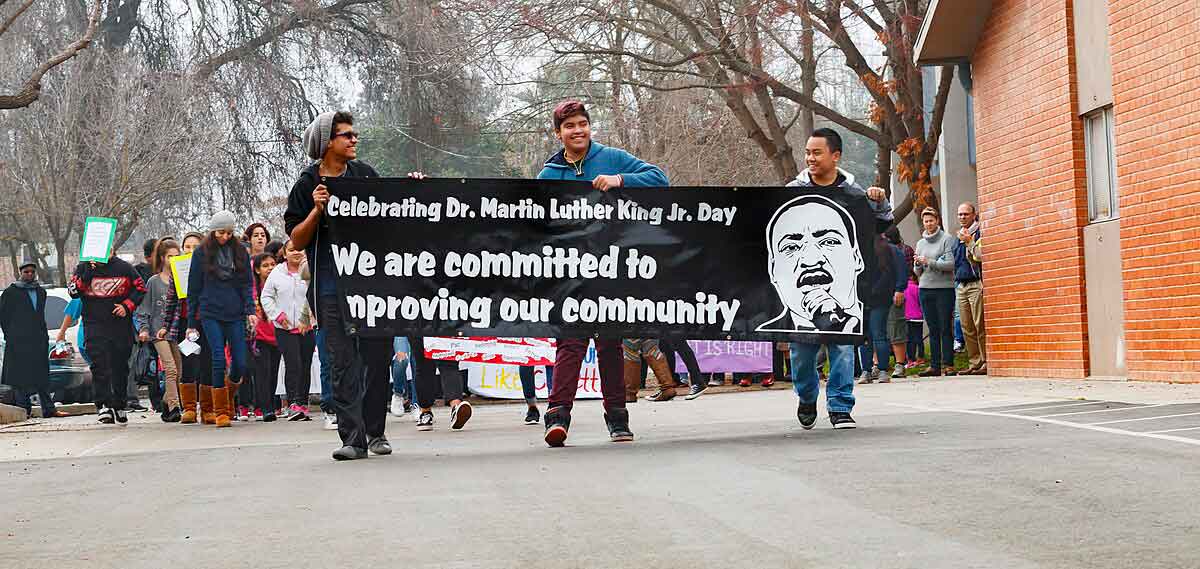
The work of the NAACP, SCLC, and SNCC didn’t end in the 1960s. Their legacy lives on in the fights for justice happening today. The NAACP continues its legal advocacy, challenging voter suppression and racial discrimination in the courts, such as racial gerrymandering laws. The SCLC, though smaller, still promotes nonviolence and faith-based activism.
The SNCC, officially disbanded, left behind a model of grassroots organizing that influences movements today like Black Lives Matter. The different approaches of these organizations showed that change takes different forms. They also showed that movements must evolve to meet the moment.
Voter suppression, police brutality, and systemic inequality didn’t vanish with the Civil Rights Act. Their combined legacy is a reminder that real progress is never the work of one leader or one march—it’s the result of thousands of people, each doing their part, for years on end.