Many skeptics claim that there are contradictions in the Bible so abundantly that no one should consider it a reliable source. Closer scrutiny, however, shows that frequently, contradiction rests on erroneous interpretation rather than on what the text says. Applying commonly known interpretive principles can clarify the problem and resolve the apparent contradiction. It is impossible to evaluate every instance that skeptics list in this article. Considering some examples of common claims of contradiction will prove that they are not all irreconcilable.
Claims of Contradiction
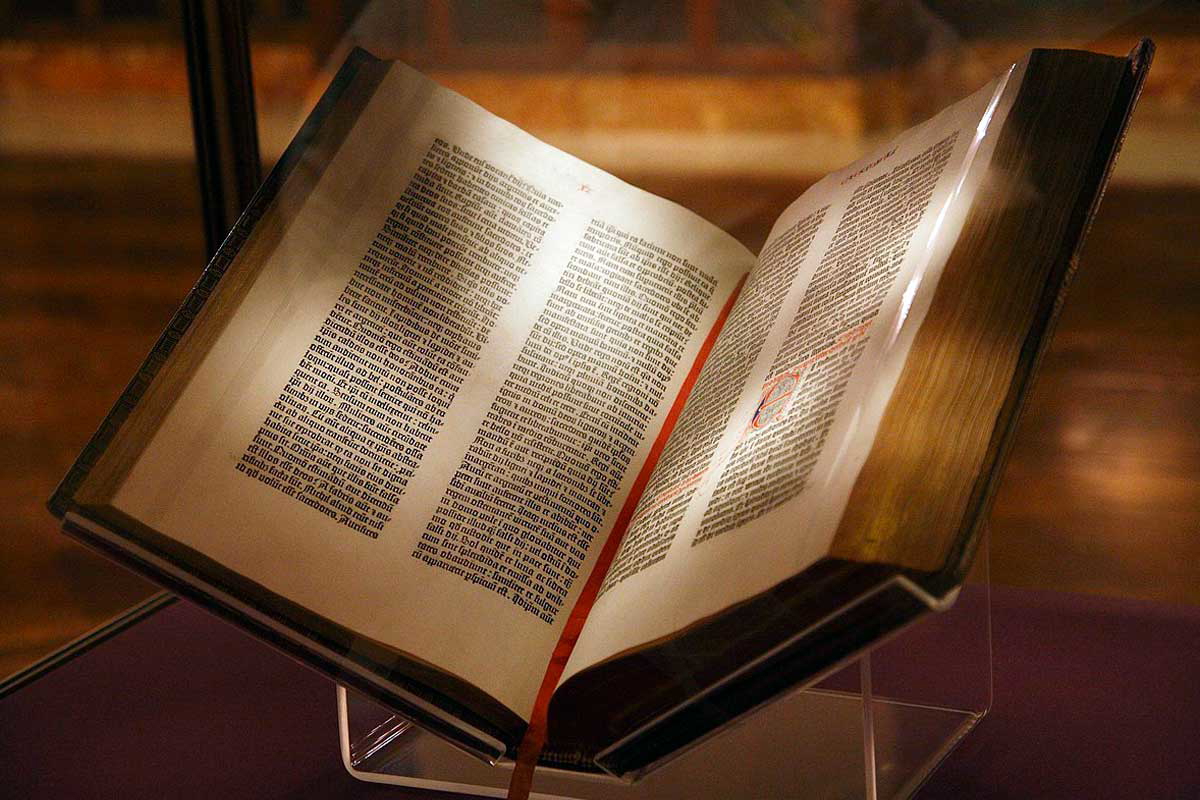
The American Atheist website lists an extensive, though not exhaustive, list of apparent contradictions in the Bible. Considering the quotes provided, the claims may seem legitimate. Without exception, however, closer scrutiny shows that each seeming contradiction results from not applying one of several interpretive principles required to read the Bible correctly.
Most Christians have heard of Sola Scriptura (Bible alone) and Sola Fide (faith alone), two of the foundational principles of the Christian faith. A lesser-mentioned one is the great interpretive principle of Analogia Scriptura (the analogy of Scripture), which means that the Bible, as an inspired source, cannot contradict itself. Apparent contradictions must be closely scrutinized to gain a clearer understanding of the text and should result in harmony between texts. In this article, we will consider some of the claims critics of the Bible make. We will consider which interpretive principles supporting Analogia Scriptura the critics have not accounted for, resulting in an apparent contradiction.
Some of the principles that underpin Analogia Scriptura are: context, distinguishing between descriptive and prescriptive texts, progressive revelation, and considering issues with translation. Another principle that contributes to resolving apparent contradictions is Tota Scriptura (the totality of Scripture). When everything the Bible says on a subject has been considered, apparent contradictions often fade like mist before the sun.
Examples of “Contradictions” and Their Resolution
Context

The first criticism we will consider relates to the Sabbath. Critics point out that Exodus 20:8 states: “Remember the Sabbath day, to keep it holy,” while Romans 14:5 says: “One person esteems one day as better than another, while another esteems all days alike. Each one should be fully convinced in his own mind.” So, does the Bible contradict itself by mandating weekly Sabbath observance while also claiming observance is a matter of personal conviction?
This “contradiction” assumes that Romans 14:5 refers to the seventh-day Sabbath, which Exodus 20:8 refers to. The context of Romans 14:1-6 is in reference to eating certain foods which was also applicable to the annual feast sabbaths, not the weekly Sabbath. There is no contradiction when one passage refers to weekly and the other to annual or feast sabbaths. Context is the key to resolving this apparent contradiction.
Some scholars claim that progressive revelation also clarifies this matter. We will consider such an example later.
Similarly, critics claim that the Bible contradicts itself by saying no one has ever seen God (John 1:18), yet Exodus 33:11 indicates that God spoke to Moses “face to face.” Again, context is key. Only a couple of verses after the reference to Moses and God speaking face to face, Moses asks God: “Please show me your glory” (v. 18), to which God replies: “You cannot see my face, for man shall not see me and live.” God then reveals his glory to Moses but in a way that prevents him from dying. In other words, he did not see his full glory, but a theophany of God. The “face to face” in Exodus 33:11 must refer to a manifestation of God that did not reflect his full glory because Moses would die from it, while John 1:18 refers to God in his full glory.
Prescriptive vs Descriptive
Leviticus 18:21 forbids human sacrifice. Several passages in the Bible speak against the practice of sacrificing children to Molech by casting them in the fire. Judges 11:30-34 relates that Jephthah, a judge in Israel, promised to sacrifice the first to come out of his house on his return from battle. His daughter was the first to exit their home.
First, God did not instruct Jephthah to sacrifice his daughter. Secondly, sacrificing a human to God would violate the law of God in several ways, of which the prohibition of human sacrifice was one, and another is that nothing unclean was suitable as a sacrifice to God. Third, for the reasons just mentioned, many scholars believe Jephthah’s daughter was not killed and sacrificed but rather not allowed to marry and bear children, constituting a living sacrifice.
Jephthah made an irresponsible vow which cost him his lineage. This apparent contradiction is due to critics reading descriptive text as if it were prescriptive, rendering the criticism invalid.
Progressive Revelation
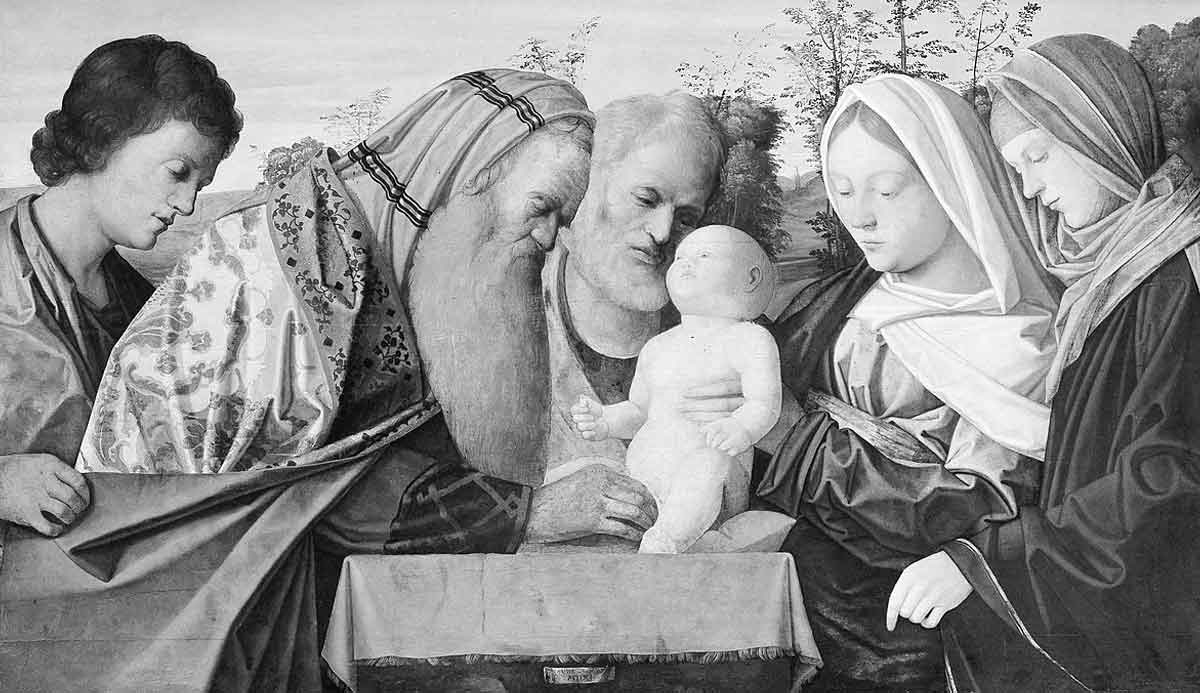
Some critics point to circumcision as an example of biblical contradiction. In Genesis 17:10, God said: “This is my covenant, which you shall keep, between me and you and your offspring after you: Every male among you shall be circumcised.” Later, in Galatians, Paul wrote: “I, Paul, say to you that if you accept circumcision, Christ will be of no advantage to you.”
Genesis 17 deals with circumcision as a sign of the covenant God made with Abraham. His descendants were the chosen people of God, and the sign, circumcision, was valid for them in that covenant. In the New Testament, a new covenant is in play which no longer requires the sign of the old covenant for Christians. There was a progressive revelation of God in the covenants. The sign of the old had no value in the new, which is what Paul argued. Acts 15:1-2 raised the issue of circumcision, and Paul and Barnabas set off to resolve it at a meeting in Jerusalem. The letter resolving the issue (Acts 15:22-29) shows that Gentiles did not have to circumcise. There is no contradiction here, as the old covenant had passed away already when Paul wrote.
Language and Translation

Another claim of contradiction compares Genesis 22:1 with James 1:13. The former says that God tempted Abraham (according to the King James Version of the Bible). The latter says that God does not tempt anybody. A cursory investigation of different translations reveals that most translations translate the Hebrew word nâsâh as “test” or “prove,” not “tempt.” To tempt means trying to coax others into wrong behavior or to sin.
God tested the faith of Abraham. He did not tempt Abraham to sin. Such an action would be contrary to the character of God. The translators of later versions of the Bible saw the weakness in how the King James Version translated Genesis 22:1 and adapted their rendering of the verse to reflect a more consistent reflection of God. Where a word could have multiple meanings, translators must consider the implications of using one word over another.
Critics of the Bible often insist on using the King James Version when referencing this apparent contradiction, which shows one of two things: either they are ignorant of the alternative translations that resolve the issue, or they insist on using the King James Version because they have a vested interest in portraying the Bible as a dubious source.
Tota Scriptura
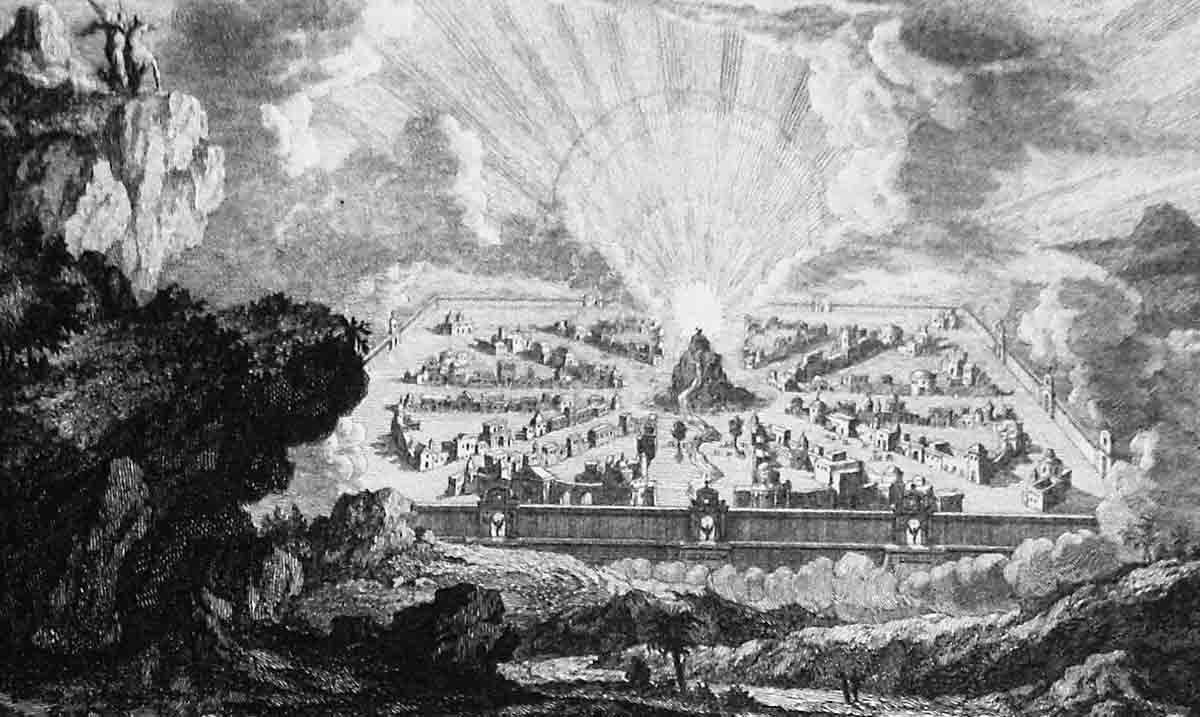
The last claim we consider in this article involves the destruction of the Earth. Ecclesiastes 1:4 says: “… the earth remains forever,” while 2 Peter 3:10 says: “the earth also and the works that are therein shall be burned up” (KJV). Applying the principle of Tota Scriptura, we find relevant passages such as Jeremiah 4:24-27 where the text declares the wrath of God will destroy almost everything on earth, but not the planet itself.
There will not be a “full end” to it. Likewise, the new Earth spoken of in 2 Peter 3:13 (shortly after the verse quoted in the claim) and Revelation 21:1 do not imply the destruction of the current one. The Greek word kainos (καινός, new) refers to new in quality, renewed, or transformed, whereas neos (νέος – new) refers to something brand-new, or newly created, not having existed before. 2 Peter 3 and Revelation 21 use kainos, implying the current Earth will undergo renewal and or transformation rather than destruction and replacement with another.
Intent of Critics
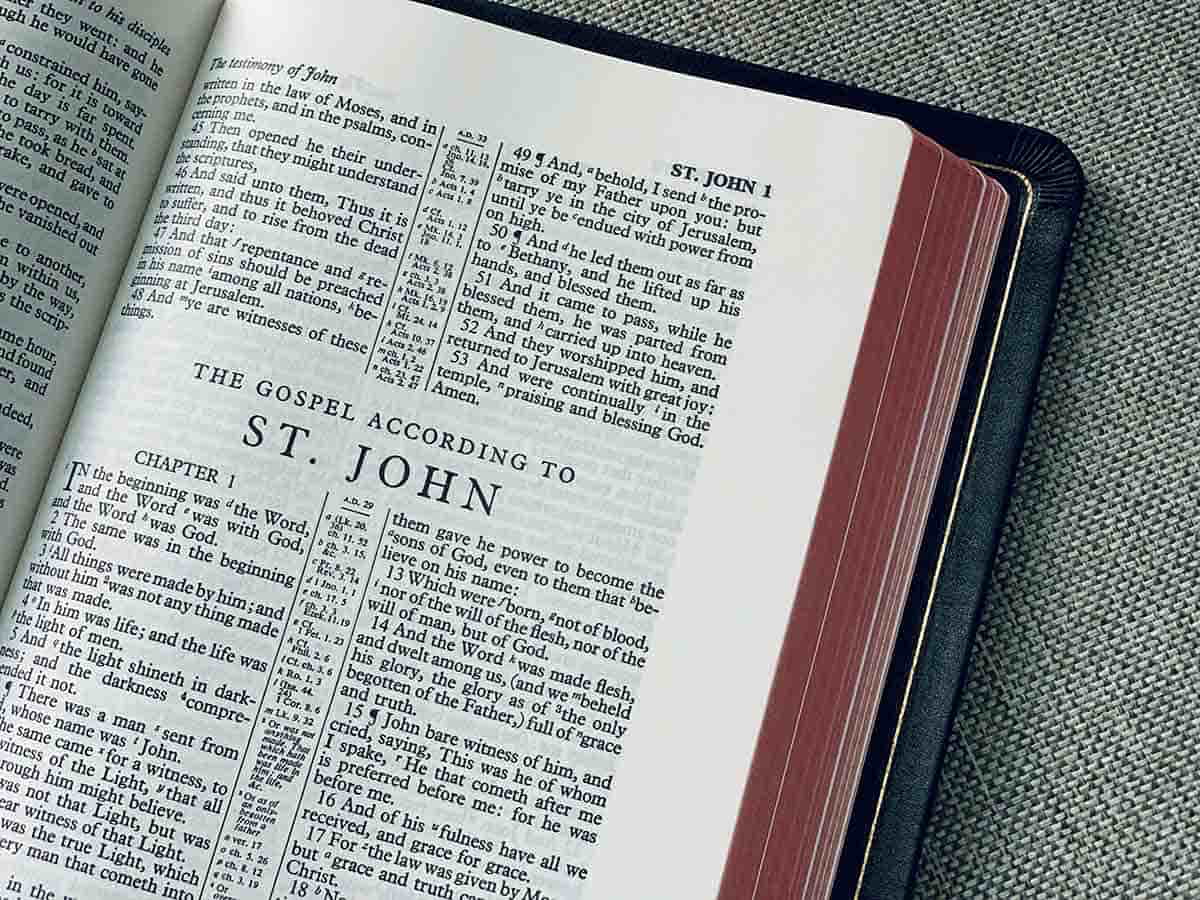
When critics read the Bible with the intent to find contradictions rather than with the hopes of understanding the text in context, confirmation bias will result in many apparent contradictions popping up.
We have considered only five examples of more than 100 claims of contradiction and have highlighted some methods that would assist the inquisitive researcher in understanding the text. Many Bible commentaries address these apparent contradictions and resolve them using interpretive principles. Some books are dedicated to addressing these apparent contradictions.
The lack of thorough research or genuine attempts to clarify apparent contradictions reveals the bias of many critics rather than exposing legitimate inconsistencies in the Bible. It highlights the intent of the critics to discredit the Bible.