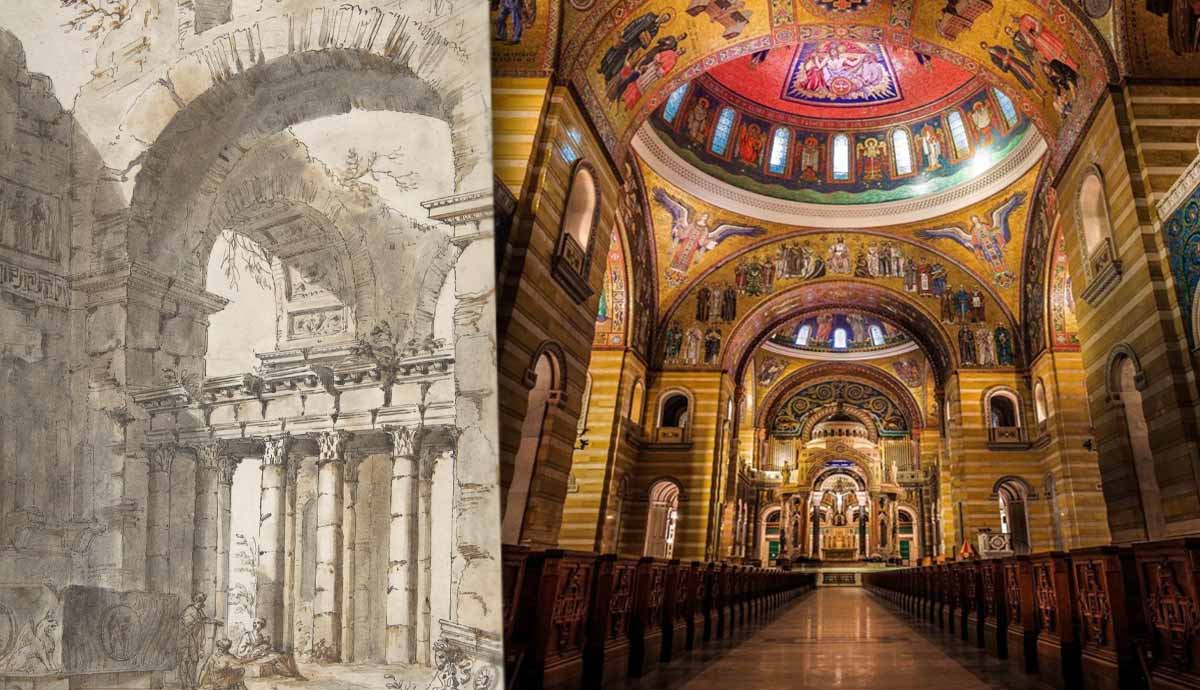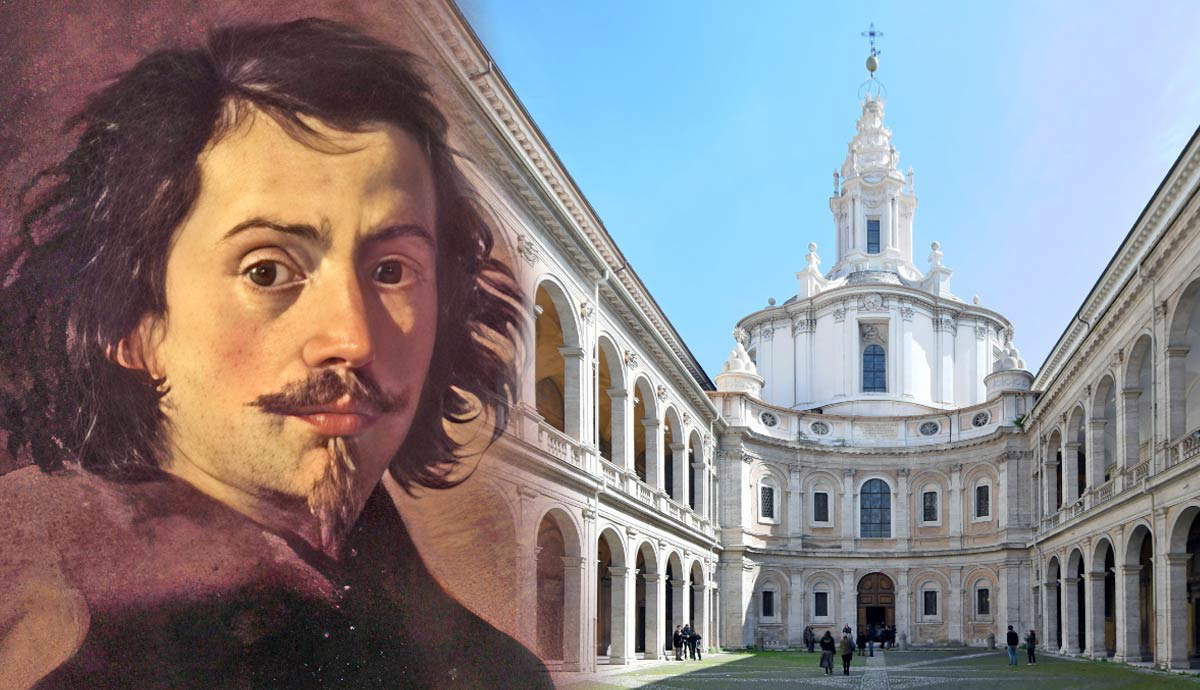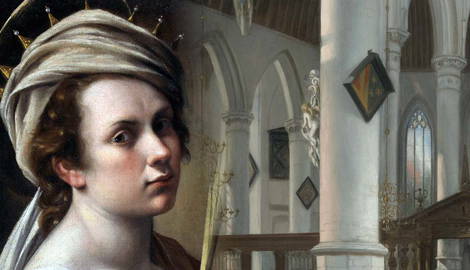
The Counter-Reformation can be pinpointed to a period of roughly one hundred years (1545-1648) when the Catholic Church responded to the accusations that the Protestant Reformation brought against it. The Counter-Reformation comprised several reforms and movements that aimed to address the critique of the Reformation. This can be summed up in a careful examination of the Catholic Church’s practices, but also a new strategy of presenting the Church to new believers in hopes of attracting them back to the faith. The main tools for popularizing Catholicism were art and words.
The Origin of the Counter-Reformation
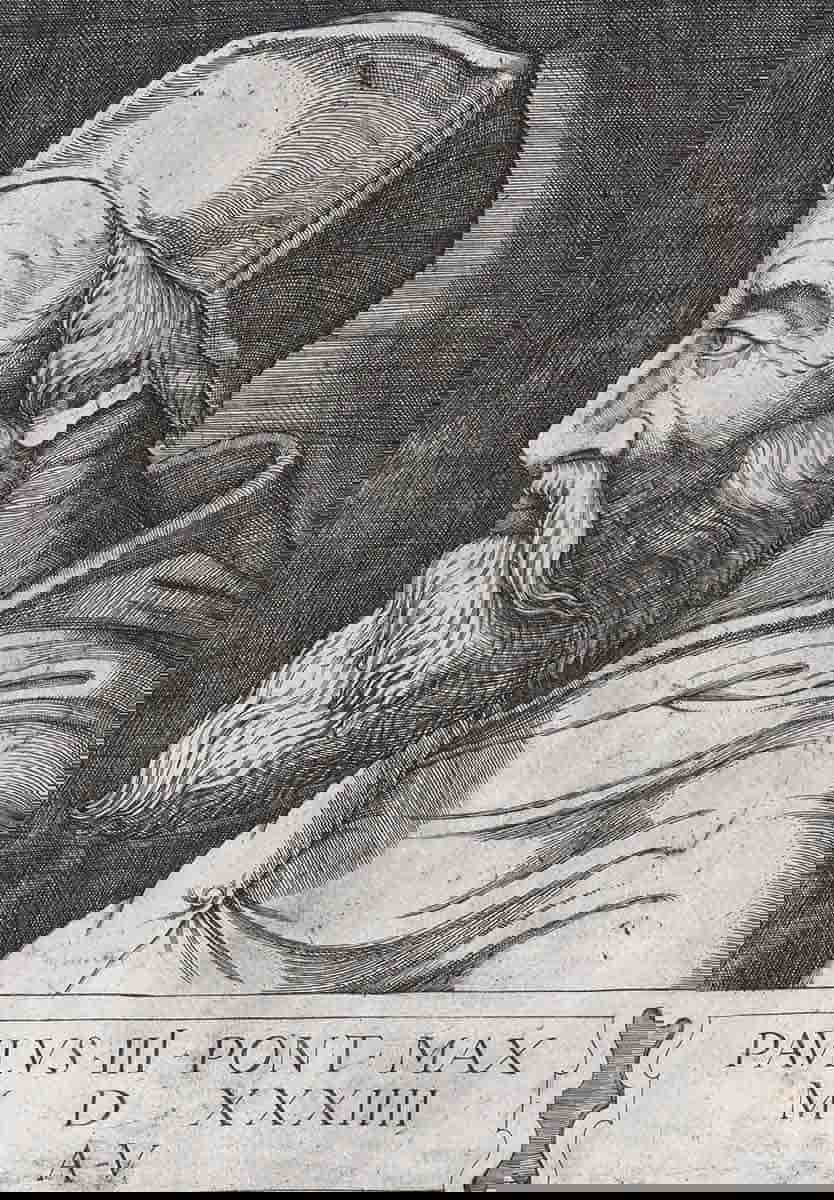
The Counter-Reformation (Latin: Contrareformatio, also known as Catholic Revival) was the response of the Catholic Church to the Protestant Reformation (1517-1648). It is generally believed that the Counter-Reformation started with the Council of Trent (1545) and ended when the European religious war ceased in ca. 1648. Another opinion places the ending of it with the Great Turkish War from 1699. The Council of Trent, which served as a catalyst, was a meeting invoked by Pope Paul III (1468-1549), which had the task of coming up with a strategy against the Reformation. During the council, theologians and clerics had the task of codifying Scripture, reforming the Church’s abuses, finding counter-arguments for Protestant theology, and establishing future goals for the Catholic Church.
The Council also focused on a renewed goal of the Catholic Church, namely that of objective theological truth. Catholics believed that, ultimately, they had the tools and necessary understanding to decipher the Scripture in its true sense and to judge whether an interpretation is true or not. This belief was the fuel behind the Church’s wish to spread its theological truth through art, music, and architecture. These forms of art worked as mediums for this propagation of ideas as they followed a strict recipe that conformed to the ideals of the Counter-Reformation. As Protestants pleaded for a faith based on the Scriptures and their interpretation of it, Catholics understood that they needed to convince believers that their long history made them more reliable and knowledgeable.
What Is the Reformation and Why Was the Counter-Reformation Necessary?
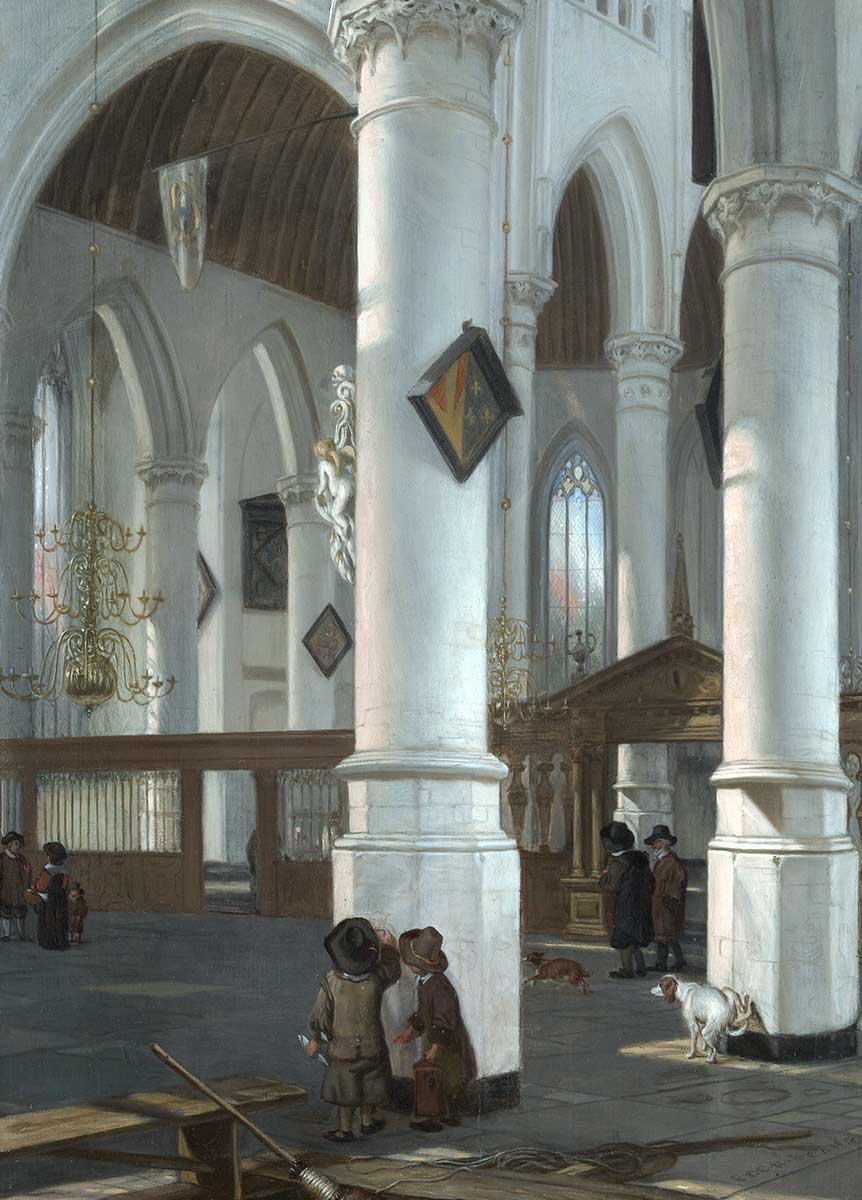
The beginning of the Reformation is set when theologian Martin Luther nails the Ninety-five Theses on the Wittenberg Castle Church’s doors on the 31st of October 1517. This act is instrumental in making the German city of Wittenberg the heart of the Reformation, as the developments of this incident are tied to it. The Reformation is seen as the main contributor to the formation of Protestantism, a prominent branch of Christianity. Luther’s act of criticizing the Catholic Church led the Protestants towards a reformulation of a number of basic beliefs of Christianity, which resulted in further division with the Catholic Church.
However, Martin Luther was not the only main figure of the Reformation. Jean Calvin (1509-1564) was part of the second wave of Protestantism, and his writings were so influential that they left and led to the creation of Calvinism, another Protestant by-product of the Reformation. One of the main reasons that triggered the dissent of theologians like Luther or Calvin was the Catholic influence in European politics which was only flourishing further during the 16th century. This resulted in the clergy’s increase in wealth and power, which in turn prompted further abuses. For example, practices like the selling of indulgences that were able to offer a spiritual privilege to someone who paid a certain sum was another point of major discontentment. This was seen as very problematic because the practices could not be argued through the teachings of the Scripture.
A New “Marketing” Strategy for the Catholic Church
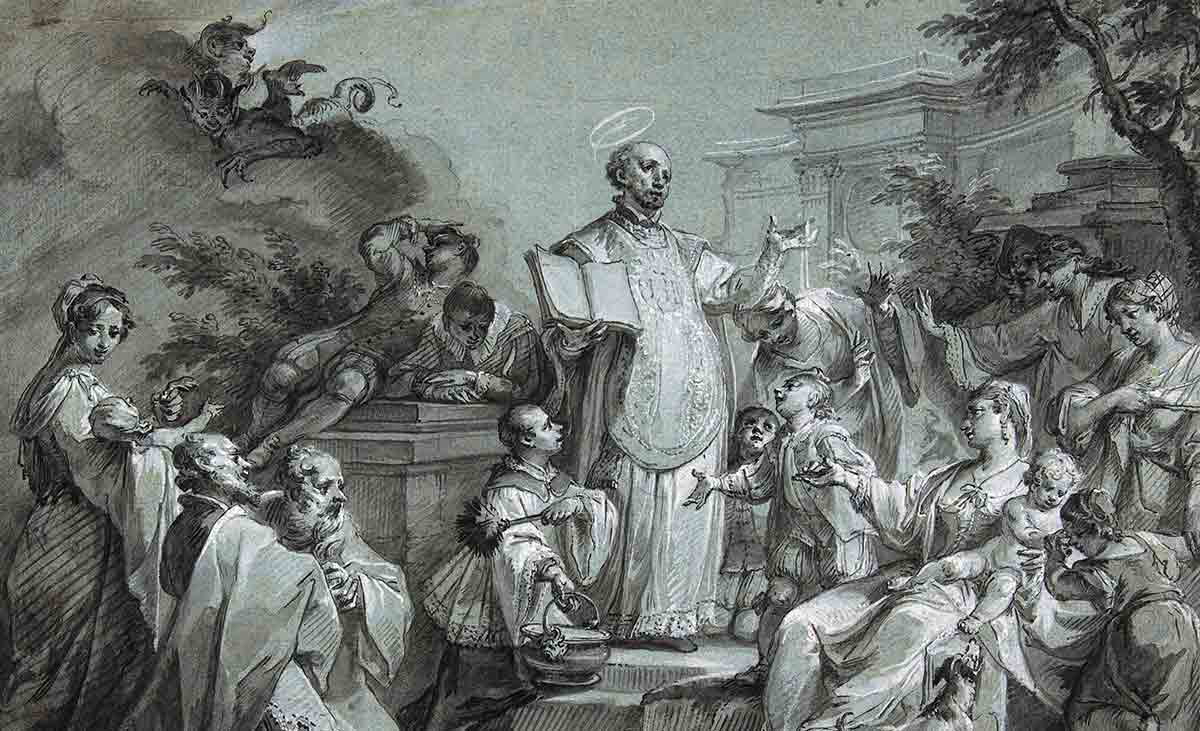
Such a complex situation as the one created by the Reformation required an equally complex response from the Catholic Church. If the Catholics intended to defend their beliefs and preserve their majority, they had to find a way to convince the Reformation’s followers otherwise. For example, in countries such as Germany, where Luther’s Theses originated, the population quickly Reformed, and the Catholic Church lost considerable influence. Because the proponents of the Reformation advocated for the secularization of the Reformed Church and the Protestant societies, the Catholics had to find another equally attractive offer. This secularization was very attractive for the common folk because it made religion easier to understand and relate to. The complicated rites of Catholicism, together with the use of Latin, made God more inaccessible.
The clever strategy of the Catholic Church implied using this very appeal of secularization in its favor. The Catholics understood the core sentiments that made secularization appealing to the common folk and found other outlets to satisfy those sentiments without compromising their beliefs. This materialized in the creation of the Jesuit Order, a religious order tasked with the Counter-Reformation, which built universities and schools throughout Europe and did missionary work. The Jesuits made Catholicism gain popularity through what they offered: education and access to it for a larger number of the population. They understood that in order to grow the number of Catholics, they had to go beyond Europe and use missionary work to convert people to Catholicism.
Why Was Art Crucial for the Counter-Reformation?
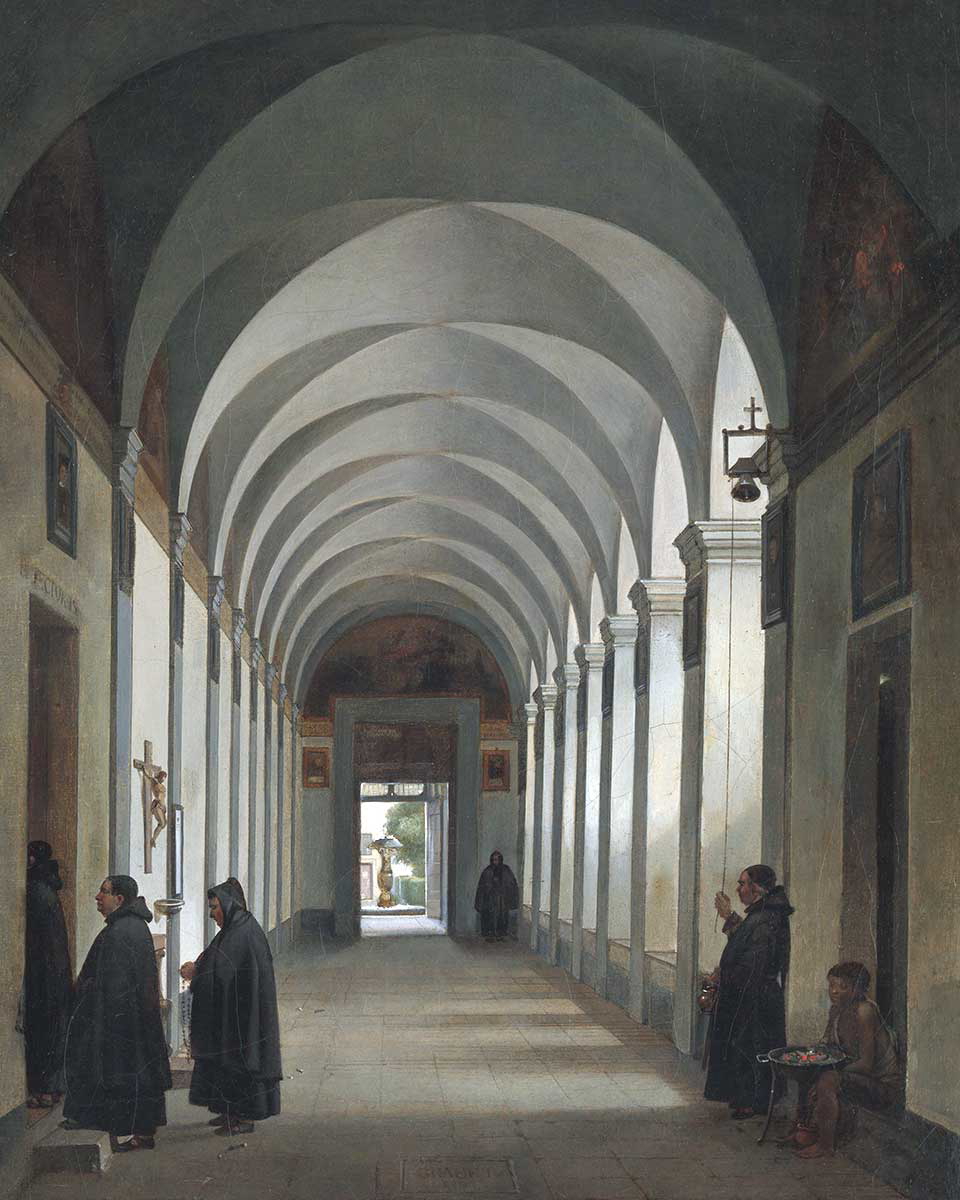
The Jesuits are a religious order formed in the early modern period with the purpose of spreading Jesus’ love and helping others. Formally going by the name of the Society of Jesus, the Jesuits were inspired by their belief in their founder, St. Ignatius of Loyola (1491-1556). One of the main creeds of Jesuits implied seeing God in all things in this world, and this can be seen as an explanation for the Jesuits’ dedication to culture. They wanted to use beauty to induce a sense of the greatness of God in the viewers. As a result of this, the Jesuits were the biggest patrons of art in the early modern period, which coincided with the creation of Baroque art.
They supported and invested a lot of resources in the visual arts, poetry, cartography, and even physics, with remarkable results in Europe, New France, and even China. When selecting artists for a specific commission they supported the local community by hiring local artists. There were exceptions to this: when the commission was strategically important for the Counter-Reformation, they hired popular artists. A taste for art was also strengthened through the education that the Jesuits provided. In this context, art became a potent device for the Catholic Church to compete against an equally attractive alternative, namely secularization, which promised accessibility. On the other hand, the Counter-Reformation took it upon itself to raise the cultural level of its adepts so that accessibility was no longer an issue.
The Inquisition and Art
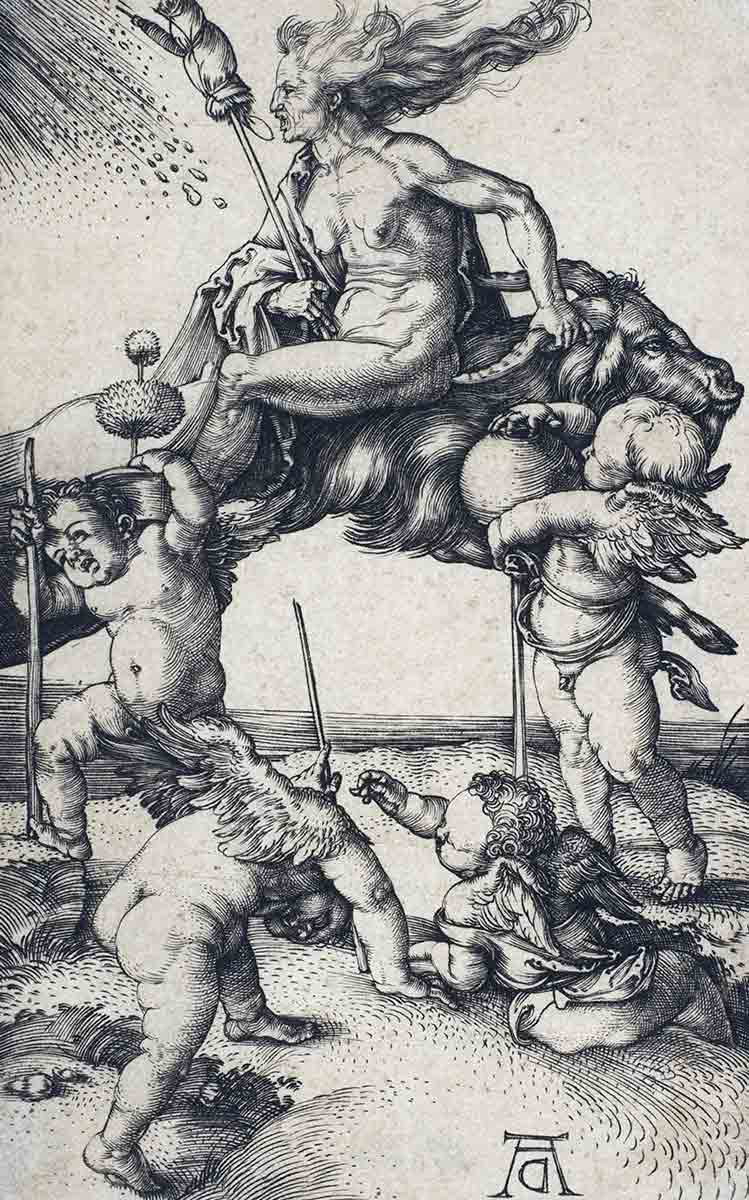
In this period, the infamous Inquisition also took off and played a role in deciding which art was appropriate or not. Although founded around the 12th century in the Kingdom of France, the Inquisition became well-known only later on, starting with the Renaissance period. The Inquisition was both the name of a judicial procedure and that of a group of institutions which were part of the Catholic Church. The aim of these groups was to combat heresy, blasphemy, and later on even witchcraft. The bad reputation of this judicial process lied in the rather violent methods used by inquisitors to obtain a confession. However, the history of the Inquisition as a whole is varied. Some periods were marked by gestures such as the burning of books, while others by outright violence and torture against fellow humans which oftentimes ended in gruesome executions.
The Inquisition is relevant in this discussion because its rise in importance happens with the Reformation, which ignites a necessity for an institution that may discern canon from heresy. In this period, the attributions of the Inquisitions expanded, encompassing the regulation of art in some cases. A famous case is that of the Italian painter Veronese who was questioned by inquisitors in 1573 about a painting of the Last Supper that was seen as irreverent. This painting is now known under the title Feast in the House of Levi and can be found in the Gallerie dell’Accademia di Venezia. This is one of the examples of the involvement of the Inquisition in the early modern art production.
Peter Paul Rubens as an Artist of the Counter-Reformation
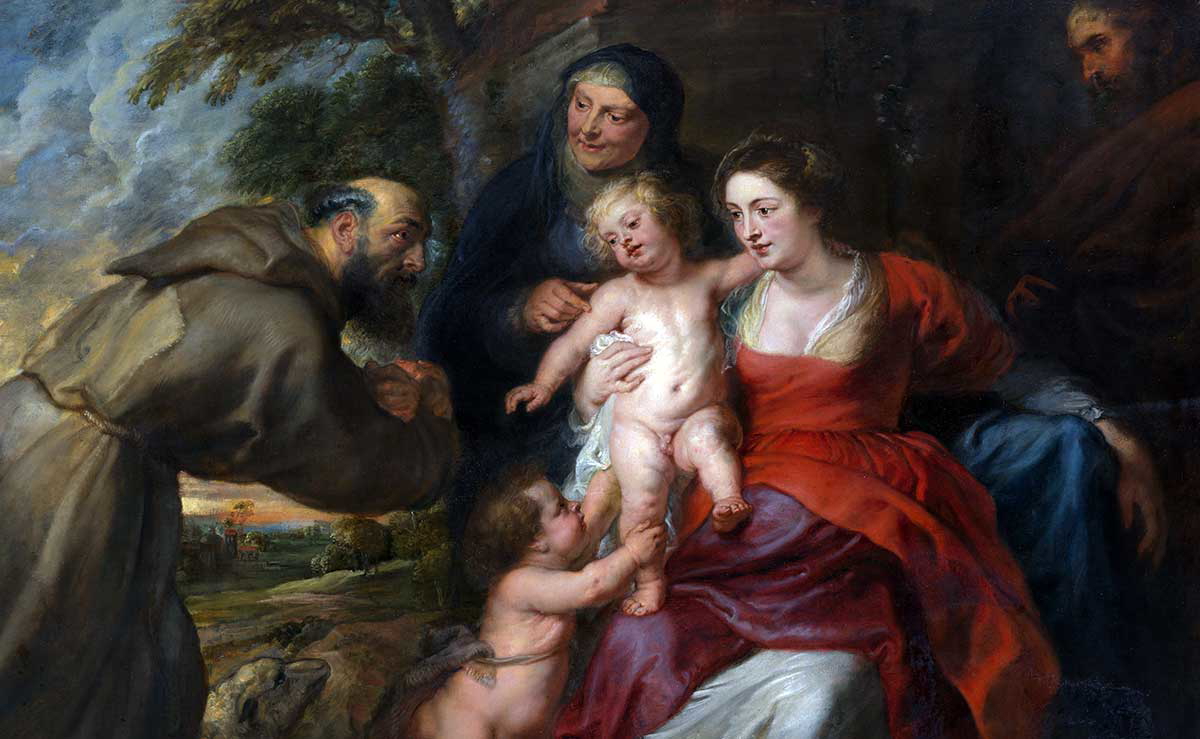
Peter Paul Rubens (1577-1640) was the most important Counter-Reformation artist who worked in Northern Europe. Coming from a Catholic Flemish background, Rubens was a driving force in shaping Baroque painting. Particularly popular for his religious paintings, he was one of the artists who influenced how specific Christian themes or ideas were represented on canvas. As a propagator of the ideas of the Council of Trent, Rubens’ works took various forms such as portraits, history paintings, painted ceilings, and altarpieces. Because of his allegiance to the ideas propagated by the Catholic Church, Rubens’ art aligned himself perfectly with the Catholic ideas. Moreover, his paintings show just how influential art can be for the dissemination of a certain narrative.
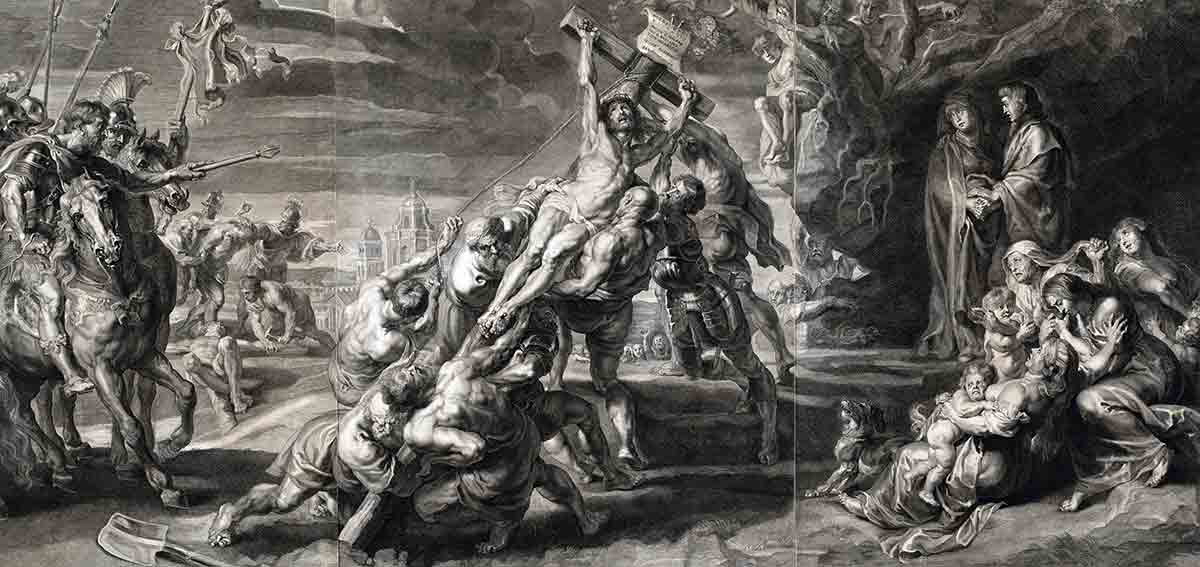
For example, The Elevation of the Cross is a good example of how the tenets of the Counter-Reformation can be expressed through art. The painting is a perfect mix between the higher mission of the Catholic Church combined with the signature naturalism and dramatic sense of the baroque. This type of art embodied what the Catholics wanted in a painting, as it had the power to move the viewer while also instructing in theological matters. Rubens’ Elevation also has the advantage of showcasing two Italian artistic influences through the muscular bodies of those depicted (reminiscent of Michelangelo) and the dramatic use of contrast and light (a technique of Caravaggio). The paintings made by Rubens bring about the true power of religious painting, the theatrical aspect of it.
Artemisia Gentileschi in the Context of the Counter-Reformation
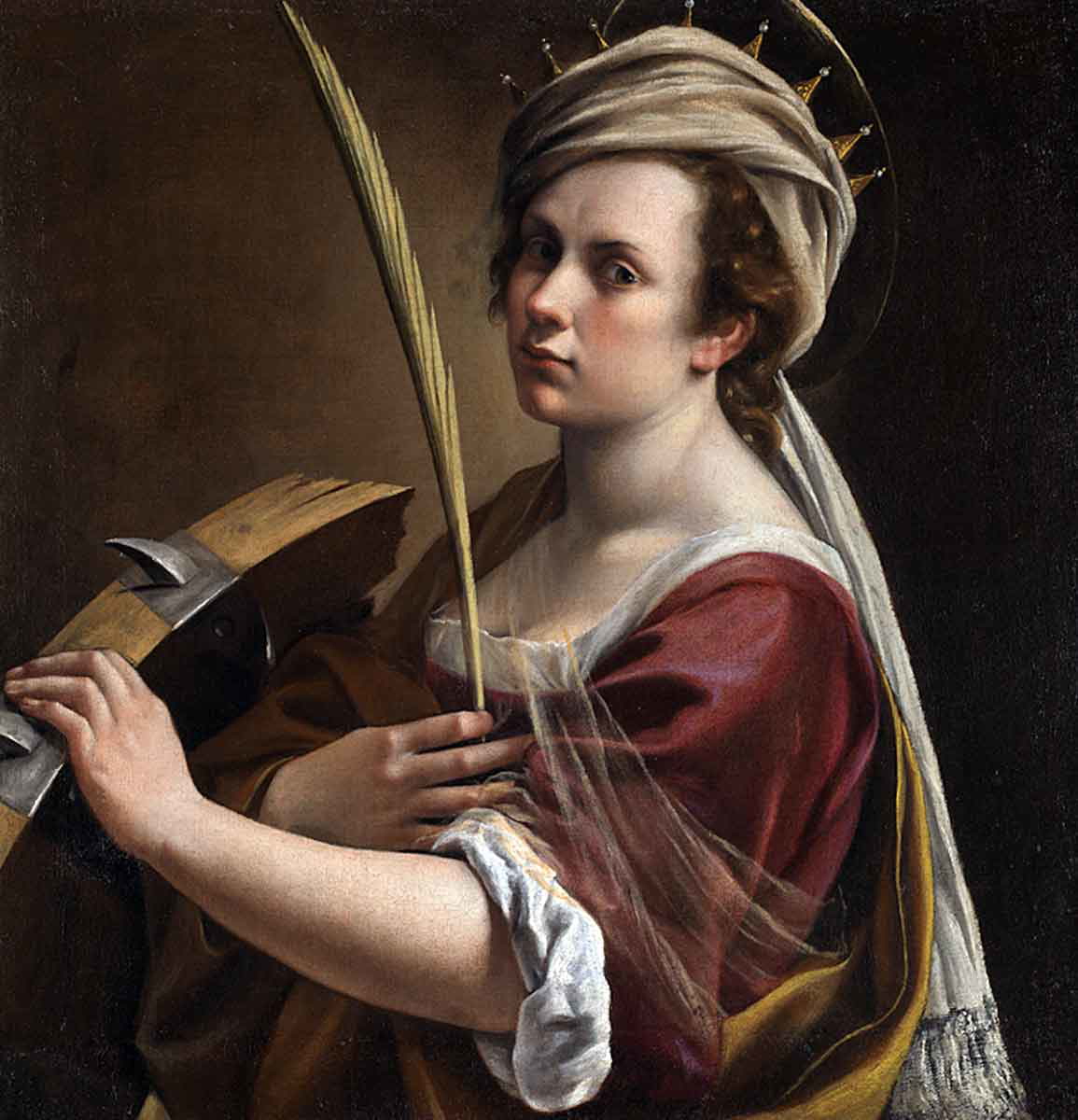
While there are many other artists who were direct supporters of the Counter-Reformation’s effort to win over believers, Artemisia Gentileschi’s (1593-1653) case makes for a more complex situation. It’s extremely important to remember that women too played a role in this period, although the Catholics emphasized the power of men in society. Gentileschi was one of the most successful painters of the Baroque period, and she asserted her artistic influence on both sides of the debate, as suggested by historian Judith Mann.
Most of her paintings depicted powerful women from the Scripture in moments when they established their power. Because of this, her paintings quickly gained admirers among both women and men, as women felt inspired by her bold portrayals of classic stories and characters. This was used to the advantage of the Counter-Reformation which looked for all types of opportunities to make a positive impression about Catholicism. On the other hand, Gentileschi’s way of portraying religious scenes clashed with some of the ideals of Catholicism, as she showed women embracing their roles and contributions to spirituality. This difference of portrayal was also seen as an opportunity for Protestants who believed in giving women more positions of authority. As art historian Effie Jackson points, “women’s control of their religion had significant implications for their lives in general. The Protestant woman became an icon of feminism, dismantling notions that enforce decorum and restraint.” Gentileschi’s art shows the two possible interpretations of the female figure within this theological debate.
As this article has shown, the relationship between the Counter-Reformation and art is a complex one. On one hand, some art had to be constrained and regulated to match the ideals of the Catholic Church, while the rest was supported under patronage and blossomed with the help of the Jesuits.