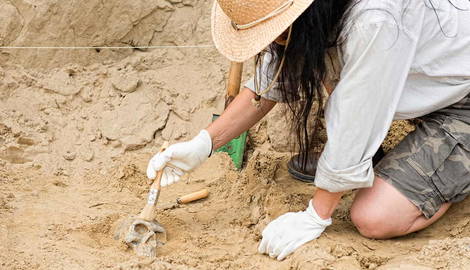
In 2008, Russian researchers excavated a site called Denisova Cave in the Altai Mountains of Siberia. Amongst a variety of Neanderthal tools was a fragment of a finger bone, presumed to be nothing out of the ordinary. When German researchers sequenced the DNA two years later, they discovered something remarkable. Not only did the DNA fail to match that of Neanderthals or modern humans, but it appeared to belong to an unidentified extinct hominin species, the Denisovans.
What Evidence Do We Have?
Following the initial discovery of a finger bone in Russia, known as Denisova 3, scientists sought further evidence before drawing any conclusions. Since 2010, researchers have identified a small number of Denisovan specimens from the Siberian cave, including three molars, a long bone fragment, and a parietal bone fragment from a skull. Uniquely, a genetic study revealed that the owner of the long bone, nicknamed Denny, was a first-generation hybrid. The young girl had a Denisovan father and a Neanderthal mother, confirming that interbreeding took place between the two hominin species.
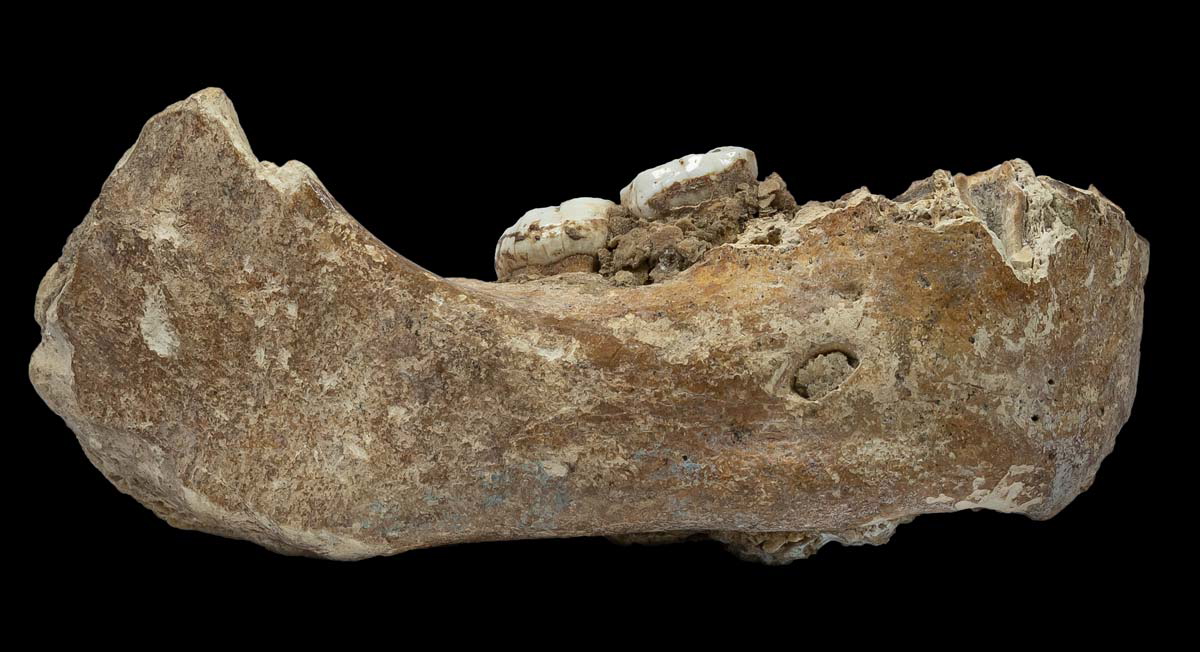
Despite the scarcity of fossil findings, genetic studies have indicated that Denisovans were once widespread in East Asia. Discoveries were restricted to Denisova Cave until 2019 when a re-analysis of a mandible from the Tibetan Plateau allowed researchers to identify the fossil as Denisovan. The mandible was found in Baishiya Karst Cave in Xiahe, China, in 1980 and has been dated to at least 160,000 years ago using U-series dating. As well as providing evidence of Denisovans outside the Altai Mountains, the Xiahe mandible offered insights into the species’ adaptation to high-altitude environments.

Previously, discoveries were limited to regions with colder climates, including Siberia and Tibet. That was until a human mandible, discovered by a fisherman in the Penghu Channel, was re-analyzed almost 20 years after its discovery. In 2025, researchers used a protein analysis technique to identify the mandible, Penghu 1, as Denisovan. The study confirmed speculations about the group’s widespread presence, including in warmer climates like Taiwan. Scientists had theorized that the mandible was Denisovan based on its robust structure, but like many unclassified hominin fossils, the specimen was previously unsuitable for DNA testing.
The Significance of the Dragon Man Skull
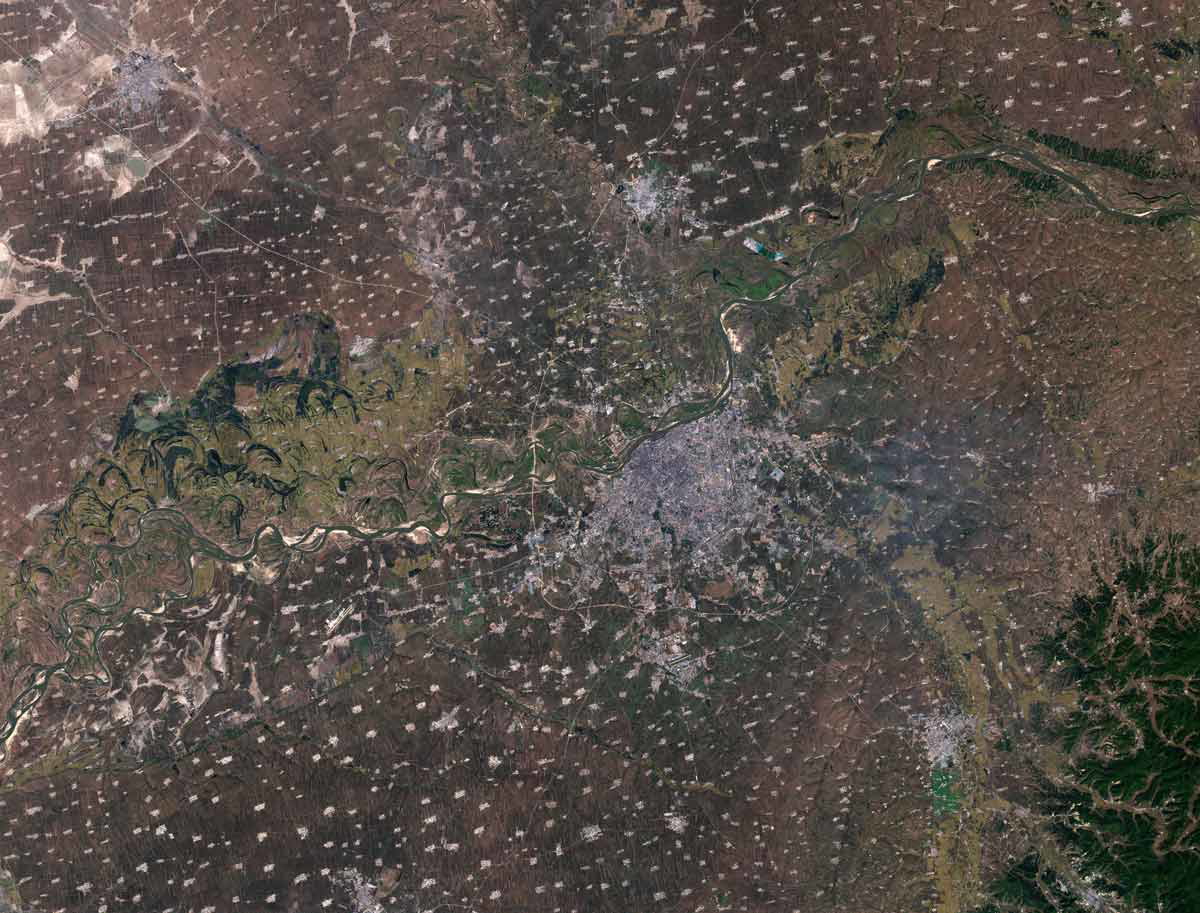
In 1933, a laborer discovered a human-like skull while working on the construction of a bridge over the Songhua River that runs through Harbin City in China. As the city was under Japanese occupation at the time, the worker hid the skull in a well. Almost 90 years later, the family of the laborer recovered and donated the fossil to science. The skull was named Dragon Man, after the Heilongjiang Province, or Black Dragon River, where the man had found it. In 2021, researchers determined that the Dragon Man skull belonged to a new hominin species, which they named Homo longi. Academics have since debated the classification of the specimen.
In 2025, two papers were published supporting that the 146,000-year-old cranium belonged to a Denisovan. Paleogeneticist Qiaomei Fu, who had investigated Denisova 3, extracted proteins from the Harbin skull after previous unsuccessful attempts to retrieve DNA. By analyzing the proteins, Fu found three variants unique to Denisovans, indicating that the individual belonged to a Denisovan group. Supporting evidence was retrieved as the research team isolated mitochondrial DNA (mtDNA) from dental plaque. The mtDNA, which is inherited from the mother’s side, was linked to Denisovans found in the oldest archaeological layers of Denisova Cave.
The papers have been met with both support and caution as academics decide whether Denisovans—who have not yet been formally described as a distinct species—should be referred to as Homo longi. These exciting findings offer new insights into the physical appearance of Denisovans, helping researchers to identify similar morphological traits in other fossils. The Harbin skull also widens our understanding of the geographical range inhabited by Denisovans in Asia during the Middle Pleistocene.
Denisovan Ancestry in Modern Humans Today
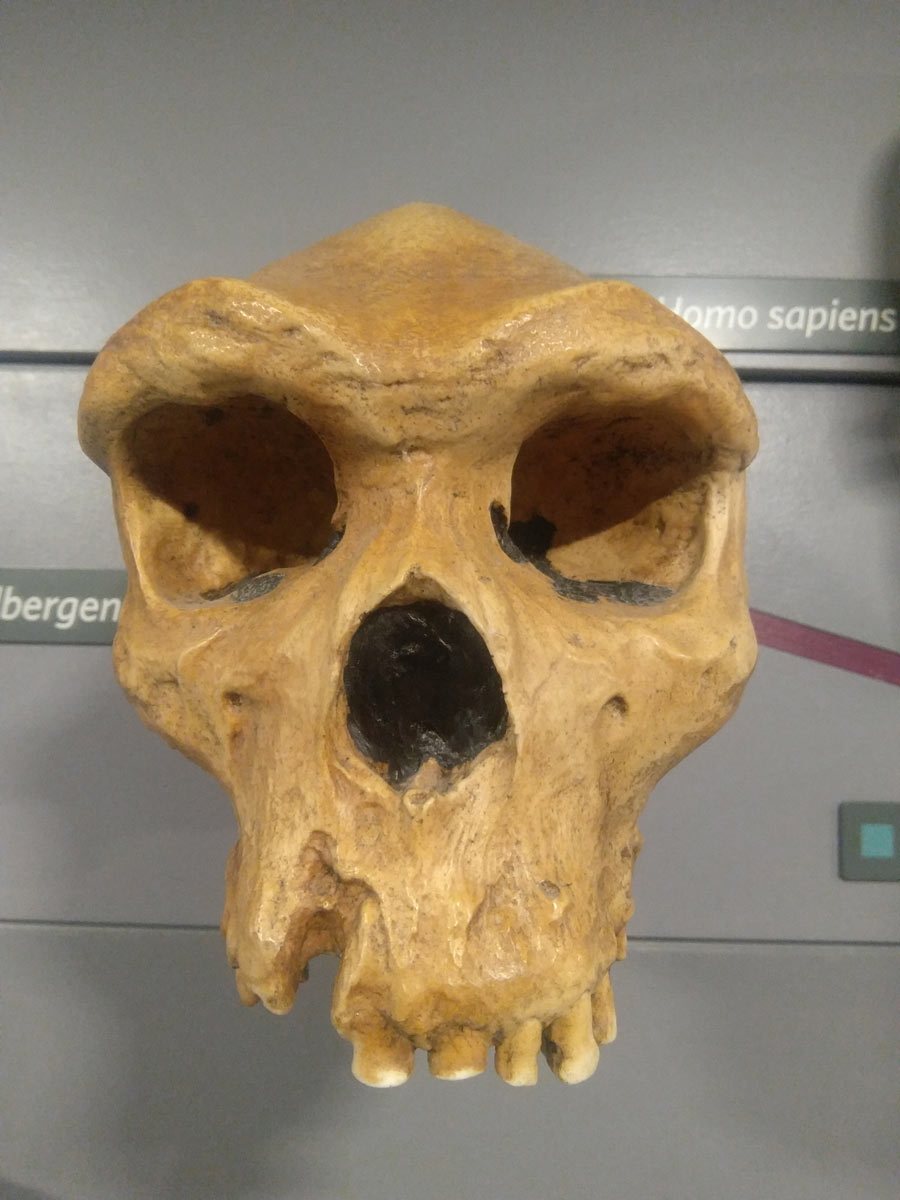
Some 600,000 years ago, a common ancestor of the Neanderthals, Denisovans, and Homo sapiens migrated out of Africa. Evidence suggests this shared ancestor was a species known for their sophisticated tools and use of controlled fire: Homo heidelbergensis. One branch ventured into Europe and West Asia and evolved into Neanderthals, while another branched into Southeast Asia, where they became Denisovans. Populations that remained in Africa evolved into anatomically modern humans and migrated into Eurasia by 50,000 years ago, where they came in contact and interbred with other hominins.
Geneticists have observed present-day populations with Denisovan ancestry to show varying levels of genetic affiliation to the Altai Denisovan genome, suggesting that interbreeding occurred at least twice. Researchers have proposed a third introgression event, or genetic exchange between gene pools, observed in Papuans. The Papuans, an Indigenous people of New Guinea, have high levels of Denisovan DNA, accounting for up to 5% of the genome. However, the Ayta Magbukon of the Philippines display the highest known level of Denisovan DNA, which research shows is from a distinct Denisovan population to the group that contributed to the Papuan genome.
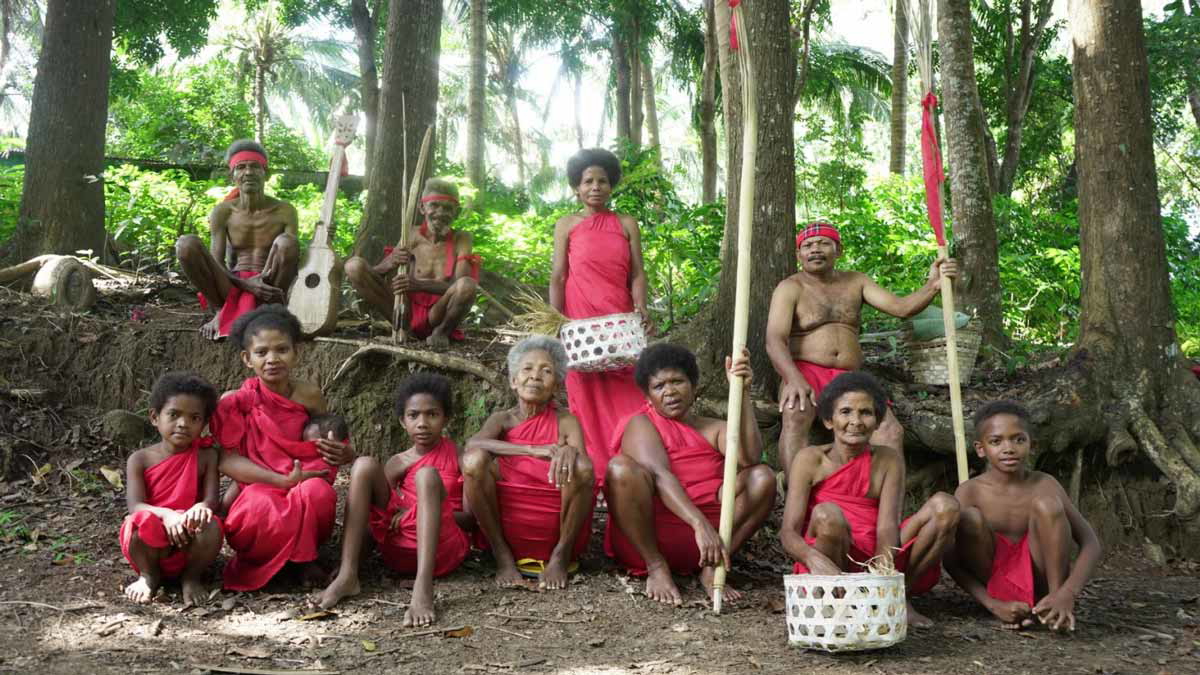
Denisovan ancestry is also present in the genome of Indigenous peoples of Island Southeast Asia, including the Philippines, Indonesia, and Malaysia, as well as Aboriginal Australians. At lower levels, Denisovan ancestry can be detected among other modern human populations, including South Asian, East Asian, Siberian, and Native American populations. In addition to modern humans, Denisovans interbred with Neanderthals, evidenced by a 90,000-year-old fossil specimen belonging to the first-generation hybrid, Denny. Although the geographical ranges of the two were distinct, it is clear that populations overlapped in Siberia and other areas.
Enduring Harsh Winters and High Altitudes
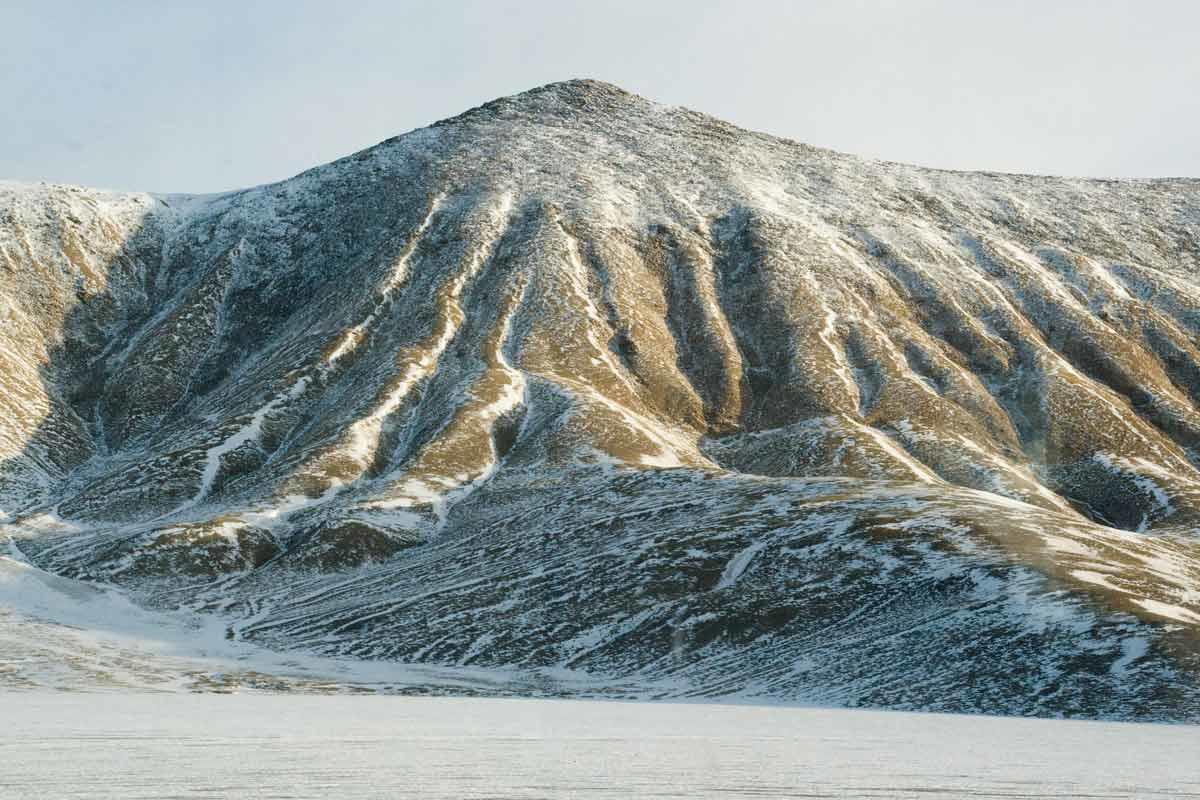
Sediments from Denisova Cave support the presence of Denisovans in the Altai Mountains of Siberia from at least 200,000 years ago, where they lived sporadically until around 50,000 years ago. With little preserved remains, researchers turned to genetic studies to pinpoint where Denisovans called home, revealing a broader distribution than their fossil trail implies.
Denisovan DNA is highest in Indigenous populations of the Philippines, Melanesia, and Aboriginal Australians, suggesting Denisovans reached east of Wallace’s line, a faunal boundary running through Indonesia. While their full geographic range is not fully understood, academics believe Denisovans inhabited a broad area stretching from Siberia to parts of East Asia, Southeast Asia, and potentially Oceania.
The population took a significant hit shortly after splitting from modern humans; a decline from which they never fully recovered. By comparing chromosomes inherited by Denisova 3 from each parent, researchers estimated Denisova Cave had a small effective population. Despite this, inbreeding does not appear to have been as prevalent as it was among Neanderthals, possibly due to interbreeding, larger group sizes, and a wide geographic range.
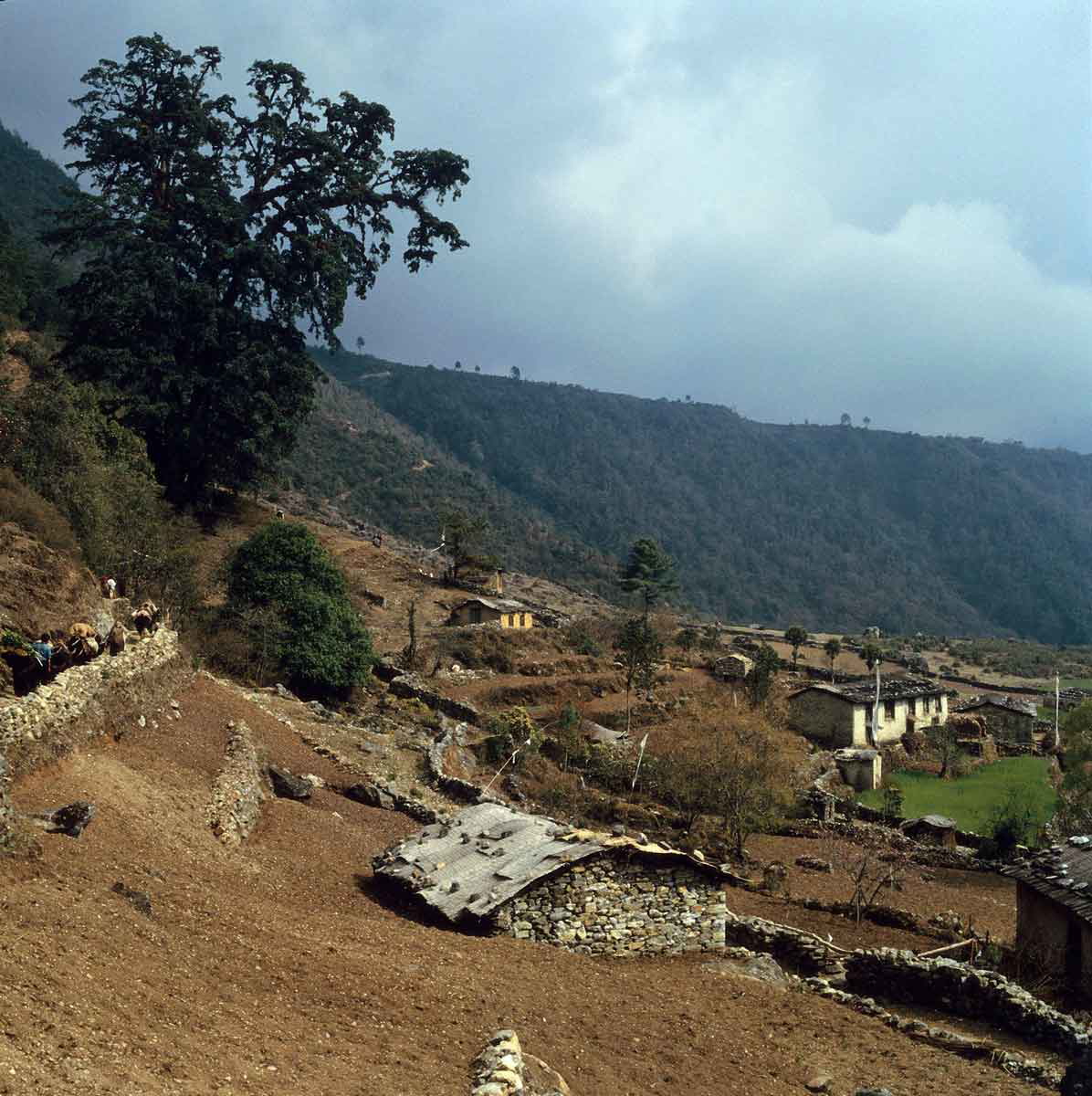
Found in Baishiya Karst Cave, the Xiahe mandible showed that Denisovans occupied the cave over 160,000 years ago, surviving the high altitudes of the Tibetan Plateau. This population—closely related to the Denisovans from Denisova Cave—adapted to the low-oxygen environment long before modern humans arrived in the region. According to genetic studies, the EPAS1 allele found at high frequencies in many present-day Himalayan populations, including Sherpas and Tibetans, was inherited from the Denisovans. By improving oxygen transport in the blood, EPAS1 allows populations to adapt to high altitudes. Not only did Denisovans endure elevated environments, but they thrived in both cold and warm climates, with adaptations like their large body size offering clues about how they responded to such diverse conditions.
Denisovans vs Neanderthals
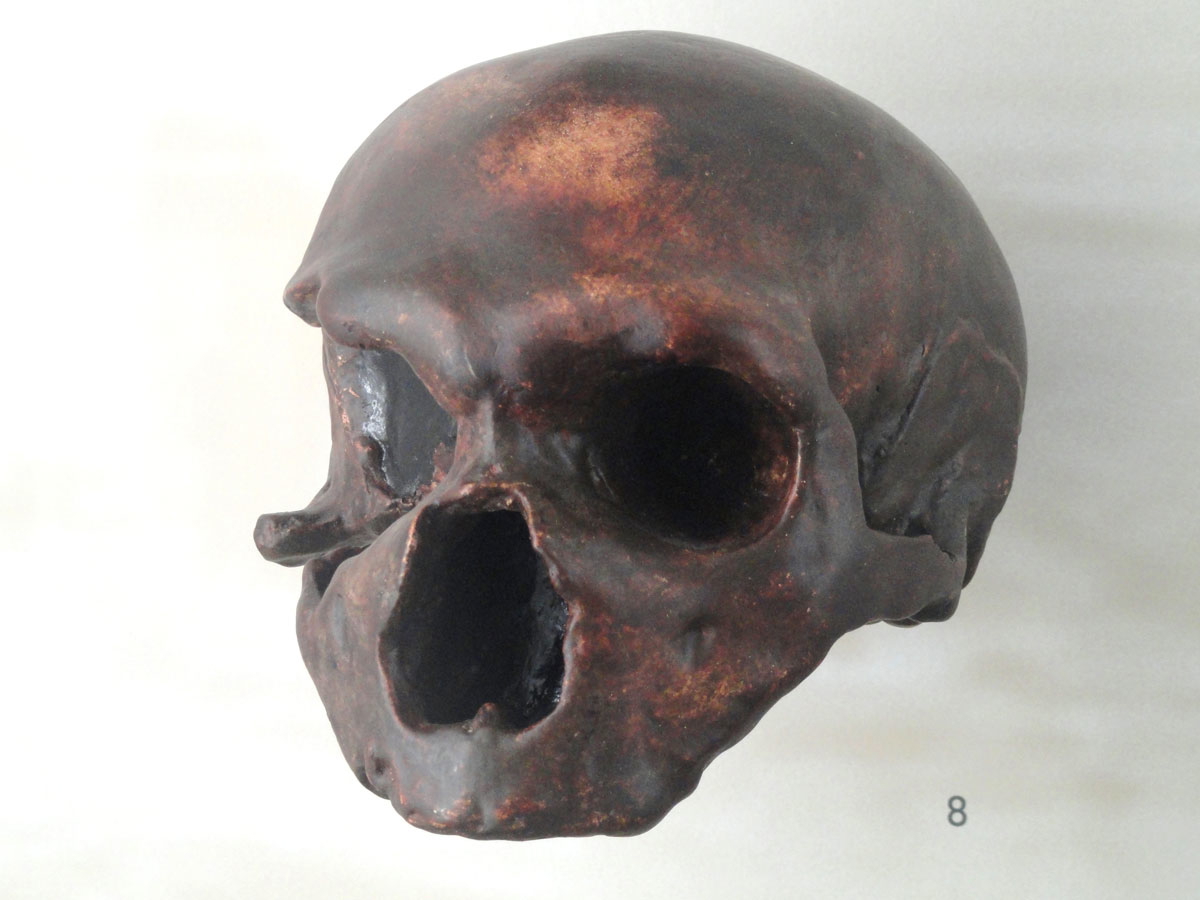
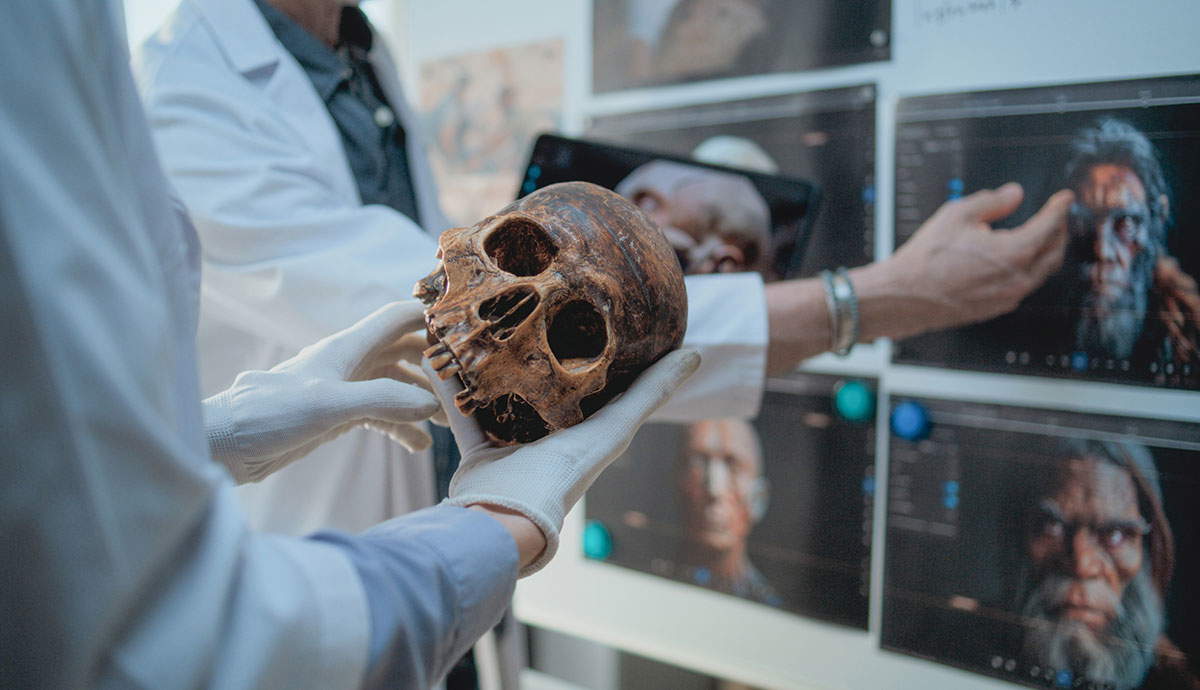
With limited fossil evidence, scientists used a method to analyze DNA methylation patterns compared to those of Neanderthals, modern humans, and chimpanzees. By modifying DNA to regulate gene expression, the team could reconstruct the anatomical profile of a Denisovan. Unsurprisingly, the results showed that Denisovans shared several physical traits with their closest relatives, the Neanderthals. Both species shared their elongated facial structure with a robust jaw and a low protruding forehead. The reconstruction also predicted that Denisovans had a similar wide pelvis and thick ribs to the Neanderthals, but a longer dental arch and less facial protrusion, confirmed by the Xiahe mandible.
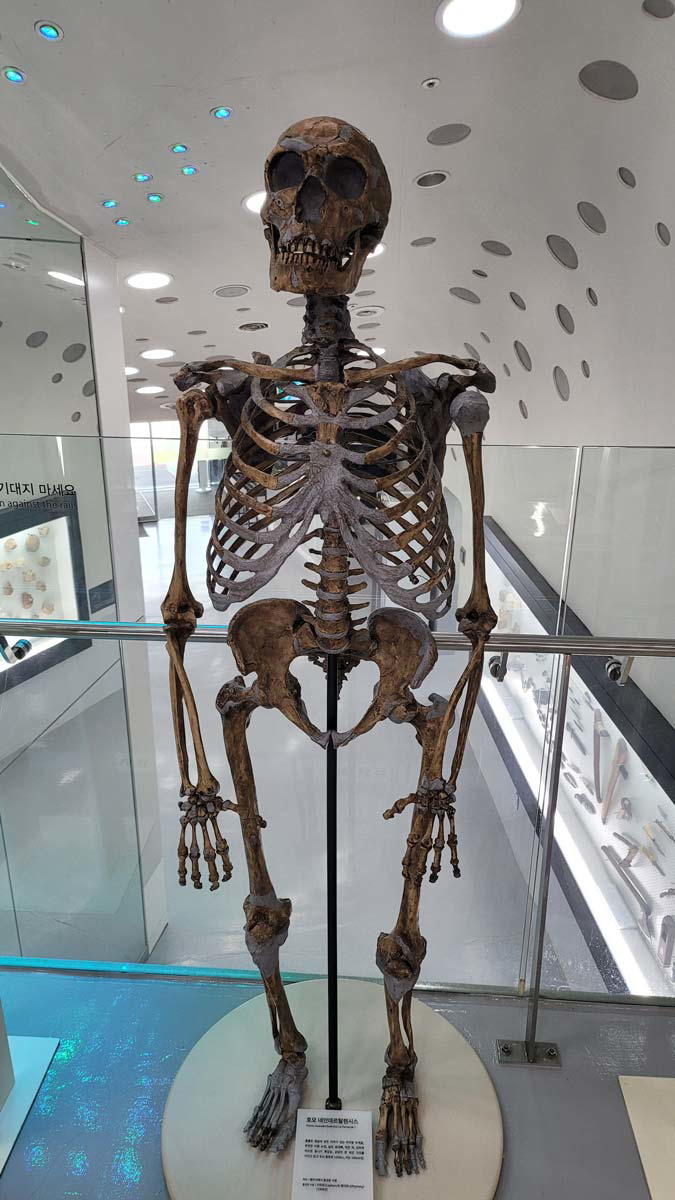
Following support that the well-preserved Harbin skull belonged to a Denisovan, researchers could better understand their cranial morphology. As anticipated, the skull displayed a prominent brow ridge similar to a Neanderthal. However, Denisovans lacked the characteristic Neanderthal “chignon” or “occipital bun,” a prominent projection at the back of the skull, as well as a depression known as a suprainiac fossa. Fossil evidence has also demonstrated the unusually large size of their molar teeth, housed in a robust jaw, which could indicate an adaptation to a diet of tough, fibrous foods.
How Modern Humans Outlived the Denisovans
Considering the limited evidence, scientists are uncertain of what happened to our enigmatic cousins. Genetic evidence points to interbreeding of modern humans with Denisovans 30,000 years ago, or potentially as recent as 15,000 years ago, in Papua New Guinea. This evidence suggests Denisovans were still around at least 30,000 years ago, potentially surviving the Neanderthals by around 10,000 years.
Researchers hypothesize that Denisovans eventually faded into the broader modern human population due to ongoing interbreeding. Another hypothesis suggests that Homo sapiens outcompeted them, caused their extinction by violence, or introduced new diseases. Considering their widespread geographic range, environmental and climatic conditions could not represent a single cause but may have played a vital role in their disappearance, alongside other factors.
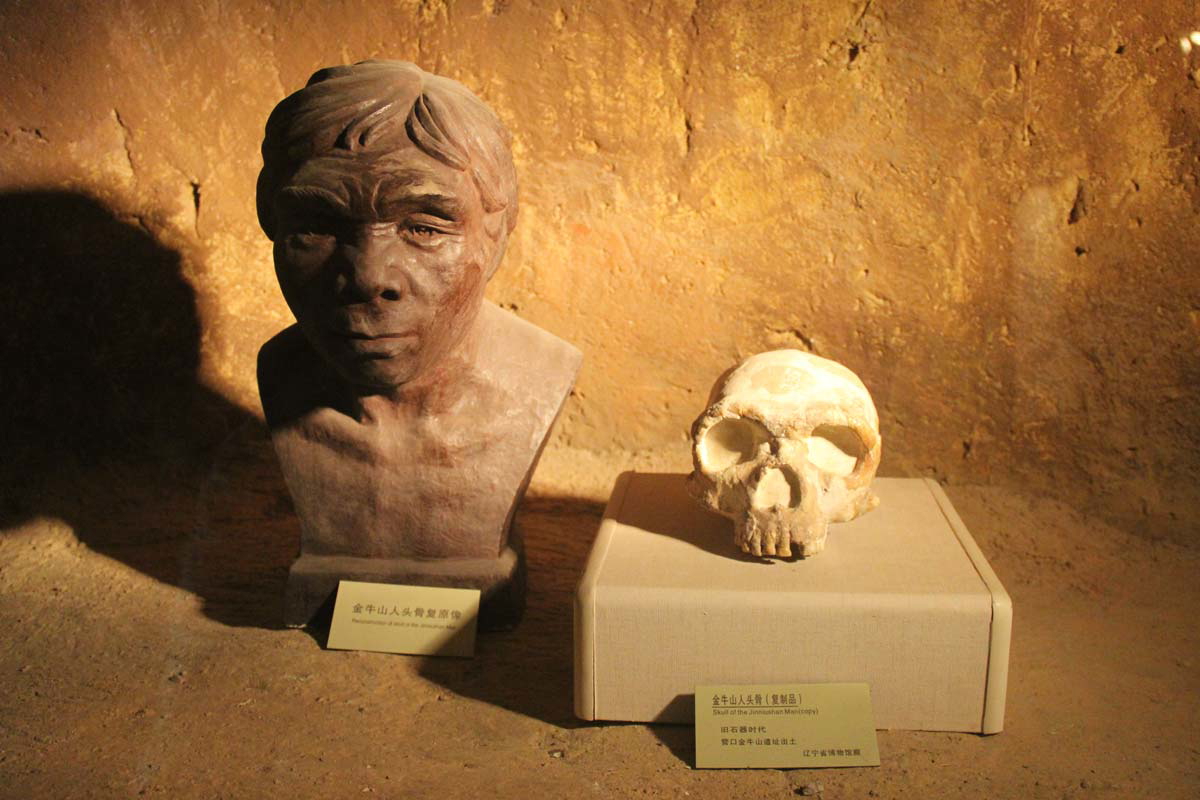
In the coming years, discoveries could arise that will further add to the picture. In particular, the Harbin cranium could enable the identification of further fossils using morphological traits. For instance, the specimen has been compared to craniums, including the Dali skull, the Hualongdong skull, and the Jinniushan skull, which were found in different provinces of China. Nevertheless, now is an exciting time for anthropology enthusiasts as the story of our extinct fellow hominins unravels before our eyes.