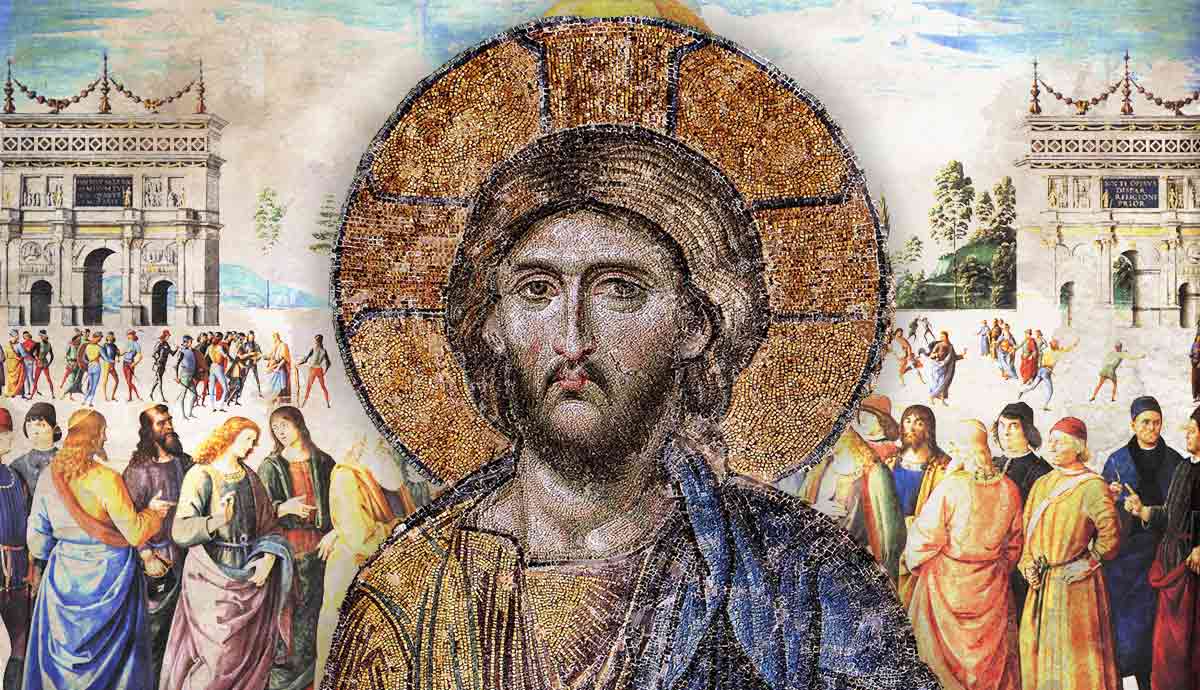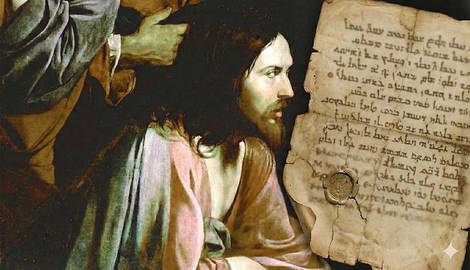
In the famous New Testament story from the Gospel of John of the woman taken in adultery, Jesus is said to have stooped down and written something in the sand on the ground. The text does not say what he wrote. Apart from this tantalizing incident, there is no record in the New Testament of Jesus writing anything. But according to a legend that would emerge a few centuries after Jesus’s life, he once corresponded by letter with King Abgar V, of Edessa, which is now called Şanlıurfa (pronounced shanliurfa) in Eastern Turkey.
Who Was Abgar V?
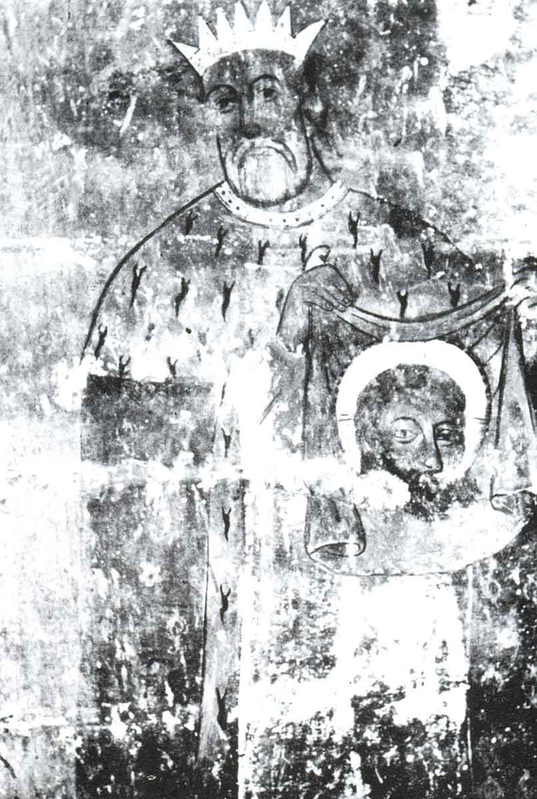
The king enthroned in the city of Edessa in the time of Jesus was the ruler of a wider region known as the Kingdom of Osroene, which straddled the border of what is now Turkey and Syria. This region managed to maintain semi-autonomous status throughout both the Greek and Roman Empires, and its Syriac (Aramaic) culture was preserved through the Syriac Orthodox Church long after the Osroene Kingdom itself had disappeared.
A contemporary of Jesus, Abgar V was in a line of kings who had ruled in Edessa for nearly a century and a half. The Abgarid Dynasty bore marks of both Persian and Arab culture. However, Syriac was their language of choice, and it is their Aramaic heritage that would come to matter most to their legacy.
Could Jesus Have Written to Abgar?
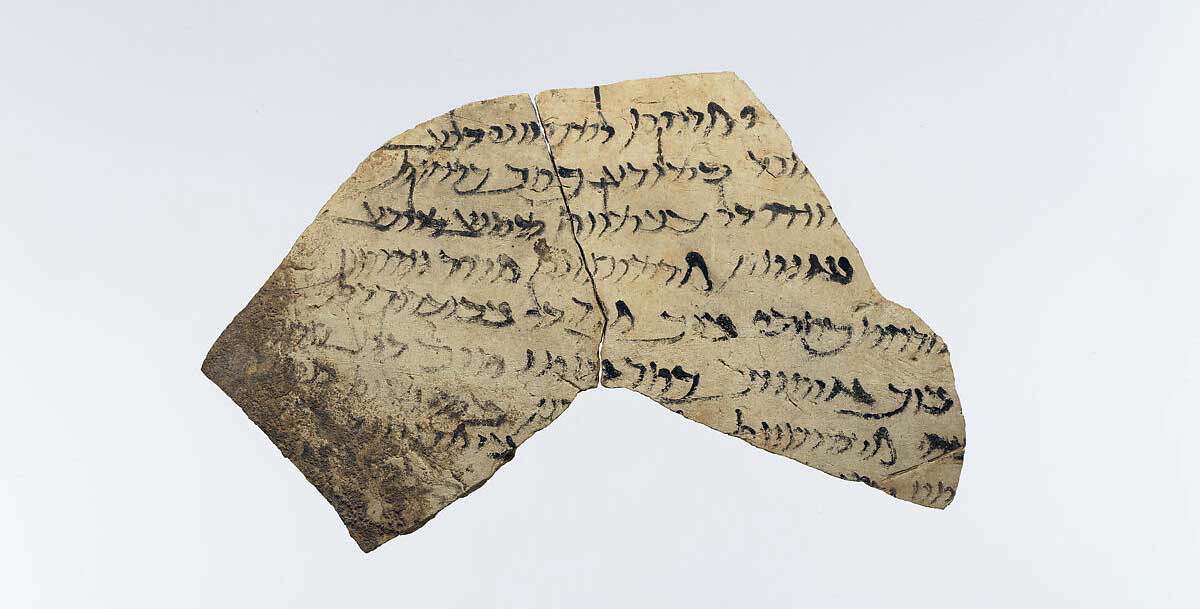
Most scholars believe that the language Jesus spoke in day-to-day life was a dialect of Aramaic, which Jesus’s ancestors had learned during the period of the Exile and its aftermath, when large numbers of Judeans lived in Mesopotamia and migrated across the Fertile Crescent. As noted, Abgar spoke Aramaic and was king of what would later become a center of Aramaic literature. We do not know whether or not Jesus could speak and write Greek, which was much more widely spoken in the eastern side of the Roman Empire in Jesus’s day. Because the claim in the Abgar legend is that Jesus wrote to someone in Aramaic rather than Greek, it is sometimes noted in popular discourse that Jesus could have communicated with Abgar directly.
Yet, while it is not impossible to imagine, historians believe that the story is only a tale that emerged in the third century at the earliest. Still, it continues to be well-known and beloved by many in the region.
King Abgar Petitioned Jesus to Come and Cure His Illness

Abgar’s letter, which is preserved by the church historian Eusebius in the fourth century, speaks in terms that reflect Christian orthodox doctrine about the nature of Christ that developed in the early church. Abgar says in his letter that reports of Jesus’s miracles had reached him, and that he had concluded that Jesus was either God incarnate or the Son of God. Abgar asks Jesus to come to Edessa to heal him, and offers to share his throne with Jesus, since he had also heard that Jesus was having trouble among the Judeans. Edessa, Abgar underscores, is small but large enough to welcome Jesus.
Jesus Wrote Back to Abgar!
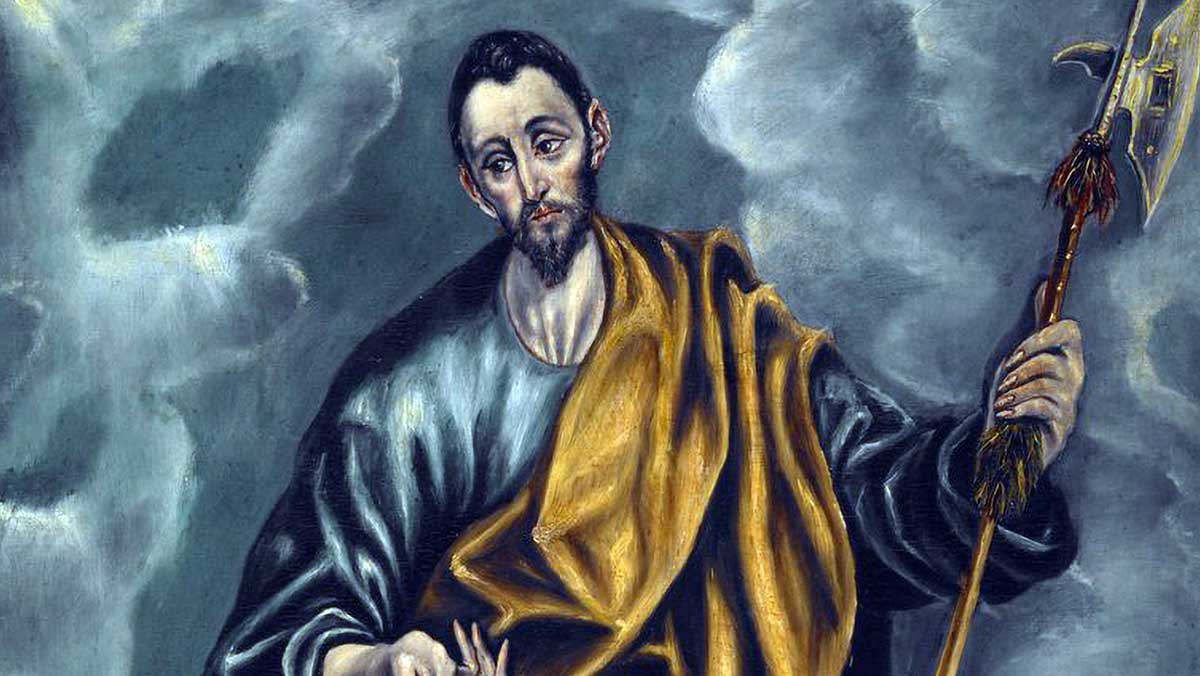
Eusebius claims that both sides of the Jesus-Abgar correspondence were housed in the archives at Edessa, and he records Jesus’s alleged response to Abgar! Blessing Abgar for his faith, Jesus regrets, due to the need to complete his mission in Judea, not being able to go to Edessa and heal Abgar in person. But, he promises to send one of his disciples in his stead, once his own mission had been completed.
Eusebius says that an addendum to the correspondence in the archives of Edessa identifies this disciple as Thaddaeus, who is called Addai in Syriac. Though not one of the main twelve disciples of Jesus, Thaddaeus was nevertheless one of a larger group of seventy persons who followed and learned under Jesus during his lifetime. Eusebius claims that Thomas, who was one of the twelve, personally sent Thaddaeus northeast as an apostle.
Thaddaeus Became Jesus’s Emissary in Edessa
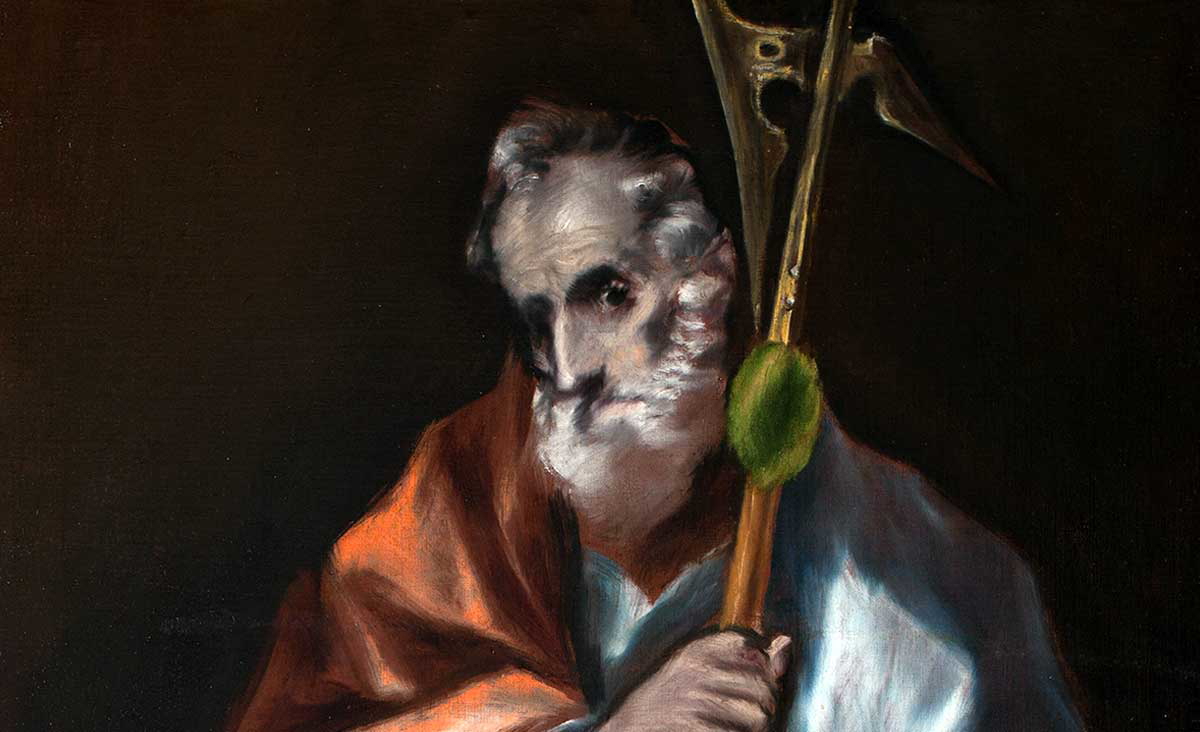
Eusebius reports that, upon arriving in Edessa, Thaddaeus began a campaign of healing in Jesus’s name. It does not appear, as Eusebius tells the story, that Thaddaeus saw his assignment as pertinent to Abgar uniquely, because he does not take the initiative to approach Abgar. Rather, Abgar is said to have heard of Thaddaeus’s activities, and sends an inquiry as to whether or not he might be the disciple that Jesus had promised to send.
Thaddaeus miraculously heals Abgar of his disease, and Abgar offers Thaddaeus gold and silver in return. Predictably, Thaddaeus turns down the riches, citing Jesus’s teaching about leaving wealth behind in order to follow in his way. Abgar, affectionately presented in the episode as naïve, speaks of his desire to destroy the Judeans in order to avenge Jesus’s crucifixion. Ironically, he says that the Romans prevented him from doing so.
How Did Christianity Really Reach Edessa?
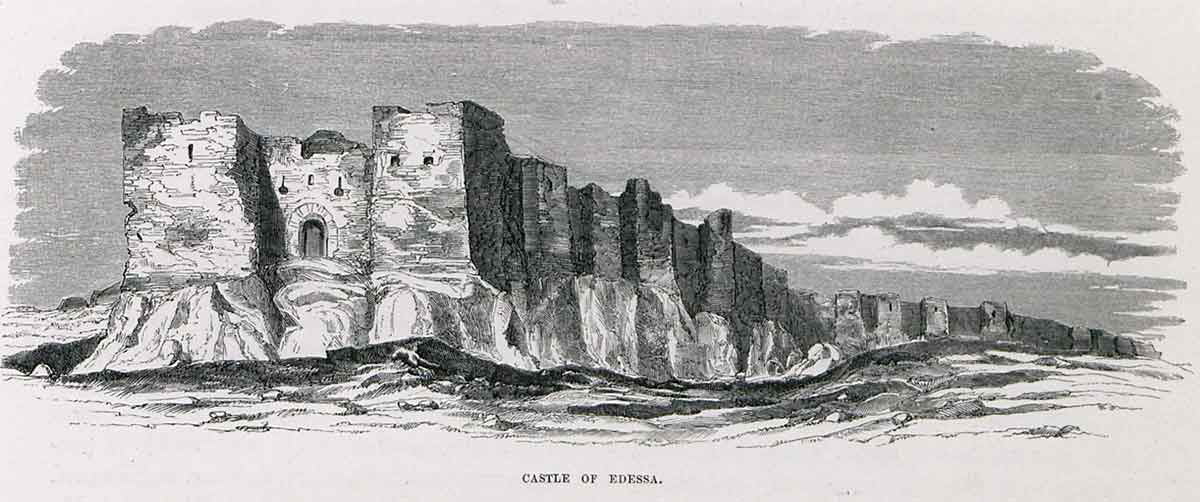
While accurately called legendary by scholars, this story does not have a historical rival for explaining how the Christian gospel reached Edessa that contains a similar level of detail. Other possible explanations for Edessa’s being Christianized provide more plausibility, but they lack the entertainment value of the Abgar tale, which may explain why they garner less popularity.
However Christianity reached Edessa, it is historical fact that it became a center of Christianity within a few centuries of Jesus’s life—long before it was adopted as the primary religion of the Roman Empire. While Jesus almost certainly never wrote a letter to Abgar, it is quite plausible historically that Thaddaeus went there as a Christian apostle after it had become an established conviction among Jesus’s followers that Jesus had risen from the dead, and that his messianic ministry was meant to continue through them.