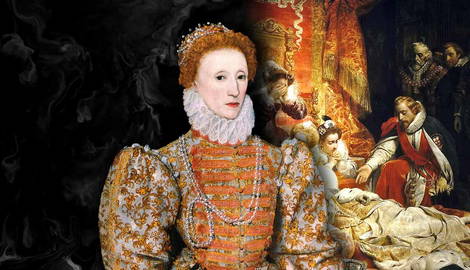
Elizabeth I was Queen of England and Ireland from November 17, 1558, until March 24, 1603. She ascended the throne at the age of just 25, and her reign lasted 44 years, ending with her natural death at the age of 69. During the four centuries since her death, she has become known not only as the Virgin Queen but also as Good Queen Bess. Her rule is nicknamed the Golden Age, and she is remembered as one of the greatest and most successful monarchs Britain has ever known.
Coming Into the World
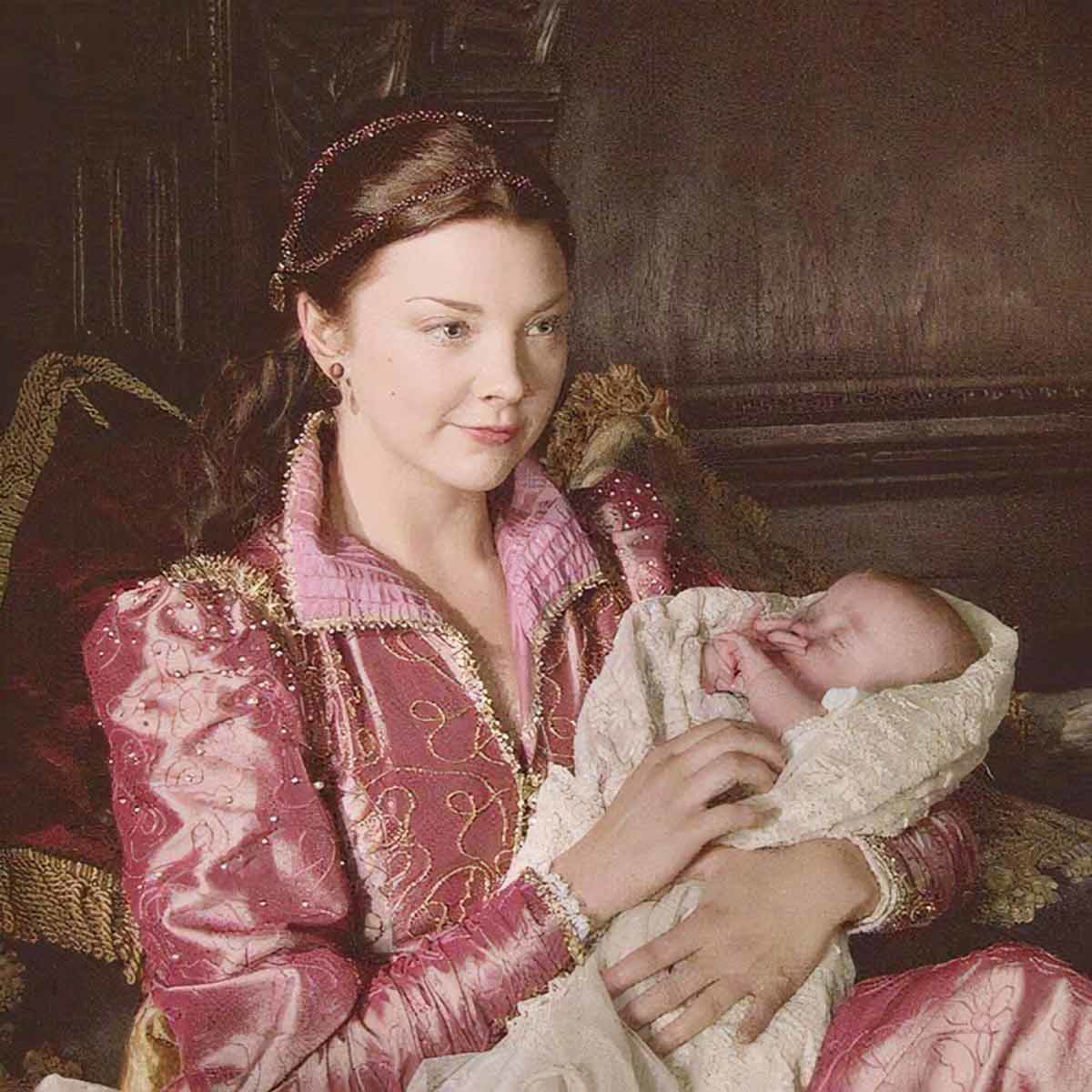
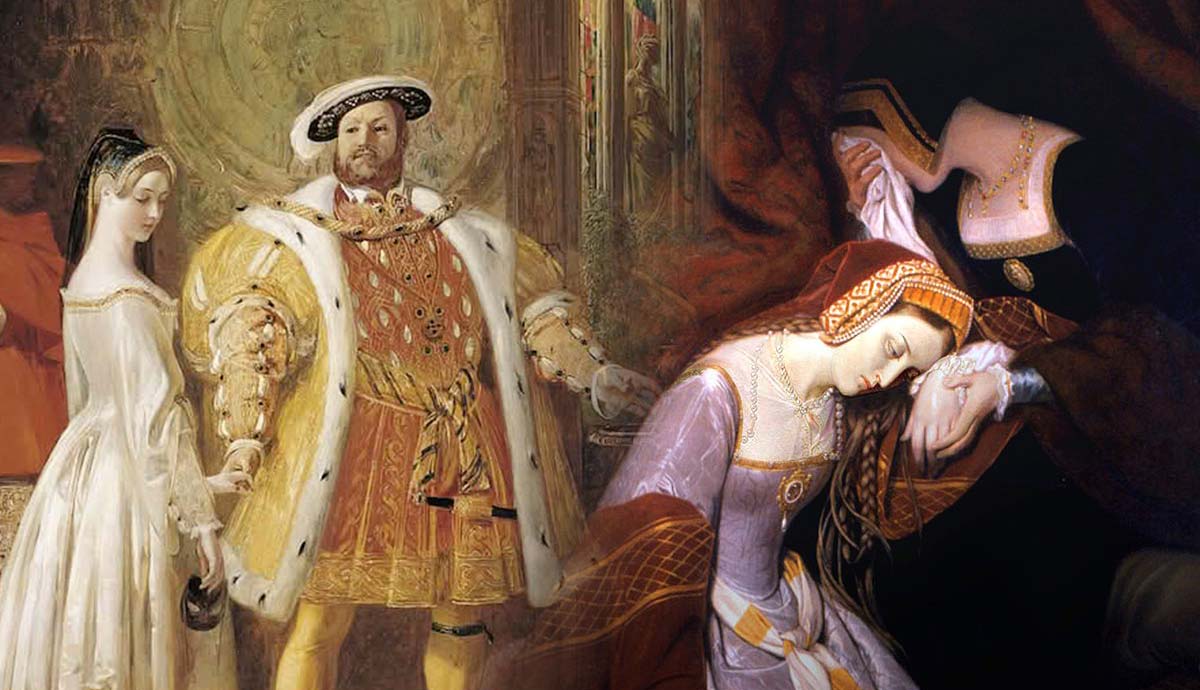
At three o’clock in the afternoon on September 7, 1533, the future Queen Elizabeth I was born at Greenwich Palace. She was the first child of her mother, Anne Boleyn, and the third child of King Henry VIII of England. Her living siblings were Princess Mary (the daughter of the former Queen Catherine of Aragon) and Henry Fitzroy (the illegitimate but acknowledged son of Elizabeth Blount).
At the moment of her birth, Elizabeth was heir presumptive to the throne. This meant that she was presumed to be next in line to inherit her father’s crown, but theoretically could be displaced in the event of the birth of a legitimate son. The child was said to have been immediately recognizable as belonging to her parents; she possessed the red hair of the Tudor family and the dark eyes of the Boleyns.
The whole thing was a success. There were no notable complications for mother or child, and as 15th-century childbirth goes, she is thought to have been delivered relatively easily.
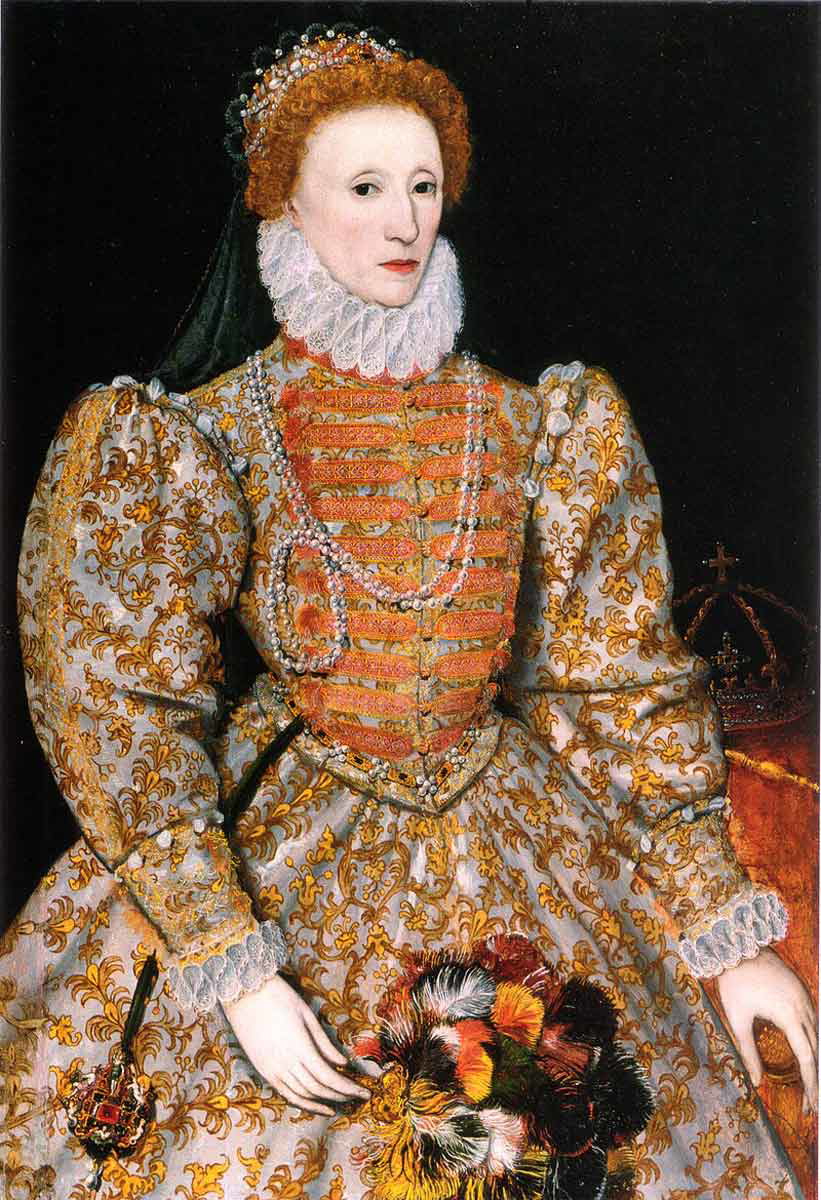
The only problem was Elizabeth’s sex. She was a disappointment to her father, who had been hoping desperately for a son over the last two decades. This disappointment is not just modern-day speculation, but has solid proof. A celebratory jousting tournament had been organized to celebrate the birth of the child, but when the sex was revealed, the joust was cancelled. The letter that had been written to announce the arrival of a male heir was hastily edited. The word “prince” had an “s” added to make it correct. Nevertheless, there were scaled-back celebrations. A London herald proclaimed the first of King Henry’s legitimate children, whilst the choristers of the chapel royal sang the Te Deum.
Despite the disappointment, Henry and Anne were both likely to have been optimistic that a son would follow shortly. Anne had conceived within a few weeks of her marriage to King Henry, and therefore, theoretically, there was no reason she should not do so again.
At the time of her birth, they would undoubtedly have been amazed to know that their little child would one day be remembered as one of the greatest monarchs ever to have lived.
Princess Elizabeth: Her Mother and Her Memories
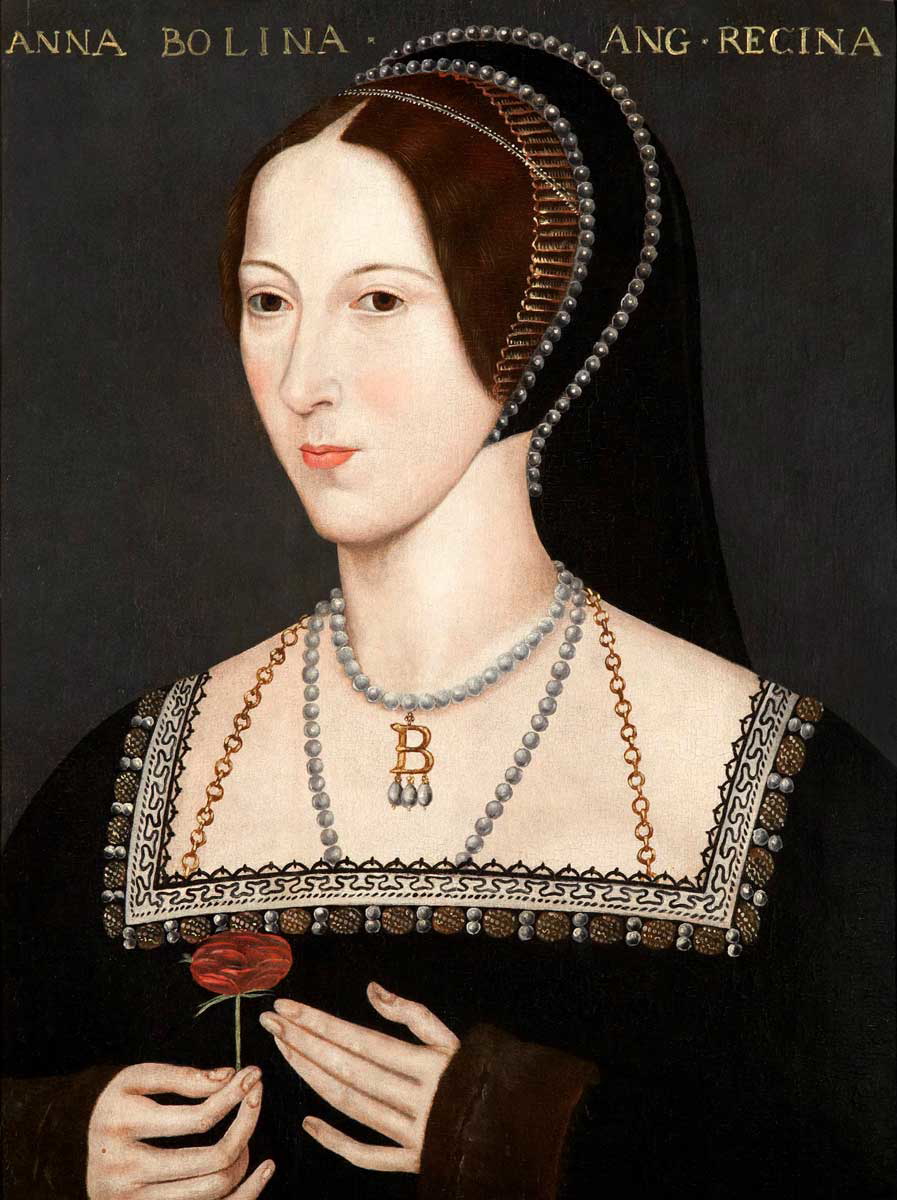
As she lost her mother at such a young age and grew up without the love and support she might otherwise have enjoyed, it is natural to assume that Elizabeth I would have been shaped by the great tragedy of her childhood.
However, it is unlikely that Elizabeth had any real memories of her mother at all. When Anne Boleyn was executed on May 19, 1536, Elizabeth was just two years and eight months old. It is difficult to determine how much of a loss this would have been to Elizabeth. Not only was she too young to fully comprehend what had happened, but she had been raised in her own household, far away from her parents. She would not have longed for her mother’s presence on a day-to-day basis, as she would not have had the chance to grow accustomed to it. She had endured a traditional upbringing, completely separate from the royal court.
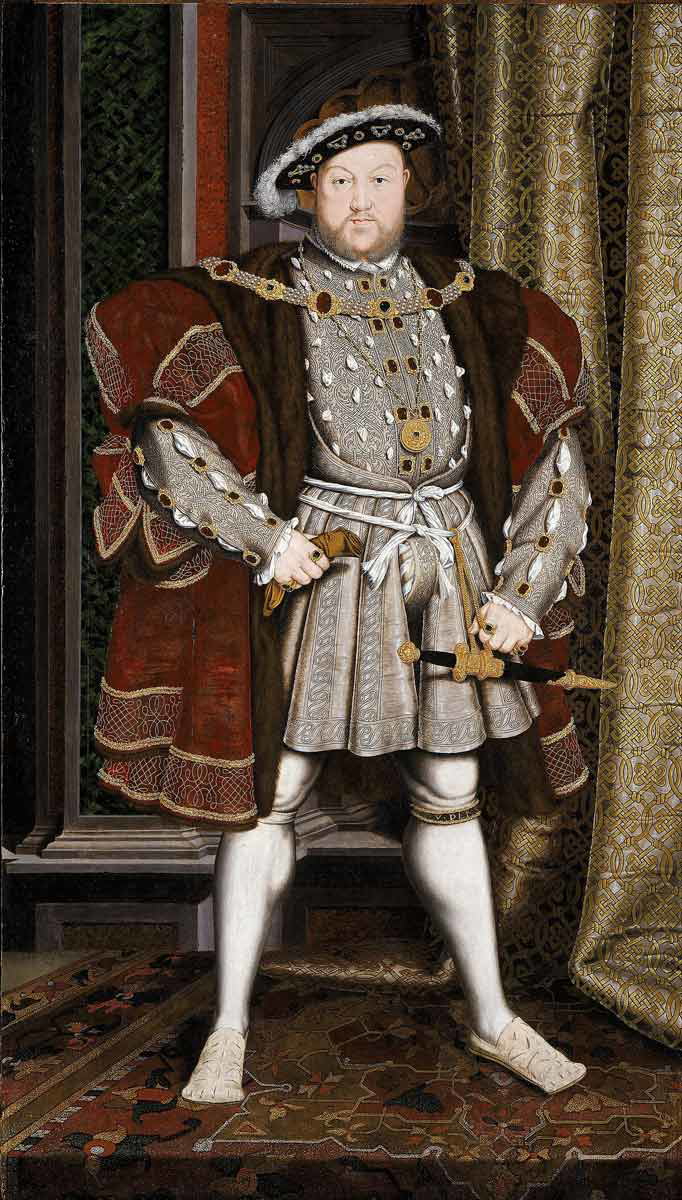
The thing that Elizabeth would certainly have noticed was her change in position and lifestyle. Circumstances changed dramatically as a result of her mother’s disgrace; she was declared illegitimate, deprived of her place in the succession, and many of the privileges she enjoyed as heir presumptive were removed. Eleven days after Anne Boleyn’s execution, King Henry married Jane Seymour, and Elizabeth gained a stepmother.
And that was not all she would gain. On October 12, the following year, King Henry finally had his heart’s desire. Prince Edward was born, and there were now three children in the royal nursery. After Jane’s death, just twelve days later, King Henry was left single once again.
Elizabeth’s little brother, the future King Edward VI, was now the undisputed heir apparent. This meant that no other hypothetical children could displace him. Elizabeth was sent to live in his household, and over time, despite all odds, the two became close. Their mothers were dead, their father was often out of reach, and, in the way of family, they had only each other to rely on. The same went for Princess Mary, who, although a little older, was in an extremely similar position to her two siblings.
An Education Fit for a King
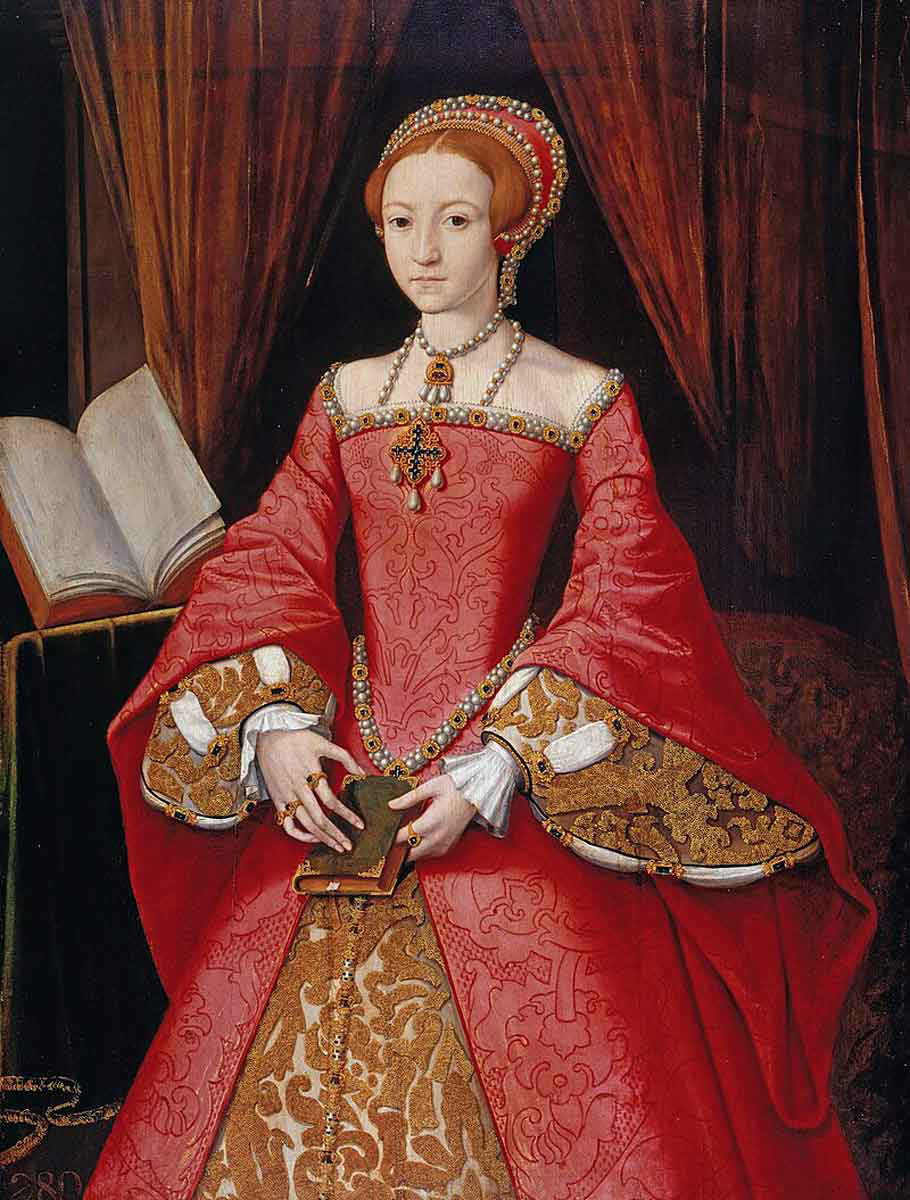
The future Queen Elizabeth was educated to an extraordinary level. It would hardly be an understatement to say that she received an education fit for a king, in most, if not all, of the relevant subjects.
Although she was considered illegitimate by the annulment of her father’s and mother’s marriage, she was still an integral member of the royal family. Furthermore, she was the beloved sister of the future King of England. To say that she received an education befitting her station would be an understatement. By all that she was supposed to have known, historians can only assume that the majority of her childhood and teenage years were devoted to her studies. Even at an early age, she was thought of as the most educated woman in the country.
The first governess of Princess Elizabeth was named Margaret Bryan. She said of Elizabeth, “as toward a child and as gentle in conditions as I ever knew in my life.”
In 1537, when Elizabeth was just four years old, she was introduced to her second governess, Catherine Champernowne, who would have a profound and long-lasting influence on her. Catherine Champernowne is better known as Kat Ashley. She remained Elizabeth’s dearest friend until her own death in 1565.
One of the subjects that Elizabeth excelled in was languages. She was taught to speak many languages, including French, Dutch, Italian, Spanish, and Latin. An academic scholar named William Grindal was brought in to assist her in her learning, and with his help, she progressed in more complicated subjects such as Greek, philosophy, and the sciences. Such a successful teacher was Grindal that he was soon appointed to the position of tutor to Prince Edward, the future King of England, whose education was of the utmost importance.
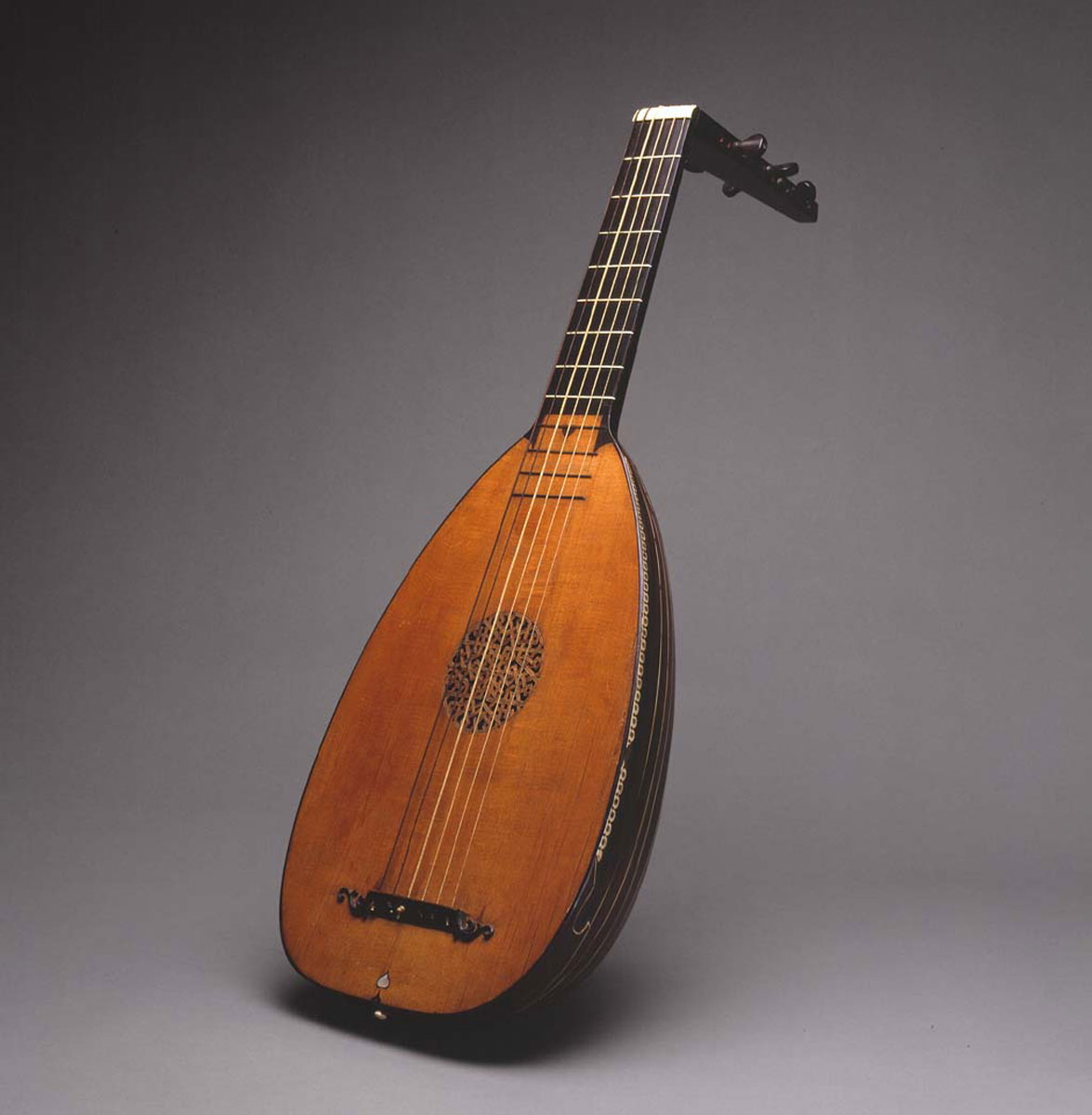
Unfortunately, Grindal died of the plague in 1548. A new tutor was soon found for Elizabeth, and his name was Roger Ascham. Of course, she had a separate teacher for music and the arts; the musician Philip van Wilder filled this post. Most notably, she excelled at the harpsichord and the lute.
As you may already have guessed, life was all work and no play for royal Tudor children. By the time she finished her formal education in 1550, she was just 17 years old and already proficient in Welsh, Cornish, Scottish, and Irish, in addition to her fluency in the languages listed above.
The Venetian Ambassador complimented her abilities and stated that she “ … possessed languages so thoroughly that each appeared to be her native tongue.”
The time and dedication taken to reach this standard in so many languages is a mark of her eagerness to learn and impress, even in her childhood and teenage years.
After her formal education came to an end and her tutors were dismissed, Elizabeth would continue to educate herself with speed and enthusiasm, in an astonishing range of topics, until her death in 1603.
A Turn for the Better: Accession to the Throne
During the reign of Queen Mary I, Elizabeth spent many years living in a state of unhappiness and uncertainty. She was even imprisoned in the Tower of London, at the insistence of her own sister.
It was in November 1558 that her troubles finally came to an end. It was on the 18th day of the month that her life changed forever. After a rule of just under five years, Mary I had died at Saint James Palace in Westminster. There was only one realistic heir, and that heir was immediately proclaimed queen.
Later that same day, the news was delivered to Elizabeth at her residence of Hatfield House, in Hertfordshire. On hearing that she was now queen, she fell to the grass beneath her feet and cried, “This is the Lord’s doing, it is marvellous in our eyes.” Six days later, on the 23rd of November, Elizabeth left for London, accompanied by a retinue of one thousand courtiers.
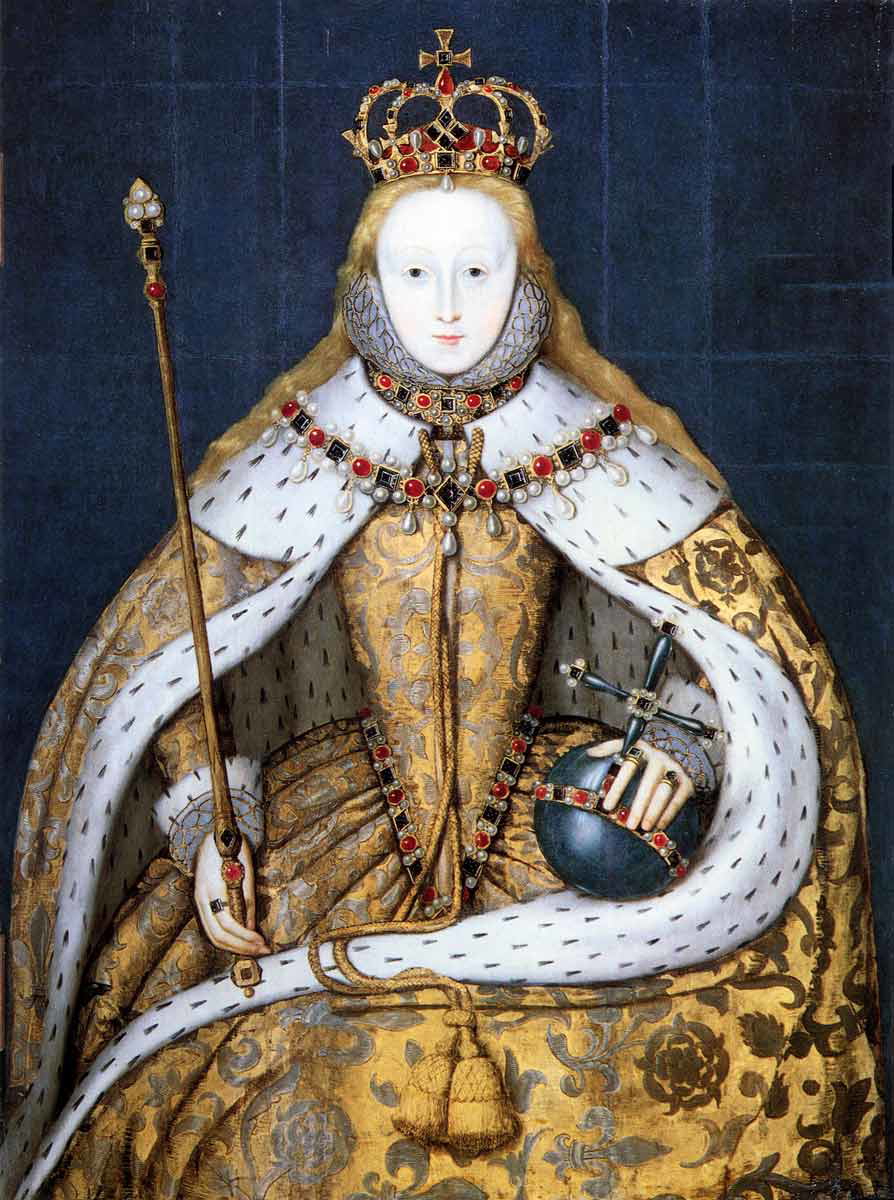
The coronation of Elizabeth I took place at Westminster Abbey on January 15, 1559. There are countless details of the preparations, processions, and services that took place; the events of her coronation are detailed enough to fill several articles of their own. According to Roy Strong, Elizabeth’s coronation has attracted more attention from scholars than that of any other monarch in British history.
The Virgin Queen and Her Candidates for Marriage
From the very beginning of Queen Elizabeth’s reign, it was assumed that she would marry quickly. Monarchs did not generally waste time with betrothals, marriages, and consummations. This way, they could start their quest for an heir to the throne without further delay. With any luck, or with God’s blessing, they would have a child in the nursery within a year of meeting their spouse. This, of course, was one of the most essential feats a monarch could achieve. Until a legitimate prince had arrived, the question of their succession would have weighed heavily on their mind, and the continuation of their family line would have hung precariously in the balance.
However, it is now well known that Elizabeth I never married. What is not known is the reason why. Although her epithet is the Virgin Queen, it is highly likely that she took lovers. This tells historians that it was marriage in particular that she had an aversion to, rather than men in general.
Nonetheless, Elizabeth defied the expectations of queenhood and of women in general by refusing to take a husband. It is likely that she desired to keep her power for herself, rather than forfeit it to a man who could potentially turn into an enemy. She was not afraid to make her intentions to remain single known to her advisors. Just a year after inheriting her crown, she confidently let Parliament know of her desires. “This shall be sufficient,” she began, “that a marble stone shall declare that a Queen, having reigned such a time, lived and died a virgin.”
Elizabeth’s message to her advisors could not have been clearer. However, this did not stop them from having a go. Many a politician suggested and made arrangements for a match, all of which were rejected one by one.
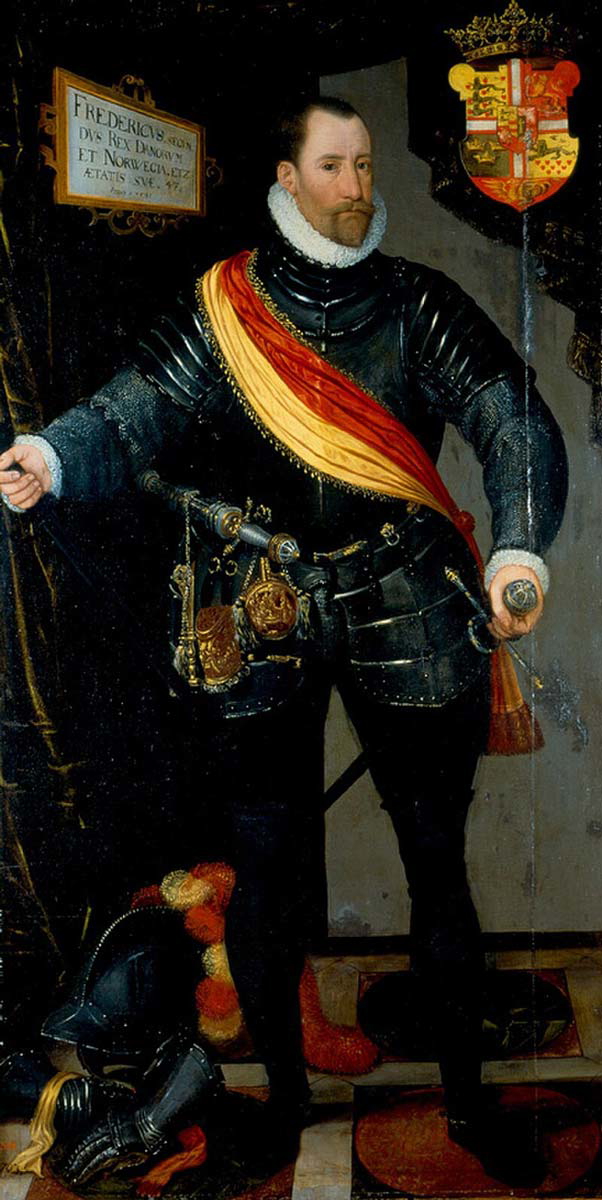
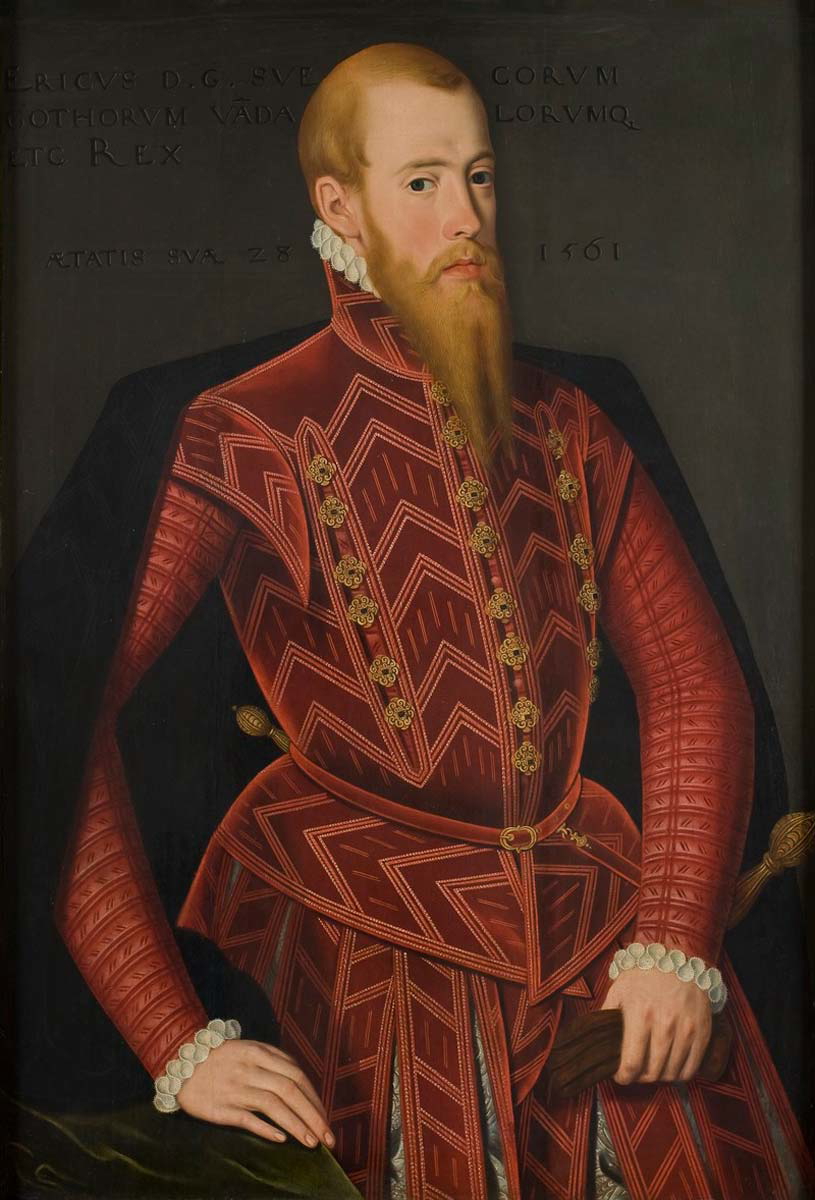
Just a few of the proposals that were turned down by Elizabeth I include: Phillip II of Spain (the widower of Mary I), King Eric XIV of Sweden (the idea of whom she entertained for several years), Prince Frederick of Denmark (later King Frederick II), Adolf Duke of Holstein-Gottorp, and Charles II (Duke of Austria). She also turned down two French brothers, Francis and Henry, both Dukes of Anjou.
Some years later, in 1563, Elizabeth updated her council by informing them that her opinion on marriage had not changed. “If I follow the inclination of my nature,” she dramatically stated, “it is this: beggar-woman and single, far rather than Queen and married.” Furthermore, during an argument with her supposed lover, Robert Dudley, in the heat of the moment, she declared that she would “have but one mistress here and no master.”
By the year of 1570, it had become accepted by the government that Elizabeth would neither marry, provide an heir, nor name her chosen successor.
Elizabeth I’s adamance over remaining unmarried was a fundamental feature of her reign.
A Helping Hand: The Aid of William Cecil
No matter how great or powerful the monarch, history tells us that they cannot shoulder the burden of kingship or queenship alone. By surveying hundreds of individual cases throughout the centuries, any historian may determine that every leader requires, or has required, a reliable companion in whom they can place their unwavering trust. Yes, monarchs may be ordained by God for the job they were born to do. However, they are still only human, and therefore cannot make every decision and attend to every matter by themselves.
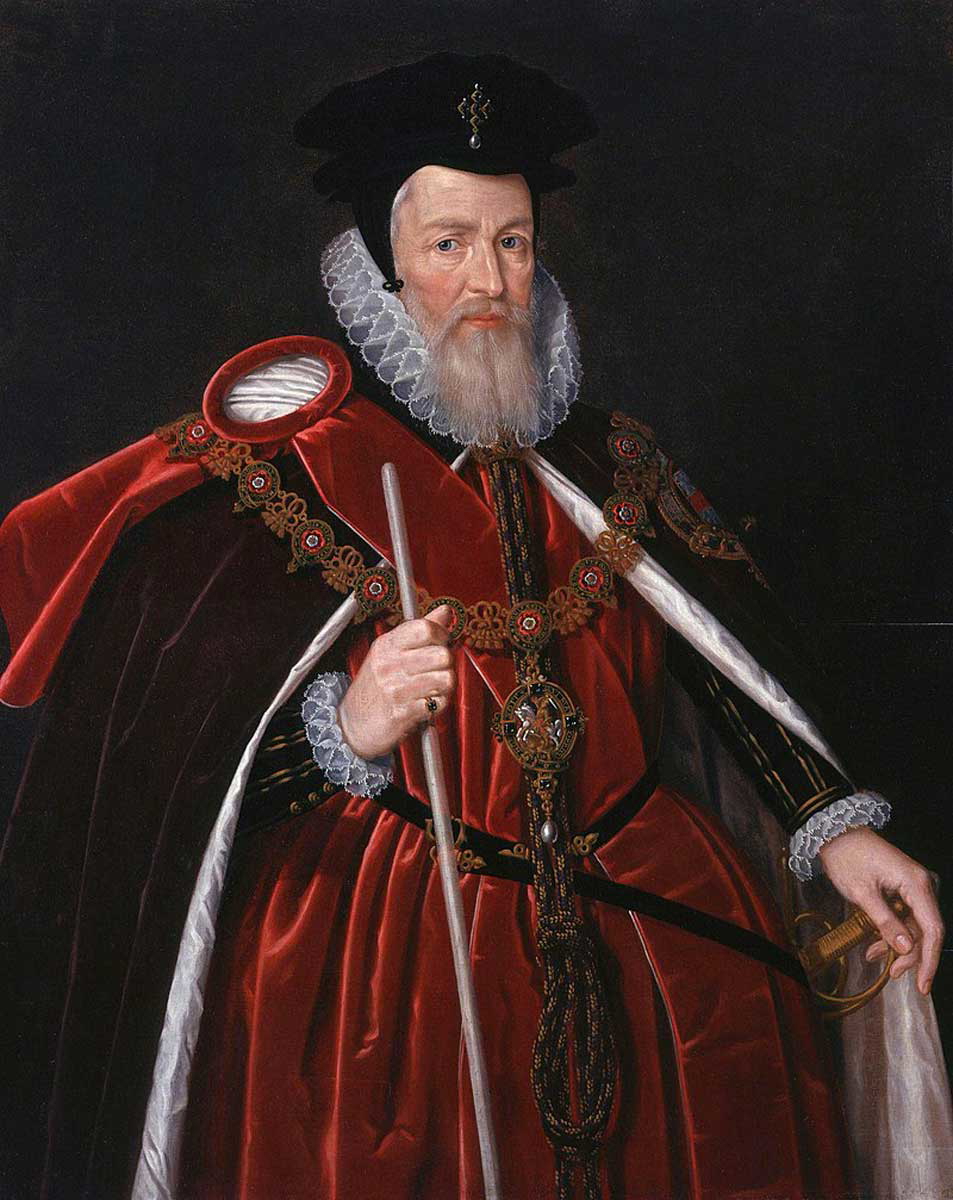
King Henry VIII had Cardinal Wolsey, then later Thomas Cromwell, to act as his right-hand man. King Edward VI had his uncles, Thomas and Edward Seymour, to advise him during the early part of his reign. For Elizabeth, the choice was much more enduring. The selected man was named William Cecil. He devoted his life to Elizabeth I, served her devotedly from the beginning to the end of her reign, and very nearly failed to put a foot wrong for the entirety of that time. With proficiency in all essential areas of politics, he successfully installed himself as her most respected advisor and trusted friend.
William Cecil is well remembered by scholars for a variety of reasons. Some of the most notable features of his work and lifestyle included his seemingly endless influence over the court, his tight control over royal finances, his extremely capable leadership of the council, and, most importantly, his extremely efficient intelligence system. It was this service that led to his being referred to as “the Spymaster.”
Under Elizabeth I, William Cecil served in a variety of important roles, such as secretary of state (1550-1572), lord privy seal (1571-1598), lord high treasurer (1572-1598), lord lieutenant of Lincolnshire (1587-1598), and chancellor of Trinity College Dublin (1592-1598).
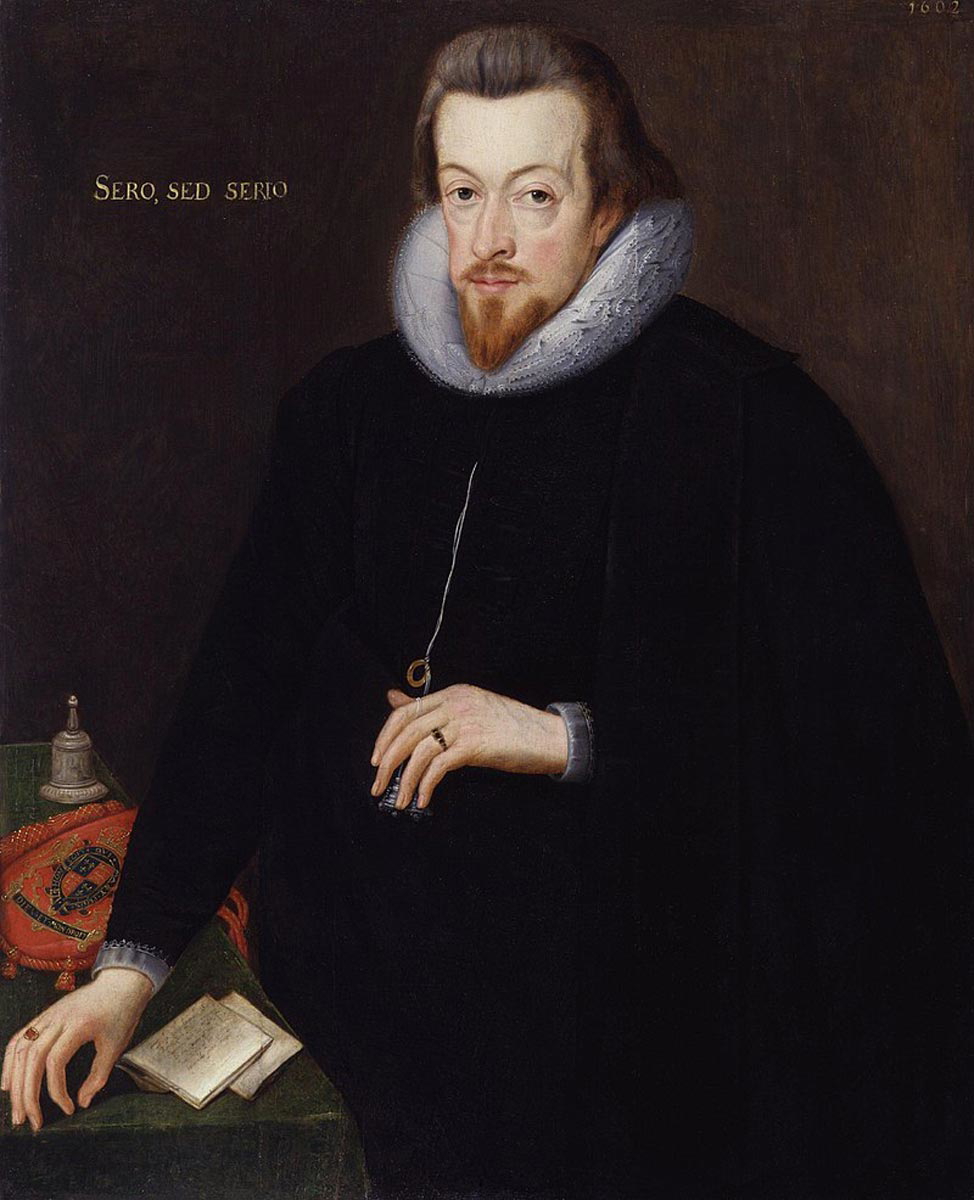
It is now said of William Cecil that he had two aims in his life: firstly, to keep Elizabeth alive, and secondly, to keep her on the throne. These two things he did successfully, until his work was cut short by his own death in 1598. Elizabeth I was devastated by the loss of her most senior advisor, but thankfully, a natural replacement had been left behind. William Cecil had a son, Robert Cecil, who was more than willing to step into a vacant and sought-after place as court favorite. Robert Cecil had been well trained by his father, and he immediately took over as one of Elizabeth’s chief advisors. He succeeded his father in almost all offices, including as lord privy seal.
Throughout his life, William Cecil worked unceasingly to ensure the physical safety, mental well-being, and public reputation of his queen. His impact and influence on the reign of Queen Elizabeth I should not be underestimated. Without his efforts and expertise, many events may have unfolded in very different ways.
Of William Cecil, British historian A.F. Pollard wrote that “From 1558 for forty years the biography of Cecil is almost indistinguishable from that of Elizabeth and from the history of England.”
10 Key Points in a Historic Reign
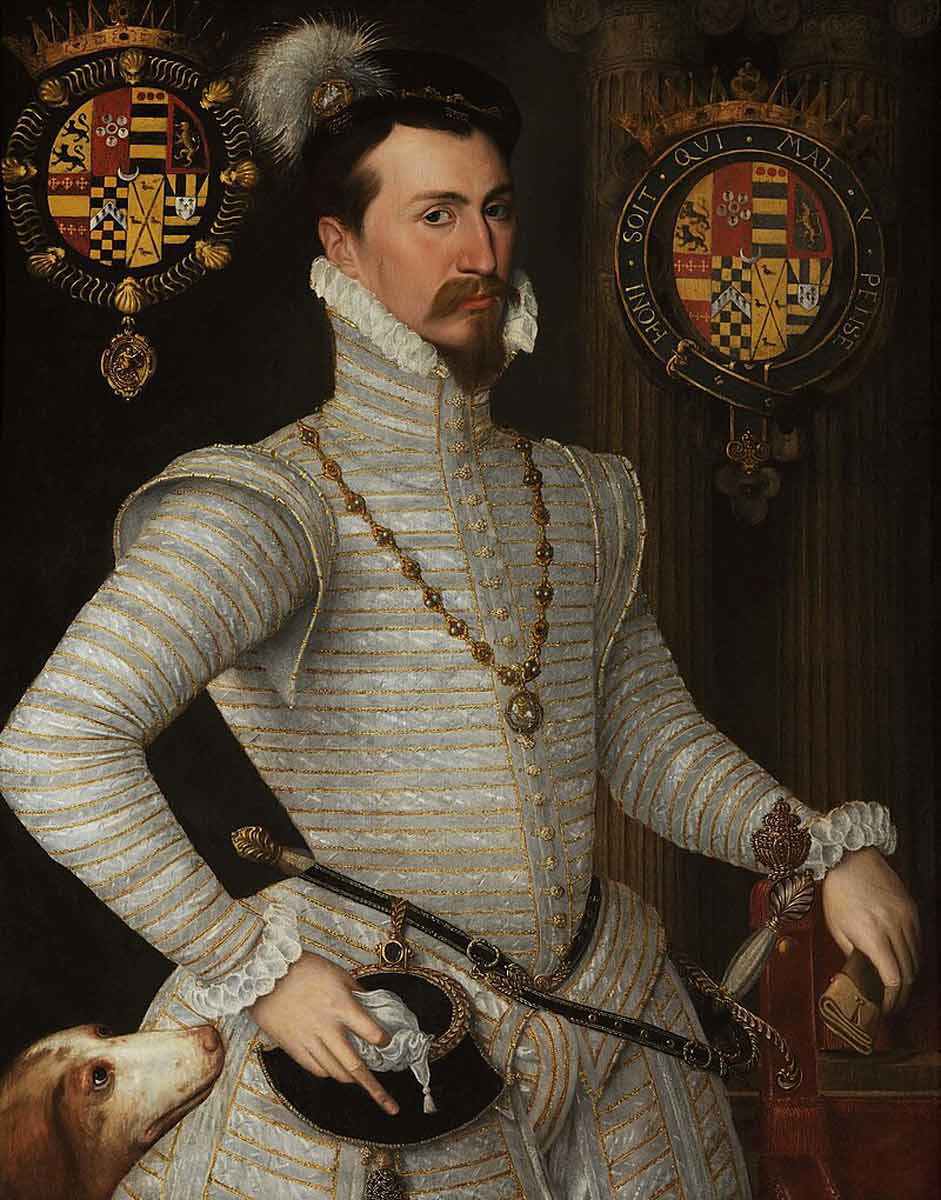
So long and prosperous was the reign of Queen Elizabeth I that it cannot possibly be covered comprehensively in one short read. Her 44 years on the throne are littered not only with victories and triumphs, but also with extensive scientific, social, and economic advancement.
However, there are certain points and events which could be considered significant markers, either of Elizabeth’s successes and popularity, or of the occasional troubles she faced. These are typically the most famous features of her rule; the usual points that some of us learn about in our history lessons at school.
The early markers of her reign include the Religious Settlement (the implementation of Anglicanism in England and the shaping of the Church of England’s doctrine), the Northern Rebellion (a dangerous but ultimately unsuccessful uprising led by the Earls of Northumberland and Westmoreland), the death of Amy Dudley (the wife of Elizabeth’s alleged lover which was never fully explained), the Kenilworth Entertainment (a night of spectacular festivity at Kenilworth Castle hosted by Robert Dudley), and Elizabeth’s excommunication from the Catholic Church (the papal bull for which was issued by Pope Pius V).
The latter part of her reign was marked by the Bond of Association (a document designed to protect Elizabeth from assassination plots and usurpers), the Babington Plot (a plan by Anthony Babbington to murder Elizabeth and put Mary Queen of Scots in her place), the execution of Mary Queen of Scots (given approval by her own cousin Elizabeth), the defeat of the Spanish Armada (in which Elizabeth delivered her most famous speech at Tilbury), and the Essex Rebellion (an attempt by former favorite Robert Devereux to seize power).
“One More Moment of Life”
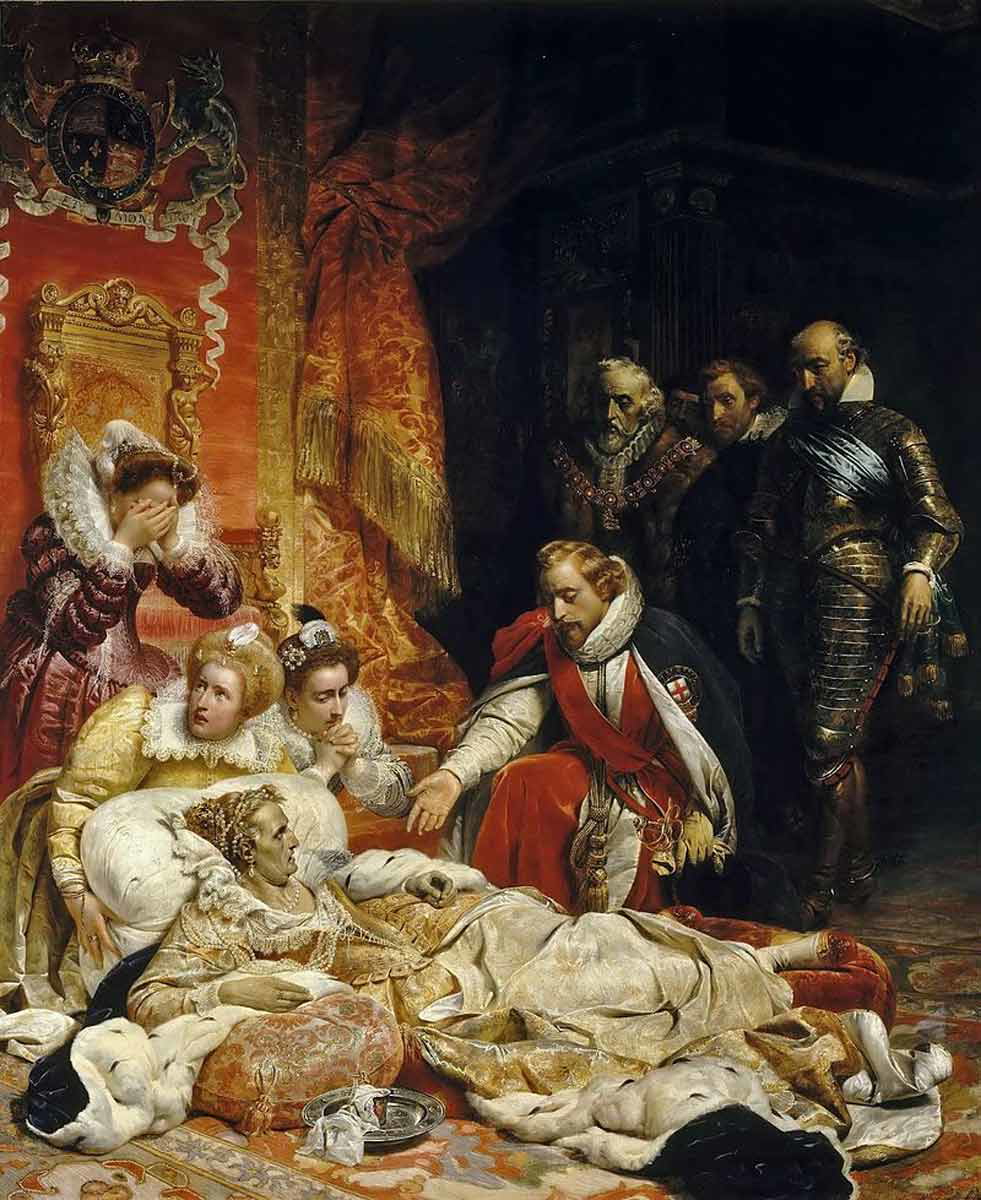
Even during her own era, Queen Elizabeth I was renowned as a great Protestant leader. She had a strong Christian faith and had devoted much of her life and work to establishing her Church and serving her God. However, none of this meant that she did not fear death as much as any other person. In fact, she was notably afraid to die, much more so than any other monarch whose final moments we have on record.
In March 1603, after a reign of 44 years, she was finally brought face-to-face with what lay ahead. She was unwell, even more unwell than she had been during the previous few months, and it had become clear to her that this time she would not recover. During her last few days of life, she was increasingly anxious and quietly inconsolable. She sat on the floor at the end of the bed, silent and still, with only a cushion to support her. There she stayed, “in a settled and unremovable melancholy,” soaking up the little life she had left.
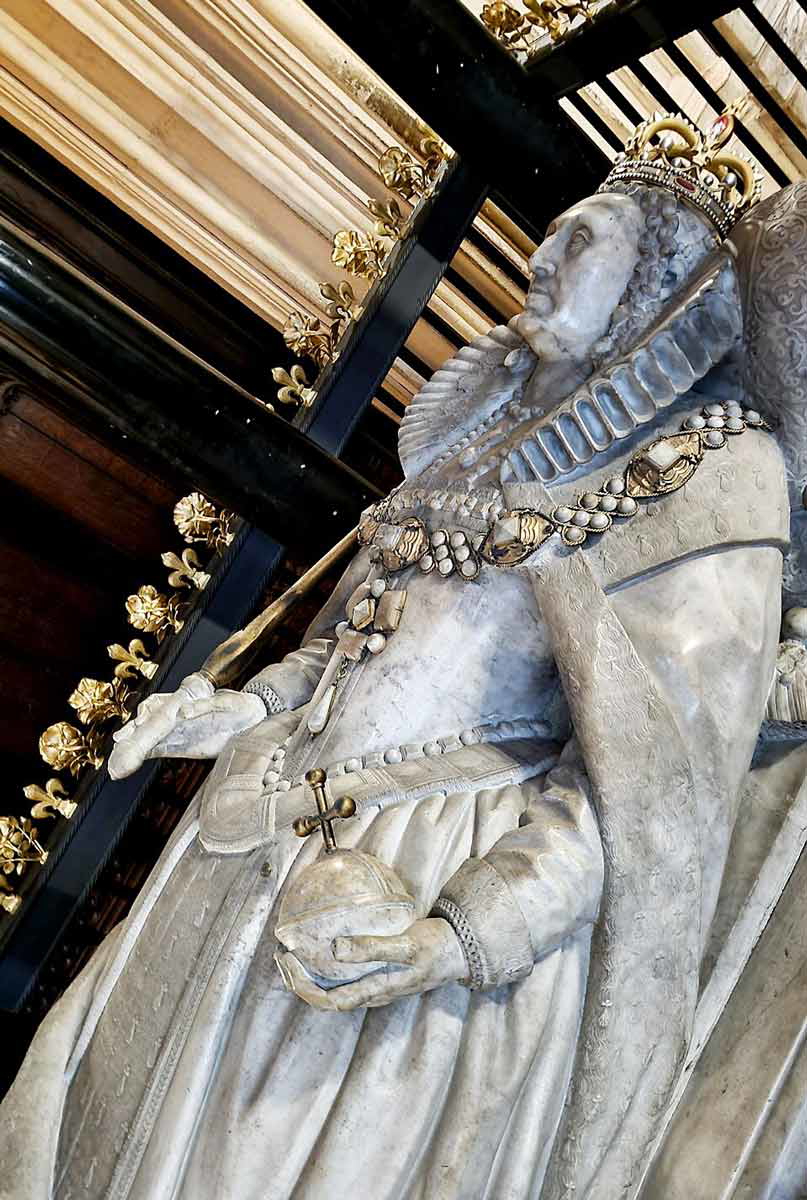
The reason for Elizabeth’s refusal to go to bed was simple. She knew that if she went to bed, it would be for the last time, and she would not get up again. It was Robert Cecil who eventually persuaded her to face the inevitable. She died at Richmond Palace on March 24, at the age of 69. Her last words reflected her desperate desire to survive: “Lord, all my possessions for one more moment of life.”
A few hours later, since she had supposedly named him as heir during her last moments, King James VI of Scotland was proclaimed King James I of England.
Her funeral took place over a month after her death, on April 28, 1603, at Westminster Abbey. She lies for eternity beside her half-sister, Mary I.