
Morality is not only rules—it involves relationships, too. An approach called care ethics challenges standard moral ideas by emphasizing the importance of empathy, relationships, and responsibility over abstract principles. While Kantian ethics or utilitarianism care about fairness or justice, an ethicist of care asks: what does this mean for those around me? Care has a lot to say for itself when we apply it to real-world issues like politics, business, or healthcare—far more than you might have thought!
The Foundations of Ethics of Care

While most ethical theories focus mainly on justice, fairness, and rules, there are other crucial factors that also deserve attention. Emotions, care, and relationships, for example. Carol Gilligan felt there was something missing from traditional moral philosophy: a viewpoint that values human connections over cool-headed logic.
In reply to Lawrence Kohlberg’s theory about how morals develop, Gilligan came up with an idea she called “care ethics.” While Kohlberg said that being morally mature is all about making decisions based on fair principles, Gilligan noticed something curious during her own research. Women often think differently when deciding what’s right from wrong.
Her argument was that conventional ethics, with its emphasis on right and wrong actions rather than relationships between people, was too cold. Care-focused thinking asks questions like “How can I help someone?” instead of “What’s the fair thing to do?” This changes everything. Morality becomes less abstract and more about everyday attentiveness and kindness.
The principle she came up with has provided a basis for a different way of looking at moral questions—one that stresses how connected human beings are.
Whether we are considering friendships, healthcare systems, or family life, an approach that takes such interdependence seriously tells us that some rules no longer work. They need to be supplemented by an understanding of caring for others’ needs, as well as showing them love, if possible.
| Traditional Ethics (Justice-Based) | Care Ethics (Relationship-Based) | |
| Main Focus | Justice, fairness, rights, and universal rules. | Relationships, interdependence, and caring for others’ needs. |
| Guiding Principle | Impartial logic and reason. | Empathy, compassion, and attentiveness. |
| Key Question | “What is the fair thing to do?” | “How can I help and not hurt others?” |
| View of Morality | A set of abstract principles to be applied equally to everyone. | A practical focus on real-life connections and responsibilities. |
The Role of Caring Relationships in Moral Philosophy

Ethics usually involves rules and obligations. However, Nel Noddings thought there was more to being moral than simply following principles—it also meant genuinely caring for other people. So, she further developed the ethics of care, suggesting that, along with doing the right thing, it is also important to create relationships based on concern.
Noddings does not see caring as something we ought to do; rather, it should be an aspiration. She introduces the ideas of “one-caring” and “cared-for” to show that morality happens in connection with others rather than in isolation.
If you are one who cares, you are showing kindness. If you are cared for, someone is being kind towards you. She believes that truly moral actions not only look after people’s welfare but also help them to understand and respond to their needs better.
The notion holds sway within education, healthcare, and childcare. Rather than simply imparting information, effective teachers take an interest in the difficulties their students face.
Beyond writing prescriptions, good doctors lend an ear to their patients, and with empathy. Nor do loving parents merely lay down rules. They also raise and steer their children with care (not to mention lots of it).
Noddings has taken aim at individualistic ethical theories such as Kant’s, which are centrally concerned with our duty to all others whenever we act. In their place, she suggests a focus on responsiveness, building relationships on trust, and, again, trust itself. As being ethical in itself, can’t this really mean anything other than caring for one another?
The philosopher’s ideas challenge approaches that emphasize rules, rights, or justice when we consider how best to live together.
Ethics of Care vs. Justice-Based Ethics

Rawls and Kant emphasize concepts like justice that apply everywhere. So do many other ethical theories. If you had to pick one, which matters most—compassion or fairness?
They assume an objective morality where everyone should be treated the same. Feminist thinkers point out that this focus overlooks both feelings and relationships we have in real life.
Criticism of justice is provided by care ethics. This indicates that acting morally includes considerations beyond fairness alone—it also attends to our sentimentally laden relationships. Care ethics examines the way one’s actions affect or benefit people on a personal level, rather than following general laws.
For instance, according to Rawlsian Fairness, people’s legal rights must never depend on who they are personally (their background). Laws ought to be equal for everybody. But carers would say real justice requires recognising differences between persons, and any law that treats everyone alike cannot do this.
Carol Gilligan and Nel Noddings, feminist scholars, argue that justice-centered ethical systems can be chilly and uncaring. For example, a workplace policy might treat all employees equally, but fail to consider the additional burdens placed on working mothers.
Or consider a justice system that prioritizes revenge over reform. A different way of thinking about ethics—care ethics—argues that being moral demands both care and flexibility, feeling for others’ feelings, and adapting to real-world problems.
The solution? Blend care and justice. Have laws that are fair while also appreciating human emotions and relationships. Morality is about something more than following rules. It should take into account what others need and feel.
In Healthcare

Healthcare involves more than just helping sick individuals. We might even say it consists of loving each person. In healthcare, it is crucial that care ethics, which include being kind, having connections, and taking care of one’s health, are taken into consideration.
Look at nursing: one of the people-helping professions. Nurses do not just dispense medication. They also offer ears to listen, arms to hug, and words of comfort to those who are suffering from pain or fear.
A physician may have an appropriate course of treatment in mind, but unless they can show compassion, patients might think that nobody really understands them.
End-of-life care also raises ethical issues. Do doctors always have to try to prolong life at any cost, or should they prioritize comfort and quality of life? Under care ethics, the patient and family must be included when making decisions; the decisions can never be purely factual.
When care ethics inform healthcare policy, patient rights, family engagement, and mental health care become priorities. People who work in the caregiving profession should remember this because even if the patients need medical care, they are human beings with feelings.
Simply stated, quality healthcare is not only crucial to saving lives—it’s needed to let people live well by treating them with respect and kindness.
In Business and Leadership

Most businesses strive to make a profit fairly and in a way that benefits all. However, should we also think about kindness? The usual ethics of business follow a principle of justice, which seeks to give every person a chance to earn a reasonable income.
However, there is an alternative approach: care ethics. This suggests that firms should avoid being unfair. They ought also to nurture relationships and well-being among employees, along with wider social responsibilities.
Some firms have already taken the lead in caring for their employees. Patagonia is an example of a company that emphasizes the need to protect nature and treat all workers justly through producing garments in environmentally safe conditions and promoting proper utilization of waste.
Among newer companies, tech giant Salesforce stands out for investing heavily in both mental health provision and creating workspaces designed around staff needs. Mindfulness training is even available via webinar for those who want it. Here we see again that it is possible to make money and take care of people.
But can the care-based model work in competitive markets? Critics argue that businesses must be efficient to survive; otherwise, if the business is losing money, it can’t care for its employees.
However, care ethicists are certain that caring fosters sustainable accomplishment. A business that cares for its employees, listens to its customers, and cares for its communities builds trust and allegiance.
The perfect solution? A balance of care and justice. Companies should strive to be just, effective, and concerned with humanity. Profitability alone is insufficient because a successful business establishment should create favorable and morally upright environments that promote human welfare, not just mere existence.
In Politics and Social Justice
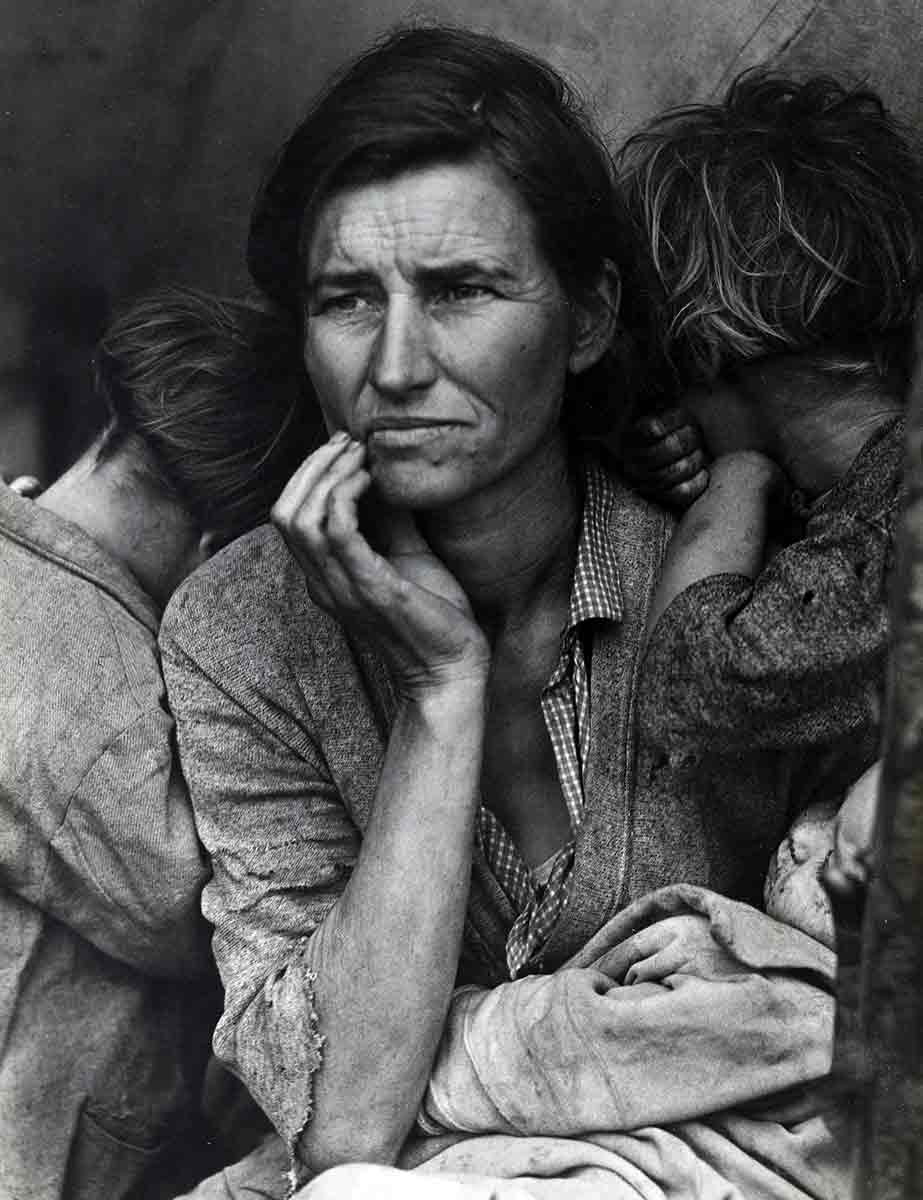
Instead of being characterized by power, tactics, and authority, politics could alternatively be described as involving empathy and concern.
Care ethics challenges the dominance of mainstream politics, which emphasizes individual rights, justice, and equality. Such ethics demand a caring policy that defends the weak in society and makes the world better, not forgetting about the suffering it causes many.
Humanitarian aid is another clear example. When governments and organizations aid refugees, deliver relief to affected areas, or fight hunger, they are acting on care ethics. They don’t say, “What’s most efficient?” They say, “Who needs it most?” Immigration policy is another example—should states prioritize economic benefits or the rights and dignity of the displaced?
Environmental ethics is yet another important area. According to care ethics, we ought to look after the Earth not only for future generations but also because nature itself merits care and respect. Movements for social justice—from racial equality to women’s rights—also rely on care and ethical arguments, stressing the importance of listening, empathy, and community support.
But can politics incorporate these concerns when power and self-interest seem to be at play? Some people say that leaders have to be ruthless if they want to achieve anything.
However, an increasing number of individuals influenced by care ethics would argue the opposite. They might claim that genuine leadership entails responsibility without control, for example.
Is it possible to run things well and still do so with care? This is the real challenge: how to combine effective governance (making policies that work) with a genuine concern for promoting human flourishing equally throughout society.
So, What Is the Ethics of Care?

The ethics of care changes standard ethical thinking by saying that moral choices should prioritize empathy, responsiveness, and caring relationships. This way of thinking has affected many fields, including healthcare, social justice work, and leadership, showing us that being fair isn’t always as vital as caring for people.
But when we try to apply care ethics to law, business, or politics, problems arise: Can a system based on efficiency or power ever truly incorporate caring values?
Although an ethic of care provides a plausible alternative standpoint, some people think you also need principles of justice if the theory is to be workable in the real world.
Is it possible to imagine a global order founded upon ideas about compassion and connection, or does any future society have to regulate these concerns alongside fairness, too?