In popular imagination, Nevada is a state characterized by hot deserts, its casinos, and its nightlife. There is, of course, much more to the state than at first glance. Nevada is home to a rich history, replete with surprising facts about the Silver State and the people who live there.
1. Nevada Has Several Nicknames
The state of Nevada has several nicknames. Chief among them is “The Silver State,” a name earned for the prevalence of silver mining. Even in the years preceding statehood, silver mining was a huge enterprise that brought many pioneers and prospectors to the area.
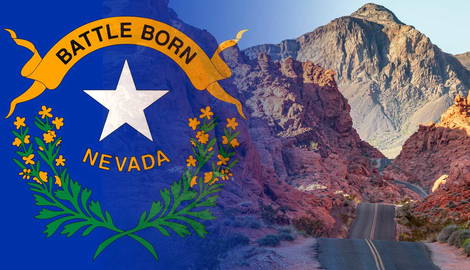
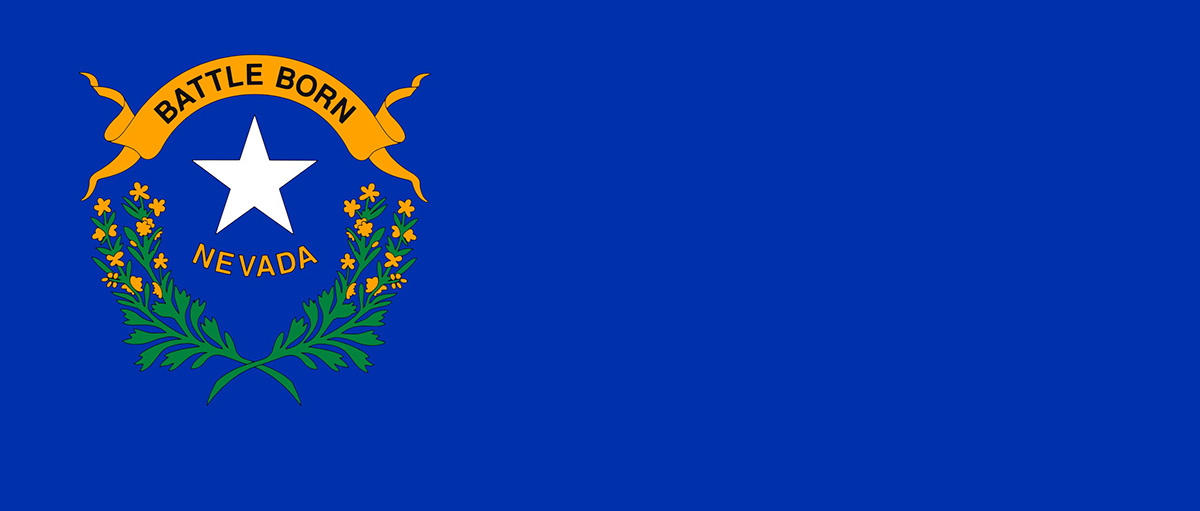
Nevada is also known as the “Battle Born State” because it achieved statehood in 1864, during the Civil War. The words “Battle Born” appear on the state flag and are commonly misidentified as the state motto. The motto of Nevada is actually “All for Our Country” and can be found on the state seal.
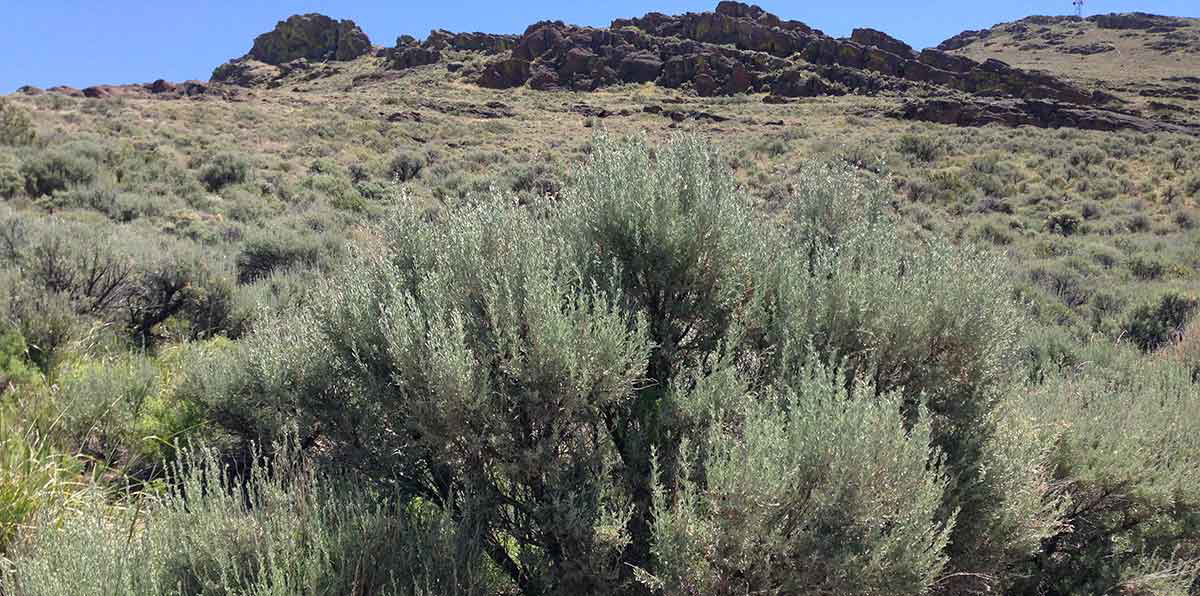
A third nickname, “The Sagebrush State,” is derived from the fact that Nevada is covered with sagebrush. Big sagebrush (Artemisia tridentata) is the official flower of Nevada.
2. Nevada Is Home to Many Indigenous Communities
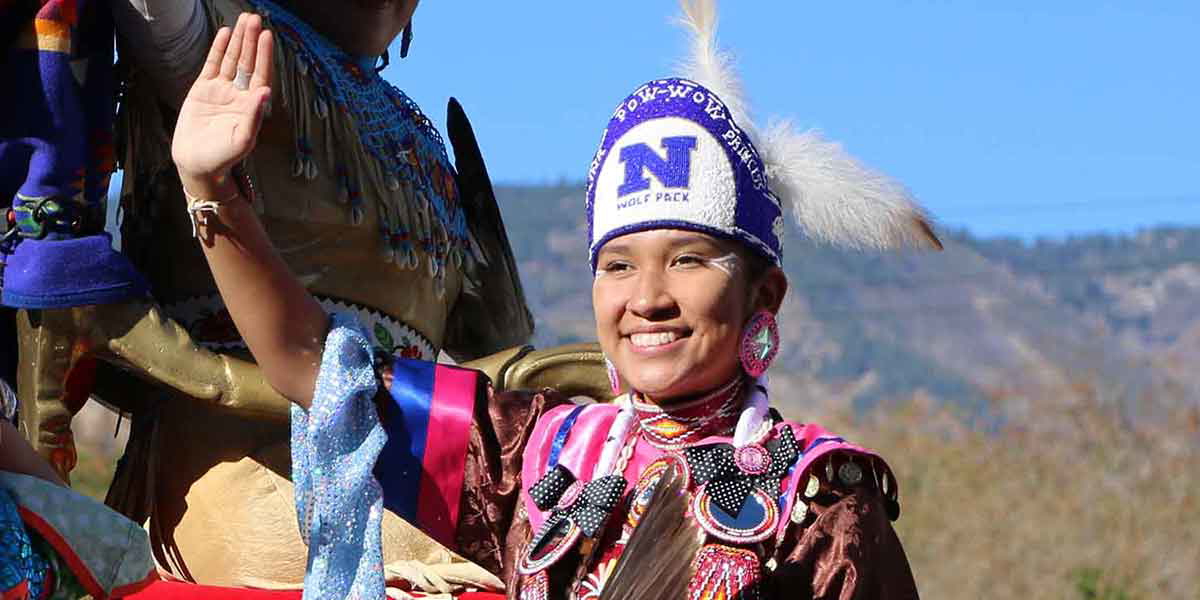
Nevada’s history didn’t begin with European settlers or statehood. It began with the people who lived there before. The Paiute, Shoshone, and Washoe tribes inhabited the land, and many of their descendants still live in the state today.
Currently, the state has 28 federally recognized tribes, whose members account for around 1.4% (or around 45,000 people) of its total population of 3.2 million. Native American culture in Nevada is distinct and celebrated through many traditions that keep these identities alive.
There are 31 Indian reservations and colonies dotted throughout Nevada, all of which reflect the cultural diversity of the Native American people who call this state home.
3. Nevada Produces More Gold Than Anywhere Else in the US
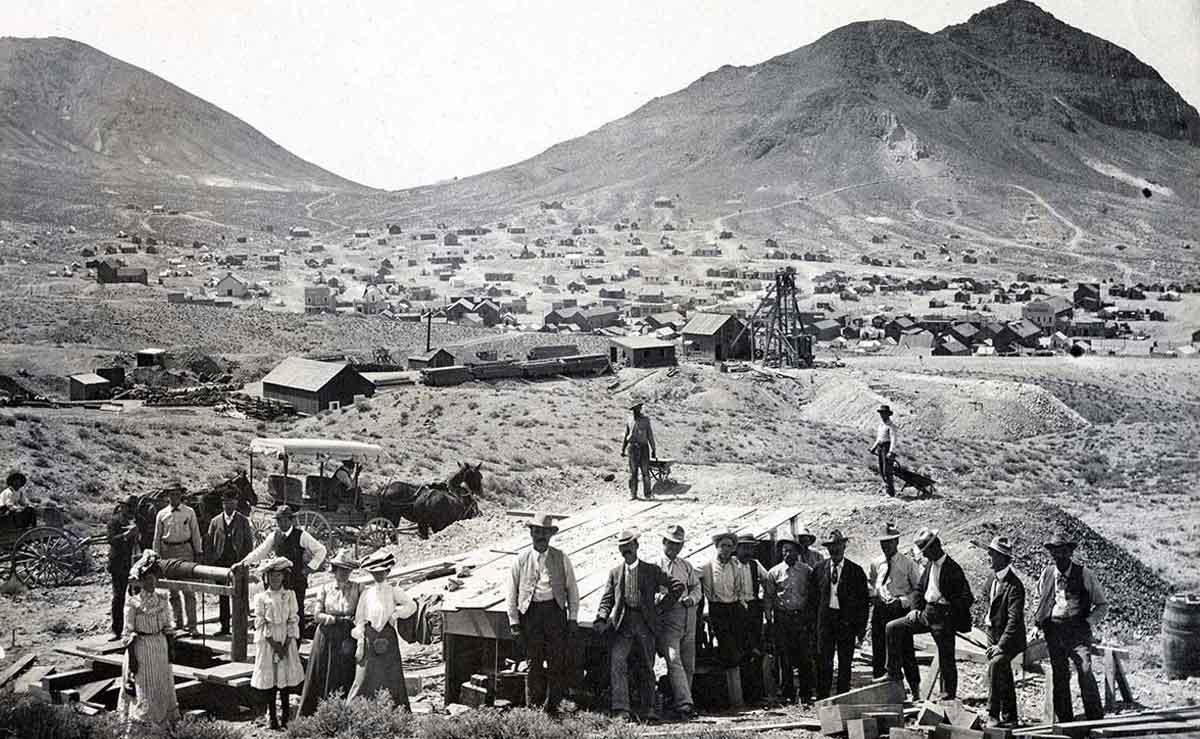
Known as “The Silver State,” Nevada is known for having a long history of silver mining. Nevada is, however, by far the largest gold producer of all the states. Gold was first discovered in Nevada in 1849, ten years before the famous discovery of silver, and throughout its history, Nevada has produced more than twice as much gold as California—a state that got its nicknames of “The El Dorado State” and the “Golden State” because of its association with gold.
Today, Nevada’s gold production dwarfs that of other states. Its annual production is over 6 million troy ounces, while Colorado comes in second place with a little more than 300,000 troy ounces. At last count, California’s production was barely more than 150,000 troy ounces.
Silver, by comparison, is a much closer statistic. In recent years, Alaska has held the title of producing the most silver annually, but these numbers fluctuate considerably. Nevada and Colorado easily challenge for the number one spot.
It is also salient to note that most of Nevada’s silver production is actually a byproduct of gold mining!
4. Nevada Is the 36th State
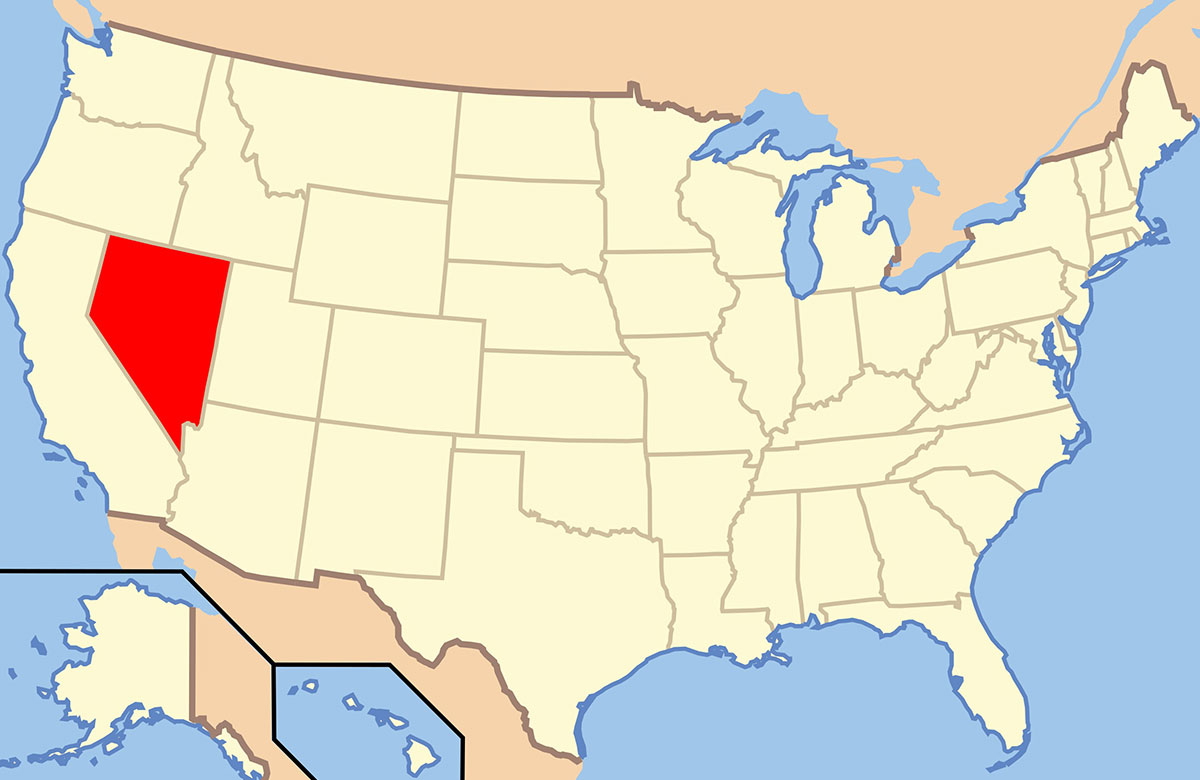
On October 31, 1864, Nevada was admitted into the Union as the 36th state. This admission came just days before the presidential election, which saw Abraham Lincoln win a second term as president. It involved telegraphing the Constitution of Nevada to Congress. This transmission was the longest and most expensive telegraph ever sent!
Nevada lacked the 60,000 residents needed for a territory to achieve statehood, but this requirement was waived in Nevada’s case, and the territory was rushed to the front of the queue of other territories seeking statehood.
This was done because Lincoln wanted to ensure his reelection by securing Nevada’s three electoral votes and had presumed correctly that Nevada would increase the number of Republicans in Congress.
5. Most of the Land Is Owned by the Federal Government
Although Alaska ranks as the state with the largest amount of land owned by the federal government, Nevada has the highest proportion of federally owned land: 80.1% of Nevada is owned by the government.
The majority of this land is under the jurisdiction of the Bureau of Land Management. Other departments, such as the Forest Service, Department of Defense, Park Service, Bureau of Reclamation, Department of Energy, and Fish and Wildlife Service, administer the other areas. Nevada is home to 23 state parks and 372 national historic sites.
Nevada is also home to the enigmatic Area 51, a military site where top secret, technologically advanced military projects are conducted, and has had a reputation for allegedly working on technology recovered from extraterrestrial spacecraft!
6. Gambling Was Legalized in Nevada in 1931

Gambling wasn’t always legal in Nevada. In 1910, the practice was prohibited as part of an attempt to ban gambling nationwide. Laws prohibiting gambling, however, would not last. When the Great Depression hit, every state had to look for ways to bring itself out of the economic turmoil, and for Nevada, this was gambling.
In 1931, the dice were back on the table. This was the central axis around Nevada’s economic recovery, and although intended as a stopgap until the economy had recovered, outlawing gambling was never seriously considered ever again.
Gambling quickly became Nevada’s most profitable industry and remains so to this day.
7. Nevada Held the Biggest Single Public Works Project in US History
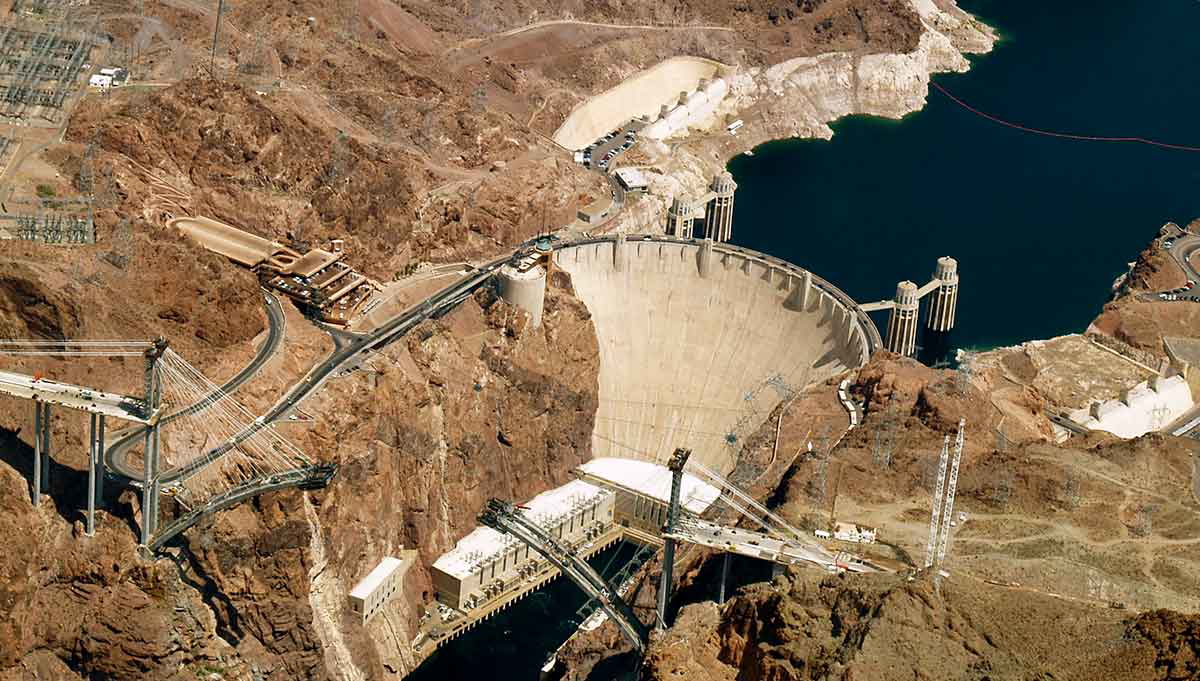
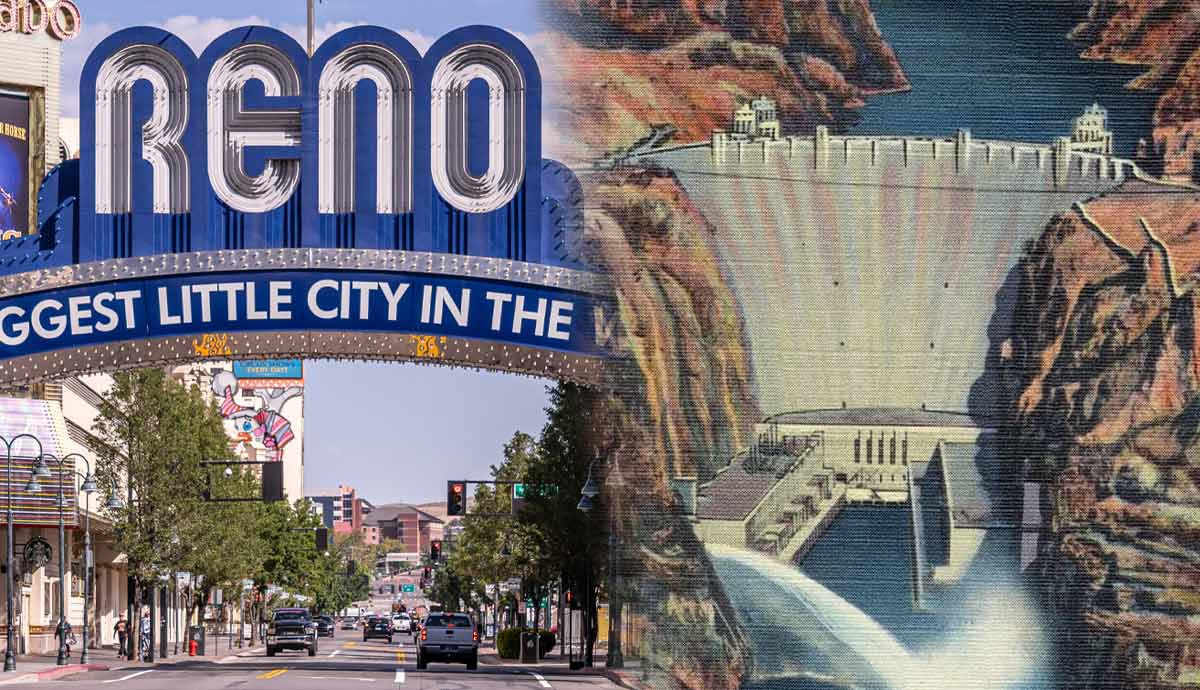
Perhaps the most famous dam in the world, the Hoover Dam is certainly the most famous in the United States. When it was finished on March 1, 1936, it was the tallest dam in the world, measuring 726 feet high.
There was controversy surrounding the name since President Herbert Hoover, for whom the dam was named, was a very much disliked figure by many Americans, especially those who blamed him for the Great Depression. Until President Truman made the name official, the structure was also called “Boulder Dam.”
Nevertheless, the construction of the dam was a monumental achievement. Twenty-one thousand workers built the dam, with an average of 3,500 working daily. Approximately 4.3 million cubic yards of concrete were used in its construction, and 96 people died in the process. However, according to the Bureau of Reclamation, and contrary to popular belief, there are no dead bodies trapped within the concrete!
With so many construction workers, an entire city had to be built to accommodate them all. Boulder City was founded for this purpose, and among its local laws, alcohol and gambling were banned.
By damming the Colorado River, Lake Mead was created and serves as America’s largest reservoir. The reservoir supplies water to Nevada, America’s driest state, and its surrounding states.
Apart from the vital services provided, Lake Mead has also become a tourist destination. The first recreation area was created there in 1964, and the lake is a popular destination for boating, fishing, and swimming.
8. Nuclear Detonations Were a Tourist Attraction
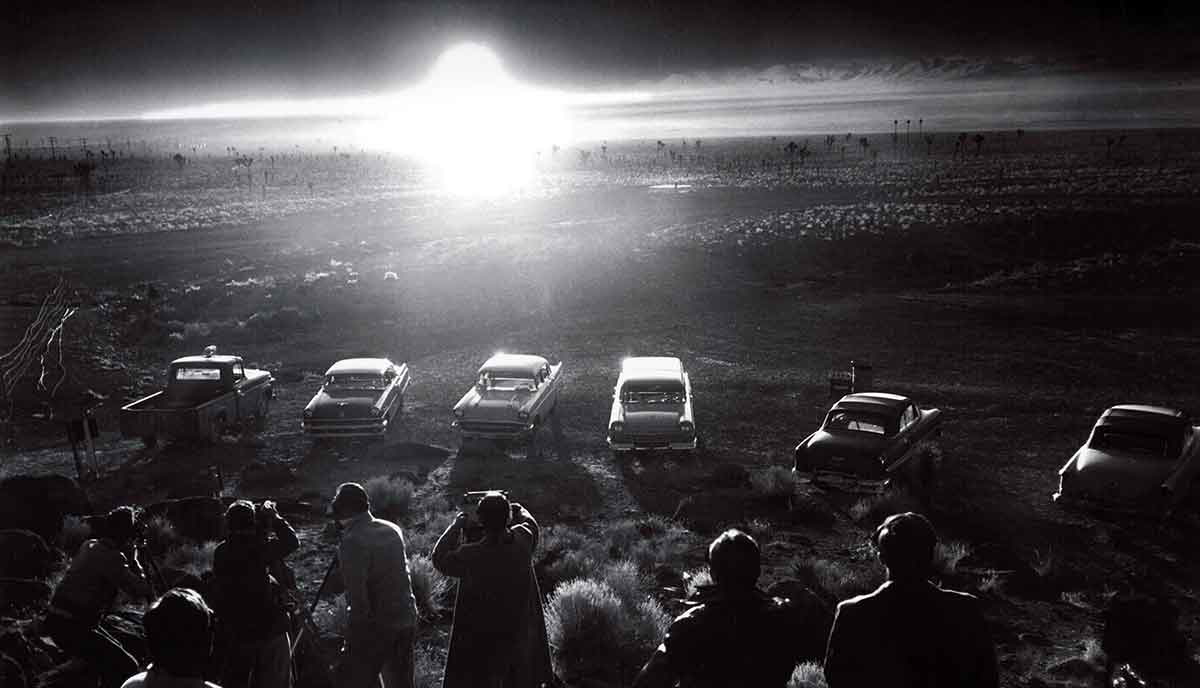
Sixty-five miles northwest of Las Vegas is the Nevada National Security Site, also known as the Nevada Test Site, which was acquired in 1951 for the purposes of testing nuclear weapons. From 1951 to 1994, a total of 928 nuclear tests were conducted. Many of these had been conducted above ground in the early years, making them visible from Las Vegas. Huge numbers of tourists flocked to the city to witness the bright flashes and the mushroom clouds from these tests.
In 1963, a ban was put in place that prohibited the testing of nuclear weapons above ground and in the ocean, and subsequent tests were conducted below ground.
9. Slavery Was Technically Legal in Nevada Until 2024!
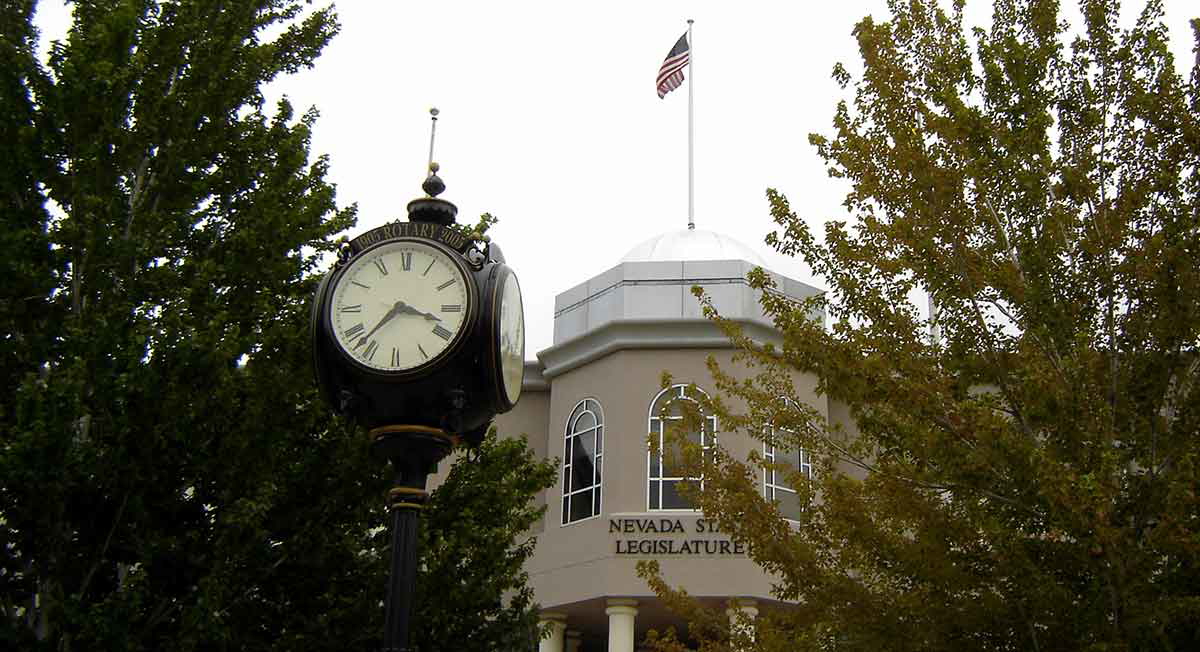
Nevada’s strong support for the Union cause and anti-slavery sentiment were reasons why the territory was admitted to statehood. In an ironic turn of events, according to Article 1, Section 17 of the Nevada Constitution, slavery was technically legal in the state.
The section reads, “Neither Slavery nor involuntary servitude unless for the punishment of crimes shall ever be tolerated in this State.” Thus, slavery was still legal as a form of punishment until November 2024, when the people of Nevada voted to remove this language from the state’s constitution.
This wasn’t the first time this had happened in the United States, however. Between 2016 and 2022, eight other states voted on nine measures to remove technical provisions for slavery in the respective constitutions.
Each of the 50 states, with their histories and interesting quirks, is wholly unique. Nevada is certainly no exception. From pre-Columbian times to the modern era, Nevada has proven itself to be of much interest to pioneers, tourists, and business owners, all of whom have turned this dry patch of the United States into a thriving center of opportunity.