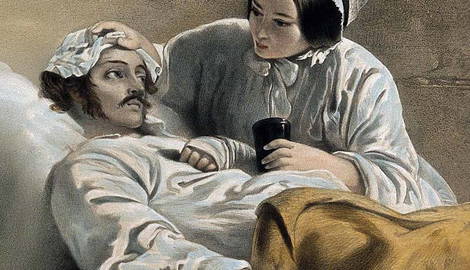
Used for the first time in the 1980s in Robert Zemeckis’s Back to the Future, Florence Nightingale syndrome is a term used for a situation in which a caregiver falls for their patient. Named after one of the most influential nurses in history, Florence Nightingale syndrome, or effect, can create ethical and personal dilemmas. However, while this so-called syndrome is popular in the media, there is little evidence of it in the real world, and its use detracts from Nightingale’s legacy and her impact on the world of medicine and nursing.
Who Was Florence Nightingale?
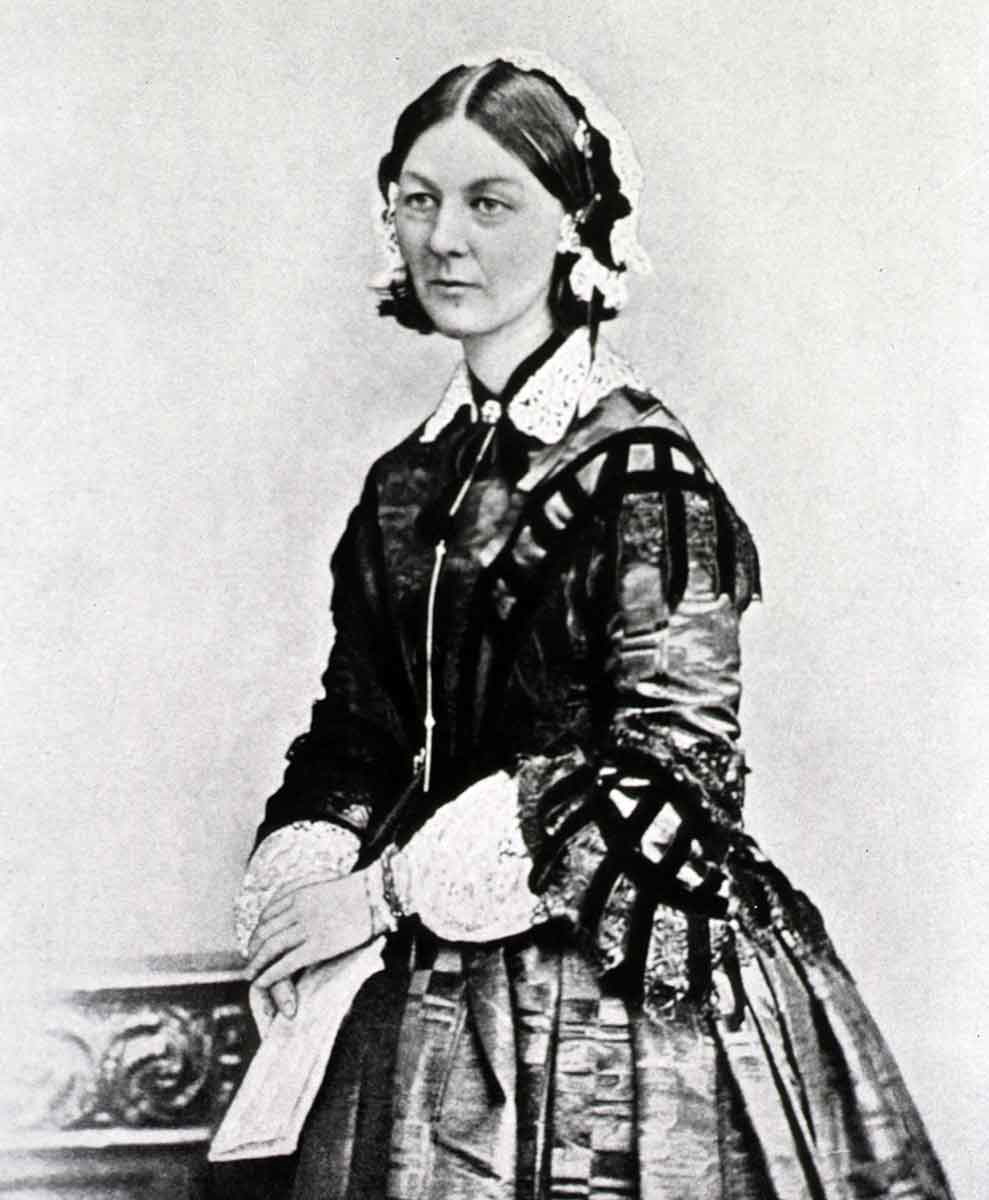
Also known as “The Lady with the Lamp,” Florence Nightingale founded modern nursing and reformed the healthcare system. Nightingale earned this nickname, as well as “the Angel of Crimea,” due to her work during the Crimean War (1854-1856). Nightingale was born to a wealthy landowner and, as a member of the elite upper class, was not expected to work. Despite this, since she was a young girl, she dedicated her life to helping others. It came as no surprise that she went against the social norms of her class and trained to be a nurse.
She received her training in Germany in the 1850s and later worked at a women’s hospital in Middlesex. Only a year later, Nightingale had already gained a reputation as one of the best nurses working there and was promoted to superintendent. For a woman to have this type of respect and responsibility in Victorian English society was also a rarity, though it could be argued that the country was becoming more progressive and equal. Feminist ideas and views had begun to emerge, but it was still a patriarchal society. Not only did Nightingale’s high-powered job separate her from other women of this era, so too did her refusal to marry.
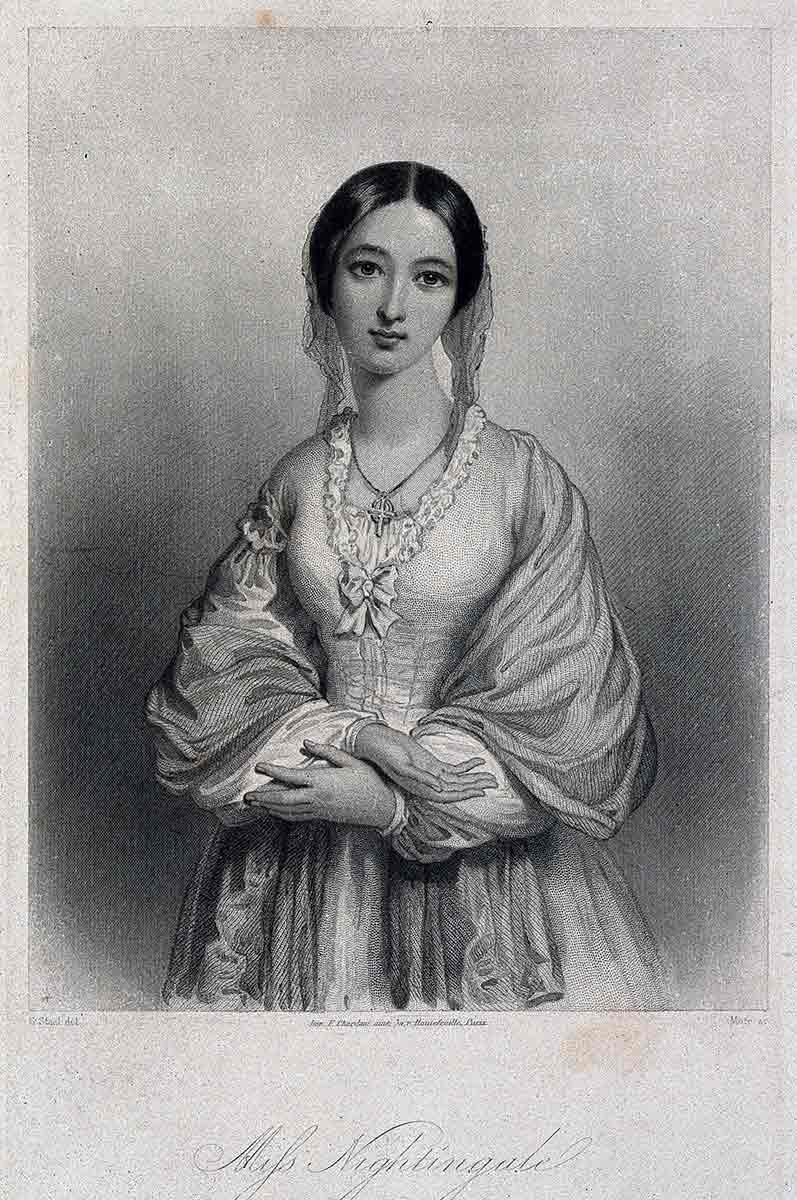
Married women had severely limited rights in the Victorian era, as under common law, they lost their property and their legal independence. Women were expected to have “feminine” qualities like sympathy, sensitivity, and empathy—qualities that nurses should have as well—but to have no ambitions. The ideal Victorian woman was utterly devoted to her husband, children, and home and belonged in the private, domestic sphere.
Coventry Patmore’s popular 1854 poem, “The Angel in the House,” highlights the oppressive domesticity that was expected of Victorian women and how men viewed them. Upper-class women were expected to marry and have children young, and becoming a mother was seen as the highest achievement a woman could attain. However, as women in the upper classes weren’t supposed to work or have further education, married women were completely dependent on their husbands and would have to endure whatever struggles their marriage entailed.
Nightingale’s refusal to conform to the Victorian era’s societal expectations and patriarchy arguably allowed her to become the revered nurse she is today. However, her upper-class status and good education did put her at an advantage, and other women in similar situations didn’t have the same opportunities.
How Did Florence Nightingale Change Nursing?
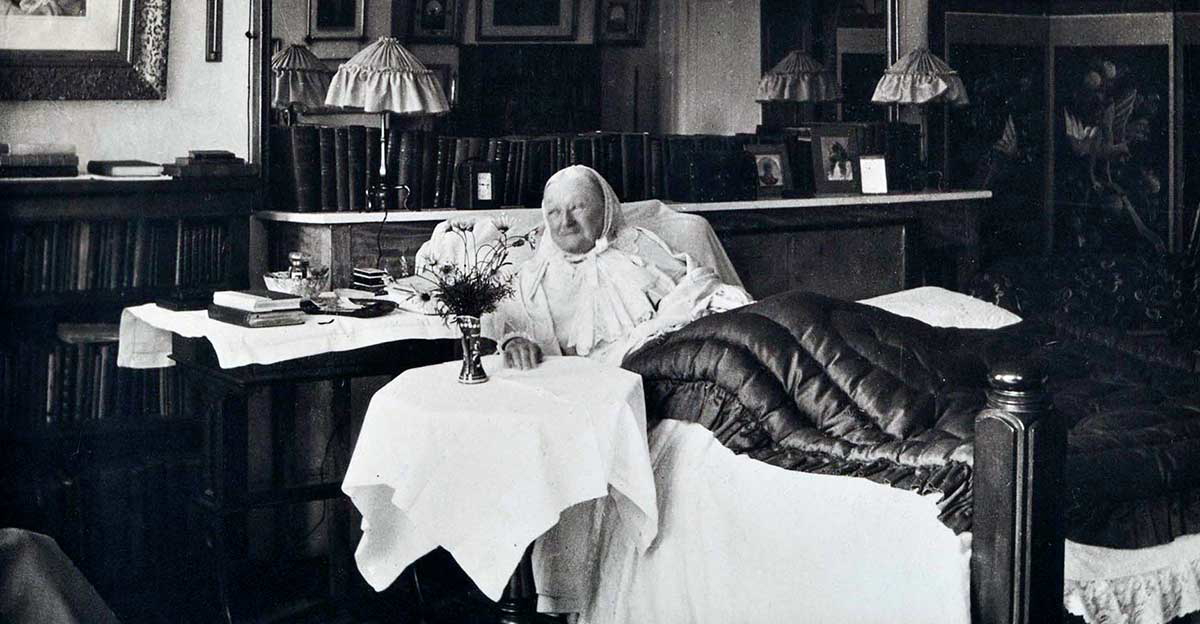
When Florence Nightingale began working as a nurse at the Middlesex Hospital, conditions were extremely unsanitary. In fact, many hospitals in Victorian England were extremely dirty and were seen as places that would make you worse, not better. The filthy conditions and lack of ventilation meant that cross-contamination was rife, and nurses themselves often fell ill as well. The hospital was already suffering from a cholera outbreak, and the lack of good hygiene practices increased the death rate.
Nightingale implemented ways to improve the cleanliness of the hospital, which decreased the number of lives lost. She would also stay up all night long with afflicted patients, which nurses were not expected to do. Due to these new strategies, Sidney Herbert, the War Secretary, requested that Nightingale and a group of nurses be sent to Crimea in 1854. When they arrived, they were shocked and horrified at just how bad the conditions in the hospital were, despite the warnings they were given.

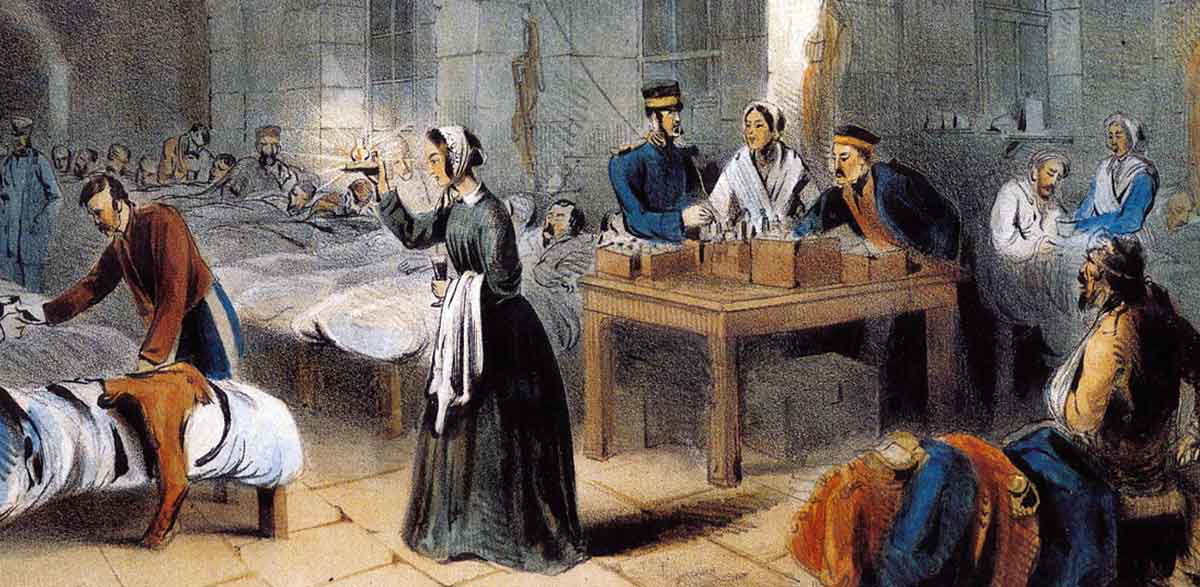
The wounded were left to lie in their own bodily fluids, and some were left in random beds in the hallways. The hospital was overcome by a rat infestation, and supplies were dwindling dangerously. Yet soldiers continued to be sent in for treatment. Often, it wasn’t their injuries that killed them, but instead the hospital’s conditions. The poor state the hospital was in meant that the biggest killers were cholera and typhoid. Nightingale, just as she had at Middlesex, improved the hospital’s sanitation. The more able injured were required to clean the hospital, and a laundry service was implemented, as clean sheets would help reduce the spread of disease.
Nightingale dedicated the majority of her time there to helping the soldiers, which is why she was called “The Lady with the Lamp.” She would constantly check on her patients throughout the night, using the light from her lamp to guide her. After her arrival, hospital deaths fell by nearly 70%.
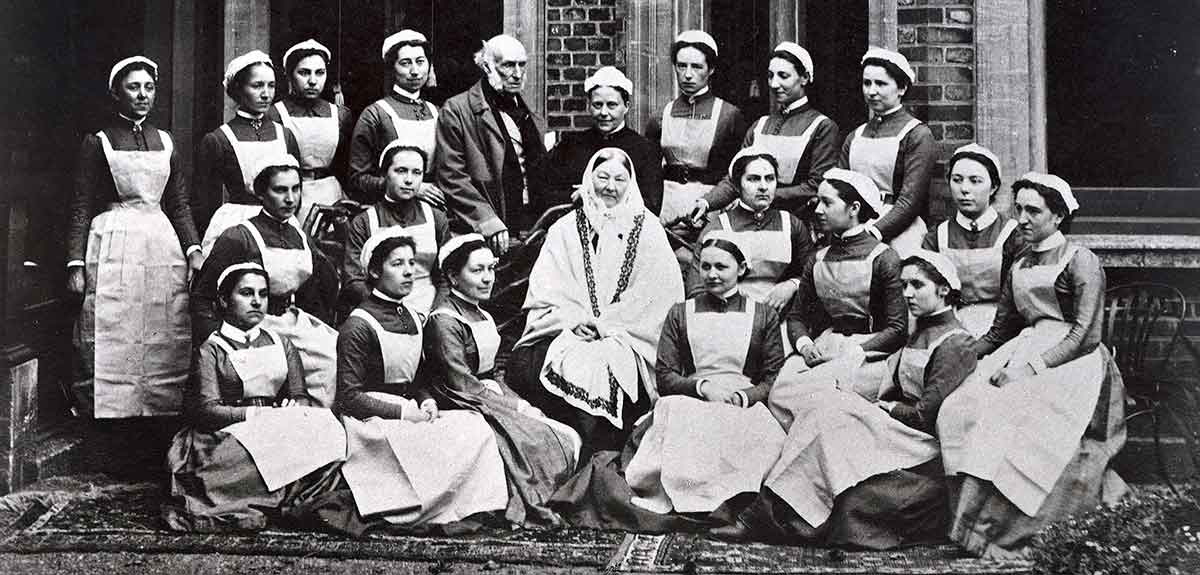
After her time in the Crimea, she became one of the nation’s most respected and revered nurses, even being rewarded a brooch by Queen Victoria. She published a report on the appalling conditions in the Crimean hospitals, which led to the establishment of a Royal Commission for the Health of the Army in 1857. In 1860, she also established the Nightingale Training School for Nurses, which is still teaching today.
What Is Florence Nightingale Syndrome?
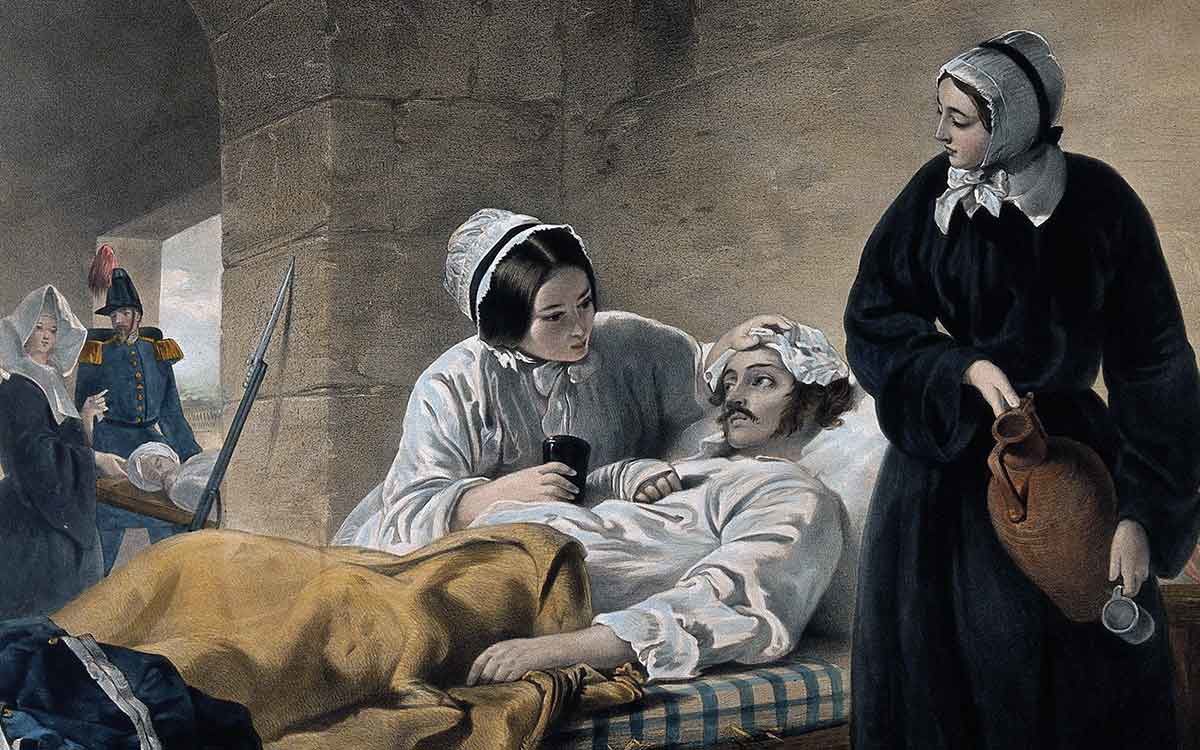
Florence Nightingale syndrome has become a colloquial, pop culture term used to refer to a caregiver developing feelings for their patient. Though it can be used in both romantic and platonic terms, popularly, it most often has romantic connotations. There is no proof or evidence of Nightingale ever falling for one of her patients, but the syndrome is named after her due to the unprecedented care she showed. The origins of this term are also unknown, but the 1985 Back to the Future film may be credited with the first popular use of this phrase. Examples of “Florence Nightingale Syndrome” can also be seen in Wonder Woman and in Ernest Hemmingway’s 1929 novel A Farewell to Arms.
It is perhaps understandable that a caregiver could fall for their patient, or vice versa, as they often do develop a close relationship. The Florence Nightingale Pledge that all nurses must take includes a vow to care for their patients and treat them compassionately. Yet, while it is expected that nurses undertake the best care possible for their patients, being “too” caring may lead to ethical concerns. For this reason, hospitals establish certain guidelines and boundaries. Nurses are not allowed to share personal details, meet patients outside of work, or have any unnecessary physical contact with patients. These policies exist to protect both nurse and patient, and any nurse found breaking these rules may be subject to consequences such as loss of license.
Should an instance of Florence Nightingale syndrome arise, it may infantilize, and even hurt, the patient and their recovery. As a caregiver begins to spend more time with the patient in question, giving them more attention and help, this may affect not only their recovery but that of other patients as well. If a nurse takes on more responsibility to help them, it may impact or delay the patient’s own healing process, though some believe a nurse who has fallen victim to this syndrome may become less interested in the patient once they begin to progress and heal.
While there may be some truth to the existence of Florence Nightingale syndrome, and it would be ignorant to pretend it couldn’t exist, pop culture seems to have exaggerated it, particularly with the rise of the “I can fix him” romantic cliche. Nightingale’s legacy should not live on in this pop culture trope but instead through her trailblazing work. Having changed so many elements of both nursing and hospital hygiene, Nightingale deserves to be the face of modern nursing.
The Legacy of Florence Nightingale Syndrome
Throughout history, women have played the role of caregivers, and nursing, seen as akin to caregiving, is still viewed as a predominately female profession—perhaps due to a lack of knowledge about what, exactly, nurses do. While many believe that nurses simply wash, feed, and provide emotional support to patients, in truth, they play a key role in their healing process. Nightingale herself didn’t agree with nursing being a female-dominated field. While she was a staunch supporter of the suffragettes and other female liberation movements, she focused her attention on equality in medicine and nursing. It is commonly assumed that Nightingale opposed male nurses, as she thought that men would not be good at the job, but this is untrue.
Nightingale saw the field of nursing as going beyond caring for the patient and helping them heal; she believed that it was instead a bond, a sort of relationship, between caregiver and patient. She believed that army and navy nursing should be done by the men and that all men in the forces should receive nursing training and supervision.
To portray Florence Nightingale as a weak-minded, impulsive, and unprofessional nurse (or, arguably, woman) by associating her with this syndrome arguably discredits all her hard work. It is well documented that nursing is seen as a “feminine” job, and so to suggest that female nurses can’t help falling for their patients misunderstands the role and status of caregivers. The media and pop culture’s obsession with Beauty and the Beast, “Florence Nightingale Syndrome”-style stories should be seen as just that: stories, or tropes, that have nothing to do with Nightingale herself. Instead, the focus should remain on the advances in nursing and hospitals owed to the influential and inspirational Florence Nightingale.