Most people know that eating pork is not allowed in Judaism. However, biblical food laws contain far more prohibitions than this. While laws governing what sacrifices were permissible in the ancient Israelite cult were more strict than food laws, religious ideas permeated every aspect of ancient Israelite life—even what food was eaten. Many Jews and others who today claim ancient Israelite heritage follow these laws, and have continued to adapt and nuance them to their changing contexts.
Animals in the Bible Are Either “Clean” of “Unclean”

The meat of most sacrifices in ancient Israelite religion resulted in food, with only select, fatty organs being burned entirely on the altar. These organs were the most aromatic while being burned, and it was imagined that God could smell the fragrance as it rose into the sky. The slaughtering and burning of sacrificial animals was symbolically important in and of itself, but consuming the meat was also central to the ritual since, in this way, the worshipper participated in the sacrificial meal. Even as sitting down to eat with other human beings was symbolic of the same, sharing a meal with the divine suggested a peaceful, right relationship between God and the human devotee in ancient Israel.
But, while animals deemed fit for sacrifice had to be of a certain unspotted, unblemished quality, even animals that were not offered in the Temple had to be taken only from among those classified as “clean.” “Unclean” animals were fit for neither sacrifice nor consumption. Such are also “detestable things,” and in one place “abominations” in the Bible. In broad strokes, these terms refer to things—or, more precisely, uses of things—that are offensive to God.
Only Split-Hoofed, Cud-Chewing Land Animals Are Clean
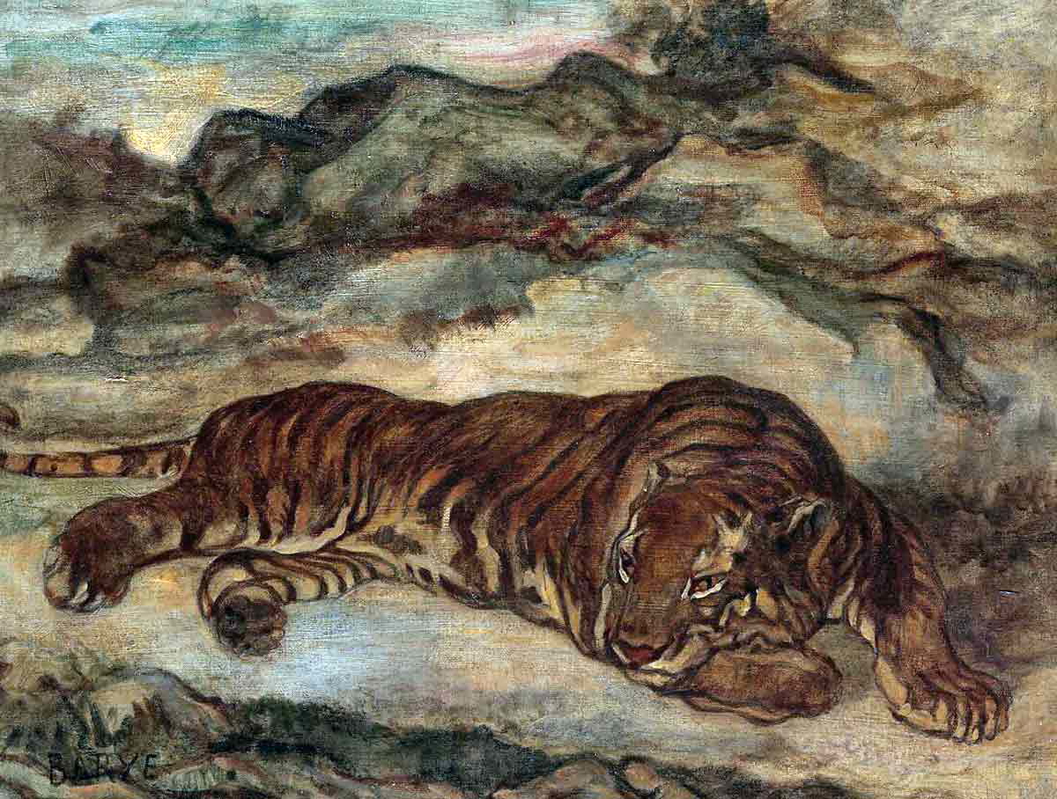
With regard to land-dwelling beasts, the Bible says that only those with split-hooves are fit for food. This immediately limits the class of clean, land-going meat to mammals. But this raises the question of why pigs are forbidden.
Pigs lack a less obvious anatomical characteristic that other animals who have split hooves possess. According to biblical law, only animals that “chew the cud” are clean. This means that only animals with multiple compartments in their stomachs, whose digestive process involves regurgitating their food and chewing it again to extract extra ingredients, were permissible for food or sacrifice. Pigs have split hooves, but their stomachs have a single compartment. Meanwhile, horses neither have split hooves nor chew cud and are, thus, “unclean.” Reptiles and amphibians, as well as rodents, dogs and wolves, lions, and a host of other animals that might be thought edible otherwise are forbidden by biblical law.
Scale-less Fish and Scavenging Birds Are Forbidden
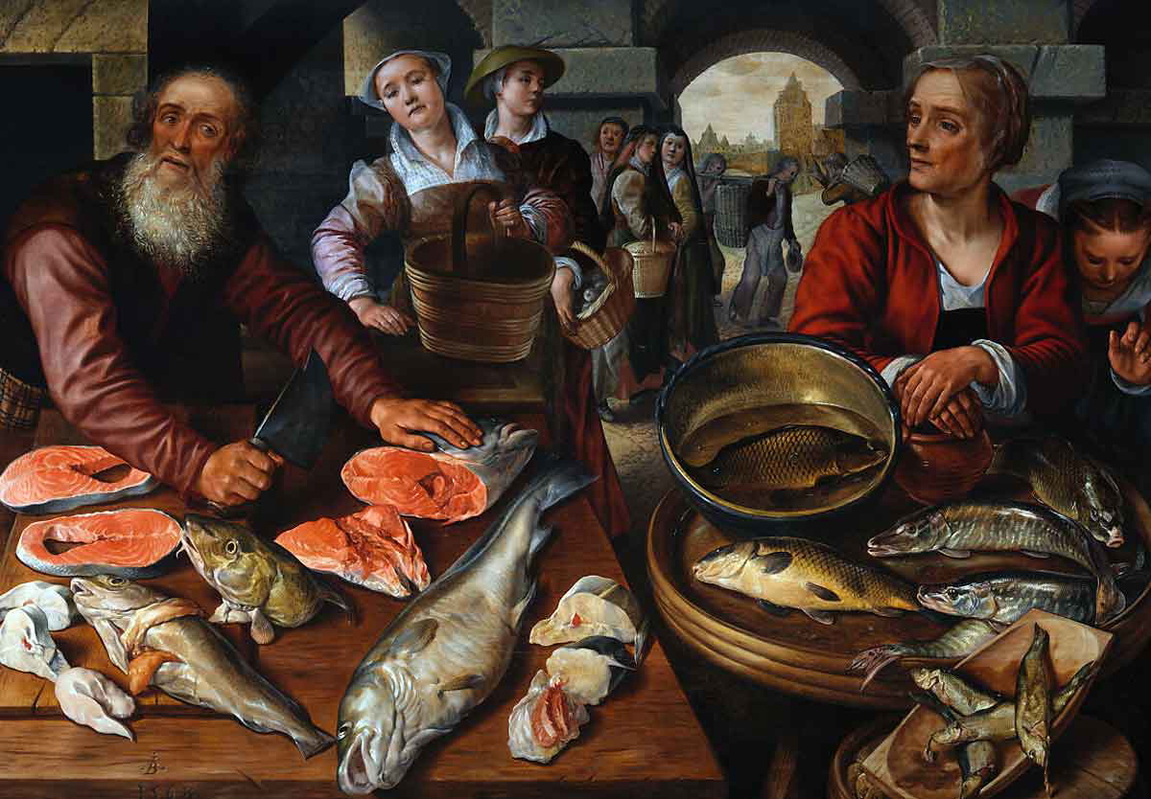
The term “fish” today excludes aquatic mammals, crustaceans, cephalopods, etc. even though they live in water. But the biblical authors did not use modern taxonomical systems. Thus, all water-dwelling creatures are discussed together. The Bible says that only water-dwellers that have fins and scales are fit for food. It does not appear that any sea creature could be used for sacrifices in ancient Israelite religion.
Not only would shrimp, lobster, and crabs be off the menu, catfish would also be excluded due to their lacking scales. While ancient Israelites would have had little opportunity to do so, sampling whale meat would also have been prohibited.

When it comes to birds, the Bible provides a list. A careful reader of the list notices that all of the species on it—from the eagle, to the vulture, to the heron, to the owl—are either predatory birds or scavengers that live on carrion. Among the “birds” forbidden in this list are bats—another testament to the difference between how the biblical authors categorized animals versus how we do so today.
Some Insects Are Clean in Biblical Law

In general, insects are not to be eaten according to biblical law, and no arachnids (spiders) or arthropods (like millipedes and centipedes) are worthy of the biblical stomach. However, those insects that hop rather than creep along the ground, like locusts, grasshoppers, and crickets, are considered “clean.” Famously, John the Baptist favored a diet of locusts according to the New Testament.
The Bible Forbids Eating Improperly Butchered Animals

Any animal—even if classified as clean—that dies of natural causes could not be eaten according to biblical law. This regulation was related to the biblical prohibition against eating blood. Based on this prohibition, Jewish rabbis later reasoned that animals had to be killed in such a way that the blood would exit their carcasses upon slaughtering. This meant that animals that had been strangled could not be eaten. Though the Hebrew Bible does not specify this regulation, it appears in the New Testament in Acts chapter fifteen, and reflects Jewish thought related to the prohibition against eating blood.
The Bible also prohibits, in specific terms, cooking the meat of a baby goat in its own mother’s milk. In the hands of later rabbis, this law was expanded to forbid the mixing of any dairy with meat, giving rise to one of the signature features of the kosher kitchen today, in which meat and dairy products never appear together in a single meal.