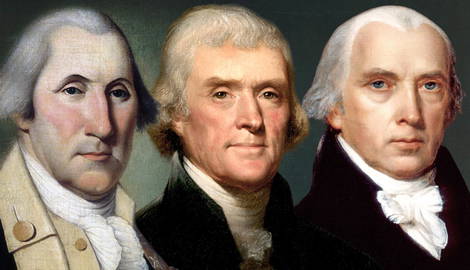
The decades between 1770 and the early 1800s witnessed multiple gatherings of America’s “Founding Fathers.” Names like Alexander Hamilton, George Washington, Thomas Jefferson, or John Adams led a group that built the American Republic. These men, along with others, took part in the American Revolution and created enduring documents. Their beliefs and philosophies led to timely quotes.
“If free speech is taken away, then dumb and silent we may be led, like sheep to the slaughter”
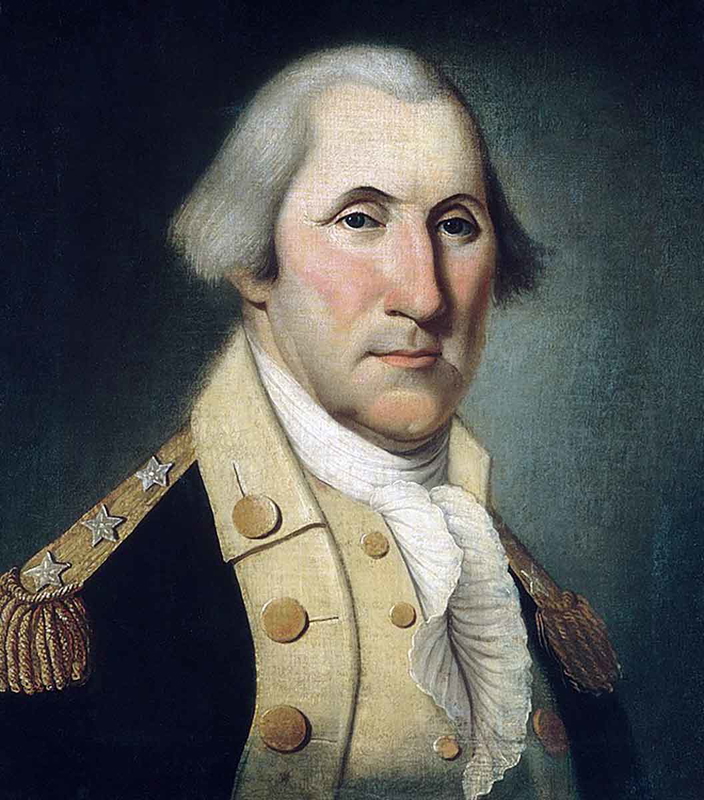
Already famous from his successful stint leading the Revolution’s Continental Army, George Washington also became the first President in 1789. Like his compatriots, he left us with this quote as a warning and advice. On free speech: “If free speech is taken away, then dumb and silent we may be led, like sheep to the slaughter.”
Washington’s quote regarding free speech is a cornerstone of the U.S. Constitution’s First Amendment. Often quoted, free speech became a fundamental right in American law. His warning that staying silent is a cautionary reminder to speak up, criticize, and question the government, or face the consequences.
“The course of history shows that as a government grows, liberty decreases”
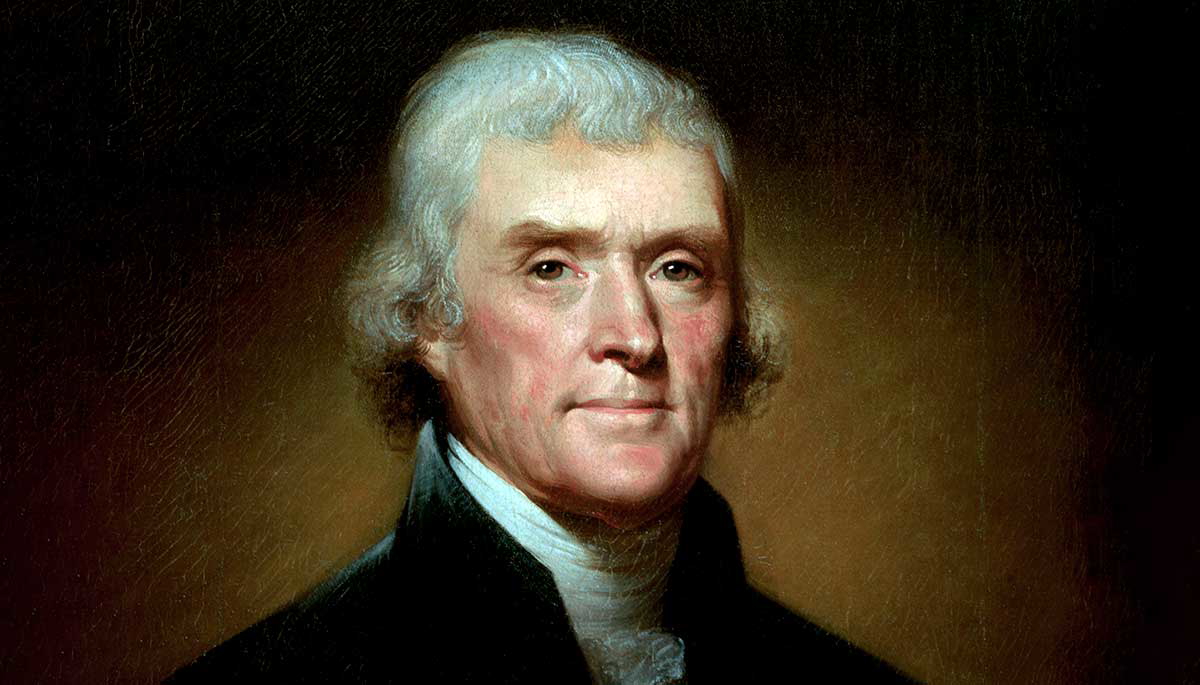
The Declaration of Independence is a historically significant document, perhaps among the most important of the past century. And principally authored by Thomas Jefferson. Like the other American Founding Fathers, he offered sage advice. Among his quotes, perhaps this one is the strongest: “The course of history shows that as a government grows, liberty decreases.”
Being an Enlightened thinker, Jefferson’s thinking reflected his beliefs. This example states that, should government grow, that growth comes only at liberty’s expense. Liberty in this context is speaking freely, civic participation, or economic freedom. To Jefferson, liberty only thrives when government is small, decentralized, and under the people’s control.
“The purpose of the Constitution is to restrict the majority’s ability to harm a minority”
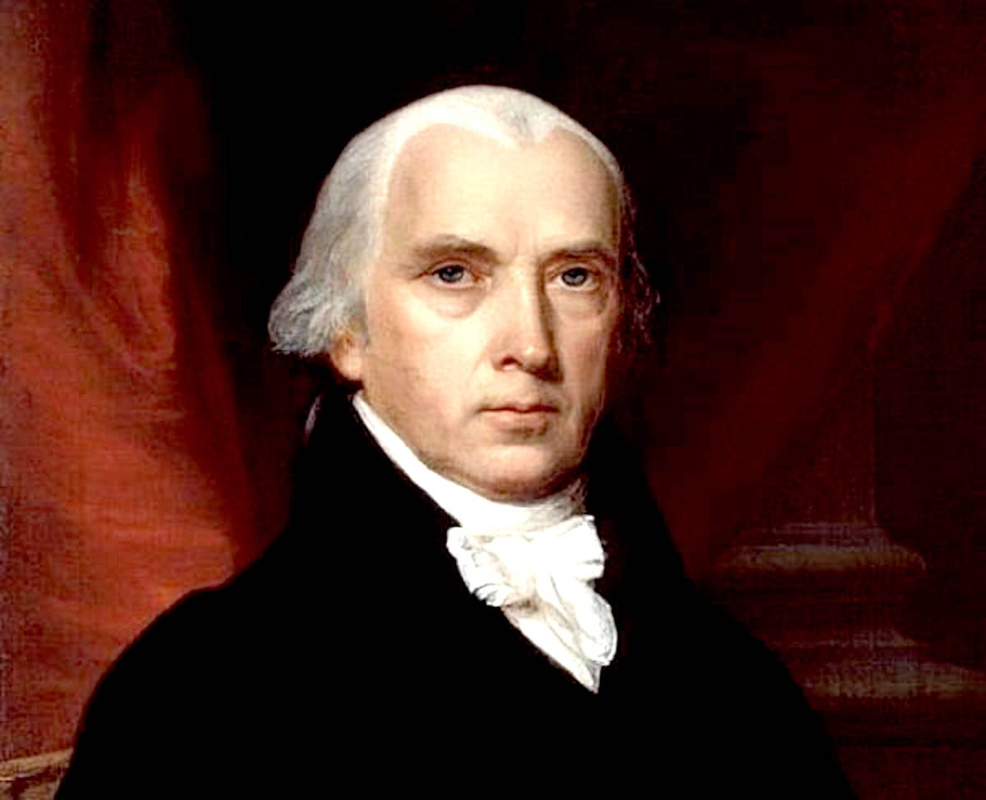
James Madison, like Jefferson and Washington, was a man of the Enlightenment. Madison played a crucial role in promoting the U.S. Constitution and wrote the Bill of Rights. Like Jefferson, he served as U.S. President and espoused similar beliefs. As Jefferson preferred small government, Madison firmly believed the Constitution prevented tyranny.
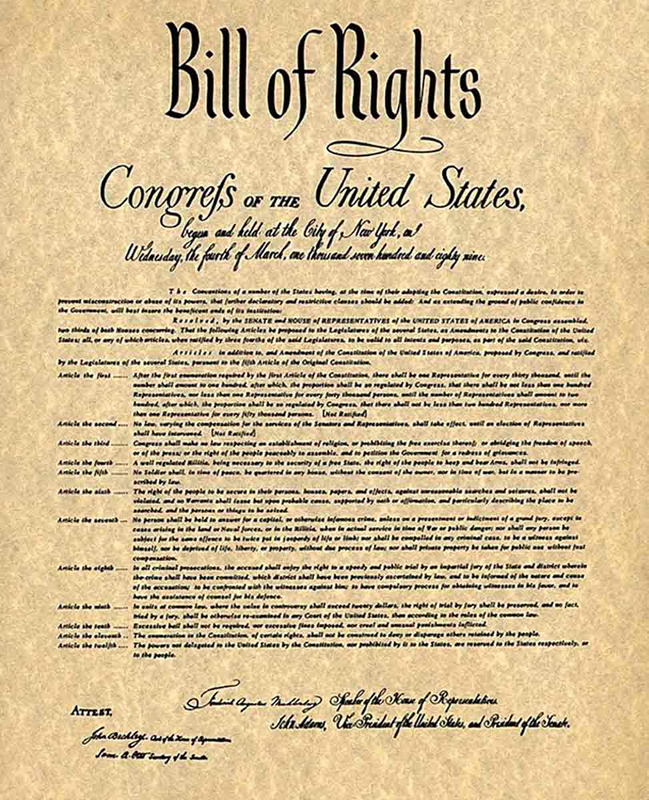
As one of the Constitution’s biggest champions, the future 4th American President said thus: “The purpose of the Constitution is to restrict the majority’s ability to harm a minority.”
This quote to Madison is that the majority makes the laws, but not at the expense of the minority. He believed the Constitution restrained the majority, protecting individual and minority rights. The parts of the Constitution—Bill of Rights, separation of church and state, and a judiciary—set limits on what the government can do. The minority in Madison’s quote meant dissenters, ethnic groups, or those whose views differed.
“Government is instituted for the common good…not for profit, honor or private interest of any one man, family, or class of men”
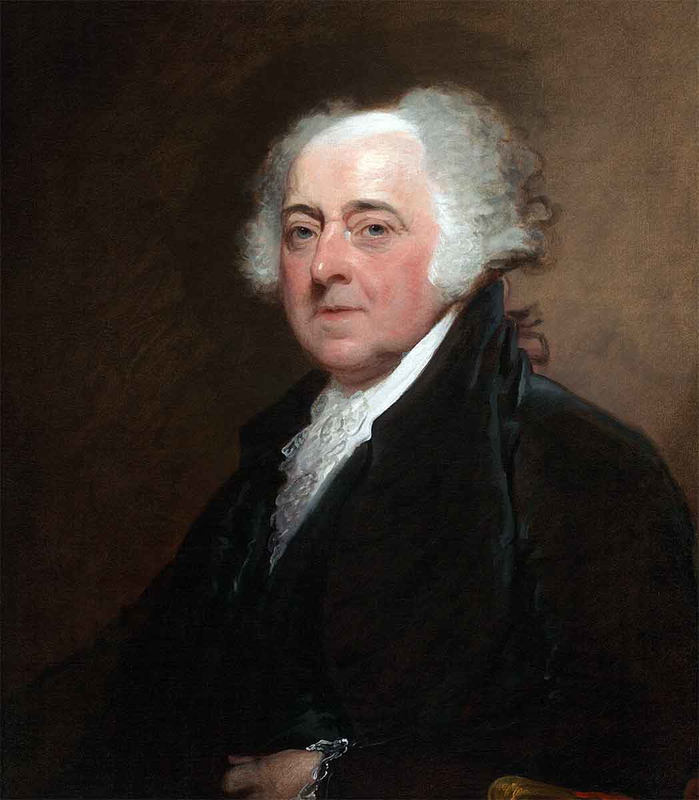
John Adams, like Jefferson, emerged as the most vigorous of the Founding Fathers. During his time, he’d serve as President, ambassador, and lawyer. Adams authored the 1780 Massachusetts Constitution, which influenced the later famous document. While Jefferson favored small government, Adams believed in a strong central government. Here, citizens accepted government rule that protected their rights and well-being, thereby forming a social contract. Under such a belief, John Adams gave us this quote: “Government is instituted for the common good…not for profit, honor or private interest of any one man, family, or class of men.”
Breaking down this quote, Adams advocated that the government needed a system of checks and balances to prevent tyranny for the common good. The latter part of Adam’s quote argued against corruption. He warned against tolerating leaders who used their office for personal gain. They ruled only with the people’s consent.
Whoever would overthrow the liberty of a nation must begin by subduing the freeness of speech”
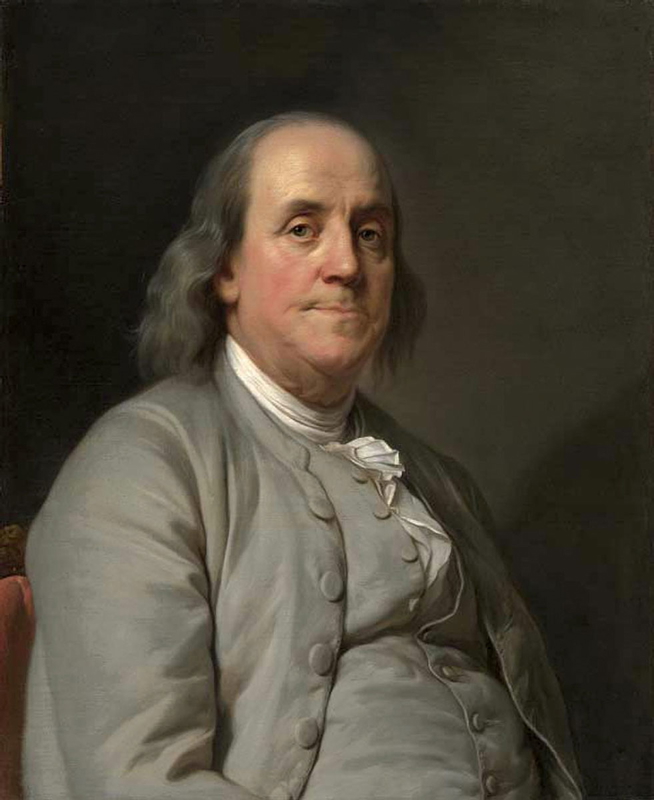
Ben Franklin stood apart from his fellow Founding Fathers. Besides politics, he dabbled with things, inventing items like bifocals and the lightning rod. While Adams believed in a centralized government and Jefferson in a decentralized one, Franklin opposed political extremism.
Franklin personified Enlightened beliefs-civic virtue, liberty, and reason. To him, discourse triumphed over violence. That said, the politically moderate Franklin said, “Whoever would overthrow the liberty of a nation must begin by subduing the freeness of speech.”
To analyze his quote, one must believe free speech is essential. An oppressive government destroys free speech, thus eliminating liberty. Having control over language allows leaders to avoid debate and accountability. Franklin’s greatest fear was censorship.