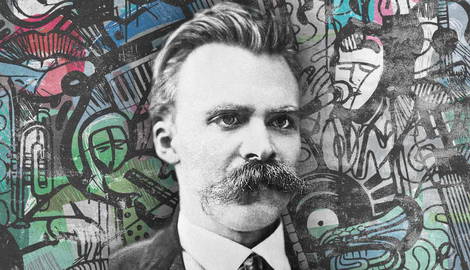
Music was key to Nietzsche’s philosophical thought. He had a broad understanding of music and how it helped human beings understand life. However, he also had a narrow view of who should be allowed to create music and who should be permitted to listen to it. He argued that there were two kinds of music: good and bad. Good music was pure for him and revealed ‘eternal secrets’ about life. Bad music was manipulative rubbish composed by musical Philistines for the masses.
Nietzsche On Music
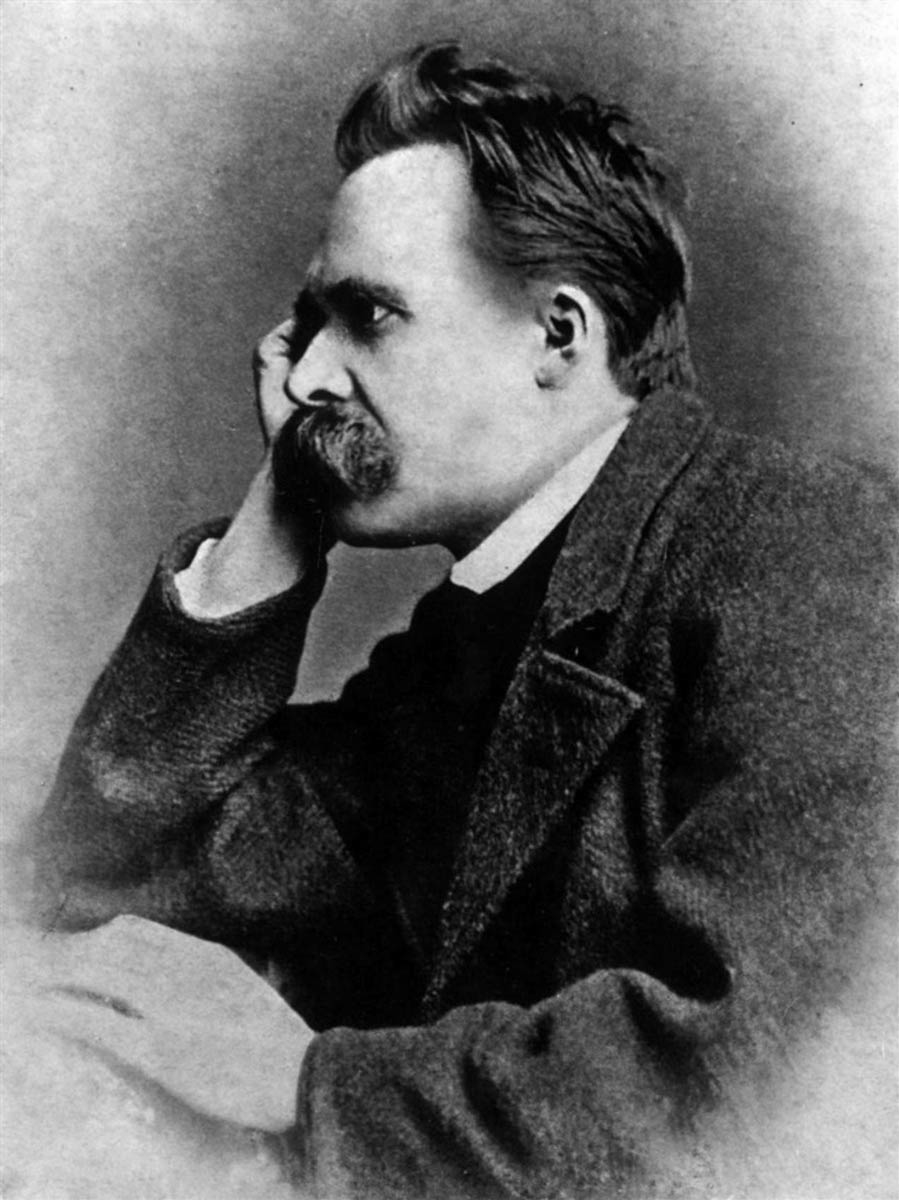
Music was enormously important for Nietzsche. He led a musical society as a youth and composed several musical pieces. Disappointingly for him, Nietzsche’s talents did not lie in musical composition. It is rumoured that Richard Wagner rolled on the floor with laughter after hearing a piece for piano that Nietzsche had written as a birthday gift for Wagner’s wife, Cosima. However, whereas Nietzsche was not fated to be a composer, his interest in music greatly influenced the philosophy for which his fame still endures.
One of Nietzsche’s earliest essays was on “Words and Music.” He makes the case that the spoken word conveys more than the written word due to emotions that can be expressed through tone and gesture. Nietzsche makes the extraordinary claim that tone and gesture alone are sufficient for communication.
Although Nietzsche’s claim is strong, his idea is not as far-fetched as it might first appear. Imagine attempting to read an angry letter written in a language you cannot speak. Suppose it is written in Chinese characters or Russian Cyrillic. Without speaking the language, you would have no idea what the letter meant (or even if it was a letter). Imagine an angry Chinese or Russian person complaining that their dog got loose because someone left the gate open. You would not understand every word, but would surely get the gist of what was being communicated. This would be apparent from the sound of the speaker’s voice and their gestures.
Nietzsche gives the example of Beethoven’s Ninth Symphony, particularly listening to the singers singing the words in the poem ‘Ode to Joy.’ Nietzsche claims, quite plausibly, that we do not need to be able to make out the actual words to understand the meaning conveyed by the music.
Nietzsche’s Musical Ambitions
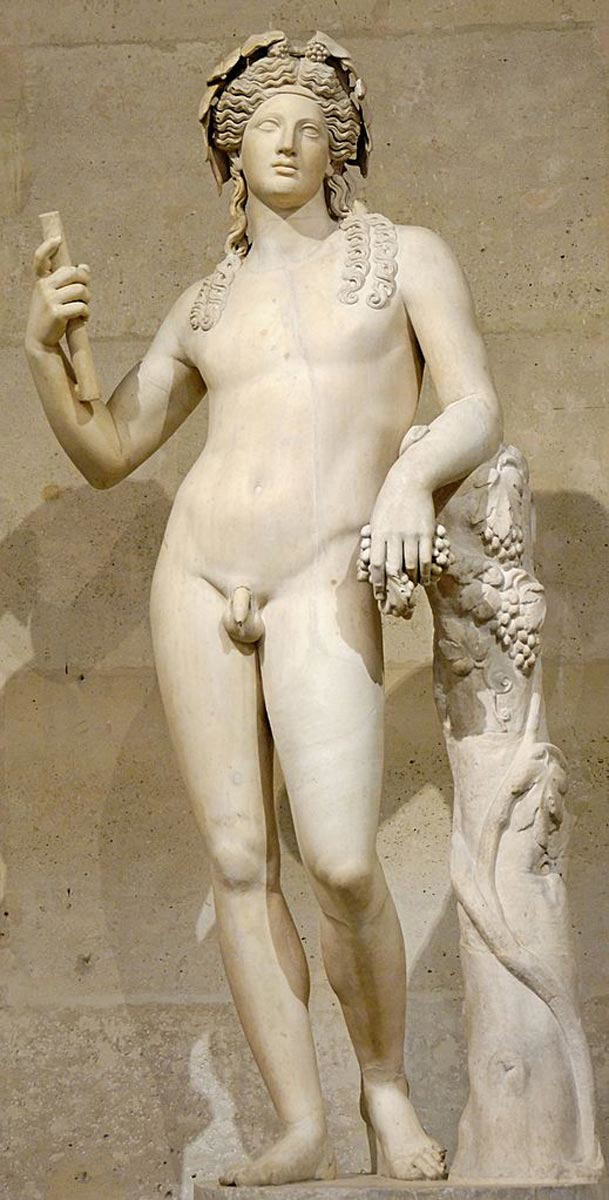
Nietzsche does not believe that all kinds of communication can be conveyed by music. For example, the food choices on a restaurant menu cannot be made clear by an instrumental solo on the violin. Nietzsche is concerned with a particular kind of communication, something he calls the ‘Dionysian.’ We will explore this idea in more detail below, but for now, let us think of Dionysian communication as something to do with feelings, sensations, and emotions.
It is easy for most of us to understand how music is a good medium for conveying emotions. A better medium in many cases than the written word. Of course, literature and poetry can be extremely moving, but even the most profoundly moving words do not usually have the same impact as music. Remember Nietzsche’s claim about Beethoven’s ‘Ode to Joy’: we do not need to be able to discern the words to be moved by the music. Indeed, most of us would experience a more emotional response listening to Beethoven’s music than reading Schiller’s original poem on which Ode to Joy is based.
Nietzsche’s conception of music is a lot broader than most people’s. He would include almost any noise that we can make. This includes the spoken word. We do not need to worry ourselves too much about the finer details of Nietzsche’s account for this article, as long as we keep in mind two things: (1) that human-produced noises, including speaking, count as music; and (2) all music can convey the Dionysian.
The Ancient Greeks
Regarding (1), Nietzsche’s understanding of music is similar to that of the Ancient Greeks. Music, for them, was an accompaniment to poetry, usually on a single instrument. The sounds played would match the words spoken. Here, the human voice is like an instrument, and the instrument is like a human voice. There was another way the Greeks used music. Music was played during plays and poetry recitals to signal to the audience that something was happening. For example, flute players would precede the entrance on stage of the god Dionysus.
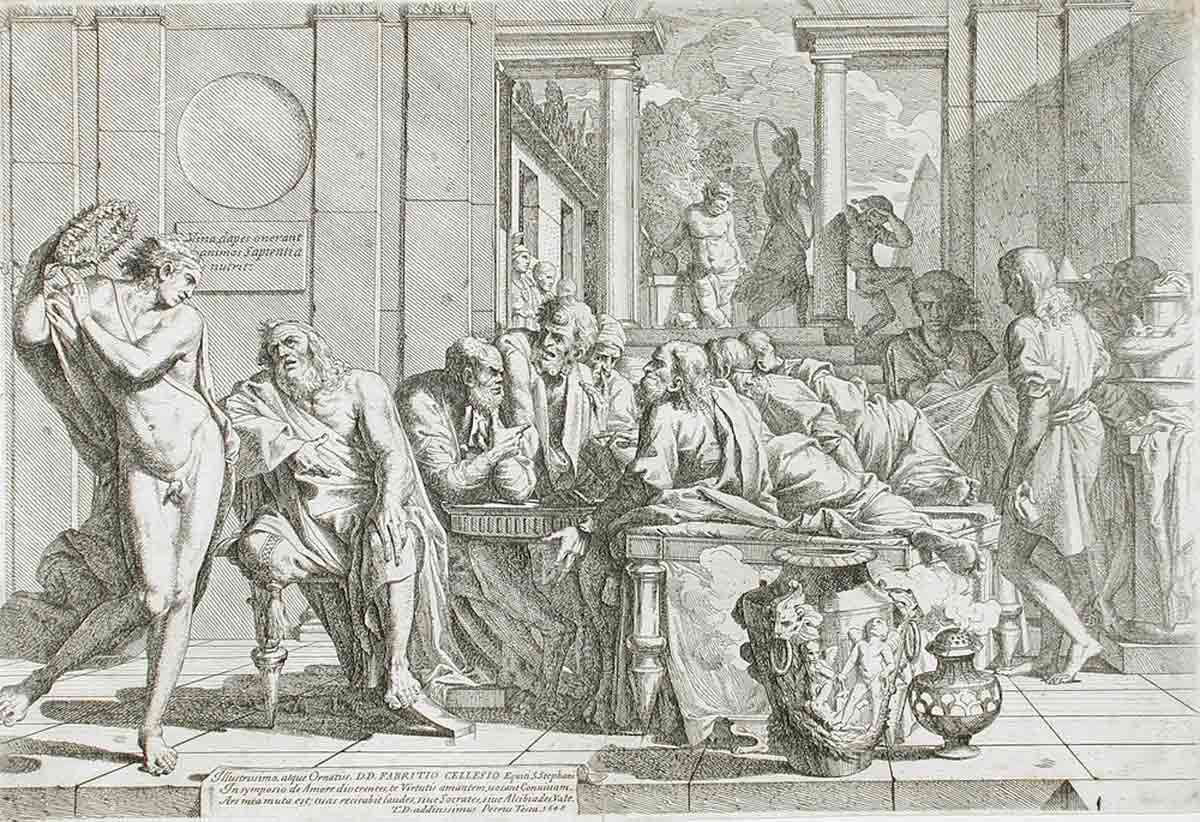
Philosophy in the days of the Greeks was performed rather than read. Scrolls of written texts existed, but these were to preserve the ideas rather than to be taken somewhere to be read quietly. If we turn our minds to Plato’s dialogue, The Symposium, and the entrance of the drunken Alcibiades, we remember that he is wearing ivy and is led by flute players. Here, Plato uses music (or the idea of music) to express the Dionysian in Alcibiades.
These ‘musical cues,’ as we might call them, are still very much in use today. Think about how, in movies, the musical score guides our emotional responses. The same scene will appear very different when whimsical, romantic, or sinister music is played in the background. Earlier, we discussed how music conveys certain ideas better than the written word. In this respect, compare the difference between reading the sentence ‘there was a man in the window’ and seeing a man in the window in a movie with the background music providing a ‘jump-scare.’
Let us look at (2), the idea that all music can convey the Dionysian. We have not yet covered what Nietzsche means by the Dionysian, so now would be a good time to introduce this idea.
Dionysianism, Music, and Myth
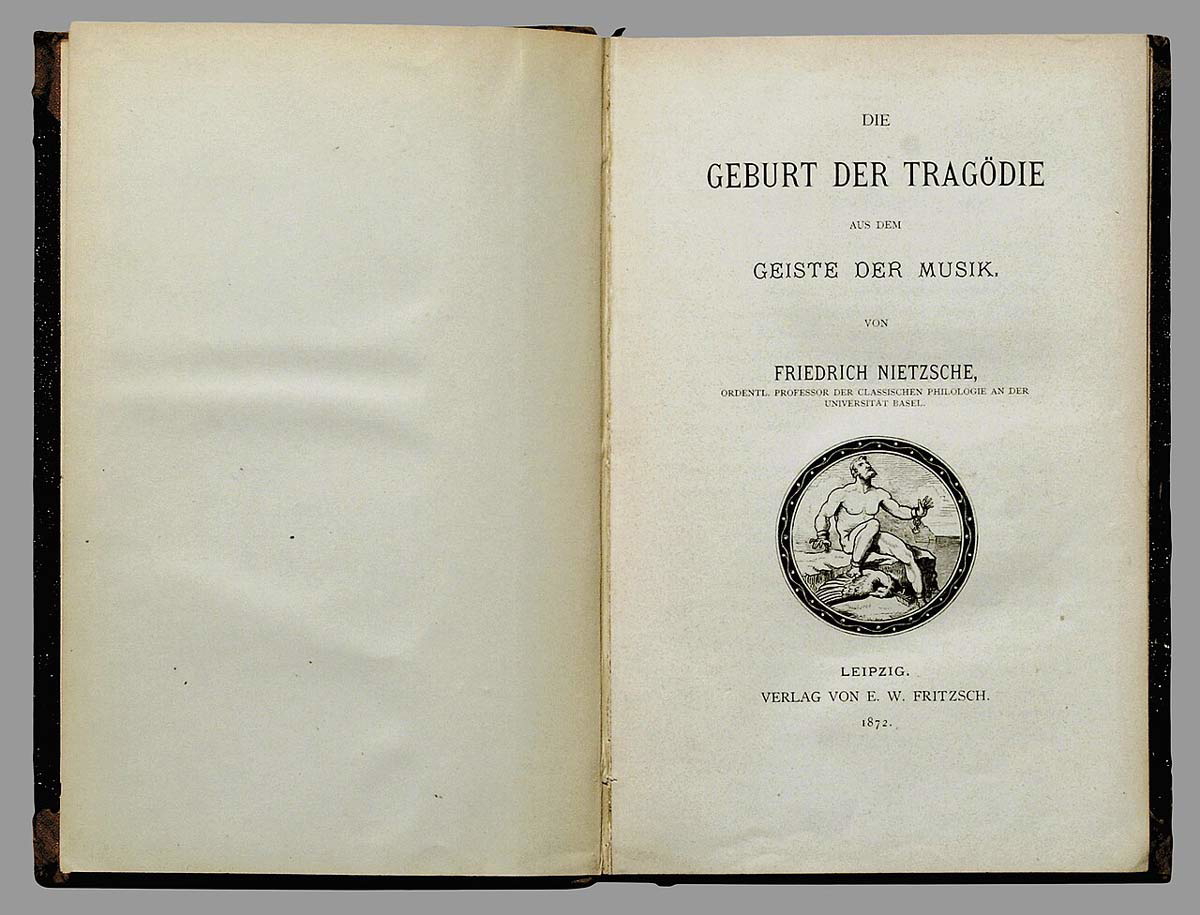
We have discussed how music can convey emotions and sensations, often more profoundly than the written word. This idea will not be controversial for most. However, Nietzsche wants to say more than just this. For him, there are ‘eternal secrets’ in the universe that humans can know but only communicate by the Dionysian. That is, there are ideas (secrets) that are captured and communicated via music. This is more than simply using music to communicate the ideas of shock, romance, or to trigger a jump-scare. Here is what Nietzsche says in his first published book, The Birth of Tragedy out of the Spirit of Music (1872):
[M]usic stimulates the allegorical contemplation of Dionysian universality, and music allows the emergence of the allegorical image in its most significant form. From these facts, intelligible in themselves and accessible to any more perceptive observer, I deduce the capacity of music to give birth to myth.
For Nietzsche, some things exist at the limits of human understanding that are only communicable via music and myth. Myths are used to express and make clear ideas that cannot be easily expressed, rationalised, and categorised. However, once we have our myths in place, we can use them to reason about life and the universe.
In The Birth of Tragedy, Nietzsche claims that all Greek myths were an attempt to overcome the tragic wisdom of Silenus. In mythology, Silenus is a supernatural being captured and forced to reveal the truth about the human condition. He says that the best thing for human beings is to have never been born, and the second best thing is to die quickly. This myth expresses something humans might feel deeply but cannot rationalize. To overcome the idea, we require a counter-myth.
Nietzsche’s Elitism
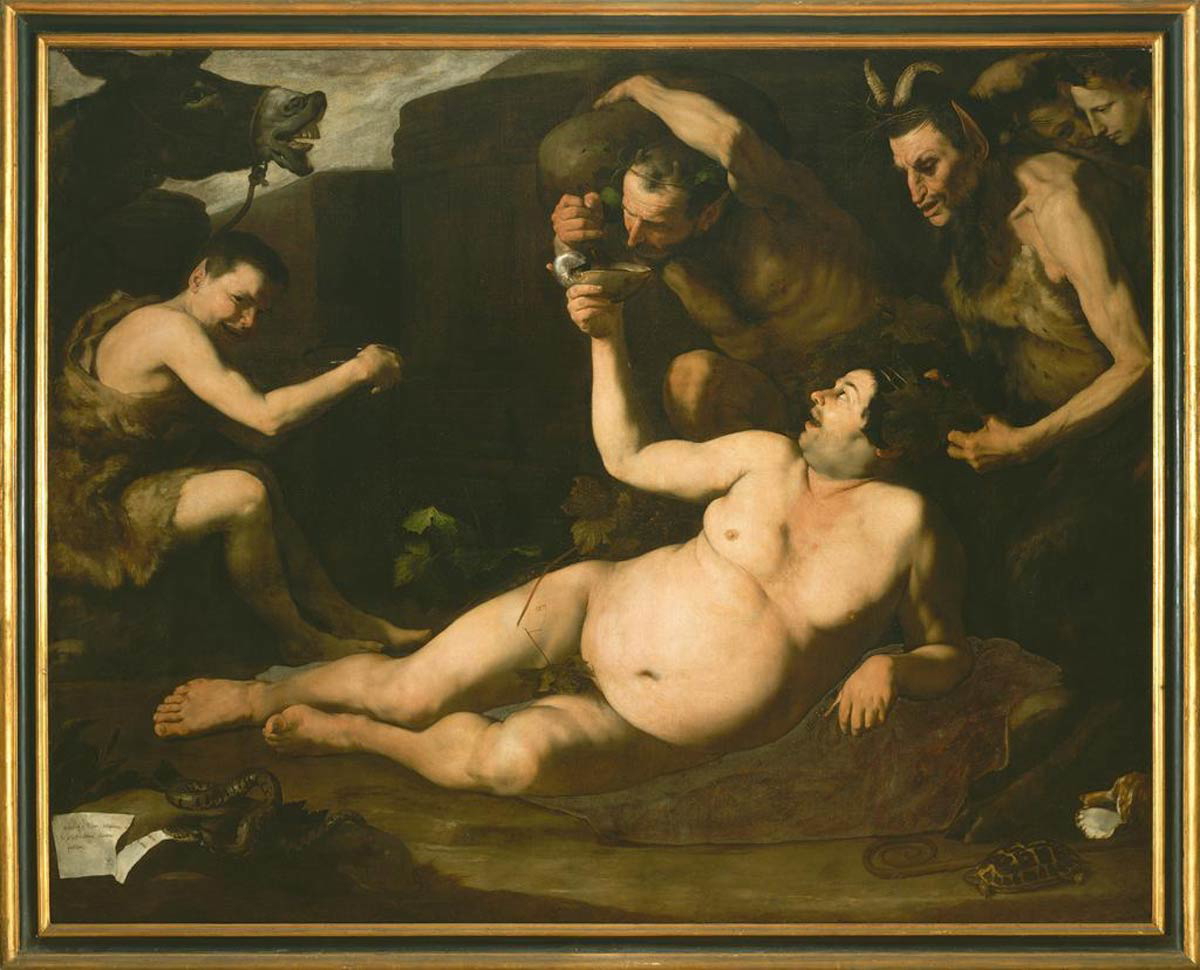
We have seen that Nietzsche believes music can reveal ideas about the human condition that are otherwise unclear. This is because it is through music that myth is made, and myths have the power to communicate ideas that cannot be expressed rationally. Silenus’ wisdom is the belief that human life is not worth the effort of living; the idea that life is neither good nor worthwhile.
The counter to this idea is the affirmation of life, the feeling that life is preferable to death, and being born at all is great. Neither of these ideas is the product of rational enquiry. Rather, they are deeply felt beliefs whose origin is a mystery. That is, we feel we know things about life and the human condition, but do not understand how we know these things.
Note that we are not talking about individual lives. People whose personal circumstances cause great suffering might reasonably conclude that they are better off dead. In addition, a martyr may choose to sacrifice their own life to save the lives of others. These choices are made rationally. What Nietzsche is talking about is life itself. Silenus says that life itself—all human life, regardless of personal circumstances—is meaningless and worthless.
Nietzsche believes that music, which he calls Dionysian mystically, makes clear the idea that, contra Silenus, life itself is worthwhile and a good thing. He says that when people are exposed to Dionysian music, they become initiates into the eternal secret that life itself is good.
However, while Nietzsche believes all music has the potential to evoke the Dionysian, he thinks not all music succeeds in doing so. In his view, composers fail to make good music because they are either incapable or are pandering to philistines.
Manipulative Music

Nietzsche believed that music played to tell audiences how they should feel was pandering to the masses, not sophisticated enough to appreciate good music. ‘Good music,’ as we have just seen, is for Nietzsche, Dionysian music. Imagine watching a play in Ancient Greece in which flutes are playing to tell the audience that Dionysus is about to walk on stage. These flutes are not evoking the Dionysian. They are simply sounding an alert. The flute music does little more than say to the audience, ‘Pay attention, the next person you see is playing the god Dionysus.’ In this way, the music of the flute works in a way similar to a tone played on a modern cell phone to indicate a message has just arrived.
Nietzsche also complained that as Greek theater became more sophisticated, music was used not to inspire feelings and emotions but to manipulate audiences into experiencing them. Think of how some modern movies simply use the soundtrack to tell us whether a scene is romantic or frightening by playing particular music. Horror movies, which rely on jump-scares to induce fear, are often considered bad movies because it is not the storytelling that moves the audience, but a series of loud noises.
Movies like this are often criticised for being manipulative. The argument is that they are bad art because instead of attempting to inspire audiences, they seek to manipulate them into having certain emotional reactions. Nietzsche worried that music in his time could easily manipulate its audience’s emotional responses. In particular, Nietzsche worried that the unsophisticated masses would be manipulated by bad music into holding false beliefs. He wanted music to remain pure and untainted by philistines catering for the masses.
Nietzsche’s Musical Puritanism
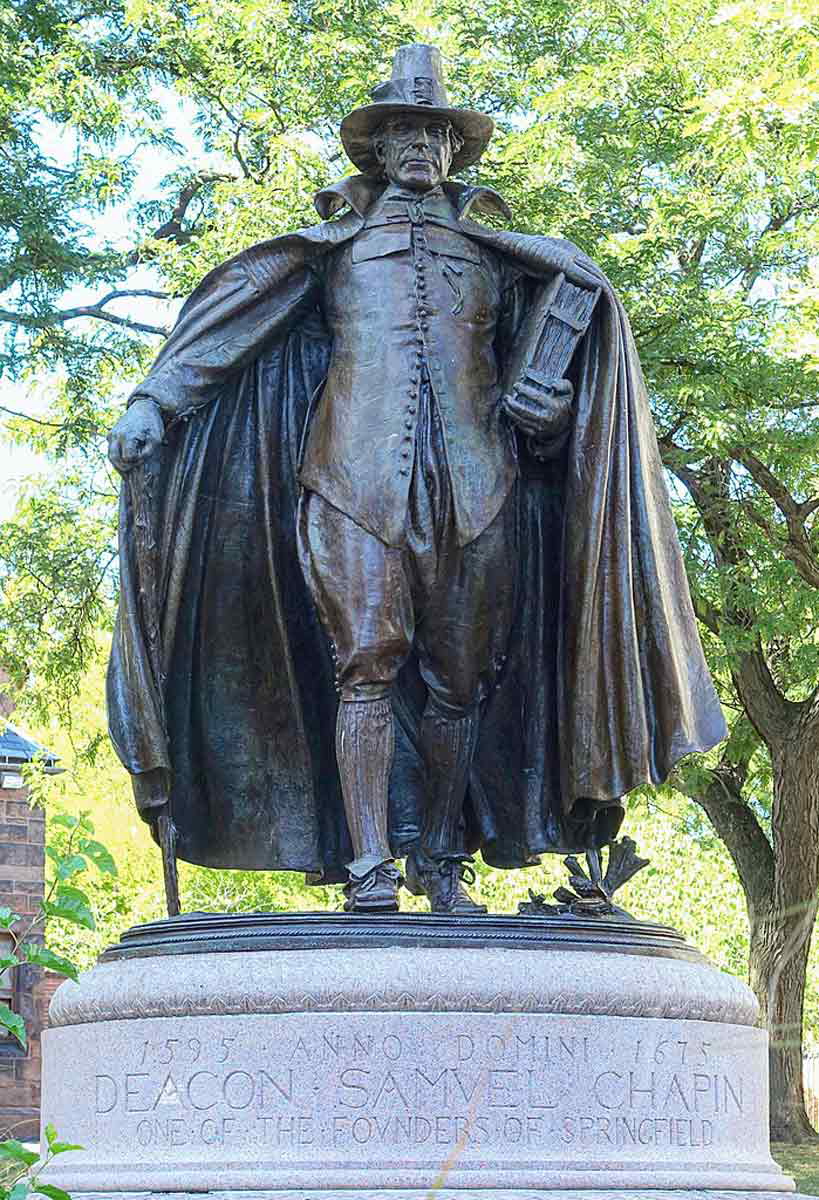
It is often said that the Puritans despised music. However, the first opera to be performed in England, William Davenant’s The Siege of Rhodes, was produced while England was under Puritan rule (1649-60). Oliver Cromwell employed private musicians who would play whenever he felt like listening to music. Musical training and education were still prominent in both boys’ and girls’ schools.
Music was indeed prohibited in Churches during religious services. And it was banned in inns and public houses. They removed the organ from Magdalen Chapel in Oxford, but it was given to Cromwell for his personal pleasure. There was a clear class divide regarding the appreciation of music. Operas were considered acceptable, but jigs and sing-songs were not.
It was not music per se that the Puritans prohibited, but only certain kinds of music played for particular kinds of people. It was banned wherever the masses congregated, which is why music was no longer played in churches or pubs. Music remained a feature in the private homes of the rich and was taught to their children in exclusive schools. For those who could read—the elite—a wide variety of written music was still openly published and sold freely under Puritan rule.
The reason for this restriction on who was permitted access to music was a desire to maintain purity. The ones issuing the bans were ‘puritans’ after all! They believed that unrestricted access to music was dangerous. As we have seen, Nietzsche has very much the same concern. He advocates for maintaining the purity of music and wants to restrict who gets to make music and listen to it. The only difference is that he is not motivated by Christianity but rather by his adherence to what he called Dionysianism.