New Jersey, perhaps known more so for its hoagies, crowded beaches, and seemingly endless suburbs, is also beloved for its nature. While New Jersey has diverse communities of people, it simultaneously has unique biodiversity. NJ contains many different natural habitats, including bogs, marshes, Pine Barrens, grasslands, and beaches. Read along for a guide to ten different sites in the Garden State to visit. There’s a little something for everyone.
Field Trip #1: Cedar Run Wildlife Refuge, Medford, NJ

Dubbed “the Garden State” at the 1876 Philadelphia Centennial by Abraham Browning, he said, “our Garden State is an immense barrel, filled with good things to eat, and open at both ends, with Pennsylvanians grabbing from one end and New Yorkers the other.” Although relatively small in land mass compared to other US states, it is the most densely populated state, with 1,291 people per square mile.
We’ll begin our New Jersey nature expedition with Cedar Run Wildlife Refuge. In 1951, the land was purchased by environmentalist couple Jim and Betty Woodford. Jim, Betty, and their daughter Jeanne nursed injured wildlife with the intention of releasing them back into the wild. Betty was particularly passionate about understanding the native New Jersey flora and fauna. Today, Cedar Run is a hub for nature education, wildlife rehabilitation and release, and NJ Pine Barrens conservation.
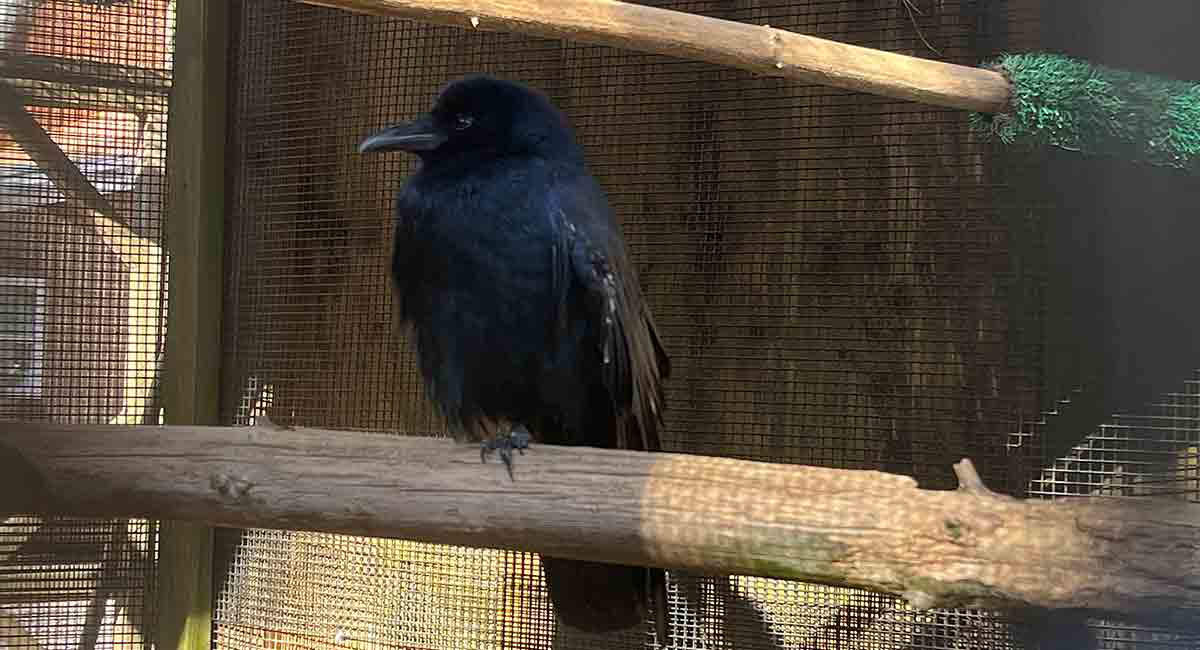
After buying a ticket or showing a Library Pass at the front desk, grab a map and explore the Nature Center. Read about New Jersey’s history through engaging exhibits, meet reptilian resident animals, or treat yourself to a souvenir at the gift shop. After exiting the Nature Center, there are multiple walking trails for you to hike, as well as several large resident animal enclosures. Ember the fox, Poe the raven, birds of prey such as peregrine falcons and a great horned owl; these are just a few of the resident animal ambassadors you may encounter during your visit. These resident animal ambassadors are animals that have been found or surrendered to Cedar Run, but are unable to be released into the wild due to permanent injuries or from imprinting on humans.
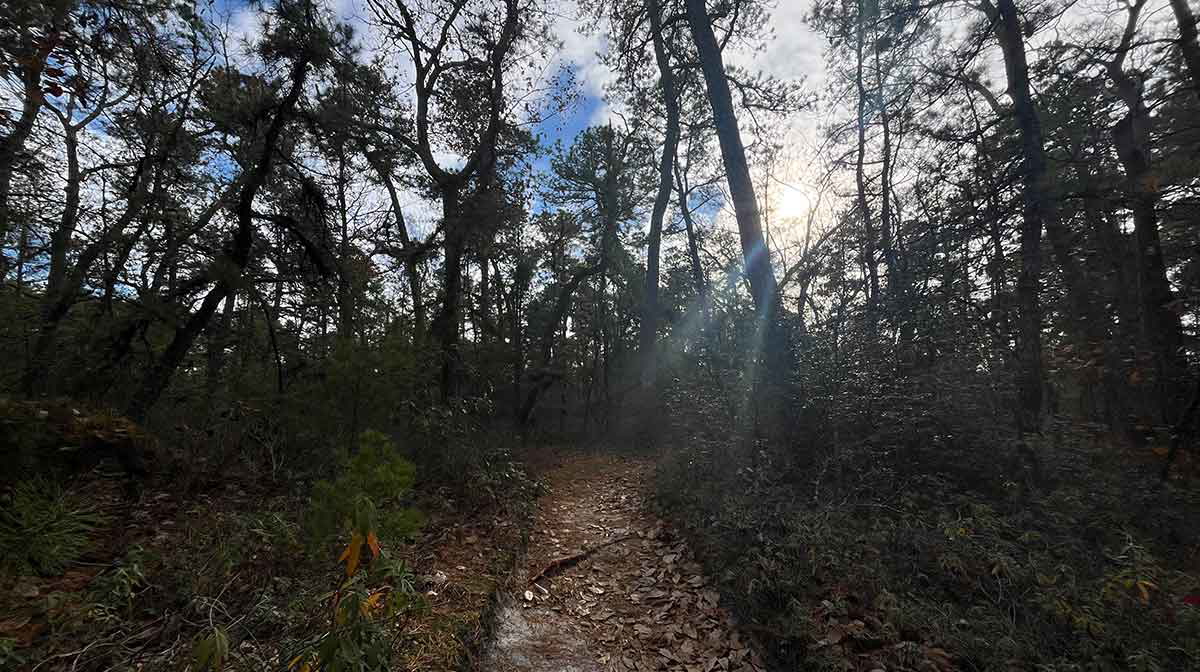
As you say hello to the animal residents, you pass by the iconic blood-red cedar water that is well known to South Jersey residents in the lake that surrounds the Nature Center and hiking trails. There is a memorial bridge built of recycled wood with a stunning view of the water, and geese, ducks, and other waterfowl may wade along the sandy bank. Depending on the time of year, your visit will present unique opportunities for more nature exploration, such as a Full Moon Night Hike, which I attended a few years ago. A guide led the group through the trails by flashlight, pointing out nocturnal animals and insects. We were specifically looking for bioluminescent species of mushrooms and caterpillars, and we found them. Cedar Run hosts many family-friendly community events, such as Nature Summer Camp, charity 5ks, and guided seasonal hikes throughout the year.
Field Trip #2: Batsto Village/Wharton State Forest, Hammonton, NJ
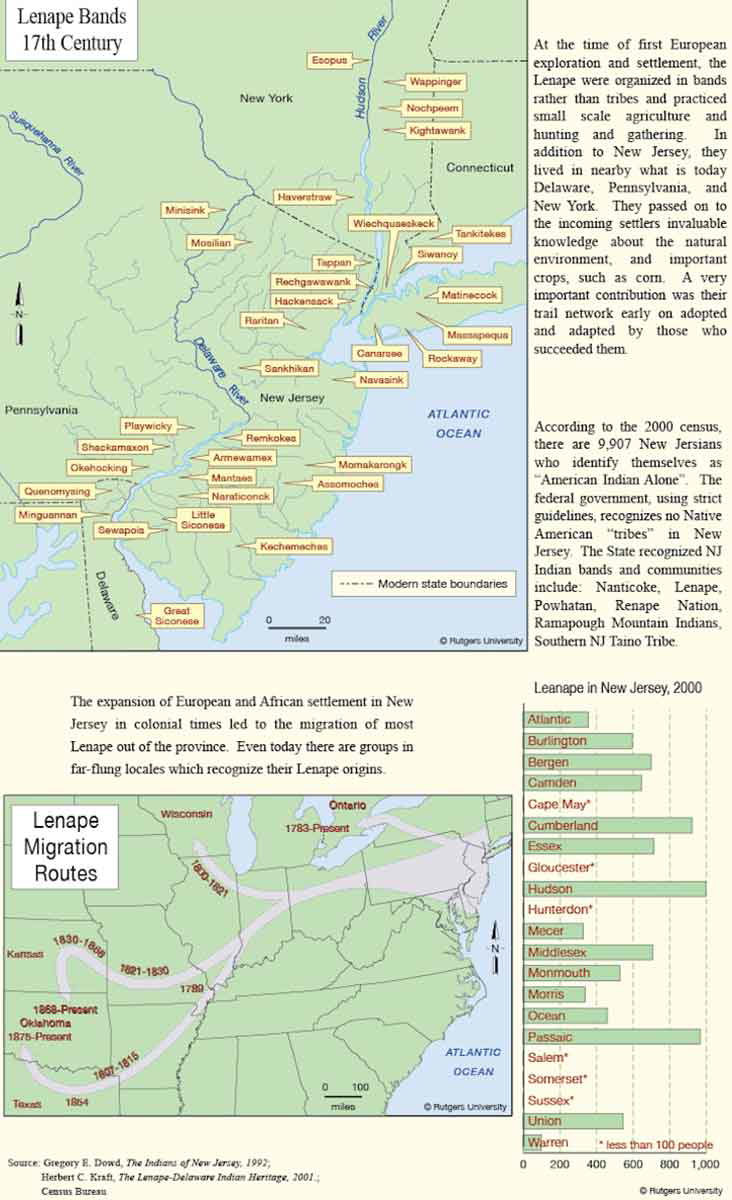
The first residents of New Jersey were the different tribes of the Lenape, who lived mostly along the Delaware River in the Tri-State region known as Lenapehoking, for centuries before European settlers arrived. While many of these people were either displaced or slaughtered by colonists or populations devastated by colonial illnesses, there remain active Lenape communities today. The colonists who would eventually establish villages in NJ would follow the path of the Lenape tribes before them, settling along the Delaware and Hudson rivers. The South Jersey villages that were established in the late 18th and into the 19th centuries would be characterized by iron production, saw mills and logging, and glass production. Batsto Village is an example of one of these, nestled within Wharton State Forest in Hammonton, NJ.
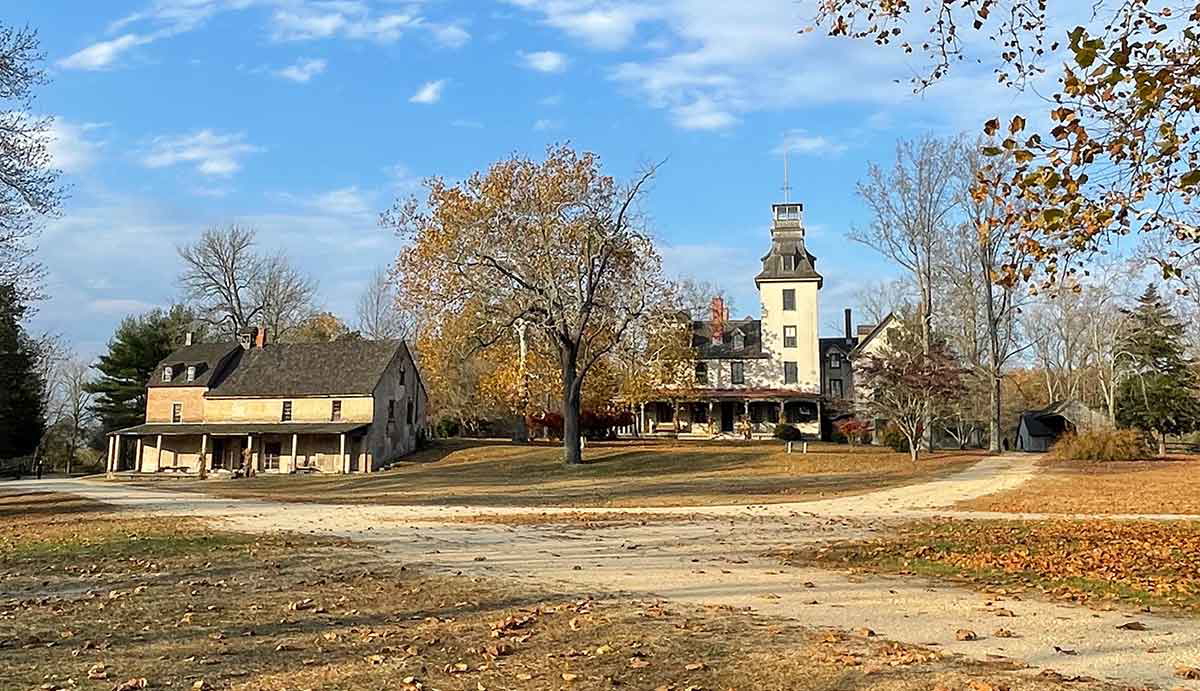
In 1766, the Batsto Iron Works was established, and by 1773, Batsto was known for its iron products, such as kettles, prongs, stove backs, pots, and Dutch ovens. During the Revolutionary War, it became an important ammunition manufacturing site. By 1784, Batso Village was home to around 1,000 people, containing the iron works, blacksmith, sawmill, grist mill, general store, homes for workers, and the “Big House” mansion. By 1846, William’s son Jesse Richards had turned from iron to glass production, due to cheaper and better quality iron products being produced in neighboring Pennsylvania. While the glass factory no longer stands today, the site remains, as well as the materials used to produce the glass. If you look down for a moment at the soil you’re walking on, you’ll notice sand makes up part of the forest floor. Glass is made partially of silica, which comes from sand.
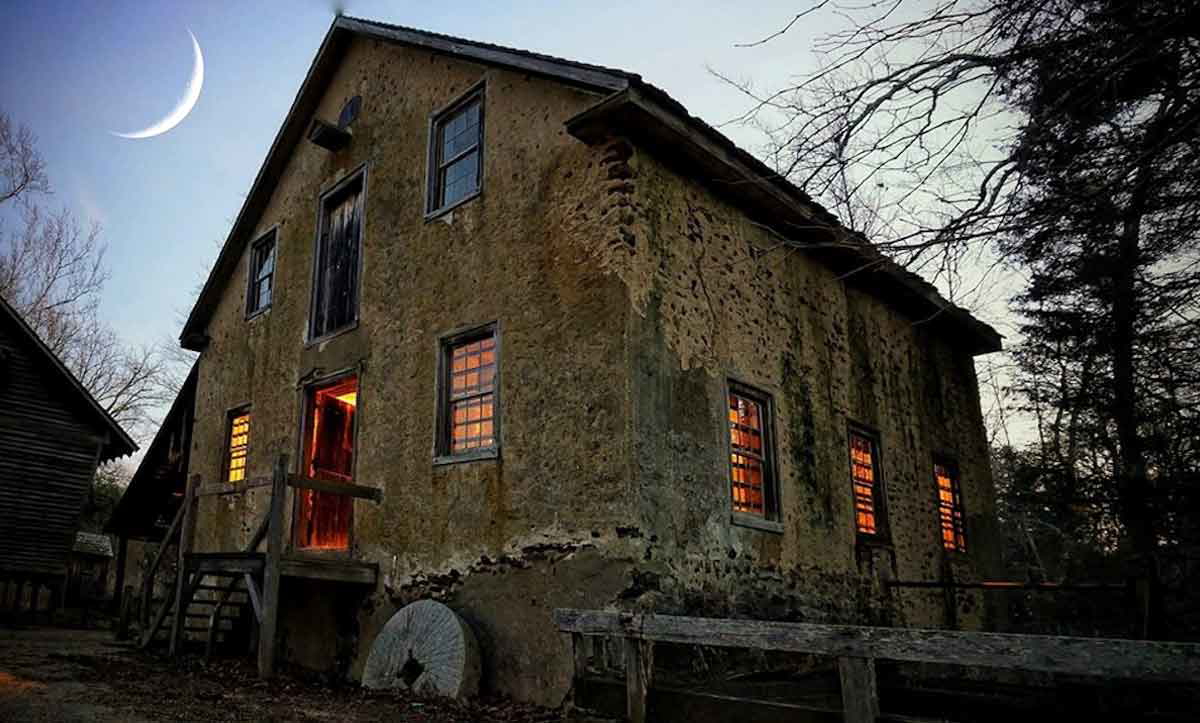
In 1876, environmentalist Joseph Wharton purchased Batsto to create his “Gentleman’s Farm,” a space where he could pursue his passion for agriculture. He was specifically interested in studying forestry and forest conservation. Today, Batsto Village is a part of Wharton State Forest, the largest state forest in NJ. You can visit the village, take guided tours of the historic mansion, and hike the multiple trails surrounding the village. If you visit Batsto during October, you might want to plan for the annual Country Living Fair held over one weekend in the village. You can find thrifted, antique, and hand-made NJ goods while enjoying peak autumn foliage.
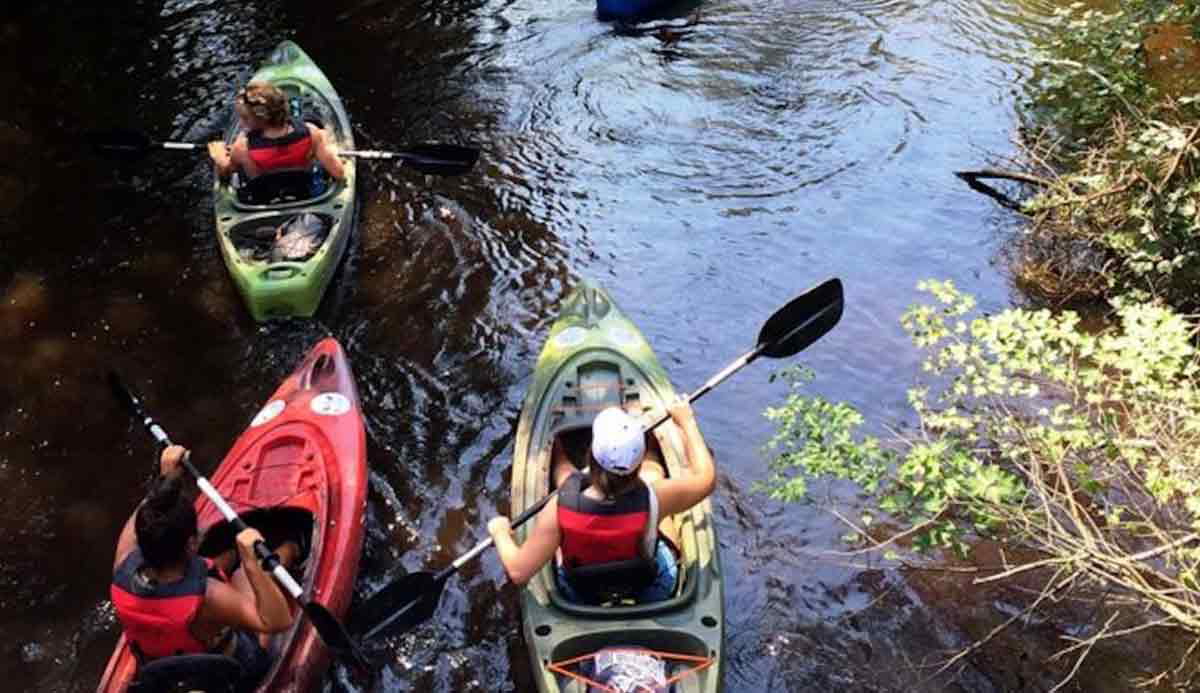
In the summer it’s a good idea to visit Weymouth Furnace, about 20 minutes away from Batsto. To some NJ residents, a South Jersey summer is incomplete without a day floating down a cedar water river in a tube or a kayak, with a drink of choice in hand and someone playing music on the radio. The canopy of trees along the riverbank provides shade from what can get to be sub-tropical hot and humid summer afternoons. If you don’t prefer to get in the cedar water (which will stain your lighter-colored clothes like black tea), you can bring a picnic blanket and enjoy the day from the shore. Weymouth Furnace was primarily used during the Civil War to produce cannons and cannonballs, and today it’s a summer retreat for locals.
Field Trip #3: Wheaton Arts and Cultural Center, Millville, NJ
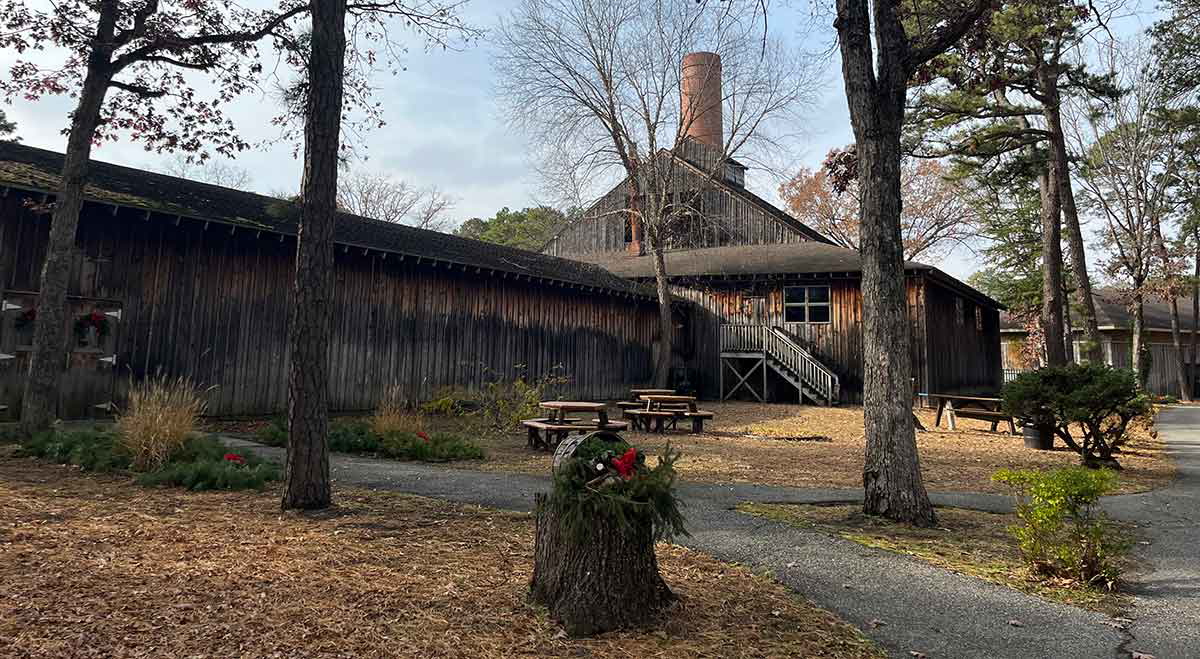
Wheaton Arts and Cultural Center is a 46-acre site in Millville, NJ, dedicated to preserving New Jersey’s history of glassmaking and folk arts. The heart of the site is the American Glass Museum, and around it are their nature trail, glass and pottery studios, the historic 1876 schoolhouse, the Down Jersey Folklife Center, and shops. This is not a trip to miss if you are a glass enthusiast, as the US glass industry has strong roots in New Jersey. Dr. Theodore Corson Wheaton, a pharmacist by trade, produced glass bottles for his medicine in Millville, and today, Wheaton USA continues to be a large manufacturer of glass lab implements, such as vials. Dr. Wheaton’s grandson, Frank H. Wheaton Jr., made Wheaton Arts into what it is today. Inspired to exhibit NJ glass works in an NJ museum, Wheaton constructed the museum and village in the style of a Victorian village.

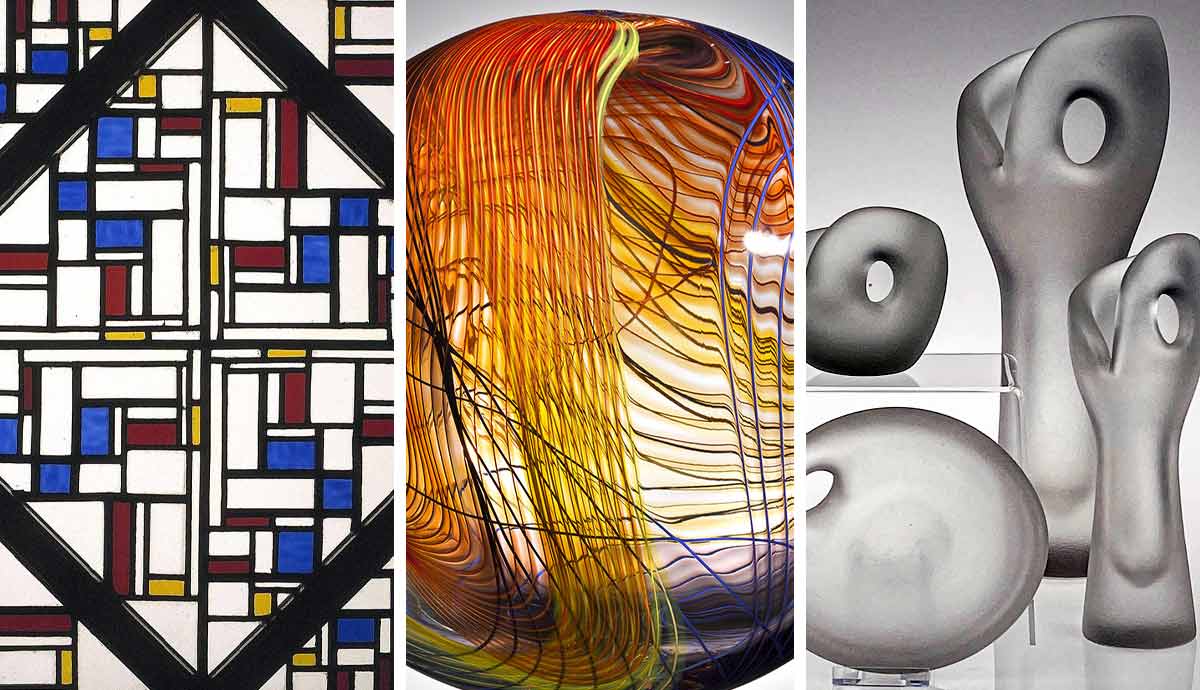
Walking through the American Museum of Glass, you can view the journey that glass has made not only geographically, but as a medium in the history of art. There are glass objects from the colonial period to the present. There are pitchers, perfume and poison bottles, the world’s largest glass bottle, antique Coke bottles, Tiffany stained glass, Mason jars, and contemporary glass sculpture. With NJ’s sandy soil, it contains all the ingredients needed to produce glass: silica, wood, sand, and soda ash. When silica contains impurities, such as iron or copper, it creates the jewel-colored hues seen in antique glass bottles rather than perfectly clear glass. Collectors refer to bottles made in New Jersey as having the distinctive “South Jersey green” hue, with the splash motif around the body of the pitcher being referred to as the New Jersey “lilypad.”
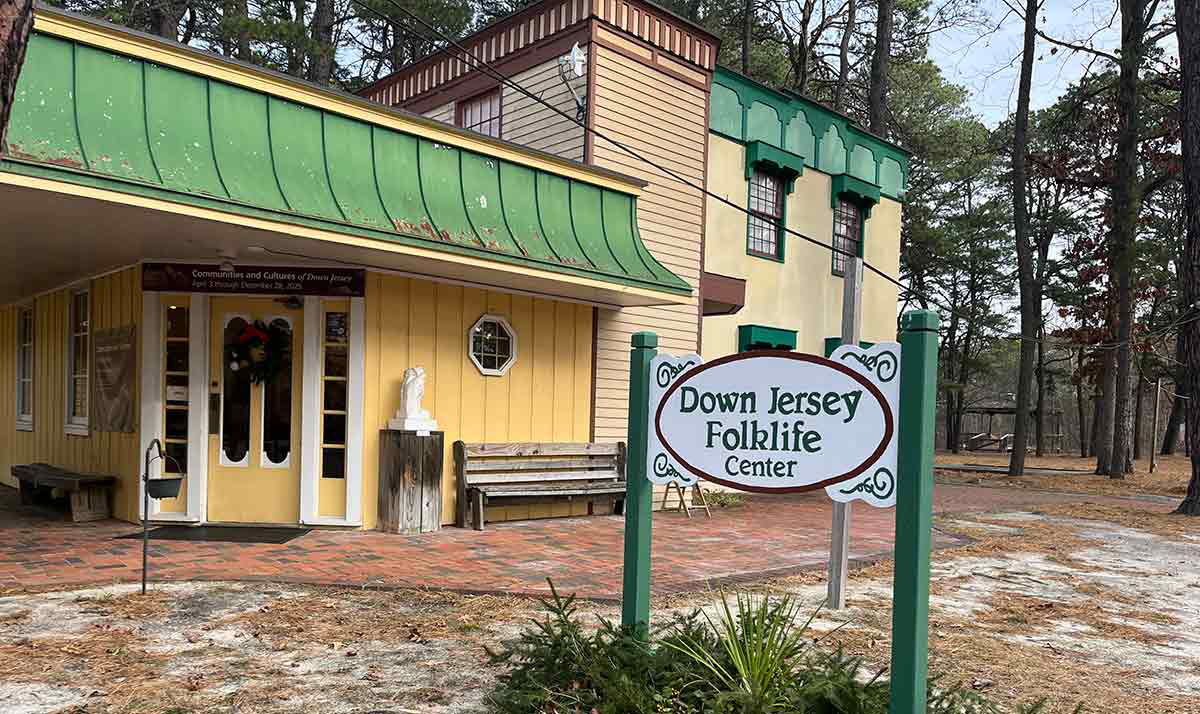
Wheaton Arts, the American Museum of Glass, and the Down Jersey Folklife Center all accomplish something unique: they place the artisans of New Jersey within our larger global art history. It’s not often that the Garden State gains national or international attention. Exploring this site offers an inspiring glimpse into New Jersey’s artistic spirit. All the while, crediting nature as inspiration for it all:
“Art is born of the observation and investigation of nature” – Cicero
This quote is featured on the map page for Wheaton Arts’ nature trail and scavenger hunt at the nature trailhead. Throughout the glass museum, multiple mentions of animal and plant motifs and their real counterparts as direct inspiration. It’s clear that Wheaton Arts is not only interested in understanding NJ’s glass history, but also, how NJ’s nature continues to inspire artists today.
Field Trip #4: Historic Smithville, Burlington County, NJ
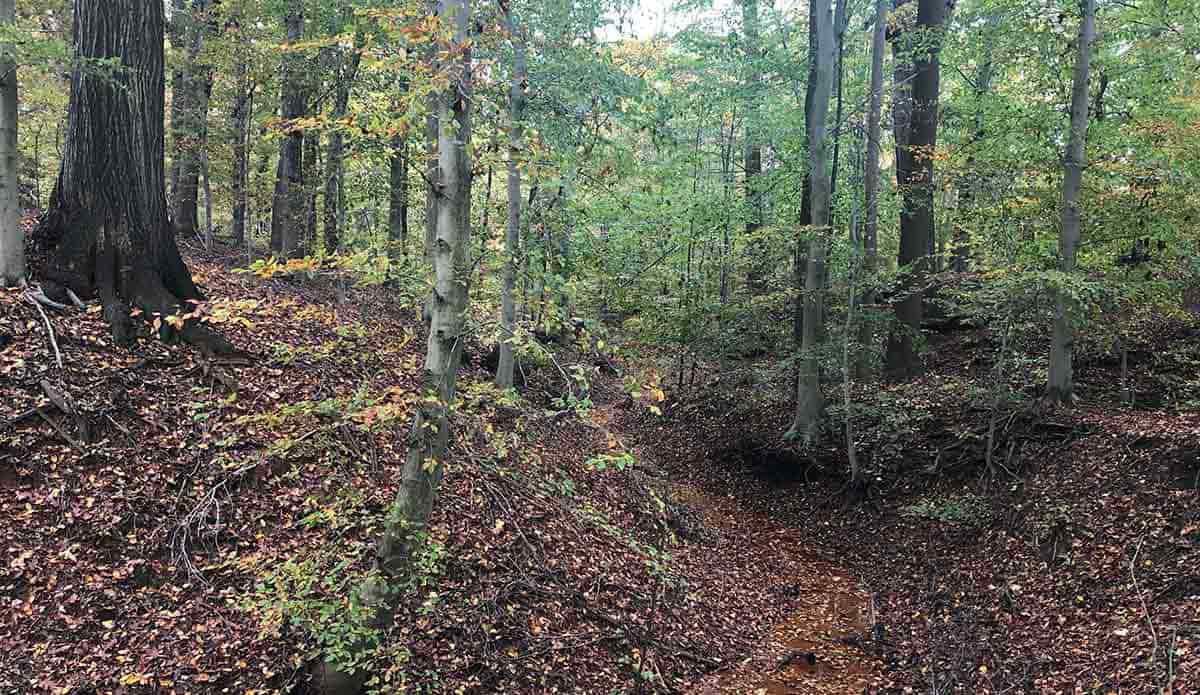
“Human beings; like plants, thrive best by being cultivated” – Dr. James Still, “The Black Doctor of the Pines”
It can not be understated that the importance of the communities of the state of NJ was in the efforts of Black liberation in the 19th century. It was the birthplace of Underground Railroad Philadelphia conductor William Still, a safe place for escaped ex-slave Harriet Tubman, who would stay and work in a hotel in Cape May, NJ, and had the largest number of Underground Railroad all-Black sanctuary communities in the Union, such as Burlington County. Because NJ was north of the Confederate states of Maryland and Virginia, and close to Underground Railroad stations in Philadelphia and New York City, New Jersey served as an essential stop on the grueling and heroic journey so many individuals would make.

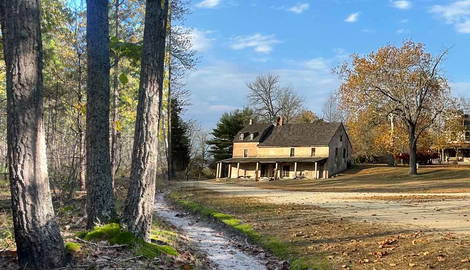
While there are several Underground Railroad museums in New Jersey, this field trip highlights the Underground Railroad Museum of Burlington County. Situated within the historic Smithville village and mansion complex, the URM exists to connect local NJ community members to its Black history. Come ready to learn, and after you’ve explored the museum, you can hike on the trails in the surrounding Smith’s Woods. I’ve almost always visited Smithville in the Autumn because of the foliage. There are beautiful forest canopy trails, fields between the forests where you can do some good birding, a space for picnics, a pollinator garden, and a floating lake trail. The floating lake trail is a series of docks creating a pathway across the lake to connect forest hiking trails. While you traverse the lake, you can view NJ aquatic plants, fish, dragonflies, and occasionally, waterfowl such as herons.
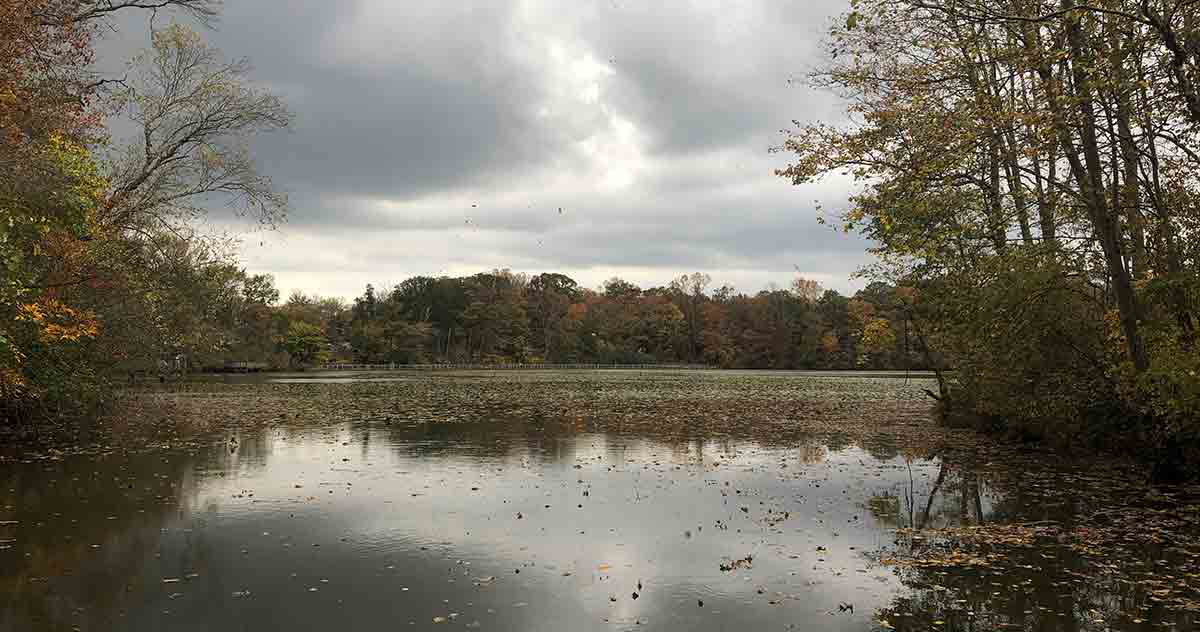
In addition to Smithville, another green space associated with NJ’s Black history is the Dr. James Still Historic Site and Education Center. Dr. James Still was known as “The Black Doctor of the Pines.” He made positive contributions to his community, to medicine, and to the natural world around him in his lifetime. Still was largely self-educated and devoted himself to learning about medicinal wild plants and the body. At 34, he built a still and began distilling roots and herbs, such as sassafras, for the production of natural medicinal remedies, and by 44, he had established a medical practice. Today, you can visit the museum to learn more about his life, then walk the surrounding nature trail. Visit the meadow when it’s golden in September, or plan your visit for a guided Tree ID walk, or whenever you need a nature reset.
Field Trip #5: Black Run: Marlton, NJ

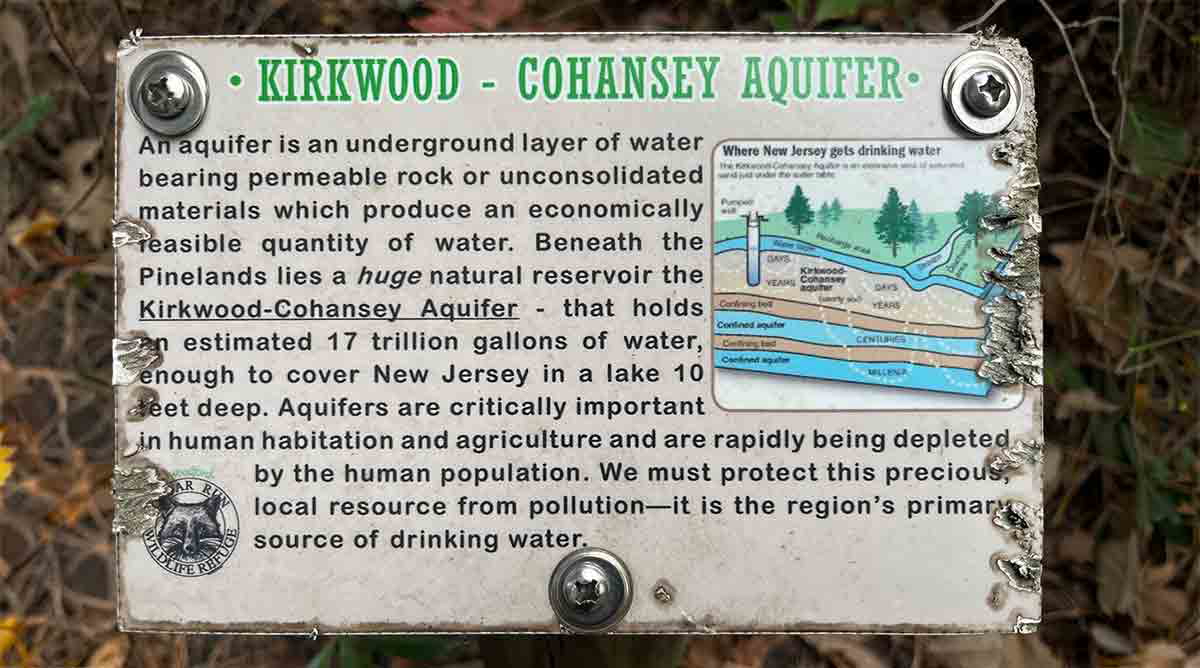
Black Run Preserve in Marlton, NJ, is a 1,300-acre nature preserve, one of 120 in the state. It’s situated in the northwest corner of the Pine Barrens. Black Run represents a key ecosystem of New Jersey, and one that’s especially important to learn about as we face the many threats of Climate Change: bogs and wetlands. Not only are these wetlands home to a number of unique creatures and plants, such as the endangered Pine Barrens tree frog, but they also act as a filter for pollutants. Additionally, what lies beneath your feet as you walk through the trails of Black Run is the Kirkwood-Cohansey Aquifer, the primary source of the people of NJ’s drinking water.
The other element that makes the Pine Barrens such a trove of environmental education is how they are a perfect example of an ecosystem that benefits from prescribed burns, or the intervention of fire ecology. Take pitch pines: the skinny, thick-barked, black-at-the-root trees produce pine cones which will only release their seeds if subjected to intense heat. Environments like the Pine Barrens, which are already sandy and dry, need occasional prescribed burns to prevent the devastating consequences of accidental, uncontrolled wildfires.
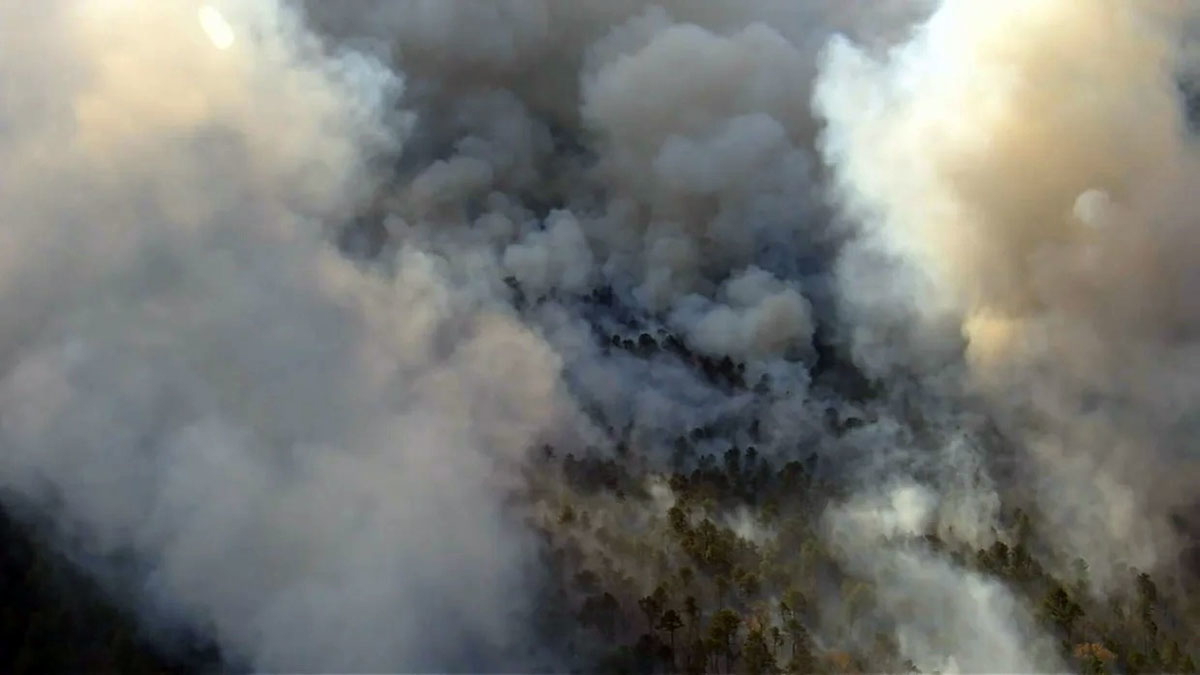
Last year, for example, I drove past Black Run the day after an uncontrolled 950-acre wildfire occurred following over a month of record drought. It was like driving through dark clouds, I could see small remnants of cinders on the ground. Still, the pitch pines remained, and months later, when I visited again, plenty of greenery had already come back on the forest trail.
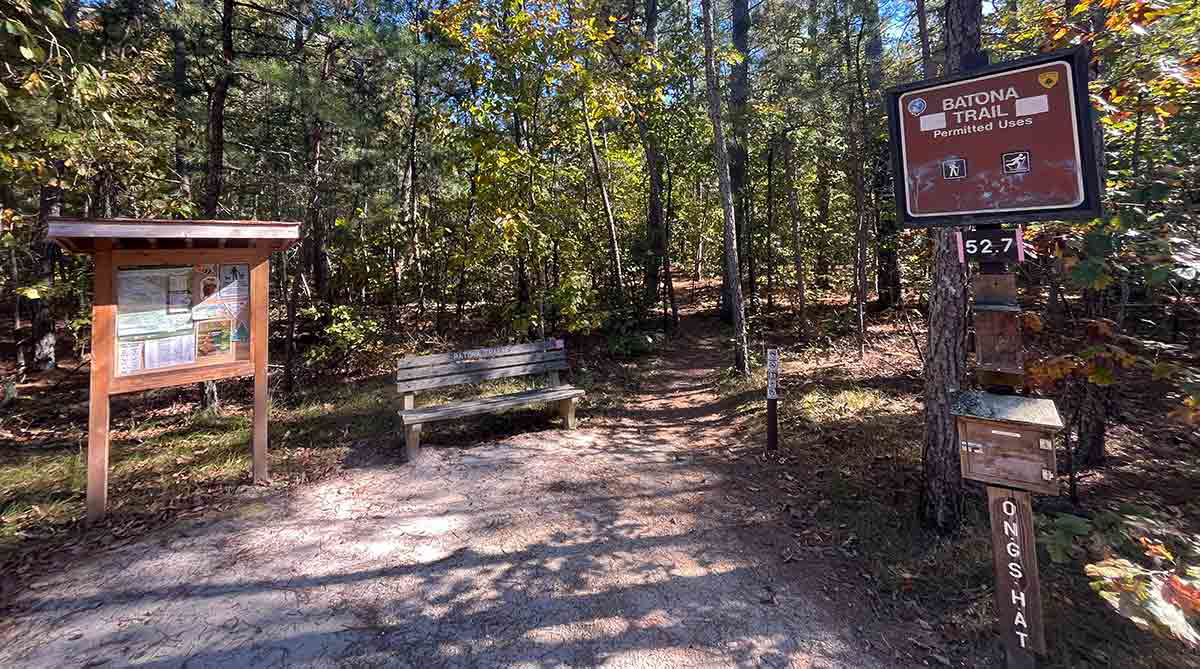
Field Trip #6: Batona Trail: Ong’s Hat Trailhead: Pemberton, NJ
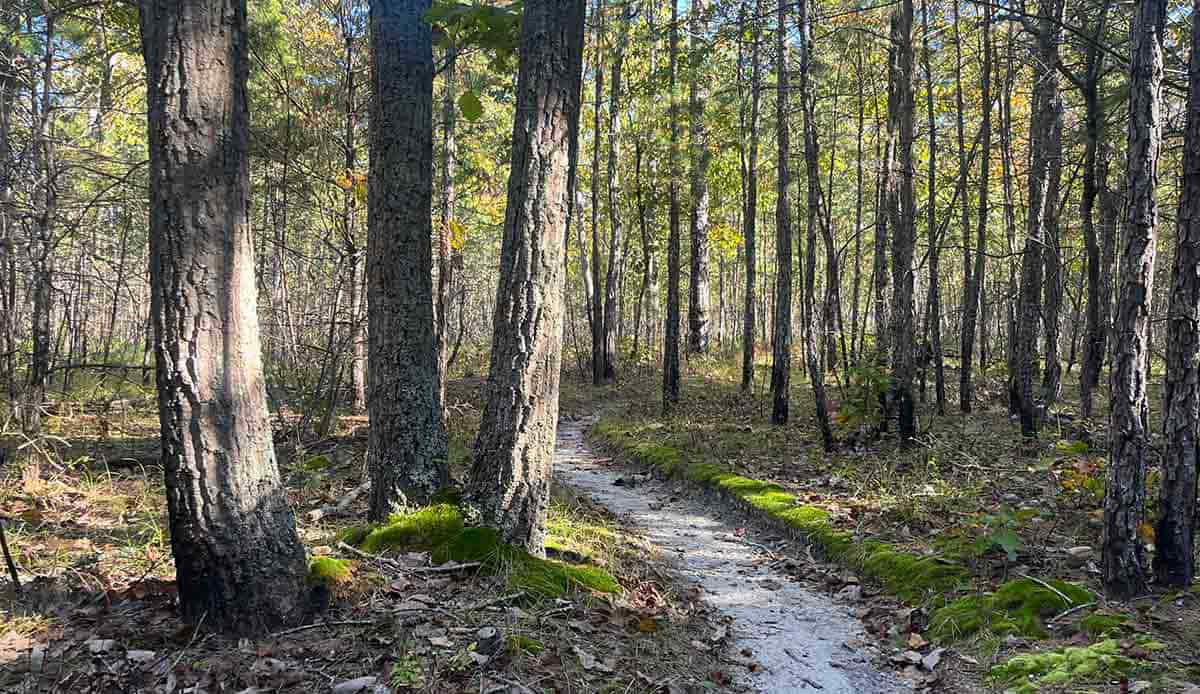
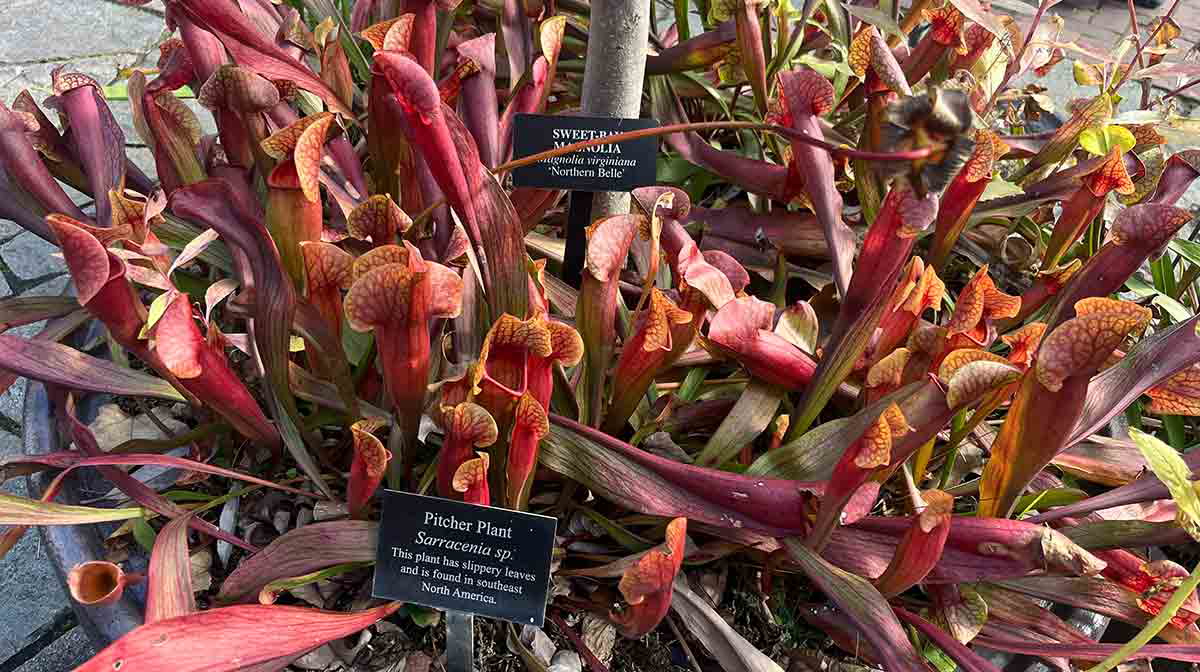
Now, this article would be incomplete if there were no mention of the infamous cryptid of the Pine Barrens, the Jersey Devil. Beloved by most residents like the mascot of a local baseball team, the Jersey Devil is a creature born out of legend, but this trip allows you to symbolically walk the trail of the iconic cryptid. With its carnivorous plants, pitch pines, and bogs, the Pine Barrens make a perfectly uncanny home befitting a cryptid.
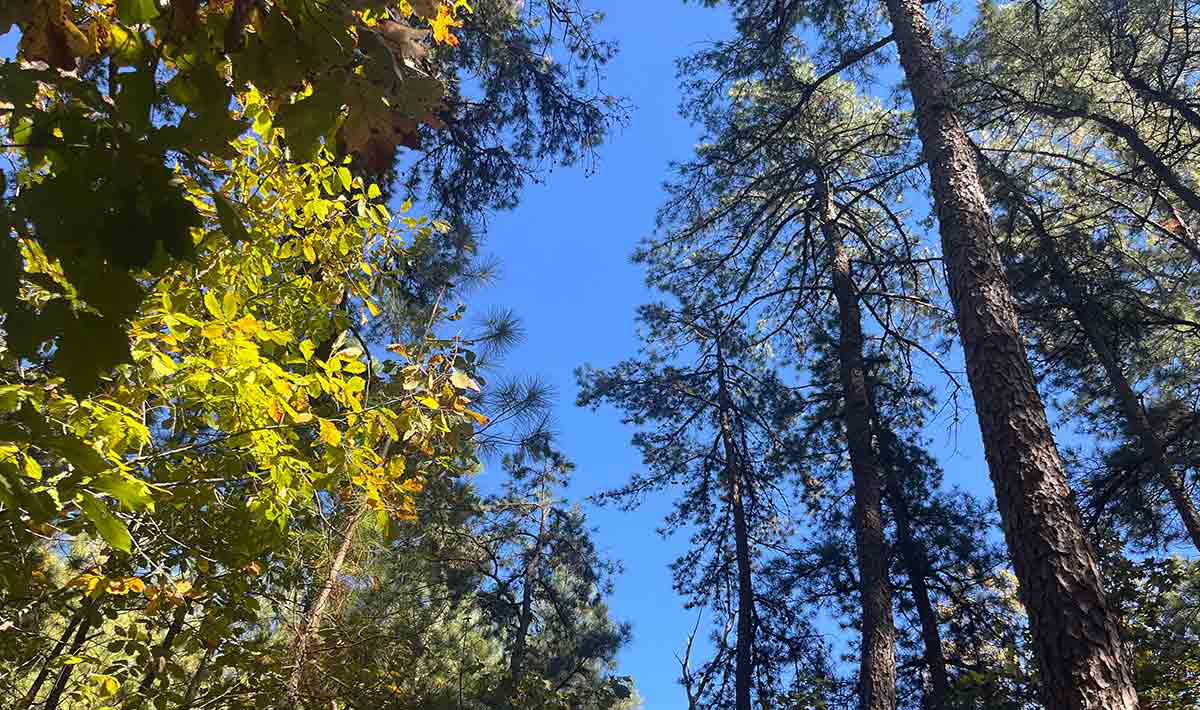
This next stop is the trailhead of the Batona Trail loop, the official Pine Barrens hiking trail. I visited Ong’s Hat, the Batona trailhead in Pemberton, NJ. This trail is a perfect place if you are seeking a secluded, semi-challenging hike. The full loop can’t be hiked in a single day, so choose how long and where you’d like to explore.
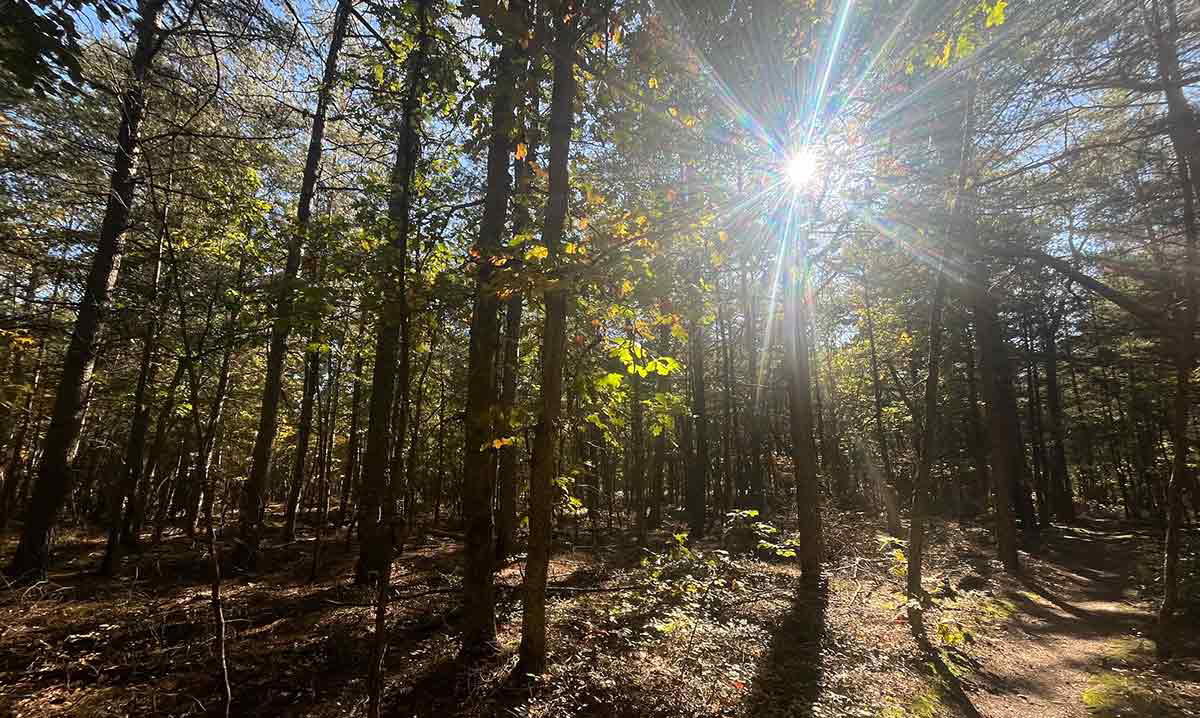
My visit to Ong’s Hat was peaceful and quiet. I went in October, so although it was too late in the season to find sundews, pitcher plants, or trilliums, I did find plenty of mushrooms, pine cones, and acorns to identify. Mosses stood out vibrant on the trail amidst the sand and debris. And of course, pitch pines dominated the landscape.
If you time it well, the Batona Trail is the place to go if you’re interested in getting acquainted with native NJ flora and fauna, while also giving you an excuse to go snooping around the Jersey Devil’s backyard. Many people have reported monstrous sightings across the state over the centuries. Perhaps you, too, will discover something devilish during your Pine Barrens adventures.
Field Trip #7: The Pinelands Preservation Alliance, Pemberton, NJ
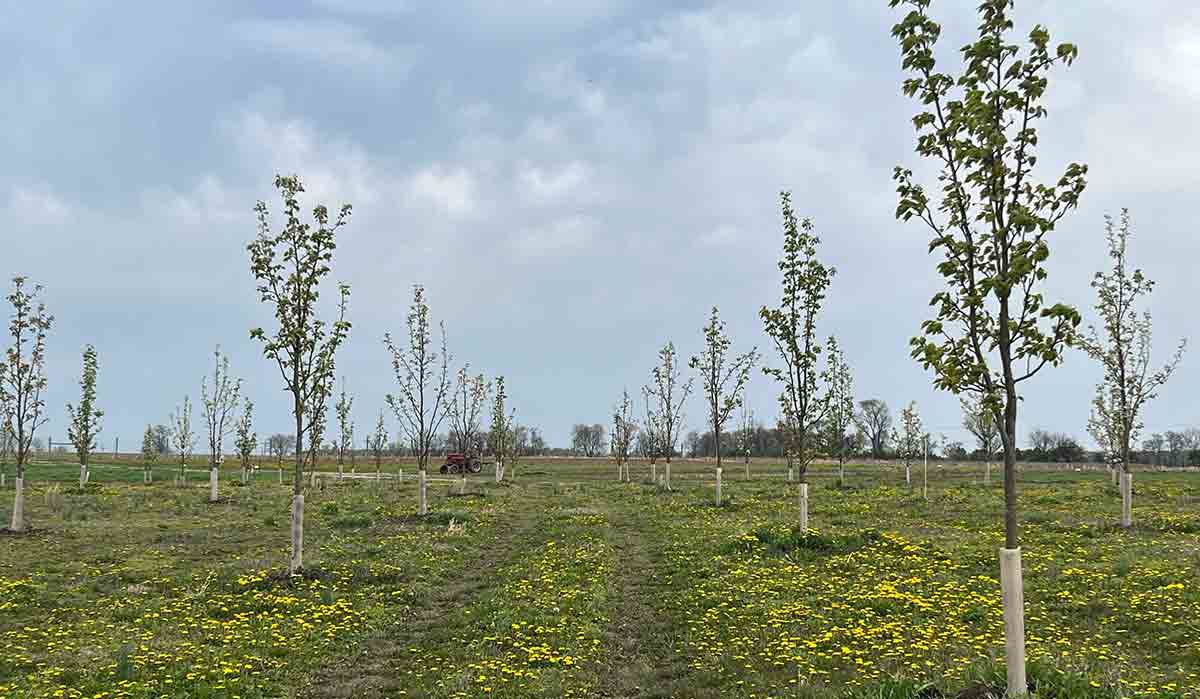
Established in 2019, Rancocas Creek Farm is a 72-acre section of preserved historic farmland located in Pemberton, NJ. On the site is the Pinelands Preservation Alliance Headquarters, a historic dairy barn used for events, nature trails, and gardens, and Rancocas Creek Farm. Rancocas Creek Farm exists to: “solve the severe water runoff into Vincetown Village and Rancocas Creek; heal damaged soils that do not infiltrate and and treat stormwater as they should; create habitat for pollinators and grassland birds; and launch an economically productive chemical-free farm.” Places like RCF exist as a manifestation of the future of sustainable agriculture. In a time faced with the ongoing, unpredictable consequences of a changing climate, it’s imperative that we learn how to best adapt. Without farmers, we have no produce, so to keep the crops alive, farmers expect to work overtime, on weekends, and no matter how extreme the weather.

The Pinelands Preservation Alliance can be thanked for decades of devoted defense of the natural lands of New Jersey. At the local and state levels, the PPA has shown up countless times to protect the unique ecosystem of the Pine Barrens. They have blocked the installation of oil pipelines, the purchasing of natural lands for commercial development, as well as multiple attempts to seize the natural lands containing the Kirkwood-Cohansey Aquifer, which is the source of most NJ residents’ drinking water. You can visit Rancocas Creek Farm and the PPA headquarters and enjoy their sensory garden, gift shop full of NJ-made goods, nature trail, and pollinator garden. In spring, you’ll likely encounter Purple Martins, a chatty, native swallow that has come back to the area after the restoration of native plant species and birdhouse protection.

If you plan ahead, there are events throughout the year, such as the annual native NJ plant sale in the spring. Among the crops to thrive in NJ’s sandy soil are its blueberries and cranberries. While blueberries are now cultivated around the US, NJ is where blueberries are native to, and where commercial production of the fruit began. Today, you can visit Hammonton, NJ, known as “The Blueberry Capital of the World.” There are dozens of arts, music, and food festivals in the historic downtown area, and on New Year’s Eve, instead of the ball in Times Square, you can watch a giant blueberry drop at midnight. In October, you can take cranberry bog tours with the Pinelands Adventures. If you are passionate about conserving and understanding native NJ nature, this trip is not one to miss.
Field Trip #8: Freilinghuysen Arboretum, Morris Twp, NJ
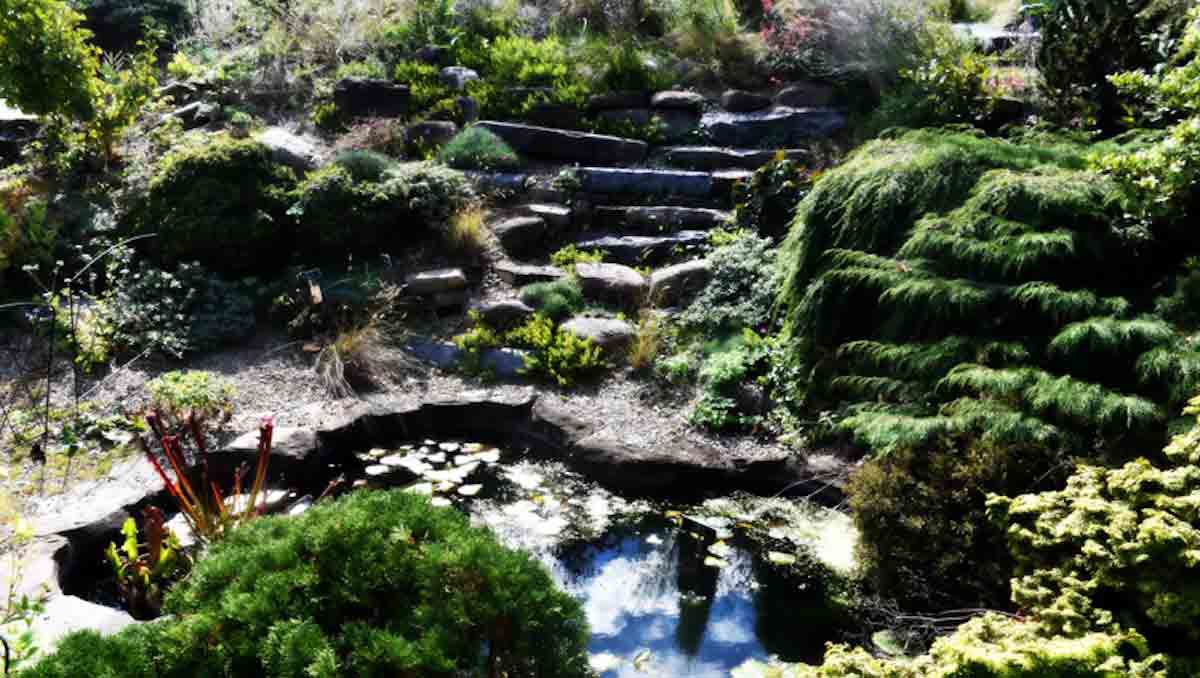
Located in Morris County, NJ, the Freilinghuysen Arboretum is a 127-acre site dedicated to cultivating community through plants. Once a private family residence, it became a dedicated horticultural site due to the work of Matilda Freilinghuysen. This trip is not one to miss if you are interested in learning about native, rare, and exotic varieties of trees. There are multiple hiking trails, the historic mansion, and adjoining garden plots, such as the kitchen garden. Surrounding the mansion, each section of the grounds is dedicated to specific trees, such as rhododendrons, dawn redwoods, and gingkos. No matter what time of year you visit, the arboretum has something different for you to discover each time.
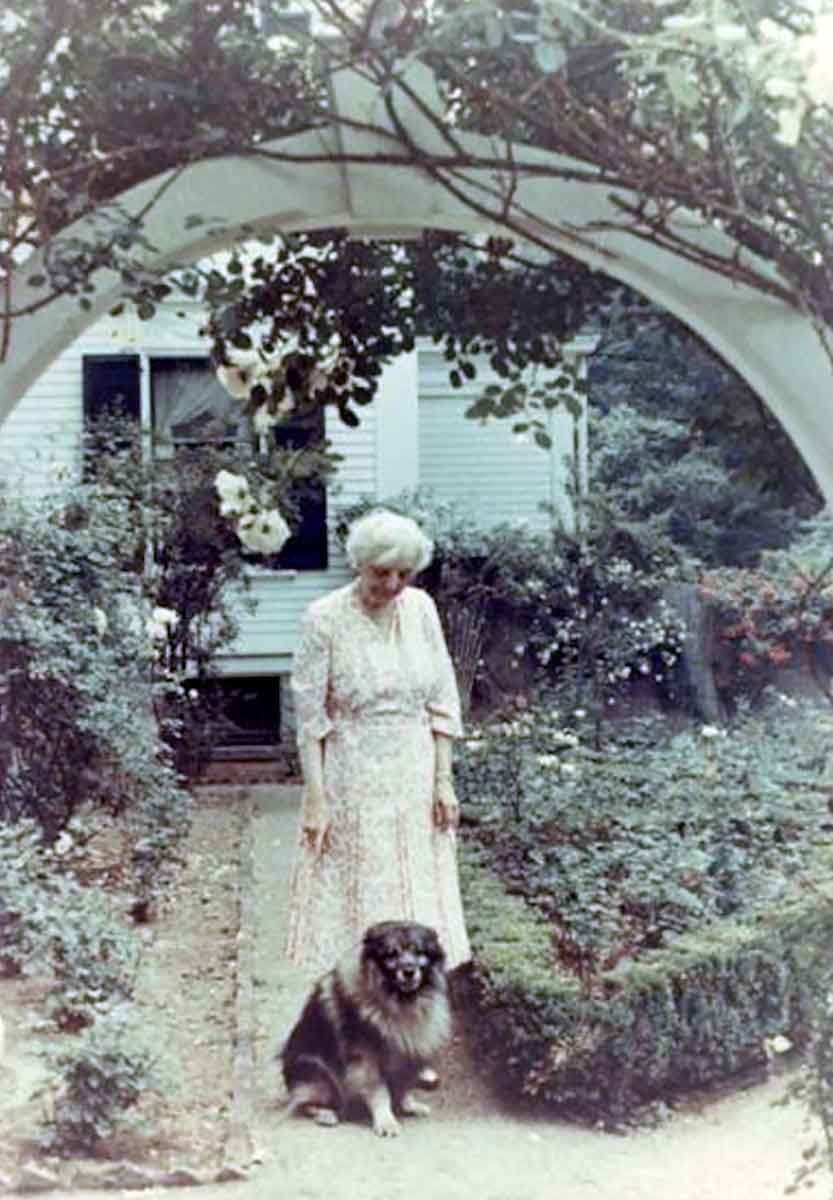
At first, the Arboretum was Matilda and her parents George and Sara Freilinghuysens’ summer home, built in 1895 by architectural firm Rotch and Tilden. The grounds were designed by landscape architect James MacPhearson, from Trenton, NJ. While the family only lived there during the summer, the produce grown on the grounds was the source of their food, and it was a working farm year-round. Harvested food would be sent to the family in New York by train. Today, you can visit the Freilinhuysen Arboretum and see the kitchen gardens, infirmary garden, and other plots that would have been essential to someone living in the 19th-early 20th centuries. Perhaps as you stroll through, you can gain inspiration for your own backyard summer garden.
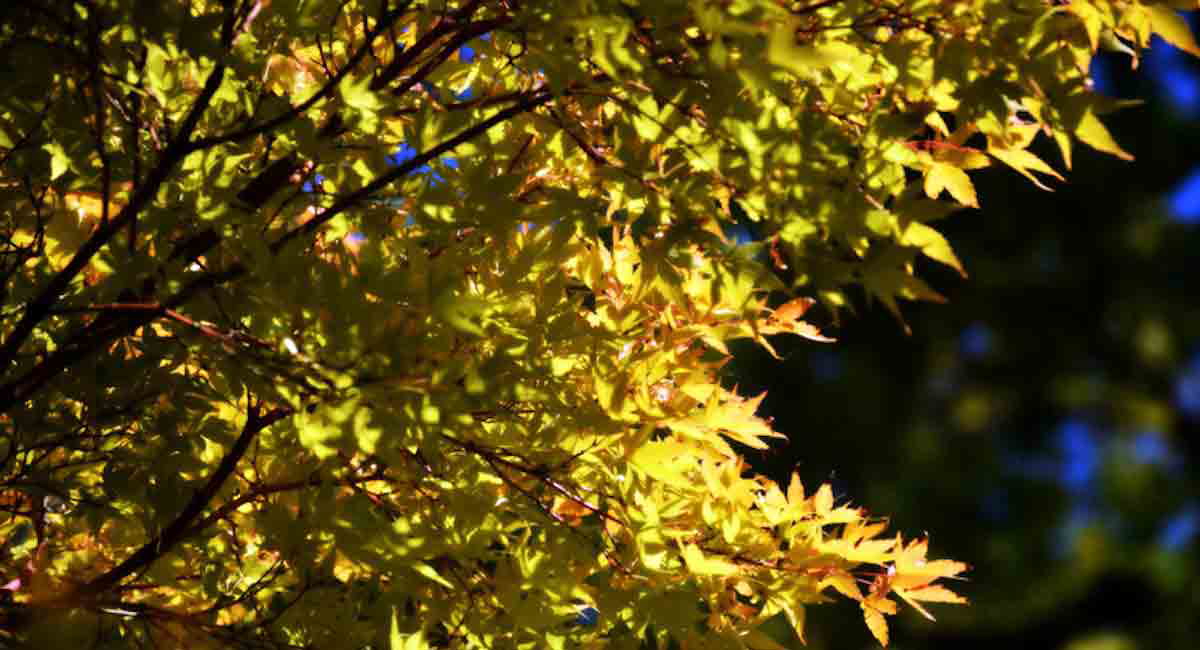
The other main aspect of Frelinghuysen Arboretum is, of course, its trees. Most of us have acknowledged Arbor Day and perhaps even participated in local tree planting initiatives. But did you know that what species of tree you plant is critical to the future health of that ecosystem? Take the Bradford pear: a current villain of the forestry world. Planted in the mid to late 19th century around the country amidst industrialization, Bradford pears were chosen because they reproduce quickly. However, while that might seem like an ideal quality for reforestation, if it is a non-native species, that trait could be what eventually causes the collapse of the native species in the forest.
In early spring, when all the plants are working hard to grow out of the cold, debris-packed ground, they might find they are competing for sunlight with an understory that is now overloaded with non-native species. When this continues to happen season after season without human intervention, eventually, the invasives will out-compete until that’s all that’s left. So, before planting that pollinator mix or that tree, educate yourself on your local native plant species to learn how you can positively contribute to the long-term health of your backyard ecosystem.
Field Trip #9: Grounds For Sculpture, Hamilton, NJ
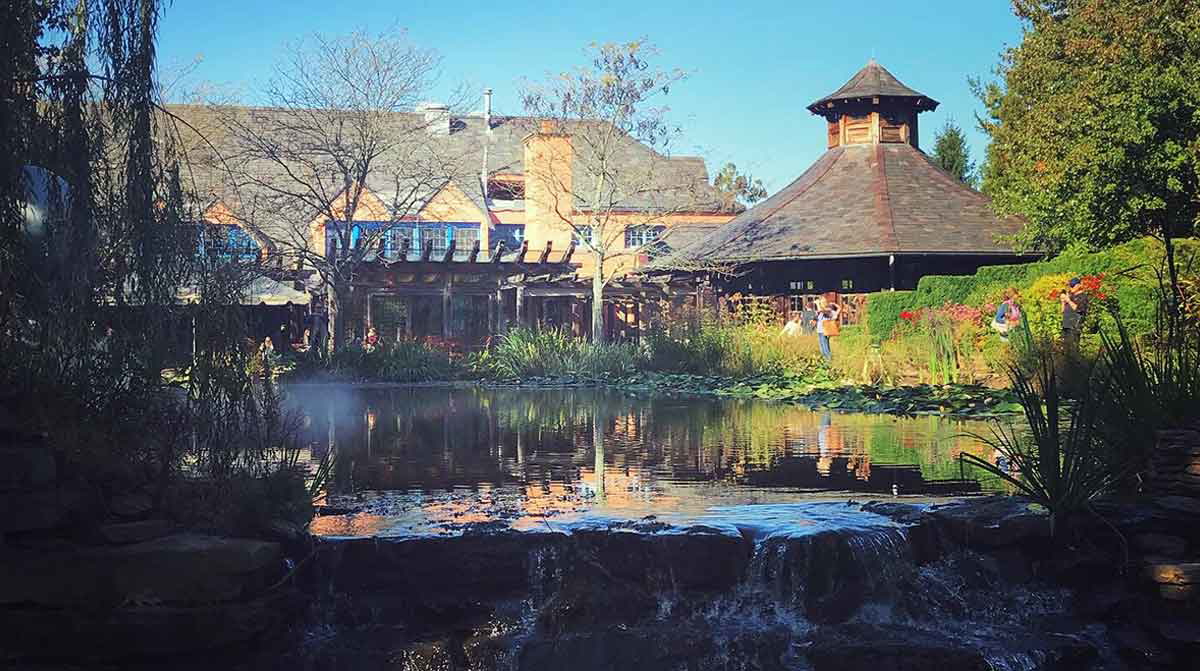
Only a few minutes away from the Hamilton NJ Transit train station, Grounds for Sculpture is a space where you can relax in nature while also enjoying contemporary sculpture. With 42 acres of garden containing over 300 works of art, GFS is not a trip to miss if you are passionate about art as well as nature. There is a pond inspired by Monet’s Water Lilies, a bamboo forest with tigers referencing Rousseau’s jungles, and a cafe decorated in the style of Van Gogh’s cafe paintings. Constructed in 1989 and opened to the public in 1992, Grounds for Sculpture was made possible by the work of sculptor and philanthropist Seward Johnson. The most salient aspect of Johnson’s work is his commitment to accessibility. Johnson deeply wanted a place where anyone and everyone could enjoy contemporary sculpture, not gatekept by expensive art schools or high ticket prices.
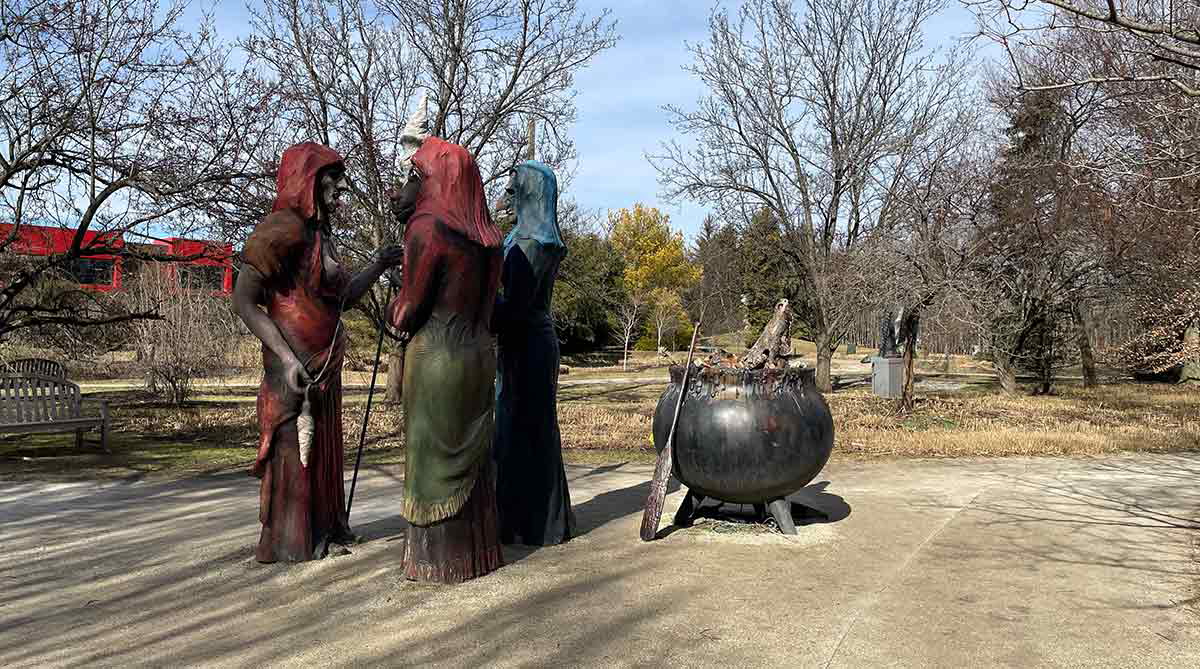
During his lifetime, Seward established an atelier for emerging artists to study the craft, particularly made for those for whom sculpting would normally be inaccessible due to finances. Today, this mission continues through the museum’s participation in the Museums for All program, which makes admission zero to five dollars for qualifying cardholders. Conceptually, Grounds for Sculpture accomplishes this mission in its placement of fine art outdoors in nature. From a curatorial perspective, there is something refreshing about having works of art placed next to trees, in the elements: a striking visual of art in nature, or art as nature. It’s also bringing art, commonly associated with marble museums and glass walls and barriers, out of the museum and into the world, to us. From my own visit, I can recommend Grounds for Sculpture as an environmentally unique and creatively inspiring place to be.
Field Trip #10: Camden County Park System
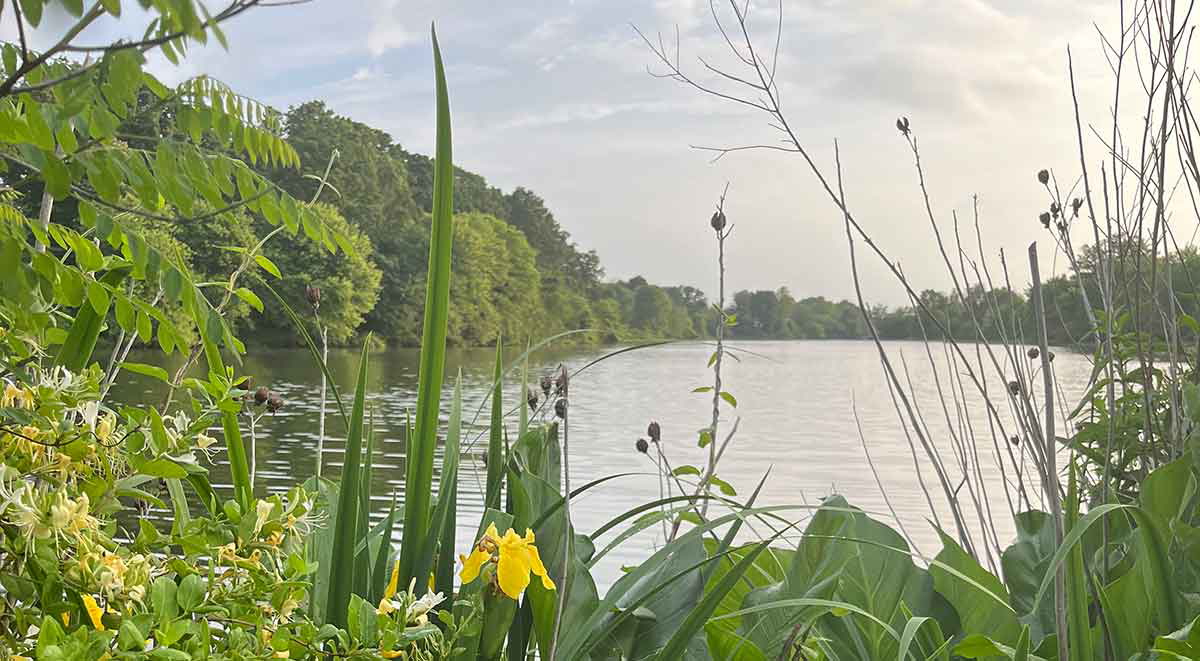
While this last field trip is technically a recommendation of 21 different parks, the idea is you pick one that calls to you, or you can make it a bucket list item to visit all of them. The Camden County Park System consists of 21 separate urban parks and conservation areas throughout South Jersey. Each one has different features, but all have the same goal: to provide the urban communities surrounding it a green space in their own neighborhood. Some parks have playgrounds, event stages, or memorial sites, such as The Cooper River Park, which celebrated the grand opening of its riverside playground this year.
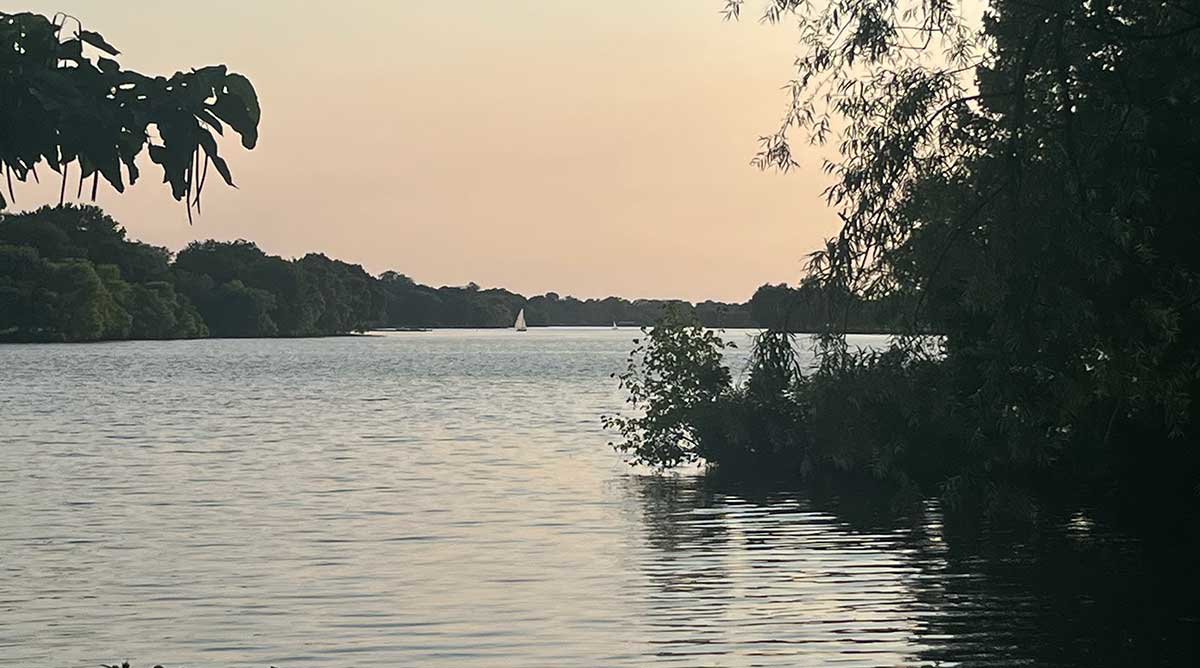
Golf, marathons, concerts, yoga: these are just a few of the activities you can do in the parks. The Park system, while of course open dawn to dusk to anyone who would like to walk the trails, is also host to free activities and events, making it a vital resource for local communities. In the winter, for example, you can go ice skating for Winterfest at Cooper River Park. In the summer, by the Delaware River, you can experience free outdoor live concerts, such as Tower of Power, which I saw at Wiggins Park in 2024. Like the Camden County Library System, which functions as an indoor “third space,” the Park System functions as an outdoor third space, providing a place where folks can exercise, spend time with their families and communities, and be in nature without having to spend a dime.
No matter which trip you end up taking, from this New Jerseyan to you: I sincerely hope that you discover a wild and beautiful NJ that perhaps you previously hadn’t seen. Now more than ever, it’s critical to learn about and participate in local environmental initiatives. Each of our homes in this massive country is diversely stunning and in need of protection. To learn more about how you can be out in and defend NJ green spaces, visit: pinelandsalliance.org
Happy trails!