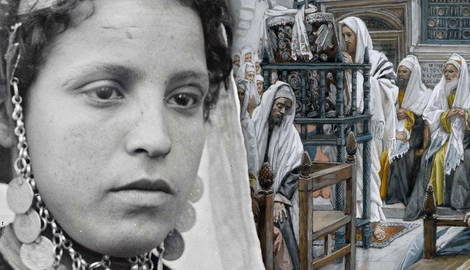
The Apostle Paul’s first letter to the Corinthians contains several passages that are difficult for modern readers to understand. But of all the difficult texts in this letter, the eleventh chapter contains one of the most cryptic. On the one hand, the passage seems to clearly say that women need head coverings, but on the other hand, the same text says that men should not cover theirs. Yet, covering one’s head for prayer has long been an important practice among Jewish men. How have Christians understood this challenging text?
Were Head Coverings a Matter of Decency?
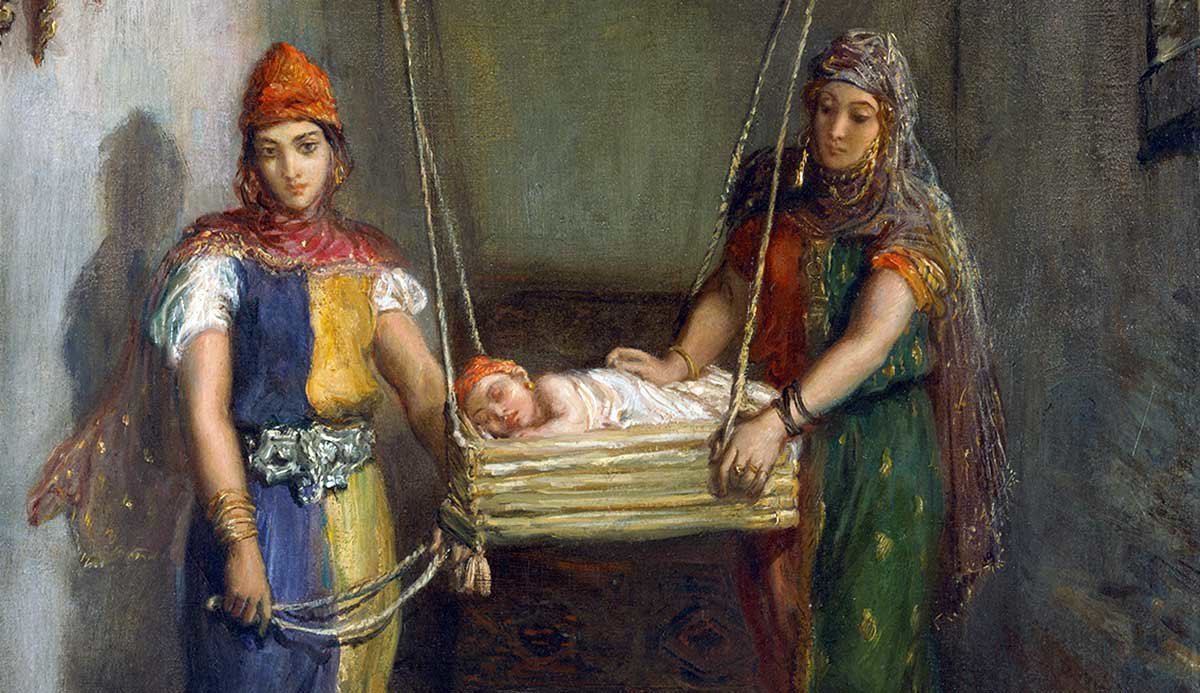
The purpose of everyday practices in ancient contexts is not easy to discern because contemporary, local folk have no need to talk about why they are doing what they are doing. This is perhaps especially true when it comes to attire related to decency.
For example, in cultures where it is considered inappropriate for people to show their legs in public, people wear long pants or other long garments without thinking of doing otherwise. Other cultures, meanwhile, would not find short pants indecent in the least, and no one who wears them would lose respect for doing so. Meanwhile, context also makes a difference. A culture that might tolerate a great deal of bodily exposure at the beach would have different expectations in other contexts.
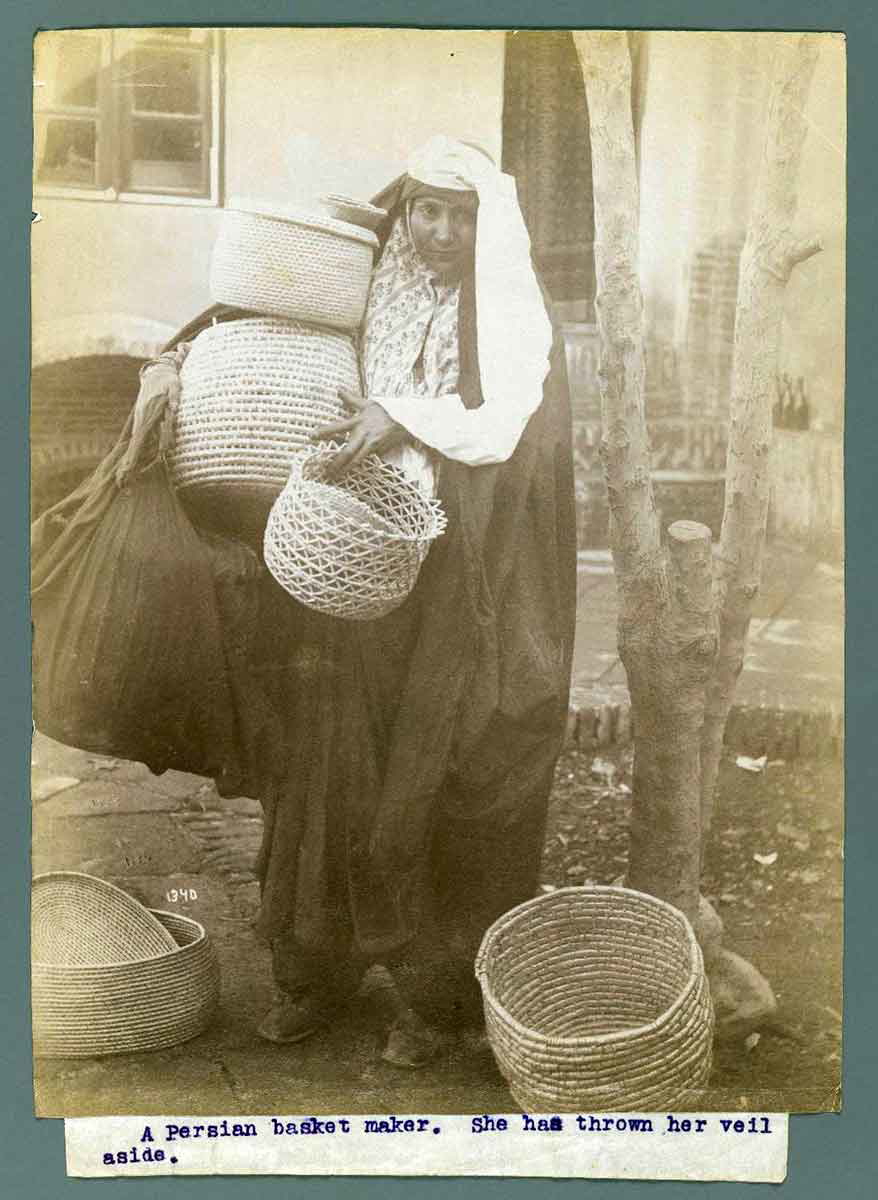
There are vast differences between cultures with regard to decency standards. Yet, every culture has some set of standards—even though those standards are seldom if ever discussed explicitly. The only reason to discuss standards openly is when two or more cultures must find ways to live together in the same society. Otherwise, everyone intuitively knows what the rules are and tries to abide by them.
In many cultures around the world, women’s hair has been considered sexually alluring. For some cultures, this has meant that covering it is a matter of decency. Is this what the New Testament is getting at when it says women should cover their heads? Or is something else going on?
Did Head Coverings Have a Religious Function?
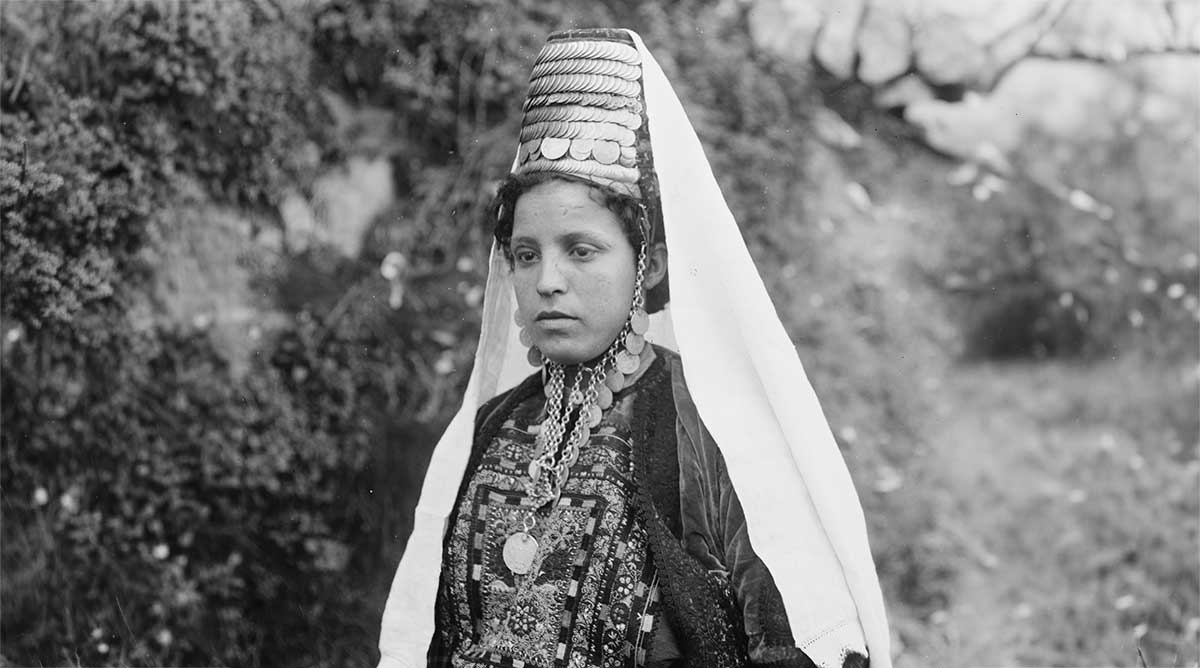
Sometimes, the line between a piece of clothing’s function as a mark of decency and its function as a mark of religious piety is not quite clear. Head coverings—especially when they are used by women to cover their hair—are a prime example of this.
For many women, head coverings have a dual purpose. On the one hand, many religious women cover their hair using special styles that associate them with particular religious traditions. But on the other hand, they are also covering their hair because of their own or their culture’s values of sexual decency. Still other women wear head-coverings for purely religious reasons, often using styles that do not actually hide their hair.
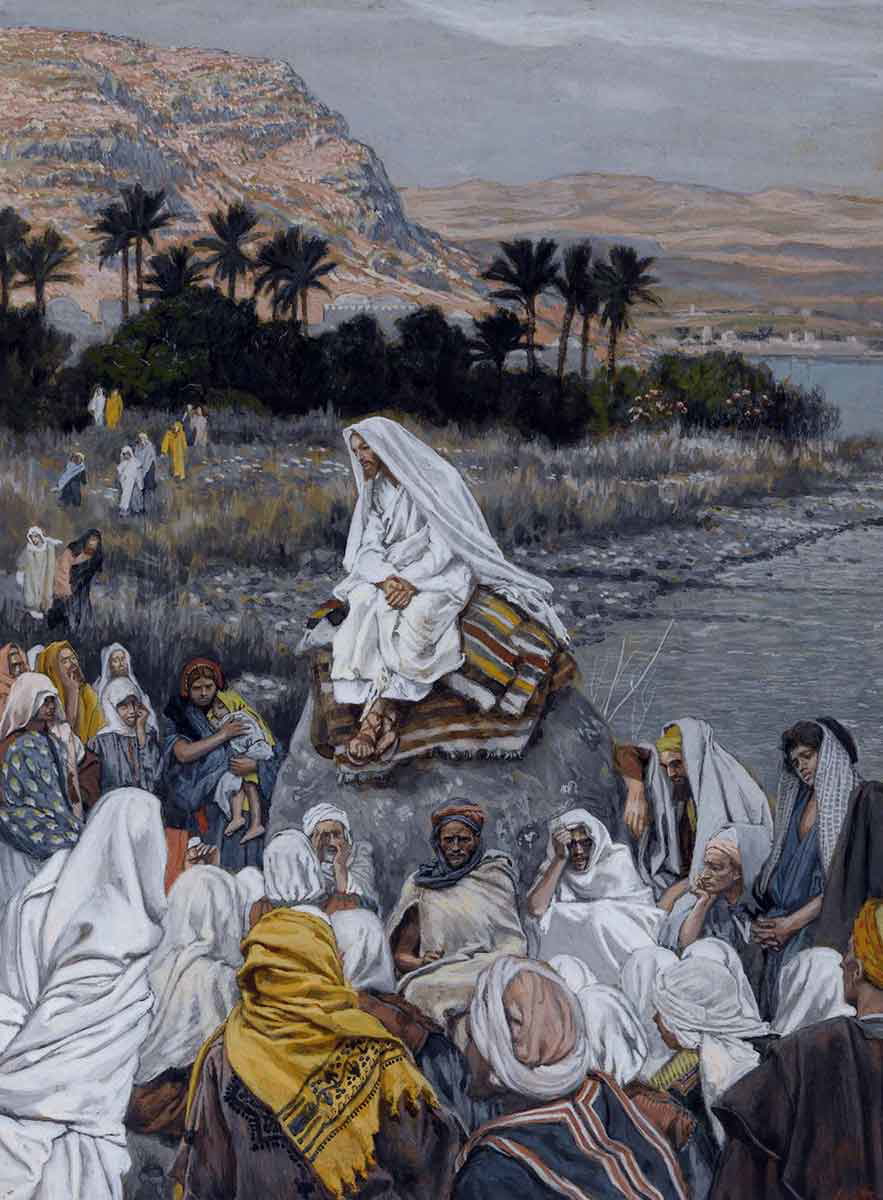
By contrast, few if any cultures consider it necessary for men to cover their hair due to a sense of sexual decency. Yet, there are many varieties of head garments that men are required to wear for religious reasons. In some cultures, men are expected to remove their hats at certain moments or for religious or civic ceremonies. Thus, for men as well as for women, what one wears on one’s head is important, and a knowledge of what is appropriate in a given culture must be learned.
However, how does one learn what is expected? Most of the time, there is no written set of rules about such things. Instead, people learn by simply growing up within a particular tradition. This leaves the modern reader of the New Testament in a difficult place with regard to a custom like the use of head coverings. Without being able to consult a list of head-covering rules, it is difficult to know what the original readers of Paul’s letter to the Corinthians were thinking about the matter.
What Does the New Testament Actually Say?
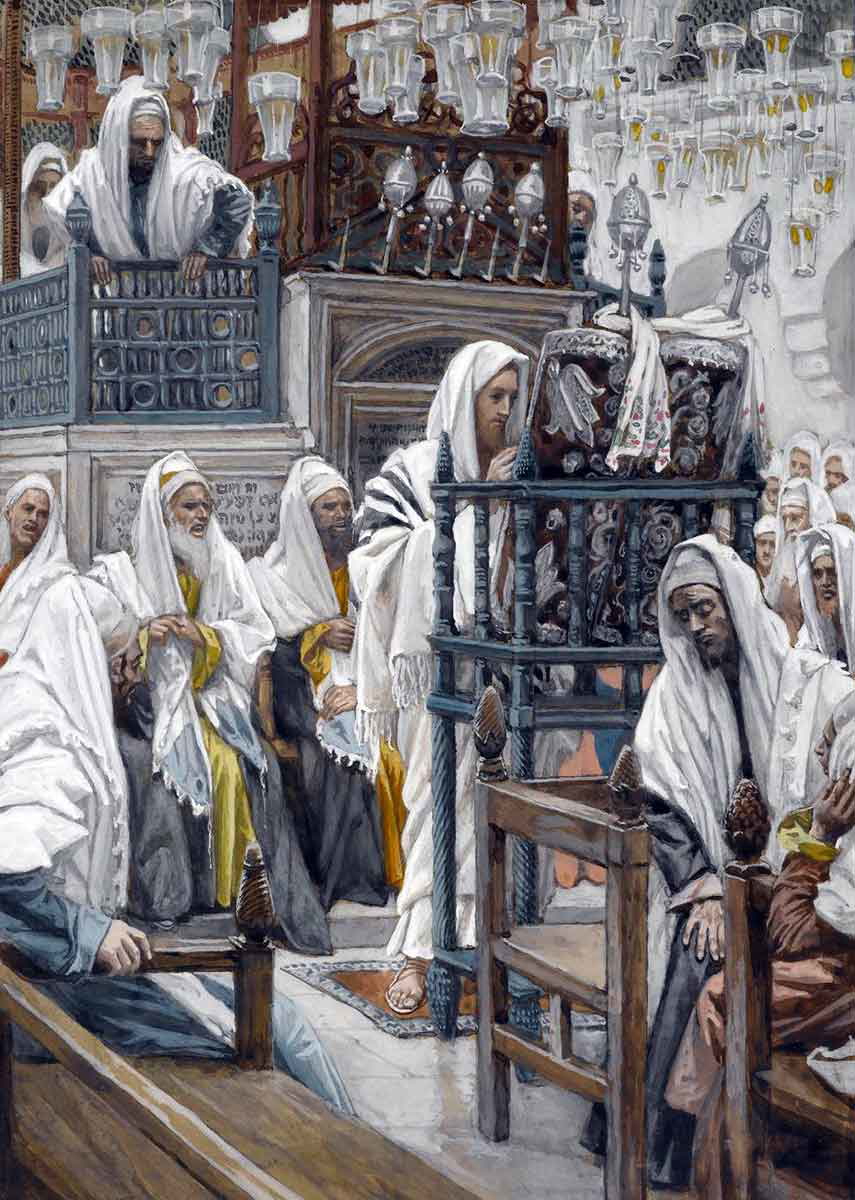
The New Testament contains two of Paul’s letters to the early church at Corinth, which was a lively port city in what is now the country of Greece. Paul wrote at least one other letter—possibly two—to this church that has been lost. It is also clear that the Corinthian Christians had written letters to Paul. Thus, modern Bible readers are reading only a portion of only one side of an ongoing correspondence between Paul and this early group of Jesus-followers. Needless to say, this presents an interpretive challenge for people reading these letters centuries after they were written.
But there is another challenge involved. Paul’s letters often employ sarcasm and irony. He also sometimes employs an imaginary “interlocutor” in his letters. That is, he will quote an imaginary person in order to introduce an idea he wishes to address, and then he will respond to that idea. For example, in 1 Corinthians 6:12 Paul writes,
“‘All things are permitted for me,’ but not all things are beneficial. ‘All things are permitted for me,’ but I will not be dominated by anything.” (NRSVue)
There are no quotation marks in the original Greek, so the translators of the New Revised Standard Version (updated edition)—quoted here—have chosen to add them because they realize that Paul is employing an interlocutor in this text. He quotes the idea he thinks needs correcting, then he corrects it with a response of his own.
Sometimes, it is clear when Paul is doing this, so the translators insert the quotation marks. But at other times, it is not as clear to the modern reader—even if it was to Paul’s original audience.
While most scholars believe that Paul was telling women to cover their heads and was prohibiting men from doing so, some scholars wonder if Paul is employing sarcasm, irony, or is even using this interlocutor device in some of his comments about head coverings in 1 Corinthians 11. They wonder if Paul is really telling women what to do with their heads, or if he is actually handing the matter over to women to decide for themselves.
Did Paul Really Tell Women to Cover Their Heads?

One of the problems with thinking that Paul was really trying to get women to cover their heads in 1 Corinthians 11 is that the text also rebukes men for covering theirs. But according to Rabbinic tradition, pious Jewish men routinely covered their heads whenever they prayed.
While it is not clear that this was a practice of Jewish men in Paul’s day, the Hebrew Bible stipulates that head coverings were part of the official garments of a priest in the Temple, and Paul was a pious Jew who worshiped in the Temple. If he thought it was wrong for men to cover their heads when they pray, why would both the Bible and Paul’s own religious culture suggest otherwise?
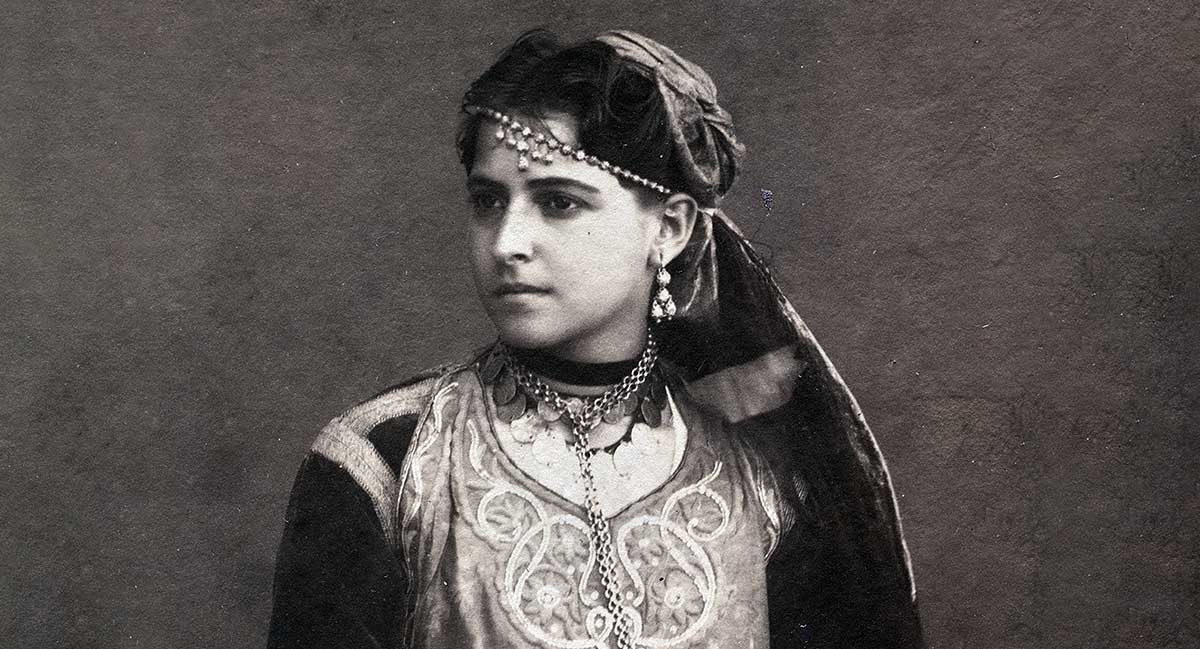
Another problem has to do with a comment Paul makes about long hair on men. On the surface, it seems as if Paul is against men growing their hair out. But in the Hebrew Bible’s regulations for a specially consecrated person called a Nazarite, long hair is required. There is evidence in the New Testament book of Acts, in fact, that Paul himself had taken a Nazarite vow shortly before going to Corinth, which would mean that his hair would have been relatively long when the Christians at Corinth had first gotten to know him!
Could it be that, instead of rebuking people for having long hair or for failing to cover their heads, Paul was being sarcastic? Was he using irony to steer his audience away from focusing on something that he found irrelevant to the overall mission of Jesus? It is not easy to say for sure, but interpreters have struggled to find a coherent way of interpreting this passage without supposing that, perhaps, part of the text is meant to be taken either ironically or sarcastically.
How Did Christians After the New Testament Use Head Coverings?
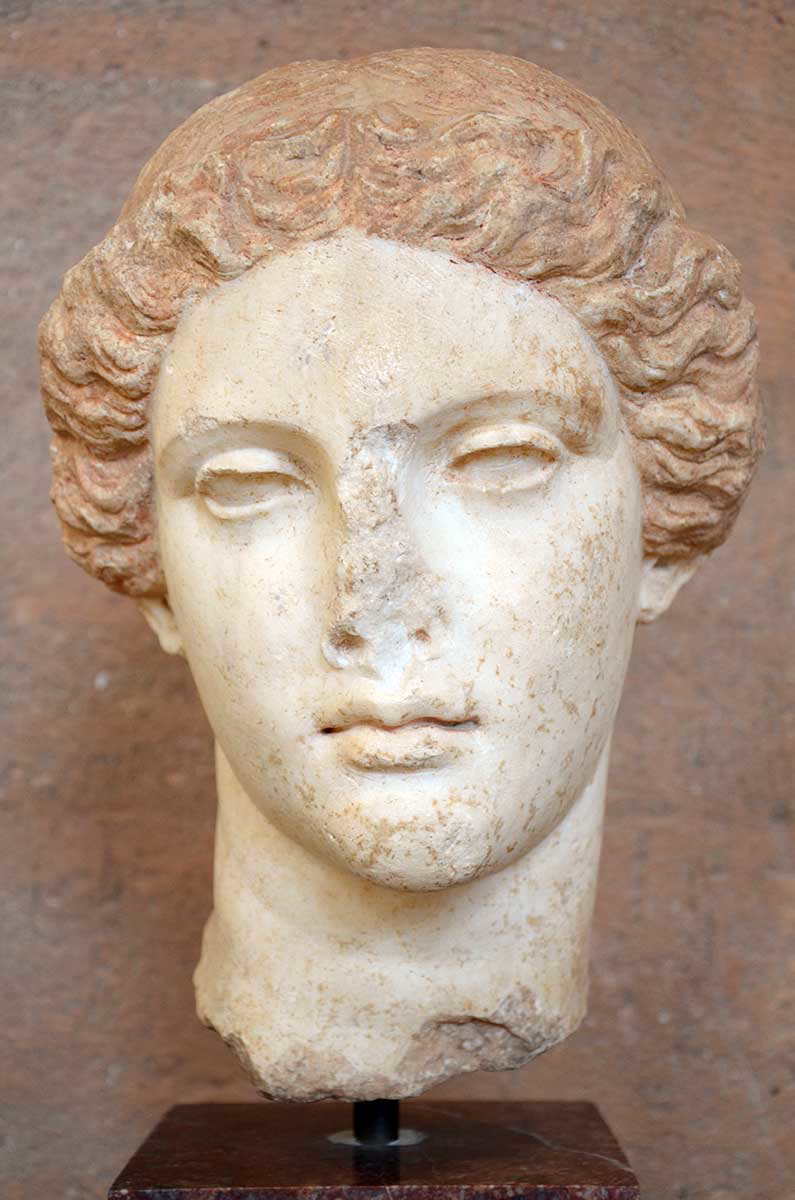
Several prominent theologians from the first few generations of Christianity whose writings have survived advocated that women cover their heads. While the New Testament talks about women covering their heads while praying, these theologians taught they should cover whenever in public. But the opinions of theologians regarding veiling in the generations after the New Testament do not necessarily reflect what Paul personally had in mind when he wrote 1 Corinthians.
It is important to remember that veiling was practiced in various ways throughout the ancient Mediterranean world. Indeed, there continues to be a wide variety of uses of veils in the same region. Artifacts from Corinth from the 1st century do not necessarily depict only veiled women. However, the use of artifacts to learn what people practiced in daily life is limited, since art does not always depict what people normally wear.
Generally, however, evidence suggests that pious, respectable women in the world of the early church tended to veil themselves. Thus, as early Christians wanted to appear pious as well, it would not be surprising if early Christian women also did so. While it is difficult to systematize the daily practices of head coverings, it is clear that ancient, religiously conscious folk paid attention to their heads more than many people do today.
What About Head Coverings for Men?

The topic of head coverings and early Christianity usually revolves around what women did. But the only passage in the New Testament that addresses this topic also addresses men. Somewhat surprisingly, it says that men should not pray with their heads covered.
Yet, as was noted above, Rabbinic Judaism developed the practice of men’s veiling themselves when they prayed. Likewise, the Hebrew Bible speaks of Moses as veiling himself, and provides rules about priests in the Temple using headgear. Religious Jewish men have used various head coverings for centuries, and all of the clergy in the most ancient Christian Orthodox traditions use head coverings.
This suggests that, even if the passage from 1 Corinthians 11 has often been used as a basis for requiring women to veil, a biblical command cannot explain this entirely since, after all, the same text prohibits men from doing so. Rather, Christian practices around head coverings seem to have emerged in conversation with the requirements for decency and religious piety that existed long before Christianity was born. Head coverings continue to play a surprisingly key role in religious and political expressions today.