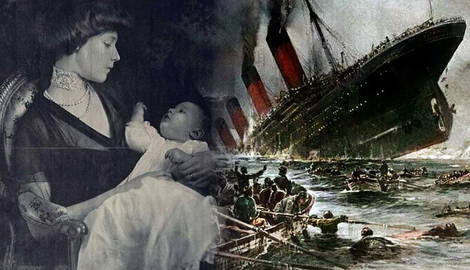
The Titanic is known for its grandeur, its tragic end, and the stories of those who perished. Not nearly discussed enough however are the stories of incredible feminine heroism. Some of the Titanic’s most remarkable survivors were women who defied traditional expectations, showing unshakeable courage in the face of disaster.
1. Mary Kelly: The Irishwoman Who Saved Two Orphans
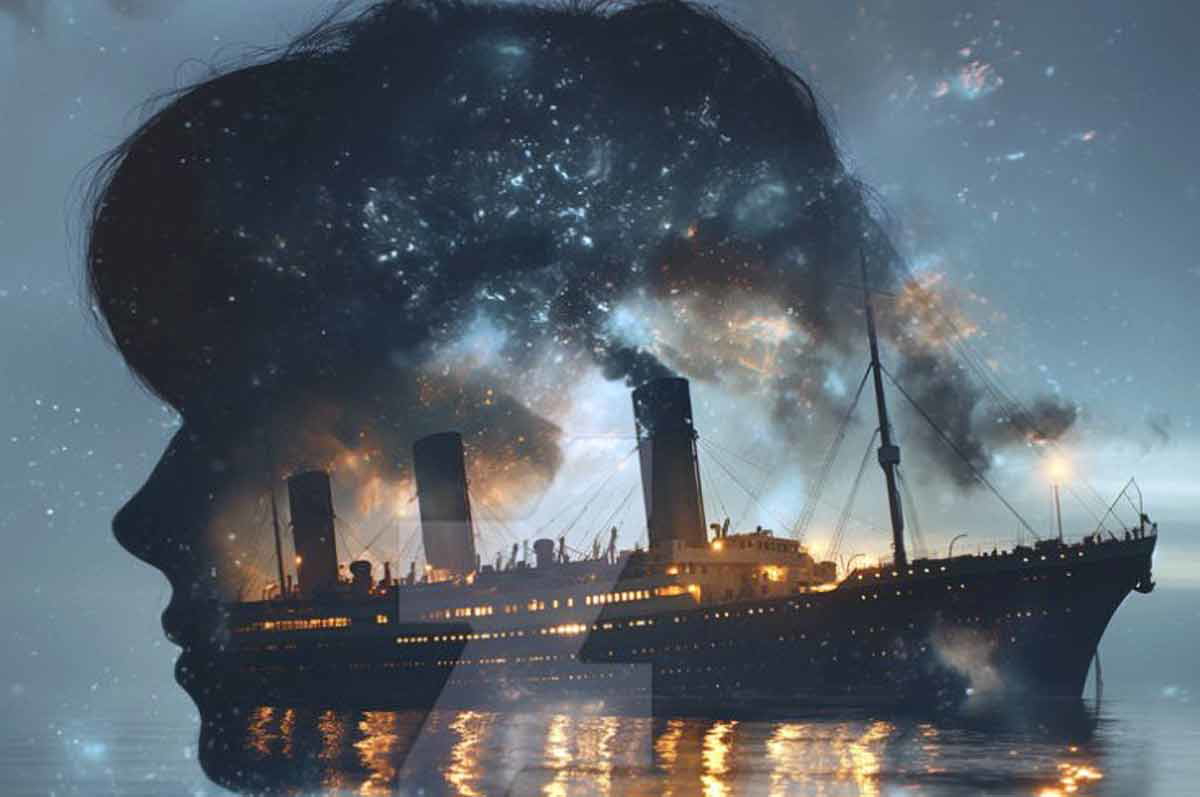
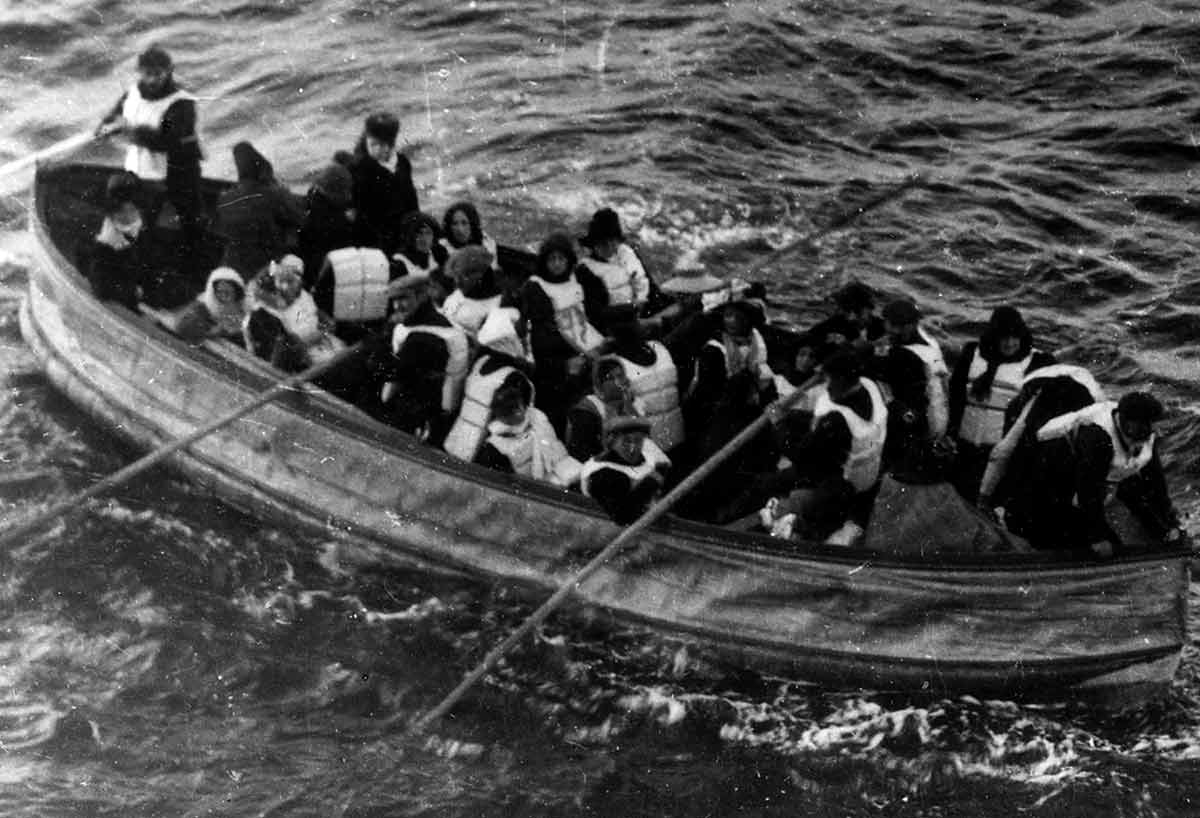
Mary Kelly’s story is not just about survival—though getting off the Titanic from steerage was quite the achievement. It is also about her unexpected role in one of the most curious mysteries swirling about that infamous night. At 22, Mary, from County Westmeath, boarded the Titanic in Queenstown with dreams of starting a new life overflowing with opportunity in New York with her fiancé, John Heslin. After navigating the chaos of the sinking ship and finding her way to collapsible Lifeboat D, she became an impromptu guardian to two curly-haired French boys.
Called the “Titanic Waifs,” these two boys were improperly dressed for the cold conditions and couldn’t speak a word of English. No one at the time knew, but Edmond and Michel Navratil, aged two and three, were smuggled aboard the Titanic by their father, Michel Sr., under the alias Louis Hoffman. He had taken them in a dramatic act of defiance against their mother in France and the courts that had just awarded her custody of their sons amid their separation.
As the ship sank, Michel Sr. did the last decent thing a parent could do—he handed his boys to a stranger, probably knowing he wouldn’t be there to see them grow up. The boys were quite lucky: this was the last lifeboat to leave the Titanic as the water was making its way up the final stairwell leading to the deck.
Here the boys’ stories intersect with that of Mary Kelly, whose maternal instincts kicked in while the ship’s orchestra was probably playing Nearer, My God, to Thee (just jesting, this is an apocryphal though epic story concerning the band). She took the little boys under her wing, comforting and trying to warm them as the lifeboat drifted in the freezing Atlantic. When they finally reached the Carpathia, no one had any idea who the boys were—Edmond and Michel were too young to explain their situation and could have been easily too traumatized to speak at all.
Like the boys in her care, Mary had been blessed by fate to get a spot on the last lifeboat. In fact, she hadn’t taken the stairs to get to safety like most others had done. Mary, following the guidance of a domestic ship worker, pushed herself up an air shaft to leave third-class rooms behind.
The press, as you can imagine, had a field day with the story of the puzzlingly unparented tots, and Mary found herself briefly at the center of a media storm. However, Mary wasn’t in it for fame or fortune. After handing the boys over to a rather assertive wealthy first-class passenger, Margaret Hays, Mary quietly went on her way to meet her fiancé in New York.
The boys were eventually reunited with their mother, Marcelle Navratil, though that was a process in and of itself. Ms. Hays didn’t want to hand over the children, and Marcelle had to tell things about her sons to authorities that only their mother could know. The family of three was successfully reunited after some time.
Mary’s story doesn’t end with the Titanic, but it certainly gives her quite the origin tale in the New World. She married, raised six children, and lived out her life at least in part on Coney Island Avenue. Her survival, combined with her innate compassion, earned her a place not just in her family’s long memory, but in Titanic lore—a reluctant hero with a heart big enough to shelter two lost souls.
2. Countess of Rothes: The Noblewoman Turned Leader
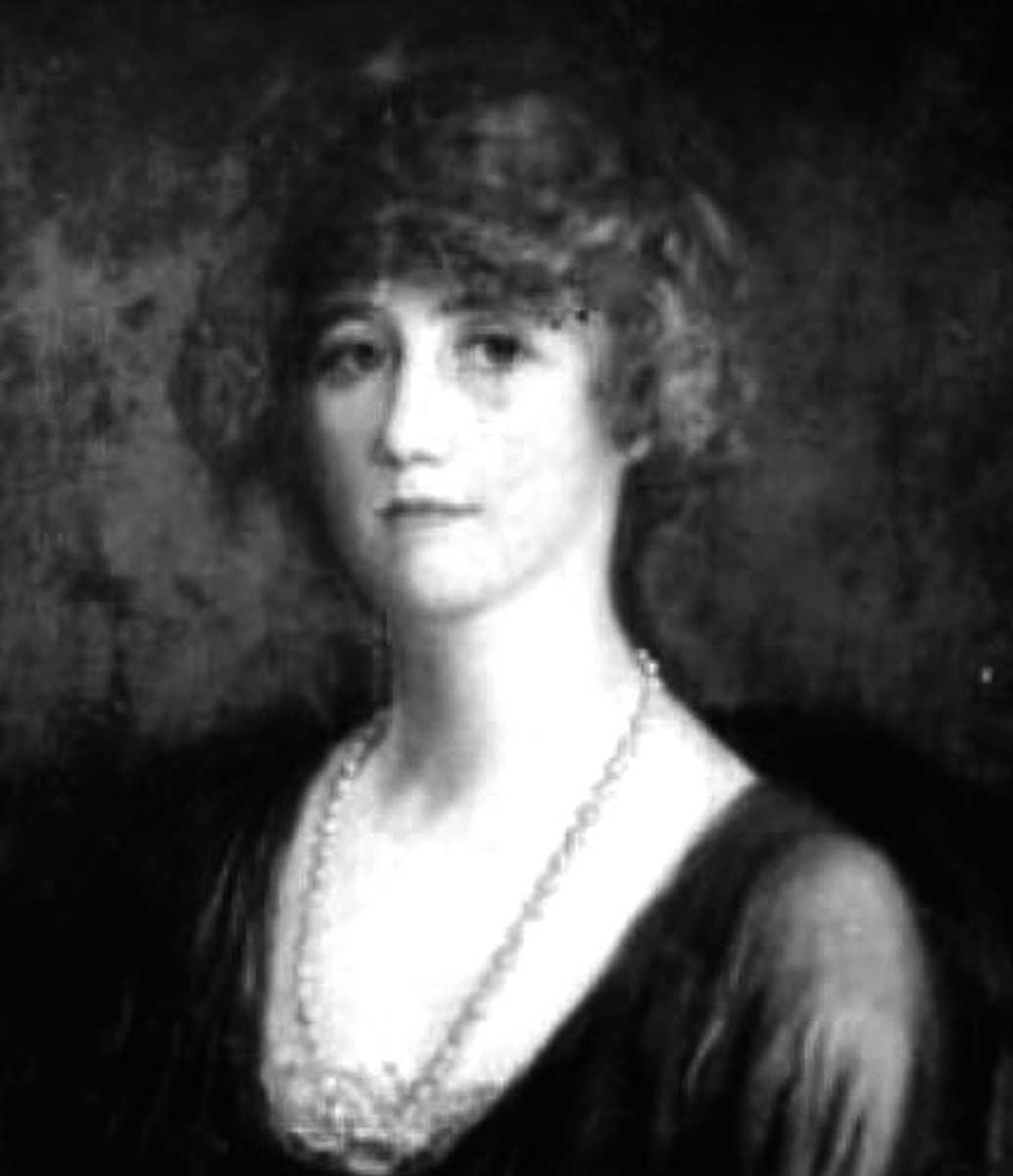
Lucy Noël Martha Dyer-Edwards, better known as the Countess of Rothes, showed that grace under pressure was not just a lofty ideal—it was a part of her inner grit. This aristocrat-turned-unlikely-boat captain took command of a lifeboat on the night of the Titanic disaster, proving that calm capability and compassion could overcome even the most terrifying circumstances.
Noël boarded the Titanic on April 10th, 1912, with her parents (who disembarked in Cherbourg), her cousin Gladys Cherry, and her maid, Roberta “Cissy” Maioni. She was on her way to Vancouver to reunite with her husband, Norman Evelyn Leslie, the 19th Earl of Rothes. Instead of a grand reunion, she found herself on a sinking ship in the middle of the frigid Atlantic Ocean.
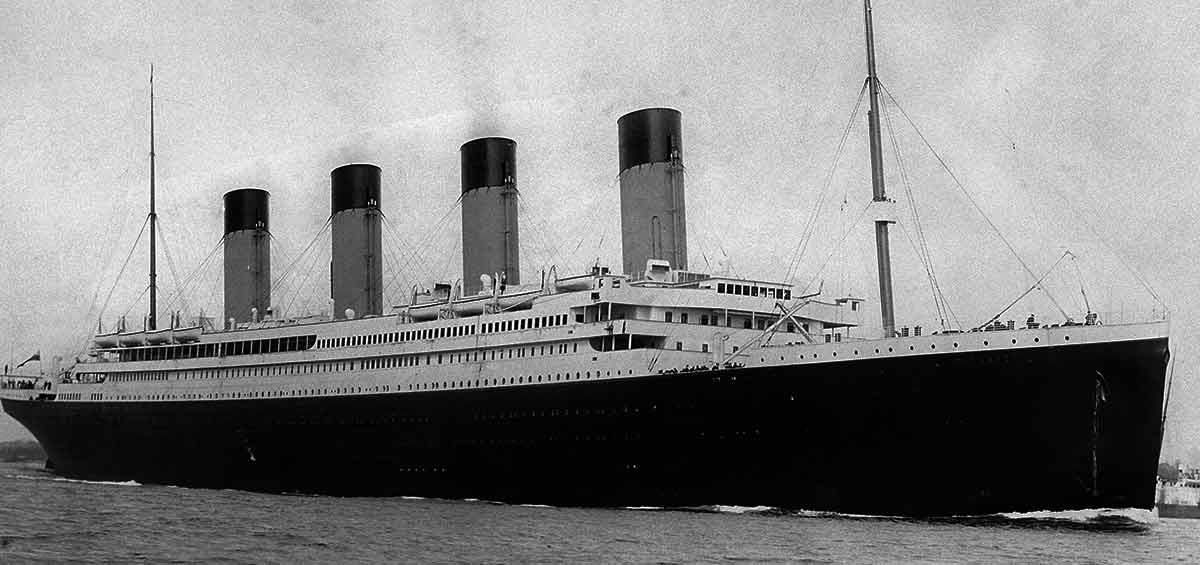
When the iceberg struck, Noël and her cousin had just settled in their first-class cabin for the night. At first, they weren’t overly concerned about the odd scraping noise they heard, but once Captain Smith recommended they fetch lifejackets, they realized that their night was quickly going to worsen. Noël’s calm control shone even then, comforting her terrified maid with a fortifying glass of brandy before they all made their way to the boat deck. Once there, the trio was loaded onto lifeboat no. 8, the first one to be lowered from the port side.
Here is where the story veers from three unmoored women fleeing the sinking ship to an unbending lady leading the charge. Noël was no passive passenger once secure in the lifeboat; able seaman Thomas Jones quickly noticed her capable presence. In his words, “I heard the quiet, determined way she spoke to the others, and I knew she was more of a man than any we had onboard.” That was high praise and well-earned.
Jones ordered her to the tiller, trusting her to steer lifeboat no. 8 as they rowed into the blackness, away from the dying Titanic. When Jones stated that he wanted to go back to find other survivors and pull them from the icy waters, Noël wholeheartedly expressed her support for the plan. However, these two brave souls were outvoted by their fellow lifeboat passengers, who feared that the suction from the sinking liner would pull their tiny dingy into the depths with her.
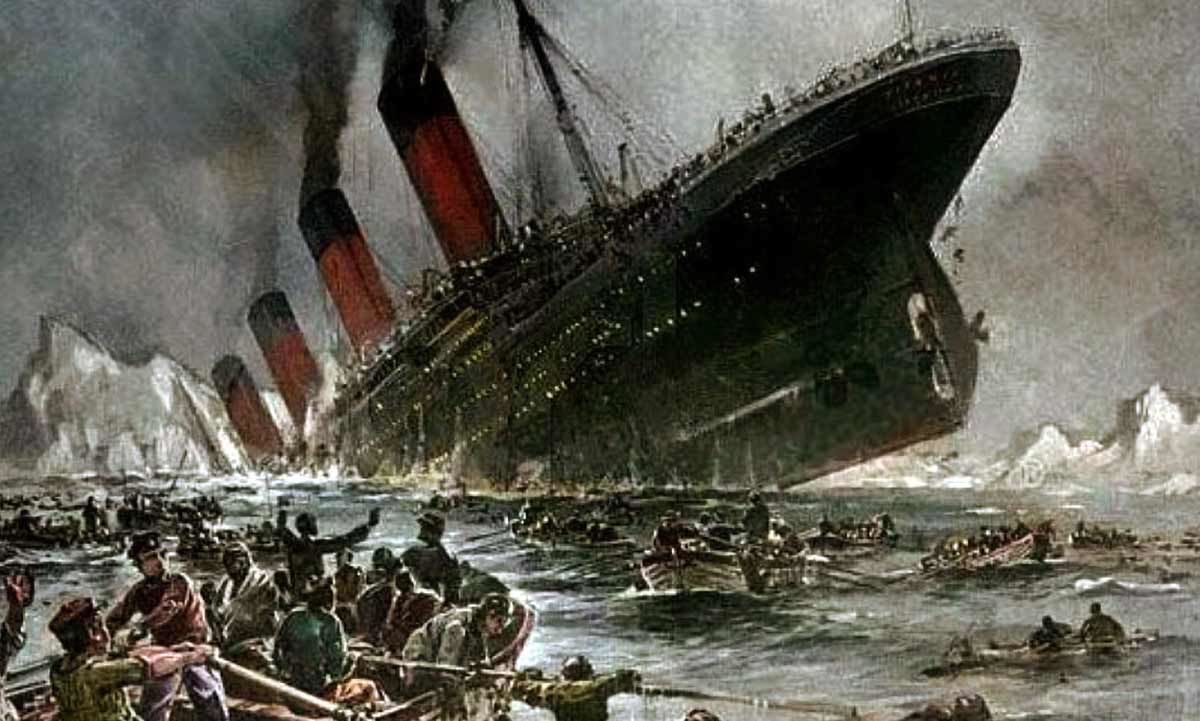
It wasn’t just Noël’s leadership in the frosty dark that impressed. When one of the lifeboat’s passengers, a newlywed named Maria Peñasco, was devastated by the loss of her husband, Noël stepped away from steering to offer comfort (no brandy was conveniently on hand this time).
After being rescued by the Carpathia, the countess of Rothes didn’t stop for a wellness day. She continued to care for her fellow survivors, nursing the injured and using her sewing skills to fashion warm clothing from blankets for those in second and third class who were suffering in the cold. Her humble, no-nonsense attitude about her role only added to her legend. While Jones’s account of her heroics spread through the press, Noël brushed off any notion of being a heroine, focusing instead on the people she had helped.
The countess and Jones had formed a true friendship aboard that lifeboat, the kind that can only be found amongst those who’ve survived something shocking together and came out on the other side with respect for how one another handled it. The two exchanged regular correspondence for the rest of their lives, and their families have met up in recent years to celebrate two people who, on the surface, couldn’t have been more different but, deep beneath society’s trappings and expectations, had matching mettle.
The countess of Rothes may have boarded the Titanic as a noblewoman, but she left it as a shining example of female stalwartness—a rare beacon of strength, empathy, and quiet heroism in the face of an unexpected catastrophe on an unsinkable ship.
3. Madeleine Astor: A Young Mother’s Strength
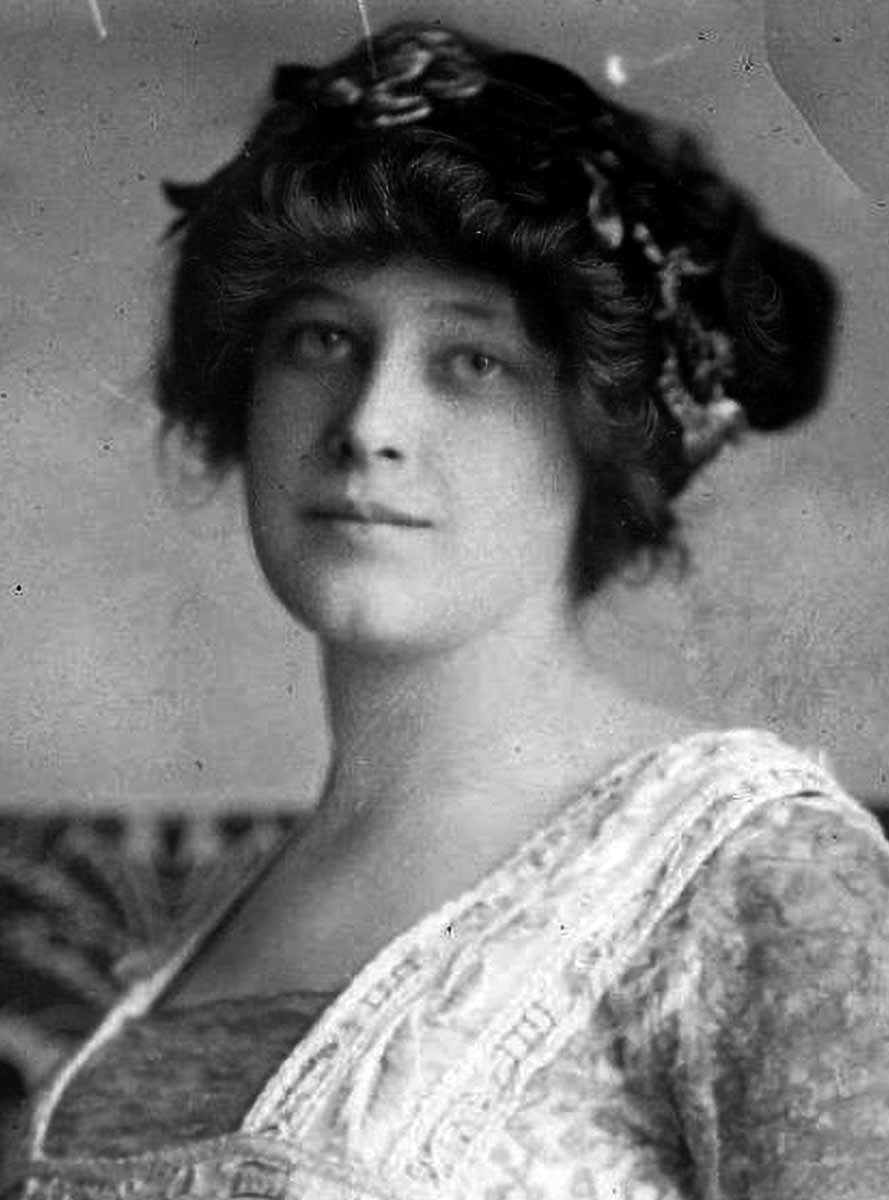
Madeleine Astor was the epitome of upper-crust New York society—without quite being part of the Four Hundred club that her mother-in-law, the famed Caroline Astor, would have approved of. Her family came from a respectable lineage: her mother, Katherine Talmage Force, boasted a former Brooklyn mayor in her family tree, while her father, William Hurlbut Force, owned a shipping company and held a seat in the New York Chamber of Commerce. They may not have had the gravitas of the Astor name but were certainly a class above mere “new money.”
Described by a Paris correspondent as a sweet girl who, “knew how to twine herself around the heart of anybody,” Madeleine seemed destined for a comfortable life, though perhaps not the grandeur she found in her marriage to a recently divorced Astor. All that came to an end when fate threw her into the watery chaos of the Titanic disaster.
As the ship struck the iceberg, Madeleine and her much older husband, Colonel John Jacob Astor IV, weren’t immediately filled with worry. In fact, they were passing the time relaxing on the mechanical horses in the ship’s gymnasium while other passengers scrambled for the lifeboats. Astor, ever the steady seaman, remained convinced that the ship would stay afloat, though he still insisted Madeleine bundle up for warmth. He even played the lady’s maid and assisted her in changing into warmer clothes, right there on the deck.
It was as panic truly set in that Madeleine showed her own fortitude. When she spotted third-class passenger Leah Aks clutching her infant son in desperation, Madeleine handed over her scarf to wrap the baby in. It was a small gesture, but one that illustrated her natural compassion—even in the face of looming disaster. It was also an act of kindness from one mother to another, seeing each other in the midst of turmoil.
When it came time to board the lifeboats, Colonel Astor famously tried to join his wife but was told only women and children could go. Whether or not he protested, no one’s sure, but he sent her off with all the gallant dignity you’d expect from a man of his status. As Madeleine’s lifeboat, No. 4, hit the freezing water around 1:55 a.m., a man in a “state of great excitement” leaped aboard at the last moment, landing in the boat alongside her. He then was too afraid to make himself useful in any way and spent his time cowering.
Now, here is where Madeleine’s real backbone showed. As the women rowed frantically to escape the sinking ship, the force of Titanic’s final plunge pulled their lifeboat dangerously close. Icy sea water splashed into the boat, and Madeleine, along with the others (except for our “excited” man, who hid under blankets), bailed it out as if their lives very accurately depended on it.
In the dead of night, freezing, soaked, and terrified, the visibly pregnant Madeleine kept her composure. When the boat finally managed to distance itself from the deadly suction, Madeleine and the crew demonstrated the courage to row back and pull six men from the freezing water—though two of them died from exposure soon after. Madeleine Astor was not exactly what her social equals would have expected from the fragile wife of one of America’s wealthiest men, but she handled herself with gumption and grace.
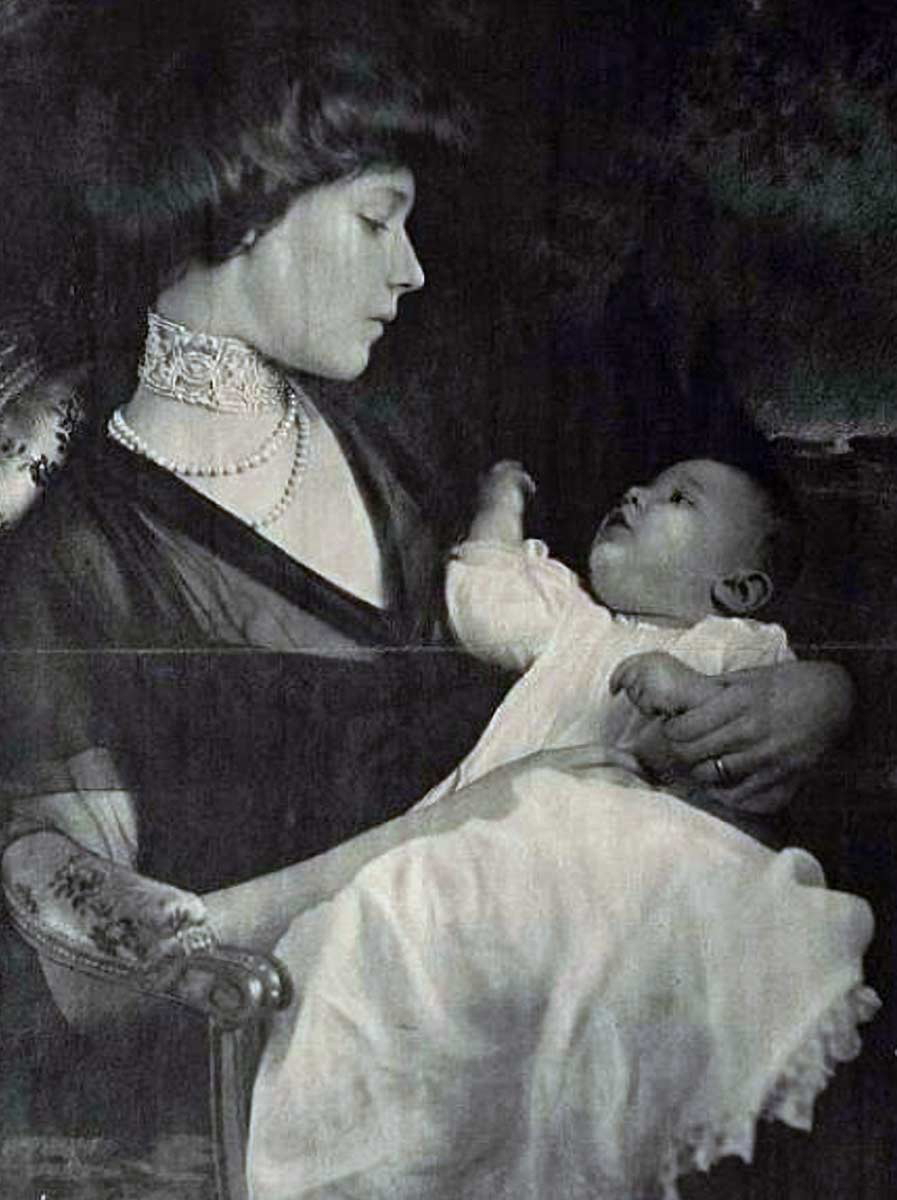
The press later painted Colonel Astor as the great hero of the night for having helped save not only his wife but two other women. Madeleine’s own heroism presented itself in different ways. Despite the stress and trauma of the Titanic disaster, she carried her pregnancy to term, giving birth to John Jacob Astor VI—dubbed the “Titanic baby”—in August that same year.
Because life in high society never strays too far from legal drama, by then the details of Colonel Astor’s will had become public. He left Madeleine a cool $100,000 outright (a tidy $2.75 million in today’s terms), the use of his home on Fifth Avenue, and a $5 million trust fund. Their son received a $3 million trust of his own. After all, who wouldn’t need the equivalent of an $80 million trust fund to help ease the trauma of losing a father on the Titanic? However, Madeleine’s benefits only lasted as long as she was willing to remain single.
4. Edith Rosenbaum: A Journalist With a Lucky Pig
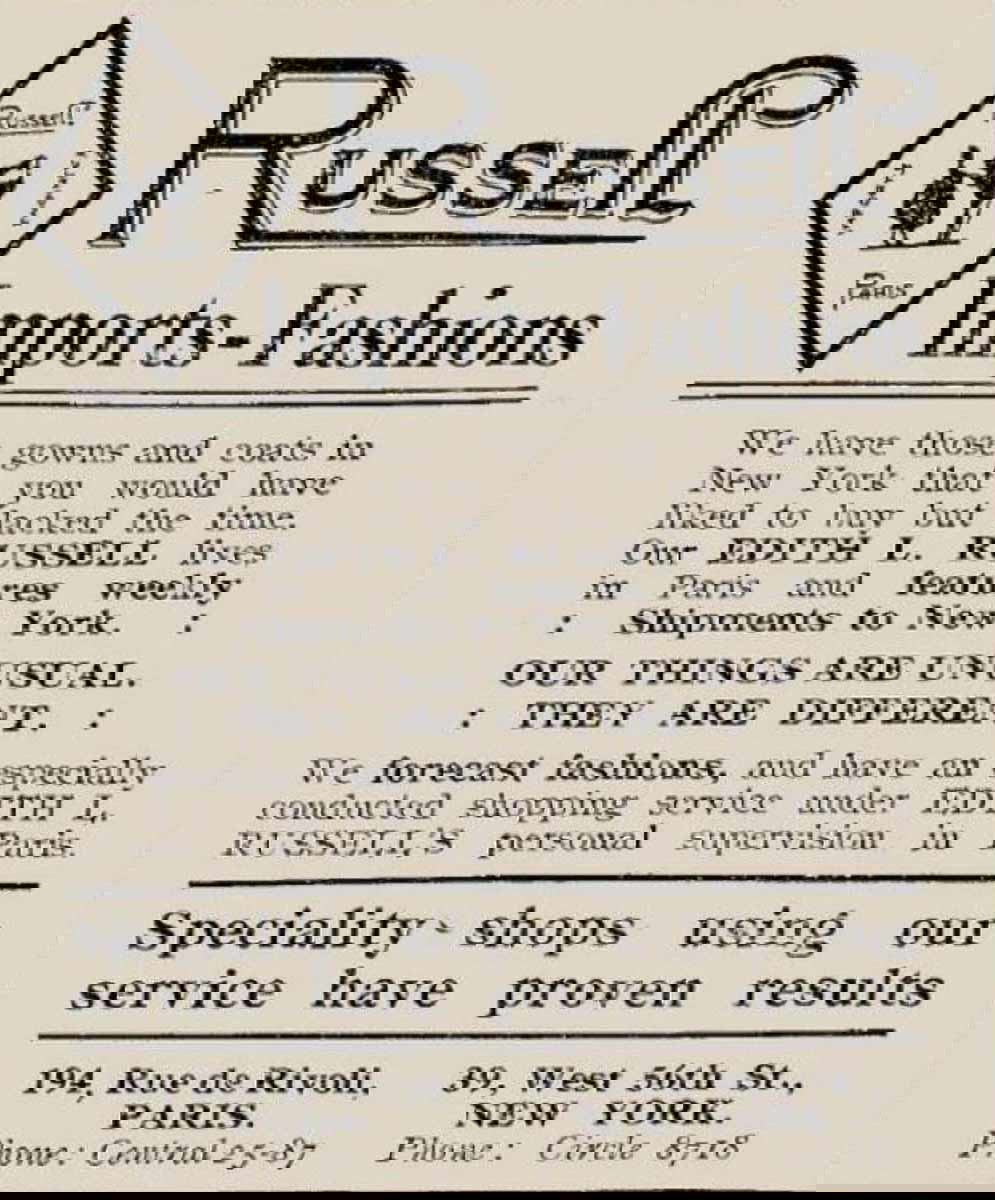
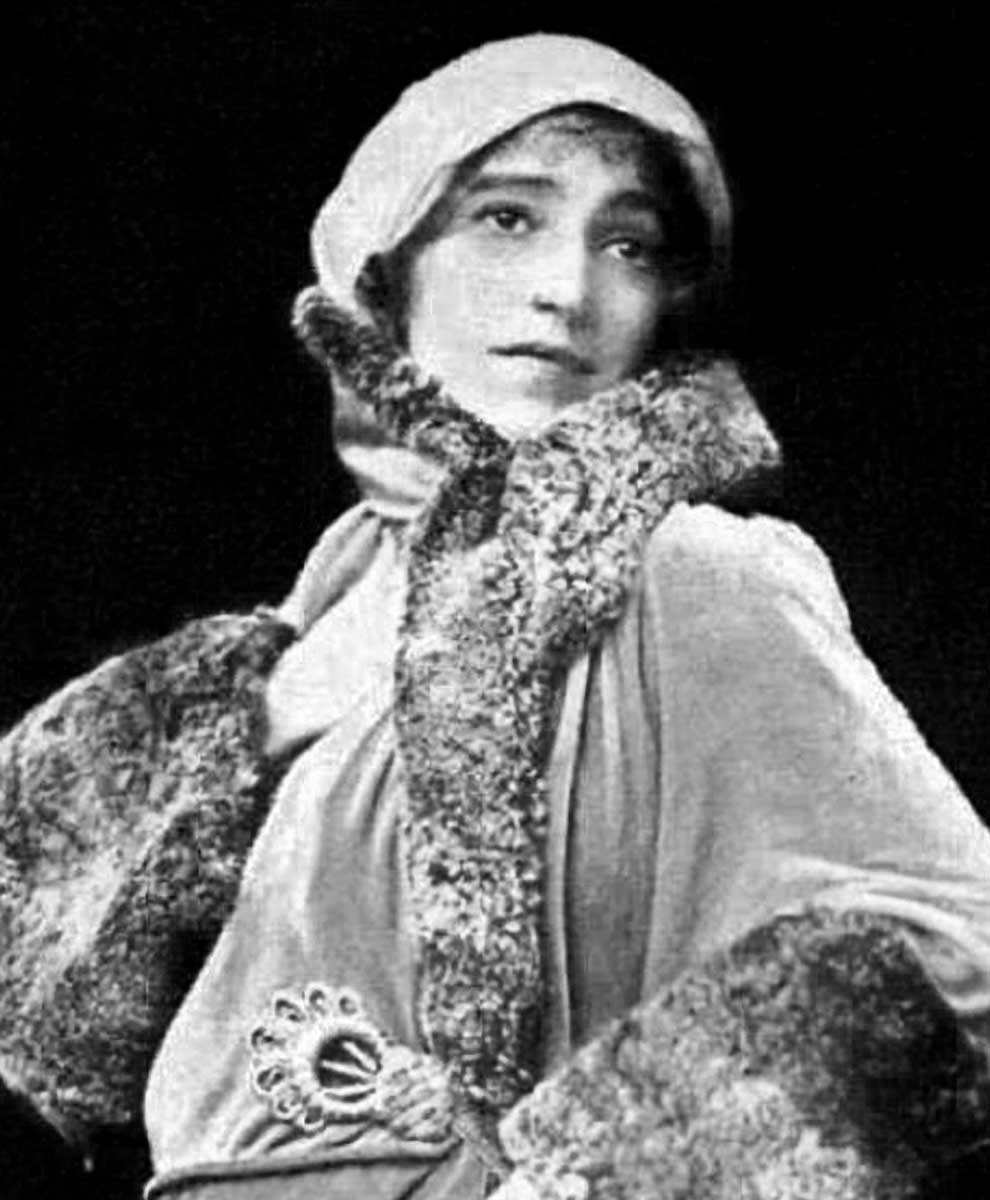
Edith Louise Rosenbaum (aka Edith Russell) was a remarkable woman, born into a wealthy Jewish family in Cincinnati, Ohio, on June 12, 1879. Her father, Harry Rosenbaum, was a successful clothes manufacturer who had emigrated to the US from Germany before her birth. Edith, an only child, grew up surrounded by affluence, and it wasn’t long before she made her way to Europe to carve out her own path in journalism, fashion, and the limelight.
By 1912, Edith had become a well-established fashion correspondent, and she was in Paris covering French fashion at the Easter Sunday races when she decided it was time to return home. She booked her first-class passage on the Titanic at Cherbourg, occupying cabin A-11, and paying £27 14s 5d for her ticket. However, the grandeur of the Titanic did not sit well with Edith. In a letter sent from Queenstown to her secretary in Paris, she expressed her feelings of unease. “I cannot get over my feeling of depression and premonition of trouble,” she wrote, a chilling foreshadowing of the tragedy to come.
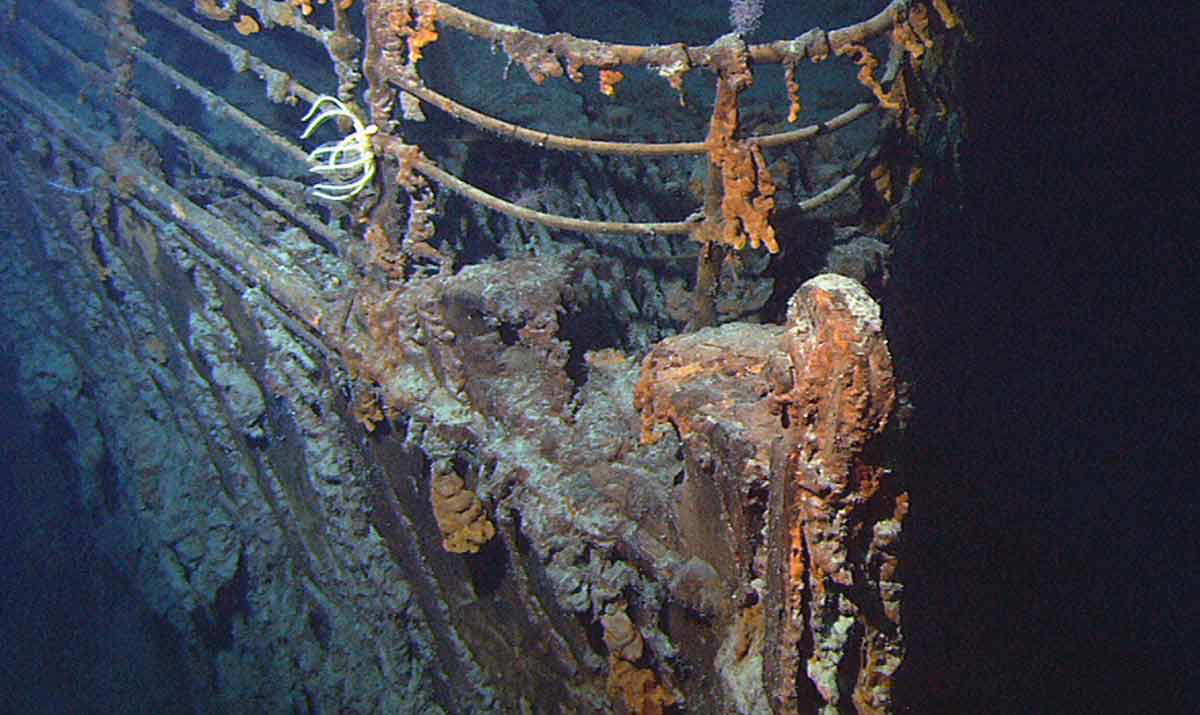
Edith’s premonition wasn’t unfounded. The Titanic struck that infamous iceberg on April 14, 1912, and despite the initial reassurances from the crew that there was no immediate danger, Edith found herself in a life-or-death situation. As chaos began to unfold, Edith recalled being pushed by White Star Line director Bruce Ismay toward a lifeboat. Though petrified, Edith eventually boarded Lifeboat 11.
It was not just fear and a strong survival instinct that got her through that awful night—it was also a music-box toy pig, a gift from her mother after she had survived a car accident in France. The pig, said to be a symbol of good luck, played a popular tune when its tail was twisted. Edith would later credit this quirky keepsake with helping to soothe both her and the wailing children in the lifeboat during their long, cold wait for rescue.
Edith’s life was forever changed by the Titanic disaster. In the years that followed, she became a sought-after speaker, recounting her experiences on the ship and in the aftermath. Often, curious onlookers would ask her about the famous details of the disaster: “Did you hear Nearer, My God, to Thee?” “Were you frightened?” “Was the water cold?” Edith would answer these questions with a mix of grace and dry wit, but it was clear that her connection to the Titanic would shape the rest of her life. The courage she forged that night would get her through her years of war reporting from the field in WWI, marking her as one of the few women to do so.
In the decades following the sinking, Edith crossed the Atlantic many times but steadfastly (and somewhat ironically) refused to fly, preferring the relative safety of steamships. She lived a full life, continuing her work in fashion and maintaining a busy social calendar, but the night of the Titanic remained an ever-present chapter in her story. The tragedy not only defined her but also turned her into a symbol of survival and resilience.