The House of Wessex emerged as a dominant English dynasty in the 6th century and continued to be important until the Norman Conquest in 1066. This dynasty produced many of the most important kings of Britain during the early medieval period. These kings transformed England from a group of kingdoms into a united political entity, paving the way for the England that exists today. Who were the most powerful rulers of the House of Wessex, and what does the legendary King Arthur of the Welsh have to do with this historical English dynasty?
Founding a Dynasty: Cerdic of Wessex & King Arthur
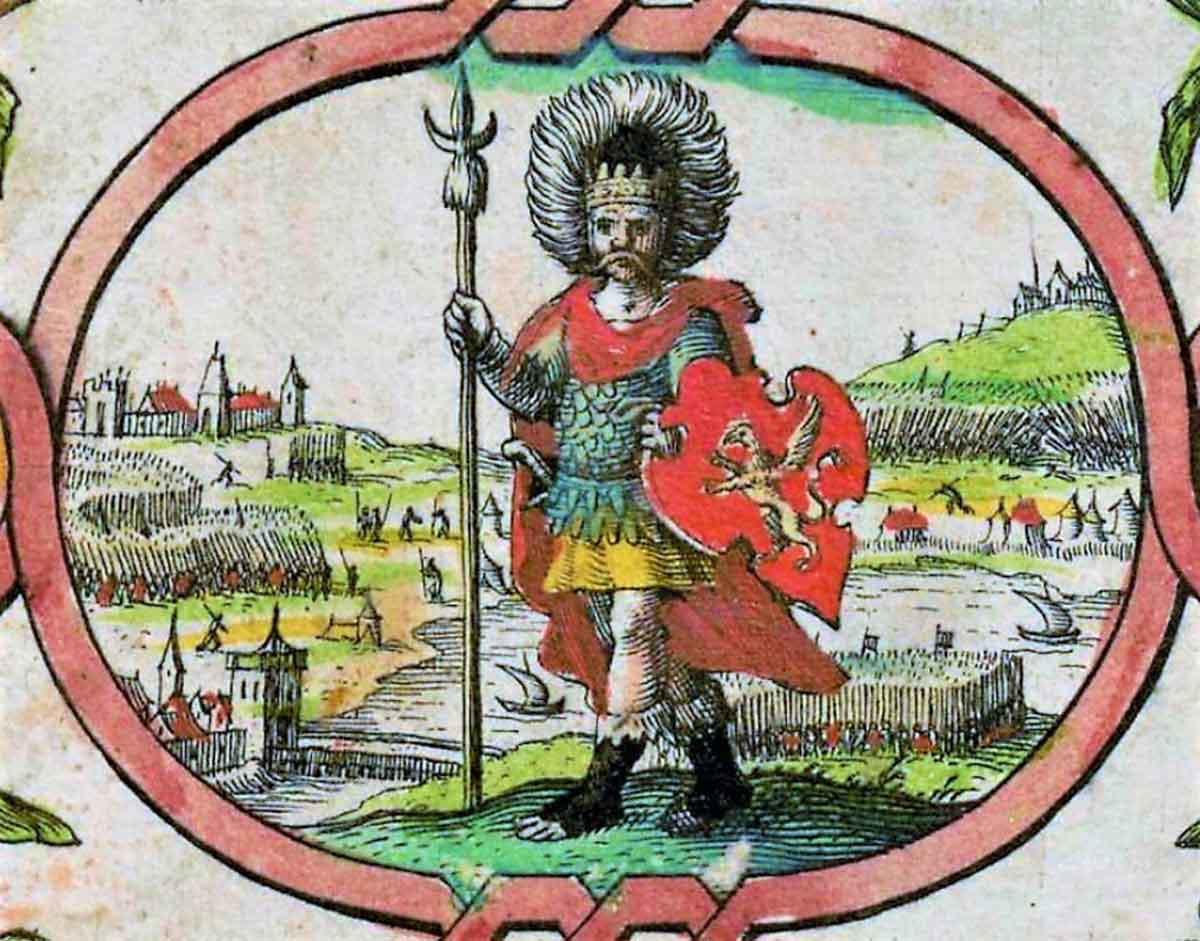
One of the most important members of the House of Wessex is, naturally, its founder. He first appears in sources written several centuries after the fact. The first source to mention him is the Anglo-Saxon Chronicle, commissioned by Alfred the Great towards the end of the 9th century. Despite this late date for this earliest mention, he is generally considered either a historical or semi-historical figure.
According to the Anglo-Saxon Chronicle (which does not provide a detailed narrative of his career), Cerdic arrived in Hampshire on the south coast of Britain with his son Cynric. Together, they fought against the Britons and carved out a kingdom for themselves. By the end of Cerdic’s career, he ruled over everything from the Isle of Wight, off the south coast of Britain, to Bernwood Forest in Buckinghamshire. According to modern scholarship, his career likely lasted from about 538 to 553. Note that these dates are 19 years after the ones given in the Anglo-Saxon Chronicle.
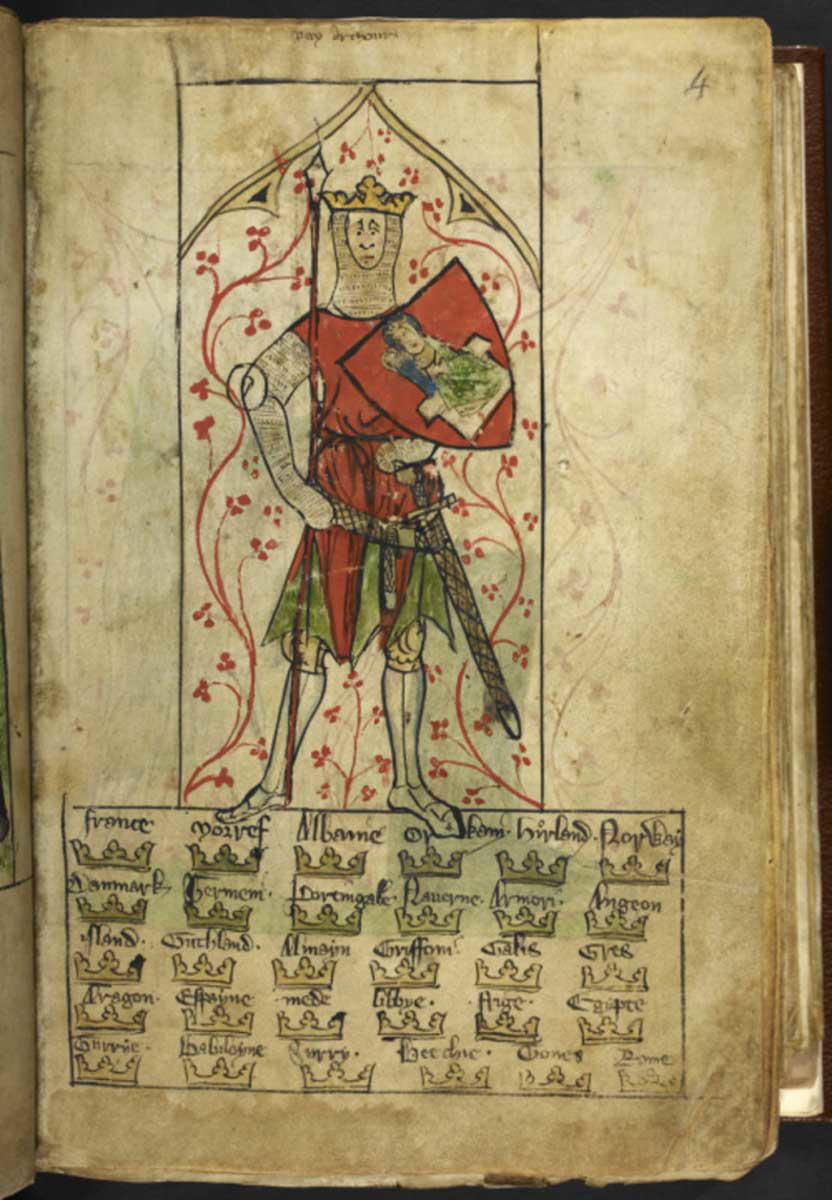
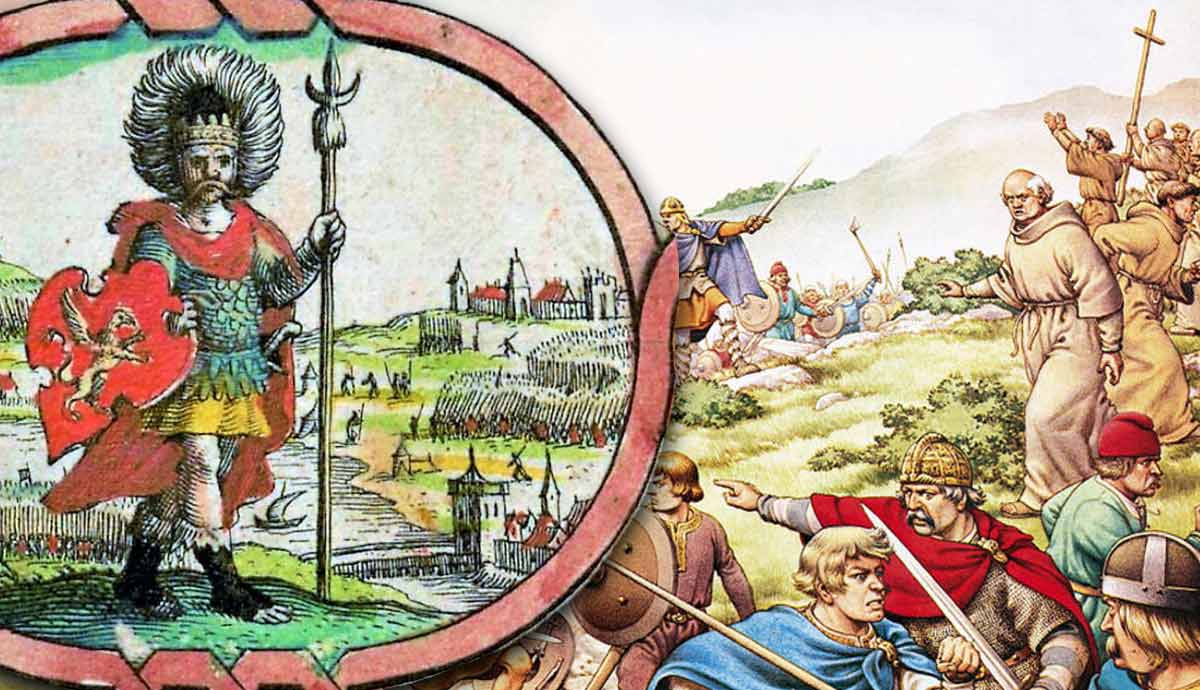
Without doubt, Cerdic of Wessex was an important and powerful figure in 6th-century Britain, a time when England as a united entity did not exist. However, as well as being important by virtue of founding the House of Wessex, there are some researchers who go beyond that. According to one theory, Cerdic of Wessex can actually be identified as the enemy of King Arthur. There are several reasons for thinking this. For one, most sources place Arthur in the southwest of Britain, such as in the West Country or in southeast Wales. From that region, the most powerful Anglo-Saxon kingdom in the 6th century was Wessex. It therefore makes sense that Cerdic might have clashed with Arthur, if he really existed.
Furthermore, Geoffrey of Monmouth’s Historia Regum Britanniae, which preserves many genuine traditions from before Geoffrey’s time, calls Arthur’s enemy “Cheldric.” It has been argued that this is a corruption of the name “Cerdic.” Such a scenario, while unconfirmed, is plausible.
Expanding Power: Egbert of Wessex
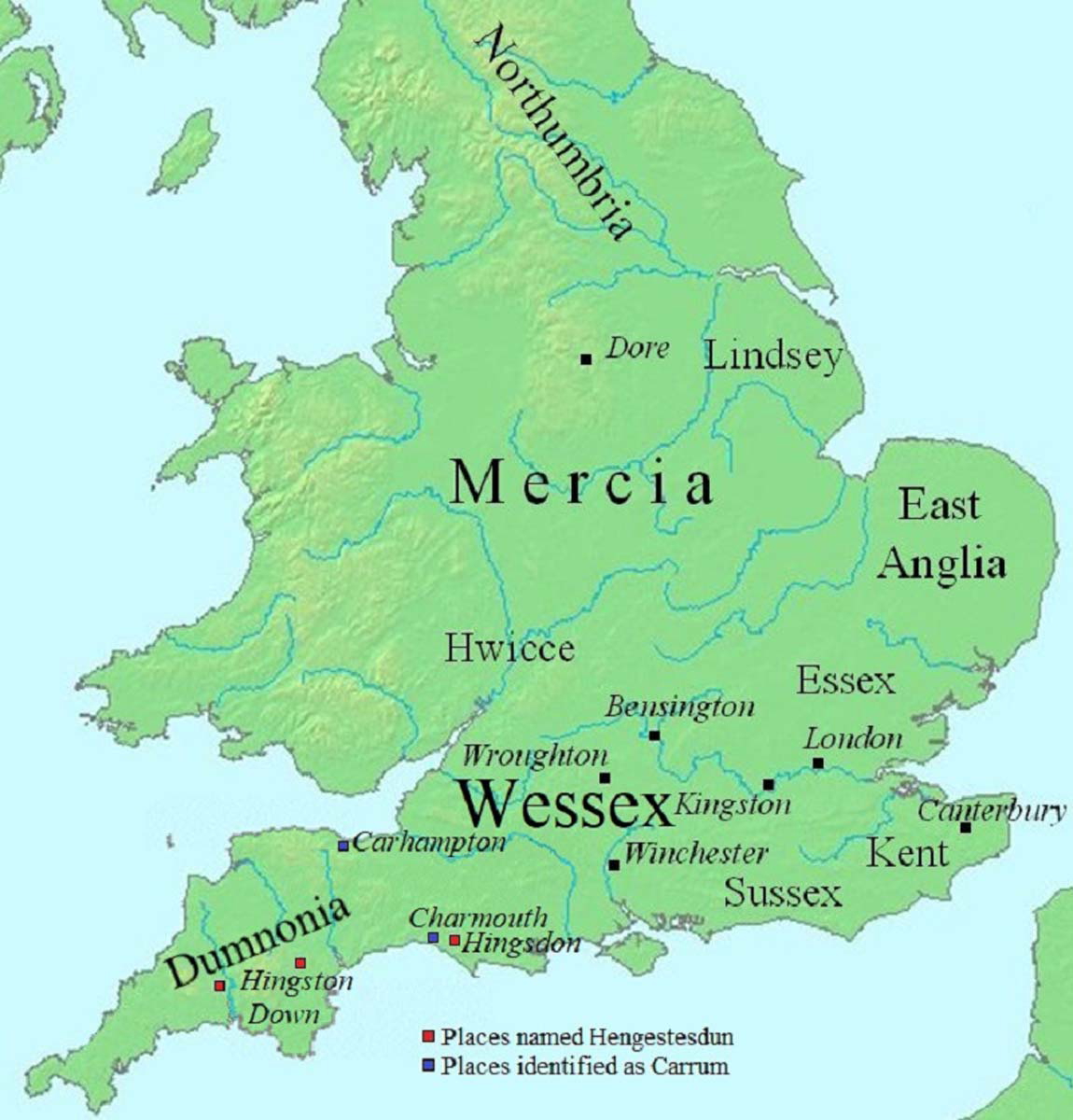
Centuries after the time of Cerdic, another powerful king from the House of Wessex was Egbert. He was important in establishing England as a united political entity. Before his reign, the English, or Anglo-Saxons, were divided into numerous distinct kingdoms. For example, there was the Kingdom of Wessex, the Kingdom of Mercia, the Kingdom of Kent, and others.
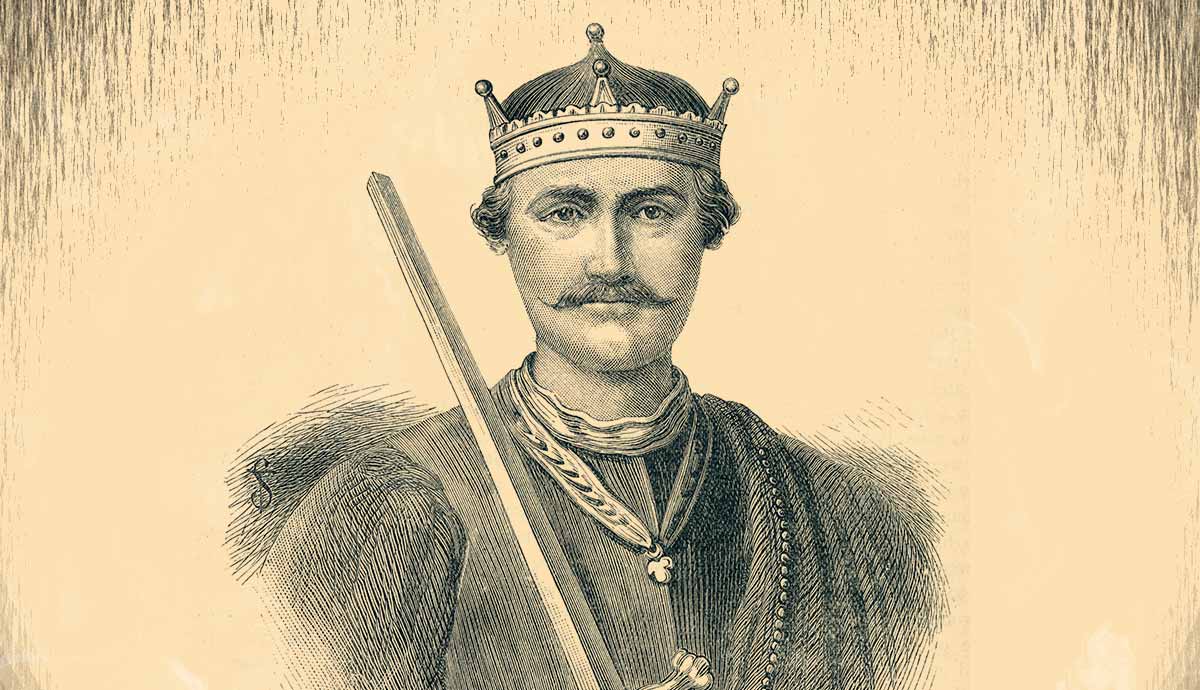
From the 8th century, Mercia’s power had been expanding, and it exercised some influence over Wessex. Beginning his rule in 802, Egbert threw off the yoke of the Mercians, making Wessex independent again. He then managed to defeat the Mercians in 825, bringing an end to their dominance over the other Anglo-Saxon kingdoms. Eventually, Egbert was accepted on genealogical grounds as the king of Kent, Sussex, Surrey, and Essex. Before his career ended in 839, Egbert had managed to turn the House of Wessex into by far the most powerful dynasty of medieval Britain, and England was finally beginning to take shape.
Undeniable Legacy: Alfred the Great
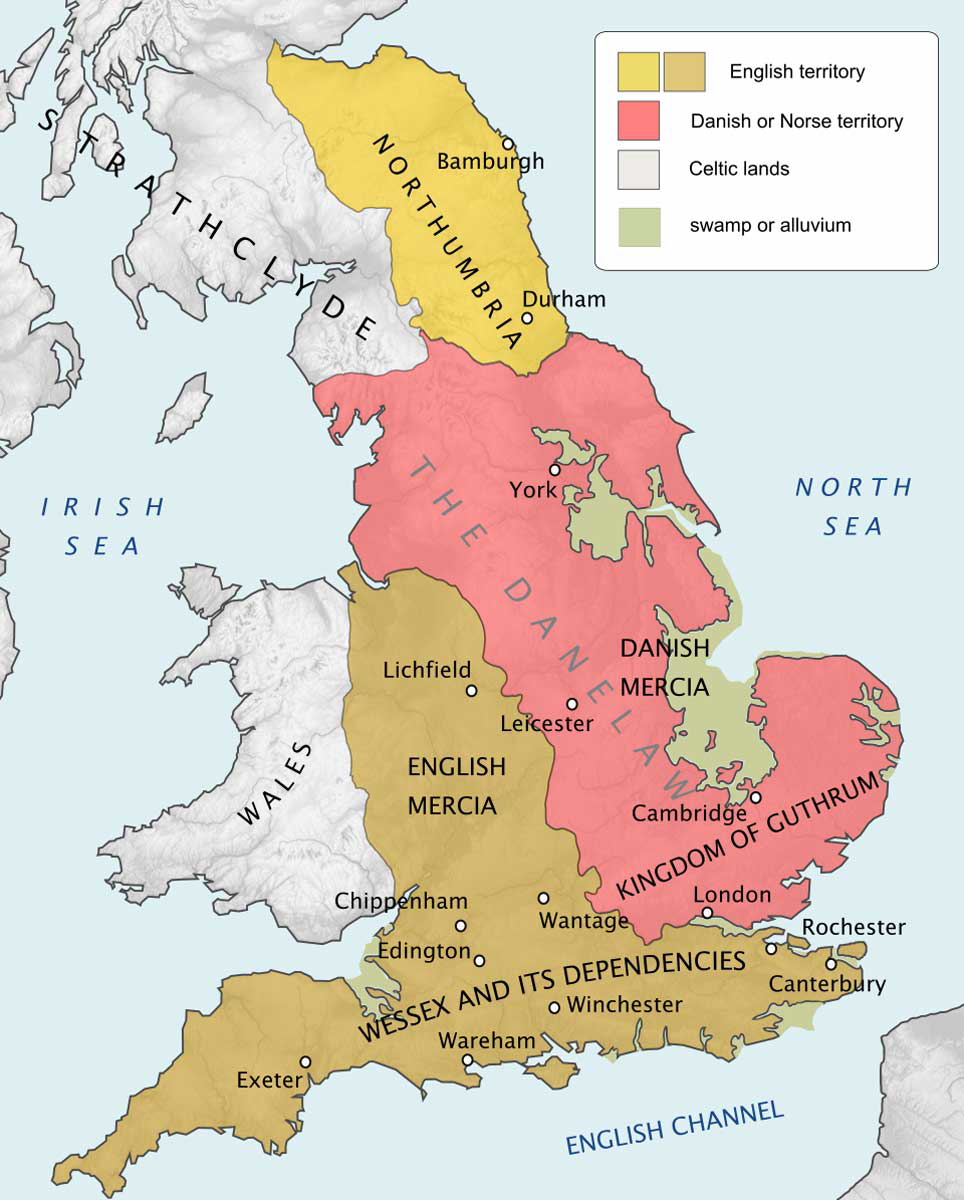
Egbert’s grandson was Alfred the Great, another powerful king crucial in the formation of England. In his time, the Vikings had conquered a large portion of what later became England. The Anglo-Saxon kingdoms were under threat. After ascending to the throne in 871, Alfred fought against the Vikings, achieving great military victories against them. The famous division of England between Anglo-Saxon territory and Viking territory (known as Danelaw) occurred under the supervision of Alfred.
Nevertheless, despite the formal agreement drawn up between Alfred and the Vikings, the latter continued to attempt to conquer more of England. Alfred continued fighting against them, using impressive defensive tactics, for many years thereafter. In 886, Alfred reconquered London from the Vikings. From that point on, he began styling himself as the King of the Anglo-Saxons, rather than just the King of the West Saxons (Wessex). This was an important step in the process of unifying the Anglo-Saxons into a single kingdom, to the point of even making it a question of terminology.
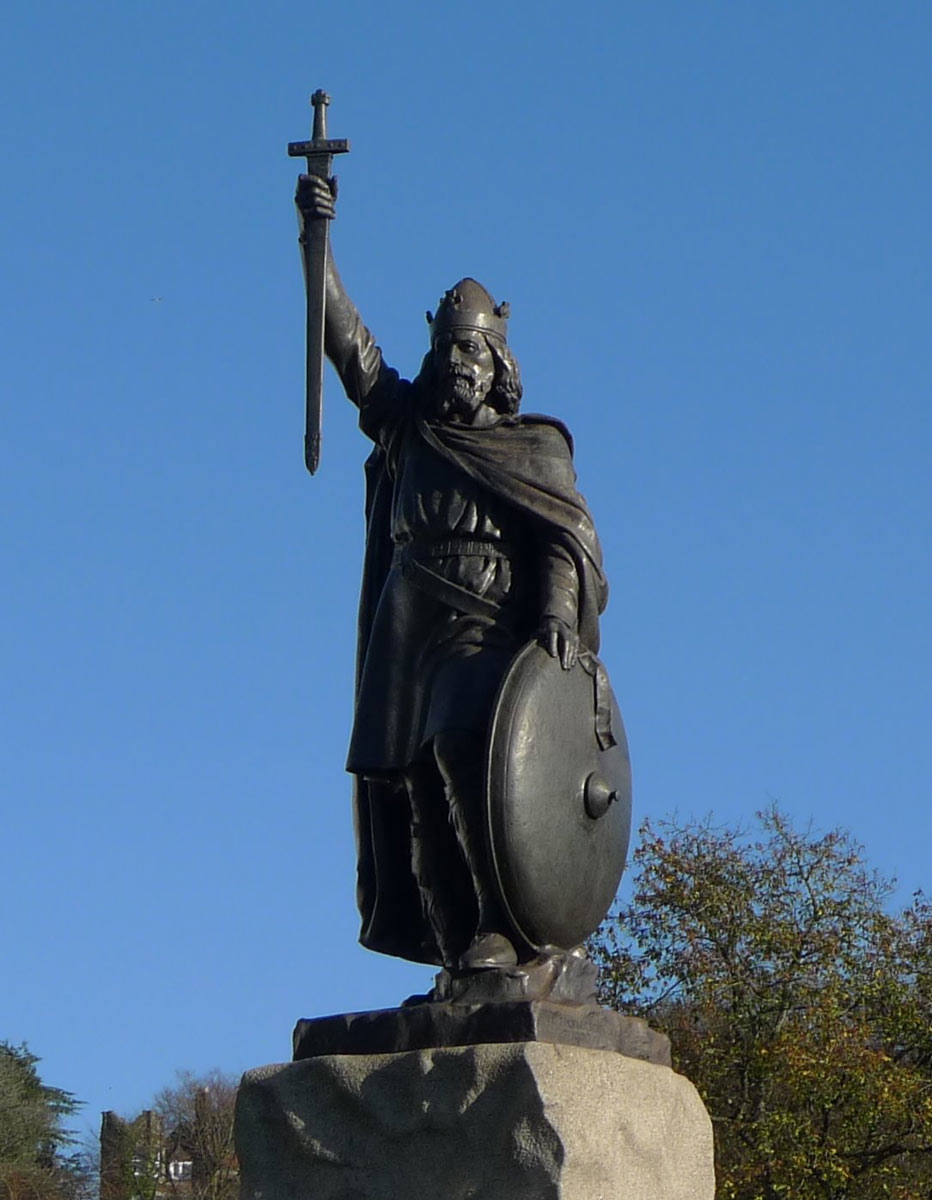
Alfred the Great is also remembered for his social reforms. He placed great emphasis on literacy and education. In fact, to Alfred, this was a necessity in being able to learn how to live in harmony with God’s will. Therefore, it was his policy for all freemen to learn to read English if they had the conditions to do so.
Furthermore, Alfred the Great established an influential law code. He did this after carefully analysing previous laws of the Anglo-Saxons and even the laws in the Biblical Book of Exodus. Alfred’s laws placed great emphasis on the protection of the weak.
As well as being a skilled military leader, it is clear that Alfred had a very scholarly mind. In fact, historians have noted that he would likely have been content to live the life of a scholar rather than becoming king.
King of All England: Athelstan
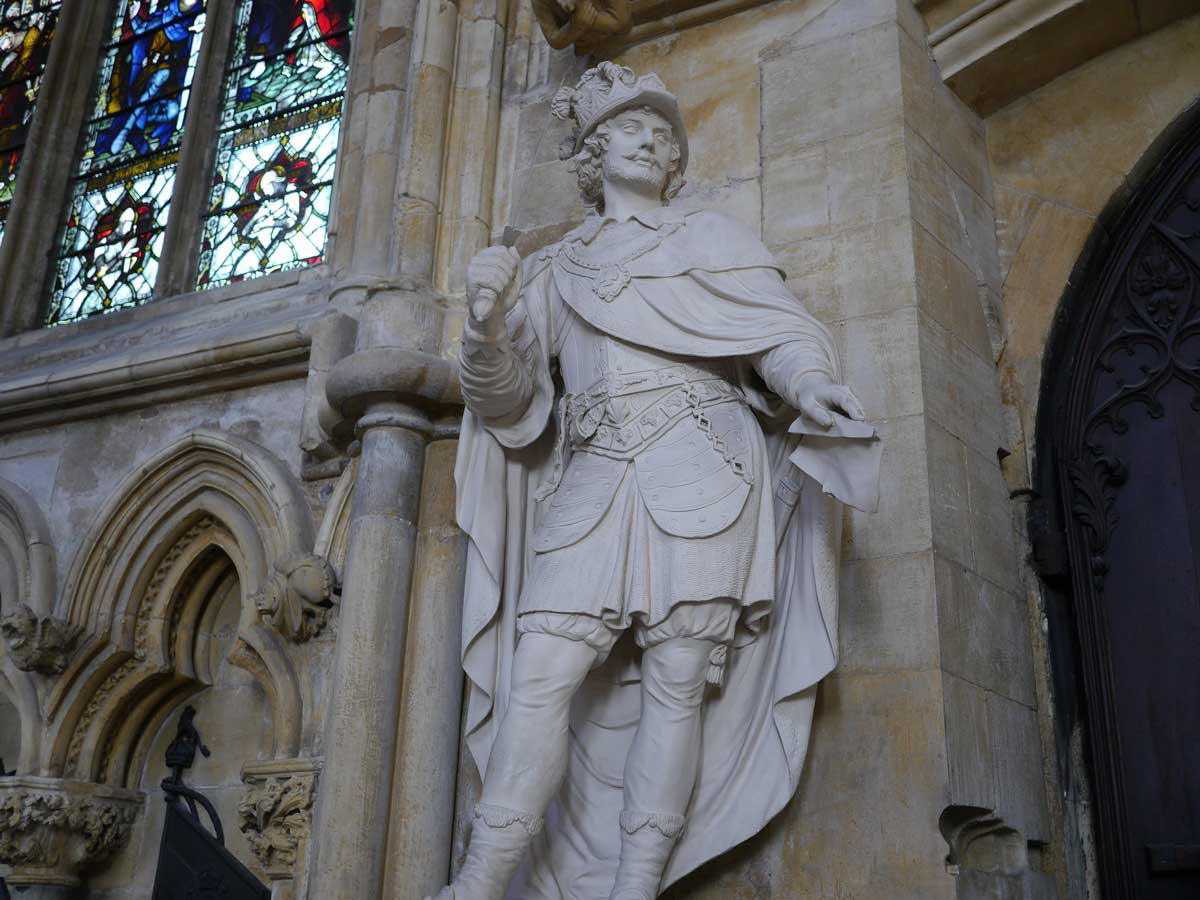
Alfred’s grandson Athelstan would prove to be another of the most powerful kings of England from the House of Wessex. He is widely considered to be the first true King of England, ruling over all of the Anglo-Saxons and all of what is now England. At first, when he was crowned king in 925, he was the king of only Wessex and Mercia. The Viking kingdom of York remained independent. However, just two years later, he subdued the Vikings and thus became the king of all of England. Hence, he was the first king to unite all of England into a single political entity, somewhat resembling what exists today.
Interestingly, Athelstan’s sovereignty actually extended even further than the boundaries of modern-day England for a while. In 934, for reasons that are still unclear to history, Athelstan invaded Scotland. He fought against Constantine II of Scotland and evidently won, since Constantine later witnessed a charter as a “sub-king” in recognition of Athelstan’s supremacy.
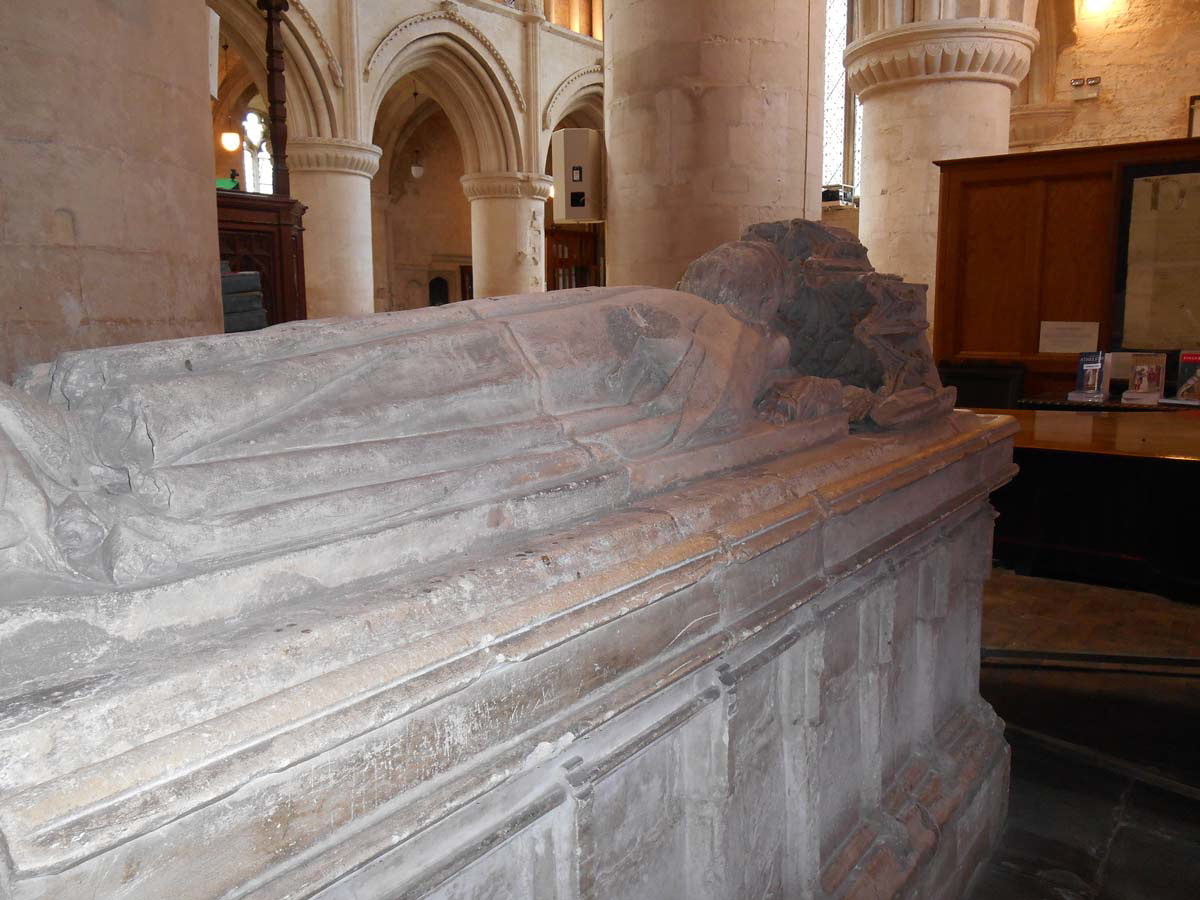
However, Athelstan’s reign would not continue unopposed. In 937, a major threat to his kingdom emerged. Owain of Strathclyde (a kingdom in western Scotland), Constantine II of Scotland, and Olaf Guthfrithson of the Vikings united against him. They hoped to defeat Alfred in battle and put an end to the dominance of the House of Wessex.
This campaign led to a major battle known as the Battle of Brunanburh. The exact location is unknown. What is known, however, is that Athelstan was able to achieve a mighty victory over his opponents. This cemented his rule even further. Athelstan went even further than his grandfather Alfred in the title he gave himself. He referred to himself on his coins and in official documents as King of All Britain.
Like his grandfather, Athelstan established a system of laws. These emphasised punishment against corruption and a concern for some of the most vulnerable in society.
Fall of the House of Wessex: Aethelred the Unready to Edward the Confessor
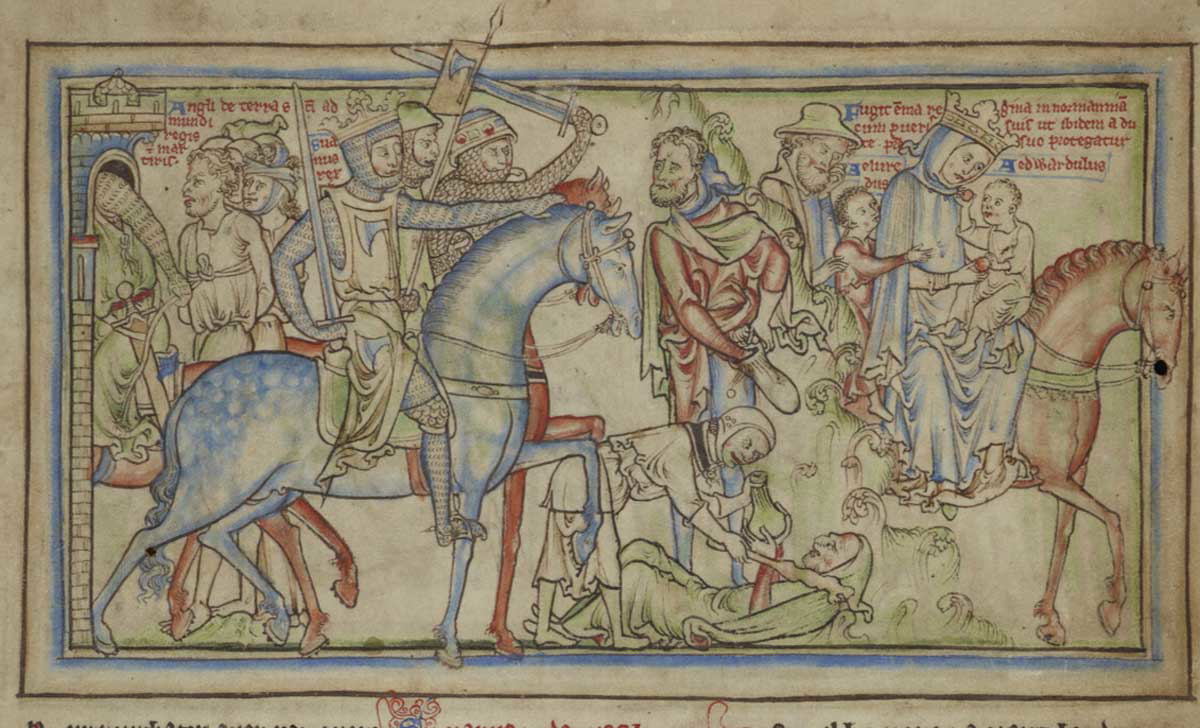
Edward the Confessor was the last king of the house of Wessex, and he only came to power after his house lost control of England for a period at the beginning of the 11th century. The problems began during the reign of Athelred the Unready, when, in 1002, he ordered all the Vikings in England killed in what would become known as the St Brice’s Day massacre. While it is unclear which Vikings were targeted and how many were killed, there is archaeological evidence confirming the massacre. A royal charter from 1004 CE also remarks on the “most just extermination” of the Vikings at Oxford.
Of course, the Vikings retaliated and under the leadership of Sweyn Forkbeard, who raided Wessex and East Anglia repeatedly from 1003 onwards before launching a full-scale invasion in 1013. His force was so overwhelming that Aethelred and his sons Alfred and Edward were forced to flee to Normandy, leaving the Viking to claim the position of King of England.
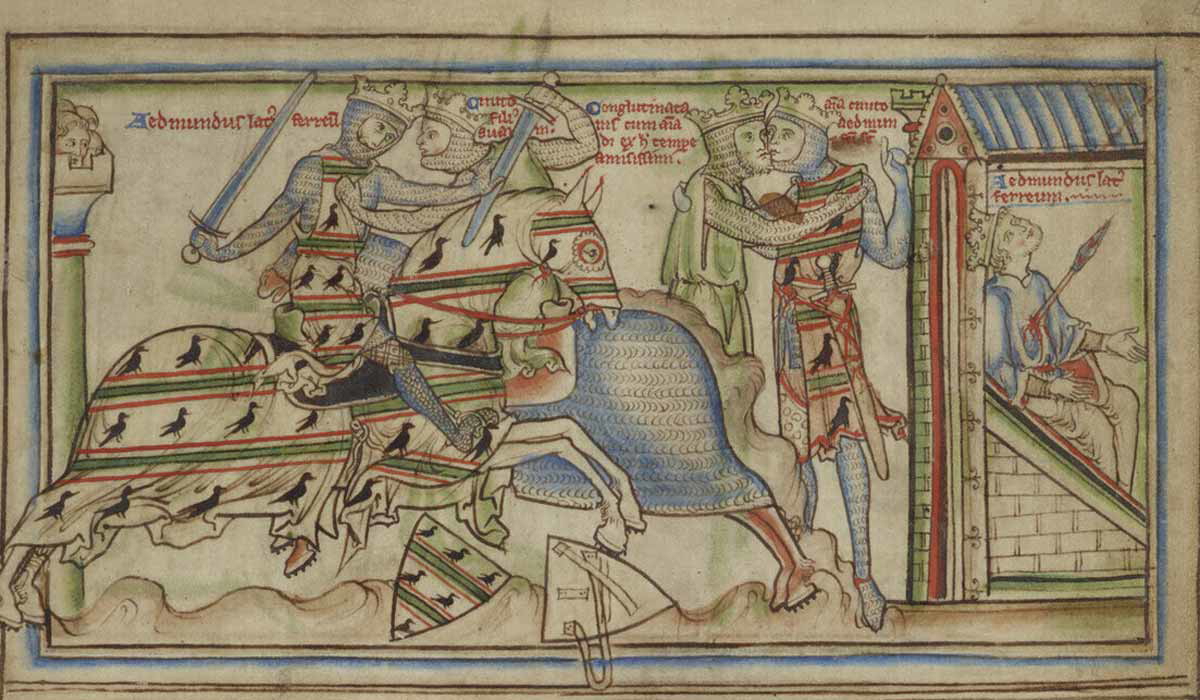
Sweyn Forkbeard died the following year and was succeeded by his son Cnut. He was forced to defend his claim to England from an army led by Aethelred and his eldest son Edward, but eventually overwhelmed them with a force of 200 ships and 10,000 men. He was officially crowned by the Archbishop of Canterbury in 1017 and married Emma of Normandy, Aethelred’s widow, to cement his position with the local elite. Cnut incorporated England into his North Sea Empire, which also included Norway and Denmark.
When Cnut died, power passed to his son with Emma of Normandy, Harthacnut, though not without opposition. When he died in 1041, his mother Emma had her son with Aethelred, Edward, recalled, restoring power to the House of Wessex in a bloodless transition.
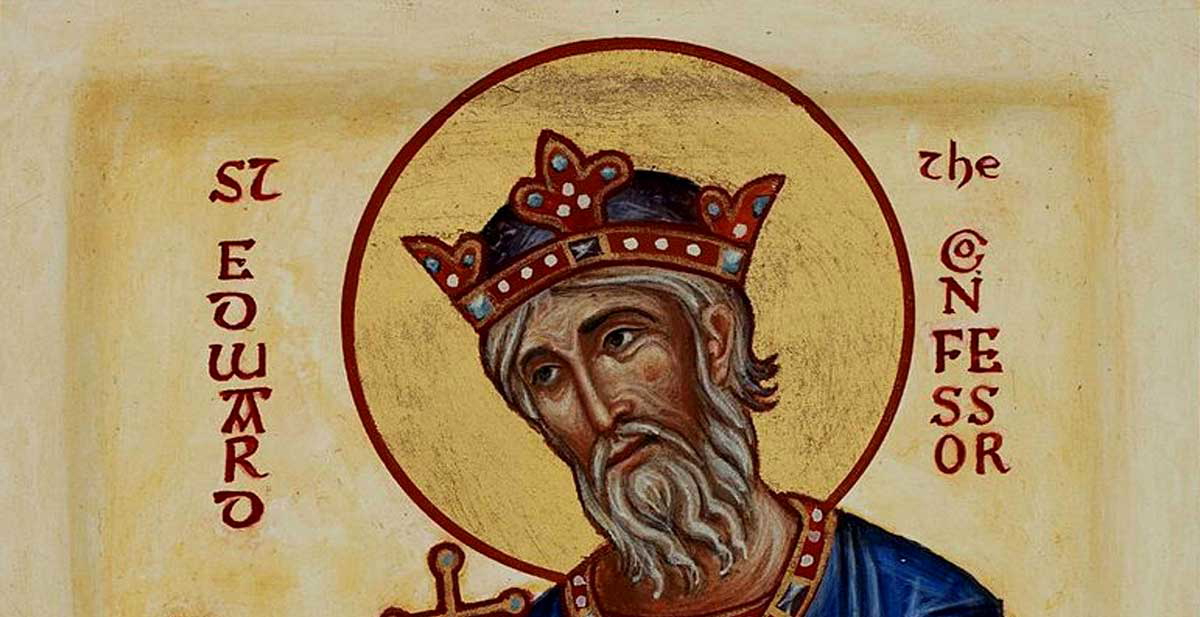
Known as Edward the Confessor for his pious nature, Harthacnut’s half-brother died childless in January 1066. It seems that to maintain peace during his reign, he had promised to name various powerful men as his heirs, including Harald Hardrada, the king of Norway, William, Duke of Normandy, and Harold Godwinson, from the English House of Godwin. These three men would fight over England for the rest of that year, with Harold Godwinson defeating Harald Hardrada at the Battle of Stamford Bridge in Yorkshire, weakening his forces, which were then defeated by William at the Battle of Hastings and the start of the Norman Conquest.
The Most Powerful Members of the House of Wessex
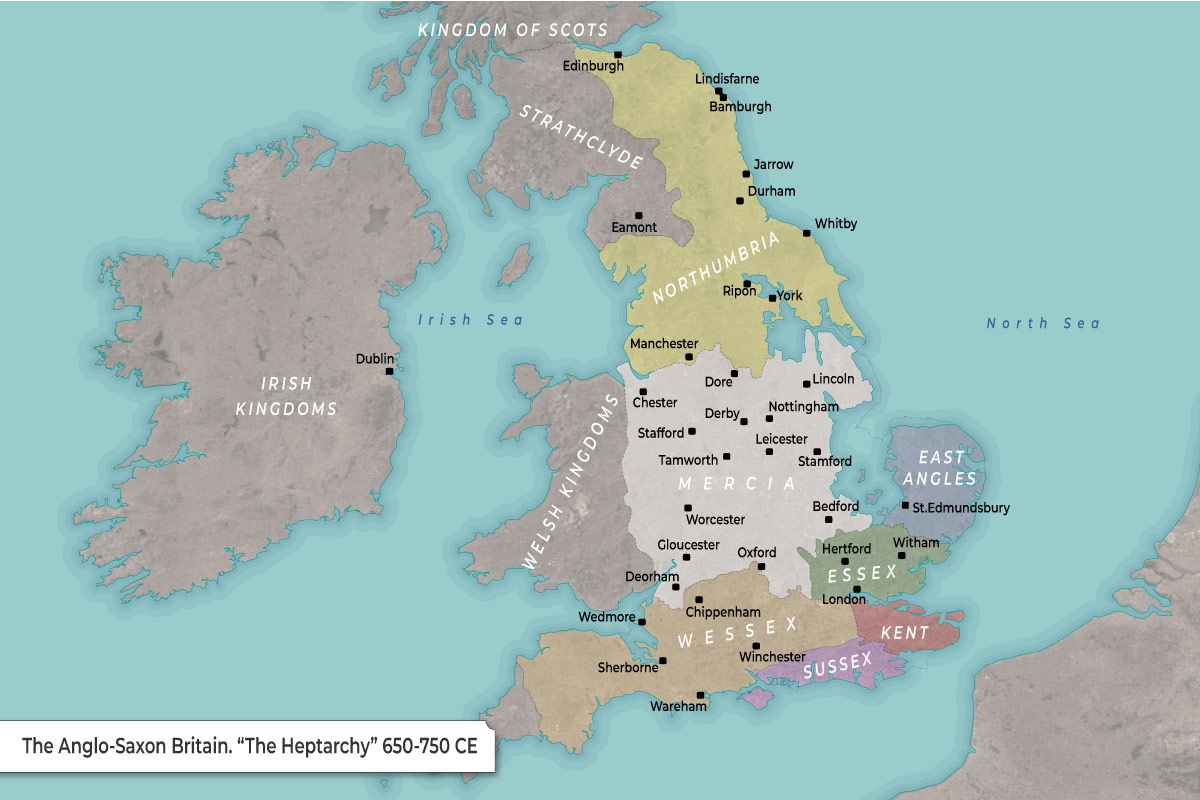
The kings of the House of Wessex were some of the most significant and powerful rulers in the history of early medieval England. Its origin goes back to the time of the legendary King Arthur. In fact, Cerdic of Wessex may well have fought against that war leader, perhaps being identical to the Cheldric of British legend. After Cerdic gave Wessex a strong foundation, it would ascend in power from the 9th century onwards, starting during the reign of Egbert. His grandson, Alfred, defended England from the Vikings and became the first king of all the Anglo-Saxons. The stability he created allowed his grandson Athelstan to become King of all England.
The last years of the House of Wessex were more tumultuous, with Aethelred the Unready being overthrown by the Viking Sweyn Forkbeard, leaving England in Viking hands for around 30 years. But marriage alliances and a lack of heirs would see power peacefully passed back to Aethelred’s son Edward in 1041. But when he too died childless in 1066, that was the end of the House of Wessex, and the end of Anglo-Saxon control of England due to the Norman Conquest.