Are our choices really our own, or are we simply adhering to age-old scripts ingrained in myth and memory—scripts we don’t even know exist? Carl Jung believed that within our collective unconscious are deep psychological patterns he called “archetypes.” These archetypes crop up in art and fairy tales. They drift into our dreams. They also surface in how we view ourselves. But if all of us are being shaped by these invisible templates, is anyone acting of their own free will?
What Are Archetypes and Why Do They Matter?
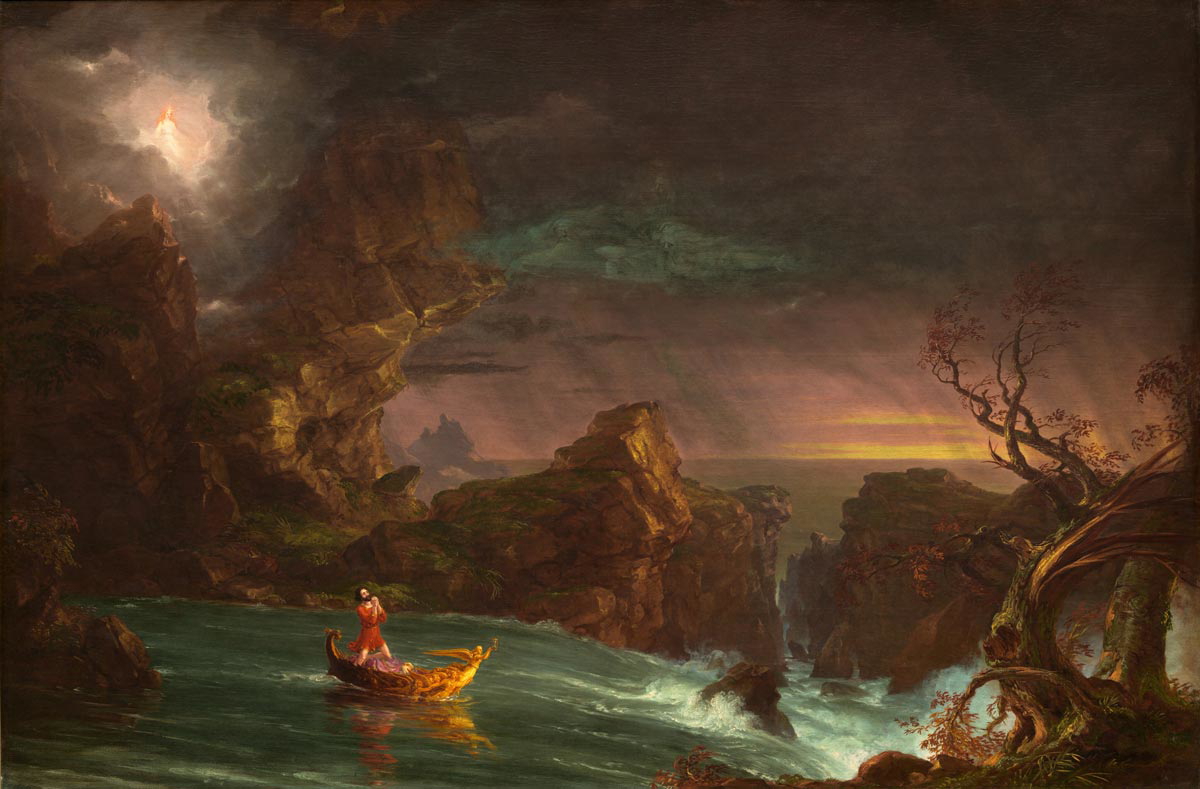
Archetypes can be likened to latent (hidden) characters found deep within. According to Carl Jung, the Swiss psychiatrist, these are universally recognized patterns or themes, meaning images and types of people that reside in our collective unconscious, a part of the mind we all share.
You will know them well: the Hero, the Shadow, the Mother, the Trickster, and many more. These figures appear not only in myths and dreams but also in everyday stories, including gossip about who did what to whom.
But why do archetypes matter? Because they help make sense of life. Jung believed existence is chaotic and that archetypes provide organizing principles akin to the plots of stories.
They show us common struggles—good vs. evil, growing up, love, and loss—and help us understand what we’re feeling deep down. They simplify the complexity of the human experience.
Joseph Campbell expanded on Jung’s ideas to create the Hero’s Journey. This is a pattern seen in stories worldwide: a hero sets out from home, faces tests and trials, changes along the way, then returns, transformed. From The Lion King to Star Wars, almost all blockbusters follow this ancient blueprint.
Archetypes resonate with us so deeply because they’re built on things we all understand to be true about human life. They reflect both the battles that go on inside us (regardless of who we are) and our biggest hopes.
Even if we’re not aware of this fact, archetypal motifs influence us every single day—the stories we tell, the roles we depict, and also the choices we make in real life.
The Case for Free Will: Choosing Within the Pattern
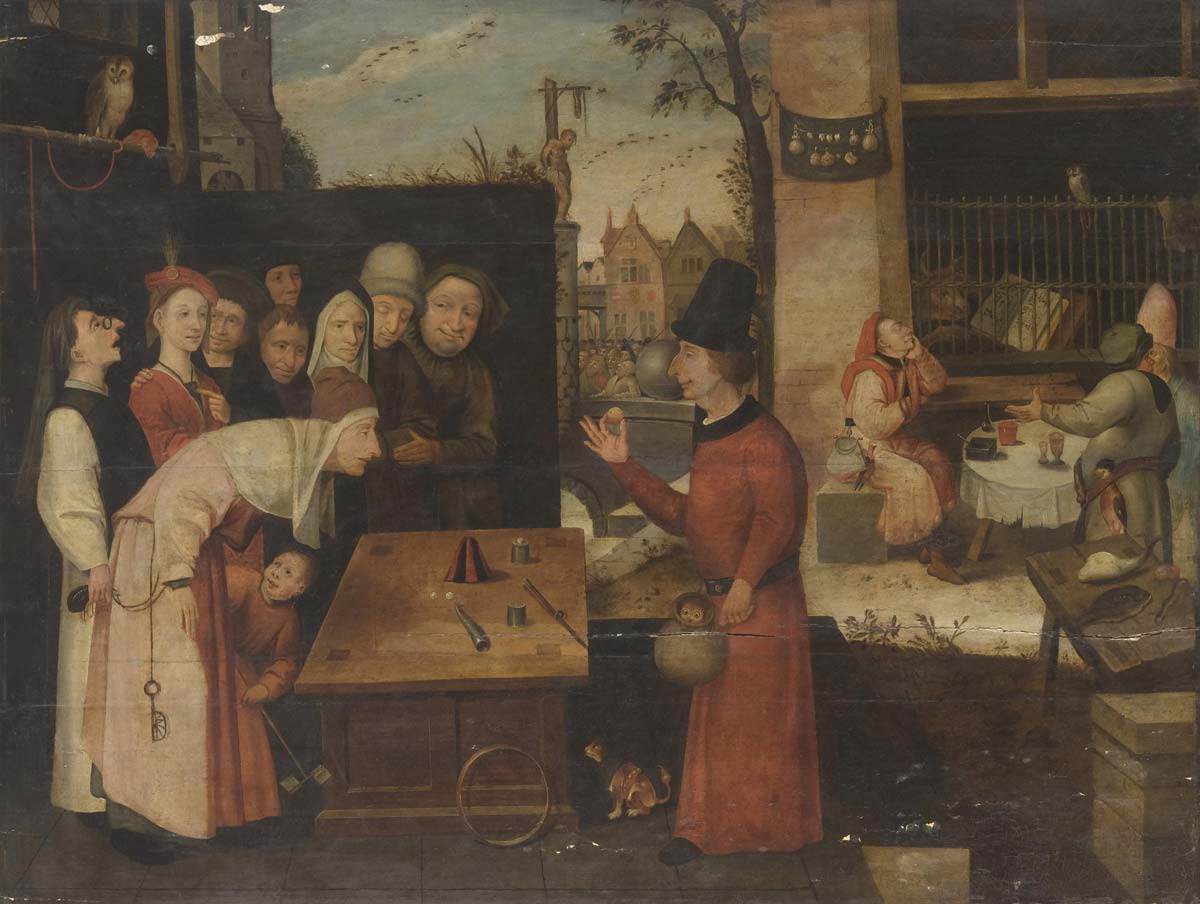
If archetypes exist everywhere, does this imply we are confined to certain roles even if we didn’t select them? Not necessarily. Jean-Paul Sartre, an existentialist philosopher, argued that we enjoy total freedom.
Far from having a predefined identity (an “essence”), our very existence is shaped by the choices we make. Even supposing archetypes are like so many outfits in an enormous communal wardrobe, it is up to us how we sport them.
Consider the Hero as an example. Some heroes play by the rules (such as Captain America). Others break them (Katniss Everdeen). It is the same pattern with different things going on.
Rather than rigid scripts, archetypes can be thought of as flexible, almost as if they were templates.
You might think of yourself as The Caregiver. But that doesn’t mean you can’t also set boundaries. Equally, energy typically spent on destruction could be directed toward healing (Rebel-related activities).
Philosopher Simone de Beauvoir further contended that freedom encompasses maneuvering societal pressures without sacrificing one’s identity. We’re not devoid of outside influences, but we can choose how to react.
In short, archetypes may influence us, yet they do not control us completely. We can change the narrative while still behaving like the hero or villain. Deciding whether to follow an archetype’s lead, give it a twist, or defy it altogether is an exercise of free will.
Archetypes as Destiny: The Illusion of Choice?
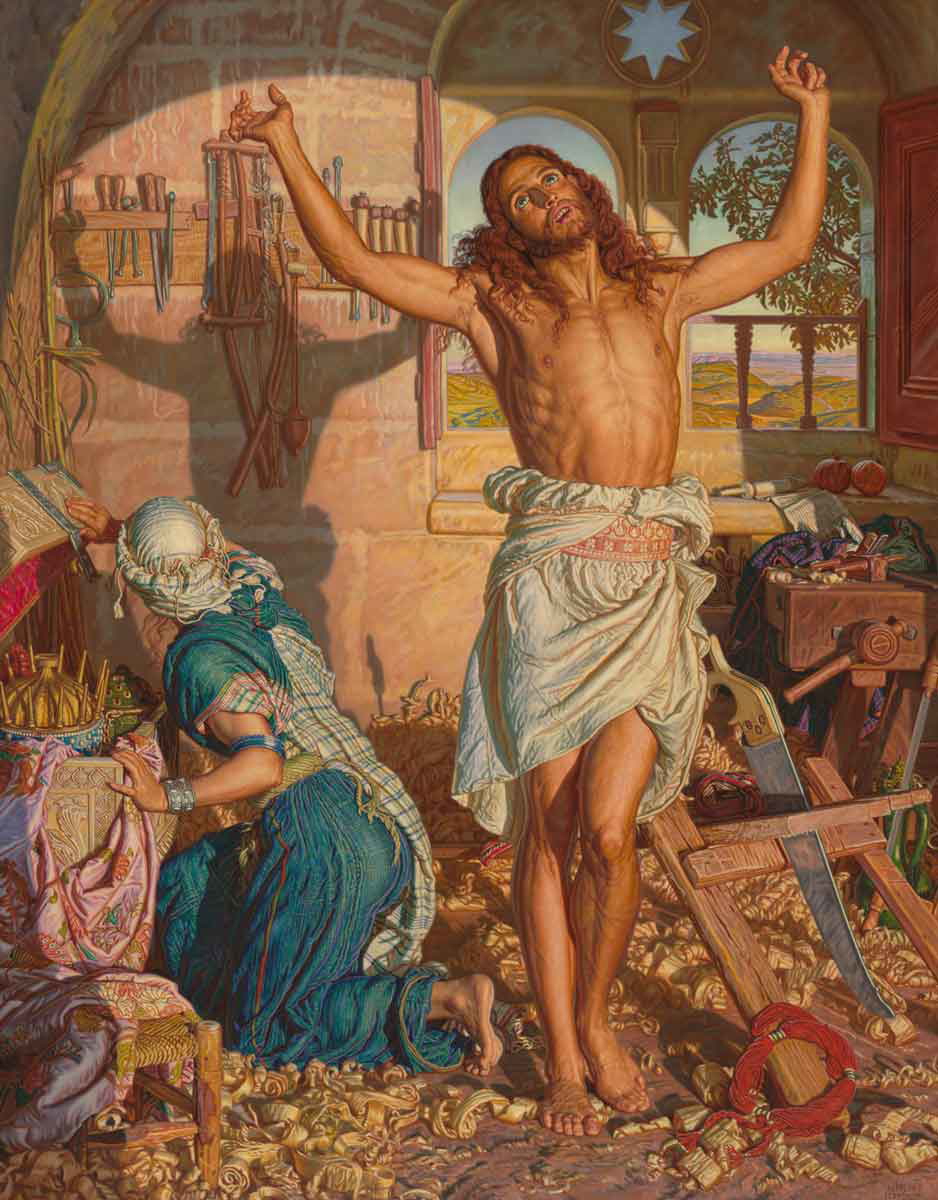
Consider this: What if we aren’t actually choosing our lives but rather fulfilling roles that we have unknowingly inherited? Carl Jung suggested that many individuals embody archetypes without being aware of them.
We may behave like the Hero, the Outlaw, or the Lover—yet not understand why. For Jung, the pathway to self-realization was to bring these patterns into consciousness. He called this journey individuation.
So long as we do not make this conscious effort, however, can we ever be considered free? Within the realms of both psychology and myth, there appears to be a bias towards determinism.
Archetypes make such a strong impression because they have been molded by centuries of storytelling, emotion, and culture. After all this time, do we simply fall into age-old patterns because they feel familiar and powerful?
Nietzsche goes even further with the idea of eternal return. He poses a question: If you had to live your life over and over exactly as it is right now, would you agree? If not, then are you free in how you live, or just following along a script that was written for you?
In pop culture, there are many tragic figures who seem to be controlled by something other than their own choices. It felt like destiny for Oedipus to fulfill a prophecy, no matter what. Anakin Skywalker went from being the hero of one story to its villain. But did he really “choose” this?
Sometimes, archetypes feel less like guidance and more like destiny.
Social Archetypes and Cultural Conditioning
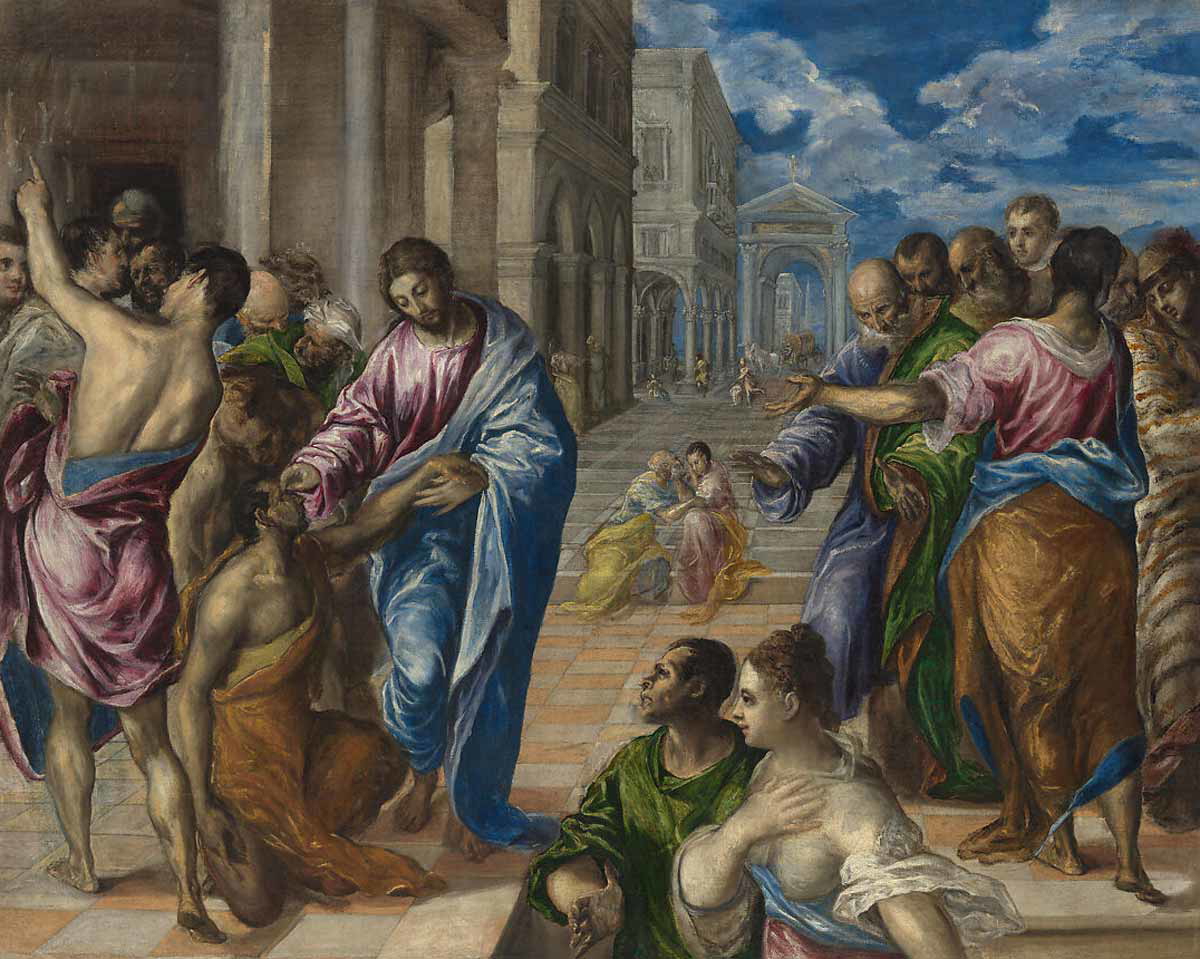
Some archetypes we don’t create ourselves, but society forces upon us. Whether it’s “The Warrior,” “The Mother,” or “The Outcast,” these roles don’t just appear in stories.
They’re part of everyday life, defined by categories such as class, race, and gender. Often, people decide at a young age what role best suits them, or others make the choice for them.
Judith Butler, a philosopher, says identity isn’t inherent. Rather, we perform it continuously. We learn by example what society expects from us and then play our respective parts.
For instance, even if a man doesn’t feel particularly strong, he may feel compelled to act that way, as if he were channeling The Warrior. A woman might not want kids but still find herself taking care of someone or something.
Michel Foucault extended this idea, asserting that schools, prisons, and hospitals get to decide what is “normal” and subtly control how we can become. These systems govern our archetypes by rewarding some actions and punishing others.
So, is it really possible to break free? It’s difficult. Culture honors some roles and keeps others secret. But when others subvert these roles—by living an authentic life or telling alternative tales—they chip away at established forms.
It’s not easy to escape, but to question the script is to make a movement toward rewriting it.
When Archetypes Empower Instead of Constrain
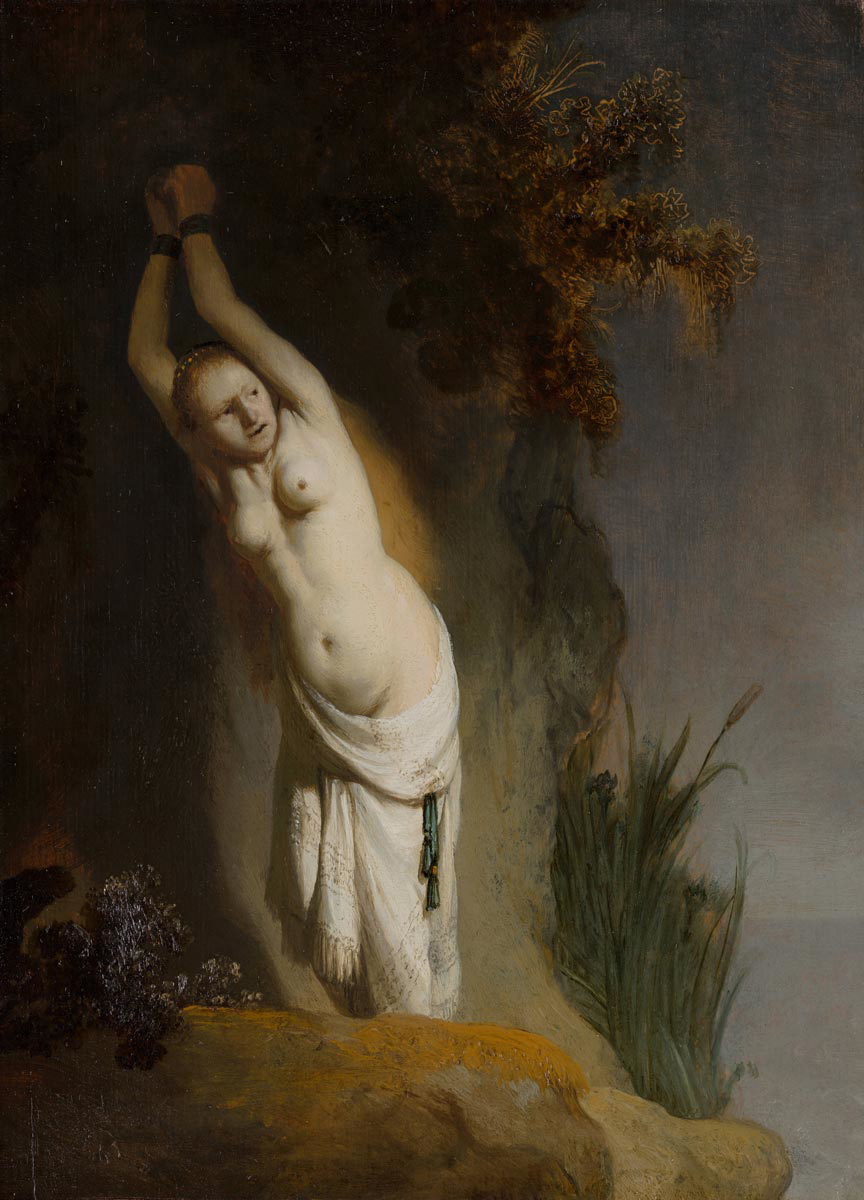
In fact, archetypes can both limit us and help us develop. Individuation is Carl Jung’s term for the process of becoming our true selves. It involves making the archetypes inside us conscious so that we are not controlled by them without knowing it.
Once we realize that we are acting as The Caregiver or The Hero, we can then choose to keep playing that role in our own way or perhaps change roles entirely.
Therapists, artists, and writers often use archetypes because they find that these ancient patterns of human behavior can act as mirrors. A woman may come to feel a lot stronger if she connects with The Witch, not as a figure of evil but as a powerful and wise outsider, for example.
And someone who has always thought of themselves as an Outlaw might realize that their behavior isn’t necessarily rebellious after all. Maybe what they really want is to find the truth and be free.
Philosophers such as Kierkegaard believed that the ability to choose one’s own identity is what sets humans apart, and although it can be frightening, this choice can never truly be taken from us. When we actively adopt an archetype, we turn it from a prison into a tool.
In some cases, recovering ancient ways of being can have a powerful counter-cultural effect. We tell the world: “I’m not limited by this role, but I can use it for self-expression.”
When people make this kind of move, their archetypal scripts cease to restrict them and may instead come to stand for personal metamorphosis.
Finding Freedom in Self-Awareness
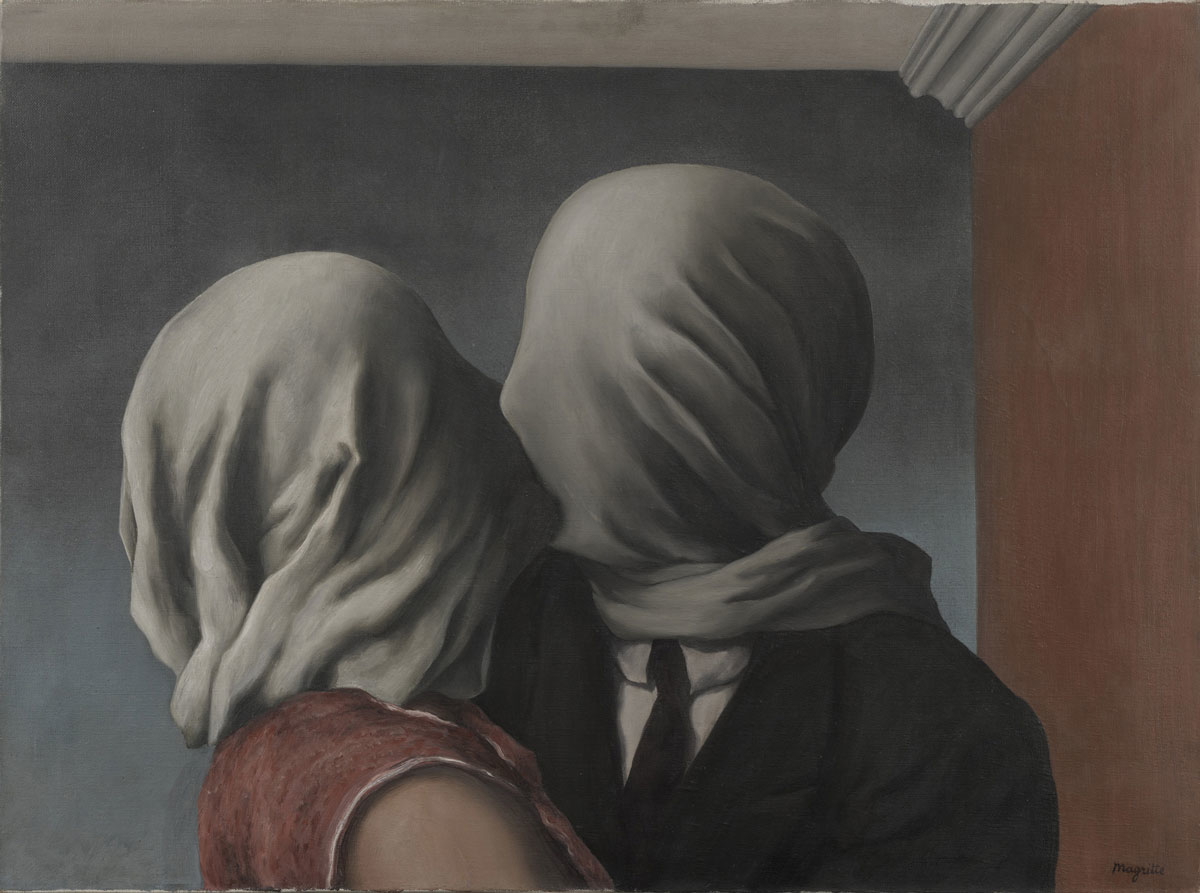
Even if we cannot fully avoid archetypes, we can learn how to live more freely with them. The secret is self-awareness. When we recognize the patterns we have inherited—the roles, the expectations, the symbols—then we can choose what they mean to us. This is not just psychology. It is also philosophy.
Søren Kierkegaard, a Danish philosopher, believed in becoming yourself, not just being yourself. By this, he meant making choices with awareness, even when you feel under pressure to conform to a script. It is not about rejecting your story. It is about learning to tell it in your own way.
For example, if you are living as “The Hero,” are you doing so because you want to be seen as brave (and maybe save others) or only to be seen as brave? If you are “The Caregiver,” are you helping out of love or duty?
We can’t redo the whole myth. We can reinterpret it. And it’s there that freedom resides—not in escaping all structure, but in reframing how we interpret what structure means for us.
As Jung explained, “Until you make the unconscious conscious, it will direct your life, and you’ll call it fate.” If we know the archetypes involved, we’re no longer mere actors on a stage. We’re the directors. Perhaps that is the most powerful form of freedom that exists.
So, How Do Archetypes Shape (or Limit) Our Choices?
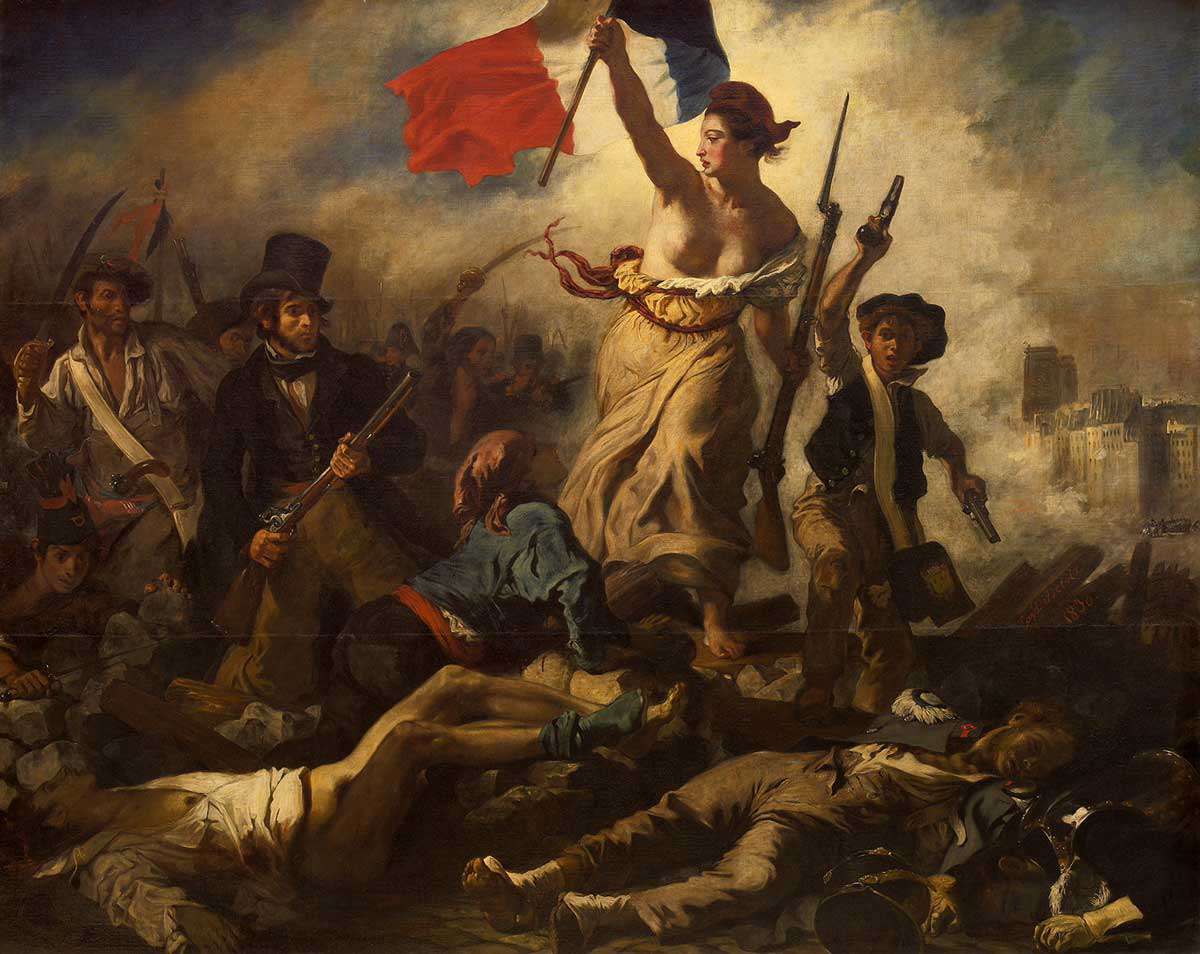
Archetypes wield immense influence from deep within our shared unconscious, which means they also shape how we perceive the world and ourselves. These timeless figures guide our actions far more than we usually recognize. Does this leave us trapped in their grip? Maybe not.
True, archetypal patterns often provide a script that feels natural to follow. But philosophers want to remind us that having insight into this fact can be liberating.
Jung, Kierkegaard, and Foucault. Their ideas suggest simply being aware of the role you’re occupying could give you room to move within it.
So yes, you might still be someone’s Rebel or someone else’s Caregiver—but now there is a why and a how behind the performance if you want them.
Are we bound by fate, or do we have freedom? Perhaps the answer is both. Archetypes provide a template, but we are the authors of our own life stories.
Real freedom doesn’t mean avoiding patterns. It means understanding the plot we’re part of and then deciding if and how we want to change course.