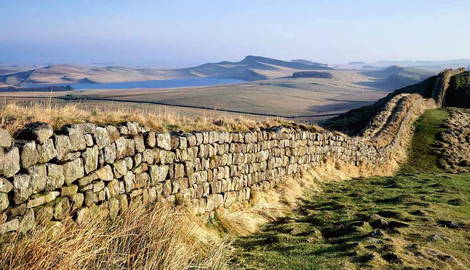
For the British Isles, the Romans introduced the idea of a controlled frontier. Hadrian’s Wall and the Antonine Wall separated the Roman world from the barbarians. In the 5th century, post-Roman Britain became a world of chaos. No single tribe or kingdom of Scots or Angles controlled the region for long. But these struggles laid the Borderland’s distinct foundation and, later, its often-lawless culture.
Two kingdoms arose during the medieval era: England and Scotland. The Borderlands developed over time. The 1237 Treaty of York established a formal border, fixing it along the Solway Firth and the River Tweed. This region’s river valleys, plains, and hills remained contested. Creation of the Marches as buffer zones only further formalized the frontier.
Geography’s Hindrance and Assistance
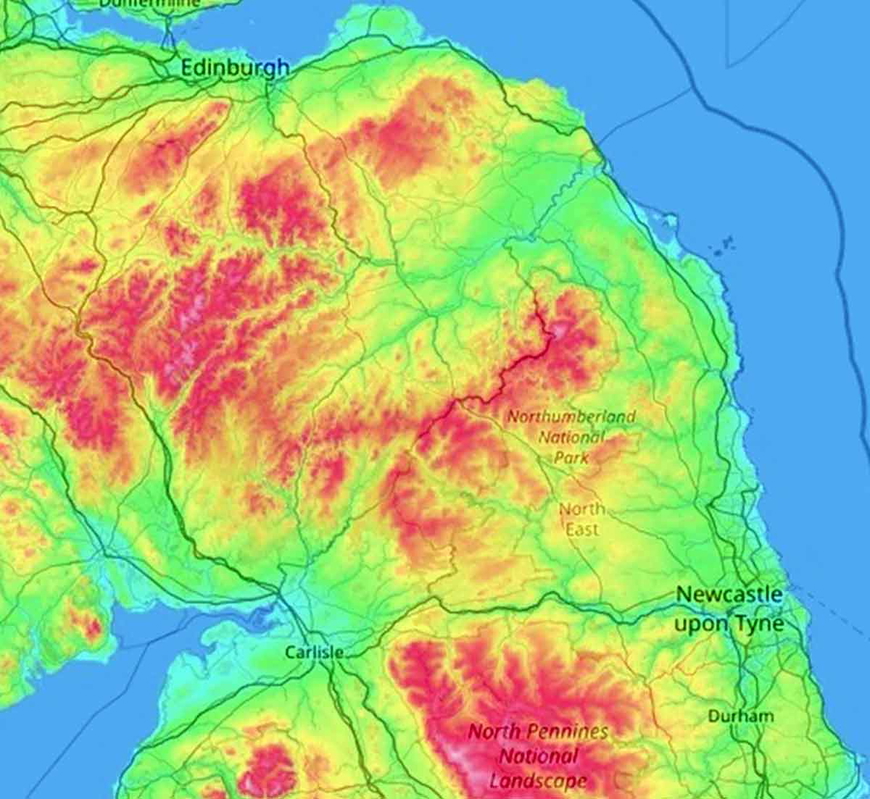
The Borderlands offered strategic value to both countries. For England, the uplands and river valleys absorbed Scottish attacks, shielding wealthier lands beyond. Scotland used the topography to extract concessions or apply pressure. The region’s river valleys became predictable through ways, while the upland’s rugged terrain presented the opposite.
Over time, serious defensive structures sprang up. Royal castles like Berwick, noble strongholds, and numerous watchtowers sprinkled the landscape. These served as barriers, safe havens, and communication centers during raids or invasions. Defenders lit beacons to raise the alarm. Secondly, bigger castles like Berwick bolstered any defenses.
Economics and the Marches
Thin soil, short seasons, and unpredictable weather made Borderland agriculture a no-go. But such conditions proved excellent for sheep and cattle. Wool production became a dominant product, feeding the larger international trade to the continent. Regional towns like Jedburgh became economic fixtures in a rural area.
People from both countries made a living despite raids, clan rivalries, and wars. A frontier economy built on mobile wealth like sheep and cattle, combined with volatile politics, created the Reiver culture.
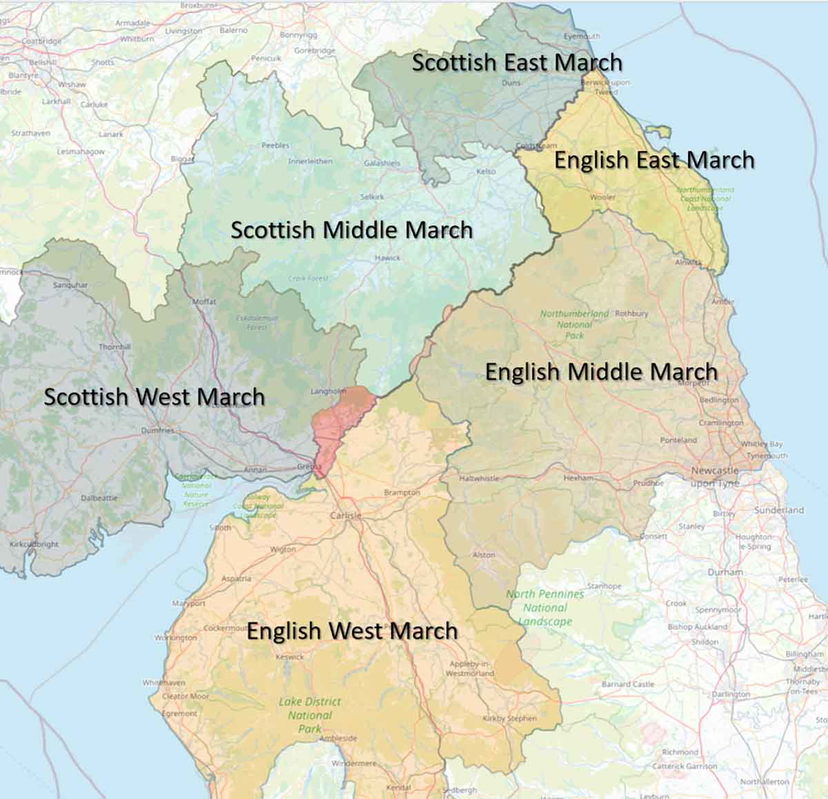
The Borderland Marches were formed around 1249 by both kingdoms. Divided into West, Middle, and East Marches, they attempted to manage chaos and feuds. Royally appointed Wardens, though powerful, needed to carefully balance royal duties with local politics. Warden responsibilities included raising armies, defending, responding to raids, and negotiating with their cross-border counterparts. Wardens also enforced the March Law. This legal system, sanctioned by the kingdoms, allowed for negotiation and compensation for raids. The Law even allowed for the Warden to pursue raiders across the border.
Exclusive to the Wardens’ purview was the “Days of Truth.” At open-air assemblies, Wardens met at neutral spots to render judgments, pass sentences, or turn over offenders. The March Law only existed in the Borderlands.
The Infamous Reivers
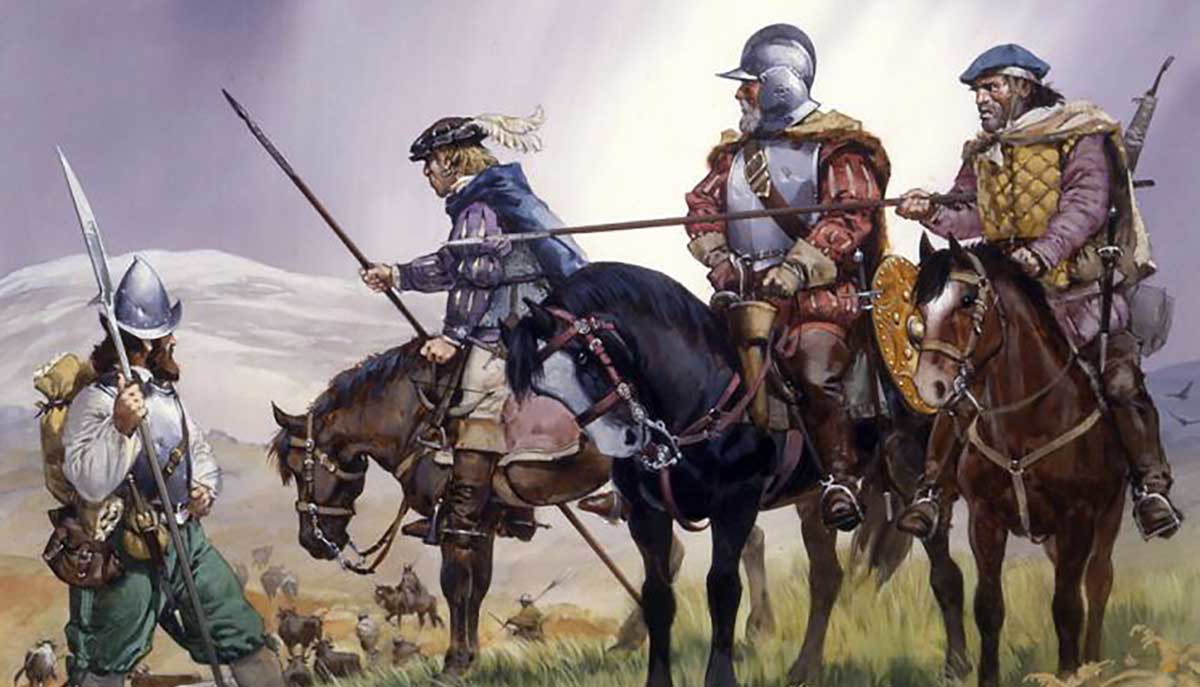
At the heart of the Borderlands stood the Reivers. The reivers, named after the verb “reive” (to rob), thrived from the late 1200s to the start of the 17th century. These intertwined family clans operated on either side of the border. Scottish or English didn’t matter as kinship came first. Famous Border Reiver families included the Armstrongs, Nixons, and Bells. And in this unpredictable mess, feuds got messy fast. Killing a Bell, for example, could ignite a generations-long feud.
Different factors made raiding necessary and even expected. Life in one of Britain’s poorest regions proved difficult. Frequent wars left scorched earth and destruction. Also, add lousy harvests from marginal lands, small herds, and hunger. Raiding became a survival tactic. Reivers became skilled horsemen, trackers, and guerrilla fighters. The list of their activities besides rustling included arson, kidnapping, and extortion. The Wardens often did little due to corruption, clan loyalties, or underfunding.
Over time, raiding in the Borderlands evolved into a way of life. The clans, based in their towers, dominated this frontier region. Both governments rarely attempted to break the chaos.
1603 Union of Crowns Means the End
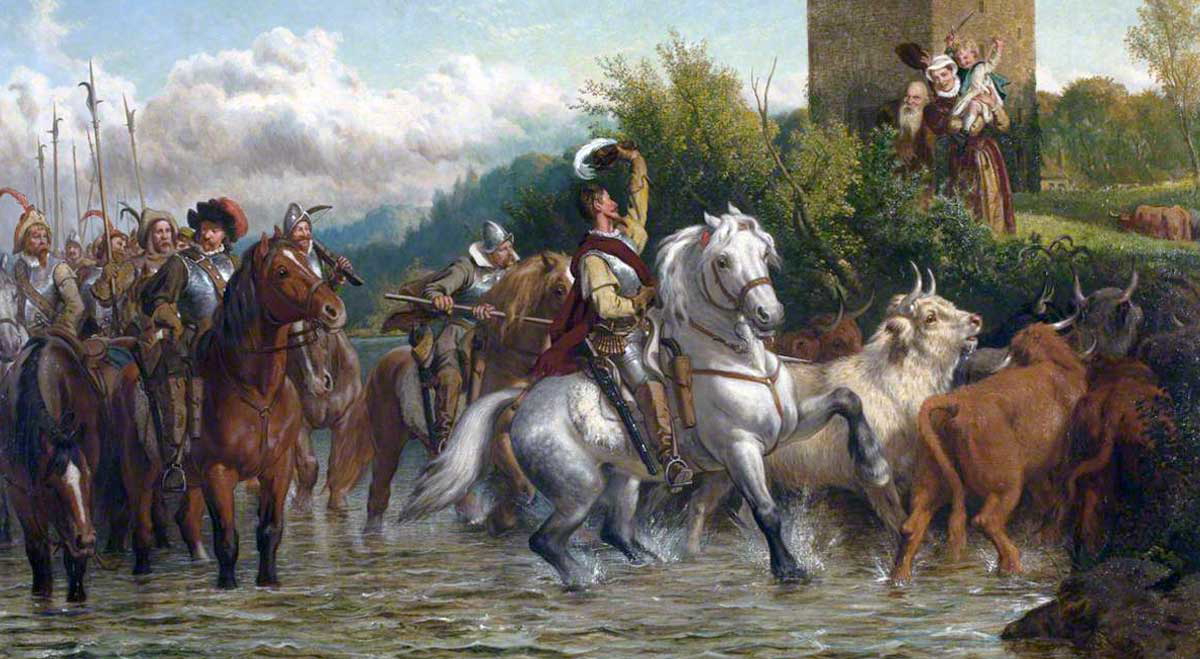
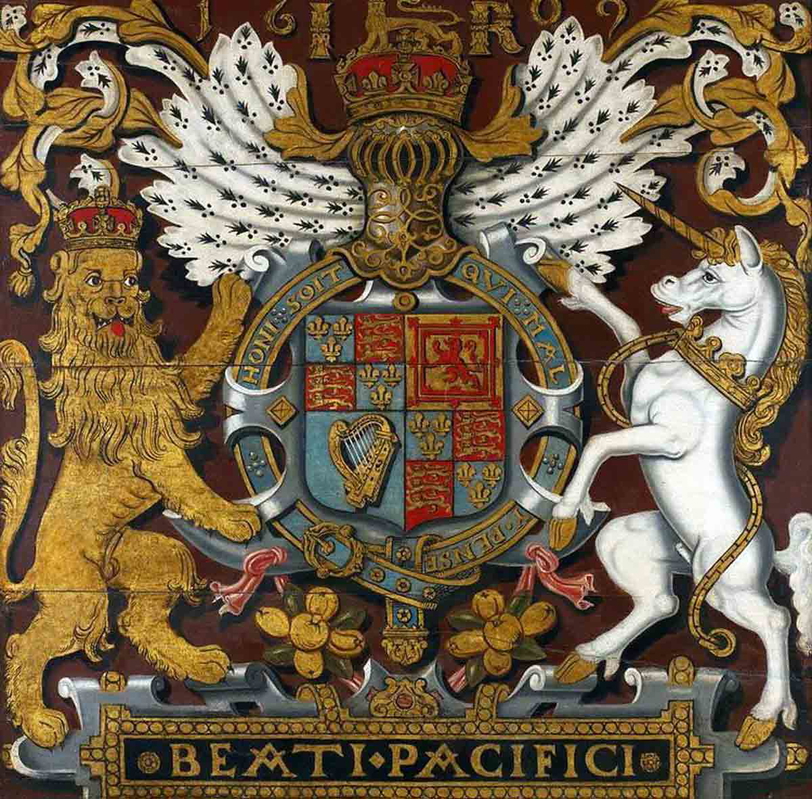
Like the American frontier, the Borderlands changed with time and politics. The year 1603 witnessed Scotland’s King James VI inherit England’s throne as James I. Under one ruler, James I thought the Borderlands unnecessary. He abolished the Marches and the Wardens and renamed the region the Middle Shires.
As for the Reivers, royal authority arrived with brutal swiftness. Under royal orders, the Reiver culture ended. In a seven-year campaign, executions, imprisonments, and deportations broke up the Clans. Royal garrisons occupied or destroyed Clan towers to prevent feuds. The once lawless frontier became a sleepy agricultural zone.
The Modern Day
Today, the Anglo-Scottish border marks the legal divide between the two countries. In the bigger picture, the Borderlands shaped cultural exchanges and regional identity. Politically, it helped form the two countries as they are today.