In the years between 44 and 31 BCE, the Roman Republic was in a state of political upheaval. Two men controlled the entire state, and tension between them was mounting. Octavian, the adoptive son of Julius Caesar, controlled the Western territories while Mark Antony, one of Julius Caesar’s lieutenants, controlled the East. Tension would eventually escalate into war, culminating in the Battle of Actium in 31 BCE, leaving only Octavian as the sole ruler of Rome. But what caused the relationship between the two most powerful men in Rome to break?
Reluctant Allies
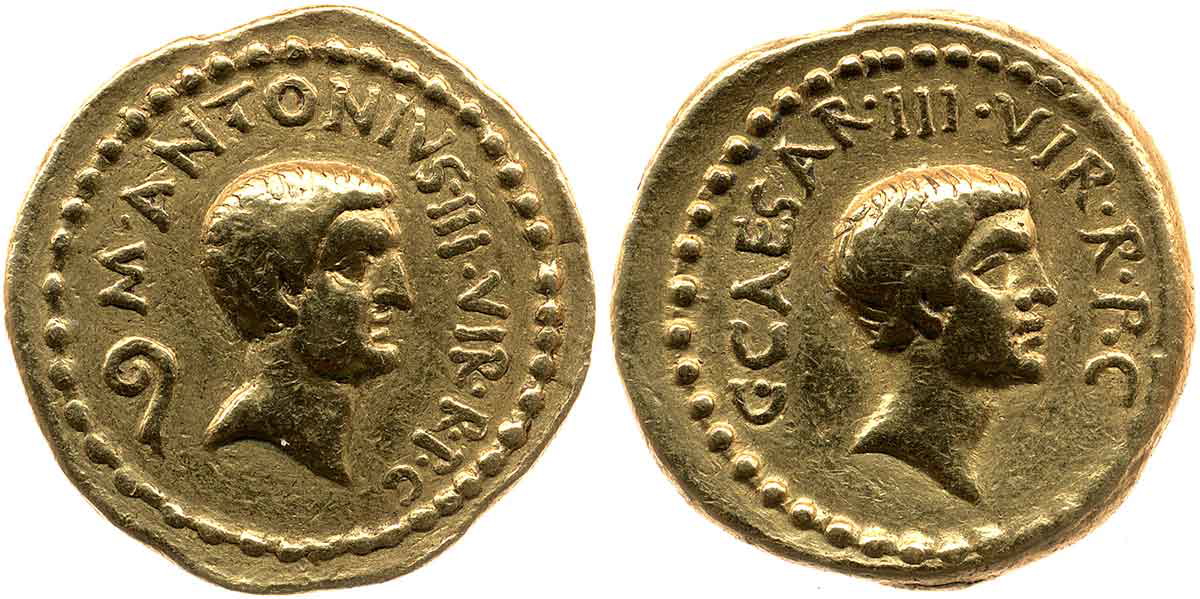
The relationship between Mark Antony and Octavian was always more reluctant than friendly. After the death of Julius Caesar (March 44 BC), when Antony read the will that announced Octavian as Caesar’s adoptive son and heir, Antony initially opposed Octavian’s claim. The Senate, viewing Antony as a new tyrant, supported Octavian, believing that they could use the young man to eliminate Antony.
Antony’s position in Rome was becoming precarious. His term as consul was ending, so he had the Senate assign him the governorship, choosing for himself Cisalpine Gaul despite the Senate assigning him to Macedonia. Decimus Brutus, one of Caesar’s assassins and the current governor of Cisalpine Gaul, refused to resign his post, so Mark Antony marched an army into the province to besiege Decimus at Mutina (October 44 BC). The Senate, led by Cicero, labeled Antony a hostis, or enemy of the state (April 43 BC). They gave Octavian the legal power to command armies, sending him along with the two new consuls to Mutina to oppose Antony.
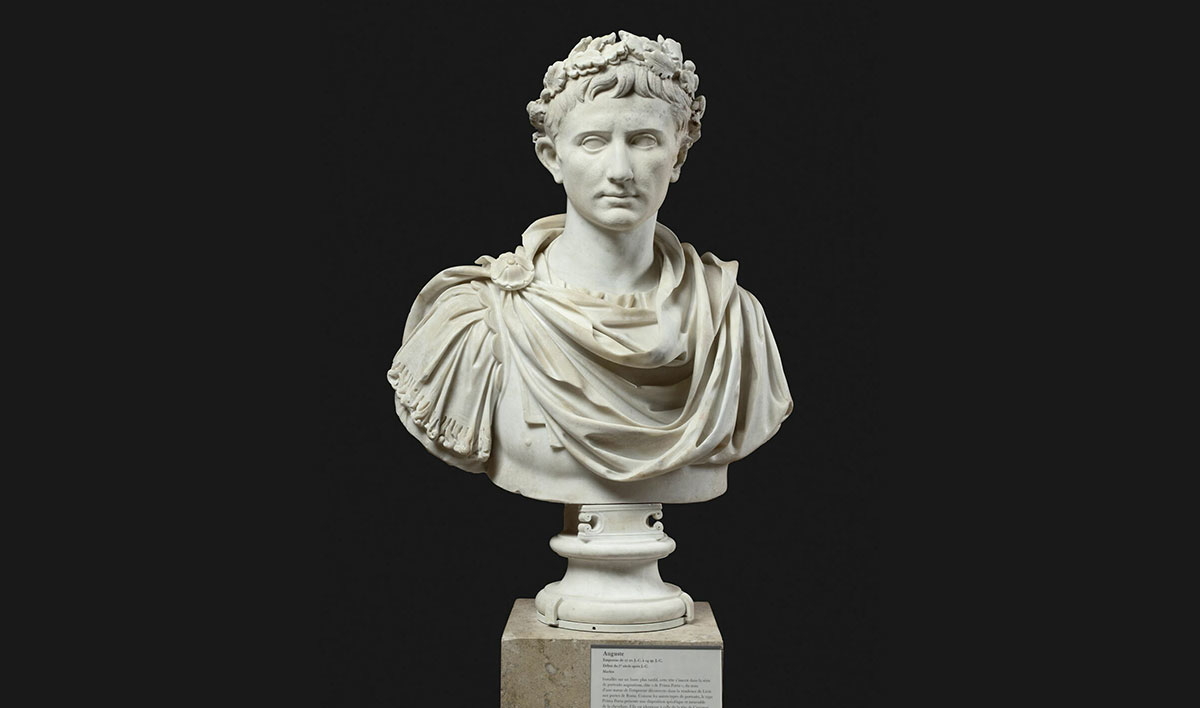
Octavian’s armies defeated Antony, but the two consuls were killed in the fighting, leaving Octavian in sole command of Rome’s armies. With Antony defeated, the Senate gave command of legions to Decimus Brutus and assigned the governorships of Macedonia and Syria to Junius Brutus and Cassius, all among Caesar’s assassins.
Octavian entered into secret negotiations with Mark Antony, who had fled to Transalpine Gaul and assumed command of the legions there nominally belonging to Lepidus. Octavian demanded that the Senate name him as consul, but they refused, so he marched on Rome with his legions and took control of the city (August 43 BC). He forced the Senate to make him consul, then returned to Cisalpine Gaul, where he, Antony, and Lepidus formed the Second Triumvirate. The primary objective of this alliance was to avenge Caesar’s murder, which pitted them against Brutus and Cassius.
Fulvia’s Revolt
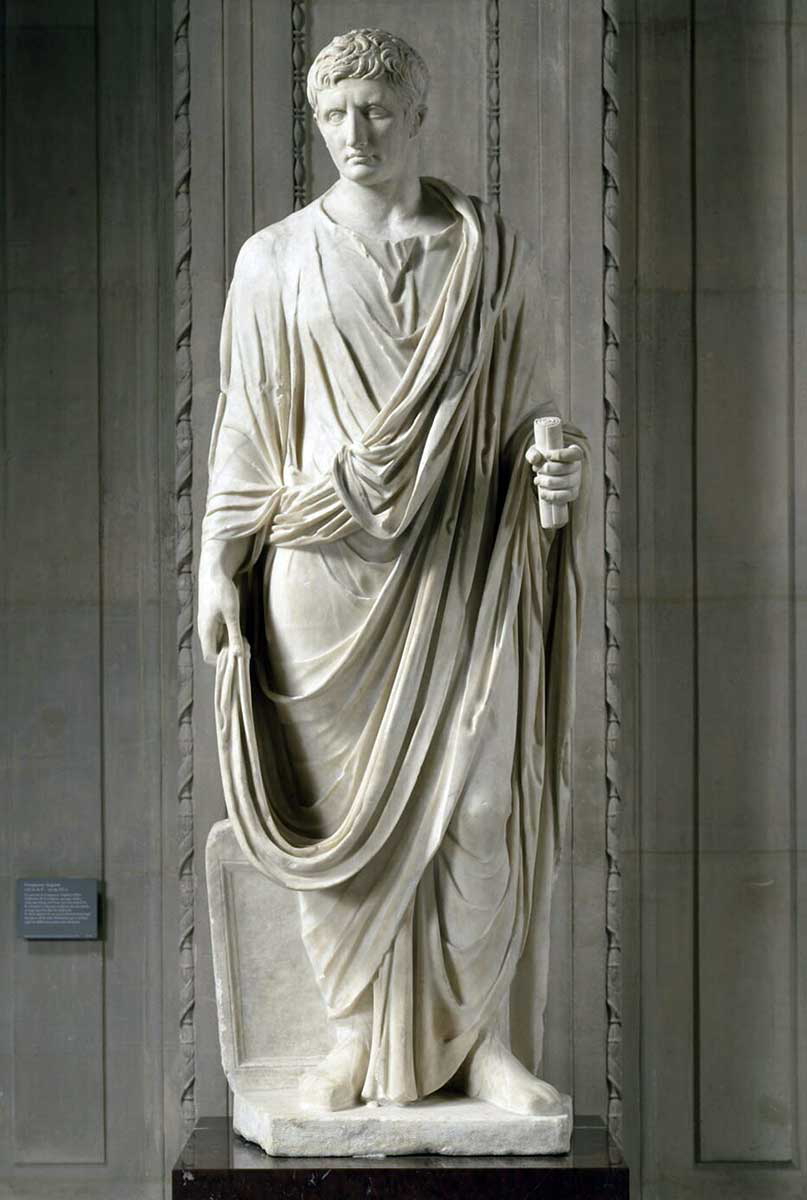
Mark Antony and Octavian partnered against Caesar’s assassins, building support in Rome and eventually waging war on them. After the decisive Battle at Philippi (October 42 BC), the triumvirate became the undisputed rulers of the Republic. Octavian, Mark Antony, and Lepidus divided the Republic among themselves. Antony, being the senior member of the group, took control of the rich East; Octavian took Rome and the West; and Lepidus was relegated to Africa.
During the next few years, Octavian and Antony’s relationship was frayed. This intensified when Antony’s wife, Fulvia, along with his brother, Lucius, instigated a rebellion against Octavian. Fulvia and Lucius framed their cause as being in defense of Antony’s interests, and Antony’s silence on the matter only inflamed Octavian’s mistrust.
Fulvia and Lucius raised eight legions and even controlled Rome for a period before they were forced to flee to Perusia in Umbria, where Octavian besieged them, and they surrendered (41-40 BC). Antony returned to Italy, making port at Brundisium, and a deal was struck. Lucius was sent to govern a Spanish province to appease Antony, and Antony exiled Fulvia to Greece, where she died of an unknown illness within the year. While her death helped ease tensions, this renewed cooperation wouldn’t last long.
Apollo Versus Dionysus
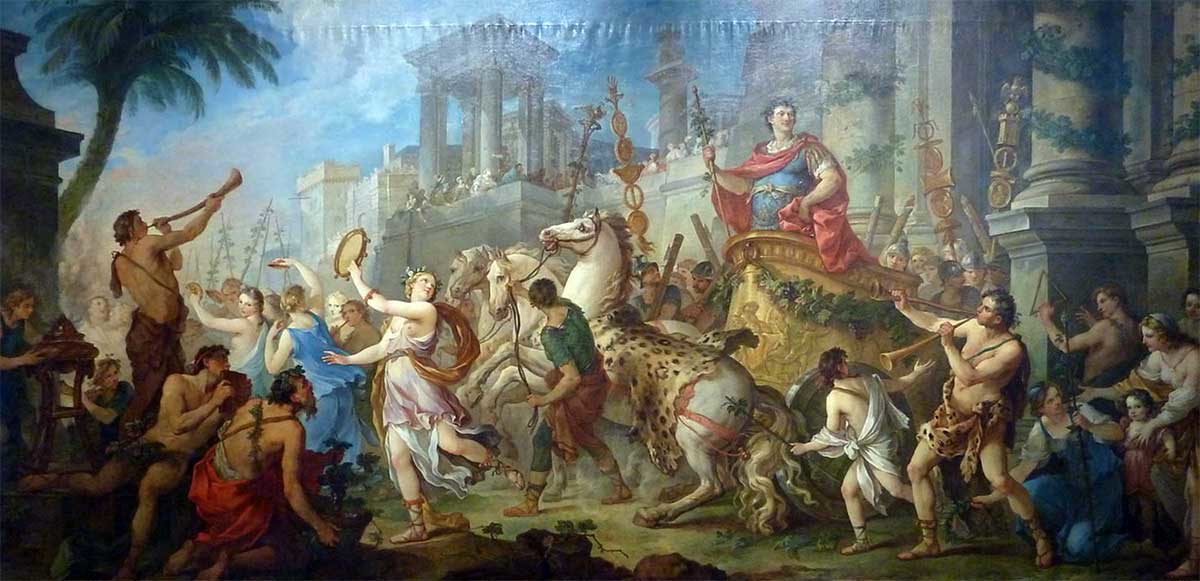
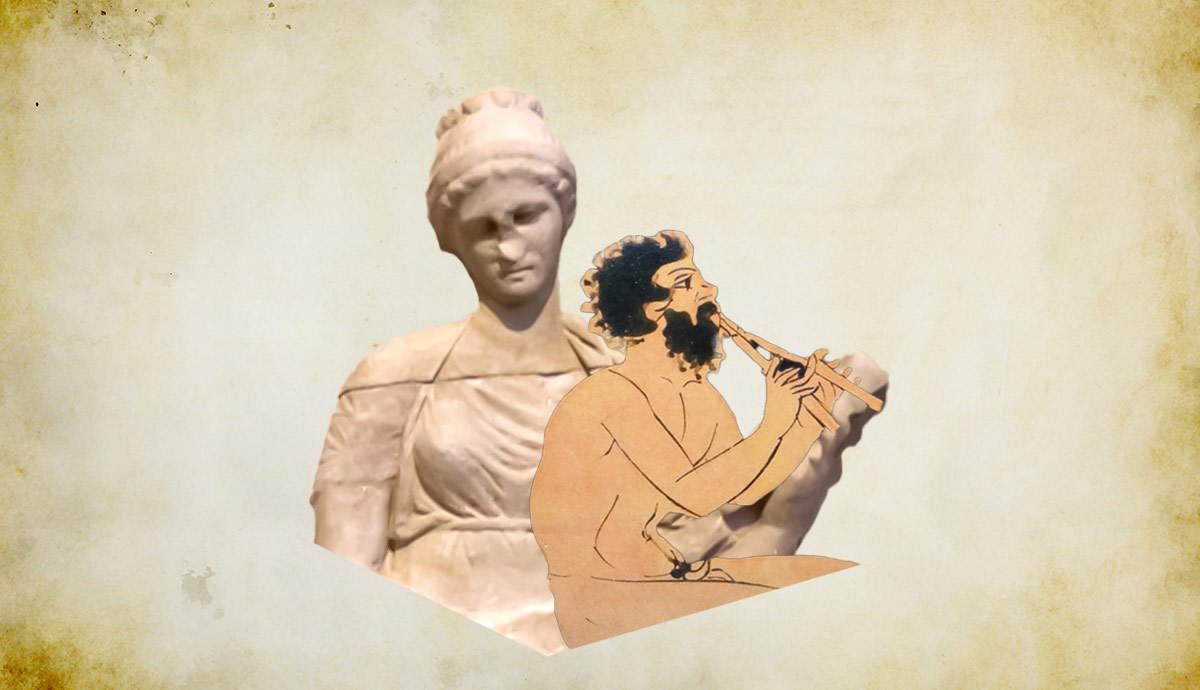
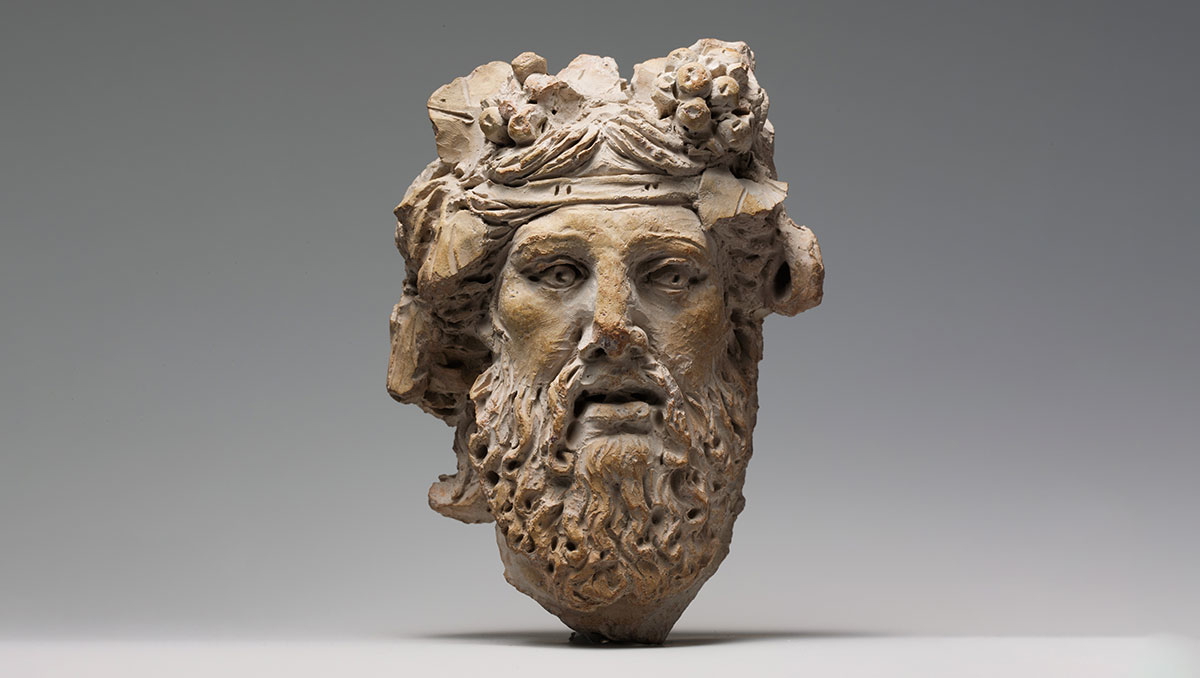
It was customary in the East to view monarchs as semi-divine figures. Since the time of Alexander the Great, Hellenistic kings have presented themselves as the earthly incarnation of Dionysus. In mythology and art, Dionysus was a conqueror and reveler, a perfect parallel to the image of the Hellenistic kings who succeeded Alexander.
The last “New Dionysus” Rome had faced proved to be a fierce enemy who opposed Rome for over 20 years. This was King Mithridates VI of Pontus. From 88 to 63 BC, three wars were waged between Rome and Pontus, known as the Mithridatic Wars, until they were finally ended by Pompey the Great. When Antony took command in the East in the late 40s BC, the Mithridatic Wars were still fresh in the public memory.
Mark Antony had always styled himself after Heracles, claiming descent from one of the hero’s lesser-known sons, Anton. However, when he came to the East after the empire’s partition, he found the image of Dionysus particularly appropriate. His lifestyle already suited the image. Antony was known to enjoy his wine, was passionate by nature, and even his rhetoric was described as Asiatic. As the new master of the East, Antony readily stepped into the role of a New Dionysus, even demanding that he be referred to by the title and dressing as the god.
Back in Rome, Octavian had styled himself after a different god, Apollo. Octavian’s family, the Iulii, had ancestral ties to the god. They had built the first temple to Apollo in Rome. The symbols of Apollo alluded to the promise of a bright future, as well as discipline, morality, and purification. Apollo represented Roman virtue while Dionysus reflected the decadent East. Octavian embraced his association with Apollo, took to wearing a laurel wreath in public, and attributed the victory over Brutus to Apollo.
Before his battle against Sextus Pompey, the son of Pompey the Great, who was undermining him in Sicily and on the seas, Octavian vowed to build a temple of Apollo on the Palatine Hill. After his victory (36 BC), Octavian began construction of the promised temple immediately beside his own home. To anyone living in Rome, the visual association was striking and obvious. One could not see the temple of Apollo without also seeing Octavian’s home, and Octavian regularly received visitors on the temple’s steps.
There was also a rumor circulating as early as the 40s BC that Octavian was the son of Apollo. The rumor was that Atia, Octavian’s mother, had once slept in a temple of Apollo and was visited by a serpent as she slept. When she woke, she purified herself as though she had spent the night with her husband. A mark then appeared on her body in the form of a snake, which she couldn’t wash off. Ten months after that night, Octavian was born. Octavian himself never addressed these stories, though he was certainly aware of them.
Through the imagery of Apollo and Dionysus, Octavian was able to turn the personal struggle against Mark Antony into a difference of ideology, with Octavian on the side of tradition and Antony on the side of excess.
Cleopatra, Eastern Enchantress
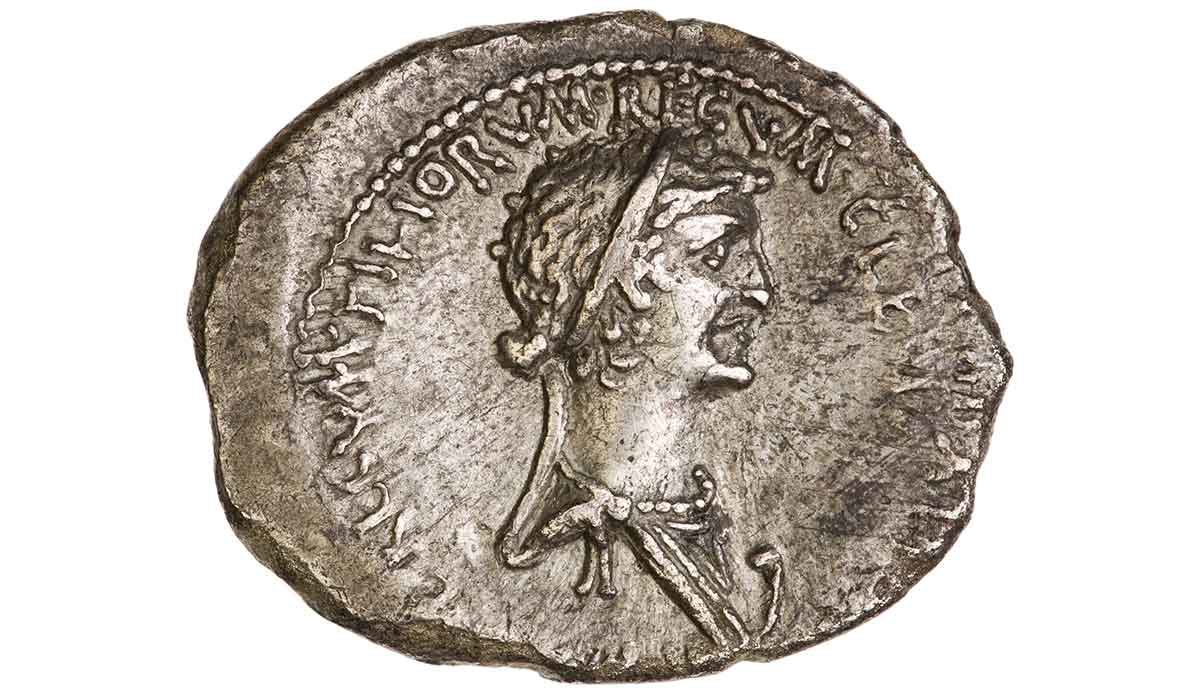
Cleopatra VII was the queen of Egypt and was once the lover of Julius Caesar. After Caesar’s death, she became the lover of Mark Antony. The two were often together in the 30s BC, and it became common knowledge that they were an item. Some ancient authors suggest that Fulvia’s revolt was partially motivated to draw Antony’s attention away from Cleopatra. Much of the relationship between Mark Antony and Cleopatra has been colored by Octavian’s propaganda, so it’s difficult to determine whether the relationship was truly one of love or of political opportunity, but it is clear that the two appeared to be attempting to create a new dynasty.
Passages in various authors from Velleius Paterculus to Cassius Dio seem to indicate this. One such passage from Cassius Dio’s Roman History alludes to this fact.
“After this Antony feasted the Alexandrians, and in the assembly made Cleopatra and her children sit by his side; also in the course of his address to the people he commanded that she should be called Queen of Kings.” (Dio, Roman History, 49.41.1)
He also gifted both Cleopatra and his children with the various provinces that he had captured (34 BC). Antony’s dalliances with the Egyptian queen gave ample ammunition for Octavian to propagandize the relationship. Multiple authors describe Antony as bewitched by her and no longer in control of his faculties because of his overwhelming passion for her. Even his failure to conquer Parthia was attributed to his attention being focused on Cleopatra rather than on conquest (36 BC).
Antony Corrupted
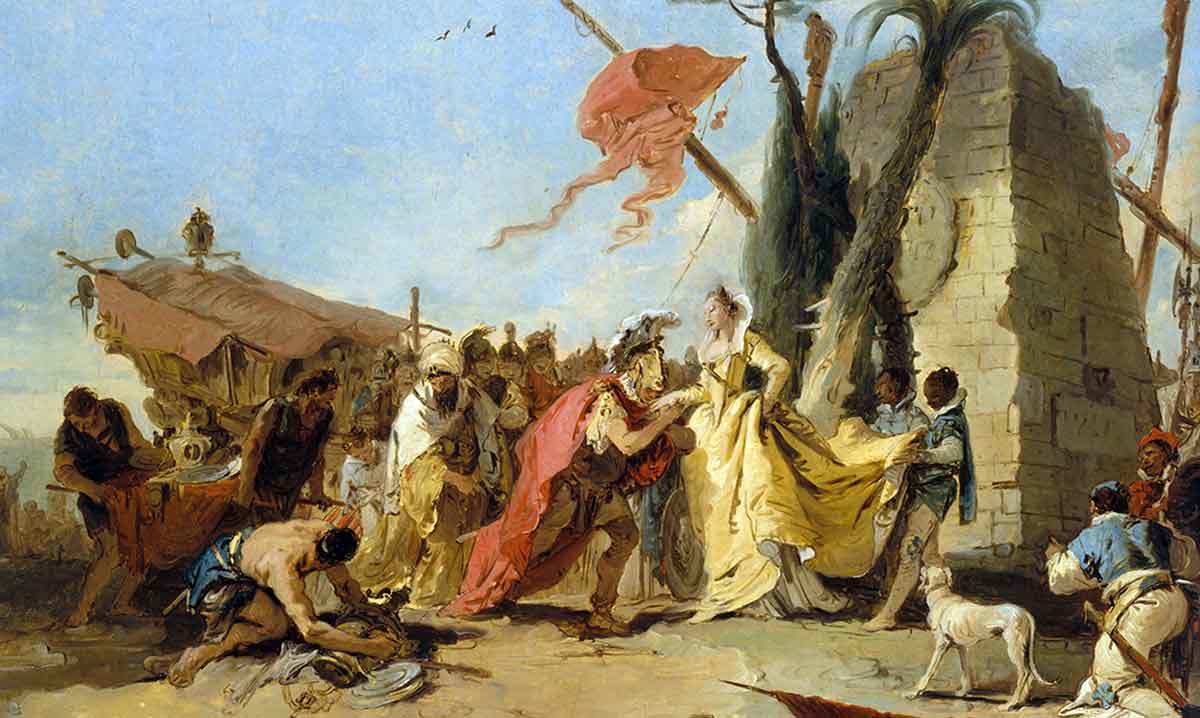
The culmination of Octavian’s propaganda campaign against Mark Antony was when Octavian learned of a certain detail that Antony had written into his will. Octavian illegally seized the will and read it aloud in public (32 BC). In it, Antony stated his desire to be buried in Egypt with Cleopatra. This was the final straw for many Romans and also confirmed their fears that Antony meant to give Rome to Cleopatra and move the center of power from Rome to Alexandria. In response, the Senate voted to strip Antony of all the powers and authority given to him and declared war, not on Antony but on Cleopatra.
By framing the war as a conflict between traditional Roman values, represented by Apollo, and Eastern debauchery, represented by Dionysus, Octavian was able to turn public opinion against Mark Antony to the point where he was compared with the eunuchs in Cleopatra’s retinue. He was not in control of himself, so he was not to be trusted or negotiated with. He was a slave to Cleopatra, and by waging war against her, Octavian turned a civil war into an external one.
The Senate declared Antony an enemy of Rome again and officially declared war on Cleopatra and Egypt. Therefore, when Octavian won his decisive victory at the Battle of Actium (31 BCE), he was able to portray himself as the savior of Rome, and not just the winner of a civil war. This paved the way for his new propaganda campaign, in which he styled himself Augustus.