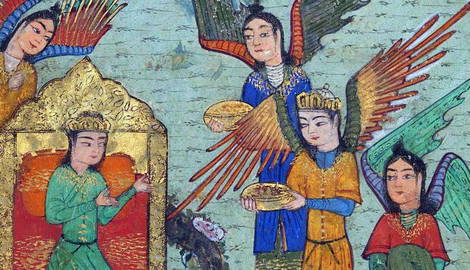
Details of Islam’s Adam and Eve (Hawwa in Arabic) story are similar to the Bible’s. However, a key difference between the two is the location of humanity’s creation. In the Bible, humanity is made on earth, where they are placed in a garden located in Mesopotamia. In Islam, however, the first humans are created in the realm of spiritual beings, and the garden which they initially inhabit is not on earth. It is only after they eat of the forbidden fruit that they are made to begin their earthly journey.
Is Adam Both a Prophet and Humanity’s Representative?
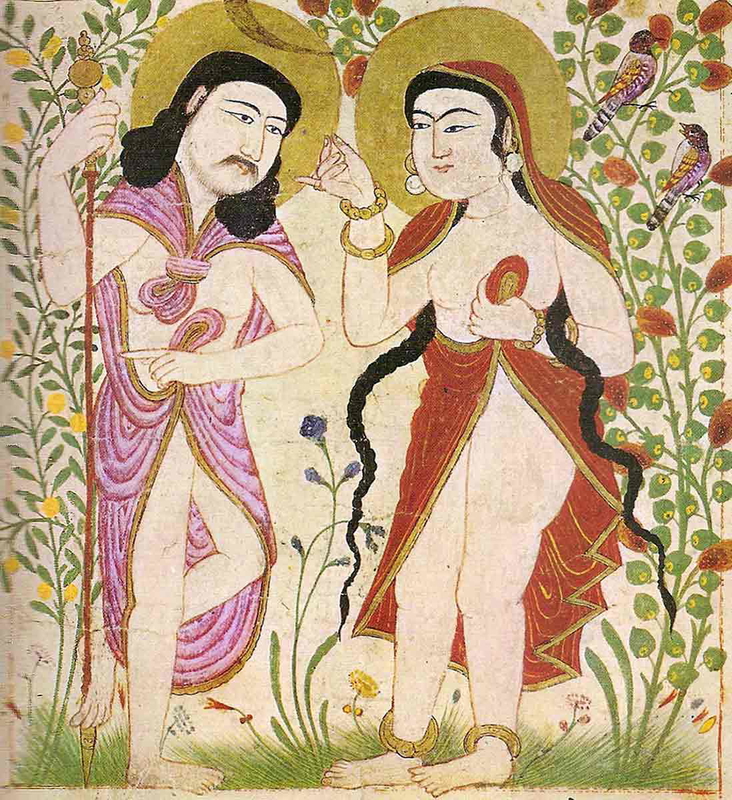
The person called Adam, whose name means simply “man” or “human” in both Arabic and Hebrew, is seen as the first prophet of Islam. As in the Bible, the meaning of this man’s name and his status as the first person created suggest that he represents all of humanity. His symbolic role as such is highlighted in the Qur’anic expression “children of Adam”— “children of man”—which refers to humanity as a whole.
While the Bible tells the story of Adam and Eve’s creation as a straightforward narrative, Muslims must piece together the story from several passages in the Qur’an, while further details can be filled in from the Hadith (traditions about the sayings and deeds of Muhammad) and other Islamic texts.
Where Does the Adam and Eve Story Appear in Muslim Tradition?
In Islam, the Qur’an is not the first divinely-revealed book even though it is the final and only untarnished one. Thus, Muslims do not necessarily expect the Qur’an to provide the “original” or most comprehensive versions of stories that might be available elsewhere. Rather, it is only expected that whatever Muhammad said in reference to those stories will be accurate. Where there is conflict, therefore, between a Qur’anic or an authentic Hadith’s version of a story and a version that appears elsewhere—such as in the Bible—it is assumed that the version preserved in the words of Muhammad are more reliable.
For this reason, it is important to keep in mind that Muslims do not reject the Bible’s telling of the Adam and Eve story per se, and are even willing to assume its relevance in their own telling of it.
The First Humans Were Made Not on Earth, but in Paradise
Some references to Adam and Eve in the Qur’an agree more or less with the creation story in Genesis. Humanity, for example, is created from clay according to both books. Other aspects of these two versions of the story, however, diverge radically.
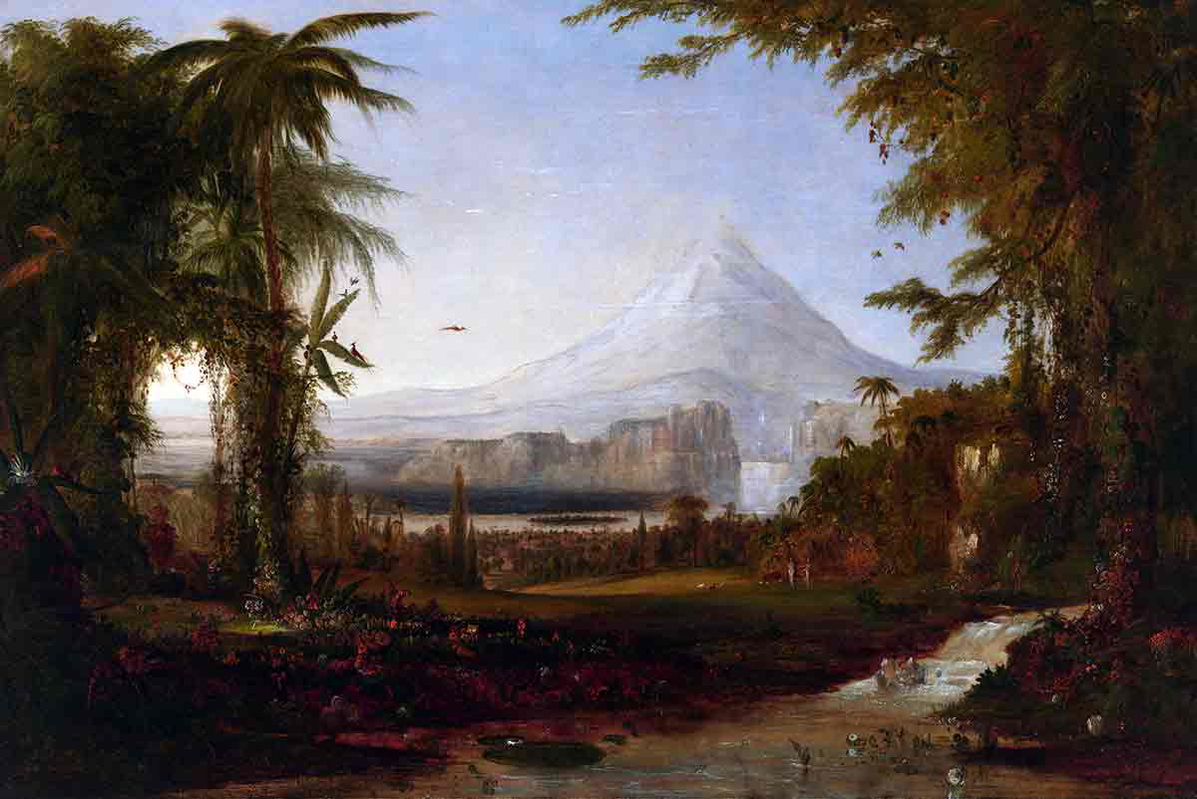
Most notably, in the Qur’an Adam’s location at his creation is not on earth, but in Paradise itself—the realm of God and the angels. In the Bible the garden that God makes for the first human couple is located in Mesopotamia, between the Tigris and Euphrates rivers, and not in another realm.
A second notable difference between the two versions of the story has to do with the characters they include. In the Islamic telling there is no snake. Instead, a being elsewhere identified as a jinn (a class of spiritual beings who are neither human nor angelic) called Iblis appears on the scene, seemingly without disguise, as the tempter.
Is Iblis the Snake in the Bible?
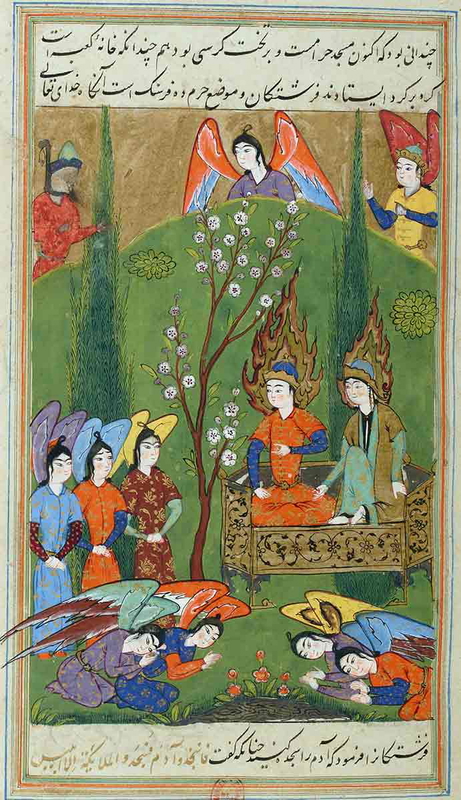
The name Iblis is often translated “Satan” in English for the sake of familiarity, even though the name does not correspond to the Hebrew term for that title. Meanwhile, despite the fact that a creature called Satan is nearly always associated with the Adam and Eve story in Genesis in popular imagination, the name does not actually appear in the text of Genesis itself; there is only a nameless, talking snake. Not unlike Jewish and Christian tradition beyond the Bible, Islam also preserved a backstory for humanity’s Tempter without the help of its own holy book. But in the Qur’an itself, Iblis is not a snake or any other creature; he is simply a jinn.
Yet importantly, in Genesis the snake is likewise simply a snake. The question of who Iblis is, therefore, is difficult to answer by trying to find parallels in Christian or biblical categories.
Who Is Iblis, Humanity’s Tempter?
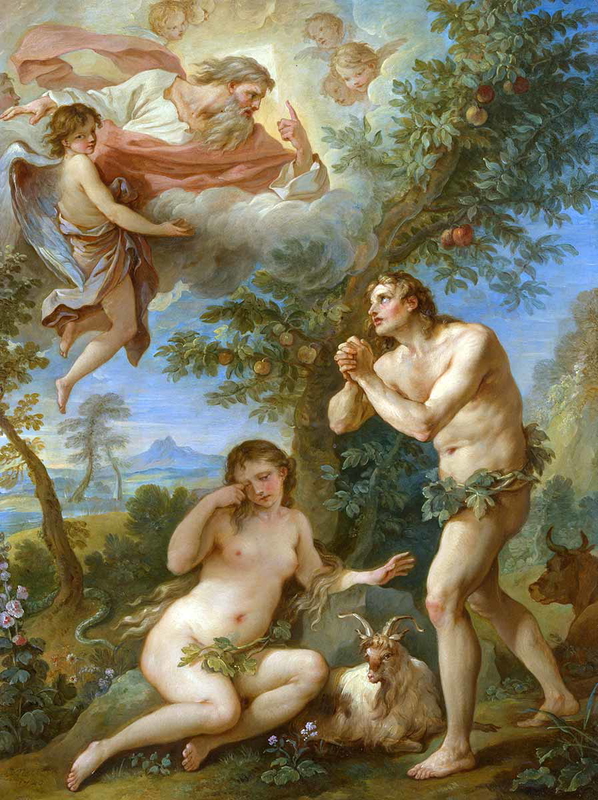
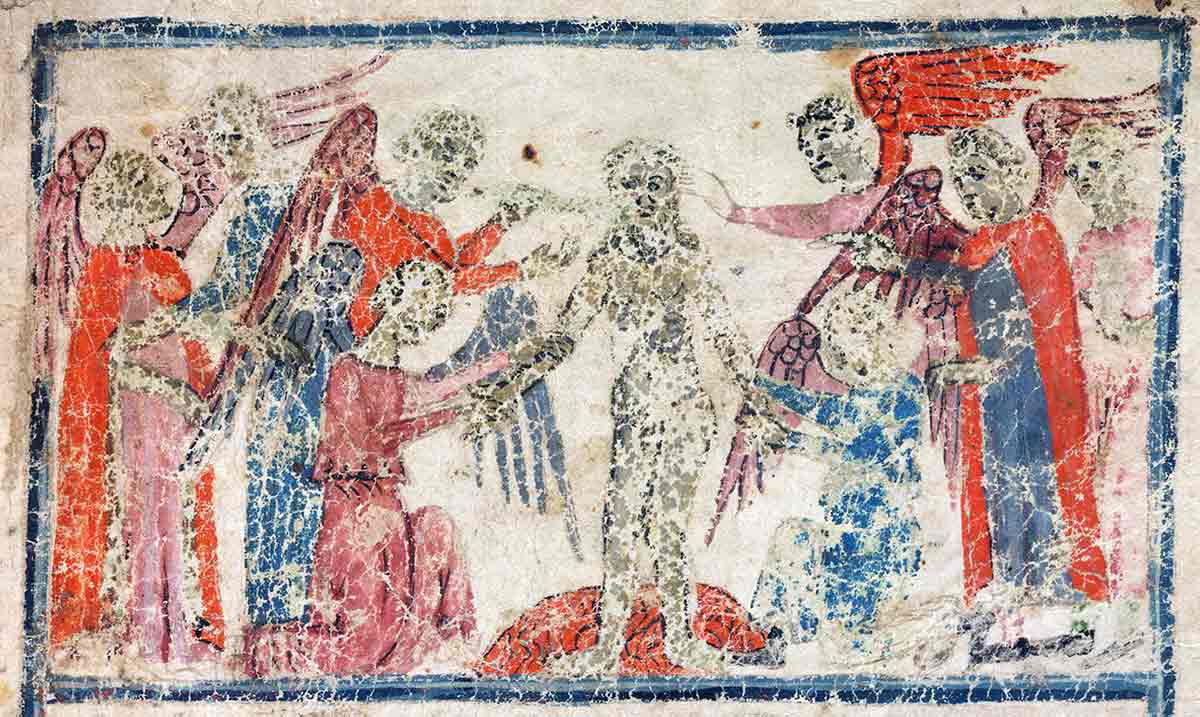
The Qur’an says that God informed the heavenly creatures that he intended to create a vice-regent (usually how the word khalifa is translated in this context) to represent him on earth. After creating the first man, God commanded the heavenly beings, which included angels and jinns, to prostrate themselves before him.
Iblis, however, refused to obey this command because he felt his origin superior to that of the human—he was made from fire; but they only of clay. God chastises Iblis for his arrogance and consigns him to the earth. Importantly, jinns have free will in Islamic tradition; they are not inherently evil as “demons” or “devils” tend to be understood in popular Christian understanding. Thus, humanity is not reflexively repulsed by Iblis’s suggestions, and are eventually deceived by him.
Forced to Leave Paradise for Earth
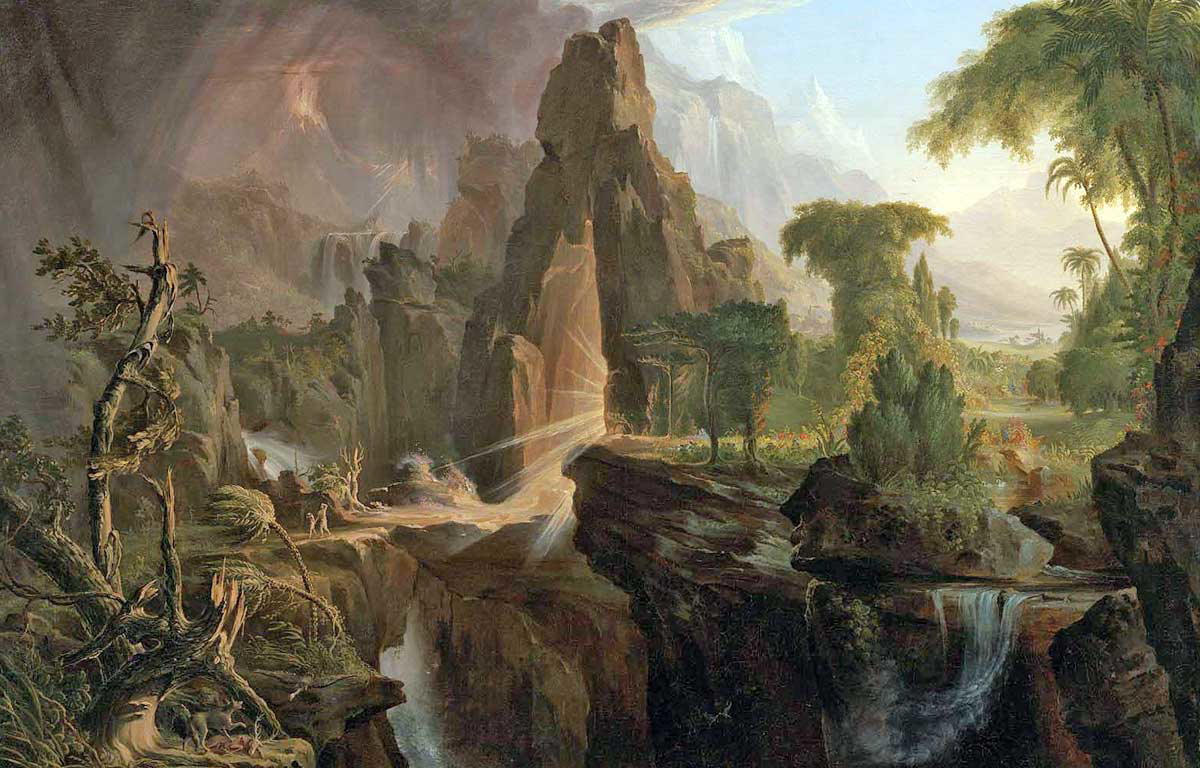
Despite his being banished from Paradise, Iblis later appears in the garden God made for the humans and tempts them. The nature of Iblis’s temptation of the first humans is similar to how it appears in the Bible. There is a certain tree in the garden from which the man and woman are forbidden to eat. Why it is off limits is not made clear in the Qur’an, except that God forbade it.
But Iblis whispers in the man and woman’s ears that, actually, if they eat the fruit, they will have eternal life like the angels. This, however, is a lie. Instead of gaining eternal life, the humans are obliged by God to leave their paradise and go to earth where all human beings thereafter would be tested by God to see if they are worthy to enter Paradise again.
Where Did God Intend for Humanity to Live?
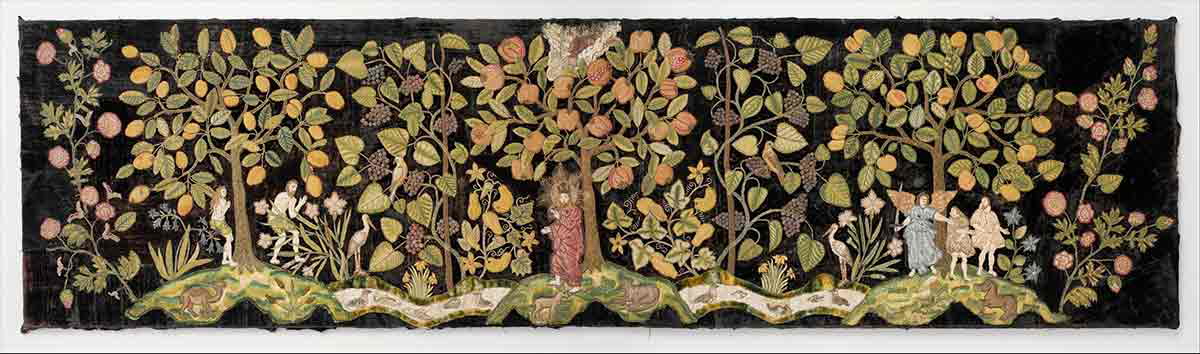
On the one hand, it is clear that Iblis’s objection to God’s intent of humanity had to do with its role as God’s vice-regent on earth. However, it is not clear how this vice-regency was originally supposed to be arranged, since it appears that humanity was not initially destined to live on earth but to remain in the paradise that God had made for them—which seems to have been located elsewhere.
Extra-Qur’anic Traditions about Adam and Eve
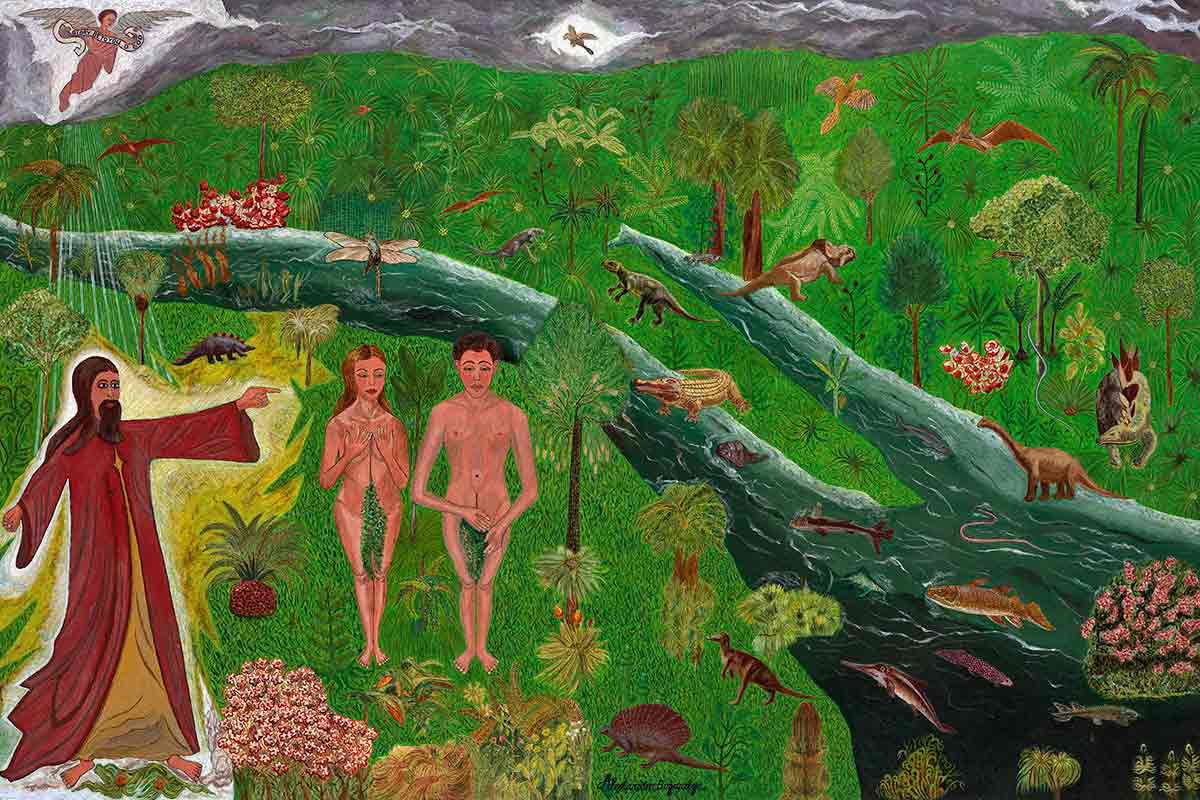
As in Judaism and Christianity, what is supplied in Islam’s central holy book apparently failed to satisfy the curiosity of its readers. Further stories about Adam and Eve are scattered throughout Islamic texts outside the Qur’an, answering questions having to do with the context of Eve’s creation, what happened to Adam after he was made to leave Paradise, how long Adam was in Paradise and what he experienced there before he left, Adam’s relationship with and interactions with the angels in Paradise, and how tall Adam was when he was first created (sixty cubits, according to one tradition!).
The Qur’an itself, however, reserves the little it says about humanity’s creation and fall from Paradise as a warning about the danger of being deceived. Iblis’s ongoing aim (see especially chapters 2, 7, 15, 17, 18, 20, and 38) is to tempt humanity away from “the straight way”—the way of righteousness.