Numerous historical figures have lived fairly uneventful lives, but have been known for one defining event. Jan Hus does not fit into this category. From his early years until his untimely death in his mid-40s, Jan Hus became one of the most prominent figures in the Reformation movement, which would go on to transform European and global history over the following centuries. Discover how this one man changed the course of religious history forever.
Jan Hus’s Early Life
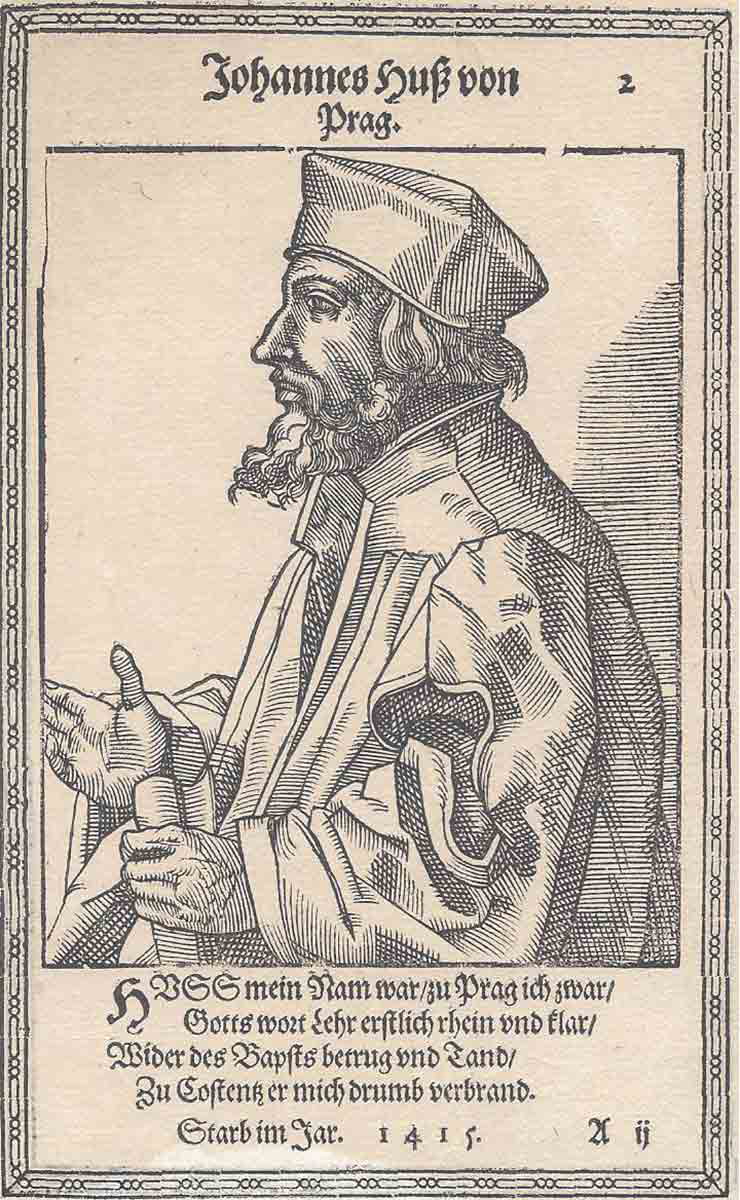
Very little is known of Jan Hus’s early years, as he was one of the rare figures in the Middle Ages who was born as a peasant but rose to prominence. Even his date of birth is contested, with most sources claiming that he was born around 1369, while others claim that he was born somewhere between 1372 and 1375.
What we do know from his childhood is that his father’s name was Michael, and he took his surname from the town where he was born: Husenic, which is in modern-day Czechia, but at the time, was in Bohemia, a part of the Holy Roman Empire.
When he was around ten years old, Hus was sent away to a monastery, although the reasoning behind this is unclear. Some sources claim it is because his father had died, while others say that he went there of his own accord due to his sheer devotion to God. What is clear, though, is that this was a key stepping stone in the young boy’s life.
He was an exemplary student by all accounts, and the teachers at the monastery were so impressed by his studies and his work that they recommended that he go to Prague (the modern-day capital of Czechia), which at the time was one of the largest cities in Bohemia.
Hus managed to support himself through working at various jobs while in Prague (including singing as a choir boy for a brief period of time), and while he was not a naturally gifted student, his work ethic is what propelled him above his classmates.
In 1393, Hus earned a Bachelor of Arts degree from the University of Prague, and three years later, he earned a Master’s degree from the same university. It was likely the strong anti-papal views of many of the professors at Prague University at the time that influenced Hus’s later thinking and his future works.
Jan Hus’s Early Career
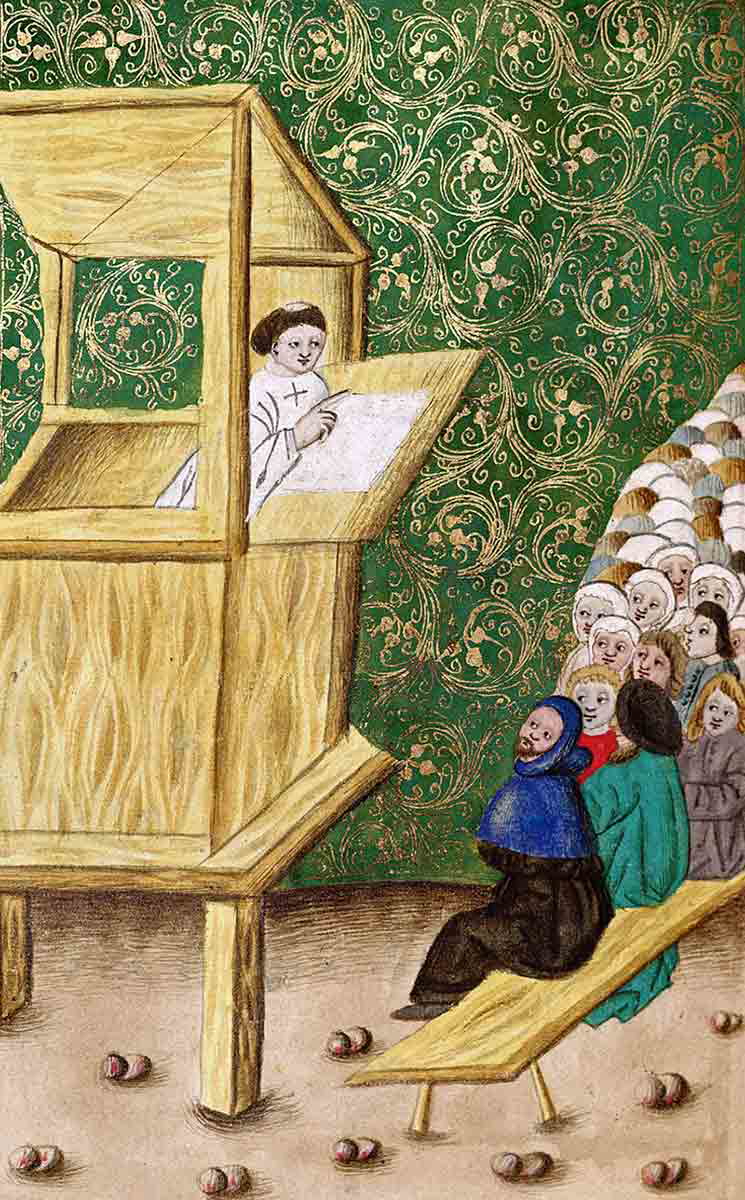
Hus stayed on at the University of Prague after his studies and took up a teaching position in 1398. Just a year later, he publicly defended the propositions of the English theologian John Wycliffe, who some regard as the first Protestant reformer (despite Protestantism not emerging for almost another century).
Nevertheless, Hus was ordained as a Catholic priest in 1400, and a year later, he was promoted to Dean of the Philosophical Department of the University of Prague, largely in recognition of his incredible work ethic, which was recognized by staff and students alike.
Hus continued to be influenced by the works of Wycliffe, and although the Catholic Church banned Wycliffe’s works in 1403, Hus continued to support Wycliffe, and even translated arguably Wycliffe’s most famous work, the Trialogus, into Czech, and helped with its distribution in and around Prague.
Hus’s Preaching in Prague
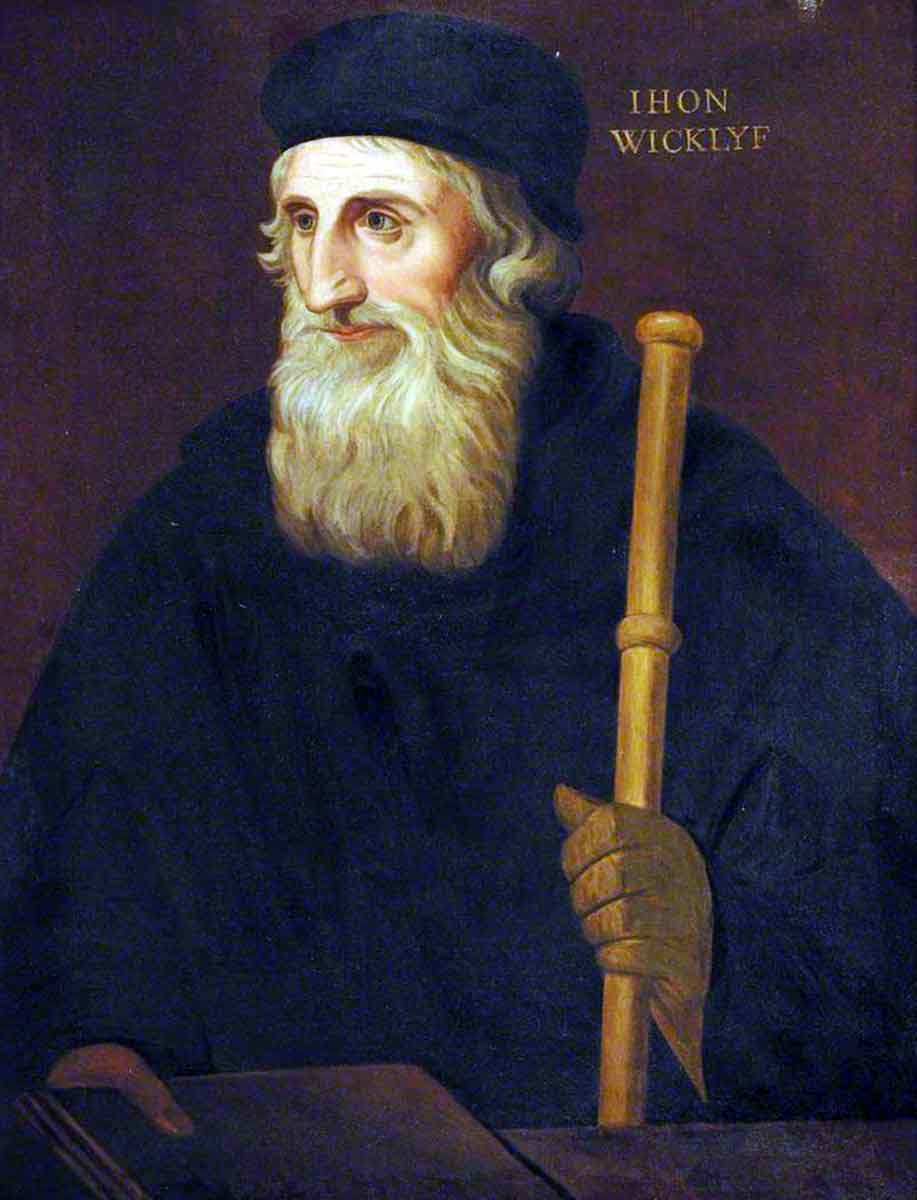
Following his appointment as a preacher at Bethlehem Chapel in Prague in 1402, Hus began to preach his sermons, aiming largely at the failings of the clergy, bishops, and even the papacy—a hugely controversial thing to do in this age of early religious tensions in Christendom.
However, what may come as a surprise is that Hus was not alone in his thoughts on Wycliffe and the Catholic Church. Archbishop Zbyněk Zajíc even appointed Hus as a preacher at the clergy’s biennial synod, even encouraging him to express his views. Hus’s teachings were becoming more and more well-known throughout Prague at this point, which is when Pope Innocent VII stepped in to handle the situation. He directed Archbishop Zajíc to counter Wycliffe’s teachings on June 24, 1405, but Hus was far from finished.
In 1406, two students (originally from Bohemia) brought a document to Prague that bore the seal of the University of Oxford (where Wycliffe worked), and they praised Wycliffe. Hus proudly read this document from his pulpit, much to the delight of his congregation, but to the dismay of the Catholic Church.
Two years later, the new pope, Gregory XII, warned Zajíc that the Church in Rome had been informed of Wycliffe’s teachings, labelling him a heretic, demanding that all of his works be surrendered. Even Jan Hus obeyed, suggesting that he knew that this was the wisest decision given the circumstances.
Jan Hus’s Excommunication

The early 15th century was a tumultuous time for the Papacy, with several popes and antipopes claiming they ruled. In 1409, the Council of Pisa attempted to elect Alexander V, but Gregory XII (the Pope in Rome) and Benedict XIII (the antipope in Avignon) refused to accept. However, Hus, along with his followers and those of King Wenceslaus IV of Bohemia, did support Alexander V.
Despite Hus’s support for Alexander V, on December 20, 1409, Alexander issued a papal bull which empowered the Archbishop to act against Wycliffism in Prague. Essentially, this meant that all copies of Wycliffe’s writing had to be submitted to the Pope, and his teachings were to be banned. Hus appealed to Alexander V, but was ultimately unsuccessful. The Wycliffe books and valuables were burned, and Hus was formally excommunicated.
The Aftermath of the Excommunication
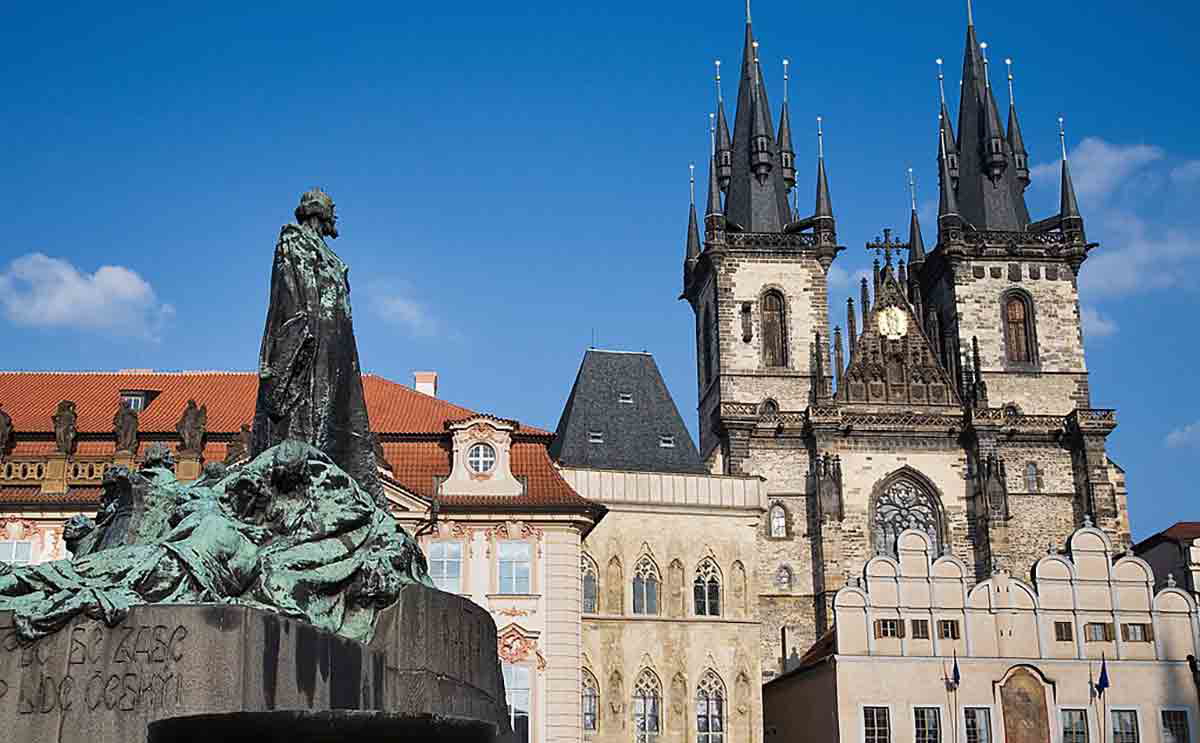
Following the death of Alexander V in 1410 (who was replaced by another antipope, John XXIII), and then the death of Archbishop Zajíc a year later, the debates in Catholicism in Bohemia took a new turn—this time, concerning indulgences.
Hus spoke out publicly against indulgences, but could not get his old university colleagues to follow him on this tract. In 1412, Hus delivered an address which was taken directly from the final chapter of Wycliffe’s De Ecclesia, which stated that no pope or bishop had the right to take up the sword in the name of the Church. It also asserted that popes and bishops should pray for their enemies, because man gains forgiveness through repentance, not money.
Three men who were followers of Hus were later beheaded for preaching about this exact issue—in turn, they are often classed as the first Hussite martyrs.
King Wenceslaus IV attempted to hold a reconciliation between Hus and his followers the same year, but nothing favorable happened. Hus continued to preach in the Bethlehem Chapel, and the Church and Pope openly stood against Hus, which caused riots in some parts of Bohemia and Prague. King Wenceslaus turned his support to Hus, and Hus realized that he had support outside of Prague, too, so he left the city and traveled further into Bohemia with his messages.
Hus took this a step further, and on October 18, 1412, he directly appealed to Jesus Christ, bypassing the Pope in a move that was as significant to the Hussite Reformation as Luther’s 95 Theses were to the Protestant Reformation. He left the country, and one major thing he noticed was that not everyone spoke or read Latin particularly well—as a result, he spent much of his time translating texts into Czech so that they could be read more easily by common people.
The Infamous Council of Constance
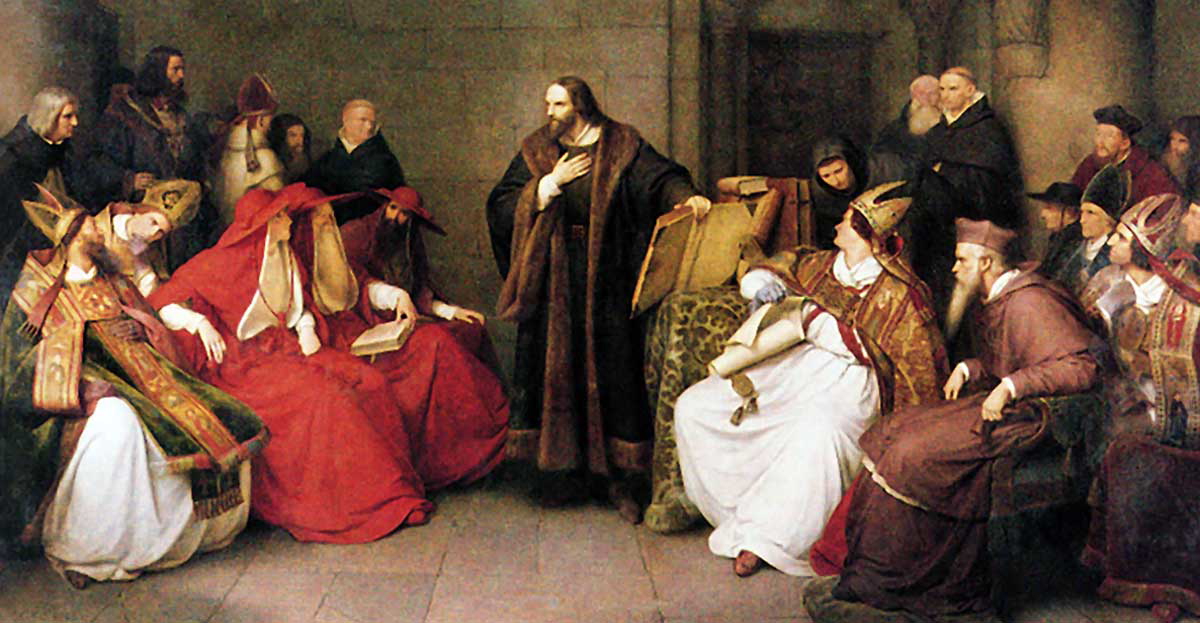
King Wenceslaus’s brother, Sigismund of Hungary, was keen to put an end to the religious debate in Bohemia and called Hus to be present at an upcoming Council, where it was hoped that he could reach an agreement with the Church.
The date was scheduled for November 1, 1414, and Hus agreed to attend. Sigismund was pleased with Hus’s response and promised him safe conduct once he arrived.
However, this was not to be the case. When Hus arrived, he was watched almost around the clock, and on November 28, he was promptly arrested and imprisoned—his arrest based on a rumor that he was going to flee the city. Sigismund was outraged when he found out, but was told by the prelates that he could not be bound by promises to a heretic, revealing what they really thought of Hus.
Hus was kept chained in prison for 73 days, and poorly fed during this time. He became ill and was not allowed to advocate for himself, despite witnesses for the prosecution being heard.
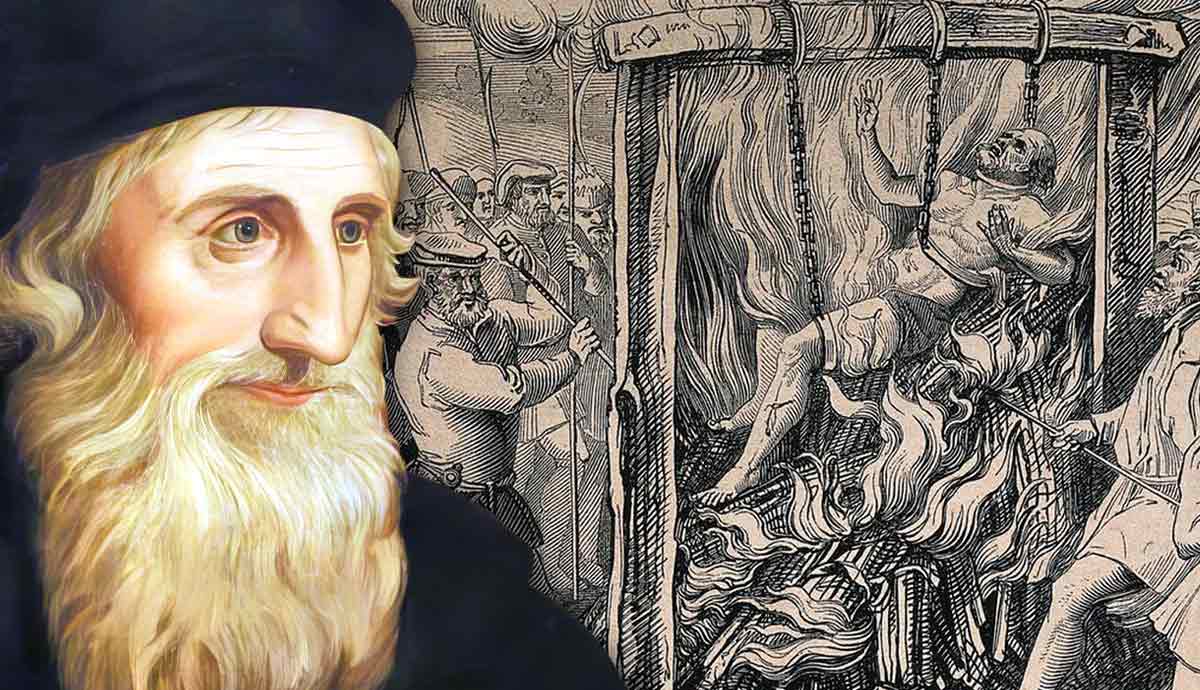
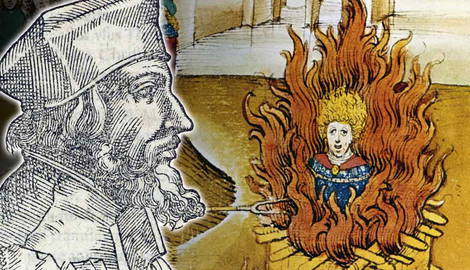
Hus was asked to recant his views in front of the prosecution in June 1415, and when he refused to do so, he was sentenced to death. On July 6, 1415, he was burned at the stake on charges of heresy against the Catholic Church.
Jan Hus’s Legacy
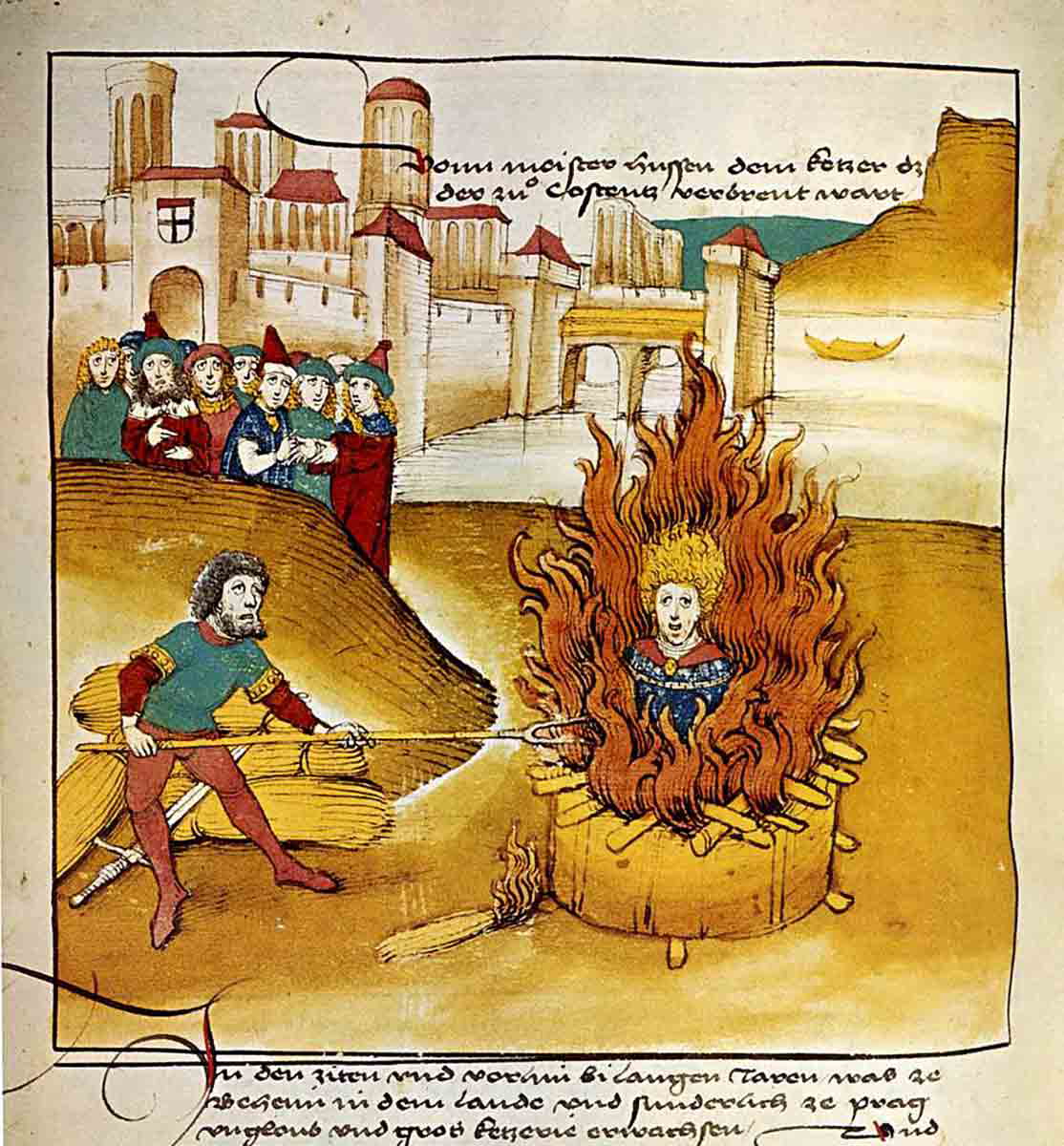
However, Hus’s unjust execution only strengthened his case and his teachings. His followers, who became known as Hussites, defeated five consecutive papal crusades in what became known as the Hussite Wars, and they refused to elect another Catholic Monarch.
Within a century of Hus’s death, 90% of inhabitants of the Czech lands were classed as Hussites, showing the impact that he had in his short but exciting life.
Hus was a key figure in religious change, and as important in the development of Protestantism as Martin Luther was; his bravery to stand against the Catholic Church and to die for what he truly believed means that he has been held in high regard by Protestants ever since.
Even as late as 2015, Hus was voted as the Greatest Hero of the Czech Nation by a radio poll, showing that his legacy has never, and will never, be forgotten.