Two of the New Testament Gospels, Matthew and Luke, contain a few narratives about Jesus’s birth and infancy. But with the exception of a single story in the Gospel of Luke, no stories about Jesus’s childhood or youth appear. This tantalizing gap in Jesus’s life story was partly filled in the writings that appeared in the generations after the New Testament was written. These writings are attributed to people close to Jesus, though scholars call them pseudepigrapha because it is generally agreed that they were not really written by those people. Here are some examples of these fantastic stories.
1. Jesus Makes Clay Birds Come to Life and Kills Two Other Boys
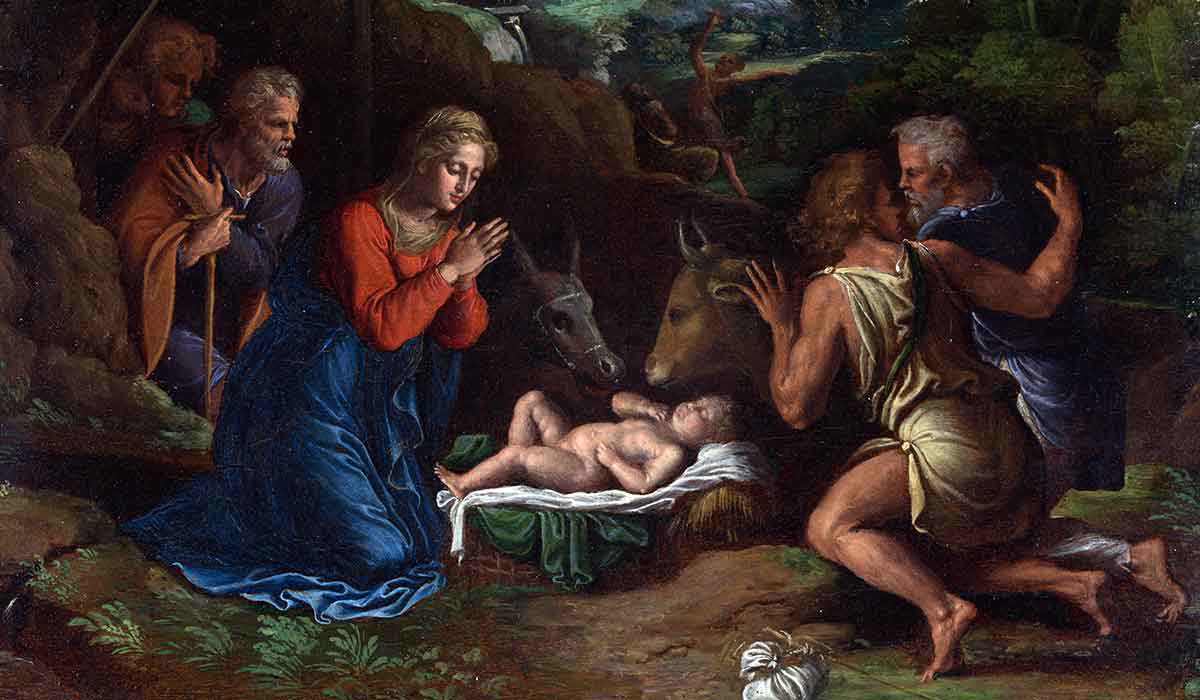
The Infancy Gospel of Thomas, which dates to the 2nd century, and the Gospel of Pseudo-Matthew, which dates to the 7th, tell similar sets of stories about Jesus’s childhood. One time, a five-year-old Jesus was playing with mud on a bank of a brook (the Gospel of Pseudo-Matthew says he was four) and decided to make some sculptures. Making a puddle for mixing his modeling clay, he commands the water to be clean, and it becomes so in an instant. With the clean water, he makes his clay and forms five sparrows (twelve according to the Pseudo-Matthew). But his father Joseph rebukes him because he had done all this on a Sabbath day—the day on which Jews are supposed to abstain from working. In response, a feisty young Jesus commands his birds, “Off with you!” The clay creations come alive and take flight.
But then, the son of the high priest disperses the water in Jesus’s puddle with a stick. Jesus becomes angry and says, “See, now you shall wither like a tree and shall bear neither leaves nor fruit” (Cameron, 125). To his father’s dismay, the boy dies and shrivels on the spot. Not long afterward, Jesus curses another boy who happened to bump into Jesus as he ran by. This boy likewise drops dead.
Though amazed at Jesus’s power, the people of the village find his behavior appalling and tell Joseph that Jesus can no longer live there. Jesus curses these complainers as well, and they are blinded.
2. Jesus Raises People to Life
Within a year of the above story, according to the Infancy Gospel of Thomas, Jesus was playing on the roof of a house with another boy named Zenon when Zenon fell to his death. Zenon’s parents accuse Jesus of pushing him, but Jesus commands Zenon’s corpse to testify that he was not pushed, but fell by accident. The body comes to life and does as the five-year-old Jesus demands.
Several years later, Jesus raises another boy to life who has died of an illness. On another occasion, he comes upon a crowd of people surrounding a worker who had somehow died on the street. At Jesus’s command, the man stands up and continues working while worshiping God.
3. Jesus Manipulates Physical Objects and Natural Processes
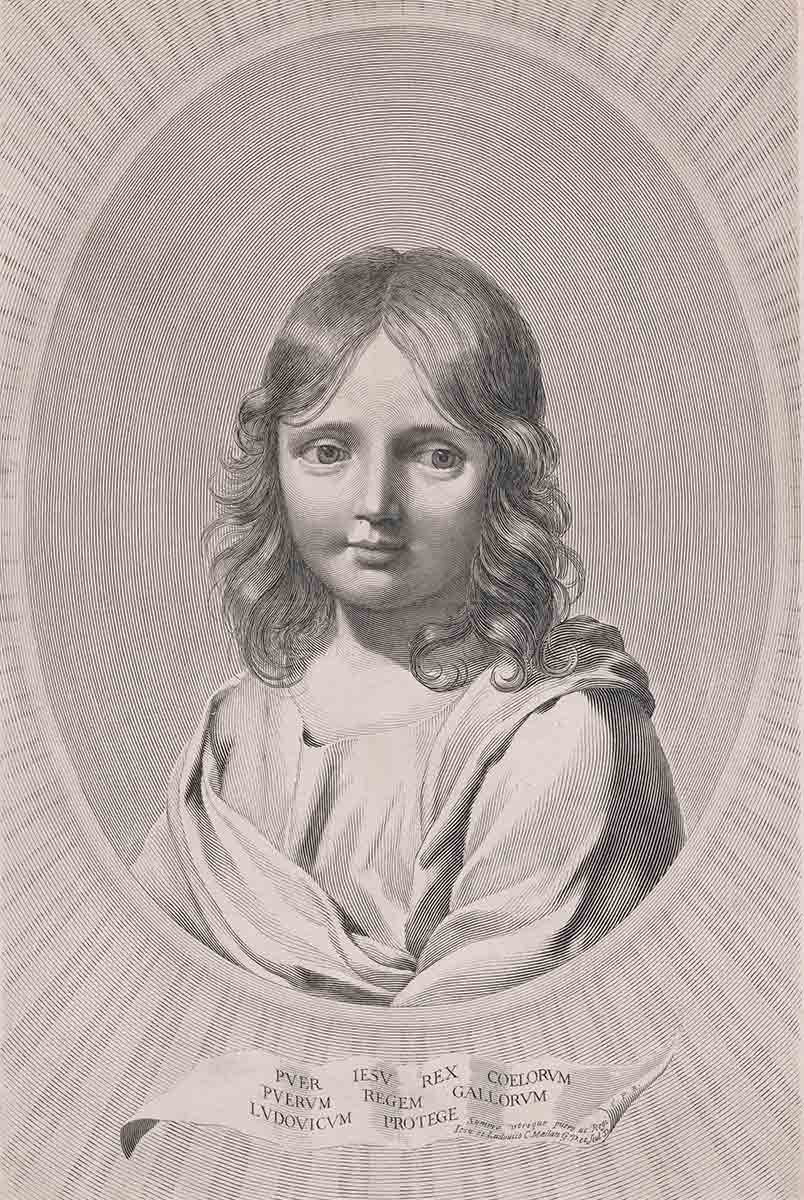
The Infancy Gospel of Thomas’s boy Jesus is both terrifying and handy to have around. One day, a six-year-old Jesus is jostled by a crowd and breaks a pitcher his mother has asked him to carry. To his mother’s delight and to the awe of bystanders, he simply repurposes his cloak—apparently as a flask—to carry the water instead.
Two years later, Jesus learns to plant wheat with his father. Jesus planted only one measure of wheat, but when harvest came, it had produced one hundred measures. Jesus distributes this bounty to the poor in his village.
On another occasion, Jesus is helping Joseph with a carpentry job. When Joseph discovers that he has cut one of two beams, which were meant to be of equal length, shorter than the other, Jesus tells him to lay the two side by side. Jesus lays his hands on the end of the shorter beam and stretches it to meet the length of the other.
Jesus also heals James, presented as Joseph’s son (so, Jesus’s step-brother), from dying of snake venom.
4. Jesus Has Trouble With His Teachers
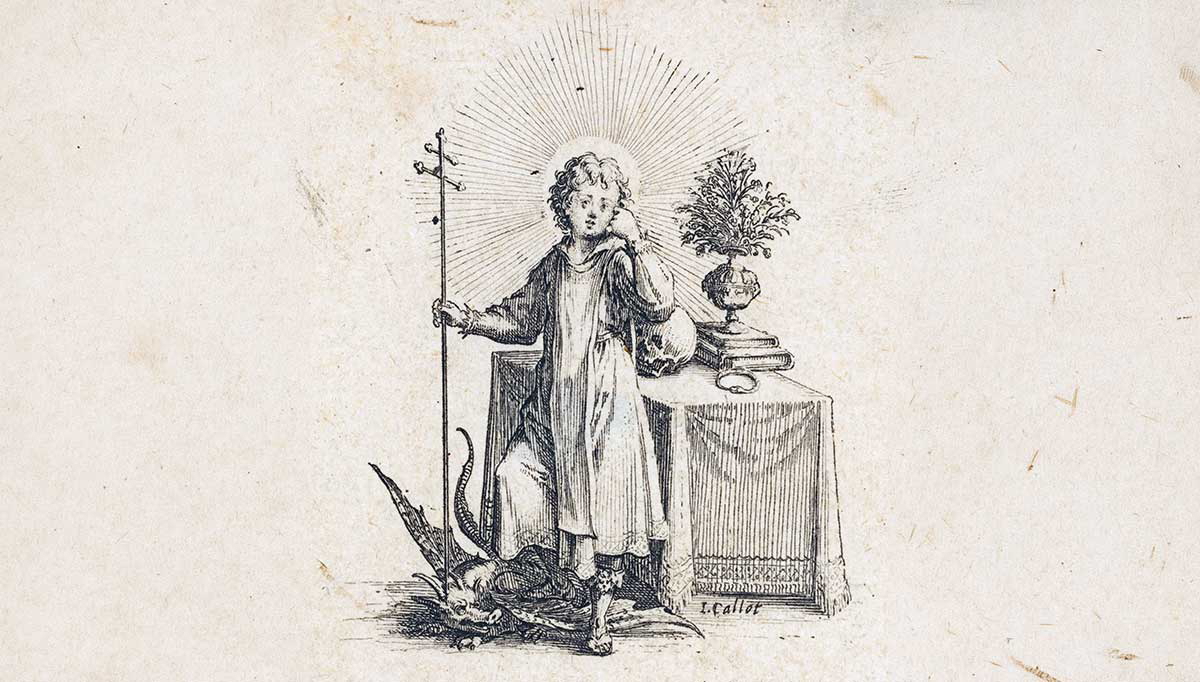
Apparently, Jesus was a difficult student—at least, this is how the Infancy Gospel of Thomas portrays him. His first teacher, a man named Zacchaeus, bewildered and afraid, gives up on him and brings him back to Joseph. This may have been wise, for when a later teacher loses his temper with Jesus and strikes him on the head, Jesus responds by cursing him. The teacher falls down, apparently either dead or perhaps paralyzed. Needless to say, this puts Joseph in a difficult position. He wants Jesus to learn, but he is afraid for the safety of Jesus’s teachers.
But a third teacher manages to treat Jesus as he expects to be treated and, in response, Jesus not only miraculously shows his skill at reading—a skill he acquires by the power of the Holy Spirit rather than through a teacher—he also mercifully restores the teacher whom he had cursed to full health.
Pseudo-Matthew explains these instances differently, but what both sources have in common is the scenes of teachers trying to teach Jesus the Greek alphabet. For some reason, Jesus challenges their approach, and they are unable to respond to his questions.
5. Jesus the Miracle Baby
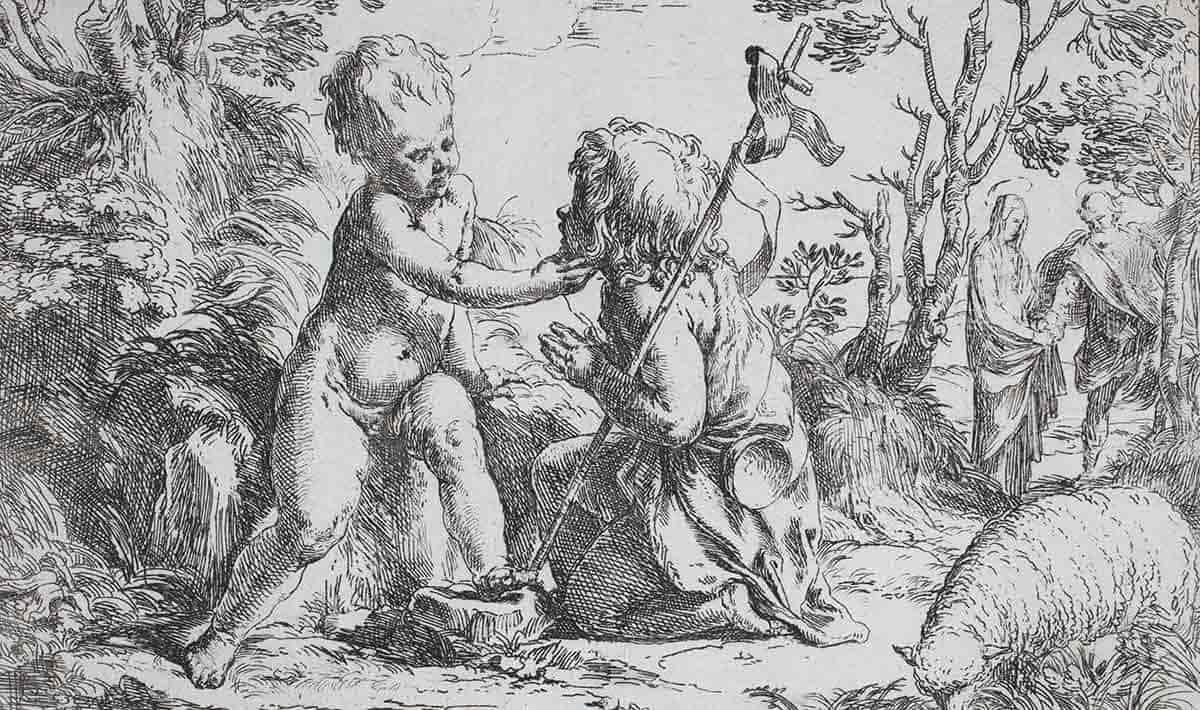
In the Gospel of Pseudo-Matthew, the baby Jesus is exceptionally advanced developmentally. Immediately after being born in a cave, he stands on his feet. When the midwife examines Mary to see whether or not she had indeed given birth as a virgin, her hand withers. In pain, she pleads for mercy from the accompanying angel, who instructs her to touch the baby Jesus. Upon doing so, her hand is restored.
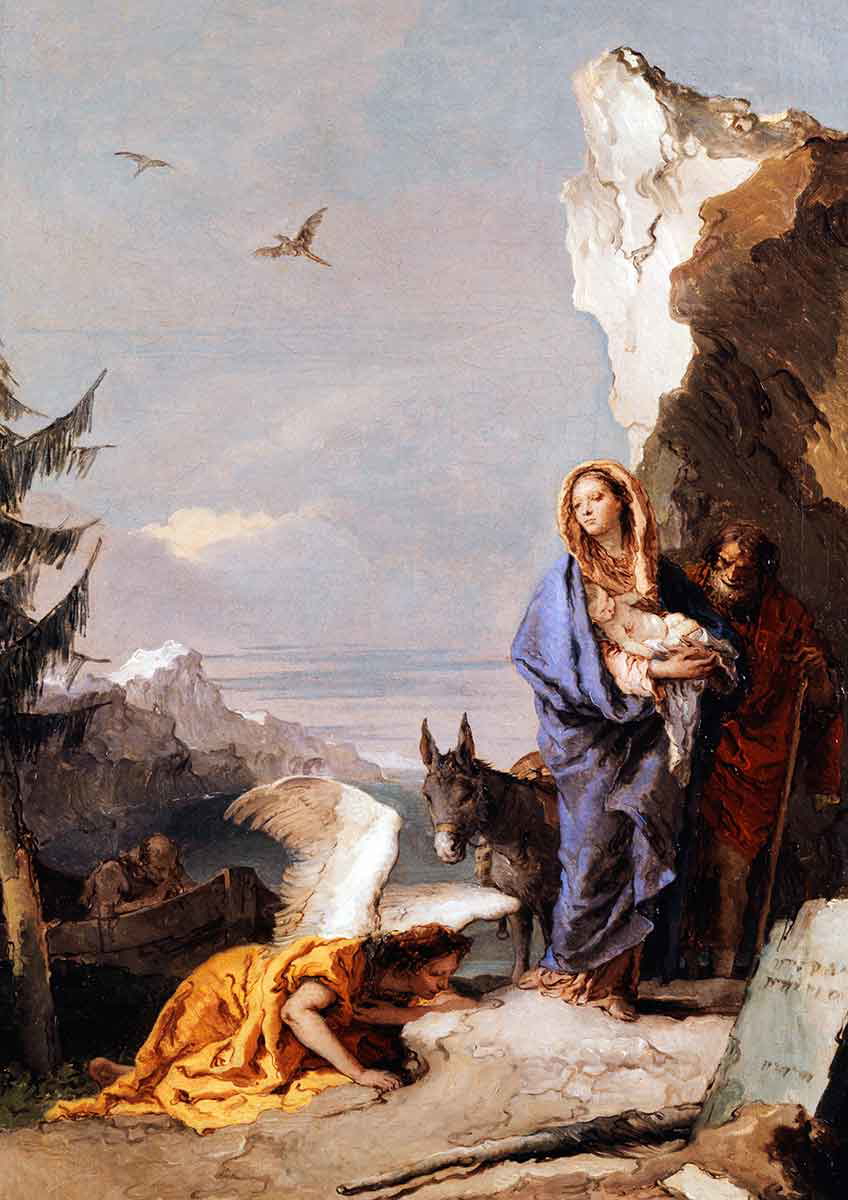
Later, when Mary, Joseph, and the baby Jesus are on their way to Egypt along with Joseph’s other sons, they sit down to rest outside the mouth of a cave. Dragons emerge from the cave and frighten the other children, but Jesus casually leaves his mother’s breast and goes to stand before the dragons, who respond by bowing down to him. Pseudo-Matthew says that other wild beasts—lions, panthers, and wolves—also came to worship Jesus along the way.
At another rest stop on the same journey, the baby Jesus—in another demonstration of exceptional developmental advancement—commands a date-palm tree to bend its own branches low so that his mother can reach the dates. The same palm tree, at the command of the same talking baby, opens its roots to expose an underground spring from which Jesus and his family drink.
6. Jesus the Baby Exorcist
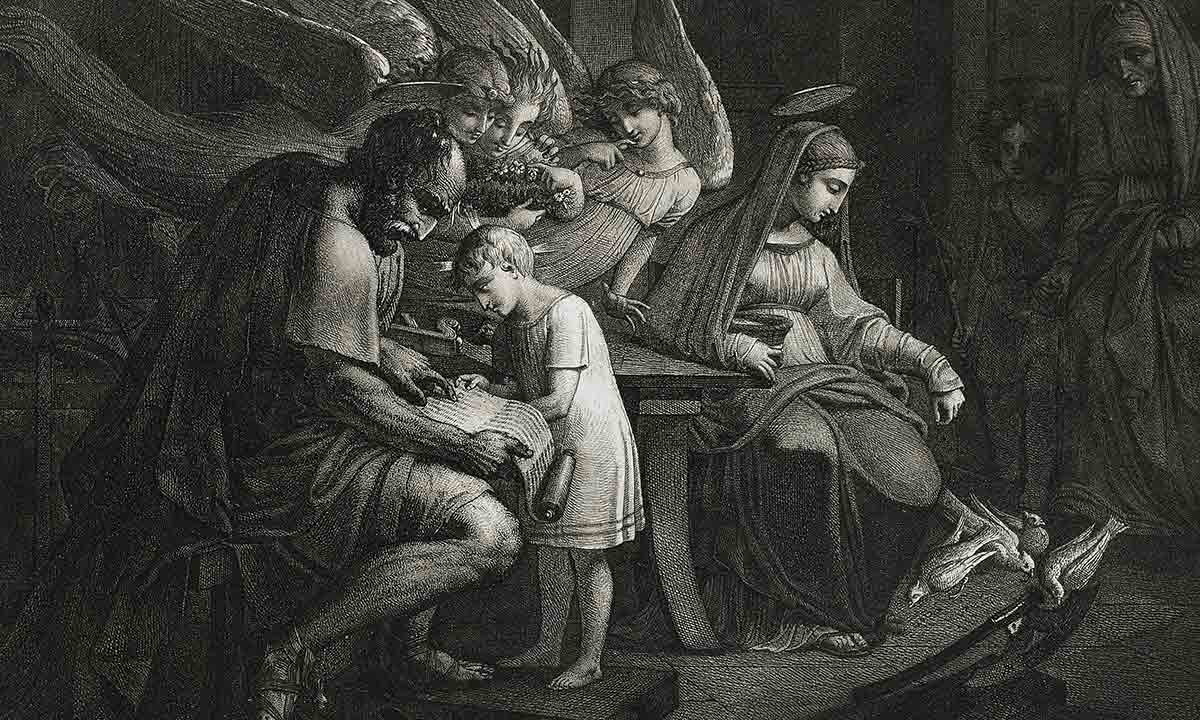
Later, when they finally reach Egypt, Mary and Jesus enter a temple at Hermopolis (or Sotinen) that contains 350 idols. According to Pseudo-Matthew, the idols fall down in the baby Jesus’s presence, each shattering its own face.
Another infancy gospel called the Arabic or Syriac Infancy Gospel that dates to the 5th or 6th century tells the story of the demonized son of an Egyptian priest and prophet who served in one of Egypt’s temples. This was associated with a hospital. Only three years old, the demon-oppressed boy would tear his clothes and throw stones at people whenever the demon came upon him.
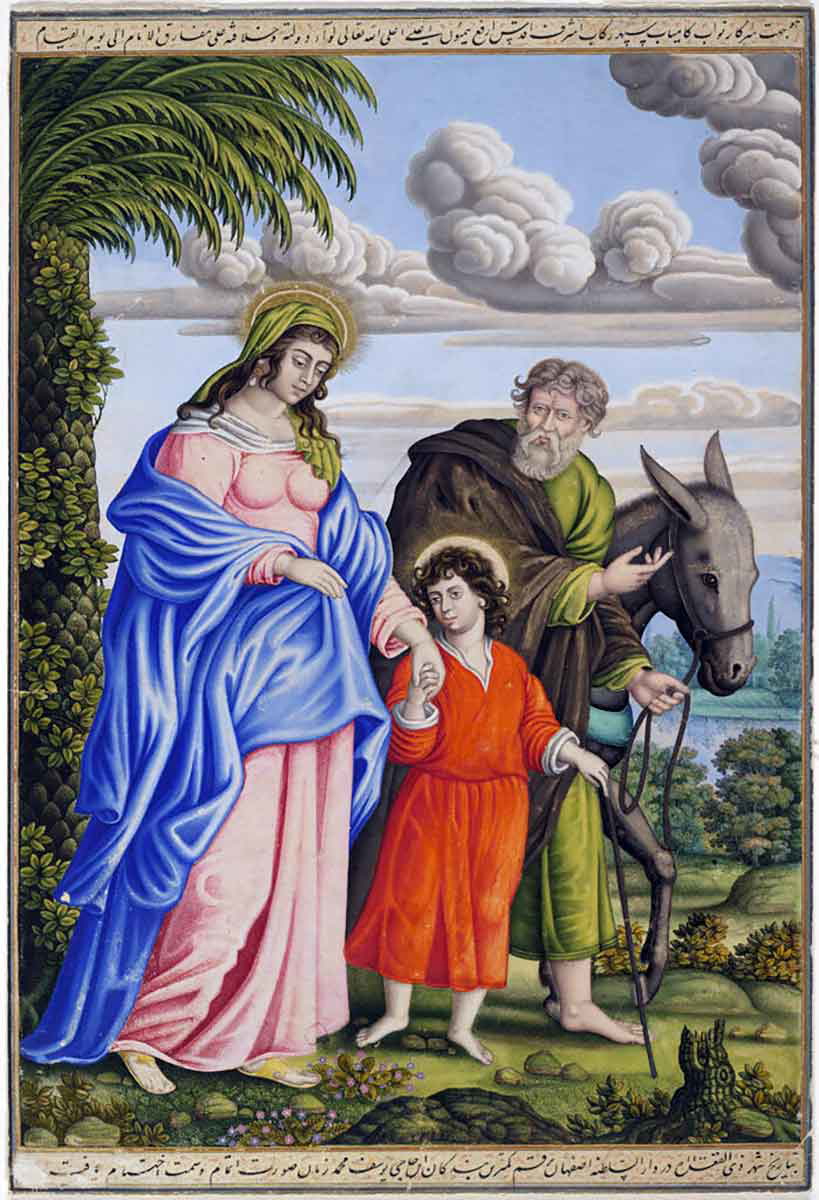
When they arrive in Egypt, Jesus and his parents turn aside into the hospital associated with the temple where this priest served, and this agitates the deities whose idols are housed therein. They, in turn, express their anxiety through the priests. The idols testify to Jesus’s identity as the Son of God, and fall to the ground in an episode similar to the one related in Pseudo-Matthew. This causes panic among the Egyptians.
But then, seemingly by coincidence, the demon-son of the aforementioned priest happens upon some of the baby Jesus’s garments in the hospital, which Mary had washed and laid out to dry. The boy picks one of these garments up and puts it on his head. Immediately, demons begin to manifest themselves in the forms of snakes and ravens, and to pour out of the boy’s mouth. This is seen as an exorcism, and the boy’s father is deeply relieved. Overjoyed, he declares that Jesus must be God’s Son.
How Do Stories About Jesus’s Childhood Relate to the New Testament?
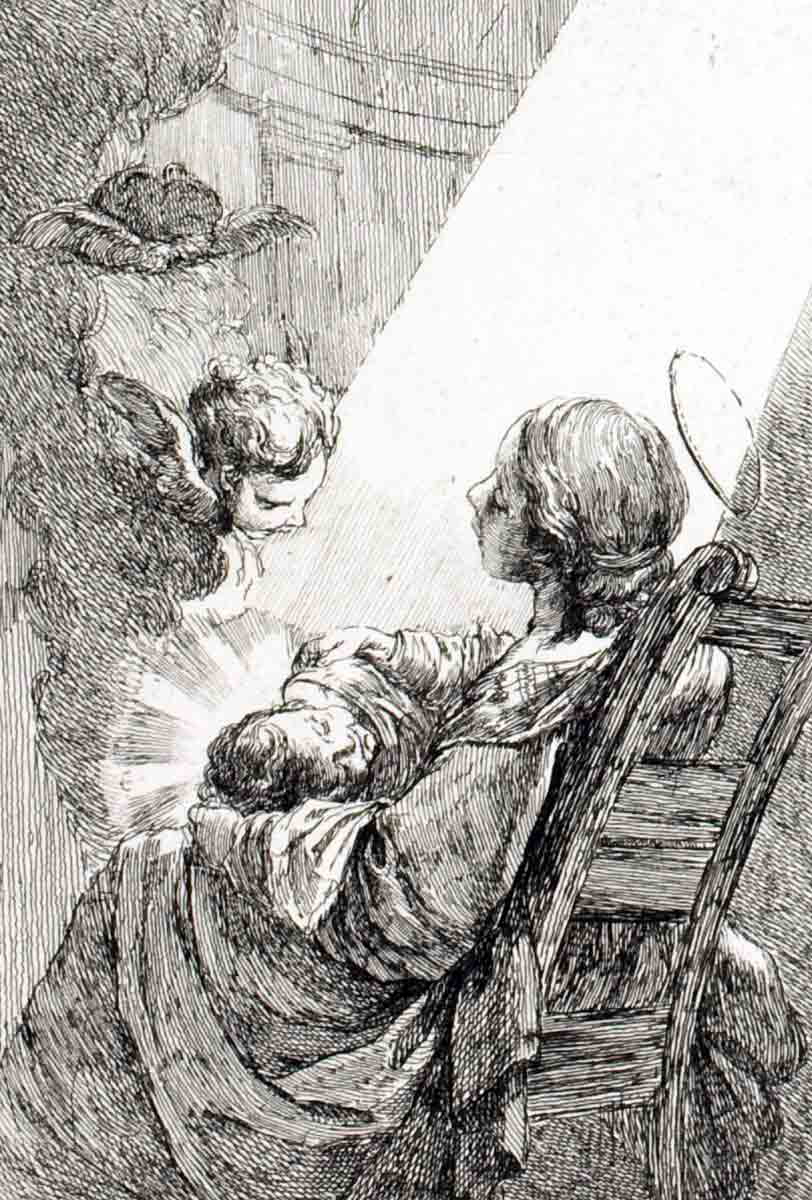
Many of the extra-biblical stories about Jesus’s infancy and childhood appear to draw from tropes that are present in the Gospels in the New Testament. For example, several of them involve people “withering” or shriveling up. While the Jesus of the New Testament never curses anyone with such an effect, there is one passage in which he curses a fig tree, which responds by withering.
Another example of a parallel between tropes in the Gospels and the pseudepigraphical tales related above regards Jesus’s relationship to wild animals. The New Testament mentions that wild animals comforted him during his famous time of trial by the Devil in the Judean wilderness, but it does not explain what this means.
The extreme brattiness of the child Jesus in the pseudepigrapha is not reflected in the New Testament. However, the only story that the New Testament does contain about Jesus as a child, found in Luke chapter two, portrays him as somewhat frustrated with his parents. Likewise, while there is no evidence in the New Testament of Jesus resenting his teachers, he is nevertheless portrayed as impressing his elders greatly as a child. Further, while the extra-biblical traditions in which the stories above appear seem to show the boy Jesus growing from a vindictive child into a more mature, morally aware adult, the New Testament simply says that Jesus “grew in wisdom,” without explaining what that looked like.
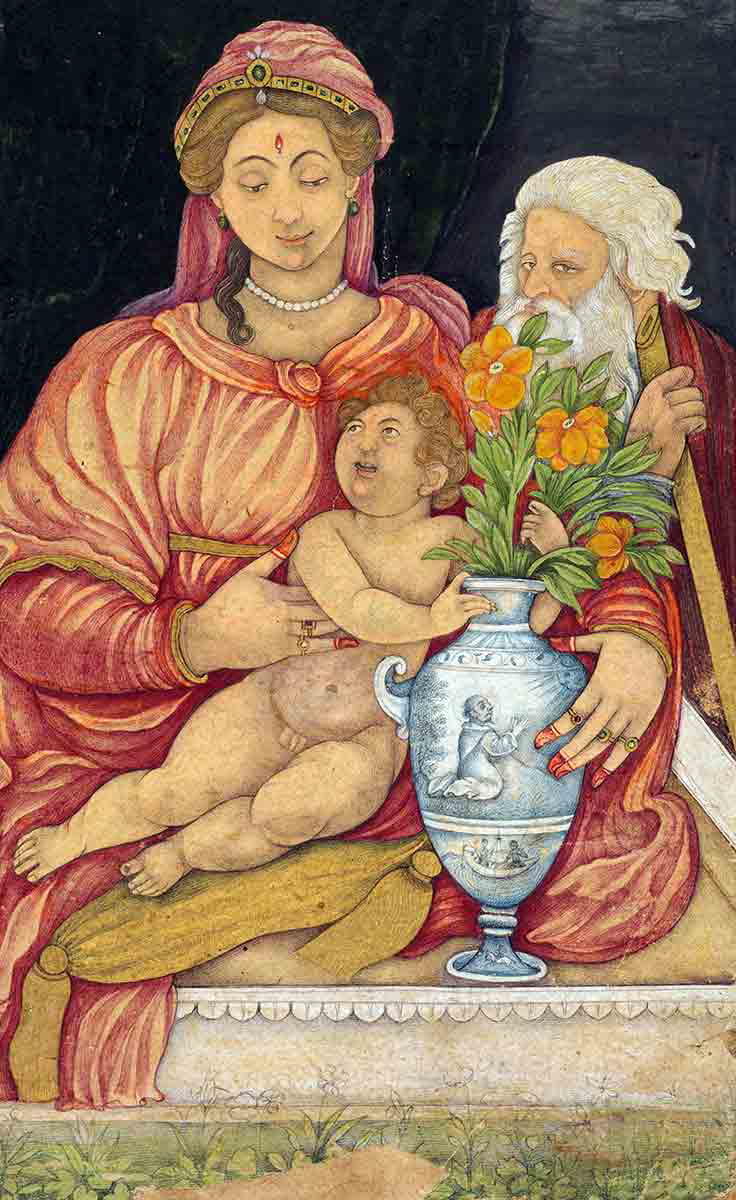
Scholars debate the historical reliability of the Gospels contained in the New Testament. But with regard to these extra-biblical, pseudepigraphical traditions, there is wide agreement that they do not contain very much that could be accurately called historical. At the same time, one is left wondering where they did come from.
If not from real events, how did they emerge? The answer to that question may have been lost forever. But if anyone wonders what Jesus was up to after his birth and before his adulthood, these stories provide a fantastic—if fictional—answer.
Bibliography
Cameron, Ron (Ed.). (1982). The Other Gospels: Non-Canonical Gospel Texts. Westminster John Knox.