During a time of information glut, political polarization, and rapidly changing technology, the ideas of John Dewey resonate now as much as ever. Dewey didn’t simply redefine education—he reimagined democracy, ethics, and the very concept of learning itself. To Dewey, true education was about doing, connecting, and developing, rather than memorizing facts. He felt that democracy was not simply a matter of voting, but of how we live and work in our daily lives. So, what would it be like to live like this today?
Who Is John Dewey?
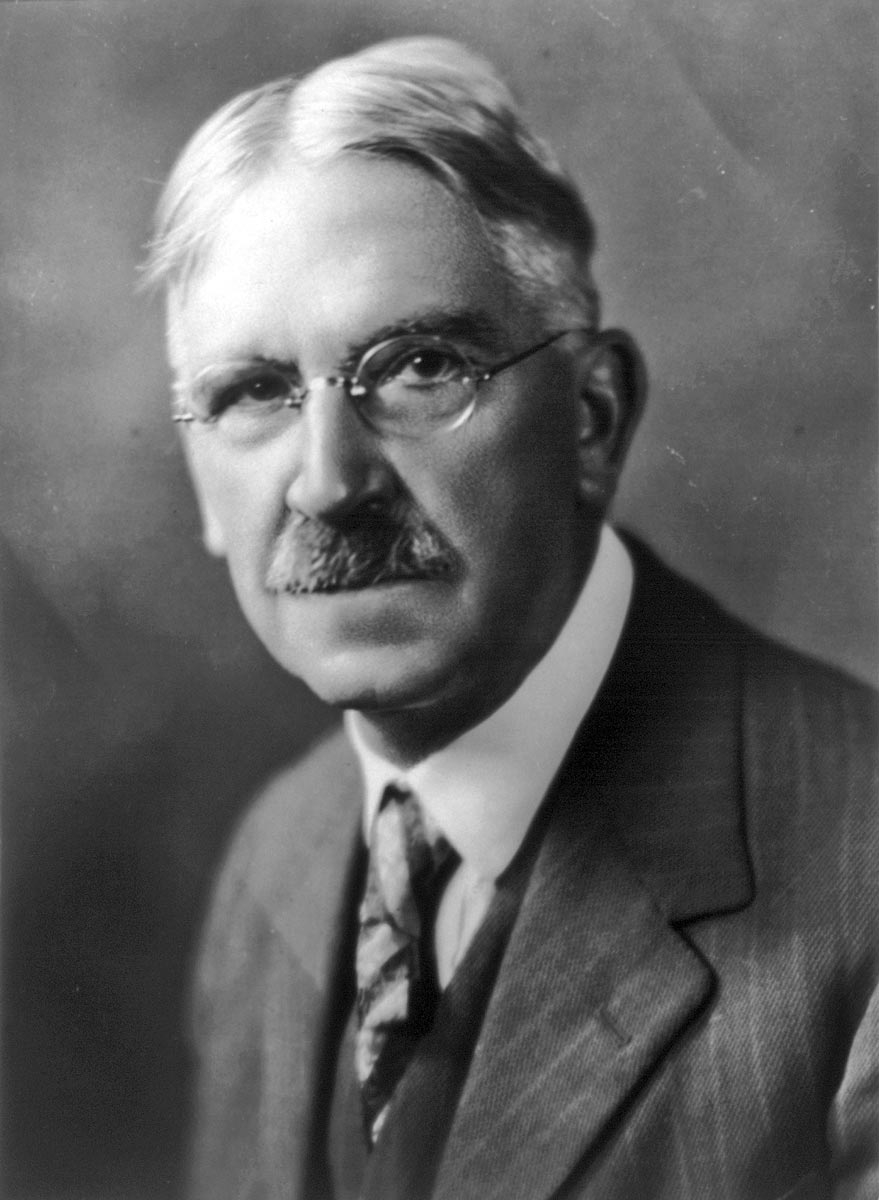
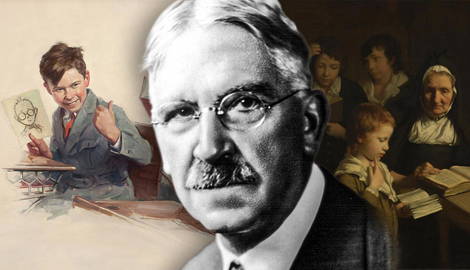
John Dewey, born in 1859, was among the most influential philosophers and educators in American history. He played a significant role in shaping contemporary ideas about both education and democracy, as well as our understanding of what it means to be human.
An advocate of pragmatism (the philosophy that holds that the value of something should be judged by its practical effects), Dewey believed that people should stop merely discussing ideas and instead try them out.
Don’t ask whether an idea is right or wrong, he said, but what difference does it make if we suppose it is true?
When it came to education, Dewey believed that schooling should not be limited to a set period of time during childhood and adolescence. Rather, he thought that all of life was continuous education.
One of the things for which he is best remembered today relates to the type of teaching that goes on in schools and colleges.
Dewey also believed in democracy. But he did not think about voting. He believed that real democracy occurs when people listen to one another, work together, and learn from each other continually within their communities.
Thus, he associated education with social advancement. His thoughts influenced teaching reform, politics, ethics, and even psychology. Scholars such as Richard Rorty based their work on Dewey’s. His methods are still used by teachers around the globe.
Simply put, Dewey believed in growing together through reflective action, collaborative inquiry, and an abiding faith in human potential. That’s what we’ll explore in detail below.
Learning by Doing: Dewey’s Revolutionary Take on Education
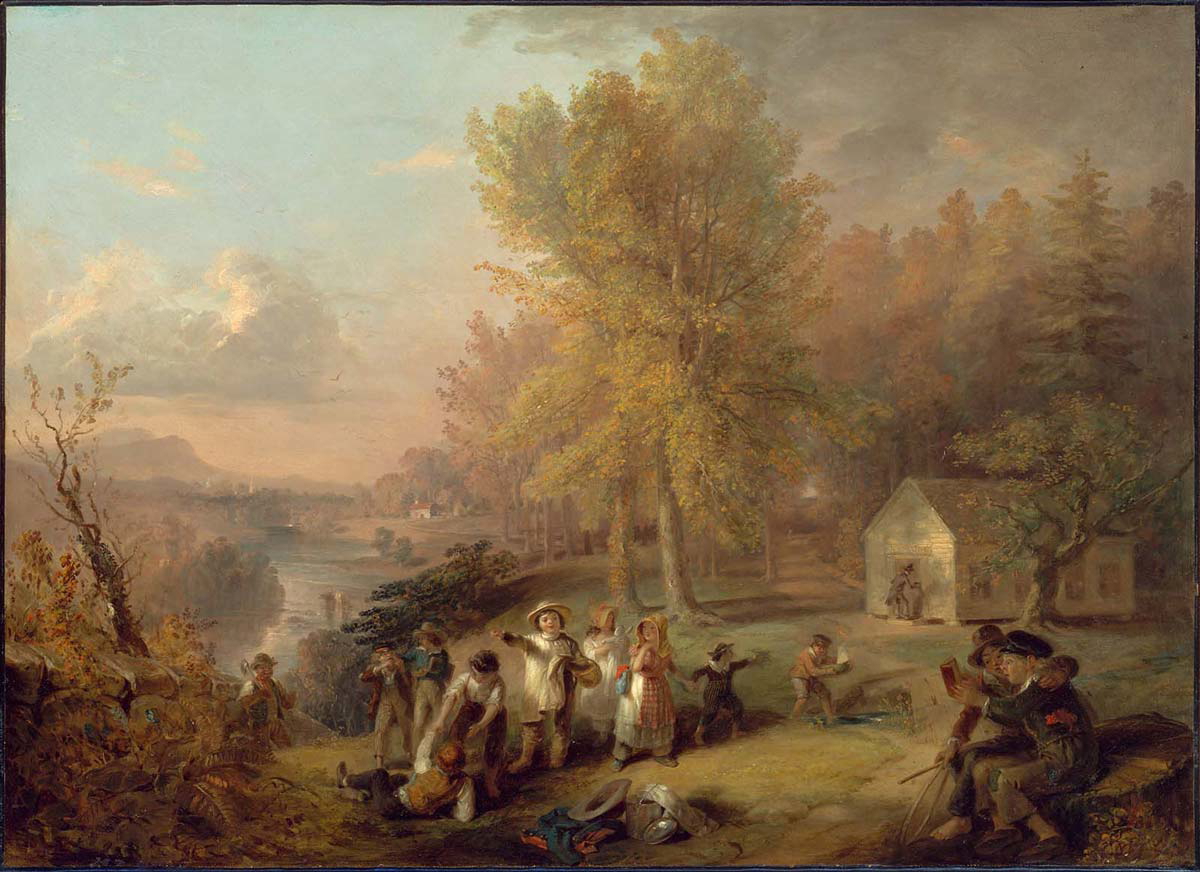
John Dewey thought that people learn best when they do things. He disagreed with the traditional way of teaching, which involved sitting quietly in lines and learning facts by heart.
Dewey believed learning should be hands-on, fun, and based on everyday experiences. This approach is called experiential learning: discovering things by trying them out.
The philosopher also felt education was more than just putting ideas into students’ heads (although this was important). He wanted young people to be able to think for themselves, ask questions, and solve problems—not just recite information from books or teachers.
Dewey believed that school classrooms could feel like communities where children worked together on projects that genuinely interested them, activities that connected what happened at school with daily life.
Rather than standard tests, Dewey supported project-based education. For instance, learners in a science course might raise a garden as part of their study of biology. Students in a civics class might organize an election for school government.
These kinds of hands-on projects help young people learn because they do things, not just see or hear about them again and again.
Dewey also thought that schools should teach children how to take part in democracy. When kids work together on projects, listen to one another, share ideas, and take turns speaking—these are the sorts of things good citizens do (and democracies need more than ever today).
Today, Dewey has influenced a wide range of new teaching methods worldwide. Both Montessori schools and “design thinking” programs have their roots in his belief system, as do any lessons that start by asking questions (sometimes lots of them).
It’s still true: when schooling doesn’t seem relevant to someone’s life, it usually doesn’t work very well.
Democracy as a Way of Life
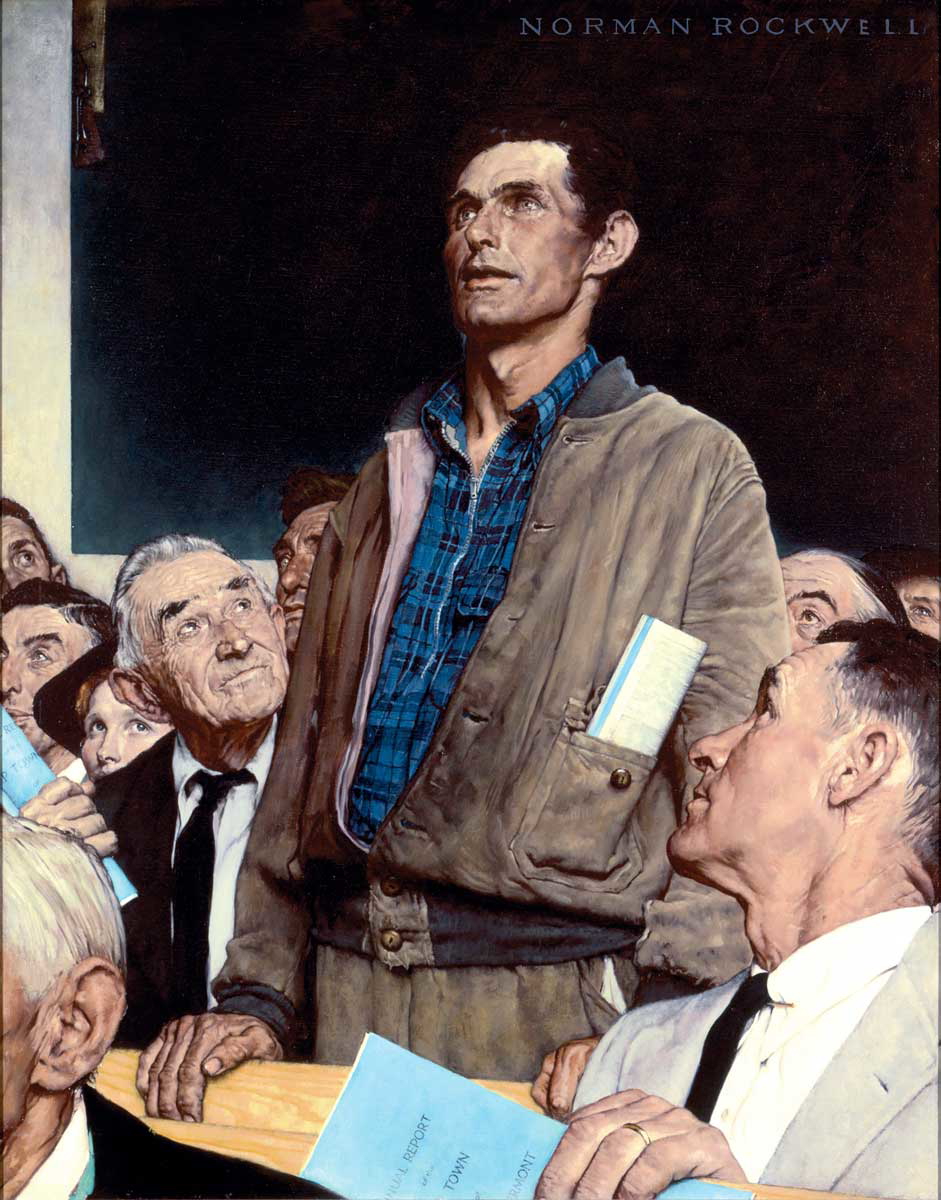
The philosopher saw democracy as more than just casting a ballot every few years. To him, it was a way of living, working, and learning together with others—an ongoing practice that involves open dialogue and solving shared problems respectfully. It’s about everyday ethics rather than governmental systems per se.
At work, school, or when socializing locally, Dewey believed our conduct ought to be shaped by democratic values. If individuals feel listened to, they’ll develop in ways that they cannot when disengaged.
For him, genuine democracy occurs only when everyone takes part equally in decision-making processes that affect their lives. Additionally, he argued for the necessity of active participation from typically excluded groups.
His views reflected those in Socratic dialogues: posing queries, practicing deep listening, and staying curious. Also akin to Aristotle, Dewey viewed humans as flourishing best within cooperative communities. Furthermore, like Habermas, he believed that public reasoning could shape just societies.
Amid today’s polarized online shouting and echo chambers, Dewey’s take seems rather cool. It reminds us that democracy isn’t just about winning arguments—it’s about fostering relationships.
Whether we’re debating in class or meeting with colleagues on a project, Deweyan democracy comes alive when we see others not as foes but as co-creators of something valuable together.
The Ethics of Growth and Experience
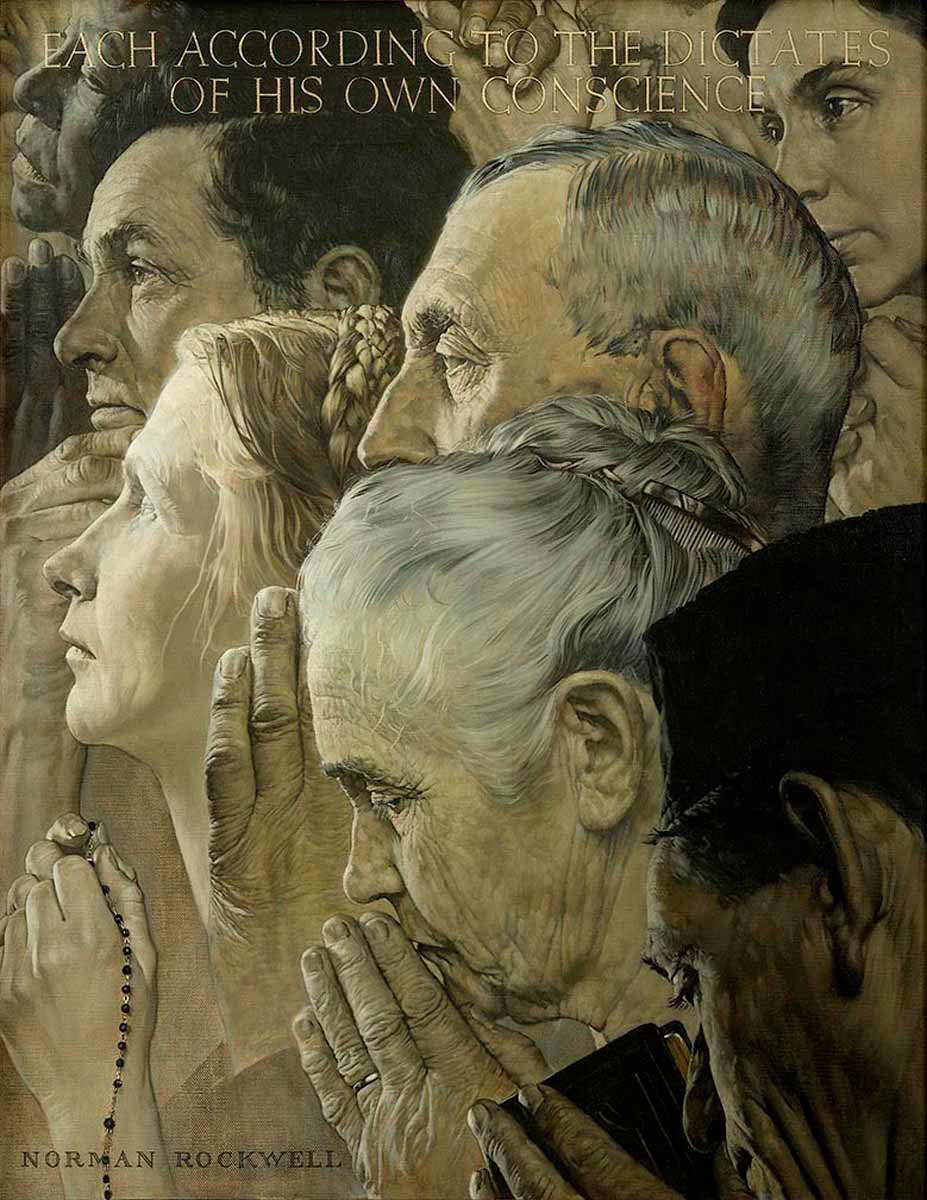
John Dewey believed that ethics should not be based on rigid rules or the desire for an ideal outcome. He thought ethics involves “growing” as people by having experiences that they reflect on. It is not a matter of learning rules by heart or working out sums.
Dewey disagreed with Immanuel Kant, who argued that there are certain moral duties that we must always adhere to. He also disagreed with Jeremy Bentham and Kant’s followers, John Stuart Mill, when they said that the most moral thing we can do is to make as many people as possible happy.
Instead, Dewey suggested asking yourself these questions: What helps someone become more mature (develop fully as a human being) over time? What kinds of behavior would improve relationships between individuals or groups and so lead to a “better” society overall?
His approach is suitable for today’s complex, globally interconnected world, in which strict moral codes may not be sufficient. Dewey advocated for ethical pluralism—the belief that different people and cultures can arrive at different, yet valid, moral conclusions.
What counts is how we reflect on and learn from our experiences and how we adapt to new situations.
This view closely resembles Aristotle’s, for whom ethics was all about developing good character through habit, though with a modern, democratic twist. According to both thinkers, values don’t come ready-made. They are worked out in dialogue with others (past and present) as we live and learn together.
In a world that never stands still, Dewey reminds us that moral progress requires more than just changing your mind. It means growing emotionally as well as intellectually: becoming better (more understanding, useful, sympathetic) people over time.
Education for a Changing World: Dewey and Lifelong Learning
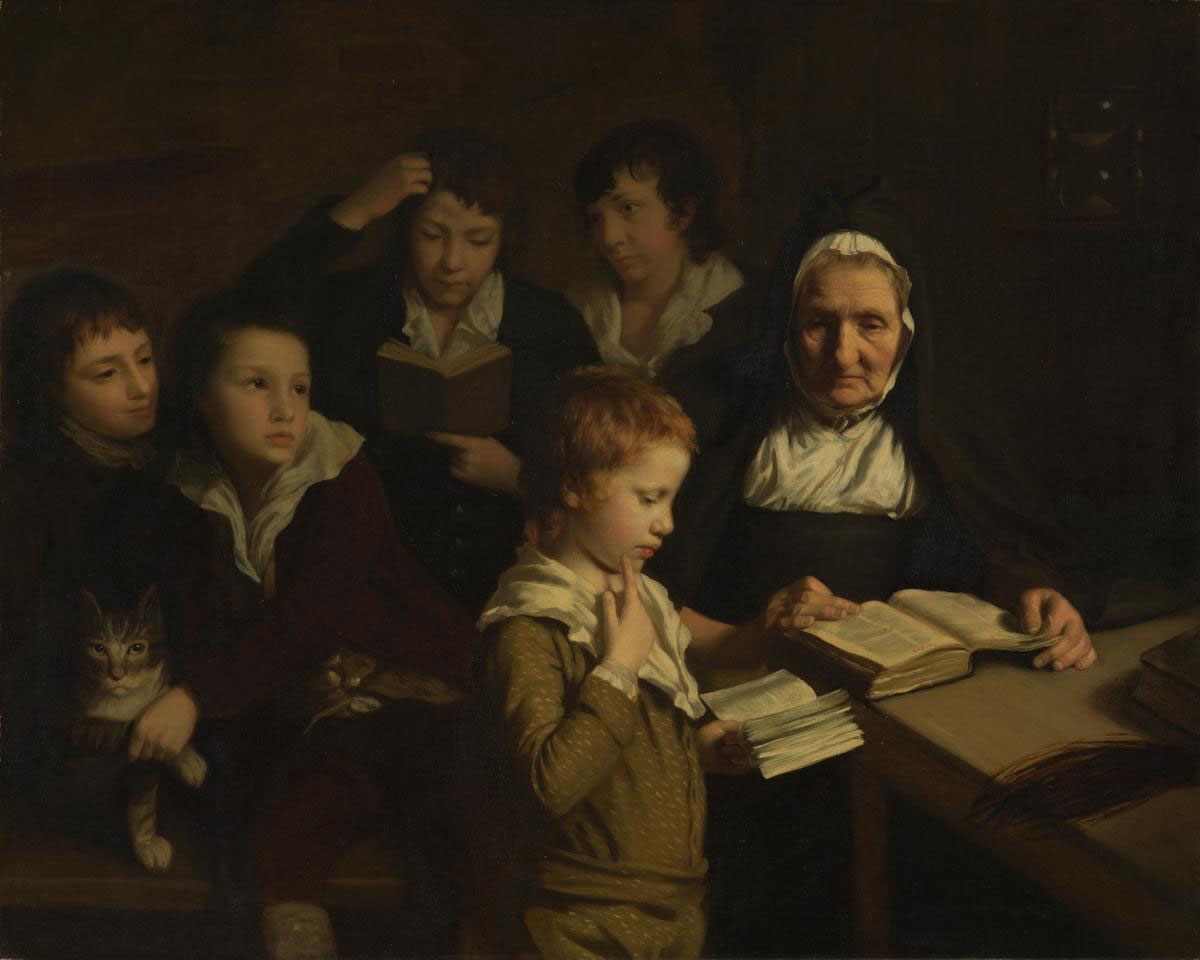
What is more, John Dewey argued that education is important for everyone, no matter their age. Because the world is always changing, Dewey said people must also keep on learning.
He thought that education did not just prepare you for life; it was life. This means we should constantly learn how to think for ourselves and stay interested, not only to do well but to thrive.
Today, with artificial intelligence automating jobs and society changing rapidly due to technology, Dewey’s ideas about lifelong learning are more relevant than ever.
When jobs require different skills in a changing world, he emphasized the importance of thinking carefully (critical thinking), being adaptable (flexibility), and considering the needs of others (social responsibility). These are things that help people choose work, if available, and live wisely and ethically, too.
These sentiments were echoed by other thinkers as well. Socrates wrote that, “The unexamined life is not worth living.” Paulo Freire emphasized that education must inspire people to inquire, reflect, and transform the world.
Dewey concurred that authentic learning links the individual to society and helps create an improved society. To Dewey, lifelong learning was never just useful—it was an ethical responsibility and public obligation.
In a democracy, citizens must continue to think, listen, and learn from one another. That is the way society is made better. His message? We never need to stop learning—because the world never stops evolving, and neither do we.
Dewey on Science, Inquiry, and Public Problem-Solving
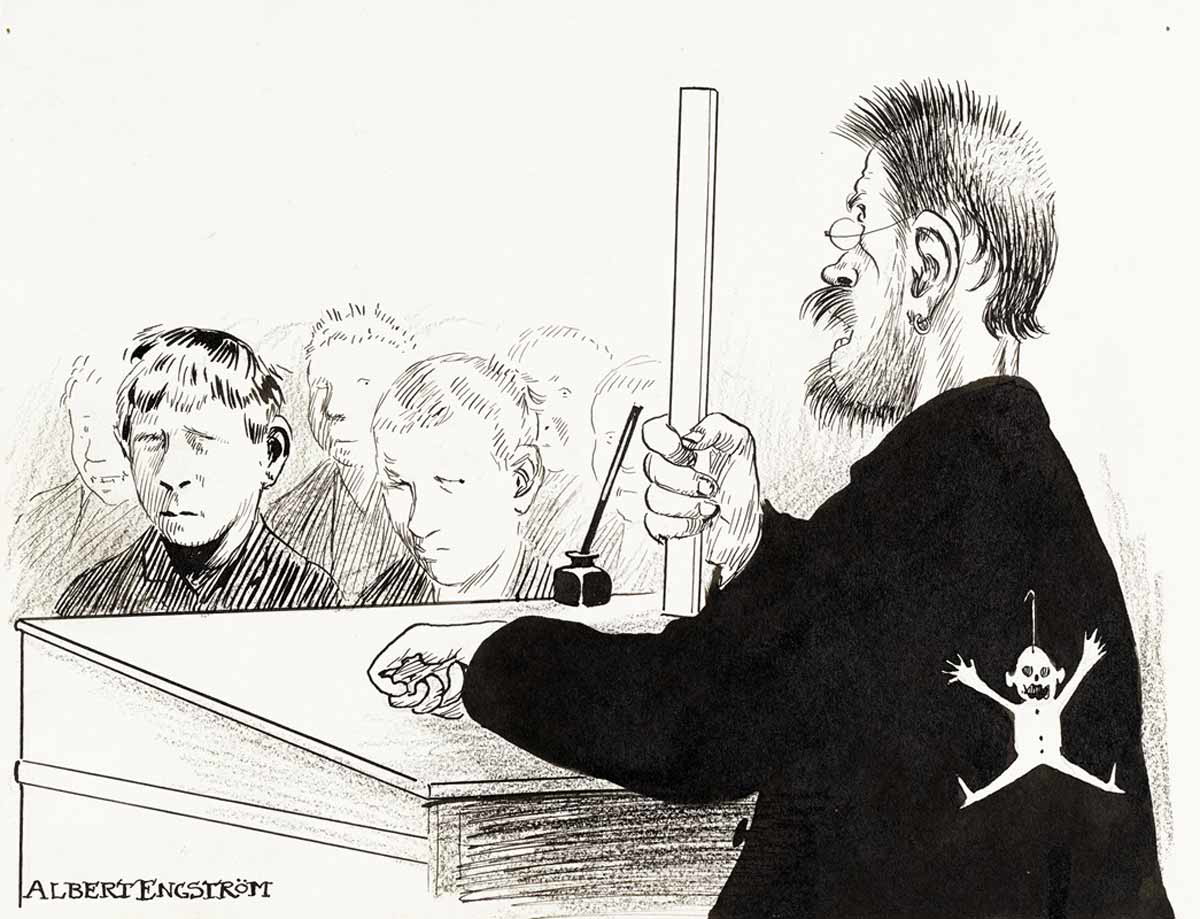
In the view of John Dewey, real thinking involves more than simply finding solutions—it centers around inquiry. According to him, one learns best when investigating issues that are relevant to everyday life.
Dewey also felt that science should not only be conducted in laboratories. He believed scientists should work with ordinary citizens to help communities address problems using evidence, logic, and reflection.
Today, Dewey’s perspective remains compelling. Consider climate change and public health emergencies: such matters cannot be left solely to specialists. Instead, laypeople must also play a role—asking questions, weighing facts, and devising strategies alongside one another.
This is not just about having information but rather making good use of it together as part of taking action while engaging in discussion throughout.
The other philosophers advocated comparable ideologies. Francis Bacon advocated for the scientific method as the key to enhancing life. Karl Popper emphasized the importance of experimentation and the development of ideas over clinging to dogmas.
Dewey advanced these beliefs in the public arena and set out that democracies prosper when citizens are inquisitive, educated, and collaborative. He believed that reason and fact are necessary, but only when supplemented by empathy and conversation.
His hope? That questioning could supplant yelling with constructive conversation, and science could serve as the common language for creating a better world. In Dewey’s opinion, democracy and questioning go hand in hand.
So, Why Does John Dewey’s Philosophy Matter Today?
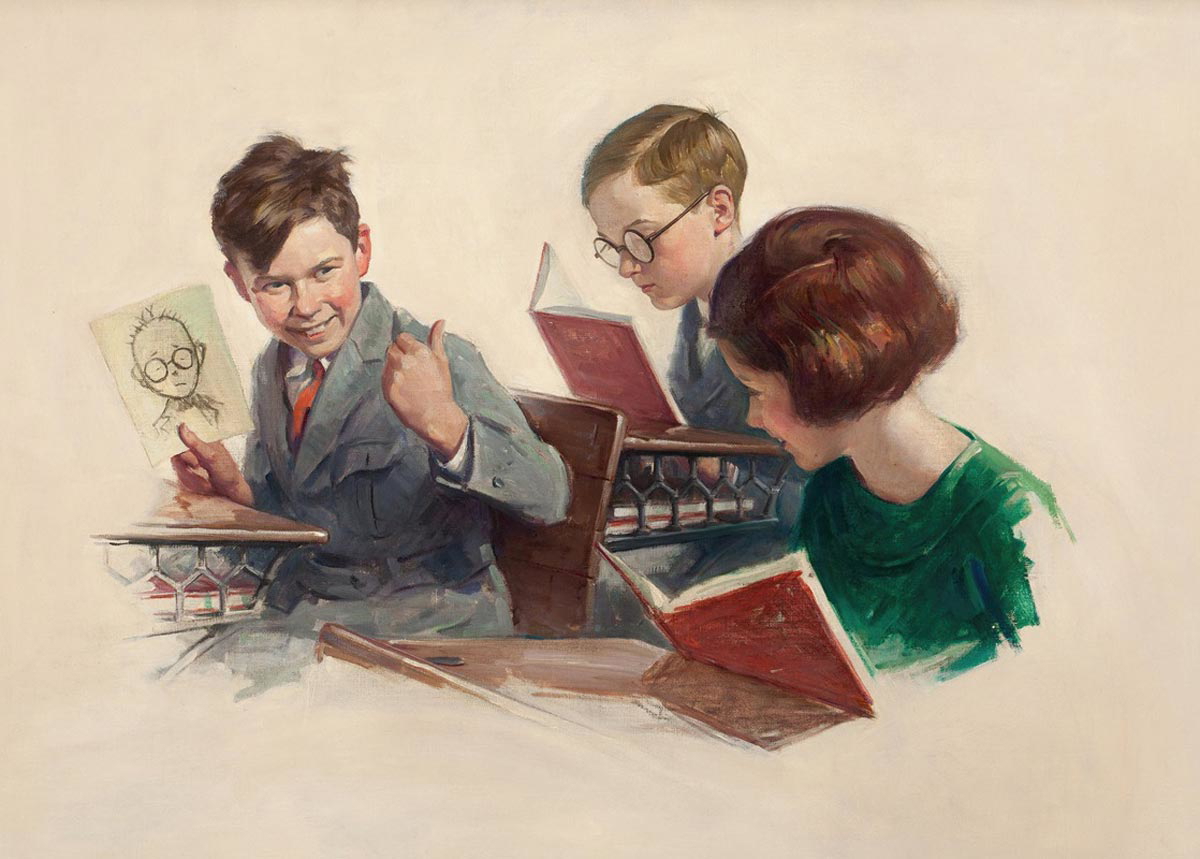
The philosophy of John Dewey remains relevant today because it emphasizes that learning, morality, and democracy are dynamic and ongoing processes. Education meant instilling curiosity rather than mere fact memorization for him. He regarded democracy as a way of life, founded on empathy, engagement, and ongoing development.
In the current environment of rapid evolution, Dewey’s emphasis on lifelong learning and reflective problem-solving is as important now as it has ever been.
Similar to Socrates, Dewey challenges us to engage in inquiry. Similar to Aristotle, he felt that people flourish with experience. However, with his modern update, we learn most effectively by experiencing it ourselves, together in the community.
He does not provide definitive answers but instead prods us to continue asking improved questions.
So, if you’re an educator, parent, activist, or just interested in life in general, Dewey’s work inspires you to reflect deeply and live wisely. Because thoughtful living isn’t an end destination—it’s an ongoing practice. Dewey believed that each of us was both able and willing to do it.