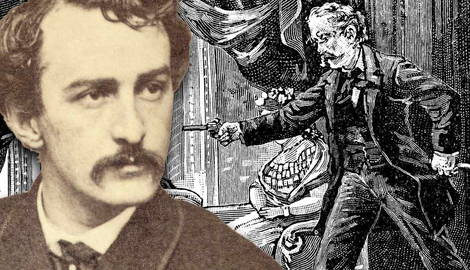

John Wilkes Booth was a famous stage actor during the Antebellum Era. Despite his theatrical success, he is best remembered for the assassination of President Abraham Lincoln at Ford’s Theatre in 1865. Driven by his support for the Confederacy, Booth hatched plans that escalated from kidnapping to murder. After the assassination, he led authorities on a manhunt, ultimately meeting his own violent end. Here are seven facts about John Wilkes Booth.
1. He Was Born Into a Family of Actors
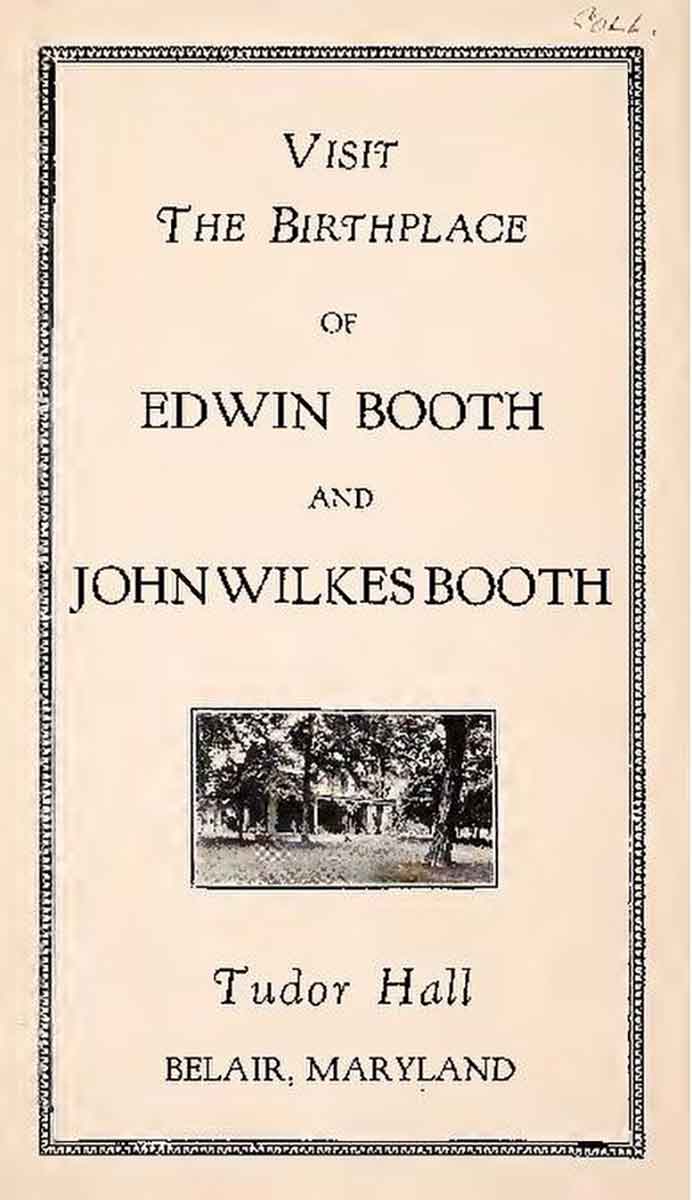
John Wilkes Booth was born on May 10, 1838, in Bel Air, Maryland. He came from the famous Booth family of actors. His father, Junius Brutus Booth, was one of the most acclaimed theater performers of his time, and his brothers, Edwin and Junius Jr., were arguably more talented and famous than John.
By his teenage years, Booth was so interested in acting that he joined traveling productions, taking on minor roles to sharpen his skills. Audiences noticed his energy and stage presence, which set him apart even at a young age.
Offstage, Booth carried himself with what individuals described as arrogance. This often meant that Booth did not shy away from informing others of his strong opinions, especially when it came to politics. This outspoken nature made him stand out in social circles, where he often debated passionately. Living in the Antebellum era which was plagued with controversies over the issues of slavery’s expansion, popular sovereignty, and states’ rights, Booth spent many an evening letting his opinions on the topics of his time be known.
2. He Was a Famous Theater Actor
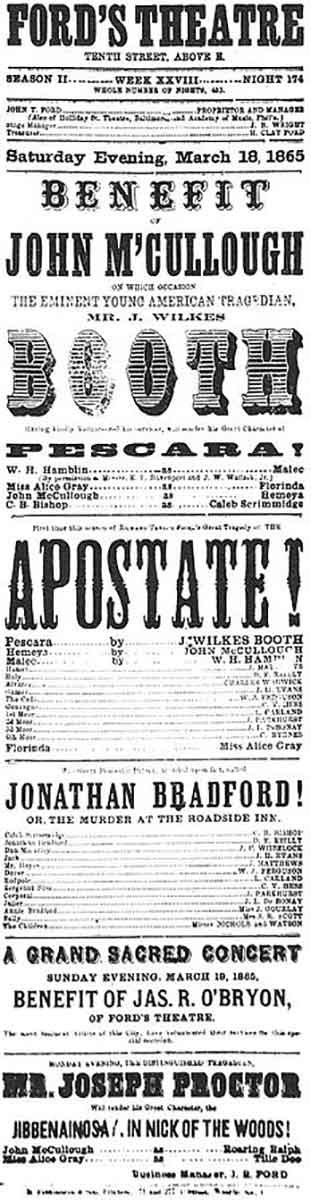
During the 1850s and early 1860s, John Wilkes Booth began to garner fame as a stage actor. He traveled to theaters across the country, performing roles in popular plays like Richard III and Romeo and Juliet. Critics often compared him to his brother Edwin, who was often noted as having superior talent to his younger brother, but audiences preferred John’s style of acting to that of his brother. He was known for taking on every aspect of his character.
Audience members and friends often noted that when playing a role, Booth often took on the persona of his character beyond the walls of the venue. Despite the attention, he never fully escaped Edwin’s shadow, and the rivalry sometimes added tension within their family.
Off the stage, Booth was friendly and sociable, but he could also be moody, especially when he talked about ongoing political conflicts in the country. At the height of his career, Booth was earning enough money to support his lifestyle while donating excess funds to the Confederate war effort, a cause he was immensely devoted to.
3. He Was a Supporter of the Confederacy
From the start of the Civil War, Booth sided firmly with the Confederacy. He believed in Southern ideals, slavery, and viewed Abraham Lincoln’s policies as a direct threat to the way of life he defended. While many actors tried to keep their political views private as they worried it would lead to a decrease in ticket sales, Booth spoke freely about his hatred of the Union and his love and sympathy for the Confederacy.
During his travels, he encountered different opinions, but he rarely backed down from an argument. His love for the Southern cause only grew stronger as the war progressed in favor of the Union. In addition to volunteering his personal fortune, Booth sometimes smuggled items like medicine across the lines to aid Southern troops as he traveled from city to city performing his act. Backstage, he’d often rant about politics with fellow actors, sometimes creating tension among colleagues who disagreed with him.
As the years went on with no end in sight, Booth’s views became more aggressive and militant, leading him to make his fateful decision in 1865.
4. He Originally Planned to Kidnap Abraham Lincoln
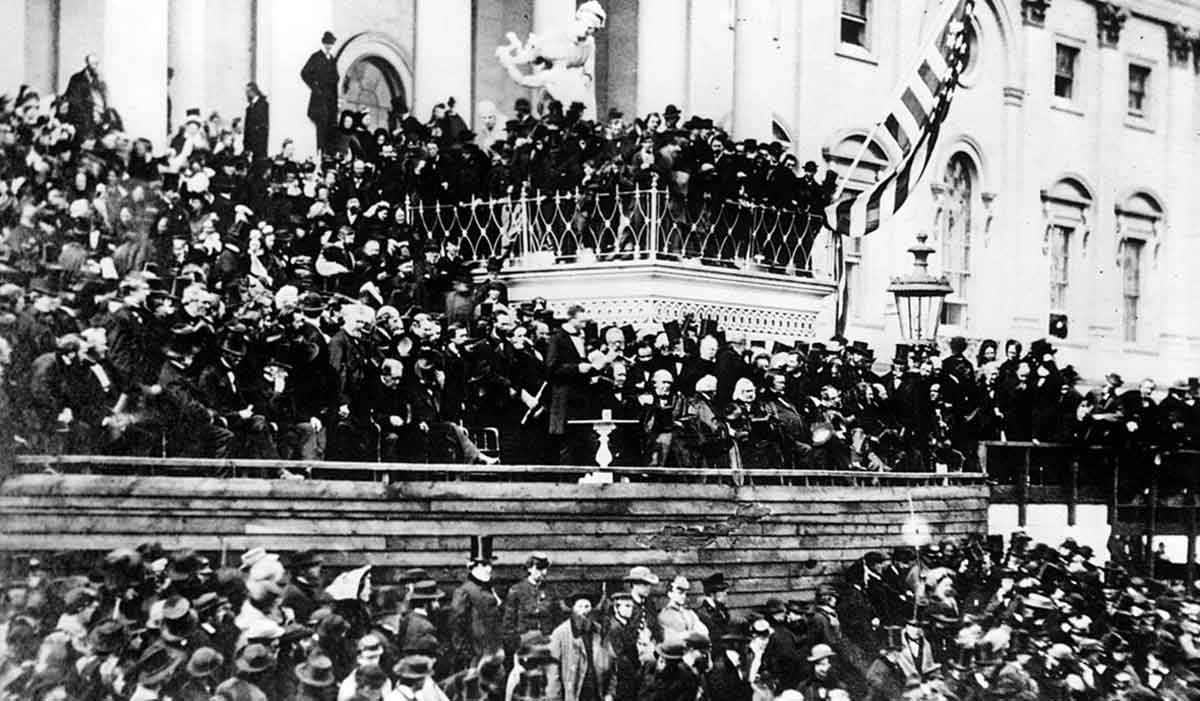
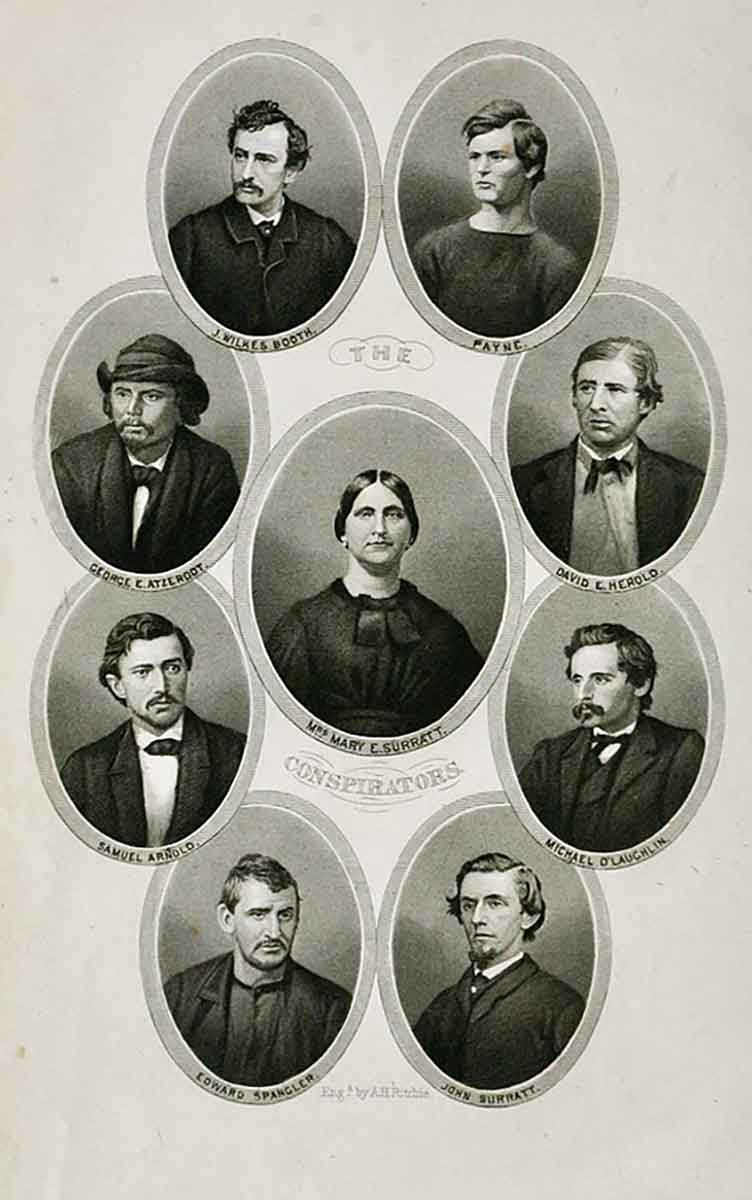
Before assassinating President Lincoln, John Wilkes Booth had a different scheme in mind. In late 1864, he formed a small group with fellow southern sympathizer George A. Adzerot, with the intention of kidnapping Lincoln and using him to negotiate an end to the war in favor of Confederate independence from the Union.
Adzerot, Booth, and others planned the kidnapping of Lincoln in Adzerot’s mother’s boarding house in the nation’s capital. One attempt fell apart when Lincoln changed his schedule at the last minute, leaving Booth furious and even more determined. He believed capturing Lincoln alive could force the Union to negotiate terms favorable to the South.
The men practiced drills and scouted possible escape routes. Some grew uneasy as the plot progressed, worried about the legal and moral risks, but Booth’s conviction overrode their concerns. When it became clear that the war was nearly lost for the Confederacy, Booth’s desperation grew.
The kidnapping plan soon evolved into a deadlier course of action. By the spring of 1865, Booth’s talks shifted from abduction to murder, revealing just how far he was willing to go for the Confederate cause.
5. He Assassinated Abraham Lincoln at Ford’s Theatre
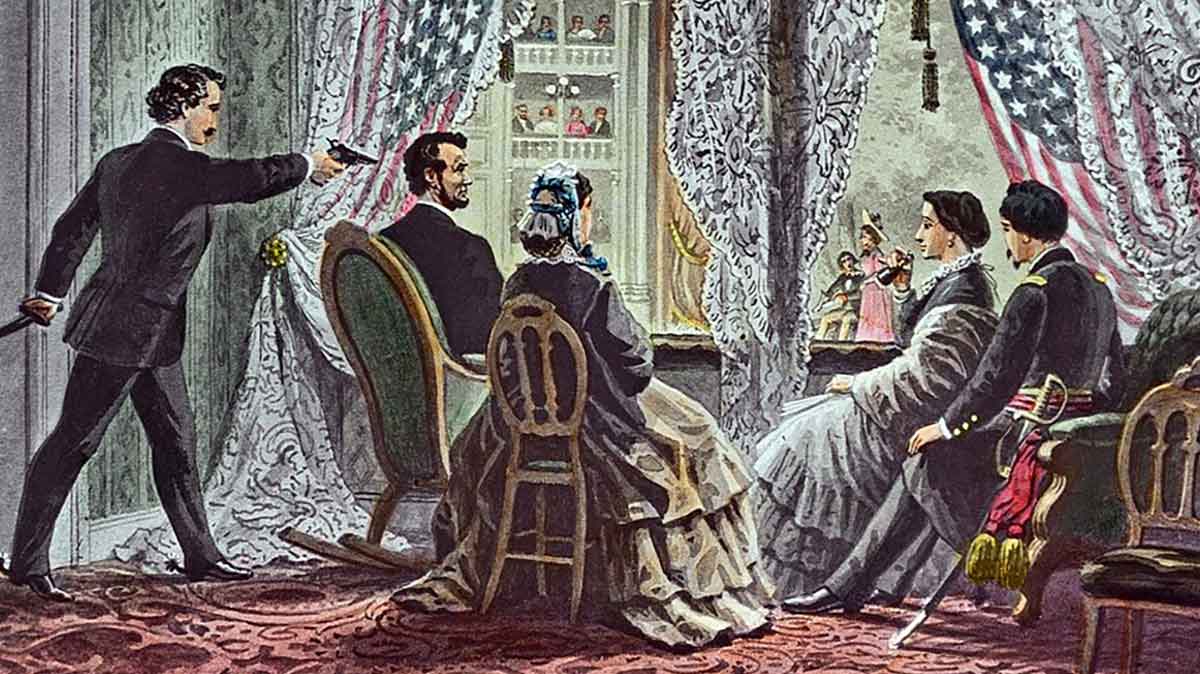
On April 14, 1865, Booth carried out the act that would forever define him. Earlier that day, he learned Abraham Lincoln planned to attend Our American Cousin at Ford’s Theatre with his wife Mary Todd, and their guests Mr. and Mrs. Major Henry Rathbone. Booth, being a familiar face in theatrical circles, could move around the venue without arousing suspicion.
That night, Booth approached the back door of Ford’s Theatre and was recognized by the guard. Informing him he was there to wish the cast good luck, the guard held Booth’s horse for him in anticipation of his return. Booth made his way upstairs and slipped into Lincoln’s private box around 10 pm, armed with a small single-shot pistol and knife.
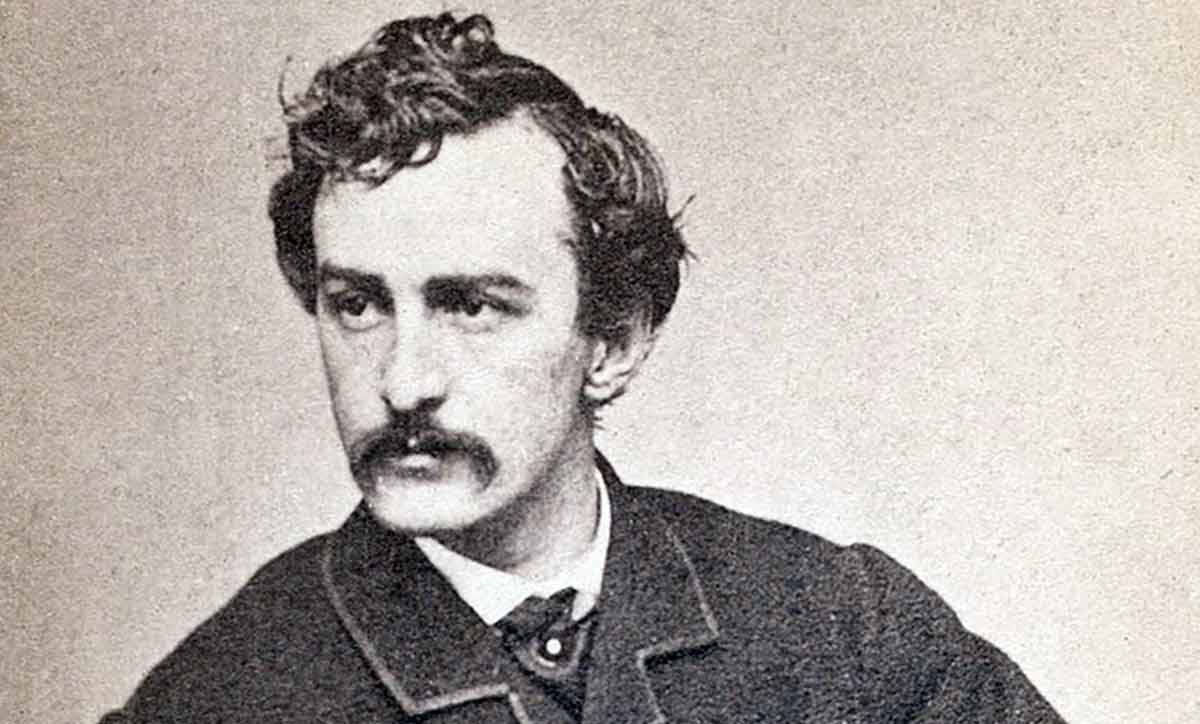
Familiar with the play, Booth waited until the climax which would draw the loudest laughter from the crowd. As the audience broke out in laughter, Booth fired a shot directly at the back of Lincoln’s head at point-blank range.
Chaos broke out as Lincoln slumped forward, mortally wounded. Booth then jumped from the box to the stage, clipping his spurs on the American flag draped over the presidential box. Booth fell to the stage, injuring his leg but still managing to escape through a side door after turning to the crowd, thrusting his knife in the air, proclaiming “Sic Semper Tyrannis” Latin for “Thus always to Tyrants,” the motto of the state of Virginia.
The news spread across Washington, then the entire country. In a matter of seconds, Booth had transformed from a successful actor into the nation’s most hunted fugitive.
6. He Sparked a Massive Manhunt
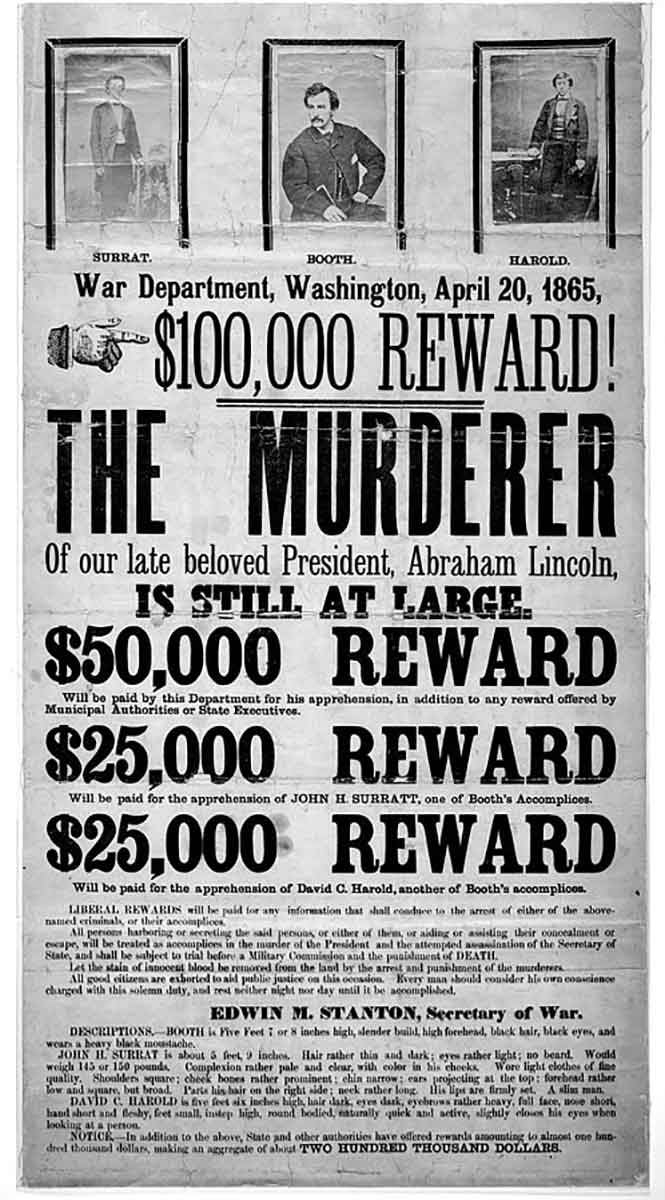
Moments after pulling the trigger, Booth escaped Ford’s Theatre and met up with David Herold, an accomplice who guided him out of Washington. Booth’s leg was badly hurt from his jump, and he sought medical help at the home of a local doctor, Samuel Mudd, before continuing his flight into Maryland.
News of Lincoln’s assassination spread fast, and Union authorities wasted no time organizing a massive search. Booth and Herold tried to stay one step ahead, all while hoping to reach Virginia, where they believed they would find a safe haven for assassinating Lincoln. Booth even kept a diary during his escape, writing down his frustrations while he attempted to elude authorities.
Unfortunately for Booth, ordinary citizens in all regions of the country, who might have once been fans of Booth the actor now saw him in a more negative light. Southerners, who years earlier might have celebrated Lincoln’s assassination, scolded Booth’s actions as they worried the South would be punished for what Booth had done.
7. He Was Never Captured Alive
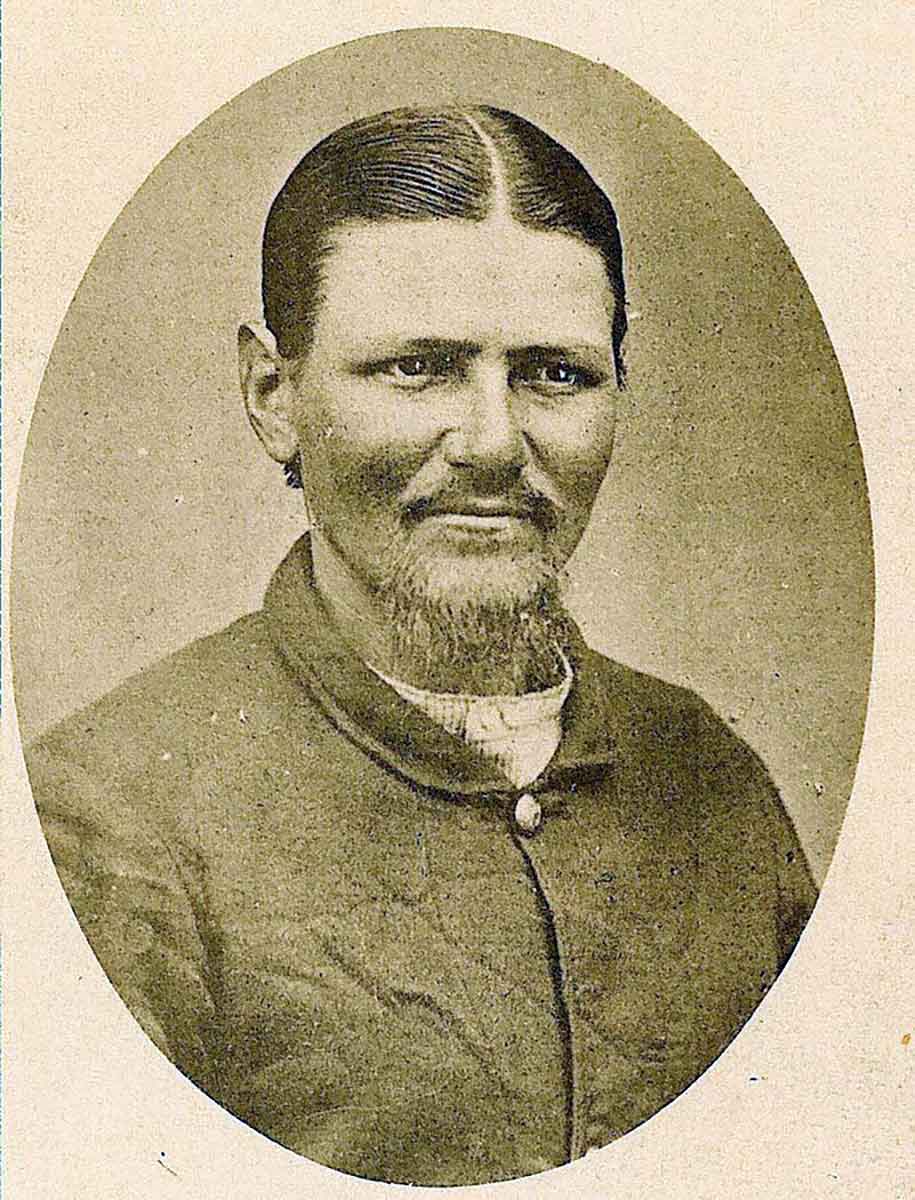
After nearly two weeks on the run, John Wilkes Booth was found at Richard Garrett’s farm in Virginia. According to Garrett, he was unaware of the person who had asked to stay the evening on his property. On April 26, 1865, Union troops surrounded the barn on Garrett’s farm. Herold surrendered immediately, but Booth refused to be captured alive.
In an effort to force him into the open, soldiers lit the barn on fire but nonetheless, Booth stayed inside. Boston Corbett, a member of the United States Army, made his way around the barn searching for an opening. Soon, a single shot rang out, striking Booth in the neck.
Afterward, Booth was removed from the burning barn and he died within hours on the porch of Garrett’s farmhouse. According to some accounts, his final words were a request to see his hands, uttering the words “useless, useless.”
While this account can never be verified, his death ended the largest manhunt in American history up to that time. The impact of Lincoln’s assassination would continue to shape the nation for generations.