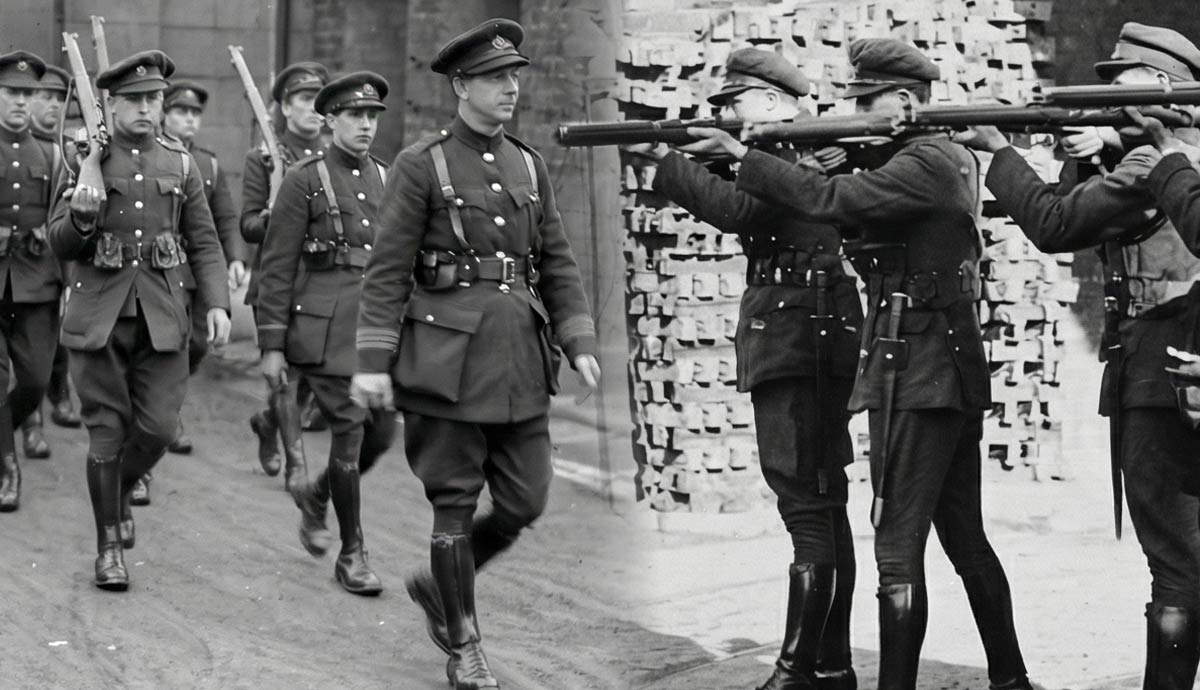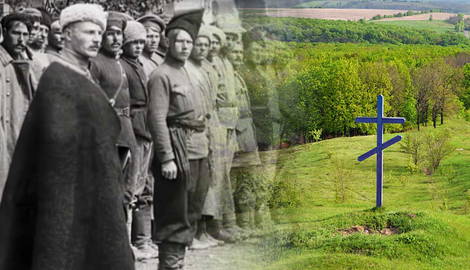

Ukraine came under Russian control after the Polish-Lithuanian Commonwealth’s fall in 1795. In the seventeenth century, the Cossack Hetmanate created a proto-Ukrainian state. In 1917, after the Russian Empire’s collapse, Ukraine declared independence. In response, the Bolsheviks invaded the new state. In the Kholodnyi Yar region, peasant insurgents led an uprising against the Bolsheviks and formed the independent Kholodnoyarskaya Republic. Unable to destroy the resistance movement, the Soviets launched a devious undercover operation to destroy it. Kholodnoyarskaya was the last independent territory in Ukraine to resist the Bolsheviks.
Kholodnyi Yar: Territory of the Spirit
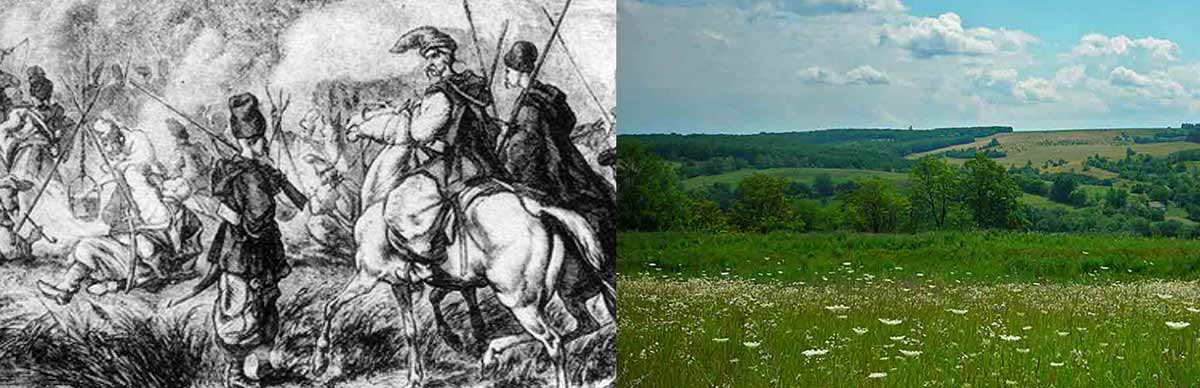
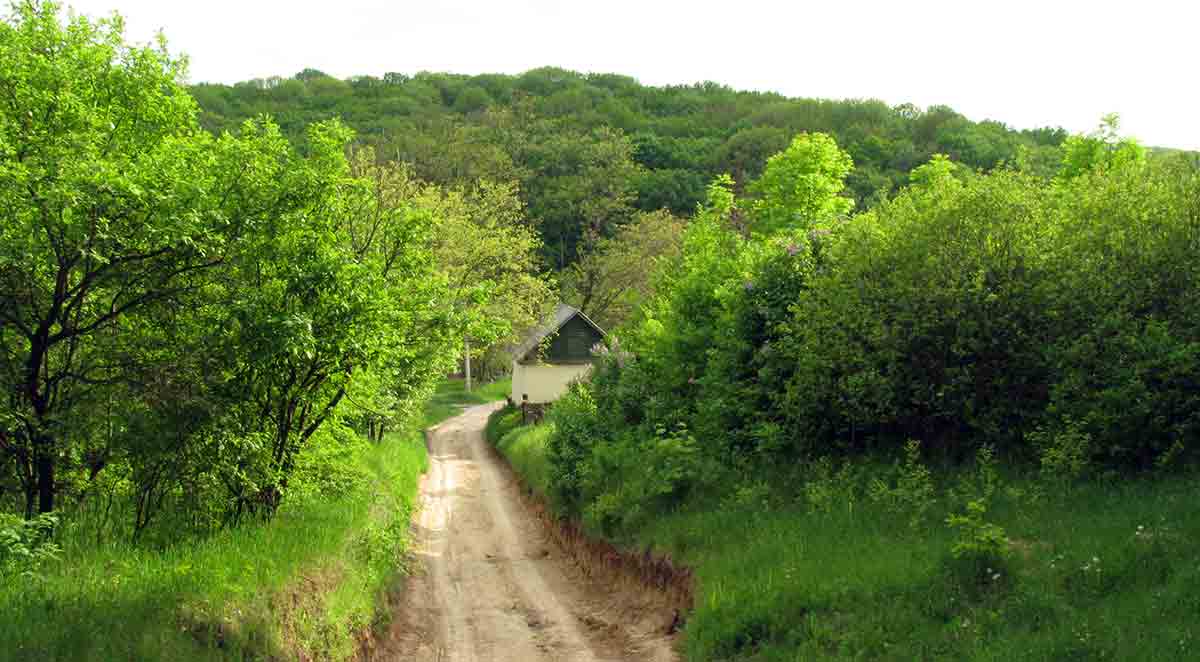
Located in the Chyhyryn district (now Cherkasy) in Ukraine’s Kyiv province, Kholodnyi Yar, or Cold Ravine, was a vast tract of forest-steppe covering over 17,000 acres.
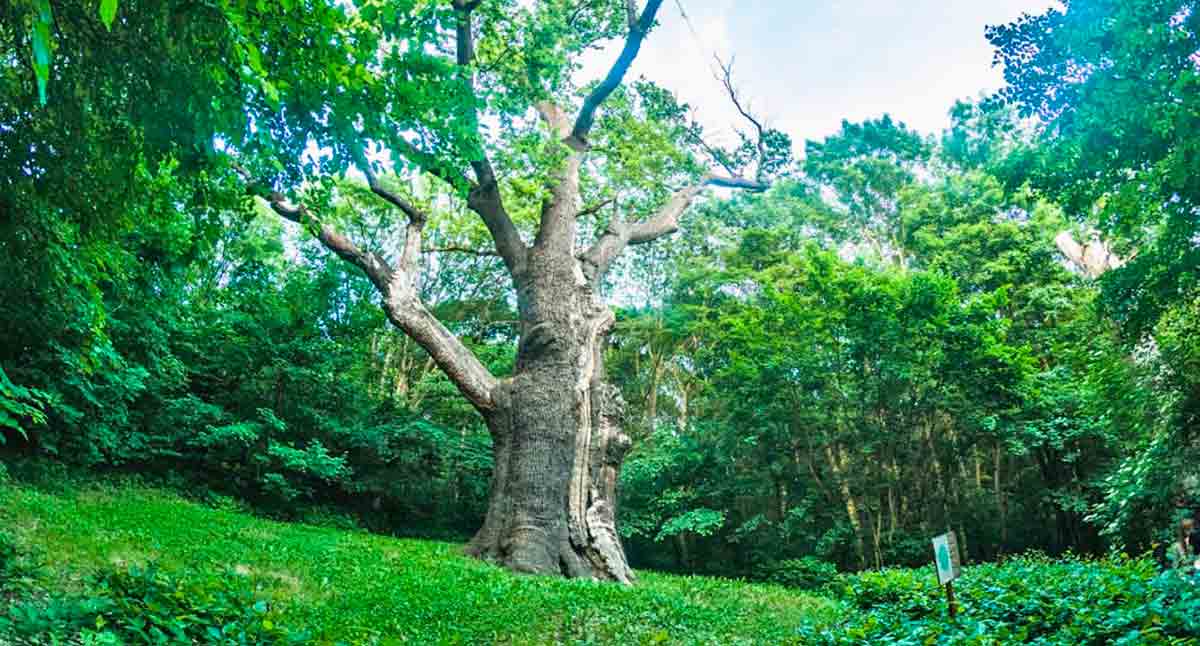
Cold Ravine takes its name from deep forest ravines where temperatures drop without warning and shadowed gullies collect cold fog. A famous local landmark was a thousand-year-old oak scarred by lightning that stood near the village of Buda, which witnessed bitter wars against the Mongols, Poles, and Russians, and came to serve as a symbol of Ukrainian defiance.
This region held spiritual power for many Ukrainians. During the seventeenth century, Bohdan Khmelnytsky established the Cossack Hetmanate in Chyhyryn, at the heart of Kholodnyi Yar.
In 1768, a Zaporizhian Cossack otaman named Maksym Zaliznyak emerged to combat socio-religious oppression in right-bank Ukraine. Zaliznyak led Cossack paramilitary units called haidamaky, composed of impoverished noblemen and peasants in a bloody uprising called the Koliivshchyna Rebellion.
They sought freedom from their Polish-Lithuanian overlords and the revival of the Cossack Hetmanate state. This uprising threatened Poland and Russia, so the two states joined forces to suppress the uprising. Zaliznyak’s haidamaks met under Kholodnyi Yar’s giant oak tree to swear loyalty to their cause.
150 years later, a new generation of rebels met under the same oak and swore to defend their homes from the Bolsheviks.
Ukraine Declares Independence
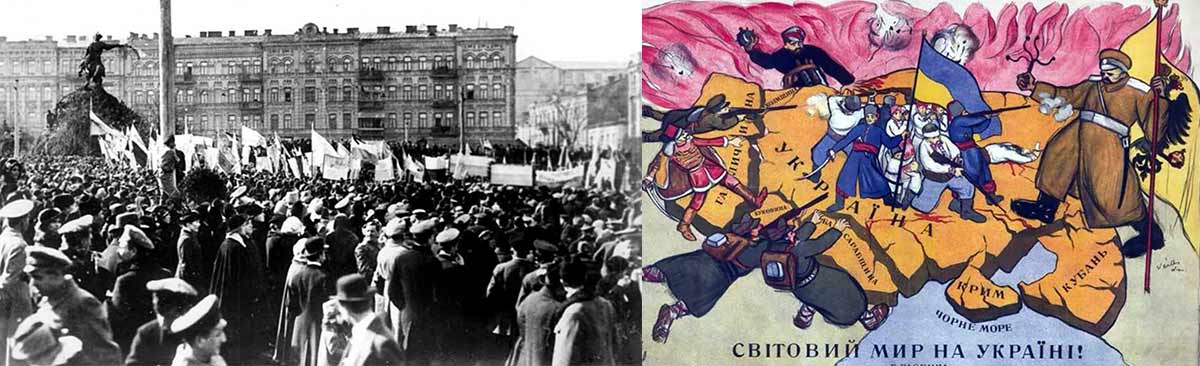
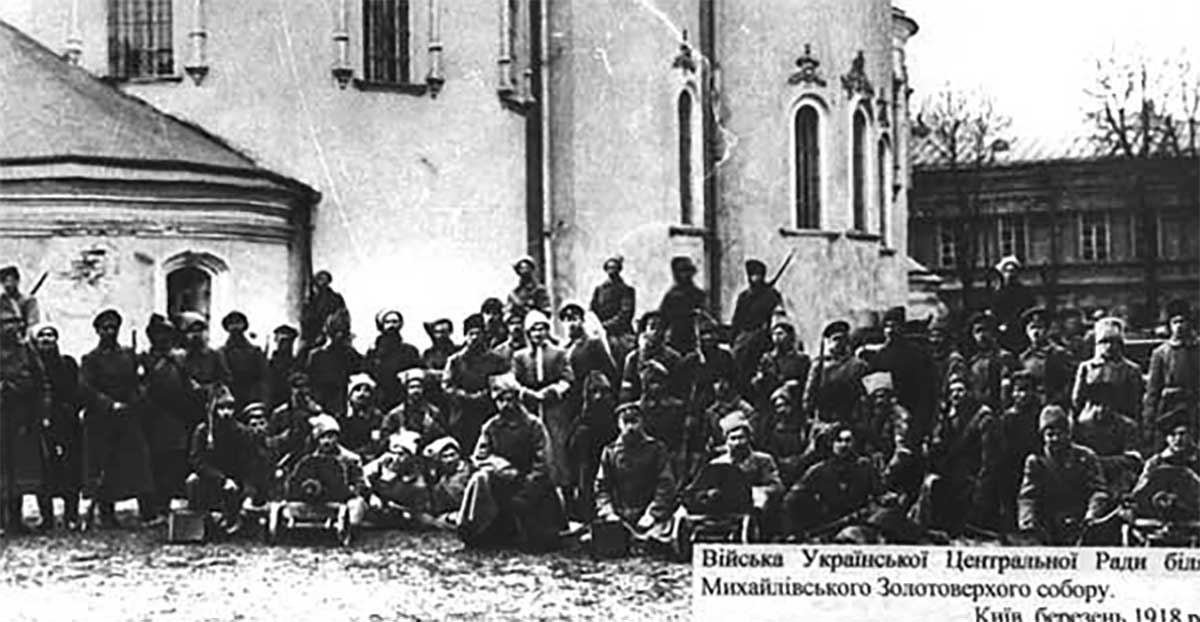
After the Russian Empire’s downfall in March 1917, Ukrainian leaders formed a Central Rada or council, which gained recognition as Ukraine’s new government. Next, the Rada argued that Ukrainians have the right to rule their own land and declared autonomy for Ukraine. On November 20, Ukraine announced the formation of the Ukrainian People’s Republic (UPR).
After the Bolshevik rise to power in November 1917, the Soviets made an excuse to invade. The Bolshevik invasion of Ukraine in January 1918 triggered the Ukrainian War for Independence. As part of the Treaty of Brest-Litovsk, Ukraine signed an armistice with Germany and Austria. The UPR hoped the Central Powers would assist Ukraine against the threat of Soviet power.
Ukraine’s bid for independence emerged in chaos. With the nation divided between Ukrainian nationalists, Bolsheviks, anarchists, the Central Powers, the Second Polish Republic, and the Volunteer Army, each faction struggled for control of Ukraine.
At first, the Soviets attempted to use propaganda to sway popular opinion in Ukraine. Soviet propaganda was designed to appeal to dissatisfied masses and secure urban workers’ support and did not work in rural areas like Kholodnyi Yar. This region had a long history of opposition to outside control. When the Soviets tried to stir the population, they responded by raising local self-defense units.
The Hetmanate vs The Directory
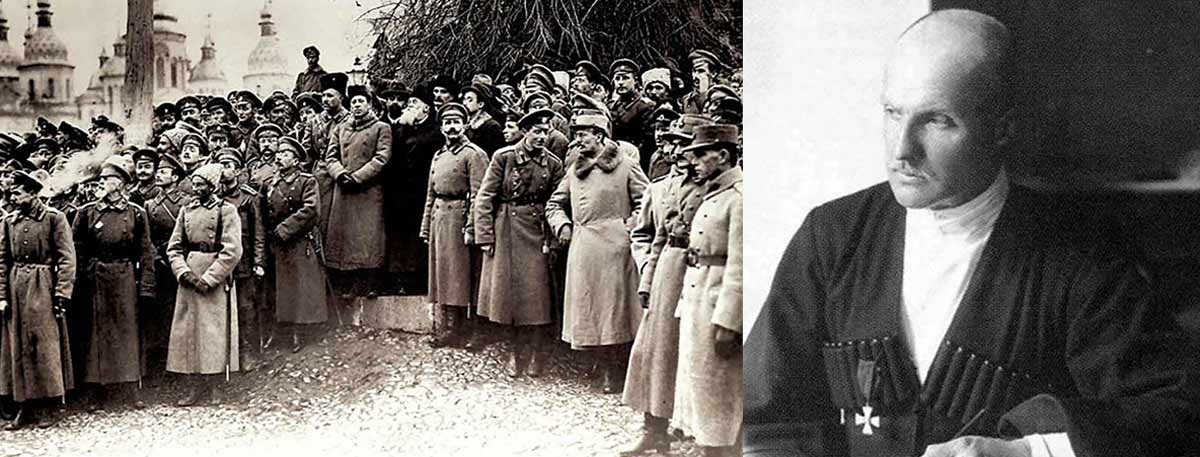
The UPR’s treaty with Germany made the Allies cut off relations with Ukraine. Meanwhile, the Central Powers launched Operation Faustschlag to drive the Bolsheviks from Ukrainian soil.
The Germans supported the UPR for ulterior motives, seeking to replenish dwindling food supplies at home by plundering Ukraine’s breadbasket. While Ukraine wanted Germany to restore order, the demand for food supplies increased the burden on an already overtaxed state. Meanwhile, the Bolshevik policy of War Communism and drought caused the 1921-1923 famine.
In April 1918, the Germans disbanded the Rada and installed Pavlo Skoropadskyi as Hetman of Ukraine. While the Hetmanate government gained initial popularity, it failed to resolve land reform issues. Still, the Hetmanate stabilized the political and economic situation while promoting the previously banned Ukrainian language.
When Skoropadskyi signed the Federal Charter, which kept Ukraine within Russia as an autonomous republic rather than an independent state, Ukrainians’ disillusionment culminated in revolt.
On November 16, 1918, the Anti-Hetmanate Uprising, led by Symon Petliura, toppled the Hetmanate and forced Skoropadskyi to relinquish his power. This uprising established the Directory under Petliura.
The Directory came to power in a power vacuum as the defeated Central Powers withdrew from Ukraine after its defeat in WWI. In 1919, the Red Army, commanded in part by Josef Stalin, invaded Ukraine again, triggering the First Soviet-Ukrainian War.
Grassroots Uprising
The Russian Revolution sparked a surge in Ukrainian nationalism.
At first, the Soviets bypassed Kholodnyi Yar. But in the spring of 1919, the first Bolshevik detachments arrived.
Remembering their free traditions, the peasants banded together to create a 22-man self-defense squad at the Motroninsky Monastery. The monastery walls withstood earlier raids by the Mongols and contained a cave system dug out by Zaliznyak’s men.
As the Bolshevik grip tightened on Ukraine, the peasants rebelled in April 1919. The revolt centered around the village of Melnyky. A 24-year-old local officer named Vasyl Chuchupak led the uprising.
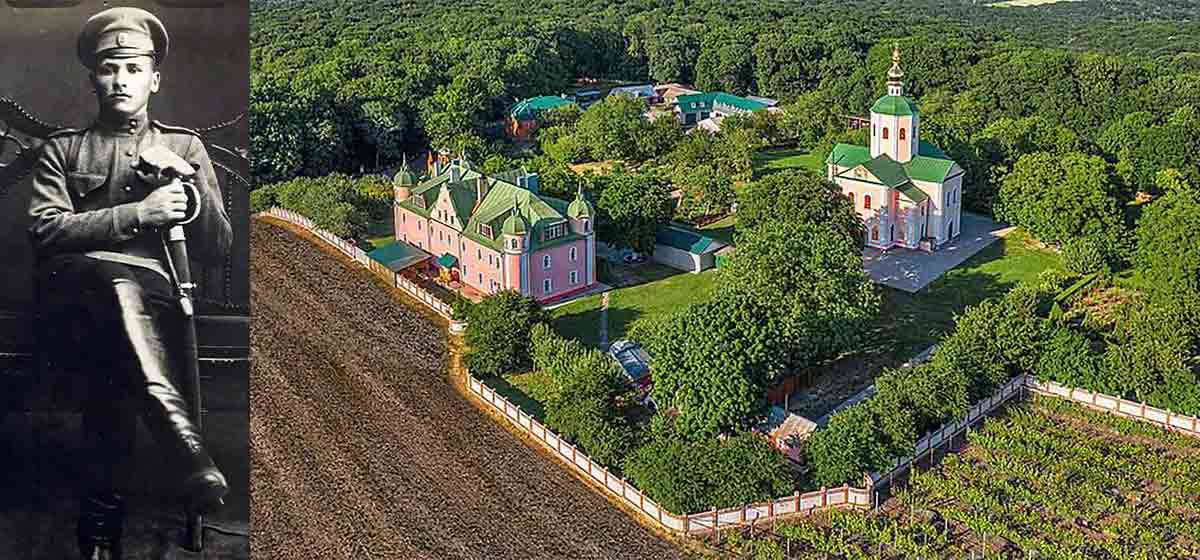
Chuchupak, a former teacher and son of a local peasant, had World War I combat experience. After the February Revolution, he kept fighting as the front hemorrhaged deserters. He even signed up for a Death Battalion to continue the war with the Allies against Germany.
That spring, the locals elected Chuchupak Chief Otaman of Kholodnyi Yar.
Volunteers flocked to the partisans’ ranks. These units called their leaders otamans and soldiers Cossacks after the Ukrainian Cossack tradition. The first uprising succeeded when the Kholodnoyarskyi recaptured the nearby town of Chyhyryn.
Forced back by the Bolsheviks, the rebels retreated to Cold Ravine. This place, well-suited for guerilla warfare, enabled the partisans to hide in forests, ravines, caves, and swamps where they staged ambushes against invaders.
Unrecognized State
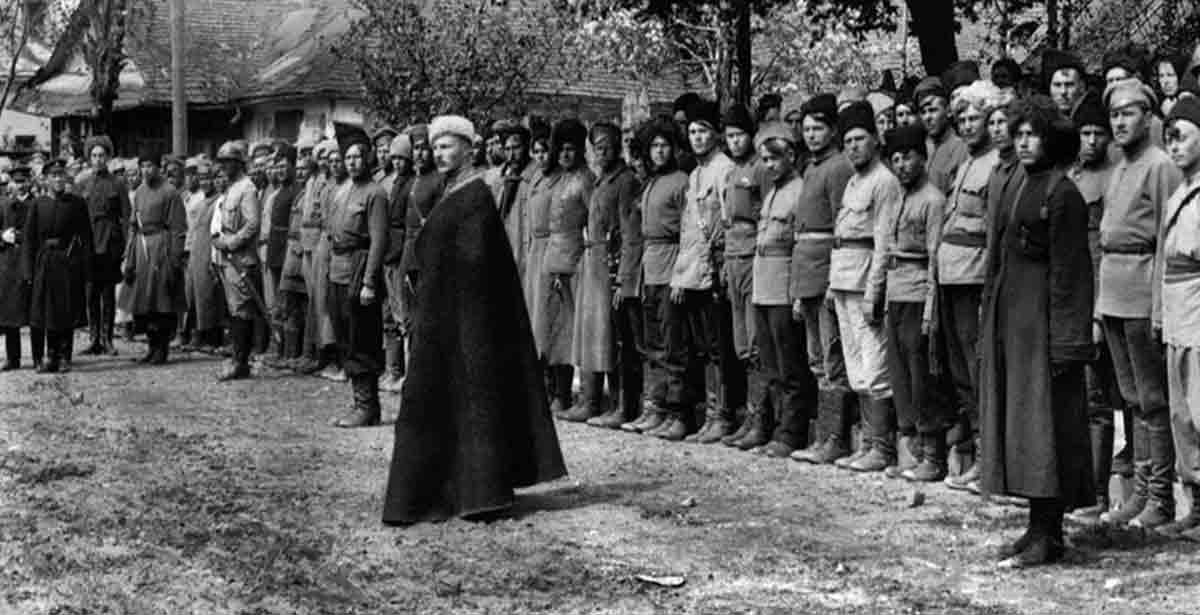
During the summer of 1919, the rebels formed the Kholodnoyarskaya Republic.
While the peasant republic recognized the Directory’s authority, it remained an enclave surrounded by Soviet-controlled territory. 25 villages, with a population of 30,000 people in total, recognized the republic’s authority. Chuchupak’s village, Melnyky, served as the capital.
The otamans called congresses in liberated cities to approve the republic. Within days, the uprising swept into the Kyiv and Poltava provinces. Ukrainian rebels liberated almost 100 places over ten days as an increasing number of local peasants joined the fight.
This popular uprising surprised the Bolsheviks. Commissar Vishnevetsky of the 2nd Soviet Army observed that the entire Ukrainian population seemed sympathetic to the partisans. The Bolsheviks admitted that otamans like Chuchupak were not like normal power-hungry warlords. Instead, they were competent, serious leaders who valued freedom more than their lives.
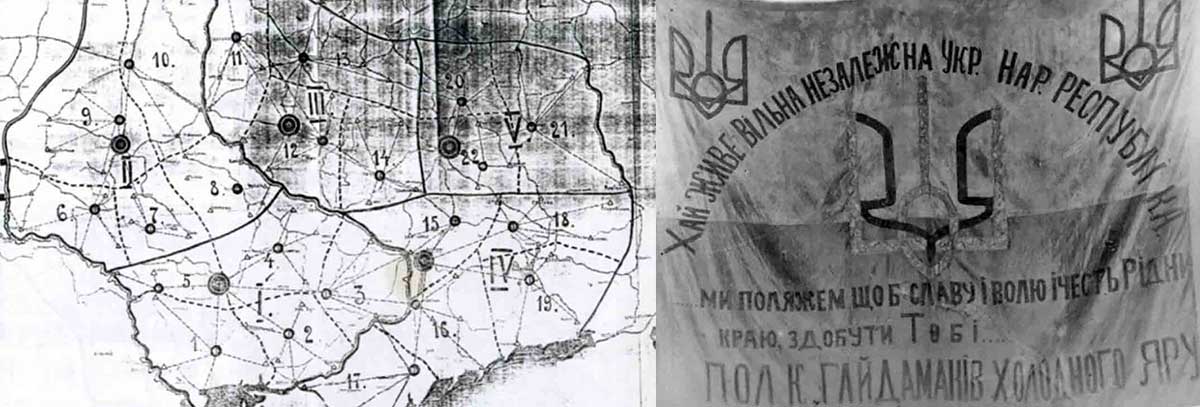
In 1919, a council of elders ratified the republic’s constitution. Insurgent forces soon swelled to 15,000 troops. Despite the republic’s legal and military efforts, the West never recognized the Kholodnyi Yar Republic as an official state.
While their main enemy remained Svyryd Kotsur, head of the “Chyhyrinsky Soviet Republic,” the Kholodnyi Yar army did not just fight the Bolsheviks. They also evicted White forces unsympathetic to the cause of Ukrainian independence.
Toward the end of 1919, the otamans joined forces with General Otaman Andrii Gulyi-Gulenko, a UNR army commander, to unite scattered rebel detachments. This popular Ukrainian commander even received an invitation to join the Red Army. But the otaman knew the Bolsheviks’ real intentions in Ukraine and refused the offer.
At first, the Soviets bypassed the active insurgent situation in Kholodnyi Yar. Because Chuchupak declared his opposition to the Whites, the Reds mistook him for a Bolshevik. When they discovered their error, they launched an attack. Bolshevik food requisition units broke into villages to seize grain from the peasants. When the villagers resisted, it led to high peasant casualties.
“Freedom to Ukraine or Death”
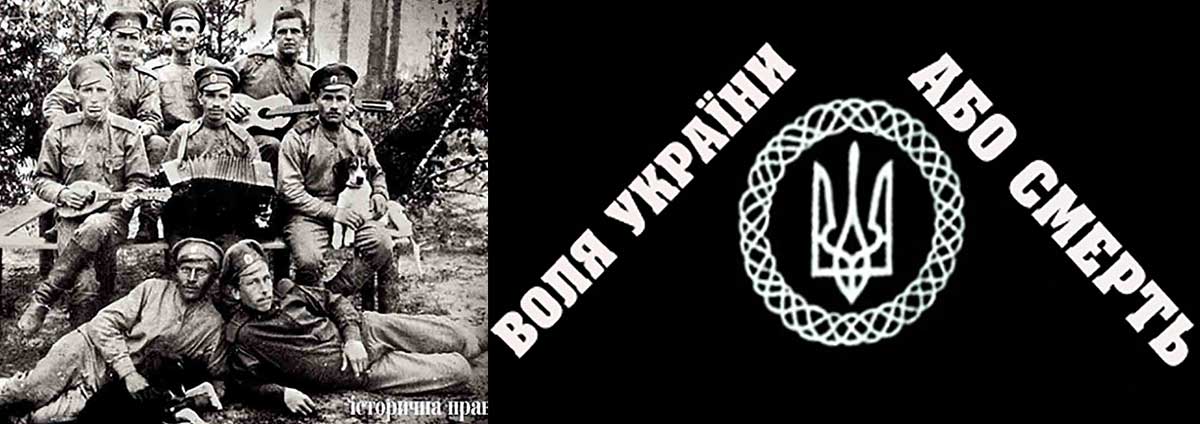
For three years, the Kholodnoyarskaya Republic existed as a place free from Soviet control.
During those years, the Kholodnyi Yar men protected the lives of Ukrainians across 30 villages and towns. In return, the grateful population brought the partisans food, clothing, and weapons.
By November 1919, over one million Bolsheviks occupied Kyiv and its outskirts. But inside the Cold Ravine Forest, the invaders were nowhere to be seen. Thanks to an extensive network of Kholodnyi Yar scouts, it proved difficult for the Bolsheviks to even locate the rebels.
The Bolsheviks planned to change the situation.
Final Fight
In March 1920, the Bolsheviks struck their first major blow at the republic with a spy’s help.
On April 12, 1920, Chuchupak and his men rode to a self-defense meeting on the nearby Kriseltsi farm. Near the village of Medvedivka, they fell into a Red Army ambush. The Bolsheviks only managed to take a few men alive. Surrounded, Chuchupak shot himself in the temple to avoid capture.
His last words were, “Prepare new fighters, Kholodnyi Yar!”
He had just turned 25 years old.
His death did not stop the Kholodnyi Yar army. Chuchupak’s deputy, Ivan Derkach, led a new uprising in the autumn of 1920. This full-scale operation lasted until spring 1921.
Over the next few months, their ranks swelled with partisans and even Red Army deserters. Under Derkach, resistance fighters helped UNR forces take Novomyrhorodka and Kherson, freed prisoners, and replenished their weapons.
Over the next few weeks, the Kholodnoyarskyi liberated Cherkasy from Soviet power. The victory lasted for several days until the Bolsheviks swarmed the region again. Meanwhile, another uprising led by Kostya Blakytny broke out in southern Ukraine. Together, they took Cherkasy under Ukrainian control.
That summer, Leon Trotsky admitted that the massive uprising by Ukrainian peasants forced the Soviets to leave Ukraine. “This is a terrible spirit,” Trotsky noted, “that boils and boils like the formidable Dnieper on its doorsteps and makes the Ukrainians work miracles of courage.”
By 1922, the Soviets controlled most of Ukraine. Only scattered resistance movements thwarted them in their endgame of turning Ukraine and its rich resources into a Soviet satellite state.
The Soviets were now in position to wipe the Kholodnyi Yar Republic off the map.
Operation Testament
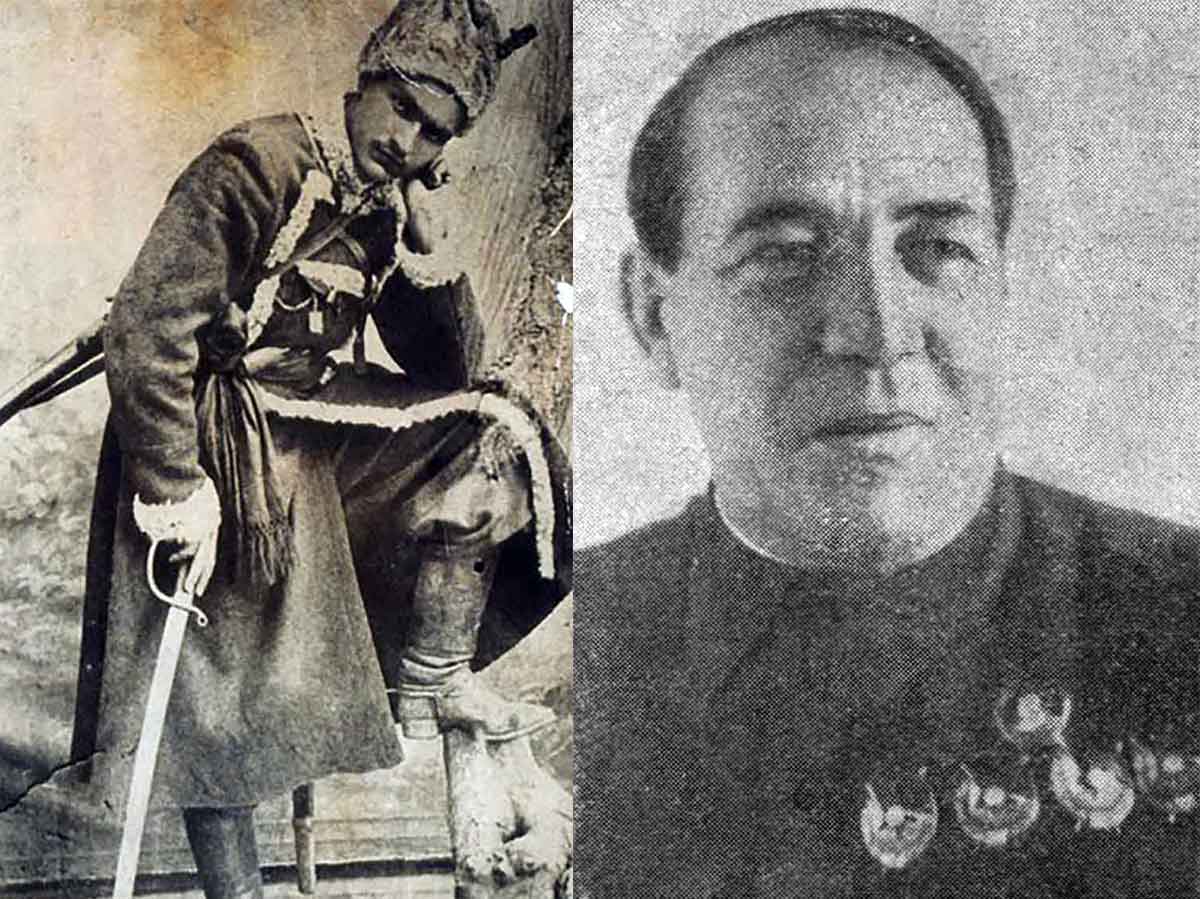
After the White Army’s defeat in 1920, the Bolsheviks resumed “anti-banditry” operations to exterminate the last pockets of resistance. The Bolsheviks knew that they would always face the threat of a Ukrainian uprising if the rebel leaders remained free.
The Soviets declared Cherkasy a “special zone” and dispatched special units with unlimited powers. They executed people without trial, took hostages, and confiscated grain to weaken rebel support. The Bolsheviks also promised the partisans amnesty if they surrendered.
On August 4, 1921, the Soviets held an amnesty meeting in the village of Jabotyn. Over 20 otamans and 76 soldiers laid down their arms. After they wrote letters urging others to surrender, the Bolsheviks shot them. Other otamans proved harder to catch. The Soviets stepped up their special operation to stop the insurgent threat.
The Cheka’s “Operation Testament” occurred in three stages.
The first stage involved capturing an influential officer and convincing him that a Black Sea rebel group (invented by the Cheka, the Bolshevik secret police) wanted to join them. The Cheka would neutralize insurgents with a recent Petliura order directing them to temporarily stop active resistance. Finally, the Cheka would lure unsuspecting otamans into a trap. Yefim Georgiyovych Yevdokimov headed this special operation.
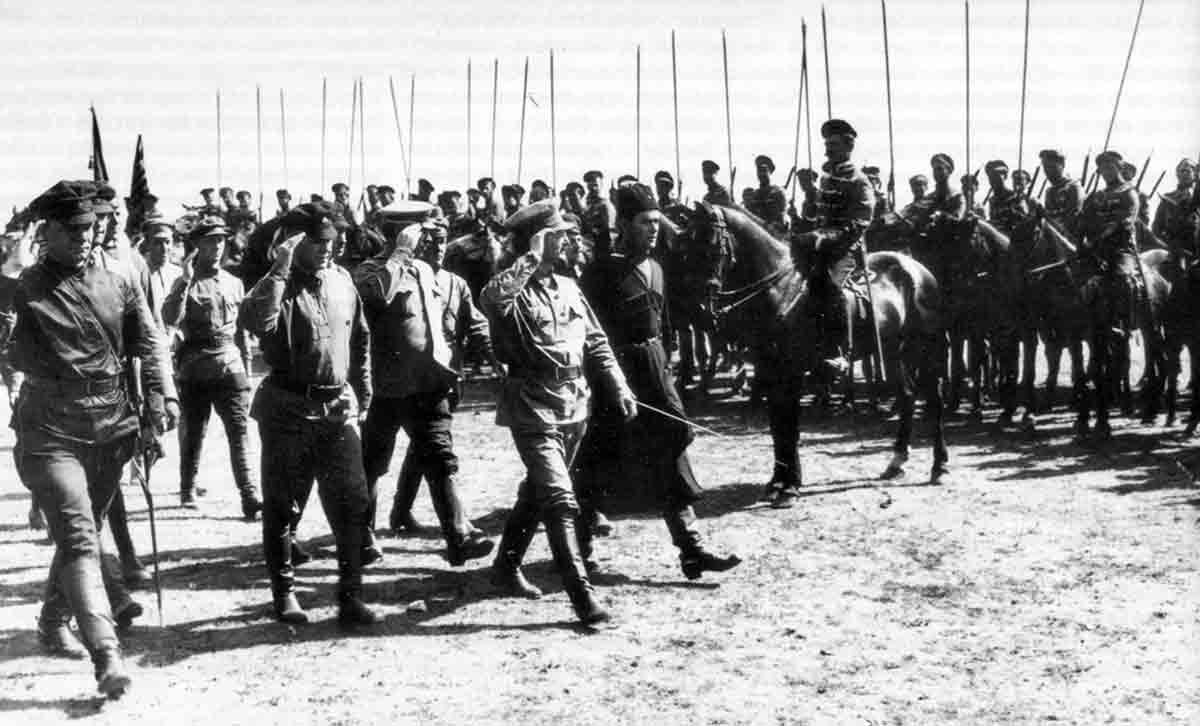
In March 1922, the Cheka created the “Black Sea Rebel Group” to coordinate actions between partisans. To achieve their plan, they needed to turn a Ukrainian leader. That month, the Cheka intercepted Colonel Petr Trokhymenko and Captain Yukhym Tereshchenko on their way to Kholodnyi Yar. The colonel led a rebel unit during the anti-Hetmanate uprising and worked at UNR headquarters. The Ukrainian resistance movement respected his authority.
After the Cheka converted the officers, they turned Trokhymenko into “Colonel Gamaliya,” commander of the “Black Sea Rebel Group.” Tereshchenko, now called “Captain Zaviryukh,” became his chief of staff.
In August, the third stage went into action.
The Cheka agents worked to build trust in the area. They spread rumors about the “Black Sea Rebel Group” to lure otamans out of hiding. Once Gamaliya made his first contact, he threw a party and invited people sympathetic to the rebels. During the party, a guest let it slip that the partisans often gathered at the village of Pleteny Tashlyk.
Now, the Cheka knew where to cast their net.
When Captain Zaviryukh called the otamans to a meeting with General Gulyi-Gulenko and Colonel Gamaliya, it did not seem like a trap. They did not know the real Gulyi-Gulenko had already been arrested.
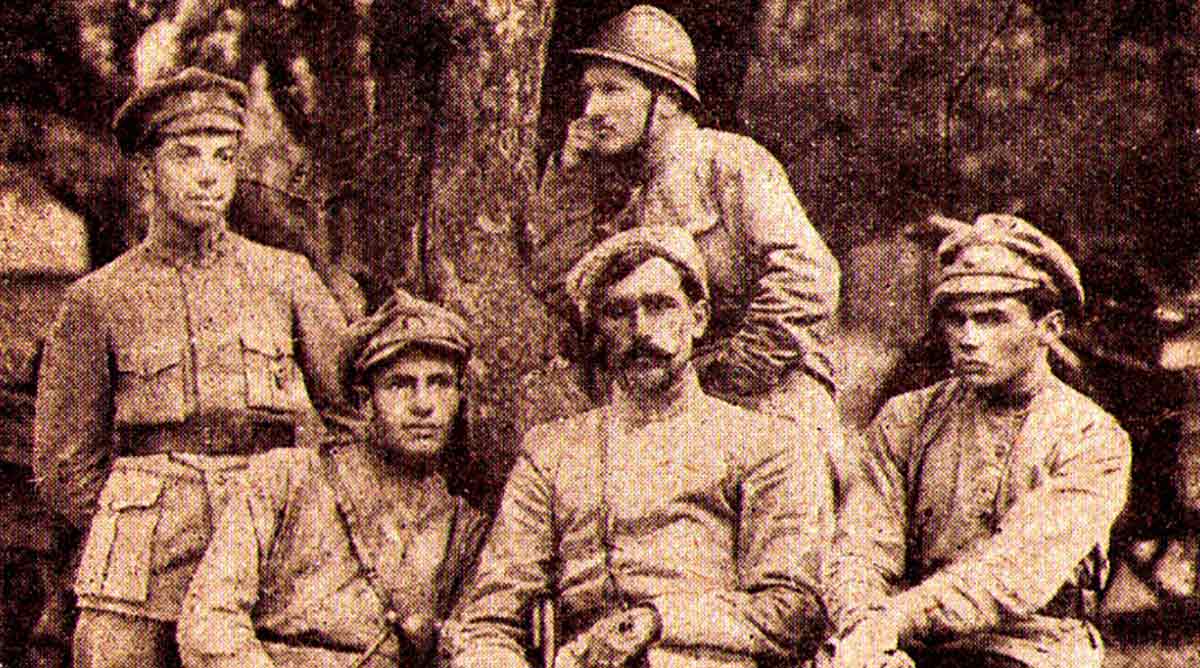
At the last minute, the Soviets almost ruined their own operation by accidentally arresting Hryhoriy Yakovenko, a Kholodnoyarskaya rebel committee member. To avoid compromising the setup, the Cheka staged Yakovenko’s escape. During this alleged attempt, the Soviets shot Yakovenko to prevent him from revealing the truth.
By August 25, Otaman Sirko suspected that Zaviryukha worked for the Cheka. He sealed his fate by confiding his suspicions to Gamaliya. The next day, Zaviryukha called a meeting where he labeled Sirko a traitor. In the shocked confusion that followed, Zaviryukha ordered them to report the otaman’s location to him. The Cheka used these methods to provoke discord.
Meanwhile, the otamans waited for Gamaliya to call a final meeting. He did not show up. On September 22, the otamans received a message to get ready to prove themselves. The rebel group, the Cheka promised its victims, was on the way to join them.
On September 28, the Cheka organized an “anti-Soviet congress” in Zvenigorod. This “Black Sea Rebel Group” meeting seemed legitimate since the Kuban Cossack Republic from that region collaborated with the Ukrainian nationalist movement. However, several otamans believed it was a Soviet trap and warned the others not to go.
Despite the risk, the rebels needed support for their cause. Three otamans appeared at the congress. The Cheka agents turned up, too, to keep their true identities secret.
The Soviets arrested them all.
Never Surrender: The Lukyanivska Prison Uprising
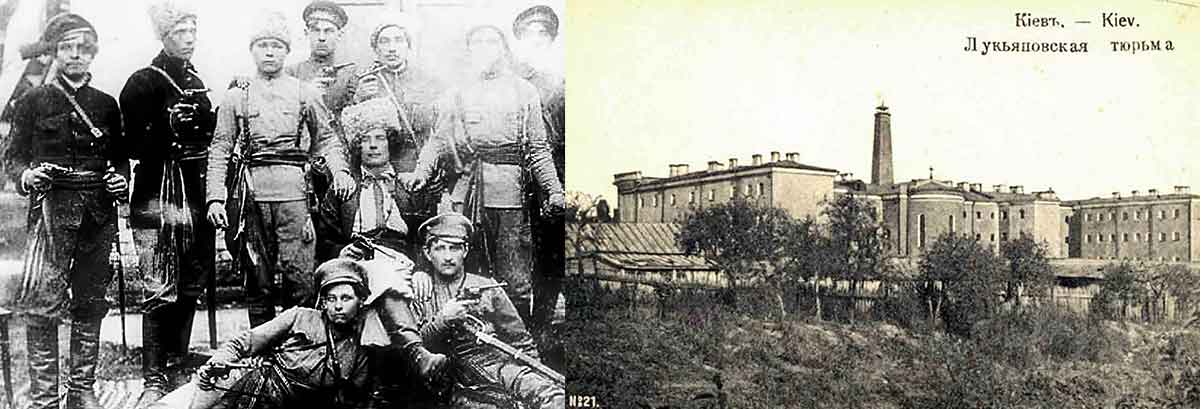
The captured otamans arrived at the grim, tsarist-era Lukyanivska prison in Kyiv to await their fate. On February 2, 1923, the Kyiv Provincial Revolutionary Tribunal sentenced the otamans to death. The sentence also applied to other imprisoned partisans, Cossacks, UNR officers, and Galician Sich riflemen.
The condemned otamans, crowded into cell No. 1 in the prison basement, decided not to wait for execution. They had no weapons. They had been subjected to harsh treatment. With nothing left to lose, they were determined to escape or die on their own terms.
At 8:30 a.m., on the morning of February 9, the guard made his daily rounds to each cell to distribute boiling water for tea. When he reached cell No. 1, an otaman seized the tank of boiling water, poured it over the guard’s head, and snatched his revolver. In the chaos, they broke into the prison office and seized fourteen rifles and ammunition. Then they opened cell doors and let out anyone who wanted to fight.
Alerted to the uprising, the Bolsheviks surrounded the prison.
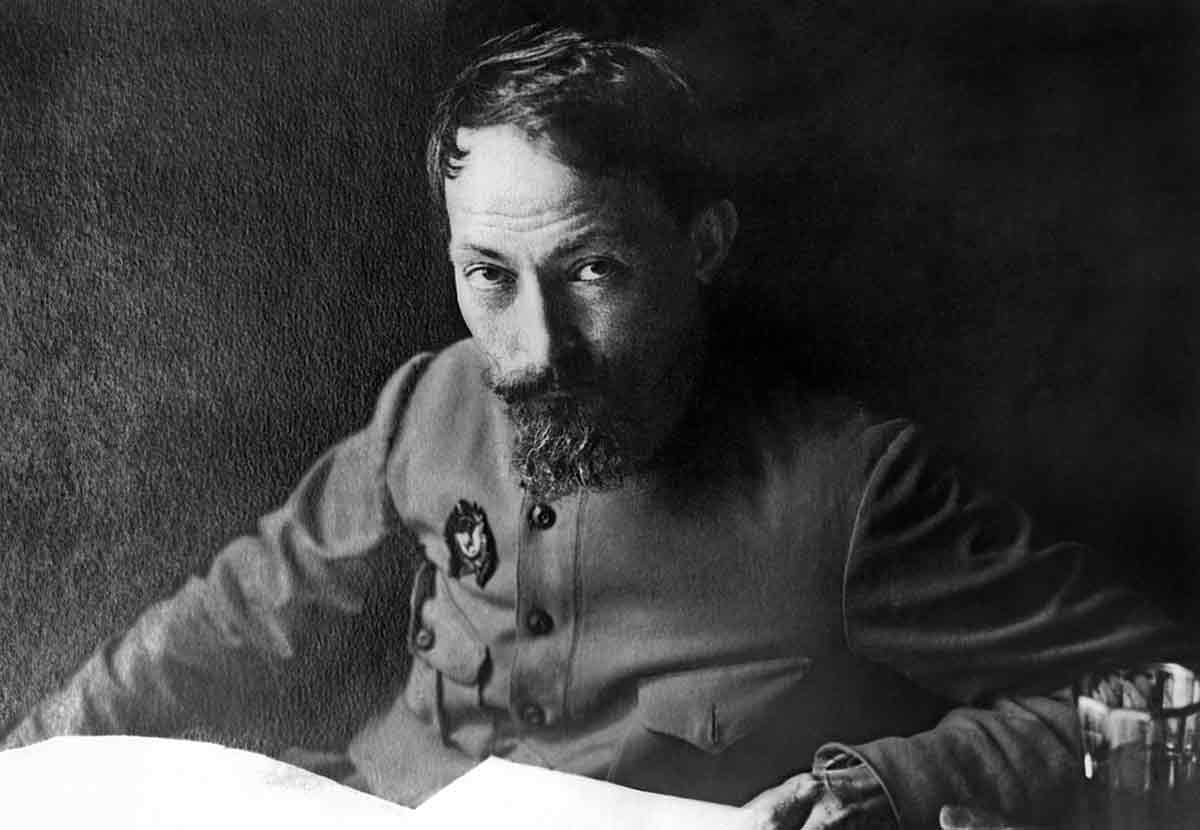
A four-hour battle ensued. Two men managed to jump from the basement windows into the prison yard. Red Guards shot them dead on the spot. Unable to break out, 38 otamans and officers barricaded themselves inside the prison. From this defense point, they fired on their captors. They even started a fire in a desperate attempt to escape through the smoke screen.
The Bolsheviks began mowing the prisoners’ legs with machine gunfire to try to take them alive. Only one guard died. Still, the officers managed to wound three guards and the prison warden.
When they started to run out of ammunition, the doomed men divided into pairs in the prison corridor. Standing face to face, they shot each other through the heart. The Cheka beheaded everyone who ran out of bullets.
A total of 38 men who resisted the Bolsheviks died that day. Afterward, the Cheka dumped their bodies into an unmarked grave.
Glory to Ukraine
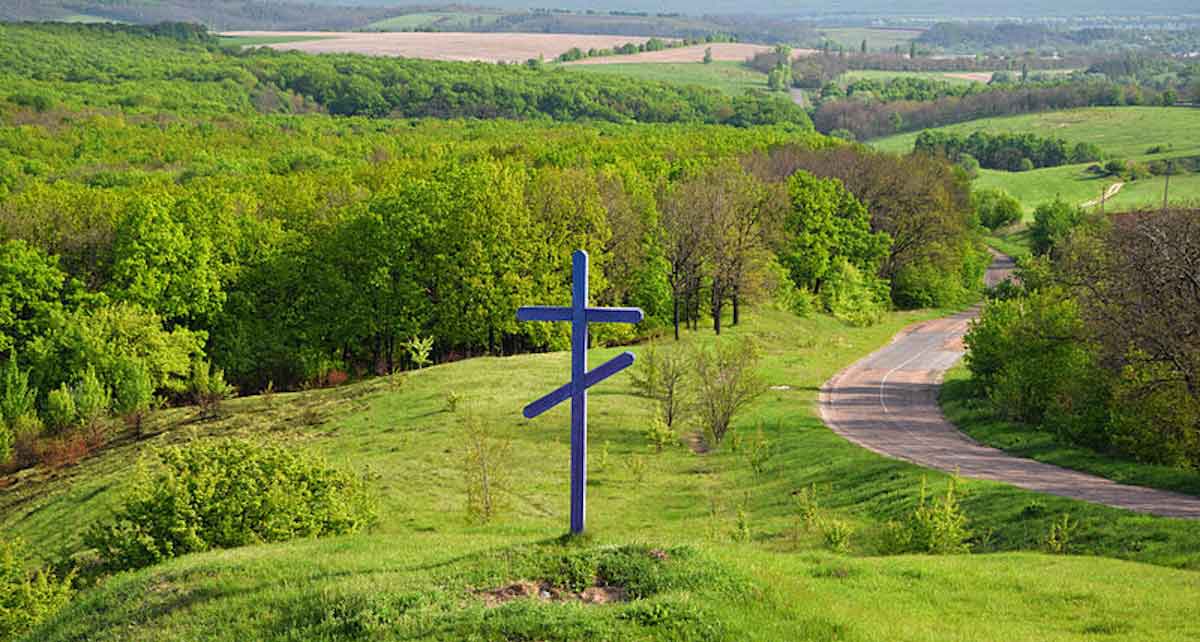
After the otamans’ deaths, a few men survived in the underground resistance outside Ukraine.
For years, the Kholodnyi Yar soldiers fought under a black flag embroidered with the words “Freedom to Ukraine or Death.” They greeted each other with the phrase, “Slava Ukraini!” or “Glory to Ukraine!” This patriotic rallying cry echoes through the ages and remains a symbol of support for Ukraine’s nationhood today.
After eliminating the otamans, the Soviets turned their attention to the Kholodnyi Yar population which remained sympathetic to the Ukrainian cause.
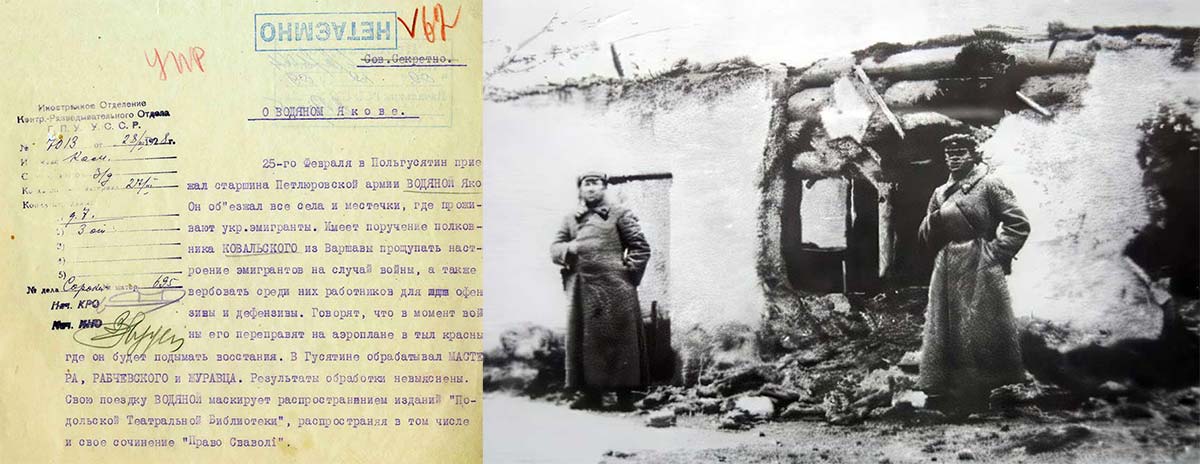
During the 1920s, the Bolsheviks waged a war of repression against these peasants to eliminate “suspicious elements.”
They suppressed resistance through public executions of otamans’ relatives and took hostage entire villages suspected of helping resist Soviet occupation. Bolsheviks confiscated people’s homes, land, grain, and belongings. Everyone who could work was sent to a labor camp.
Cut off from the Ukrainian government in exile, fighting systemic terror, and struggling with food shortages and a lack of weapons, the resistance movement began to decline.
During the 1920s-1930s, the Soviets concentrated on rounding up former otamans turned anti-Soviet agents. Meanwhile, the Holodomor, a famine engineered by Josef Stalin’s government to suppress Ukrainian nationalist sentiment, killed as many as 7 million Ukrainians.
Rehabilitation After 100 Years
After Ukraine regained independence from the Soviet Union, talks began about rehabilitating the participants of the Lukyanivska prison uprising.
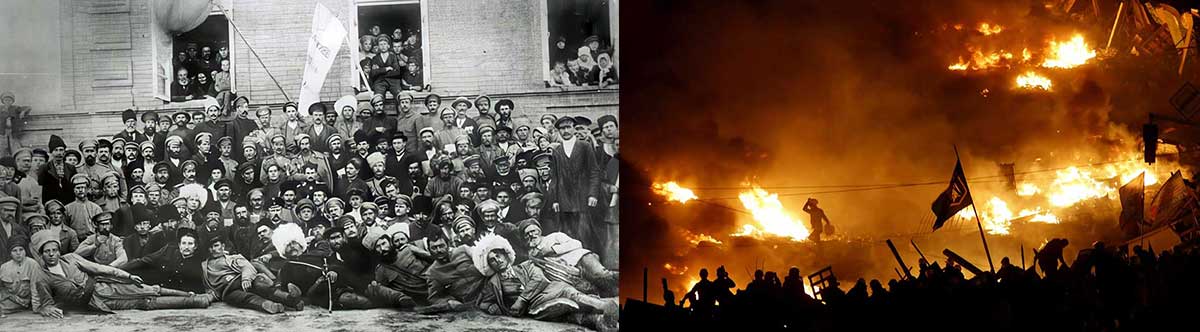
In 2016, after the Revolution of Dignity, the Kyiv Court of Appeals restored the rights of the Civil War fighters executed in 1923 for fighting the Soviets. That year, Ukraine also rehabilitated Vasyl Chuchupak.
This ruling recognized the Kholodnyi Yar Cossacks as fighters for the independence of Ukraine.
Kholodnyi Yar was the last free territory in Ukraine to withstand Soviet power. While its significance is often lost against the broader revolutionary backdrop, 25 villages raised an army that resisted the Bolsheviks for years. While the Soviets destroyed the Kholodnoyarskaya Republic, they failed to eradicate the spirit of resistance that inspired its people. This peasant-Cossack republic’s existence refutes the popular myth that the Ukrainian population welcomed the Soviets.
At the 2014 Euromaidan protests, Kholodnyi Yar’s historic flag appeared again, taking a stand for Ukrainian sovereignty as it did 100 years ago. Today, the Kholodnyi Yar 93rd Separate Mechanized Brigade continues their ancestors’ fight under the black flag of Kholodnyi Yar.