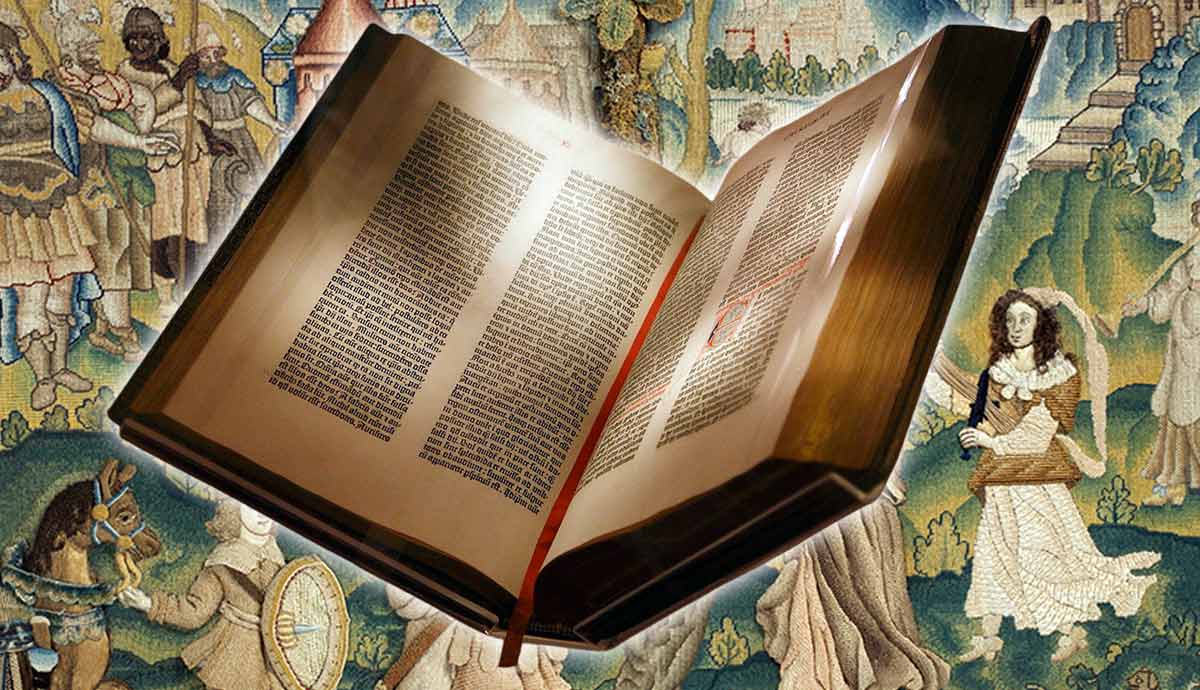
Christians added the “New Testament” to the Hebrew Bible, which they in turn labeled the “Old Testament.” The rationale for binding these two collections together is the notion that Jesus’s life, teachings, death, and resurrection are the climax of all of holy scripture. The New Testament writers reinterpret many themes, motifs, and ideas in the Hebrew Bible in light of this theological assumption. One of these themes is marriage. These authors’ understanding of marriage was also influenced by their cultural and legal context: they were Jews living under Roman rule.
What Did Roman Law Say About Marriage?
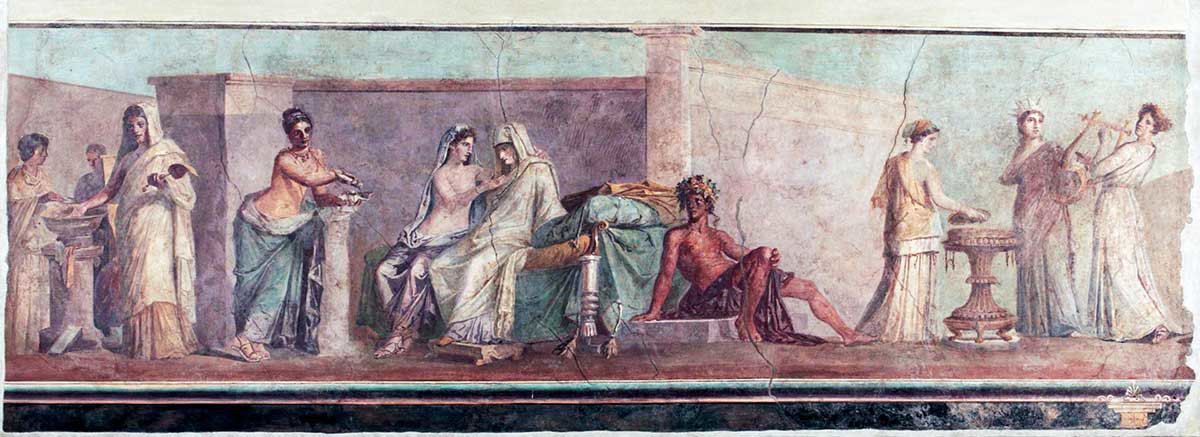
Those who read ancient literature, including the Hebrew Bible, notice that a man’s having more than one wife was considered normal for much of humanity’s past. Indeed, there are still many cultures today in which polygamy is both accepted and encouraged. But somewhat surprisingly, Greek and Roman law prohibited men from marrying more than one woman. In the scope of world history, this aspect of Greco-Roman culture is unique. Hundreds of years before the time of the New Testament, Greek culture had grown to consider polygamy inferior to monogamy.
This social restriction on marriage did not necessarily entail sexual exclusivity for men in marriage, however. A free Greek or Roman man had legal sexual access to prostitutes and his own slaves, and other extramarital sexual relationships were also common and acceptable. Importantly, however, married Roman women were expected to be sexually exclusive to their husbands. This double standard, while troubling to modern, egalitarian sensibilities, was only one of many ways in which the rights of free men exceeded those of women in Greco-Roman culture and law.
This socio-legal context is important for a discussion of marriage in the New Testament because modern readers are often tempted to read it from a point of view in which the legal equality of the sexes is assumed. The New Testament’s world did not make this assumption. In its time and place, a Roman freeman wielded tremendous authority over his household that, generally speaking, was not shared by his wife or even unmarried women. Exceptions to this rule were extremely rare and only involved the wealthiest women.
While Roman culture was dominant in the world of the New Testament, there were also distinct cultures subjugated under it—the quintessential example of which was the Jewish community. It was from this community that both the New Testament and Jesus himself emerged.
What Were the Norms of Marriage in Judaism?
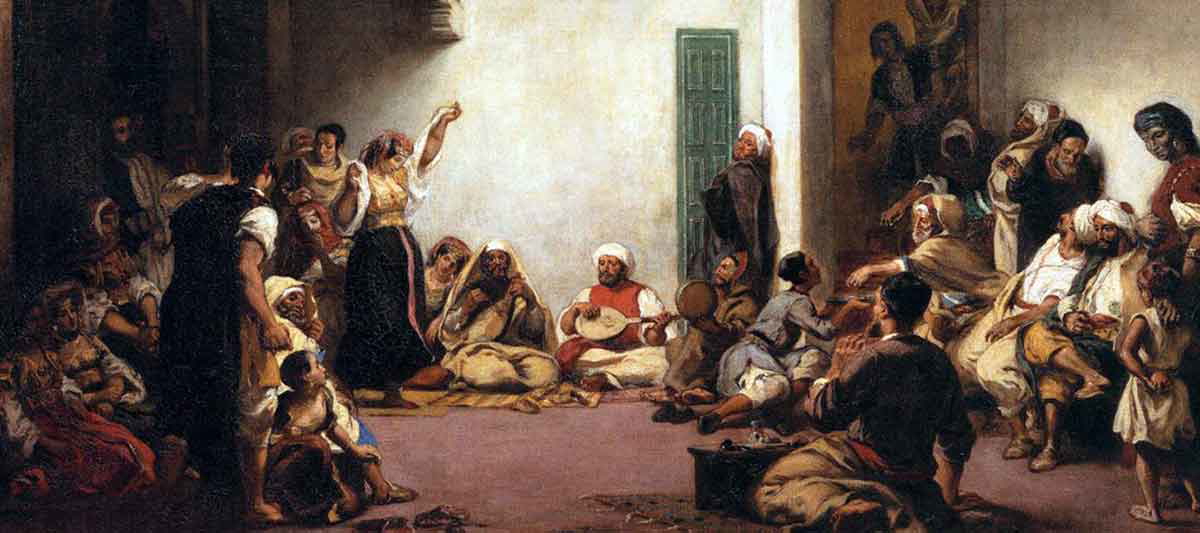
The Hebrew Bible neither encourages nor discourages polygamy. But its narratives suggest that it was common in ancient Israel, at least among the wealthy. At the same time, the Hebrew Bible’s sexual ethic differed from later Greek and Roman ideals insofar as it expected men as well as women to limit their sexual activity to marital relationships. While there are many examples in the biblical stories of extra-marital sexual affairs, they are not looked on favorably. Adultery is a capital offense punishable by the brutal means of stoning to death for both men and women in biblical law. Obviously, the possibility of pregnancy made accusations against women more verifiable than those against men, and this meant women would have been more vulnerable than men to this horrifying punishment. Nevertheless, in principle, men were held to the same standard of sexual exclusivity within marriage as were women, according to the law.
Thus, the sexual ethic of Jewish culture was basically the same as the ethic held by Greco-Roman culture—but only with respect to women. With respect to men, by contrast, the sexual norms of these two cultures differed significantly. While it was acceptable for Greek and Roman freemen to be sexually active within certain limits outside their marriages, Jewish culture expected men to limit themselves to their marriages.

These two approaches to marriage and sexual expectations were interacting dynamically at the time the New Testament was written. As Jewish men were discouraged from having more than one wife by Roman law, they were simultaneously being discouraged by their own legal and ethical tradition from engaging in extramarital relationships. The result was a push within Judaism toward a monogamous ideal. This complex of cultural pressures pushing marriage toward monogamy was thus at work in 1st-century Judaism before the New Testament added any theological categories to the mix.
What Does Jesus Say About Marriage in the New Testament?
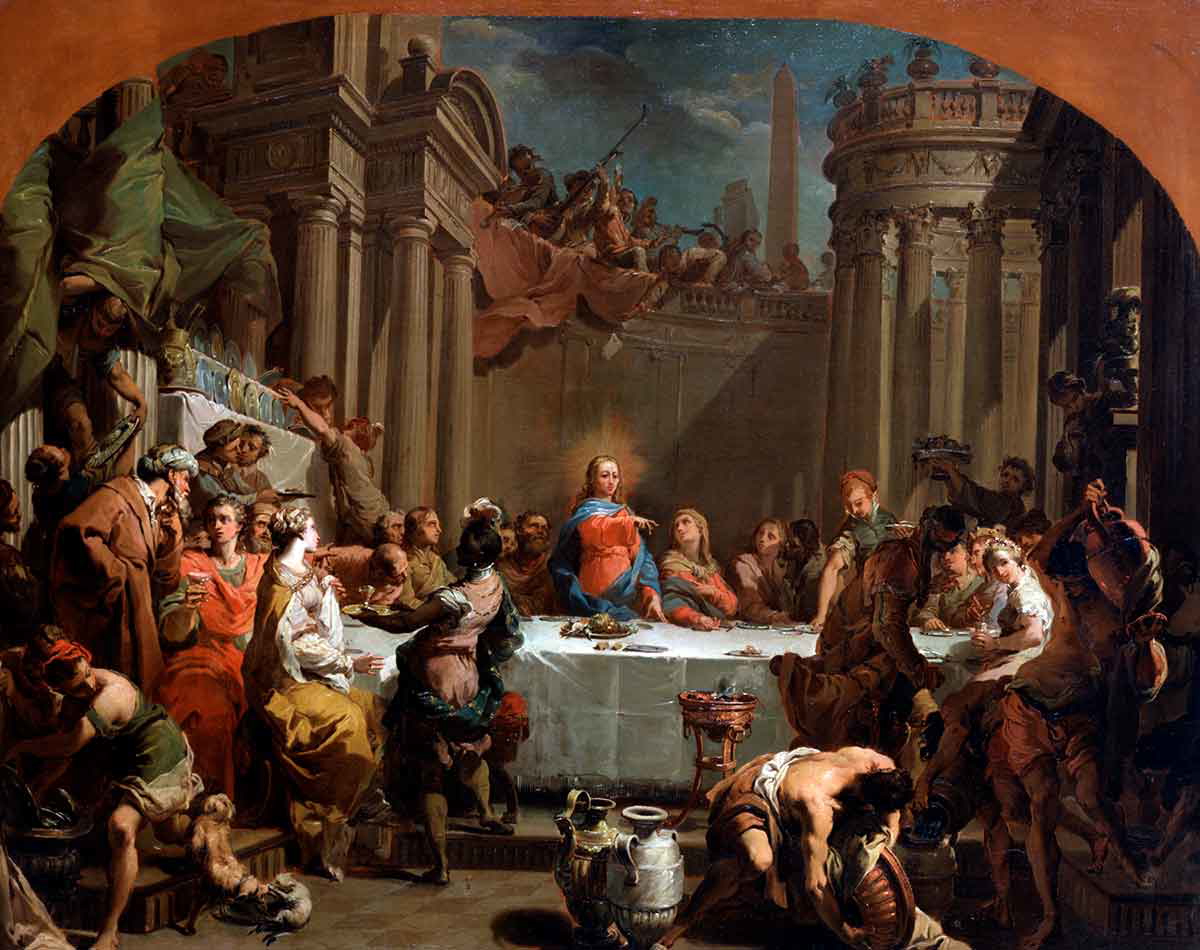
At the time of Jesus, there were two prominent schools of thought on the question of divorce and, by extension, of remarriage. One school followed the scholar Hillel, who thought that divorce (and remarriage) was permissible for even minor offenses. Rabbi Shammai, on the other hand, had taught that only adultery was proper grounds for divorce. While Jesus did not cite either of these famous teachers, New Testament scholars often note that he seems to have adopted Shammai’s more restrictive view. Yet Jesus’s view of remarriage was even more limiting than Shammai’s. Not only was adultery the only grounds for divorce, Jesus taught, but remarriage was equivalent to adultery.
Jesus’s only recorded teachings that address marriage directly are in the context of these comments on adultery and divorce. In these cases, Jesus is answering questions. Given the male-dominated social context in which he lived, it is not surprising that these questions were about under what circumstances a man who had divorced his wife could remarry, not about what was permissible for a woman in the same position. Women were not permitted to initiate divorce according to biblical law. Thus, discerning what Jesus would have said to women who might have asked him the same question in a society that gave them that right requires imagination.
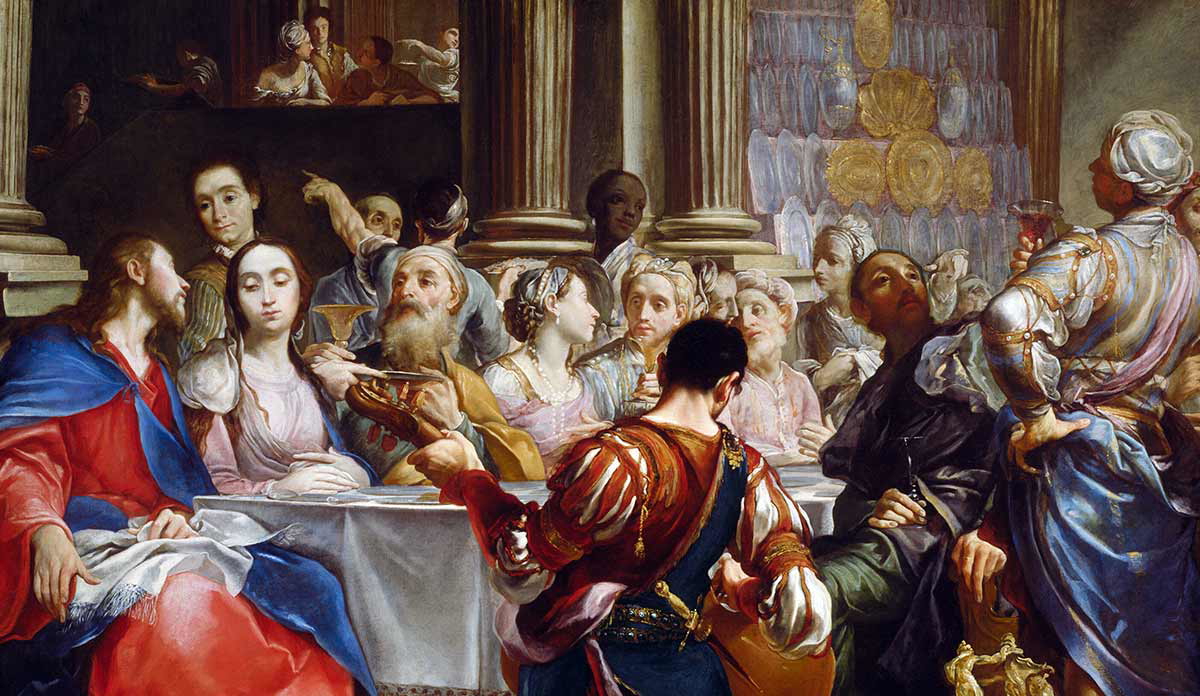
One key comment that Jesus made regarding marriage itself is often quoted in Christian weddings. With reference to the creation story of Genesis chapter two, Jesus says, “Therefore, what God has joined together, let no one separate.” The idea that God is involved in marital union has important implications for the theology of marriage in the New Testament as a whole. Rather than a contract or agreement merely between two human parties, the New Testament leans heavily into marriage as a symbol of humanity’s role as God’s corporate representative (God’s “image”) on Earth. The two people are a microcosm of humanity’s essence, which is brought together by God for humanity’s flourishing.
What Is the Symbolic Meaning of Marriage in the New Testament?

Both the writings of Paul and the Book of Revelation, albeit using two different genres, refer to human marriage as a symbol of the church’s union with Christ. Theologians call this a “mystical” union; physical imagery depicting it is only metaphorical, even though the union is understood to be “real.” Much of the reason for this use of marriage is owed to wording in Genesis chapter two, which says that a man and a woman become “one flesh” when they are wed. For Paul, marriage presented a ready analogy to the mystical unity of Christ with the Church. Though distinct from each other, the church shares in everything that pertains to the life of Christ. This includes both Christ’s suffering and his eternal life. Furthermore, this union is the basis of the church’s hope for a future resurrection of the dead, since the church is “in” the resurrected Christ.
Another, more basic symbolic trope that Paul employs to depict the mystical union of the Church with Christ is that of a body. The church, he taught, is the “body” of Christ, while Christ is the head of this body. This picture represents the inextricable nature of the church’s connection to Christ’s life, since the life and health of both head and body depend on their interconnection.
Revelation, the last book of the New Testament, is a highly imaginative book that employs a great many symbols. One of these is a marriage between a sacrificed lamb, meant obviously to portray Jesus, and his followers, the church.
Are There Rules of Marriage in the New Testament?
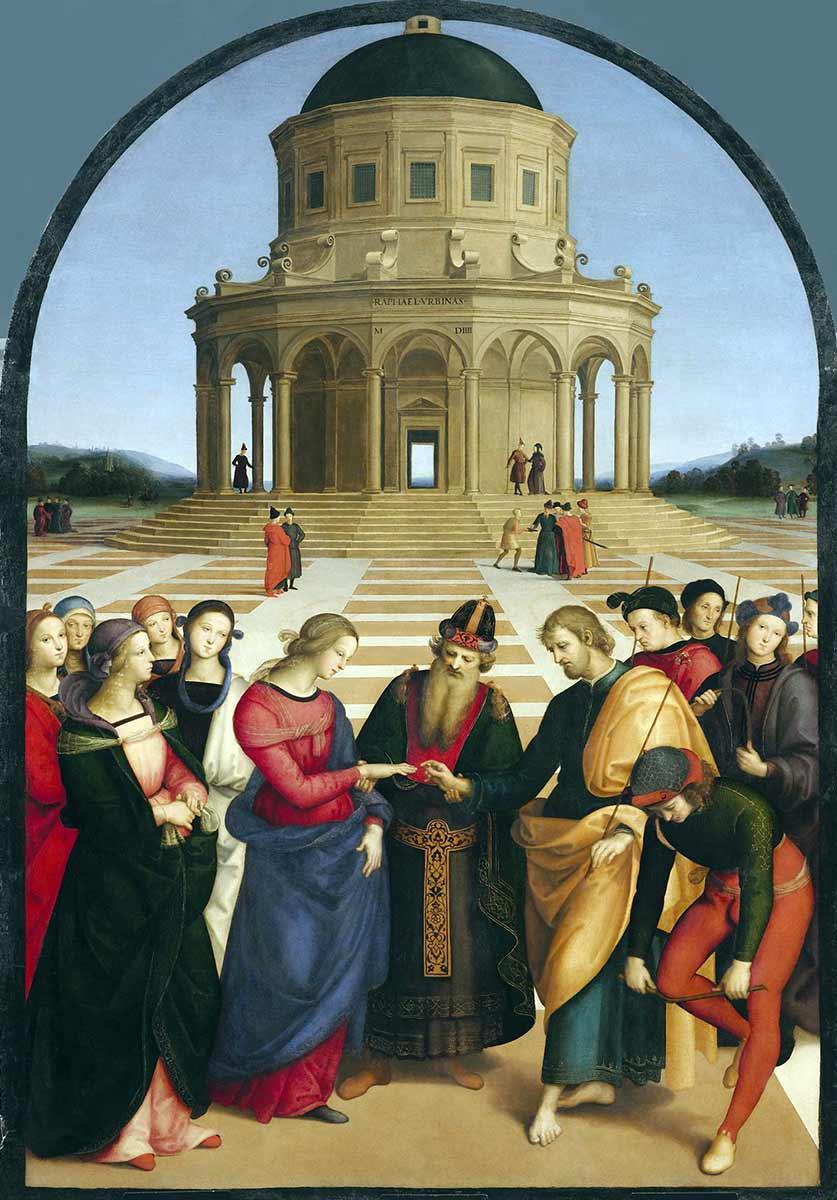
The highly symbolic function that marriage takes in the New Testament can seem foreign in modern contexts where relational aspects of marriage, such as romantic love and companionship, are paramount. Yet, these images played an important role in the slow-but-persistent formation of the Western ideal of marriage as a lifelong partnership of two individuals. The doctrine of the absolute oneness of the Church, along with the idea of Christ’s mystical, inseparable union with it added a strong theological current to preexisting forces that were already pushing Western marriage ideology toward lifelong monogamy.
Yet, perhaps surprisingly given the way monogamy is often associated with “biblical marriage” in popular discourse today, the New Testament follows the Hebrew Bible in refraining from an outright condemnation of polygamy. In fact, the New Testament provides very little in the way of rules for marriage. No distinct ceremonial liturgy is mandated for a “Christian” marriage as distinct from a Jewish or Roman one, and little that could be considered laws, rights, or obligations is outlined systematically.

Instead, the writings attributed to both Paul and Peter emphasize Christian discipleship in the context of marriage. Both Paul’s and Peter’s comments about wifely submission to their husbands are in the same vein as their comments about submission within other legally binding relationships, such as slaves to masters and subjects to government authorities. In the world of the New Testament, husbands were their wives’ legal authorities, not their equal companions, at least insofar as the law was concerned.
Though often read as such, Paul and Peter’s commands to Christian married women were not necessarily intended to solidify the contemporary legal or cultural status quo for future generations. Instead, they should be understood as provisional, addressing questions having to do with Christian discipleship in a particular social context in which some relationships are pre-determinedly hierarchical by law and custom.
Is Singleness Superior to Marriage in the New Testament?
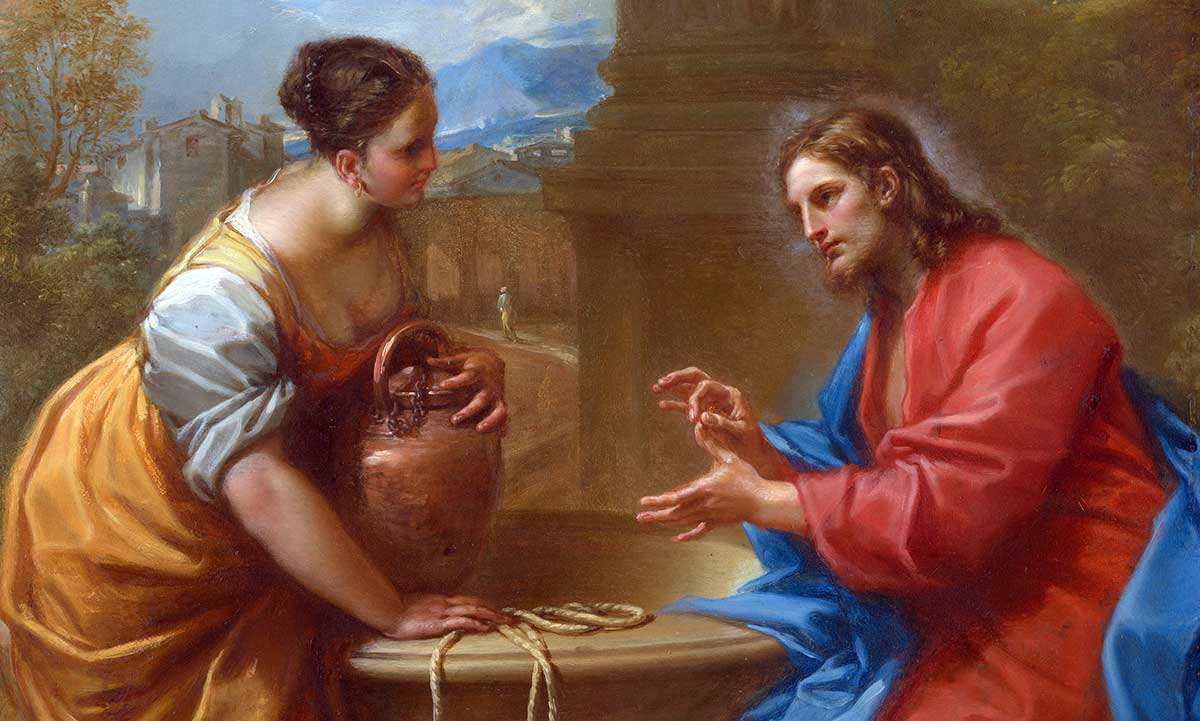
Because Jewishness is an ethnic as well as religious identity, the origin story of Judaism is told differently from the origin story of Christianity. Marital relationships are crucial in the Hebrew Bible, especially in the stories of the Patriarchs, since it was their biological offspring who also followed their religious faith that carried on their legacy. Christianity, by contrast, very early on adopted an overtly spiritual core that ignored ethnic heredity. One of the most prominent themes in the New Testament is the interethnic unity of the church.
Partly for this reason, the New Testament does not prioritize marriage in the story of its legacy. In fact, the state of singleness is arguably seen as superior. The obvious example of this is Jesus himself, who never married. Likewise his twelve disciples were either single or traveling without their families. Several of Jesus’s women disciples, notably his close friends Mary, Martha, and Mary Magdalene, seem to have been unmarried. The apostle Paul, who converted to becoming a follower of Jesus after Jesus’s lifetime, even writes in one of his letters to the church at Corinth that he believed singleness was advantageous for Christian service.
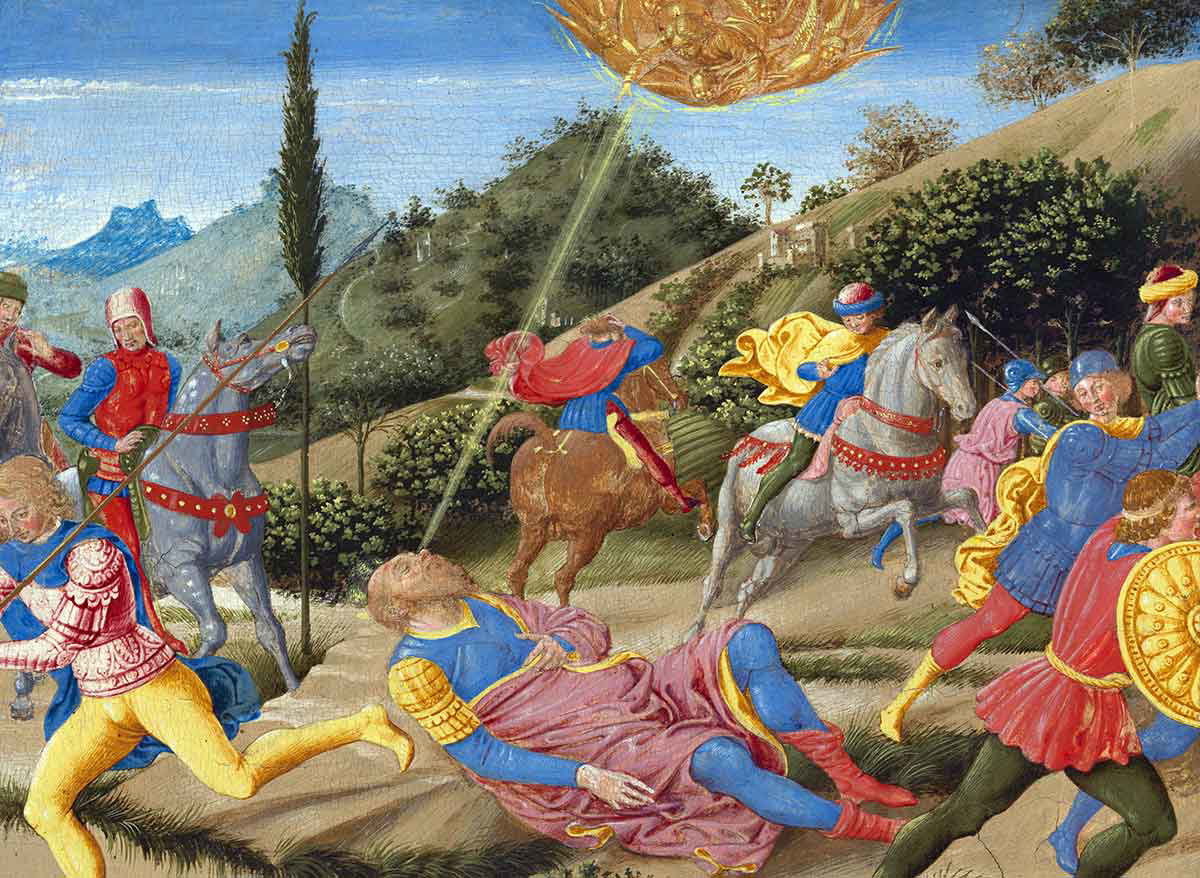
At the same time, the New Testament never demeans marriage, even calling it “holy.” It appears that its favorable view of singleness is for practical reasons, since being single can facilitate mobility and flexibility in Christian service, not because marriage or sexual relations therein are seen as spiritually inhibiting per se.
These observations about the New Testament notwithstanding, the Hebrew Bible also contains plenty of examples of unmarried heroes. Such towering figures as Jeremiah, Elijah, Elisha, and Daniel were unmarried their whole lives. Thus, insofar as there is a turn in the New Testament to idealizing singleness, it is nevertheless part of a trajectory easily found within Judaism’s scriptural tradition.
What Couples Play a Role in the Story of Jesus?
Of course, Joseph and Mary are arguably the most central couple in the New Testament, followed closely by Zechariah and Elizabeth, the parents of John the Baptist. Both of these couples are presented as pious and mutually dependent. While they at times struggle to understand their roles as, respectively, the parents of the Messiah and his prophet, their faithfulness is highlighted in the narrative.
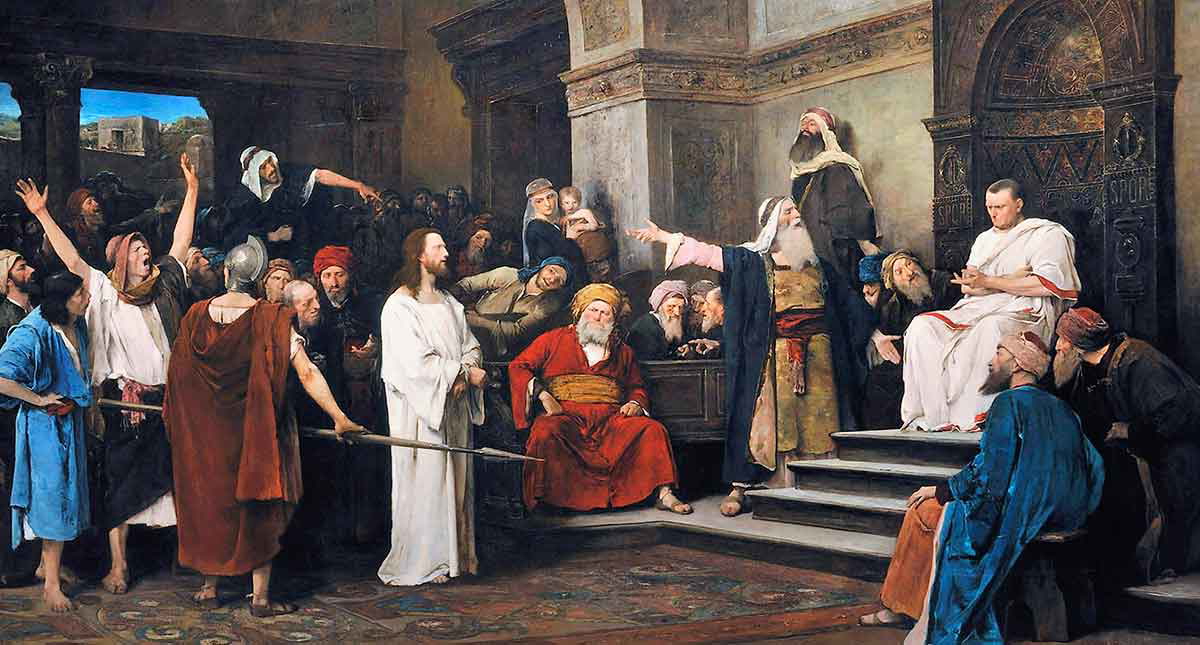
Other couples whose relationship plays a role in the story of Jesus’s life are Pontius Pilate and his (unnamed) wife, and Herod Antipas and his wife Herodias. Pilate’s wife is said to have tried to prevent him from ordering Jesus’s crucifixion by claiming that a dream had revealed to her that Jesus was innocent. Pilate famously ignores her advice.

Herod Antipas’s wife Herodius, by contrast, is said to have persuaded her daughter to request John the Baptist’s execution of her husband. After watching her perform a dance before his guests at his birthday celebration, Herod Antipas offers to grant the young woman any request she might make. In consultation with her mother, who hated John the Baptist because of his public criticism of her unlawful marriage (according to Jewish law) to Herod Antipas, the talented dancer requests John the Baptist’s head on a platter. Similarly to Pilate, Herod seemingly prefers not to follow through with this grisly execution but is compelled to proceed by his fear of appearing indecisive to his guests.
What Couples Play Roles in the New Testament After Jesus?
A couple named Priscilla (or Prisca) and Aquila worked closely with Paul as teachers in the Christian movement in Anatolia and Greece, sometimes traveling with him. They are mentioned both in the New Testament book of Acts and in several of Paul’s letters. Another man and woman who are mentioned together as leaders in the early Christian movement are named Andronicus and Junia, but it is not clear whether or not they were a married couple. Other couples hosted churches in their homes.
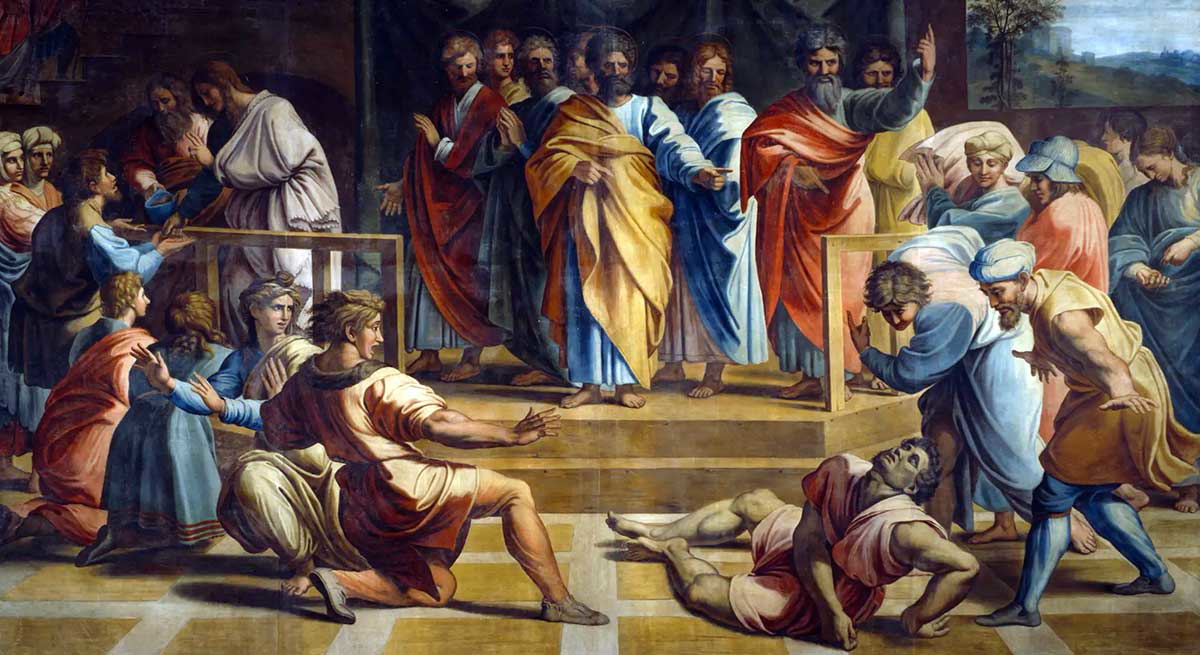
A couple named Ananias and Sapphira appear in the fifth chapter of Acts in one of the New Testament’s strangest stories. After deceiving Peter and the local congregation of followers of Jesus by falsifying a donation for the poor, making it appear more altruistic than it really was, they are said to have dropped dead, one after the other, in Peter’s presence.
While married couples appear in the New Testament, their interactions as husband and wife are not centered. Rather, individuals of various marital statuses and backgrounds appear in the stories, sometimes without reference to whether or not they were ever married. Scholars still debate the question of whether or not figures so prominent as the Apostle Paul were ever married. According to the Bible itself, he may have been single his whole life, widowed, or divorced. This is the case for other early apostles as well. But the fact that this information is left out suggests that marital status was not of primary importance to the memory that the New Testament authors were trying to preserve.