The story of Medea traditionally begins with her betrayal of her father, family, and homeland to help Jason capture the Golden Fleece, and ends with the murder of their children after Jason abandons her for another woman. Over the centuries, writers, artists, and philosophers have turned to Medea as a symbol through which to explore powerful themes such as motherhood and monstrosity, exile and otherness, female anger and rage, and the boundaries between passion and reason. A contradictory and complex character, Medea’s story continues to both provoke and disturb.
Hesiod’s Theogony
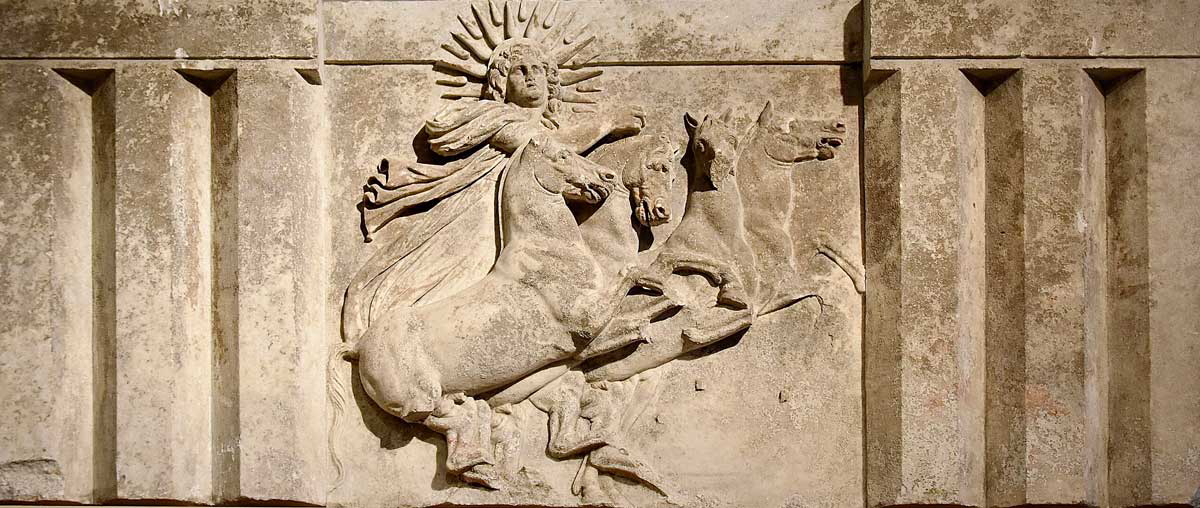
The first surviving reference to Medea appears in Hesiod’s Theogony, a poem estimated to have been composed between 730-700 BCE, that traces the genealogies of the Greek Gods. Hesiod claims that Helios, the sun God, produced two children with the Oceanid Perseis (otherwise known as Parse, Persea, or Perseide): first Circe, the famous nymph and enchantress that turned Odysseus’s men into pigs, and then Aeëtes who would go on to become the ruler of Aea and the protector of the famous Golden Fleece. Hesiod claims that Aeëtes fathered Medea with Idyia, the daughter of the titan Oceanus.
Hesiod provides no detailed narrative of Medea’s life, merely describing her as “godlike Medea,” who married Jason after he completed the trials set out for him by her father, and bore him a son. Despite its lack of detail, his account traces a very prestigious and storied origin for Medea, emphasizing the divinity of her parentage and establishing her as an otherworldly and powerful figure in Greek myth.
The Argonautica of Apollonius of Rhodes
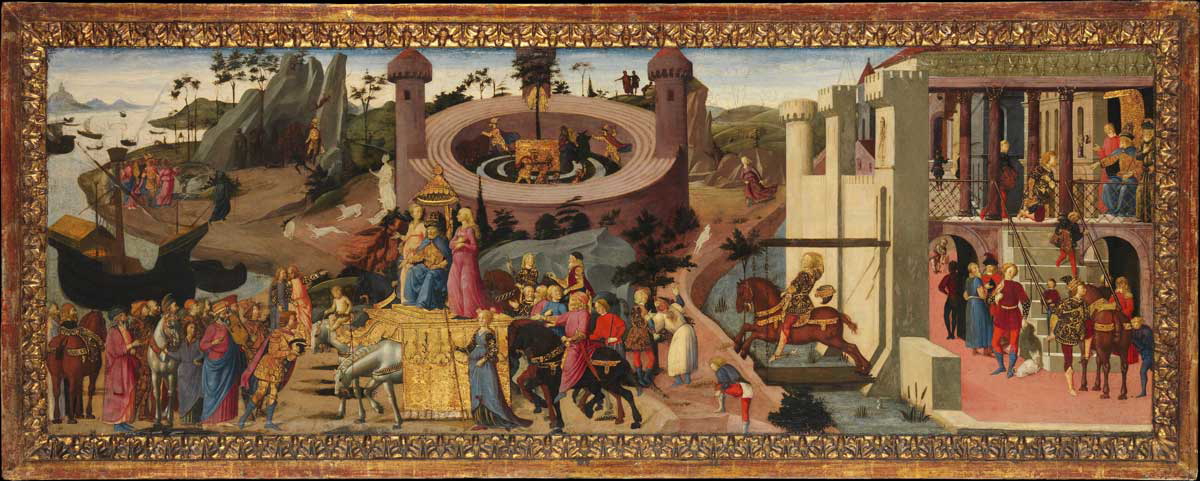
The most extant and complete narrative of Medea and Jason in ancient Greek sources comes from the epic poem the Argonautica, written by Apollonius of Rhodes in the 3rd century BCE. The poem begins by describing a prophetic warning to Pelias, king of the city of Iolcus, in Thessaly and uncle of the mythological hero Jason, that his downfall will come at the hands of a man with only one sandal. Jason arrives in Iolcus, having lost his sandal in a stream, and on learning this, Pelias decides to send him on what he believes to be an impossible mission. He tells Jason that he must go to Colchis and bring back the Golden Fleece, a divine symbol of authority and kingship, and return it to him. Jason agrees and sets sail upon the Argo (a ship that lends its name to his famous crew, the Argonauts) to complete the task.
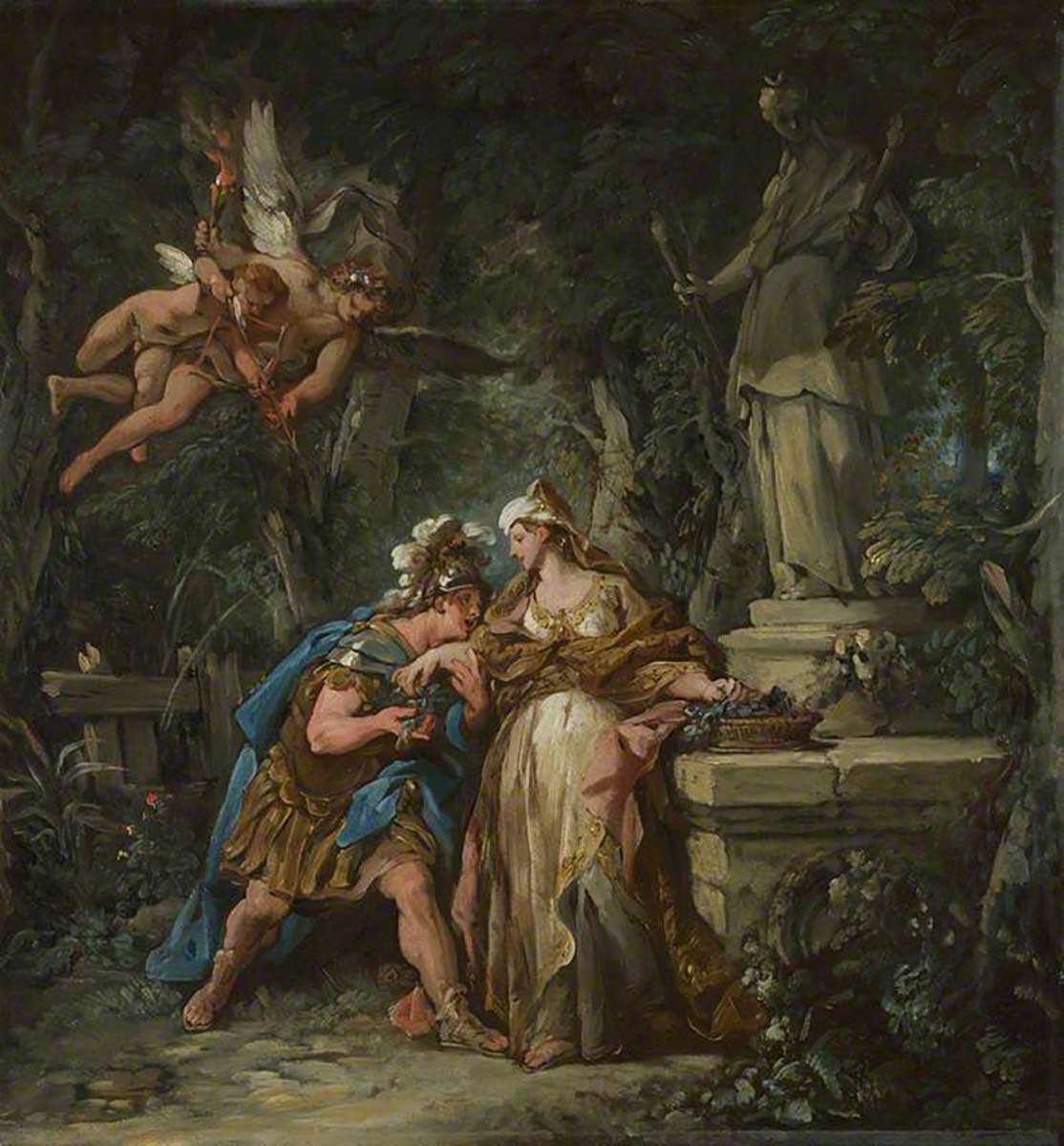
After a long and treacherous journey, Jason eventually arrives in Colchis. Aeëtes, Medea’s father and protector of the fleece, says he will give it to Jason if he completes a series of challenging tasks. Knowing the tasks to be nearly unbeatable, Hera and Athena, his supporters, decide to enlist the help of Aphrodite to ensure Jason’s success. Aphrodite encourages her son Eros to fire an arrow at Medea and make her fall madly in love with Jason so that she will assist him in outwitting her father.
Medea’s Despair
From the moment we are introduced to Medea, she is in near constant turmoil. She battles with the choice she must make between her family and homeland, and her overpowering passion for Jason. Apollonius describes her continually being beset by “shame and hateful fear.” She spends a sleepless night considering her options. She is horrified by the idea of betraying her father, but equally cannot bear to see Jason fail in his task. She sees no hope and no solution for her position, wishing that she had rather been slain by the arrows of Artemis than ever have set eyes on Jason.
She even contemplates suicide to avoid the choice at hand, but then considers how even in death she will be tormented by her decision, and become known as “the maid who disgraced her home and her parents, yielding to a mad passion.”
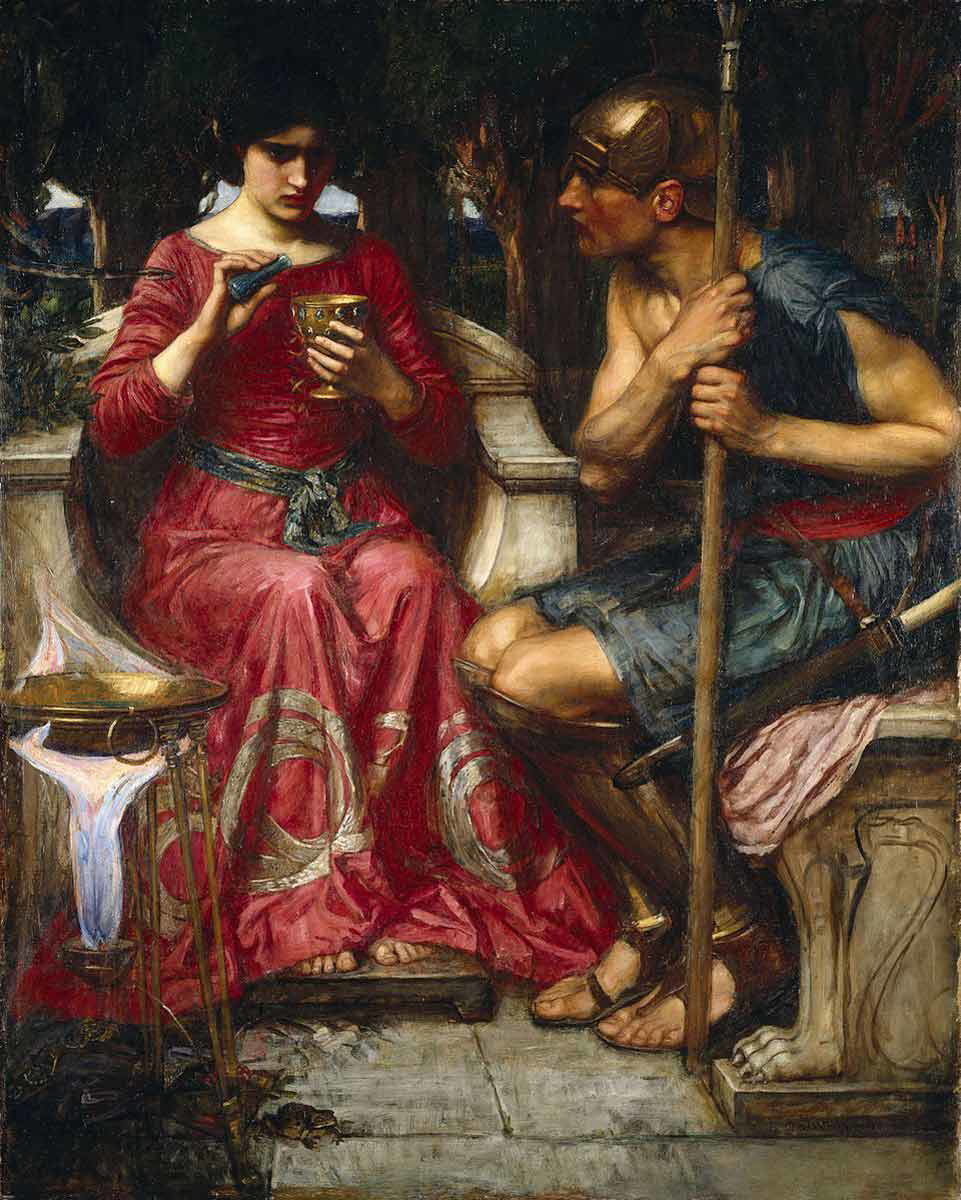
She goes to the chest where she keeps her many drugs and potions, longing to choose one that will poison her, but in that moment, she is struck by an overwhelming fear of death. Seeing that she still yearns for life, she becomes set in her purpose and decides that she will give Jason the charms he needs to aid him in his quest—and face the consequences of her choice.
Jason Completes the Impossible Tasks
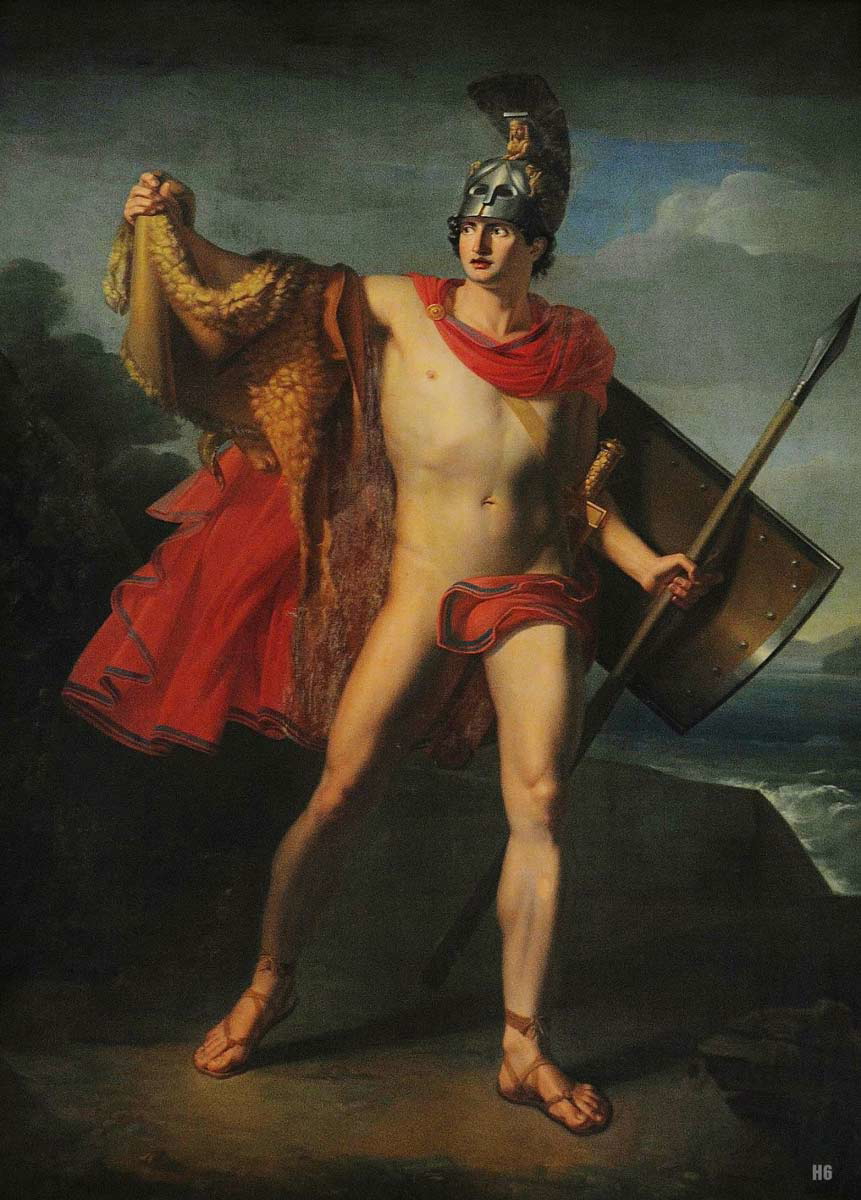
Jason and Medea meet in secret at the sacred grove of Hecate. Jason tells Medea he will make her famous all across Greece if she helps him, and Medea agrees. In return, Jason promises to marry her if she chooses to return with him to Greece after he wins the fleece.
Aeëtes’s first task is for Jason to plough the Plain of Ares with fire-breathing oxen that he must yoke himself. Medea gives him an unguent (a healing ointment) to protect him and his weapons against the fire, and he completes the task unharmed. Next, he is instructed to sow the teeth of a dragon, but Medea warns him that once he does so, the teeth will spring up as soldiers. She says that he must throw a rock amongst them in order to cause confusion, and the soldiers will turn on each other and spare him.
Jason does as she instructs and is successful in his tasks, however, at this moment of triumph Aeëtes goes back on his promise and refuses to give Jason the fleece, instead plotting to kill him and the Argonauts. Medea goes to Jason and tells him she will help lull to sleep the never-sleeping dragon that guards the fleece so that they can escape with it, and together they flee Colchis.
An Unholy Crime
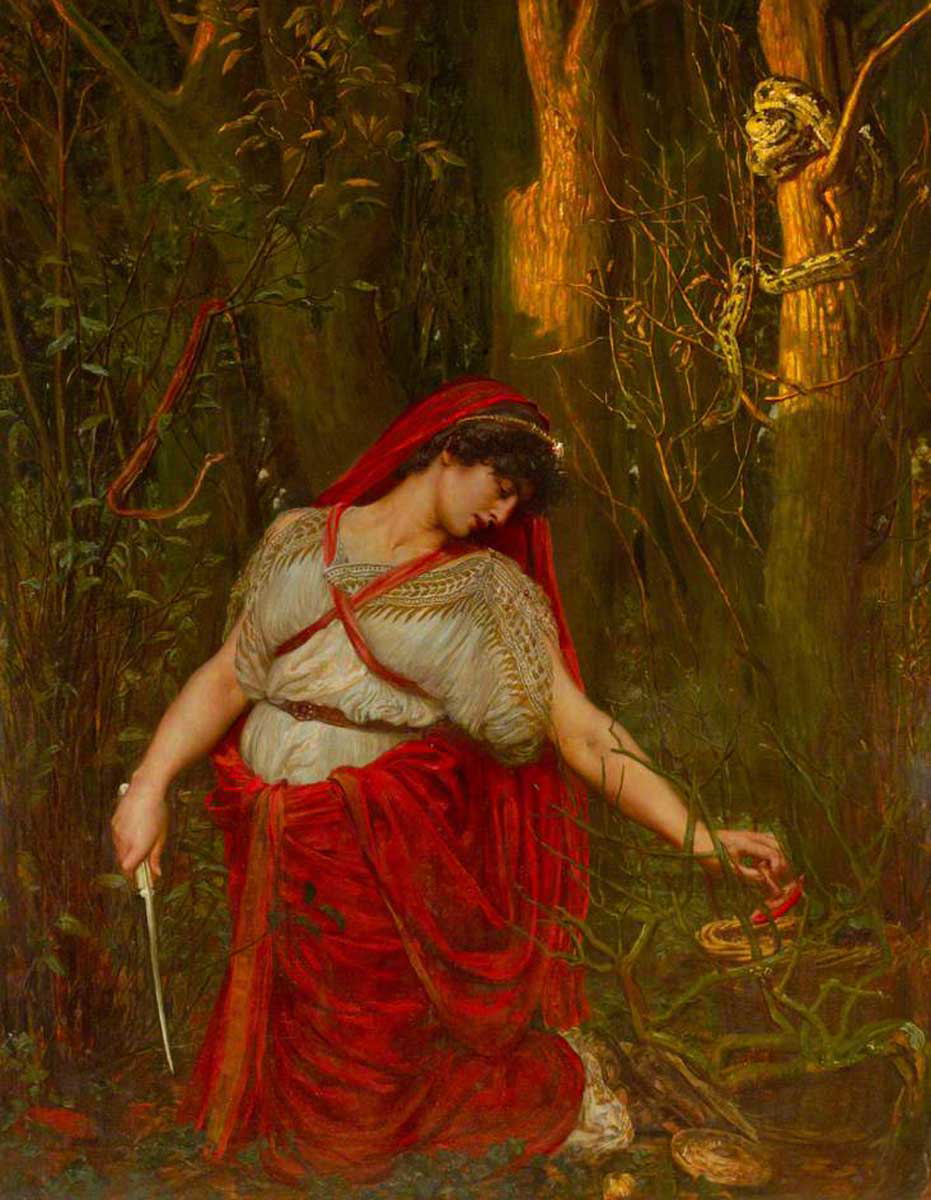
The Argonauts are pursued by King Aeëtes, and Medea’s brother Apsyrtus packs the surrounding islands with Colchians to guard the exits to the sea. Medea herself became a point of dispute, for while Jason had completed the tasks, he had done so through trickery and with her assistance. The Argonauts discuss separating Medea from everyone else and allowing her fate to be decided by the local kings.
Medea, furious that she may be discarded after all she has done, rages against Jason for the position he has put her in. She tells him that because of him she has “poured deadly shame over all women,” and wishes that her fury could drive him from his homeland because of what she has suffered through his heartlessness.
Jason hatches an alternative plot to escape the Colchians that does not involve handing Medea over. He convinces Medea that in order to avoid a more bloody battle, they must trick her brother into meeting with them alone at the temple of Artemis. He asks Medea to lure Apsyrtus with splendid gifts of friendship on the pretense that they wish to negotiate with him. Apsyrtus agrees and, on his arrival, is ambushed and killed by Jason while Medea shields her eyes. Jason puts his hands in the blood and stains Medea’s veil with it, binding her with him in this act of violence.
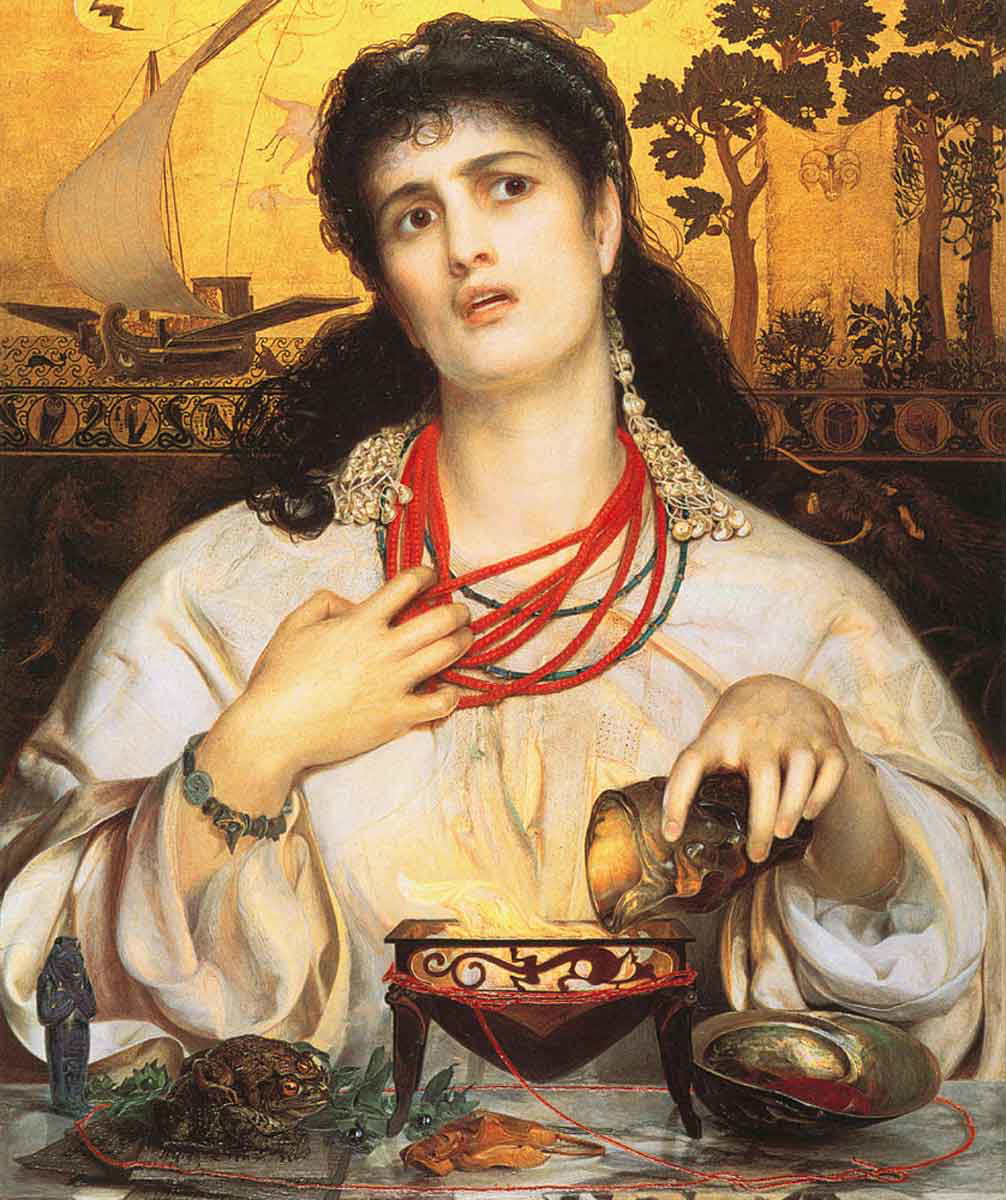
There are other, usually later versions of this story that claim that Medea killed her brother herself, dismembering his body and scattering it across the island to delay her father, who she knew would stop to retrieve them for a proper burial. Regardless of whether she was an active murderer or reticent accomplice, Medea was complicit in her brother’s death and marked by her treachery.
Apollonius writes that in killing Apsyrtus, Jason and Medea had angered the Gods, and thus had to seek purification for this shameful act. They decide to travel to Aeaea, the island inhabited by Medea’s aunt Circe and ask for her help. Circe is horrified by their crime but due to her relation to Medea agrees to ritually cleanse them of it and they once more set sail upon the Argo.
A Long Journey Home
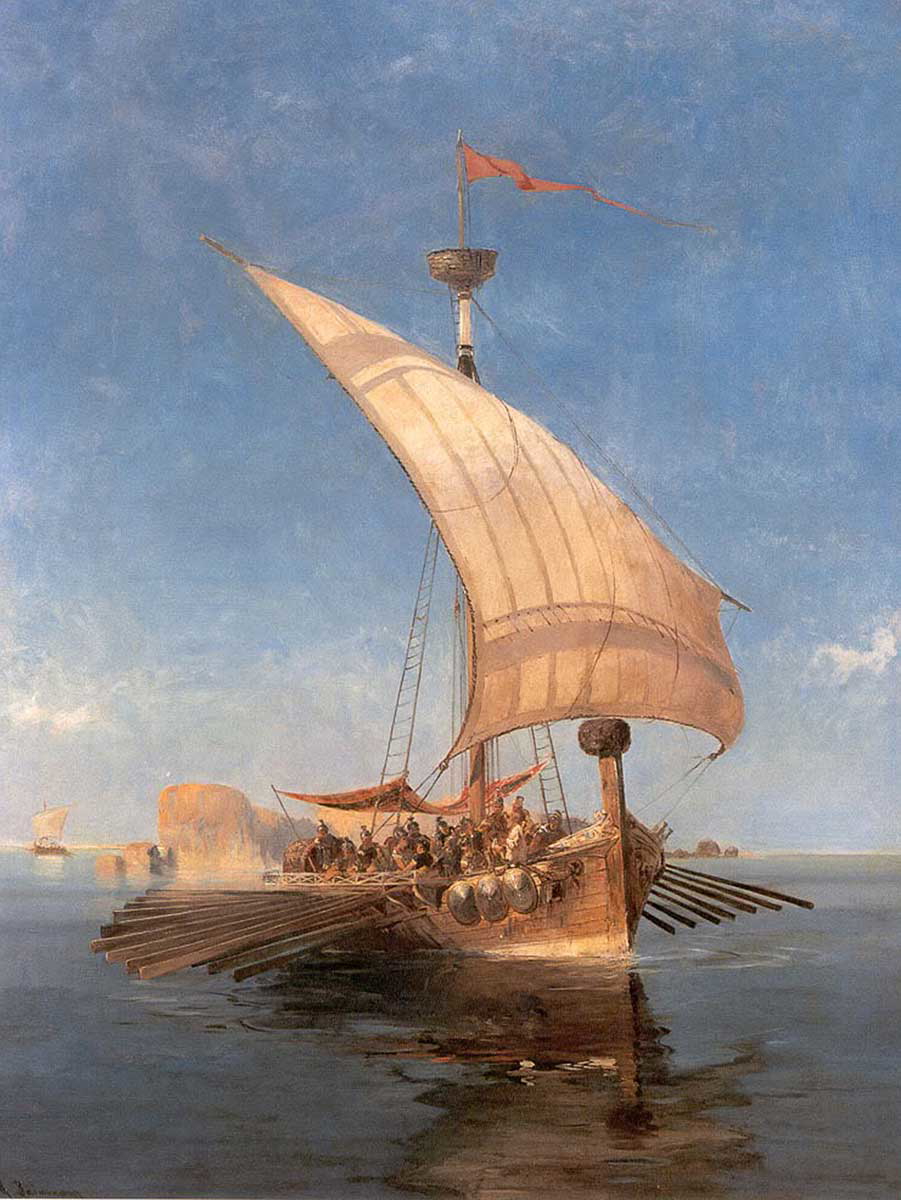
Medea, Jason, and the Argonauts encounter a number of further challenges as they continue their journey. When they land in Scheria, ruled by King Alcinous and Queen Arete, some of the Colchians arrive to try and retrieve Medea back to her homeland. Arete persuades her husband to protect Medea if she marries Jason. A wedding is quickly arranged and the King sends the Colchians away.
When they are nearing Iolcus, they encounter the bronze giant Talos who guards the island of Crete, throwing large stones at approaching ships. He has one vein which reaches down from his neck all the way to his ankle, and is bound shut by a singular bronze nail. Apollonius writes that Medea calls upon the “death spirits, devourers of life, the swift hounds of Hades” and bewitches the eyes of Talos, causing him to graze his ankle on a pointed crag and cut his vein. The ichor rushes forth and the mighty giant comes crashing to the ground, allowing them to safely pass. Soon after this story they finally arrive in Iolcus and the narrative comes to an abrupt end.
Apollonius’s Medea is clearly a woman beset by tragedy. She is portrayed largely as vulnerable and emotional, struggling against the fate that the gods have set out for her. Despite this, it is she who conquers many of Jason’s enemies. She is shown to be a powerful sorceress and a clever strategist, and there can be no doubt that Jason would never have accomplished his task without her assistance.
Euripides’s Medea
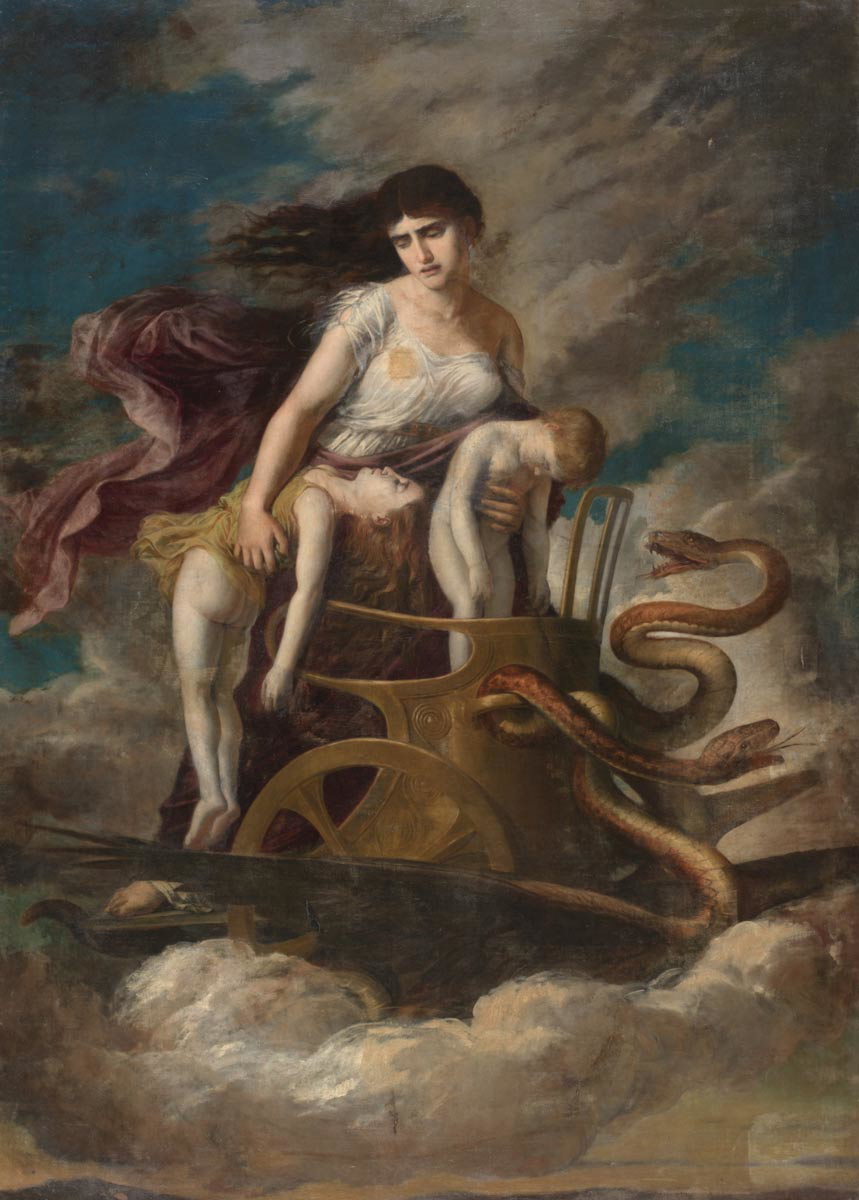
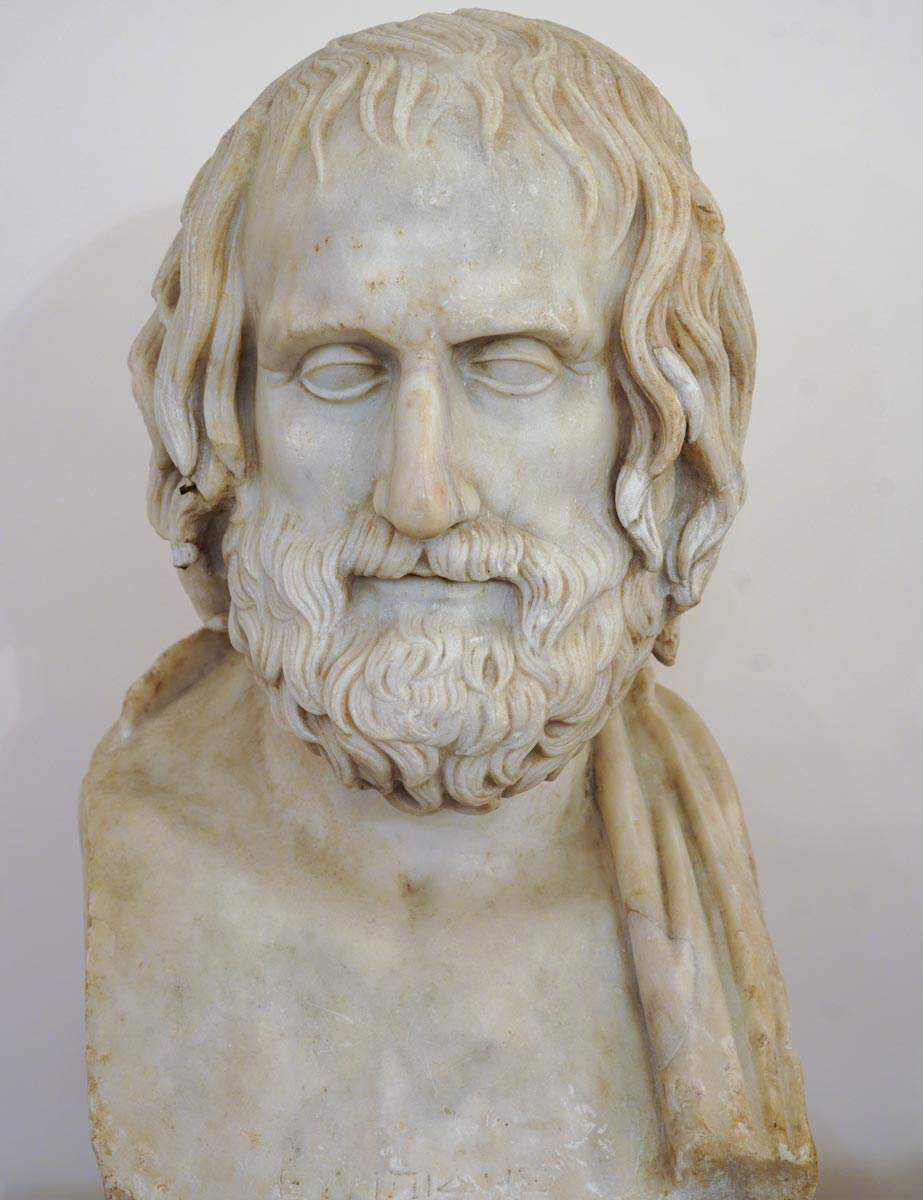
Although Apollonius provided us with the most complete surviving story of Medea from Greek sources, there were a number of representations of her before his writing. One of the most influential is Medea, by the Athenian playwright Euripides, first performed at the City Dionysia festival in Athens, in 431 BCE. The play continues to be read and staged today, and has become famous for its psychological depth and exploration of complex themes that still resonate with modern audiences.
Euripides’s narrative takes place after Apollonius’s narrative ends. The play begins with the Nurse of Medea’s children, wishing that Jason and the Argonauts had never made it to Colchis, that Medea never would have set sail for Iolcus driven mad with her love for Jason, and that they never would have come together to Corinth, where the play is set. We learn from the Nurse that Jason has now married Glauce, the daughter of Creon, King of Corinth, and that Medea and her children are to be banished.
This Medea is described often in natural imagery or animalistic terms. When looking at her children her eyes are described as “glinting at them like bulls,” and she has the “wild glance of a lioness with young.” She is often described using nautical terms, associating her with the tempestuous sea on which she was brought back by Jason. She is presented as an unstoppable force of nature, determined to wreak havoc, and destroy entirely the man who tore her from her homeland, used her for her skills and talents, and then abandoned her when he found a woman better suited for his purposes.
Unwilling to allow this humiliation, Medea hatches a plot to murder not only Jason’s new bride, but also the two children she shares with him. She instructs her children to go and supplicate Glauce, begging her favor so that she might request of her father, King Creon, that he revoke their banishment. She tells them that to endear themselves to her, they must give her a costly robe and golden coronet that she has secretly poisoned.
Glauce, unable to refuse the beauty of these items, agrees to the terms and accepts the gifts. Once she puts them on, they fuse to her body, and she becomes engulfed in flames, dying a horrible and painful death. On finding her, her father throws himself upon her body and becomes stuck to her dress, and in his attempt to save her, he suffers the same fate.
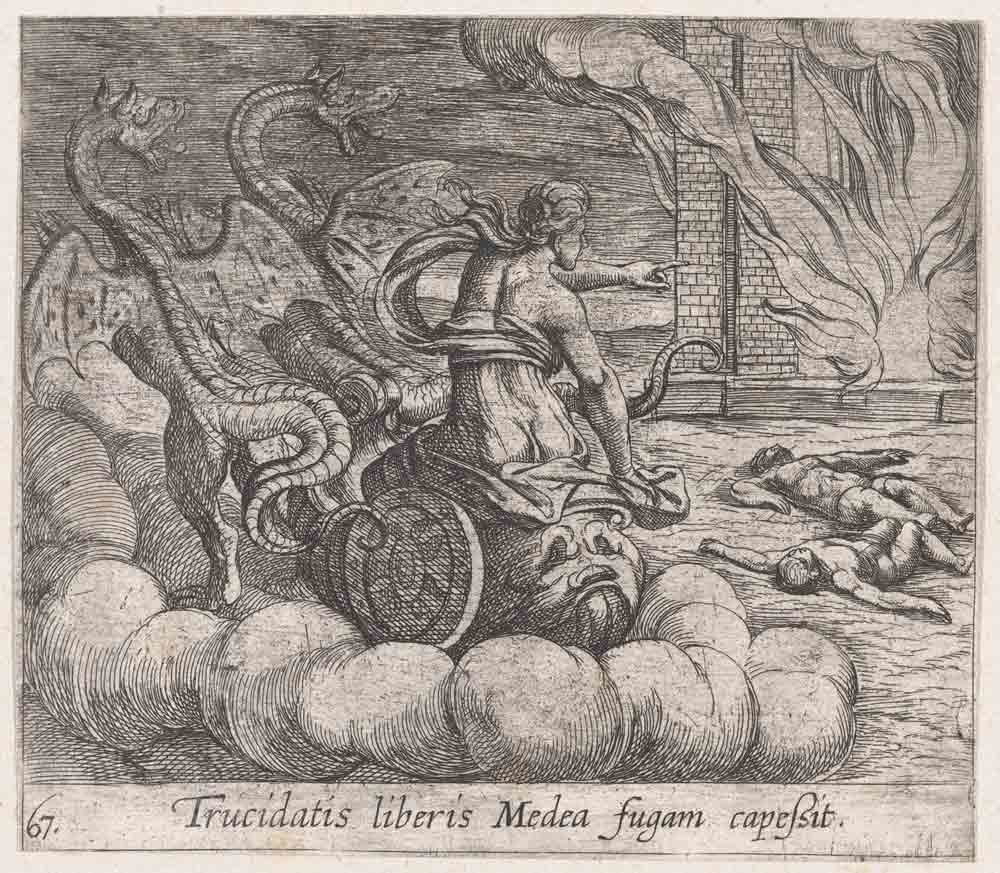
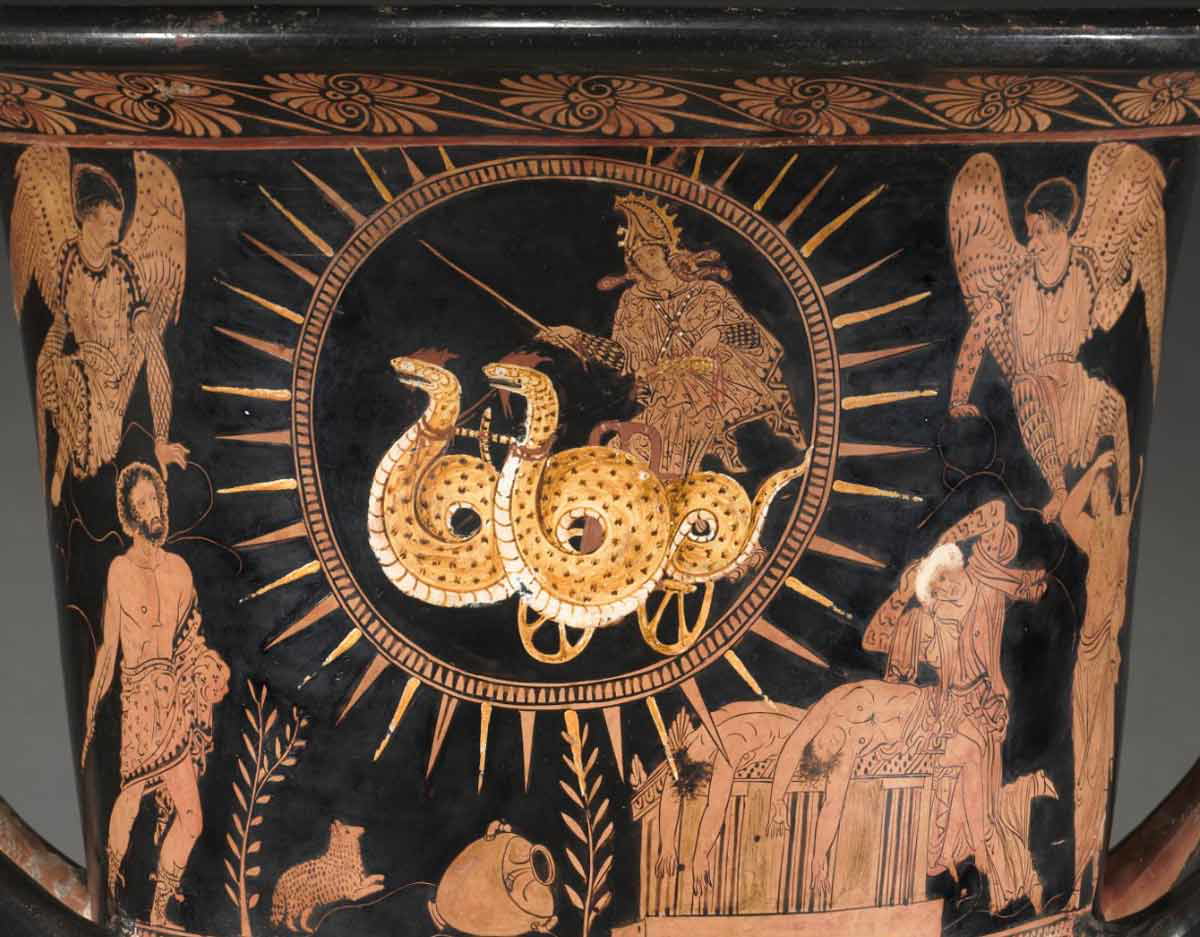
As her final act of vengeance, Medea steels herself to murder the two children she shares with Jason. Despite feeling conflicted and horrified by the task, she is overcome by her desire to punish Jason and commits the atrocity. In the final scene, her grandfather Helios sends a chariot drawn by dragons to help her escape, and she suffers no punishment for her crimes.
A Feminist Reading
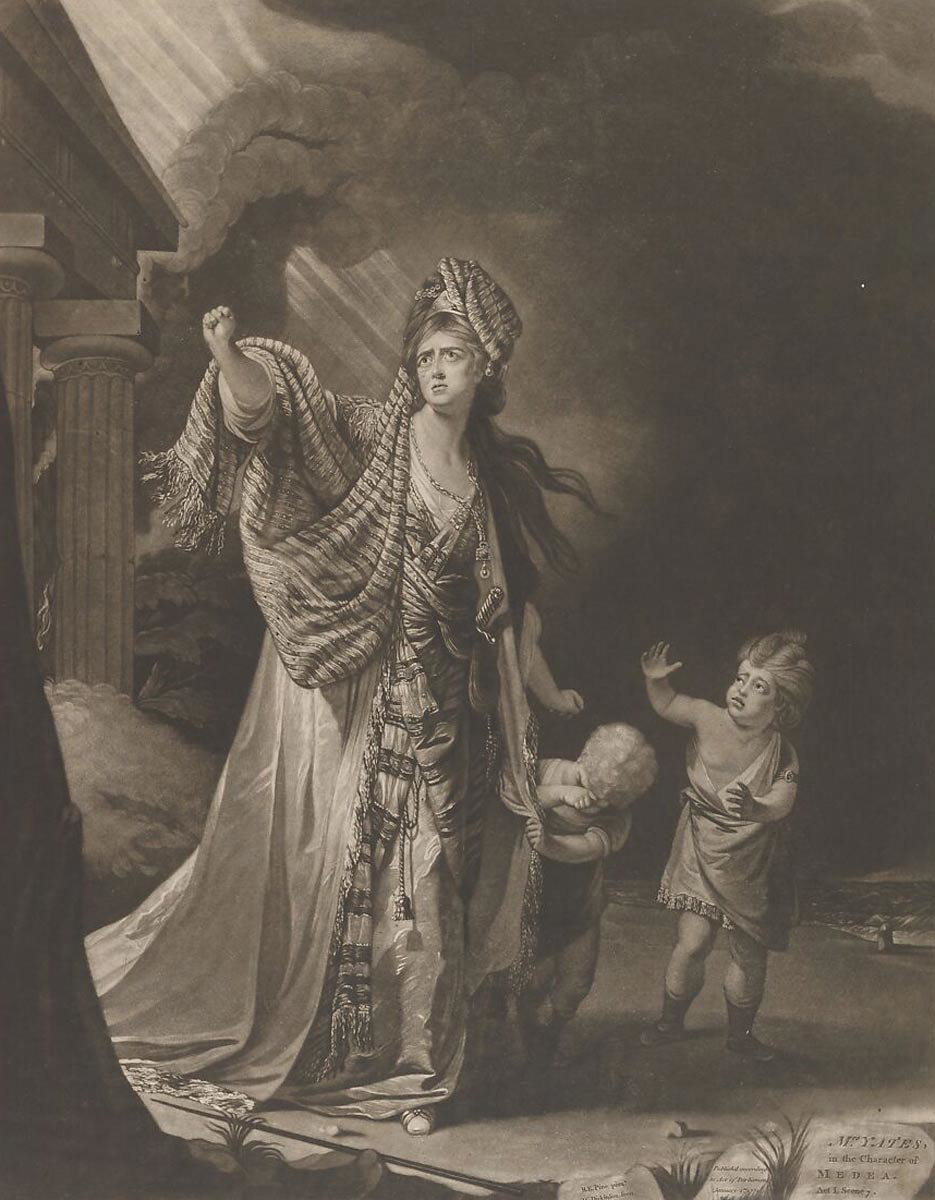
Euripides’s characterization of Medea is remarkable for its time, and he is often cited as something of a proto-feminist for the way he portrays her and the words he has her speak. Medea is repeatedly referred to as intelligent, her power is regularly emphasized, and although her actions are unspeakably cruel, there is no denying that she has substantial agency.
Where in Apollonius Medea was presented as a young maiden, seemingly helpless in her love for Jason and beset by anxieties, in Euripides’s play she is committed to the single-minded purpose that she will not allow herself to be humiliated, mistreated, and discarded by the man whose life she not only saved, but was instrumental in securing and advancing. She rages against the injustices committed against her as a woman, and facing the loss of her dignity, her pride, and her life in Corinth, she chooses, instead of giving in, to destroy all in her path.
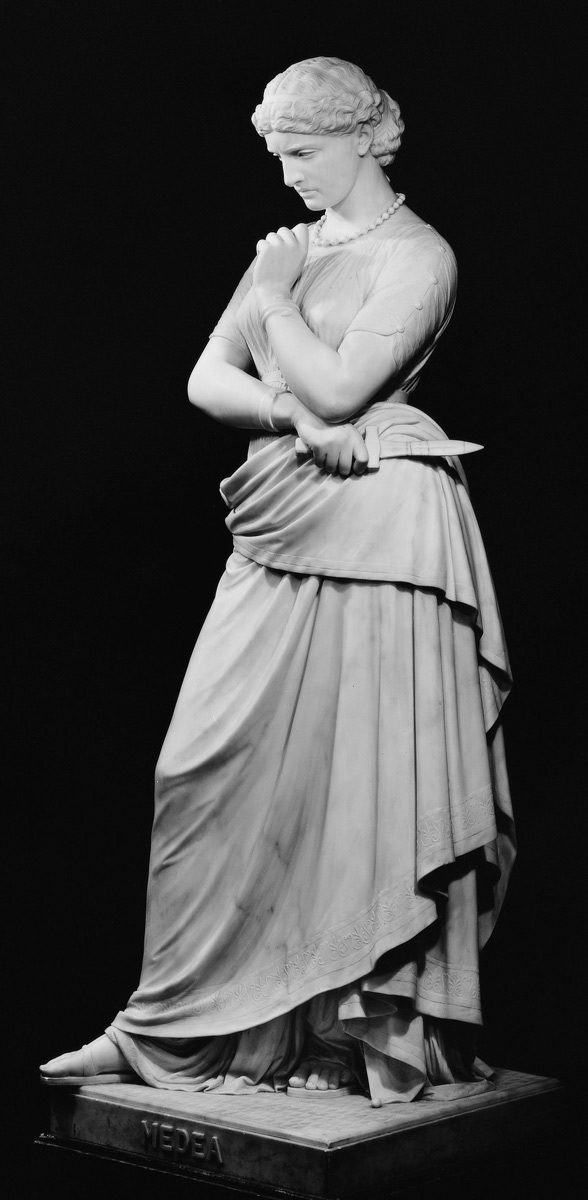
Her famous speech on the plight of womanhood has resonated through history, the rhetorical impact of it so strong it was even recited at suffragette meetings to rouse emotion for the cause. The full passage is worth quoting here:
“Surely, of all creatures that have life and will, we women
Are the most wretched. When, for an extravagant sum,
We have bought a husband, we must then accept him as
Possessor of our body. That is to aggravate
Wrong with worse wrong. Then the great question: will the man
We get be bad or good? For women, divorce is not
Respectable; to repel the man, not possible.
Still more, a foreign woman, coming among new laws,
New customs, needs the skill of magic to find out
What her home could not teach her, how to treat the man
Whose bed she shares. And if in this exacting toil
We are successful, and our husband does not struggle
Under the marriage yoke, our life is enviable.
Otherwise, death is better. If a man grows tired
Of the company at home, he can go out, and find
A cure for tediousness. We wives are forced to look.
To one man only. And, they tell us, we at home
Live free from danger, they go out to battle: fools!
I’d rather stand three times in the front line than bear
One child.”
Euripides’s Medea is part revenge fantasy, and part thoughtful exploration of the psychological impact of social isolation, betrayal, and trauma. No doubt the suffragettes found something cathartic in Medea’s unabashed violence against the systems that oppressed her, and it galvanized their own desires to take action.
Despite the supreme horror of her actions, it seems in history Medea has achieved the aim she sets out for herself in the play, asking, “Let no one think of me as weak and submissive, a cipher—but as a woman of a very different kind, dangerous to my enemies and good to my friends.”
A Postcolonial Reading
In certain critical interpretations, Medea has come to represent the postcolonial story of a foreigner taken from their homeland and made an outsider in a new land. A number of adaptations have emphasized this reading, placing Medea in various migrant or colonial contexts and exploring how her rage and eventual violence is at least partially a consequence of her position as an oppressed minority.
Citizenship in Athens was a closely guarded privilege, and anxieties about foreign inclusion were substantial in Euripides’s time. The Athenian empire was at the height of its power, buttressed by an ideology of cultural and political superiority, with a clear division between Athenian citizens and those that they labelled “barbarians” on their periphery.
Euripides continually emphasizes Medea’s position as a barbarian, and how, despite her attempts to adapt to the customs and ways of Corinth, she has never been fully accepted.
Jason expects her to be grateful that he brought her to a civilized land instead of her barbarian home, but she regularly bemoans the loss of her fatherland and her treatment by the Corinthian people. She complains that her social isolation and final banishment from the only home she knows lead her to question what she has to gain from living, and with no final refuge she decides that the only place her power lies is in destruction.
It is not unusual for Greek protagonists to commit such horrific crimes, but it is unusual for them to escape punishment. This may suggest Euripides’s sympathy for his heroine and a subtle alignment with some of her words. Medea’s statement that, “Men do not judge justly with their eyes when, before they know for sure the true nature of a person’s heart, they hate on sight, though they have suffered no grievance,” could be particularly pointed to his 5th century Athenian audience and show that Euripides himself held a more progressive attitude to cultural integration.
Regardless of his intentions, Euripides’s Medea has become a symbol of the psychological impacts of displacement and marginalization, as well as the cycles of violence it can generate and sustain.
Roman Depictions of Medea
Beyond the Greek tradition, Medea also featured in a number of Roman sources, particularly around the early Imperial Period—the 1st century BCE to 1st century CE. The poet Ovid, writing during the reign of Augustus, provides one of the most detailed Roman accounts of her life in Book Seven of his 15-book epic Metamorphoses, within which he recounts the story of Jason’s quest and Medea’s pivotal role in his success.
Ovid also wrote The Heroides, which translates to “The Heroines,” a collection of letters written in elegiac couplets in which heroines from Greek and Roman mythology directly addressed lovers who in some way betrayed or mistreated them. Medea is the subject of the 12th letter, which begins with the line “Scorned Medea, the helpless exile, speaks to her recent husband.” Through Medea’s voice, Ovid explores the sacrifices she made for Jason, the betrayal of her family and homeland, and Jason’s ingratitude. It is both sorrowful and furious, emphasizing her emotional turmoil and the rage she feels that he should leave her after all she has given him.
The poet Valerius Flaccus wrote his own Argonautica in circa 70 CE. It is in part a translation of the Argonautica of Apollonius, and part his own piece, full of allusions to Virgil and other literary works. Within it, he stresses Medea’s conflict between her erotic desire for Jason and her filial duty to her father and portrays her ultimate betrayal as a tragic fate.
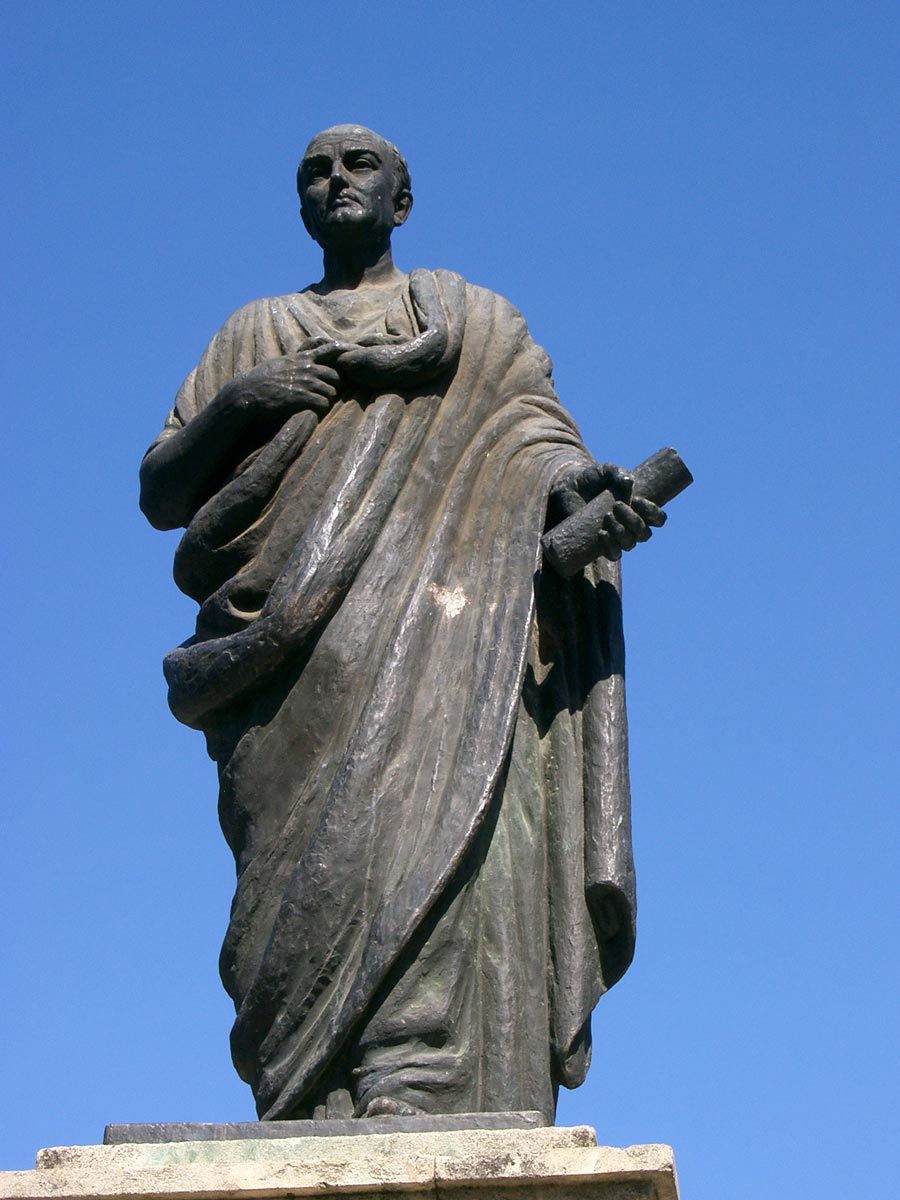
Seneca the Younger, a statesman and dramatist, wrote his own play about Medea around the year 50 CE. He presents an even darker and more intense version of the story, choosing to show the murder of one of her children on stage and in front of Jason, instead of offstage as it happened in Euripides. The play famously includes the line “Medea nuns sum,” which translates to “Now I am Medea,” suggesting she has openly embraced her destructive power and allowed herself to become fully consumed by her rage.
Seneca himself was a noted Stoic philosopher, and thus believed that the path to leading a fulfilling life was through practiced reason and restraint. In the play he highlights Medea’s rejection of reason and virtue in her deliberate choice to pursue vengeance, and shows how her passion leads to her own self-destruction, distancing herself further from her humanity.
It is not surprising that Medea became a prominent figure in Roman literature during this period. The transition from Republic to Empire brought significant social and political upheaval, prompting philosophers, poets, and playwrights to explore tensions important between order and chaos, reason and emotion, and the boundaries between Roman identity and foreignness. Medea, as a figure who embodies these extremes, became a powerful vehicle through which to examine such questions, as well as providing a gripping story to satiate the public’s appetite for a compelling tragedy.
Medea Beyond Classical Sources
Medea’s name still looms large today. She has been the subject of numerous films, operas, novels, plays, and poems, each offering its own interpretation of her elusive character. In the late nineteenth and early twentieth centuries she became a figure in psychoanalytic readings, associated with the unconscious, hysteria, and the breaking of taboos. Her name is invoked in psychology with the term “Medea complex,” referring to a mother’s desire to harm or kill her children and she continues to appear in contemporary art as a complex figure of both motherhood and monstrosity.
She remains a staple of modern theatre and a powerful vehicle for exploring themes of gender, race, motherhood, and trauma—portrayed at times with deep sympathy and at others as a ruthless murderer and sorceress. Whatever the interpretation, the story of Medea has endured for centuries and continues to resonate today.