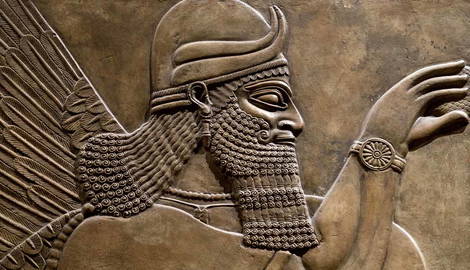
Recorded history began in the Fertile Crescent. One of the more active zones in this region was the Land Between Rivers, also called Mesopotamia. Located between the Tigris and Euphrates Rivers, the region was home to several civilizations, including the Sumerians, Assyrians, and Babylonians. Their ability to emerge as complex civilizations relied on a few important inventions that revolutionized the world: the wheel, the plow, and the city. While they may seem simple or obvious technologies today, at the time, these inventions transformed human capacity.
The Wheel
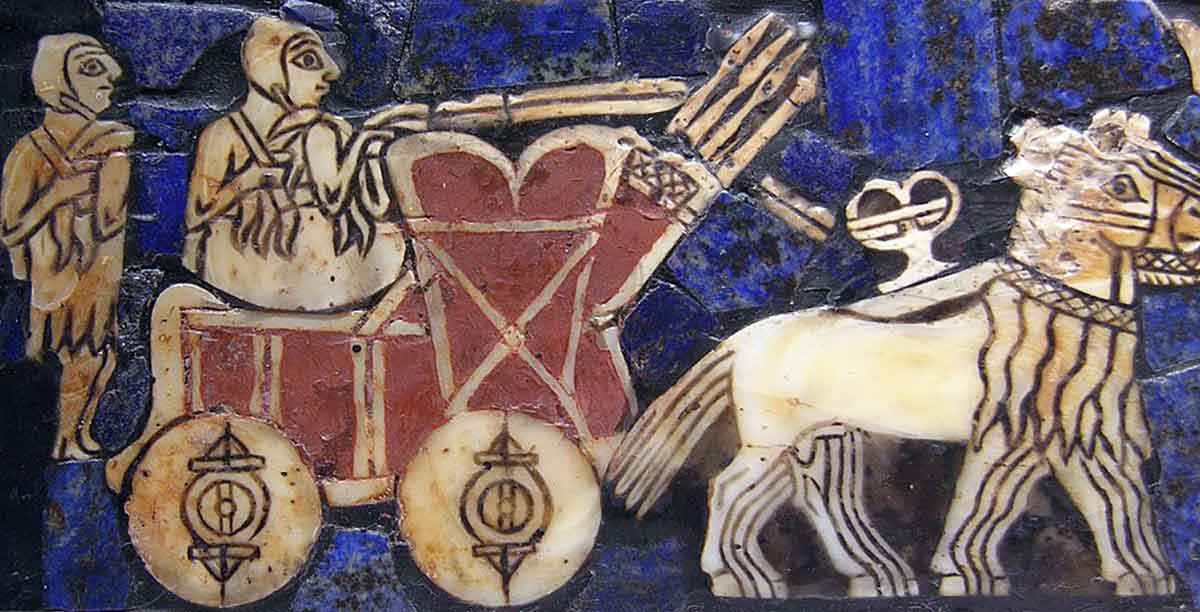
The wheel seems like a simple concept, a round object that could spin on an axis. However, its creation is not necessarily intuitive, since there is no wheel or wheel-like structure found anywhere in nature. There is tremendous debate around when, where, how, and why the wheel was invented.
There is some evidence that the wheel was created about 4000 BCE during the Copper Age, but this is difficult to confirm with any certainty. The wheel is generally agreed to have been invented both in Sumeria and by the Cucuteni-Trypillia culture in southeast Europe independently from one another around 3500 BCE. But these wheels were not for vehicles, but for making pottery.
The potter’s wheel revolutionized the manufacture of pottery. Before this invention, pottery was made by shaping a lump of clay by hand, including a method called coiling. The clay was rolled into lengths, then coiled into shape and pressed together by hand. After the spinning potter’s wheel, the process became much more efficient. Clay was placed in the center of the wheel, which was spun by hand. The momentum of the spinning wheel kept the clay in motion. The potter then shaped the clay by pressing and lifting the clay into the desired shape. This simple process allowed pottery to be made thinner, requiring less material to create, and in a wider variety of shapes and sizes. This process was also significantly faster.
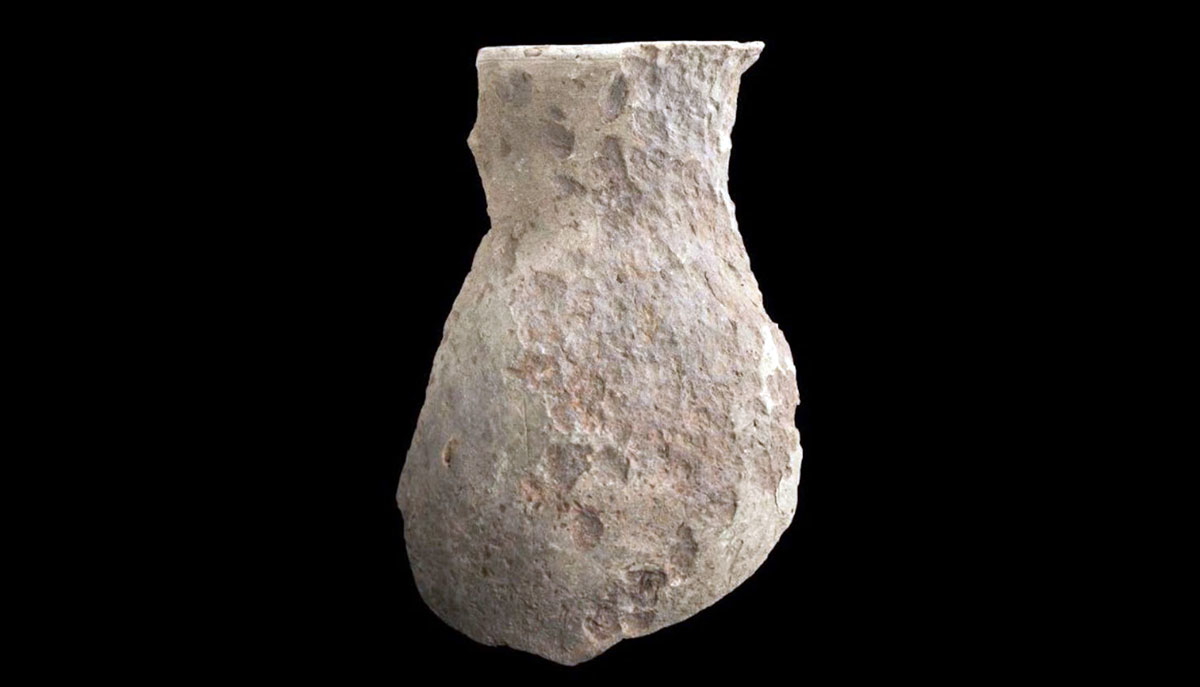
This may seem like a minor advancement, but the ripple effects were massive. The efficiency of production was the first tiny step towards industrialization, though it took many more innovations and millennia to come to fruition. More pottery produced meant more storage, which meant food and other goods could be preserved in larger quantities. With surpluses stored, populations could grow even in times of scarcity. Lastly, those who were skilled at the task became professionals, dedicated to making pottery rather than food production. Specialization of labor is the key component of urbanization, and was partially enabled by the wheel.
The Mesopotamians would later adapt the wheel for transport around 3200 BCE. These wheels were made from three planks, cut to shape and placed together, held in place by transverse struts that rotated around an axle. They were used for carts and later wagons. Lighter and faster spoked wheels emerged around 2000 BCE, ushering in the age of the chariot and revolutionizing warfare.
Wheeled transport brought many benefits. A cart or wagon could carry heavier loads than a person or beast of burden, and rolling was more efficient than dragging a load. Improved efficiency meant that workers could carry more raw materials for building projects, and farmers could transport more food over longer distances, facilitating trade.
The Plow
Before the wheel was even considered, probably the most significant leap in human development was the discovery of agriculture. It allowed humans to stay in the same location year-round, tending crops and animals rather than brave a hostile and unforgiving wilderness to find food.
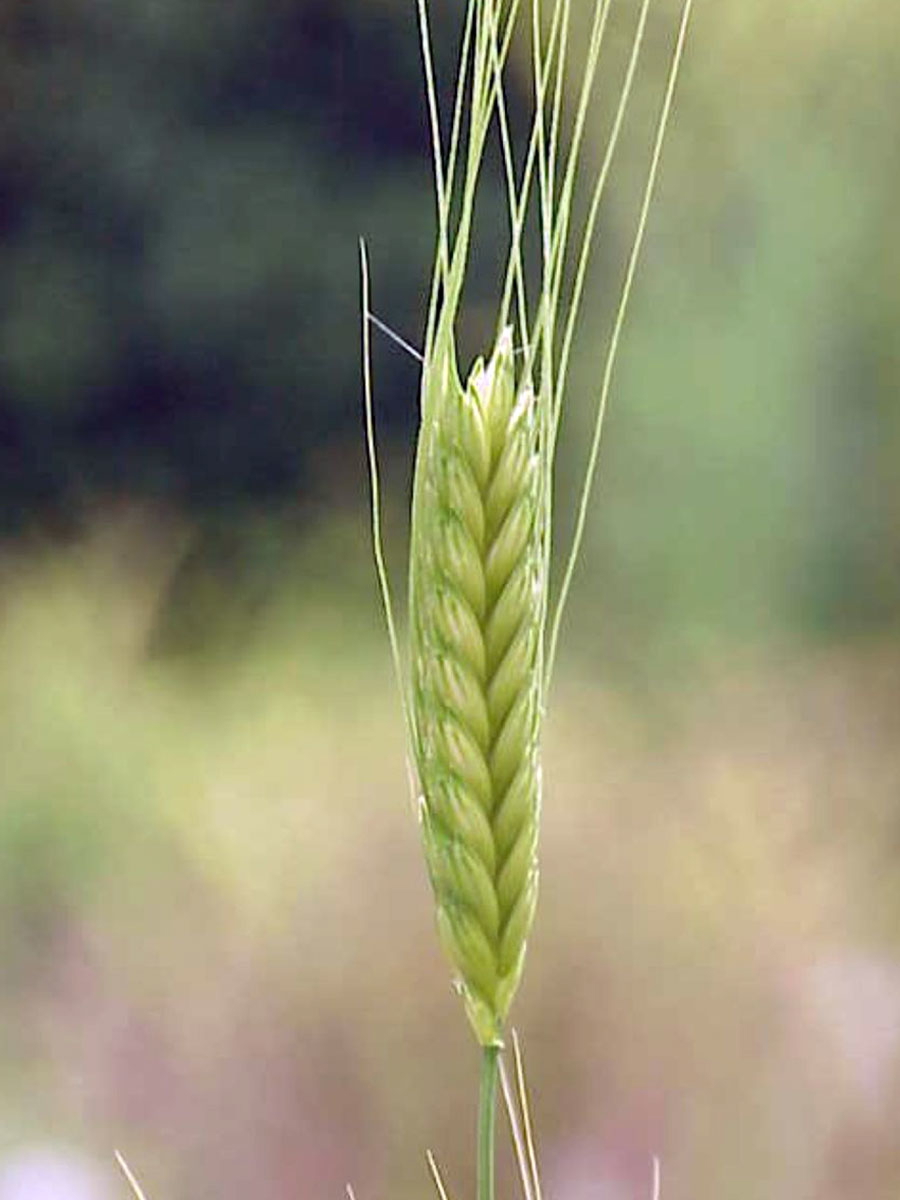
The first agriculture was accidental. Gatherers in the Levant around 10,000 BCE brought seeds back to their encampments, and those they dropped sprouted. Soon, the gatherers deliberately planted seeds, and by the end of the Neolithic period, nomadic hunter-gatherers became semi-nomadic and then sedentary. Dedicated agriculture developed around 9,000-8,000 BCE, with grains such as wheat and barley, as well as flax and chickpeas, grown on dedicated plots of land by people who stayed in the region.
Initially, seeds were simply planted on a patch of ground, but people soon realized that the plants were more likely to grow if the ground was plowed first. By turning over the soil, the loosened ground became aerated, making the planted crops grow better. Weeds and other plants are pushed underground, adding fertilizer to the soil.
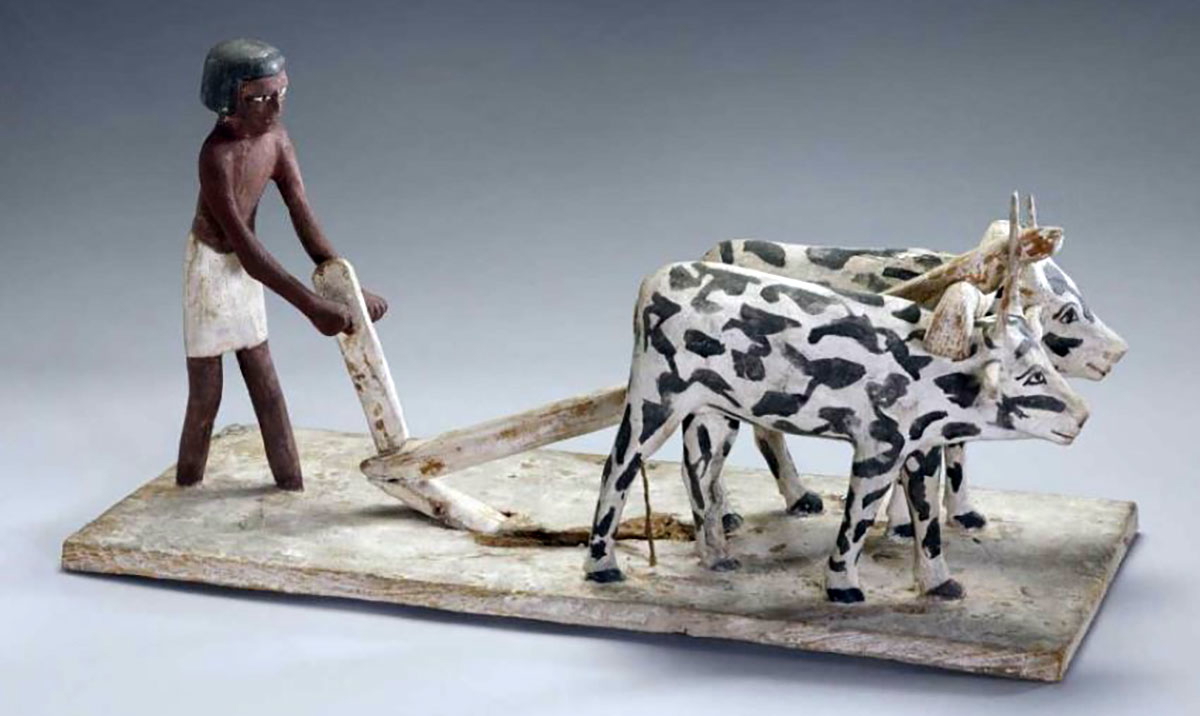
The first plows were simple sticks used to turn over the soil, but this was time-consuming and inefficient. A better way to plow a field was created by the Sumerians in the 4th millennium BCE. It was a simple device, a frame that had a prong or blade that bit into the earth, turning over the soil and digging out a small trench called a furrow. The first plows required two people, one to drag the device, and another to guide it. By 2000 BCE, this was replaced by animal power, with the plow harnessed to oxen, which were domesticated around 8,000 BCE. Animal-powered plows were easier to use and could plow deeper than human-powered plows.
Plowing was a key component of the growth of civilization. The increased crop yields led to surplus, something that was unheard of in hunter-gatherer times. The extra could be stored away in case of future famine. This surplus also made specialization of labor possible, and not everyone had to dedicate themselves to food production. Agriculture also required that the inhabitants stay in one place long-term if not permanently, which was the first step towards urbanization.
The City
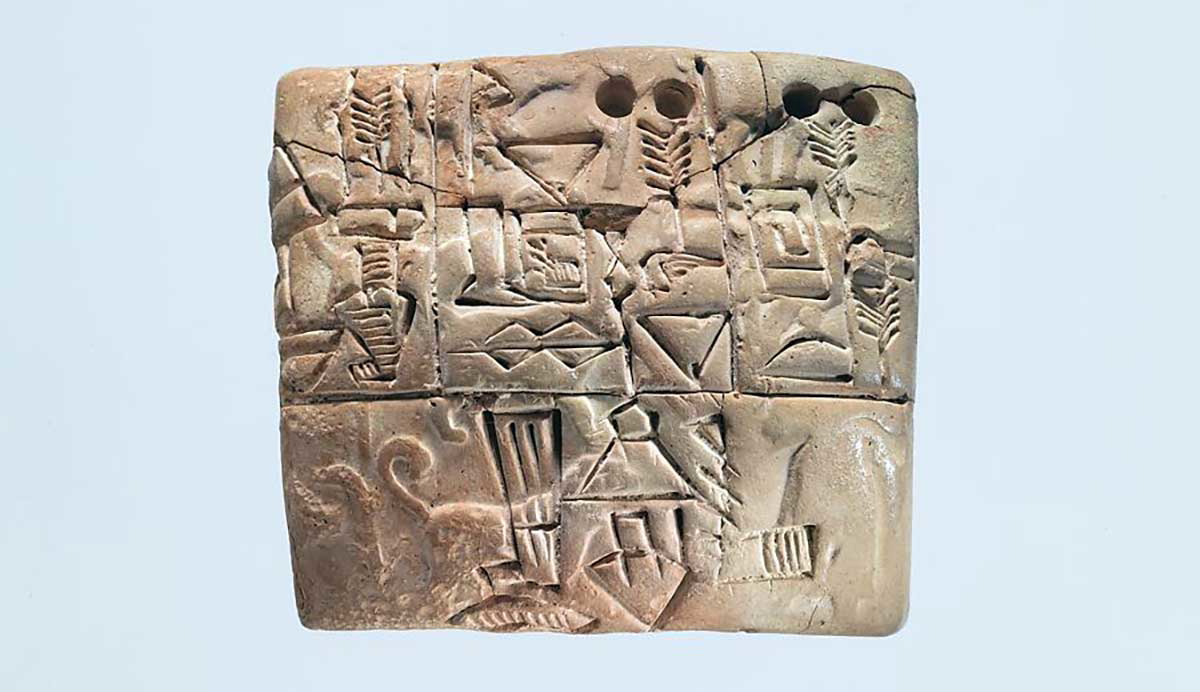
The creation of surplus and specialization enabled the other great Mesopotamian invention, the city. While defining the characteristics of a city is another debate, they are generally agreed to have first emerged in Mesopotamia.
After the innovation of agriculture around 10,000 BCE, populations were able to settle, then grow. Since fewer workers were needed to grow food, the remaining members of society were able to devote their time to other tasks, including pottery and crafts, as well as religious and administrative roles. This specialization of labor led to the creation of hierarchies and social stratification, many of which became hereditary.
The line between permanent settlement and city is not always easy to draw, but scholars suggest that the first city could have been the Sumerian city of Eridu. The Sumerians arrived in the region around 5500 BCE, possibly from the Caucasus, and either drove out or integrated the local hunter-gatherer population. The region was very fertile, capable of supporting a growing population.
Others suggest that the first true city was Uruk, located further north near the Euphrates, which may have been founded as far back as 5000 BCE. Uruk had a more clearly defined social hierarchy, administration, and bureaucracy, and more examples of written language and monumental architecture. Though mass urbanization did not occur until the 19th and 20th centuries BCE, the fact that there was a large population in Uruk, possibly as many as 50,000 people, makes it a strong candidate for the first city.
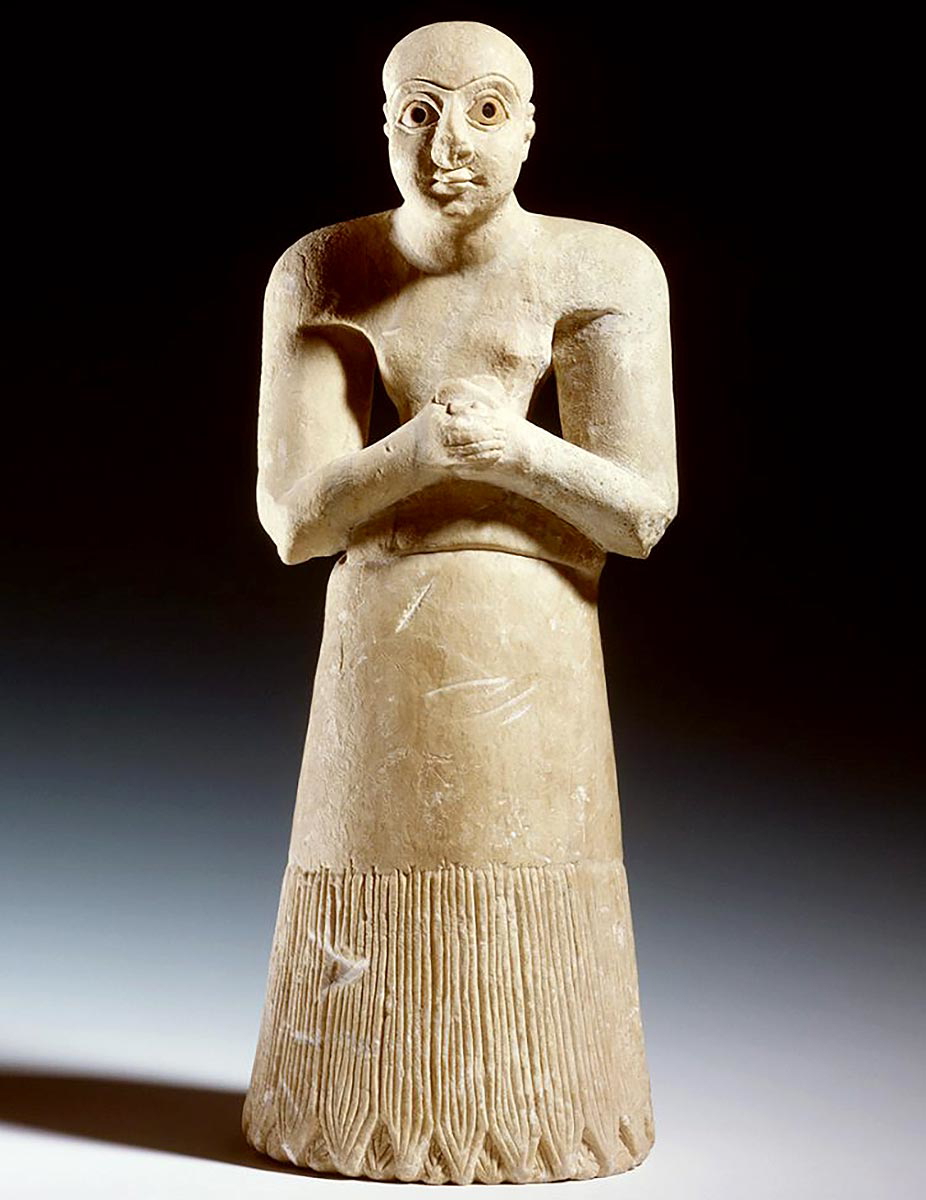
Instead of braving a hostile wilderness, the residents of these early cities were able to devote themselves to tasks beyond subsistence. Instead of living in temporary shelters, they built more substantial mud brick buildings. Surpluses increased after the invention of the plow, and this food was kept safe in pottery. Wheels were used to transport goods over longer distances, facilitating trade. Soon, other things were also exchanged, and elaborate trade networks emerged.
This all created wealth, which was unevenly distributed based on emerging social hierarchies, and the wealthiest lived in larger and more elaborate dwellings. These people formed the leadership, establishing the concepts of royalty, government authority, social stratification, and religious leadership. Most significantly, to aid in administration, written languages were invented, turning prehistory into history. Combined, these elements formed the basis of civilization, all thanks to the emergence of the wheel, the plow, and the city in ancient Mesopotamia.